When I was growing up in England I spent many a happy hour looking for fossils in Weardale, the upper reaches of the river Wear (pronounced as in weir). Raymore Park has lots of river bed in which to go fossil hunting, especially in summer when water levels drop. Many of these fossils date from the time 450 million years ago when Toronto was below the equator, covered by a shallow sea and the days were only 22.5 hours long (ah nostalgia).
Once you go fossil hunting, your eye develops a sense for it and you really don’t have to look very hard. The constant churning of the river brings new rocks to the surface so there are new discoveries to be made with every visit. Here are a few that I photographed along the Humber the other day without too much effort.
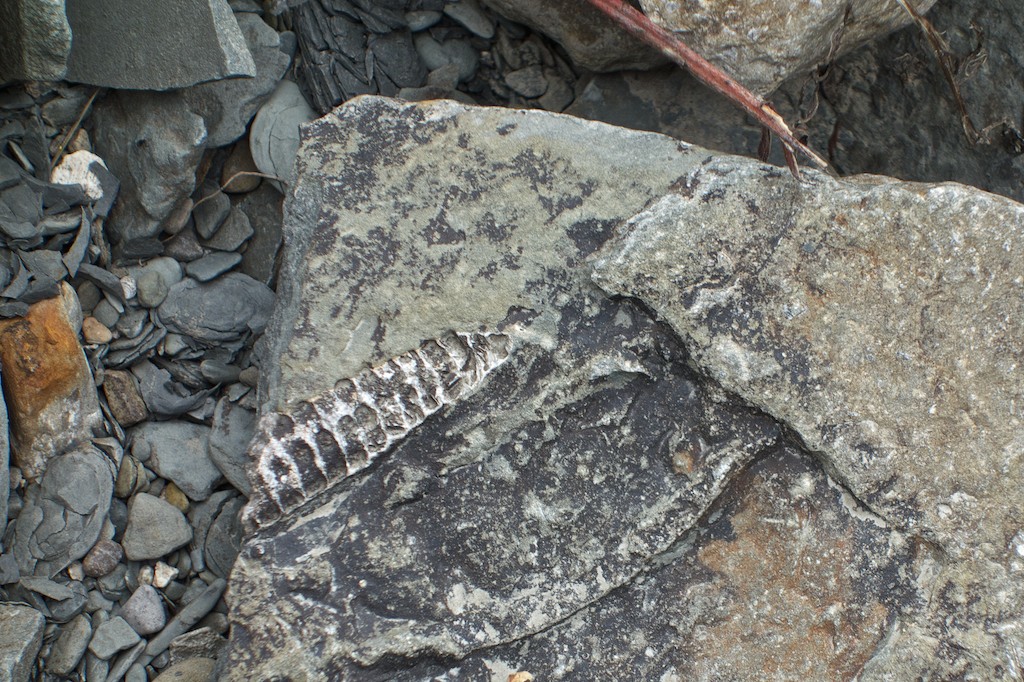
A cephalopod, ancestor of squid and octopus.
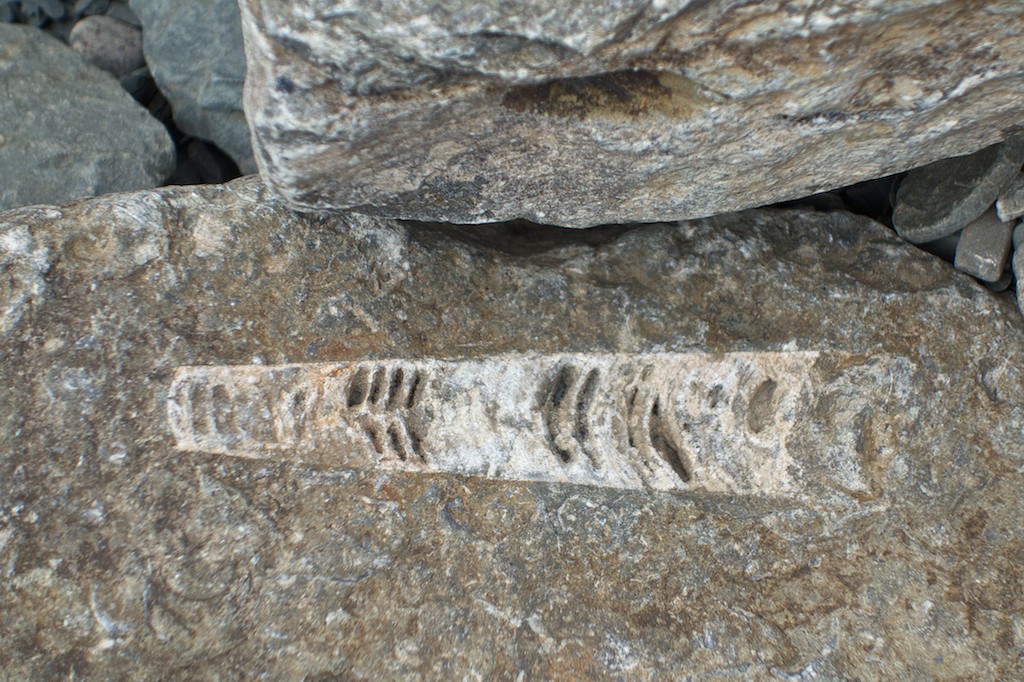
Another cephalopod
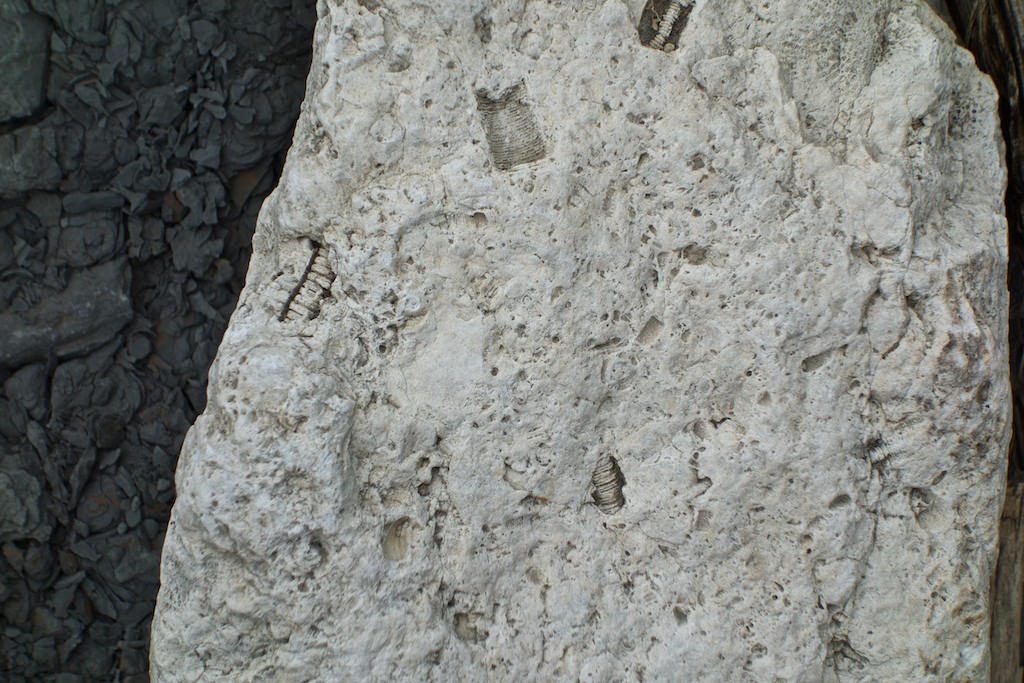
This limestone rock possibly washed downstream from the upper reaches of the Humber contains the fossils of hundreds of creatures.
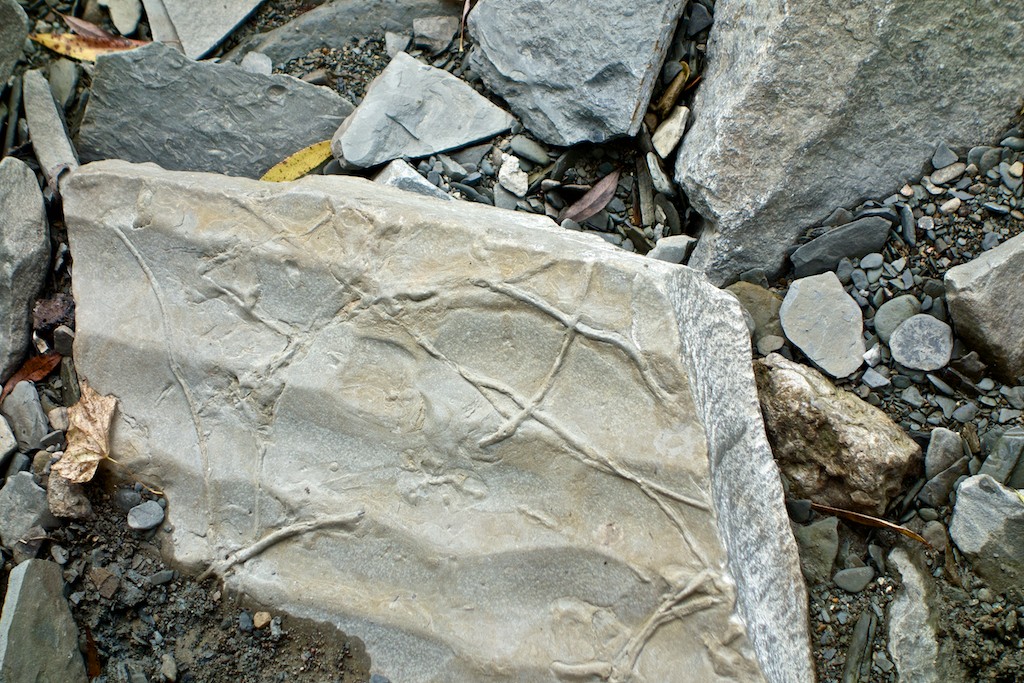
Worm tracks on a rippled surface.
It’s a great adventure for kids to be able to find fossils and look at these exotic sea creatures who made their mark (literally) hundreds of millions of years ago.

 Friends of Raymore Park
Most people in cities would be astounded by these fossils right under their feet! I’ve seen similar ones in Oakville. I hope people see your post and go fossil hunting 🙂
LikeLike
The third photo is actually foreign material that most likely came from rocks they used in constructions. I know constructions bring in sedimentary rocks from far away places.
Also, it doesn’t look like the typical shale or dolostone that’s from the Georgian Bay Formation (I myself hunt for fossils in the Humber river and Mimico Creek.
LikeLike
I found one today. I live right near the humber river I would post a pic if I could.
LikeLiked by 1 person