The amount of wildlife in Toronto parks is quite amazing and we aren’t always aware of the secret lives of the animals who live alongside us. Yes, beavers are a presence in Raymore Park and although it’s rare to see them, we can often see signs of them.
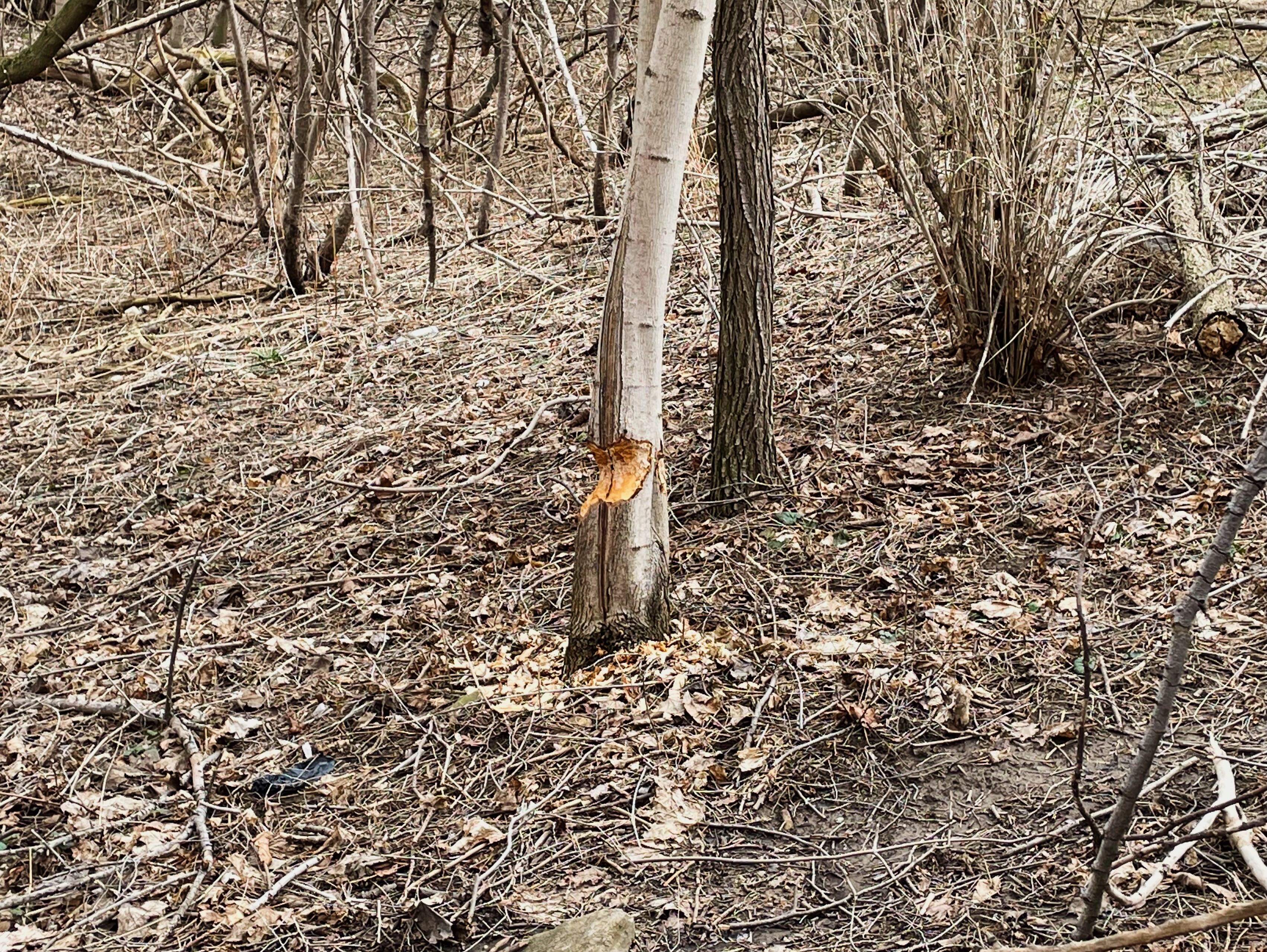
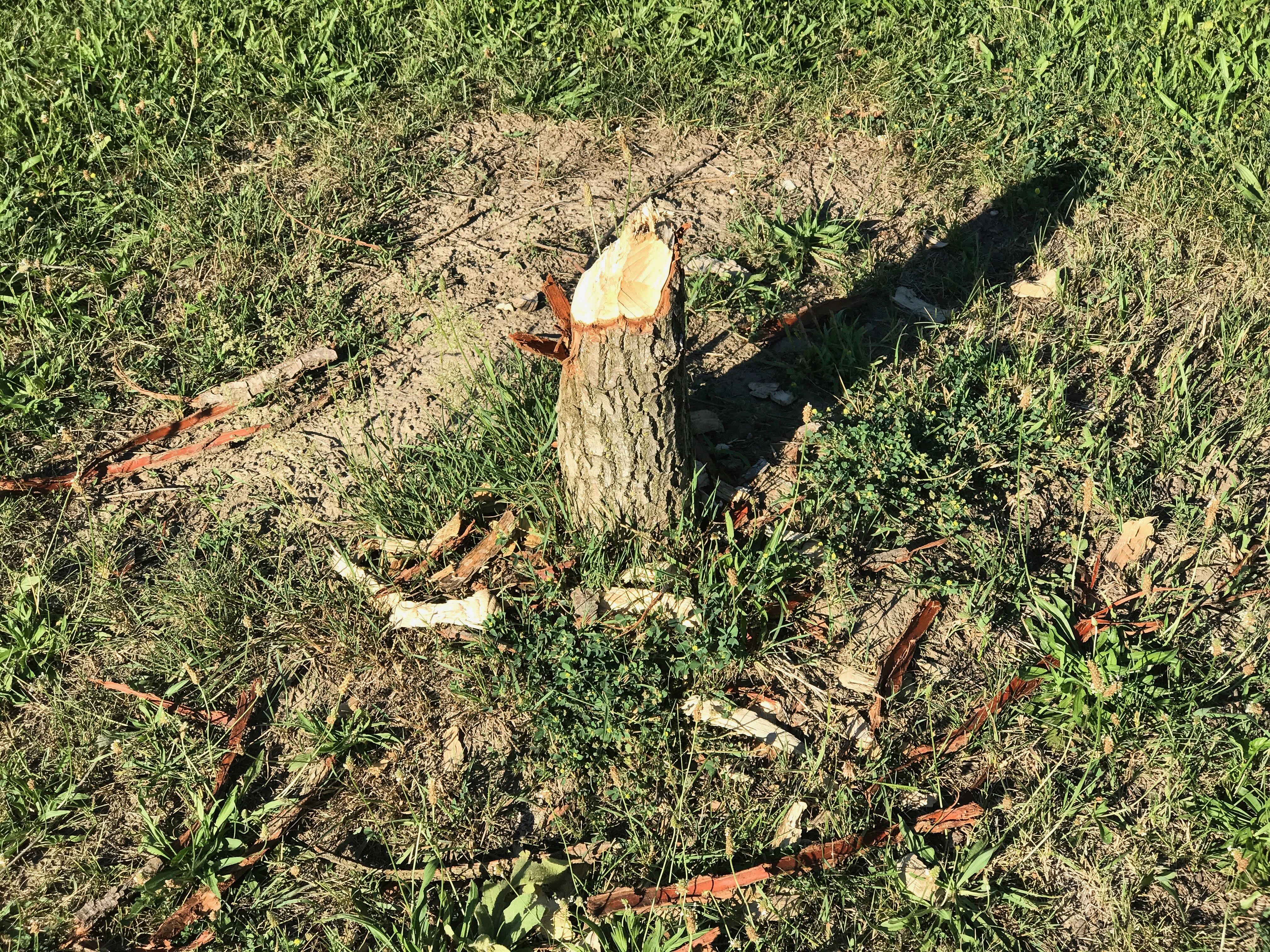
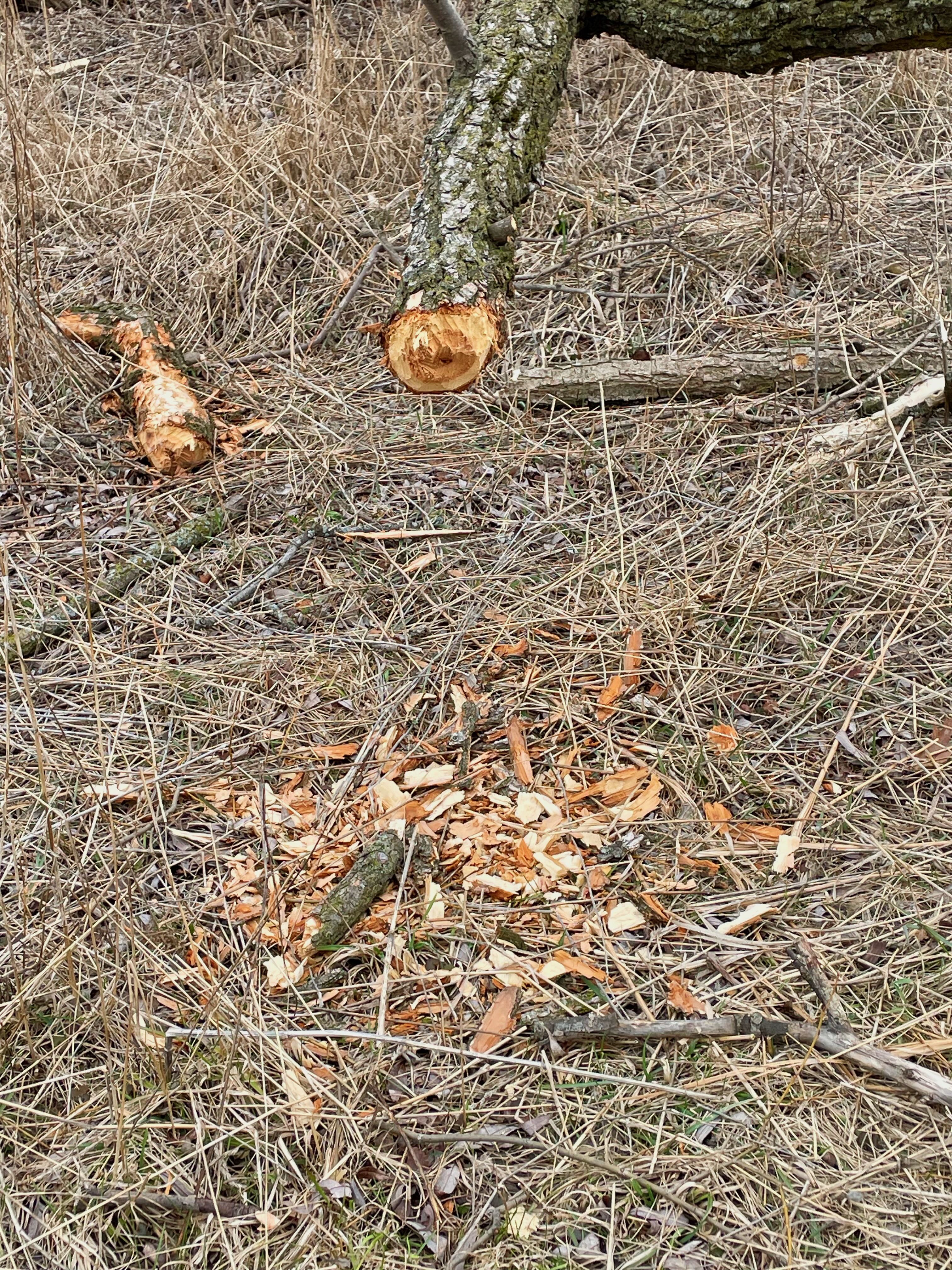
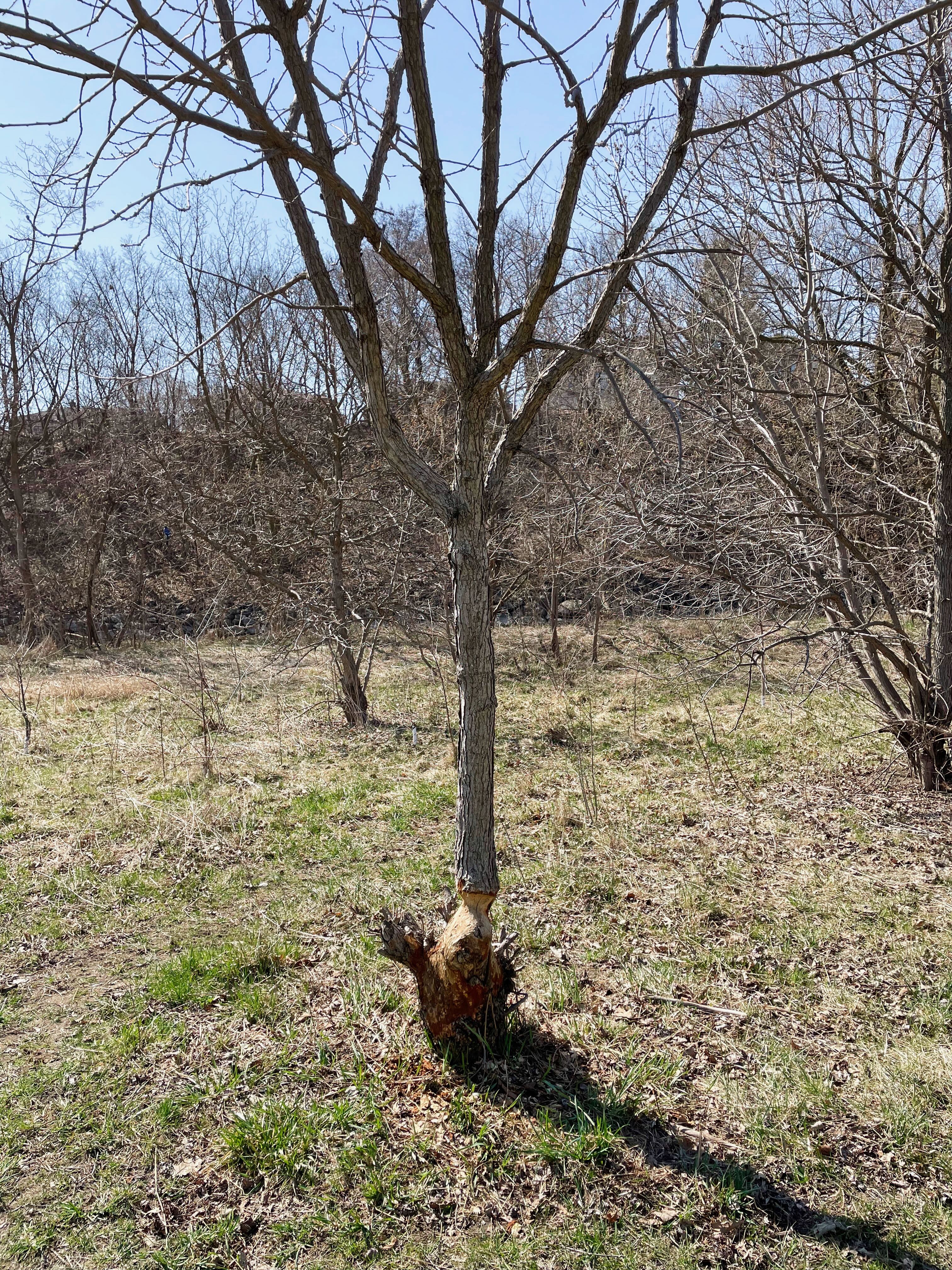
One sign is the tell-tale gnawing of tree trunks at about 30-40 cm above the ground – often leaving a stump with a conical point. When the city plants trees in Raymore Park, they have (usually) learned to protect the new trees’ trunks with wire cages or else beavers will make quick (and expensive) work of them. Another sign might be a noisy tail splash – used as a warning to other beavers as you approach the water. Sometimes a cluster of sticks on the riverbank is evidence of a lodge.
Beavers need to eat wood as part of their diet and since their rodent teeth are constantly growing, gnawing on wood helps keep them in trim. Beavers restrict the flow of rivers and therefore mitigate the impact of flooding. Other wildlife benefit from the presence of these native animals. Eurasian beavers (slightly different to our North American variety) were hunted to extinction in the U.K. a few centuries ago but have been re-introduced in several locations throughout the British Isles and particularly in Scotland.
Where can beavers be seen in Raymore Park? One place seems to be fairly constant from year to year. There is an island just above the weir where they often hang out as it’s relatively safe from disturbance from humans and especially dogs. The Humber is quite wide so rather than dam the river, beavers will create a riverbank lodge that accommodates several animals.
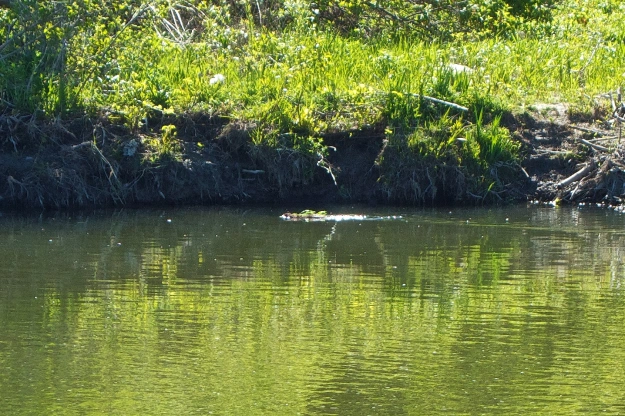
Be patient as beavers are shy and usually hide when humans are present. If a dog is swimming in the river, a beaver might attack (they have the advantage in the water) so it’s wise to follow park leash rules.
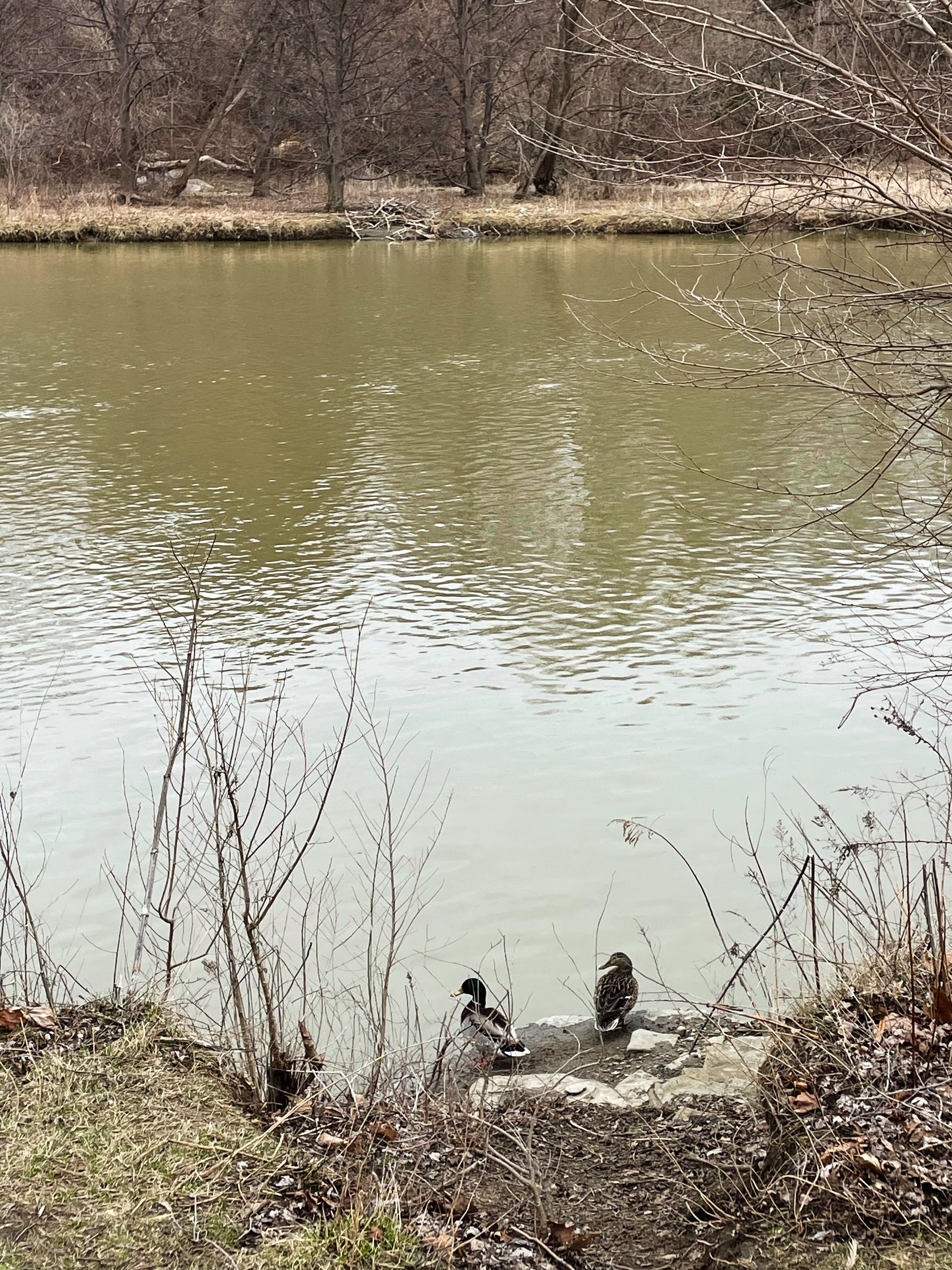
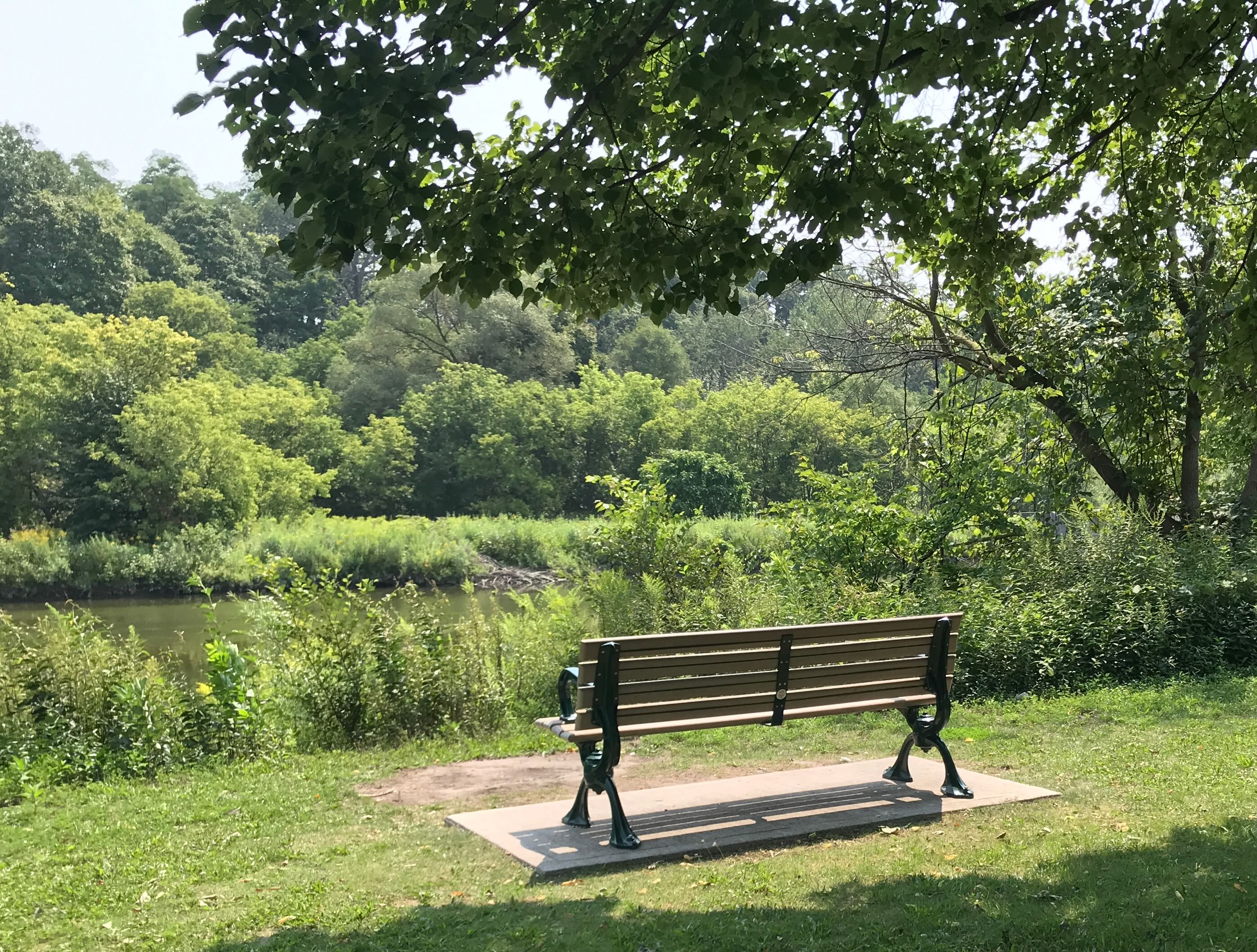
A bench above the dam can be a good observation spot. Early mornings and late evenings are the best times for catching a glimpse of these mainly nocturnal creatures.
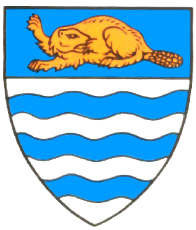
Lastly, a piece of beaver trivia – the minster town of Beverley in Yorkshire, England – which gave its name to Beverley Massachusetts and subsequently Beverley Hills in California – was named because of the beavers once living there. The town’s coat of arms proudly sports a Eurasian beaver.

 Friends of Raymore Park