The fourth and final set of observations regarding changes to Raymore Park over the last 32 years. Click for the first nine items in Part 1 , Part 2 and Part 3.
10. Invasive Plants and Insects.
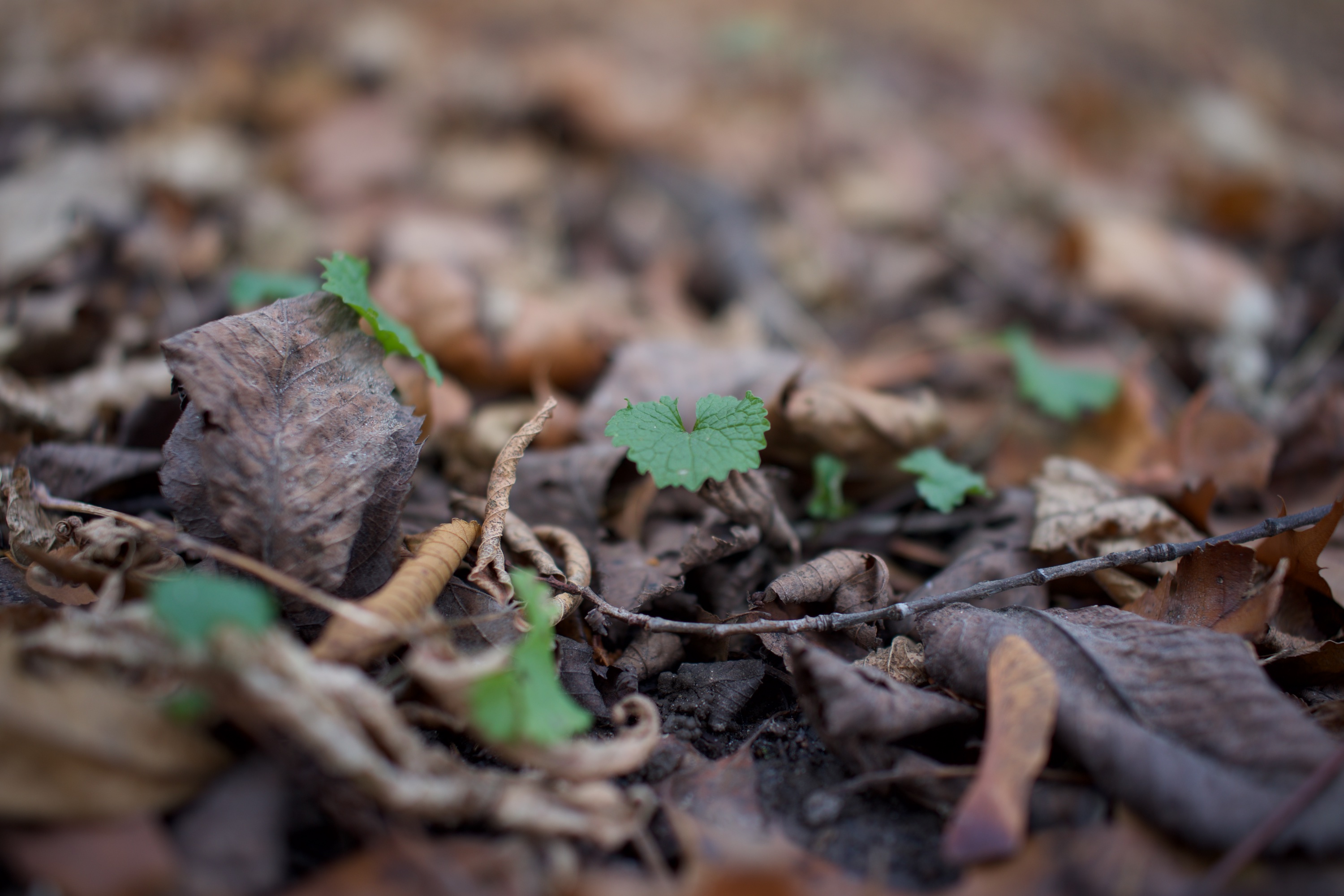
Raymore Park is home to many non-native species. Norway Maples and Siberian Elms seem to predominate but plantings over the years have promoted native species such as black walnut, cedar and dogwoods. Dog strangling vines and garlic mustard still choke large areas of the park but volunteers have been pulling them out when they can. Dutch elm disease is caused by a fungus spread by insects. This disease killed most of North America’s magnificent elm trees. It also attacks (but doesn’t kill) non-natives such as Siberian elms. The Emerald Ash Borer is another invader that has devastated ash trees.
11. Fewer People in the Wild Area.
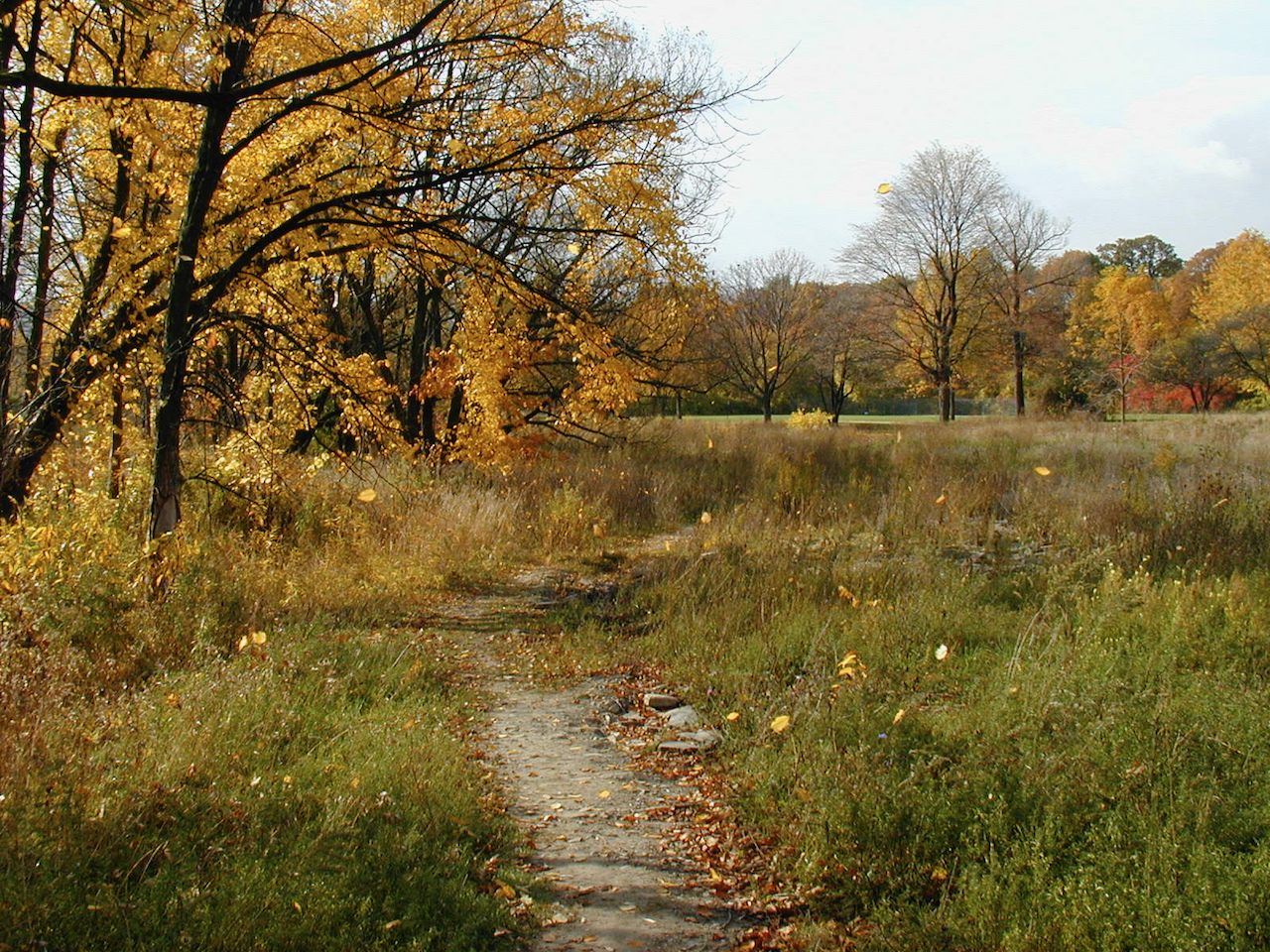
Even though more people are using the park, adding a dog off-leash area has reduced pressure on the wild area. The well-worn footpath that used to follow the river is now overgrown beyond the ‘beach’.
12. Increased Citizen Involvement.
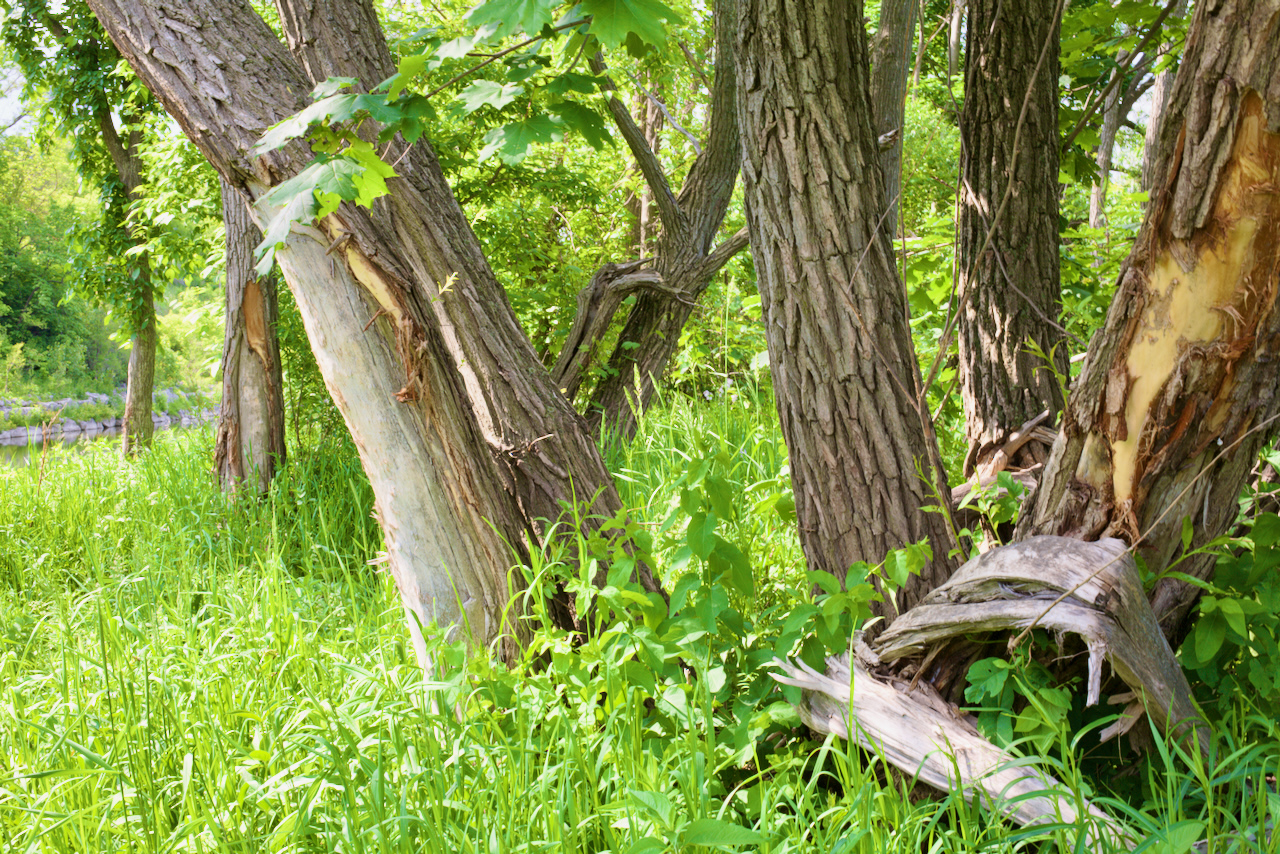
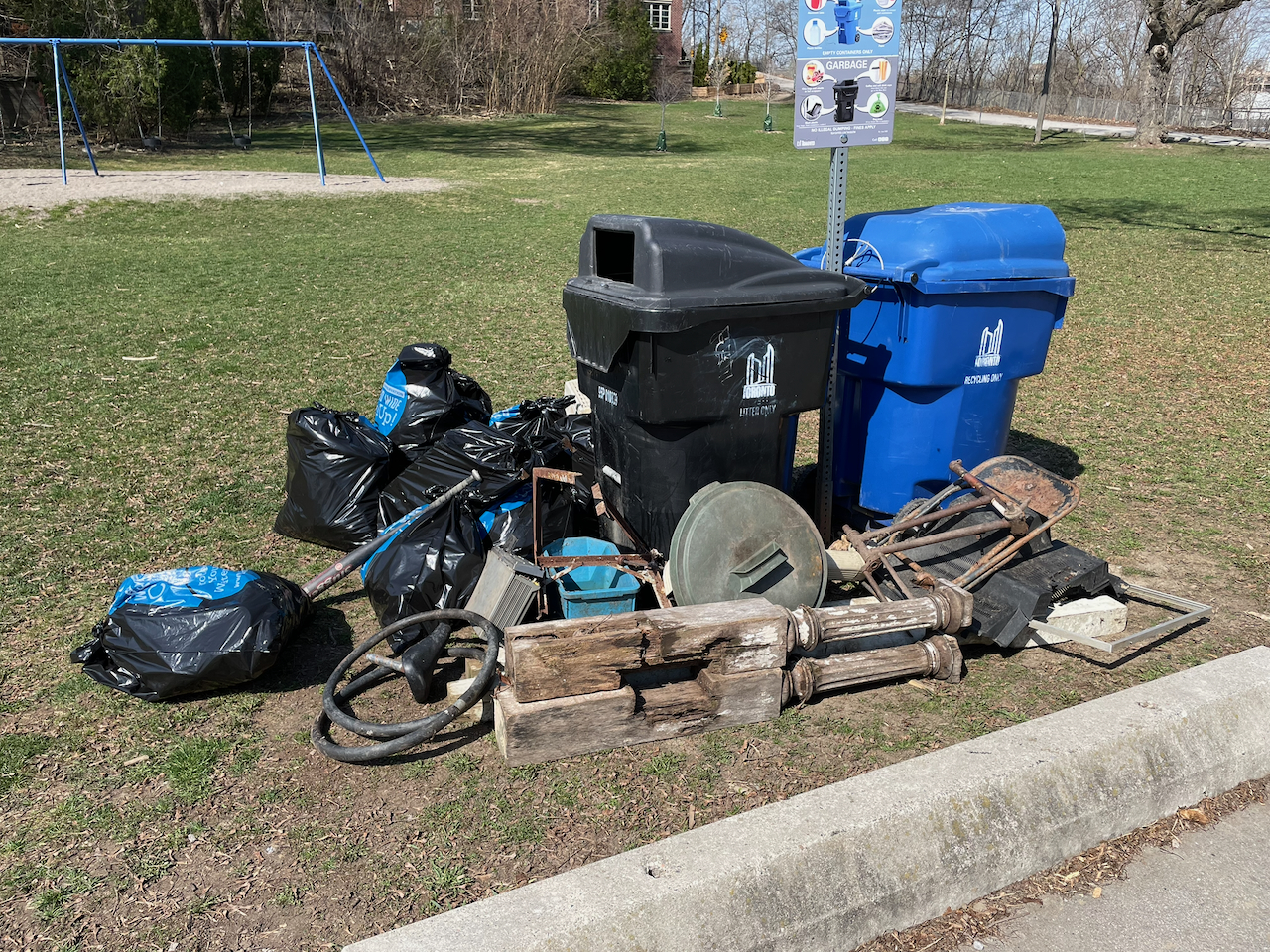
In recent years, volunteer groups such as Toronto Nature Stewards have dedicated many hours to make improvements in Toronto’s parks. There is a TNS team that regularly operates in Raymore Park led by Brian MacLean. Humber River Pals is another volunteer group that cleans litter from local parks including Raymore.
13. Fishing in the Humber
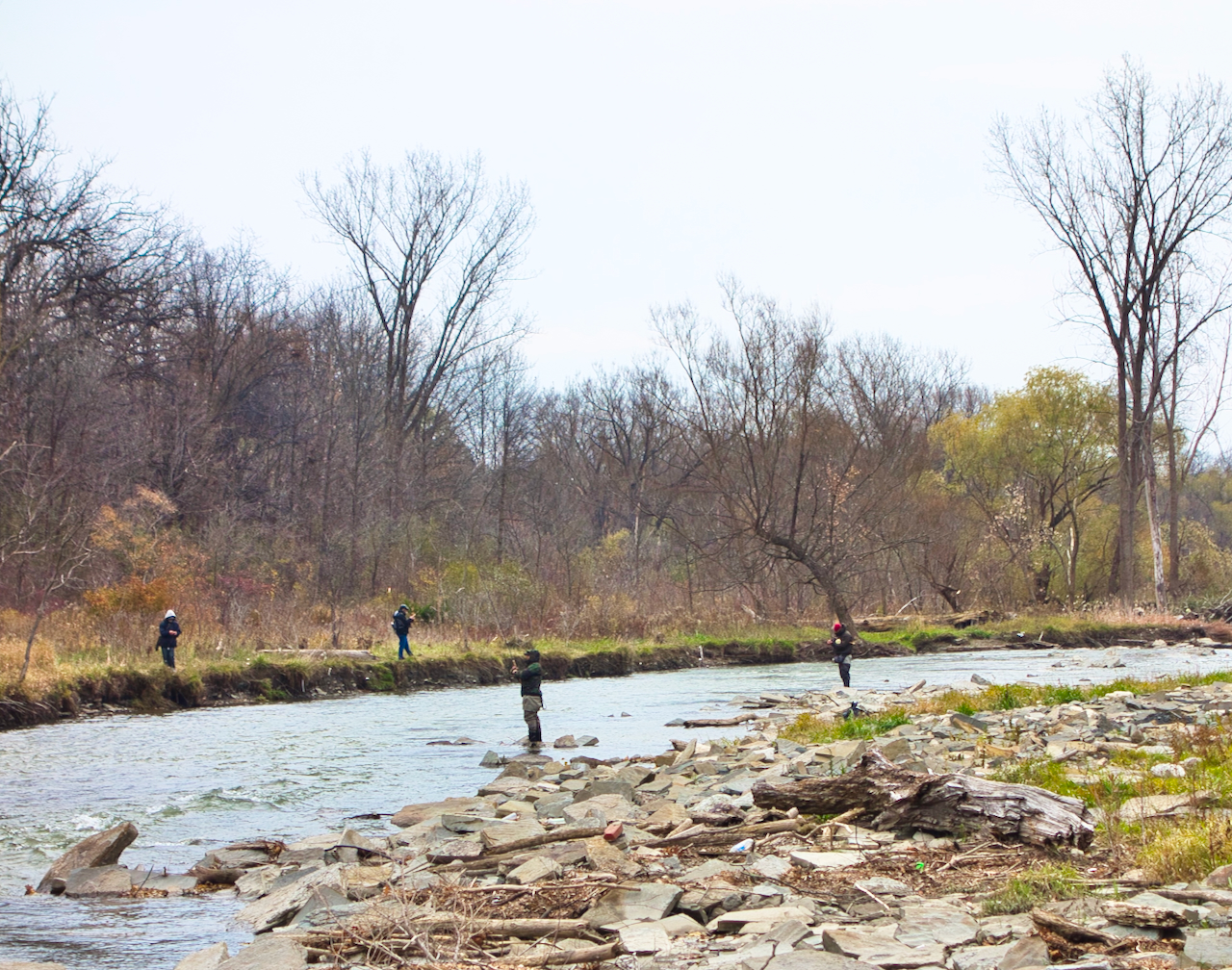
More people are fishing for the (mostly) lake trout, and Chinook salmon that come up the Humber in the fall. A licence is needed unless you’re under 18 or over 65 and there are rules to be followed such as no netting and keeping well clear of the weir.
14. Takeaway
The biggest takeaway is that Raymore Park was created out of the tragedy of Hurricane Hazel. Dozens of people lost their lives and 32 homes were destroyed on October 15, 1954. The little subdivision that once nestled along the banks of the Humber was violently swept away in a sudden torrent.
Raymore Park is a place where nature has been invited back. Over the years, wildlife has gradually returned but continues to be under pressure from a variety of sources. Over the last few decades, people have become more aware of the value of parks and nature in an urban setting. Along with this awareness, groups of dedicated volunteers are giving their time and energy to alleviate some of the problems caused by invading species along with increased use of the park.
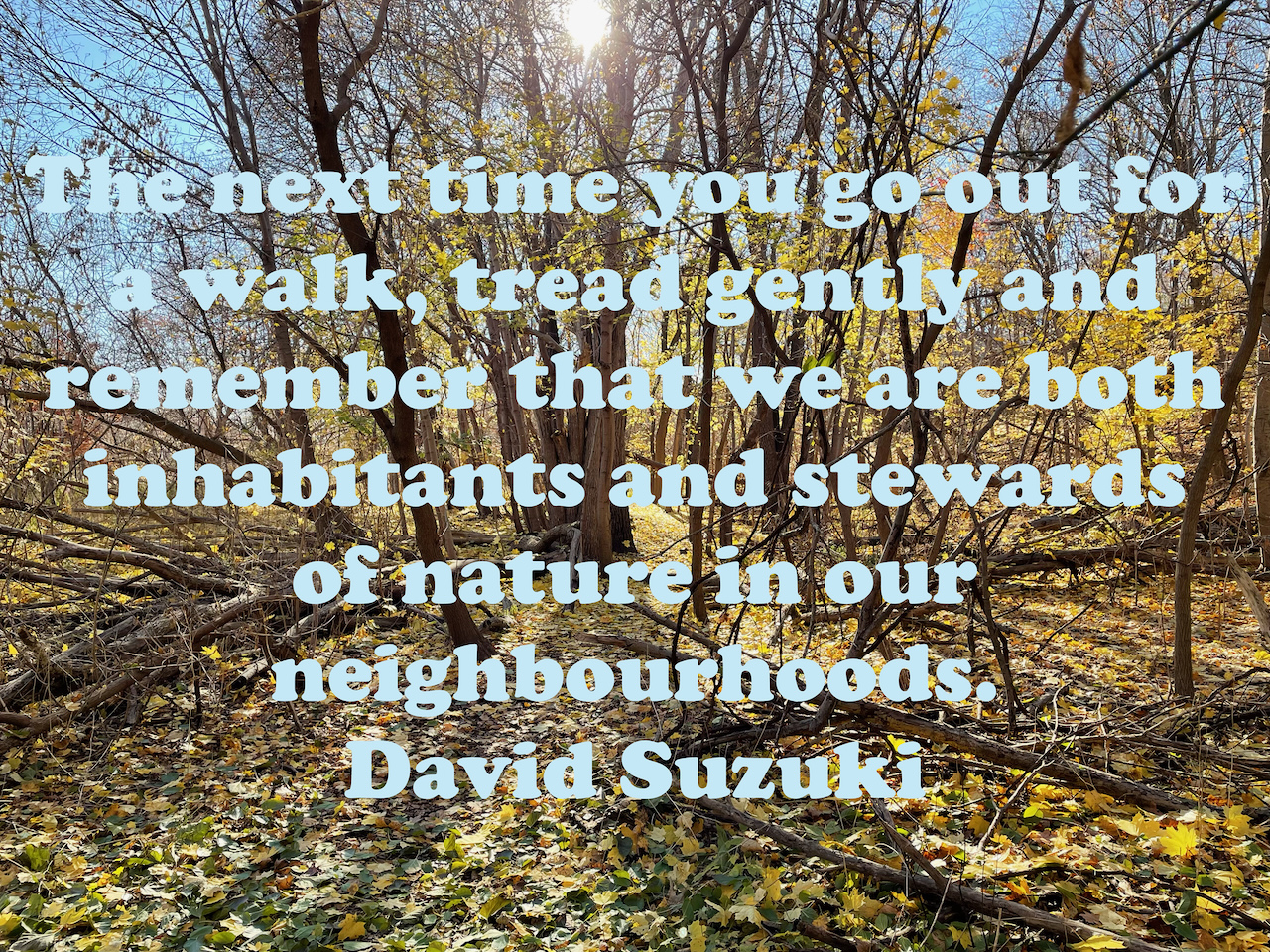
People and nature can co-exist when we do our best to be good stewards.

 Friends of Raymore Park