Tag Archives: garlic mustard

Raymore Park Changes over the years – Part 4

The fourth and final set of observations regarding changes to Raymore Park over the last 32 years. Click for the first nine items in Part 1 , Part 2 and Part 3.

10. Invasive Plants and Insects.

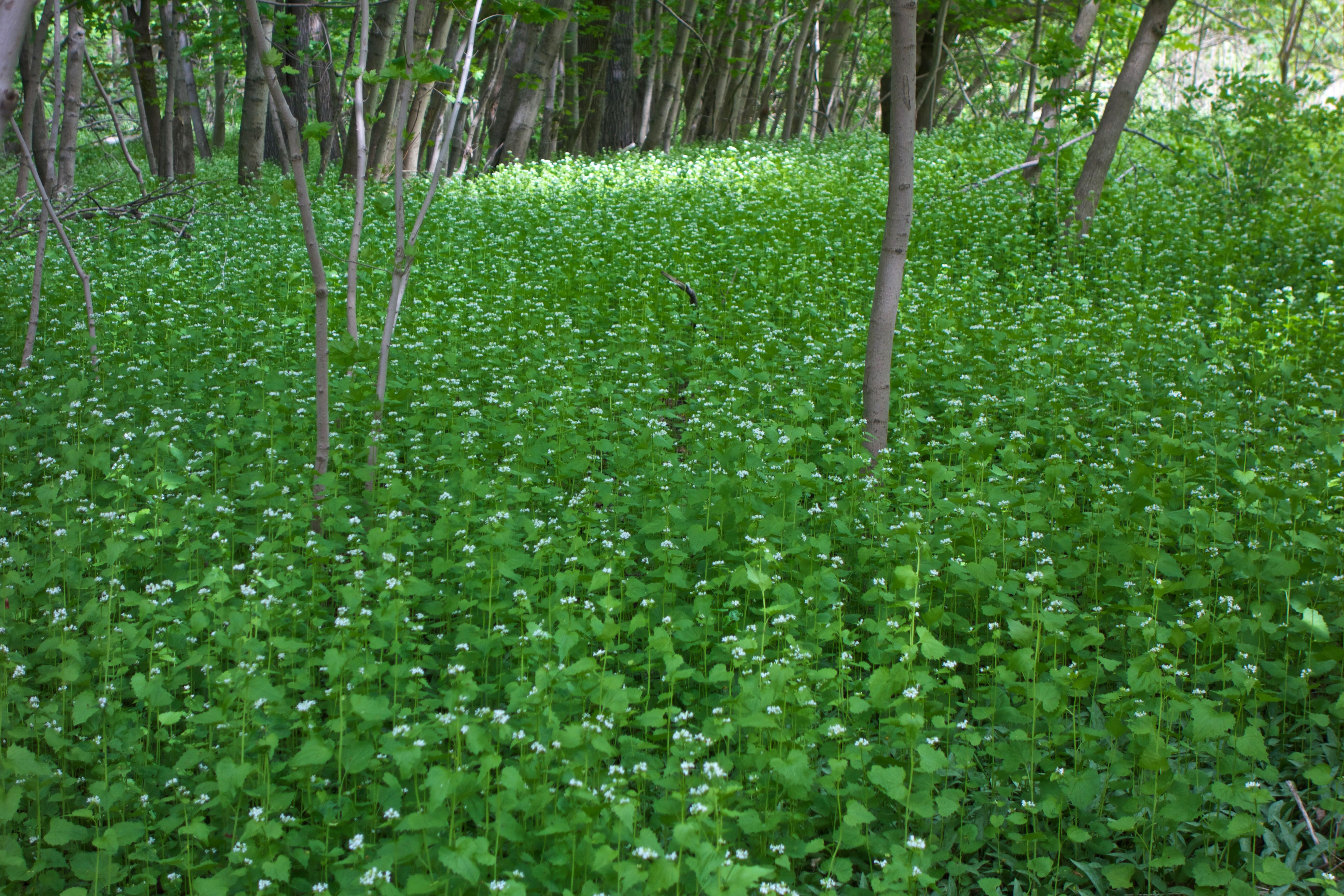
Raymore Park is home to many non-native species. Norway Maples and Siberian Elms seem to predominate but plantings over the years have promoted native species such as black walnut, cedar and dogwoods. Dog strangling vines and garlic mustard still choke large areas of the park but volunteers have been pulling them out when they can. Dutch elm disease is caused by a fungus spread by insects. This disease killed most of North America’s magnificent elm trees. It also attacks (but doesn’t kill) non-natives such as Siberian elms. The Emerald Ash Borer is another invader that has devastated ash trees.
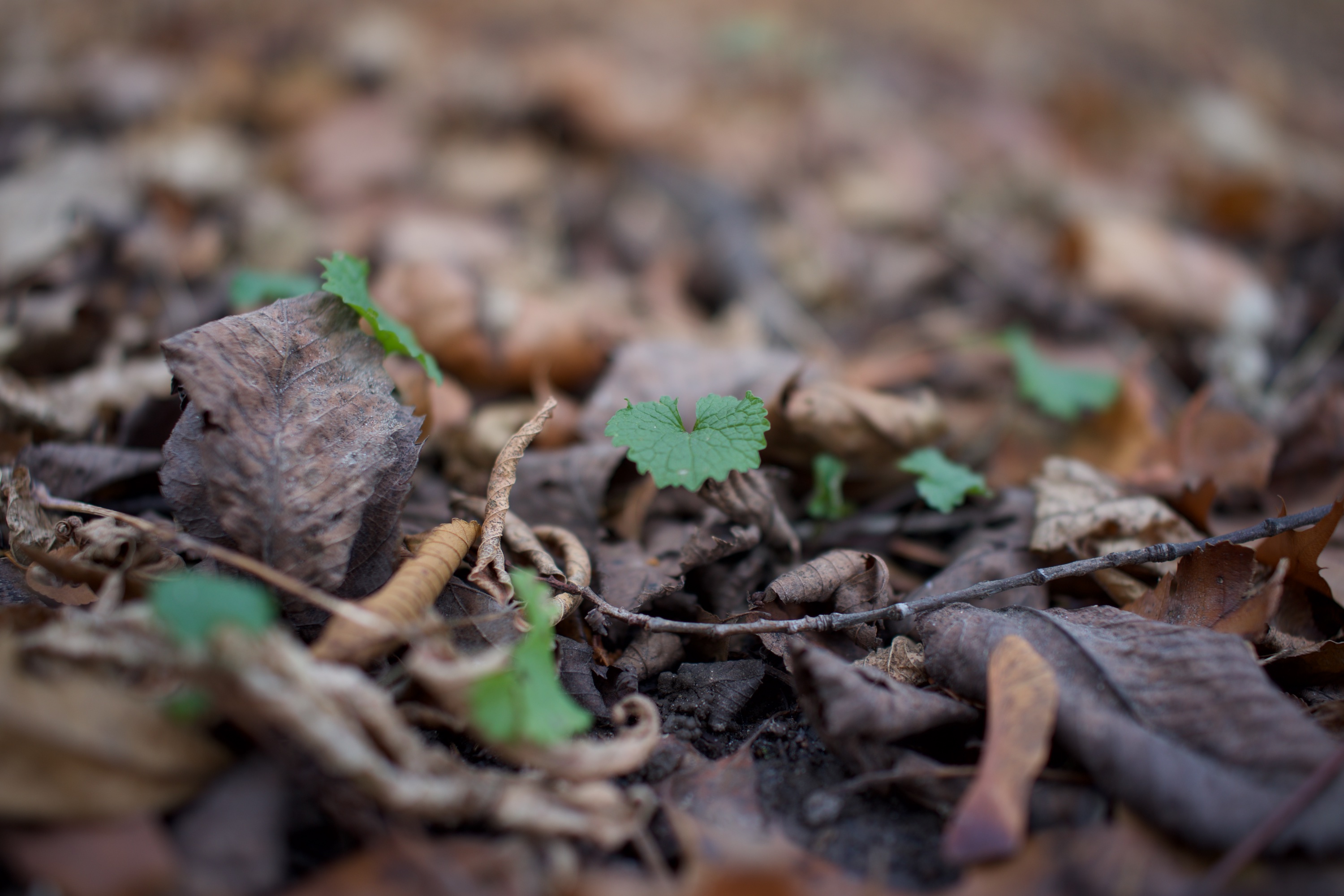
Garlic mustard lurking in the undergrowth in December 2015.

11. Fewer People in the Wild Area.

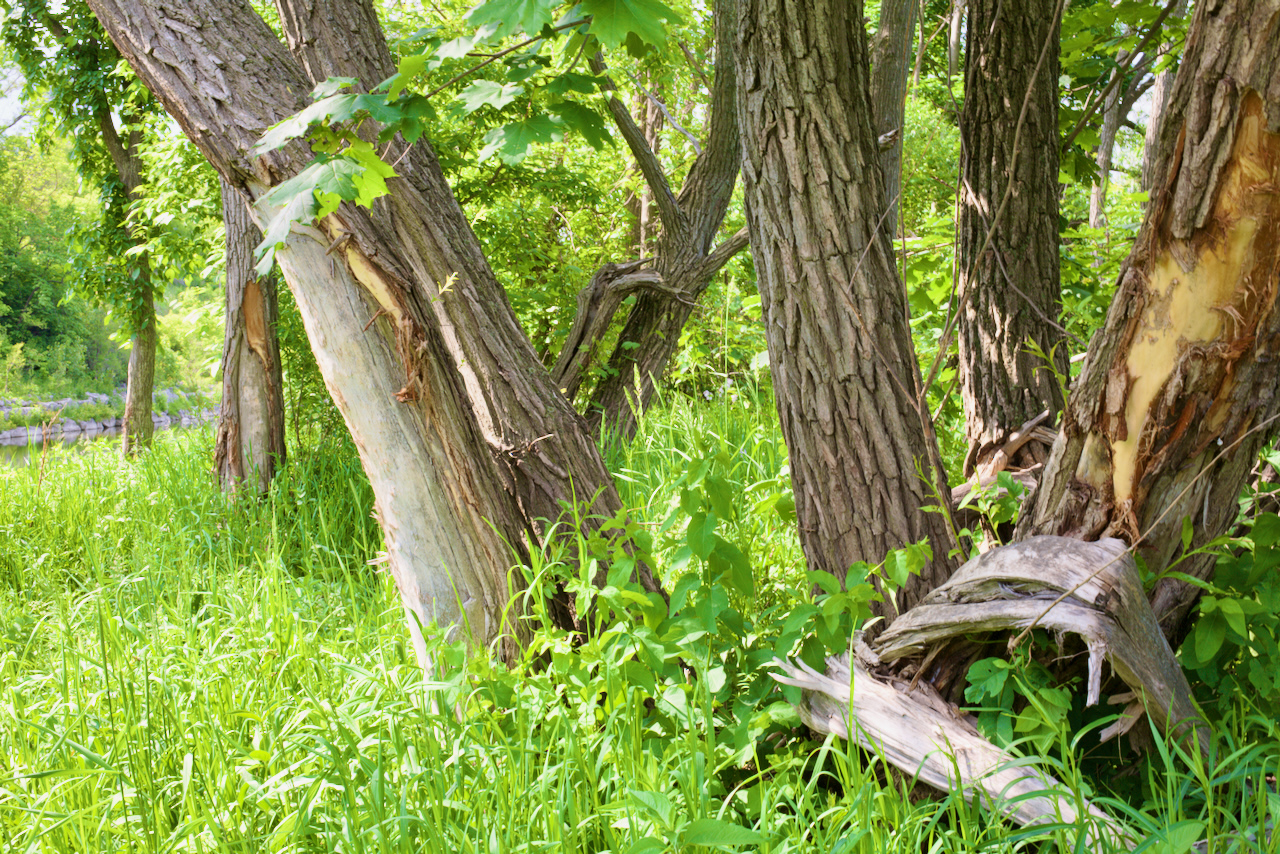
Even though more people are using the park, adding a dog off-leash area has reduced pressure on the wild area. The well-worn footpath that used to follow the river is now overgrown beyond the ‘beach’.
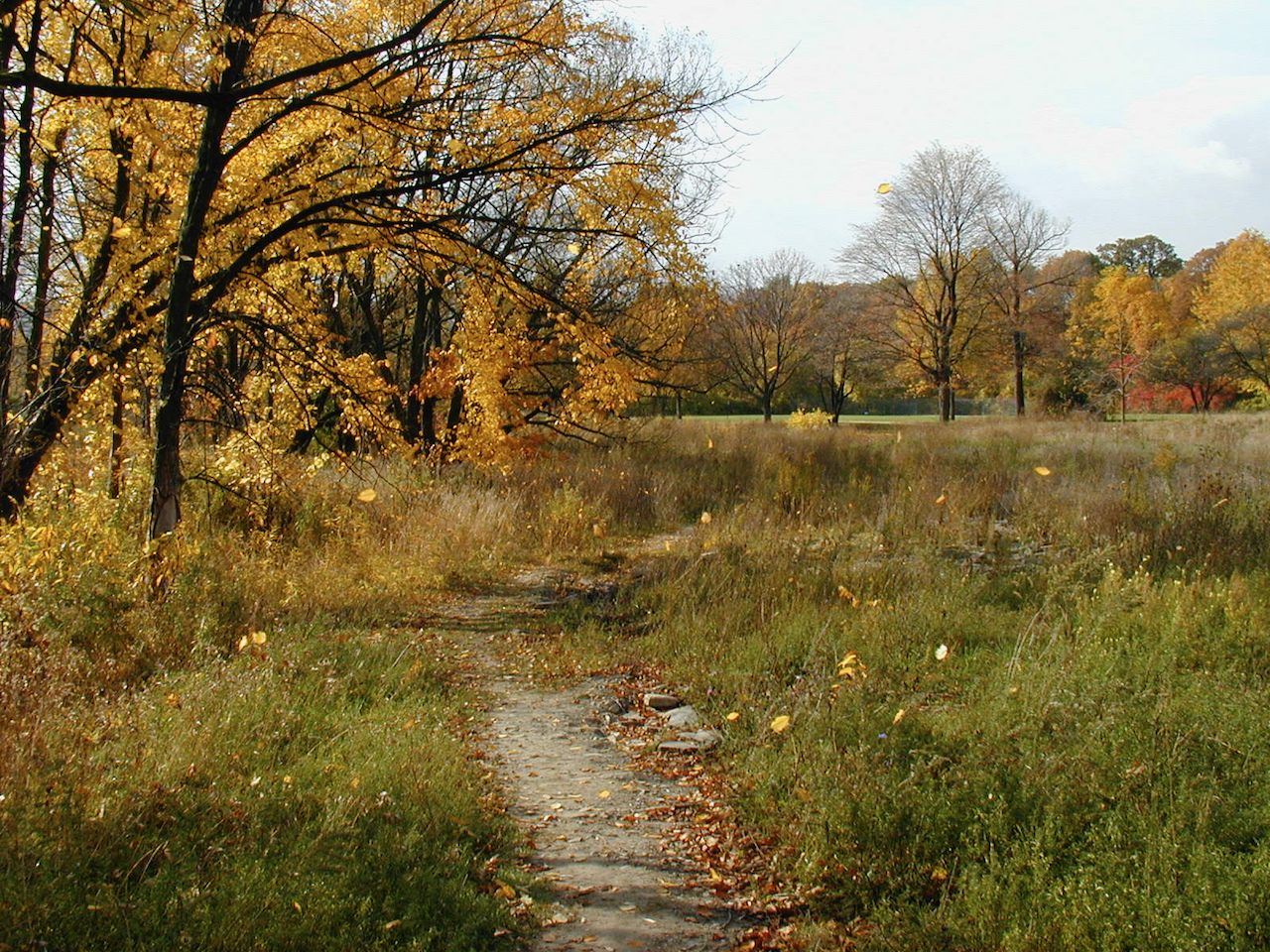
The wild area path, clearly visible in October 2000 – The Humber (not visible) is on the left of the photo.
Wild area trees in June 2009 showing scars inflicted by ice floes. The path once here is now overgrown.

12. Increased Citizen Involvement.

In recent years, volunteer groups such as Toronto Nature Stewards have dedicated many hours to make improvements in Toronto’s parks. There is a TNS team that regularly operates in Raymore Park led by Brian MacLean. Humber River Pals is another volunteer group that cleans litter from local parks including Raymore.

The garbage haul after a TRCA clean-up event on April 13, 2023.

13. Fishing in the Humber

More people are fishing for the (mostly) lake trout, and Chinook salmon that come up the Humber in the fall. A licence is needed unless you’re under 18 or over 65 and there are rules to be followed such as no netting and keeping well clear of the weir.
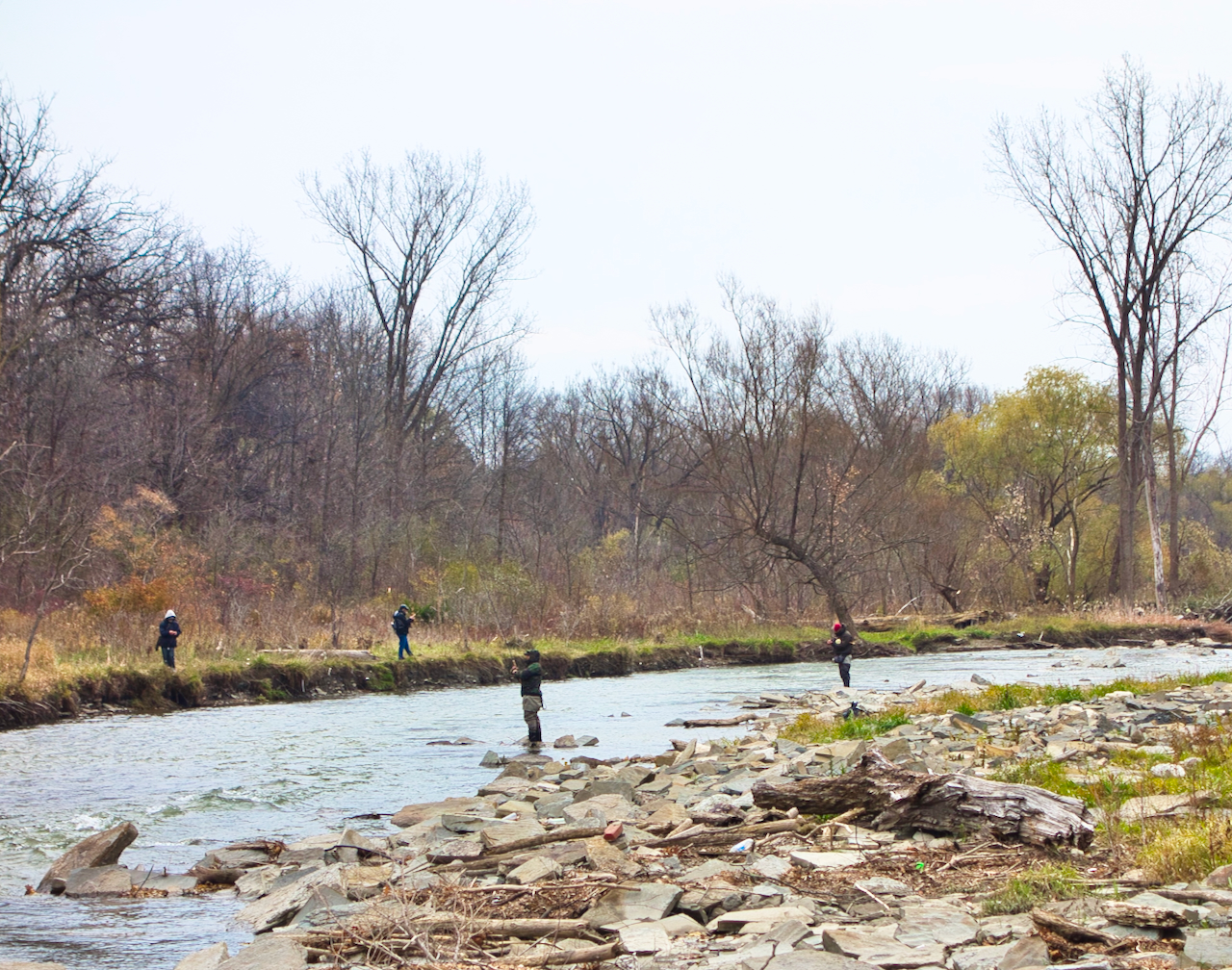
Fish running the gauntlet below the weir in November 2013.

14. Takeaway

The biggest takeaway is that Raymore Park was created out of the tragedy of Hurricane Hazel. Dozens of people lost their lives and 32 homes were destroyed on October 15, 1954. The little subdivision that once nestled along the banks of the Humber was violently swept away in a sudden torrent.

Raymore Park is a place where nature has been invited back. Over the years, wildlife has gradually returned but continues to be under pressure from a variety of sources. Over the last few decades, people have become more aware of the value of parks and nature in an urban setting. Along with this awareness, groups of dedicated volunteers are giving their time and energy to alleviate some of the problems caused by invading species along with increased use of the park.

People and nature can co-exist when we do our best to be good stewards.
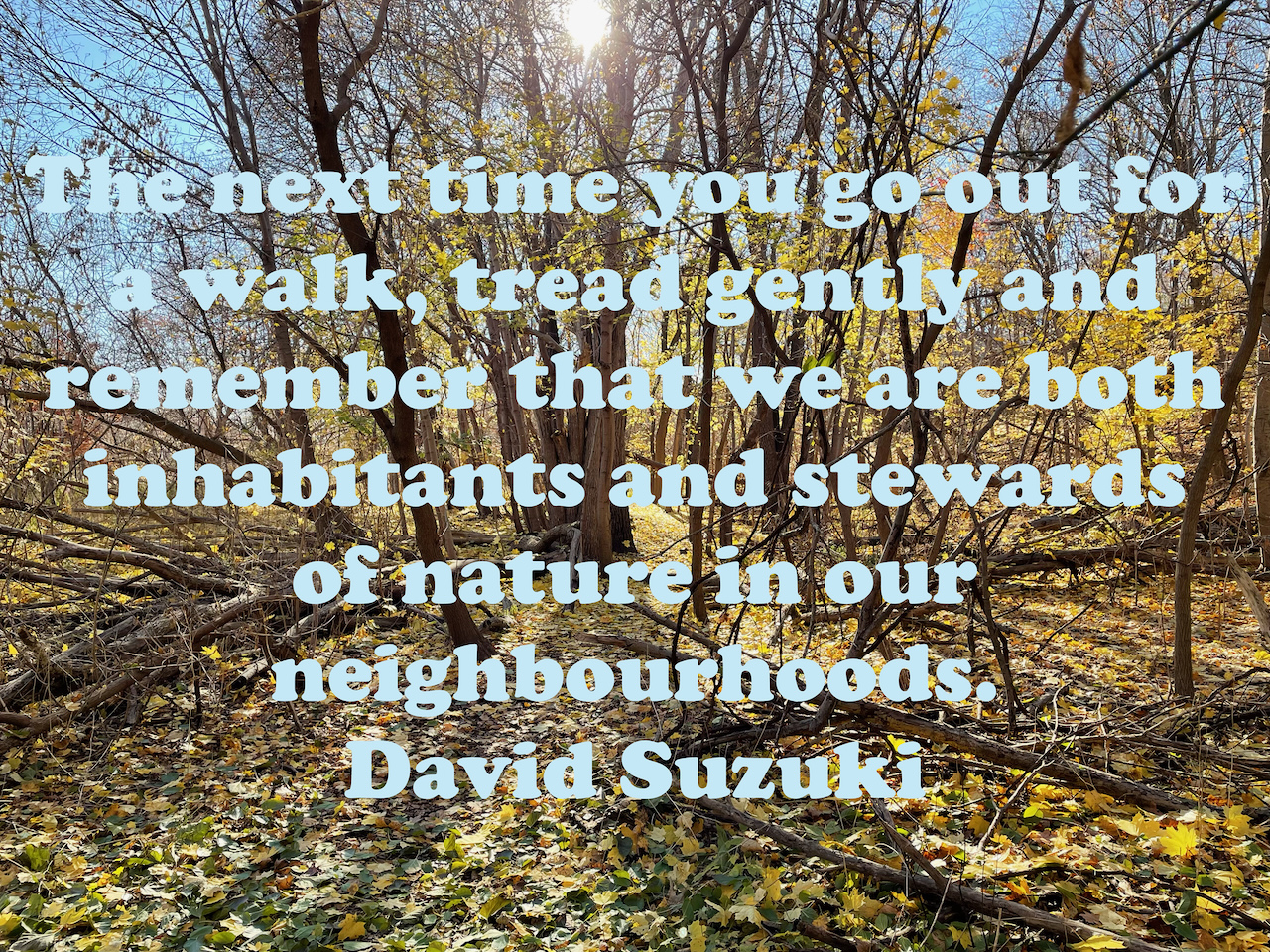
The woods south of the weir in November 2021.

Toronto Nature Stewards at Raymore Park this Sunday.

A message from Toronto Nature Stewards:

Volunteers from Toronto Nature Stewards have been picking up litter and will be gathering in Raymore Park on Sunday, May 14 at 1pm to begin work on removing “invasives”; non-native plants that crowd out the diversity that is healthier for our ecosystem.
Everyone is welcome to learn about what we do to restore the park, and anyone can join in. Our Lead Steward has taken the TNS training and is approved by the city Parks Dept. to remove 14 different non-native plants. (Dog-strangling vine and garlic mustard seem to be the two biggest problems in Raymore!)

Garlic Mustard in Raymore Park (May 2013)

We’ll meet beside the pedestrian bridge and park sign.
Contact Brian at the Raymore TNS team at EtobicokeCommunityFutures(at)gmail.com for more information.

Wildflower of the day: Broadleaf Toothwort.

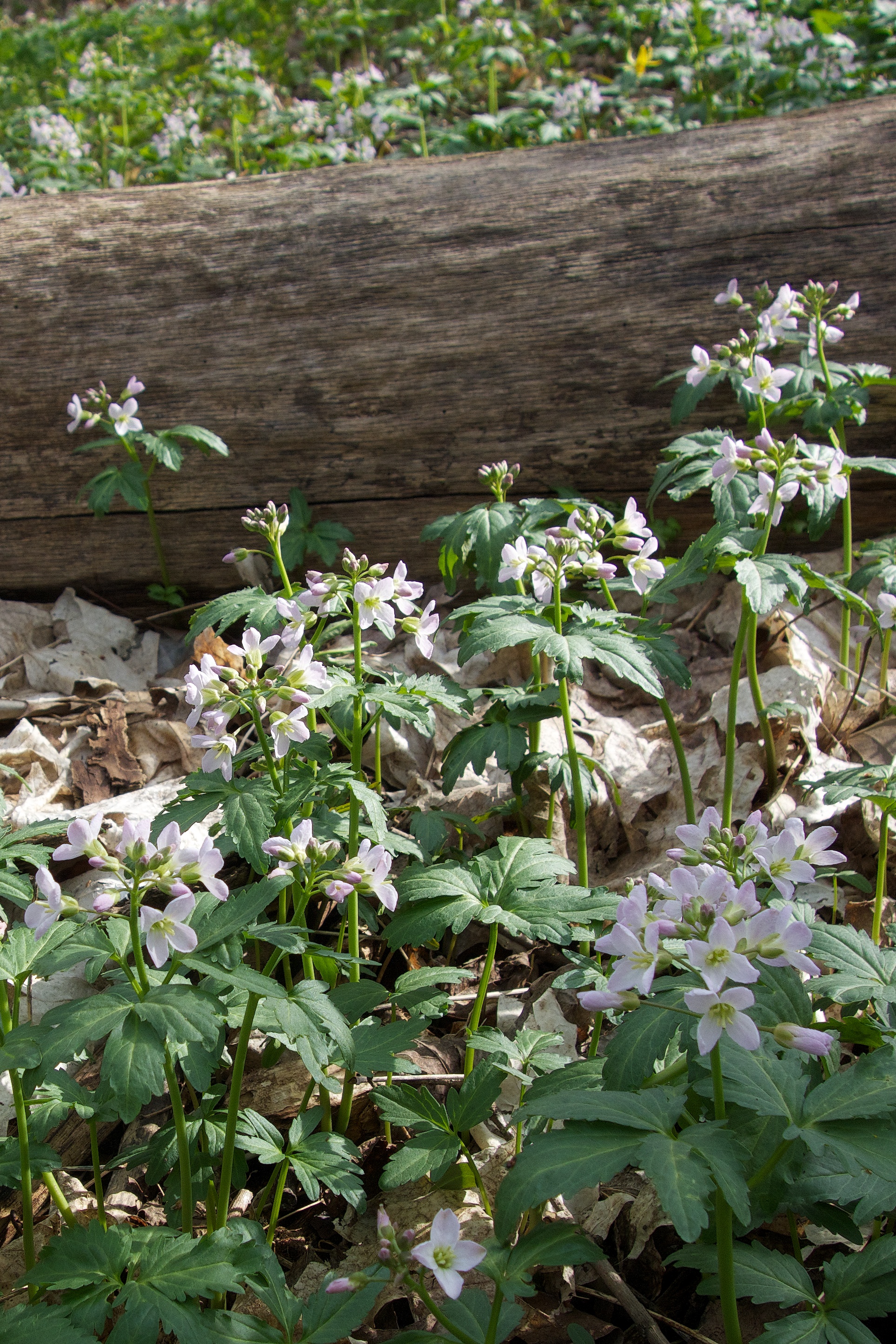
Cardamine diphylla; Broadleaf Toothwart

Cardamine diphylla; Broadleaf Toothwart

This native wildflower is found over a huge area of North American woodlands from Georgia to Ontario and from the east coast to Wisconsin. Wort is used to denote an edible plant and/or one with medicinal properties while the tooth part of the name refers to toothlike formations on the roots. It produces white, lightly pink or purple flowers in spring. A member of the mustard family, it was and still is used as a food as well as a medicine by many native tribes. Garlic mustard is a major threat to the broadleaf toothwort.

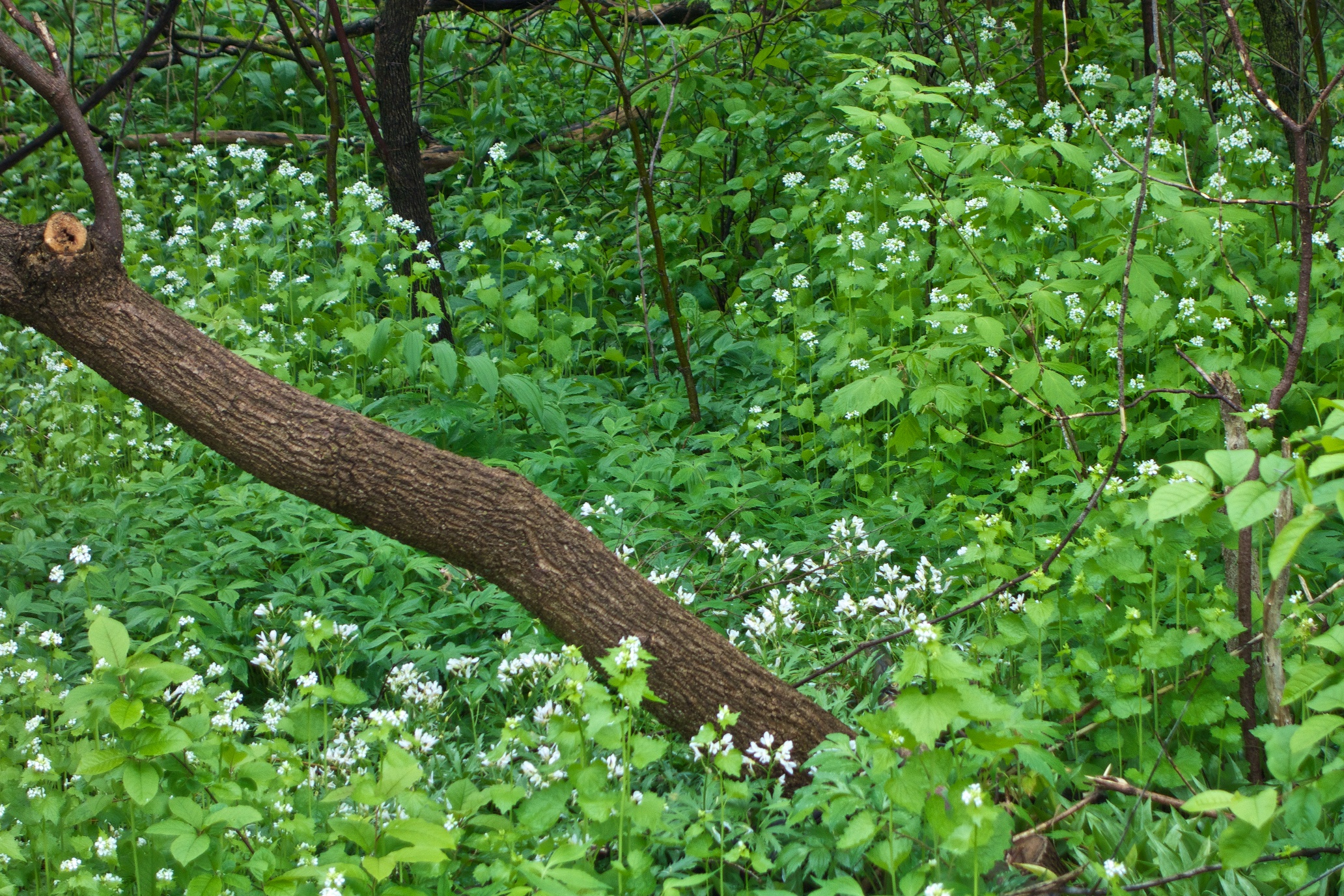
A patch of Broadleaf toothwort threatened by garlic mustard.

A patch of broadleaf toothwort surrounded by garlic mustard.

Invasive weed of the day; Garlic Mustard.

Imagine, a nutritious salad ingredient just for the picking.

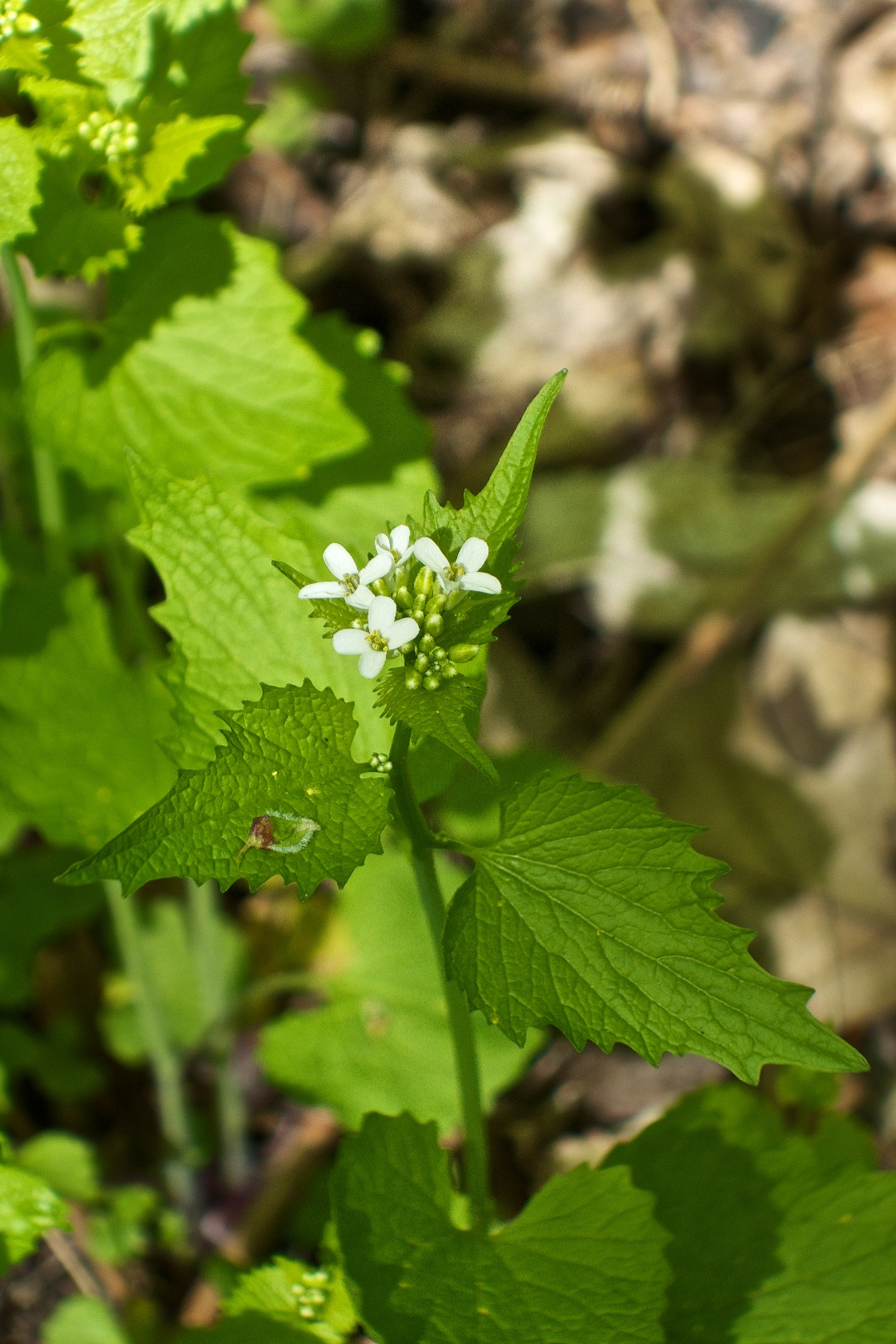
Ontario is filled with invasive species that have been released accidentally or deliberately. Alliaria petiolata, a native European plant was brought to North America in the 19th Century by settlers who liked its garlic taste and medicinal properties. It’s an evergreen that grows quite tall and since its natural enemies didn’t come along for the ride, Alliaria petiolata, positively thrives. It is better known as garlic mustard, poor man’s mustard or in the U.K., as Jack-by-the-hedge.

Tiny white flowers produce black seeds.

Tiny white flowers produce black seeds.

It can be used as a salad ingredient and is high in vitamins A and C. As the name suggests, it has a garlic flavour and apparently the small black seeds it produces are sprinkled on foods as a flavouring in France.

A patch of Broadleaf toothwort threatened by garlic mustard.

A patch of Broadleaf toothwort threatened by garlic mustard.

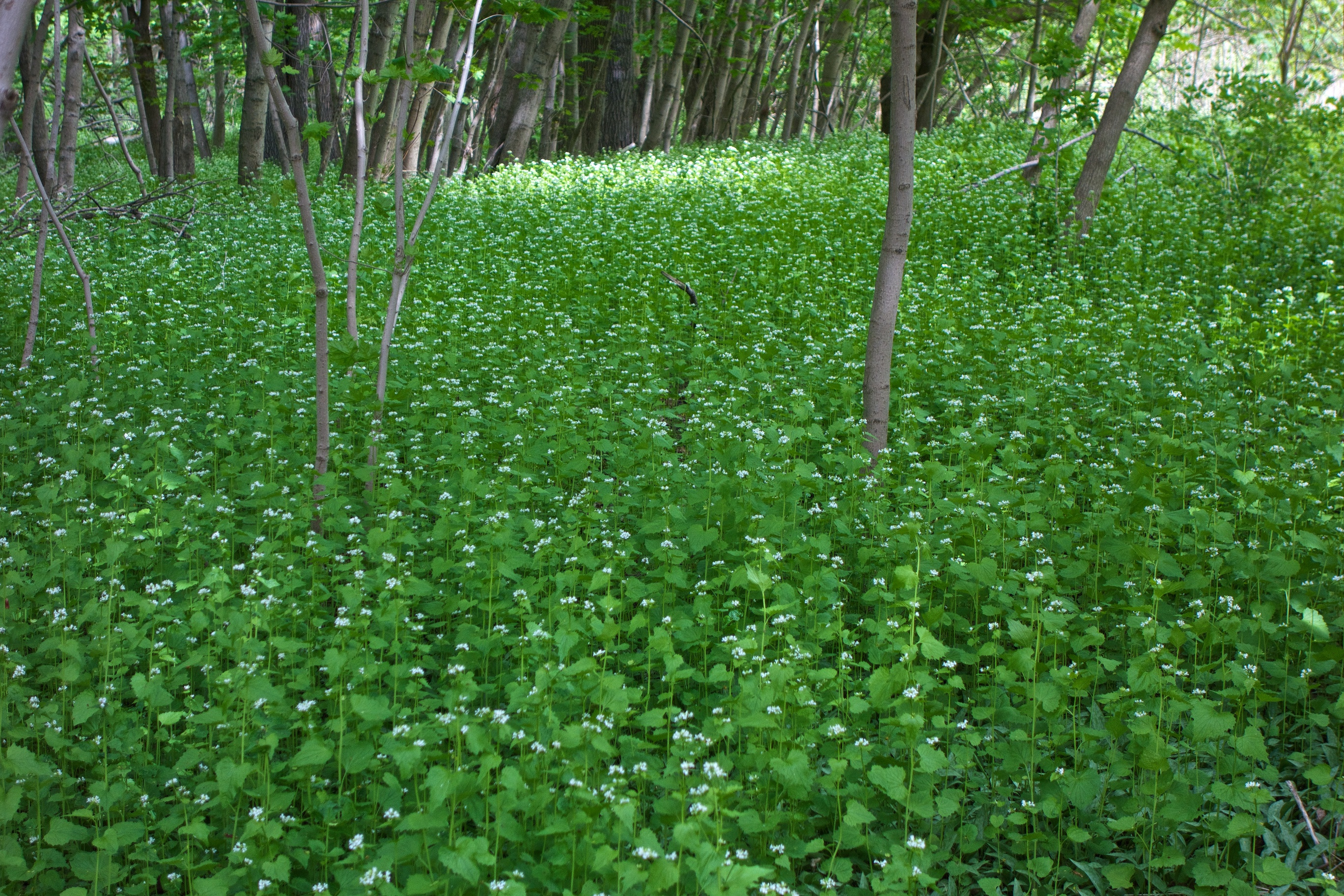
Like most invasive species, it looks as if we are stuck with this one and it’s not shy. It produces huge numbers of seeds and aggressively crowds out other plants; the lack of natural predators giving it an unfair advantage. To add insult to injury, deer avoid it, preferring native plants. It is therefore a real threat to native plants throughout Raymore Park and has spread rapidly in the park in the past few years. Eradicating it would require large numbers of people to cut it back regularly so that seeds cannot form and spread. A mammoth and probably futile task.

Garlic mustard is well on its way to monoculture status in this area.

Garlic mustard is well on its way to monoculture status in this area.

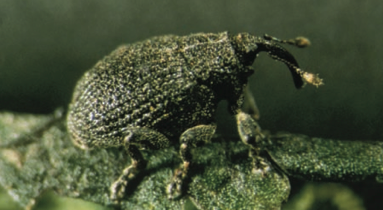
There is a glimmer of hope. U.S. scientists are looking to Europe where garlic mustard has several predators that keep it in check. The hope is that through painstaking research, they can find one or more that will not threaten other flora and fauna once introduced. The prime candidate is a weevil, Ceutorhynchus scrobicollis, that feeds exclusively on GM and therefore will not be a threat to anything else.

Could this tiny insect be the answer?

Could this tiny insect be the answer?

In the meantime, salad anyone?

Update: Dr. Frank S. Gilliam wrote asking for permission to use one of the photos in this article for his commentary on invasive species in The New Phytologist, a plant science publication. The article can be accessed here. The gist of it seems to be that invasive plants like garlic mustard create an advantage for themselves by releasing compounds that inhibit the growth of (often native) competitors.