Tag Archives: American Toad

Ice damage in wild area.

Some spring thaws are rougher than others but this year’s was particularly brutal. Many young trees were planted after recent construction work in the wild area past the curve in the river. Many of these trees have been destroyed by huge chunks of ice and torrents of water.
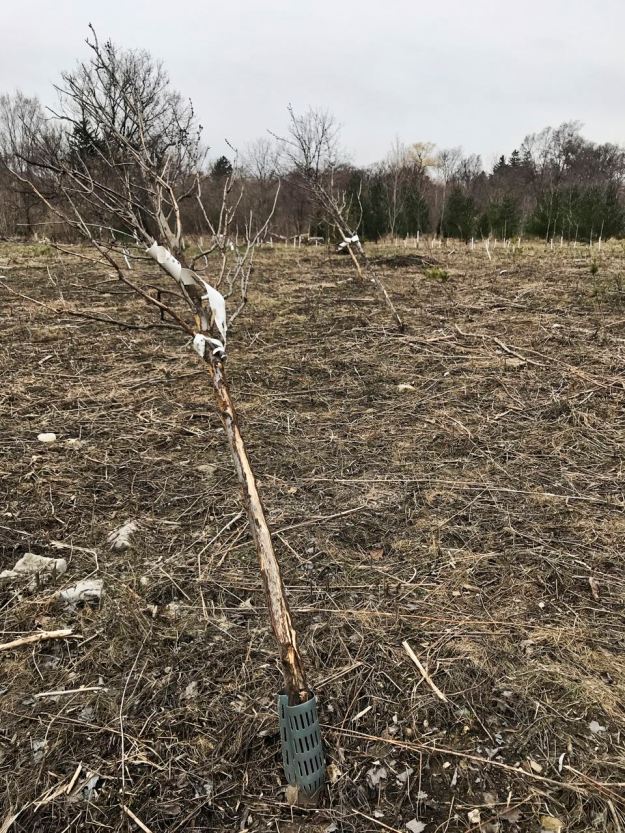
These trees (along with many others) have lost much of their bark after the annual inundation.
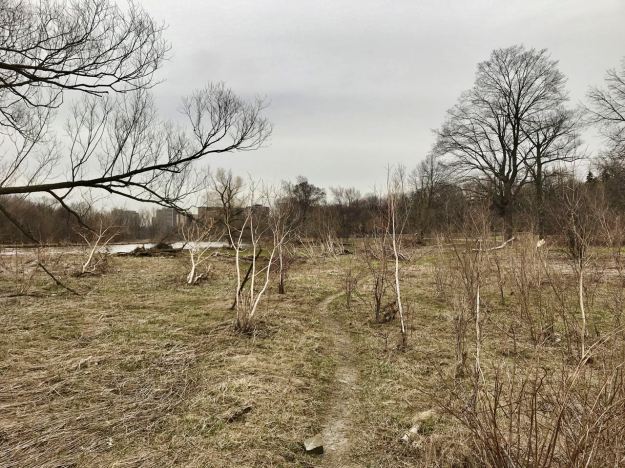
Looking south from above the dam, water and ice has stripped the bark from these young trees.

Sadly, there’s nothing to be done except plant more wisely in the future.

On the plus side, two observations; there’s very little garbage in the wild area and the pond formed in 2013 has survived the construction mess and the latest floods.
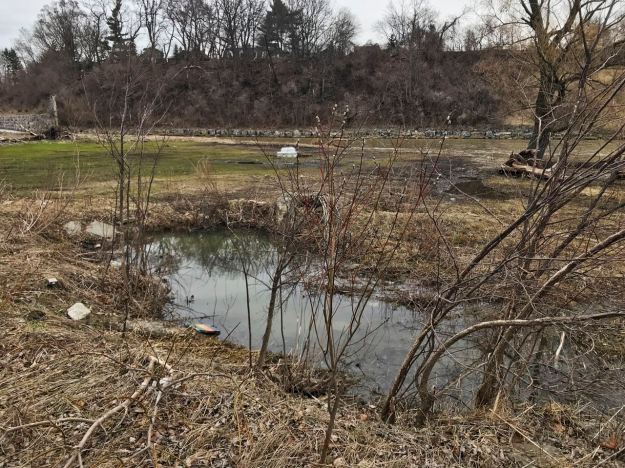
The pond and the protruding sewer cover (white – upper centre).

On another topic, the white object sticking out above the newly planted grass in the background is a visible reminder of the sewer relining that took place over the last couple of years. Hans Havermann’s excellent blog has an article complete with extensive photos of this sewer pipe cover and the engineering (or lack of) that has led to its striking prominence, damage and repair this February.

Blocks of ice weighing several tonnes overflow the Humber’s banks almost every year. Anything that protrudes above ground level is at risk.

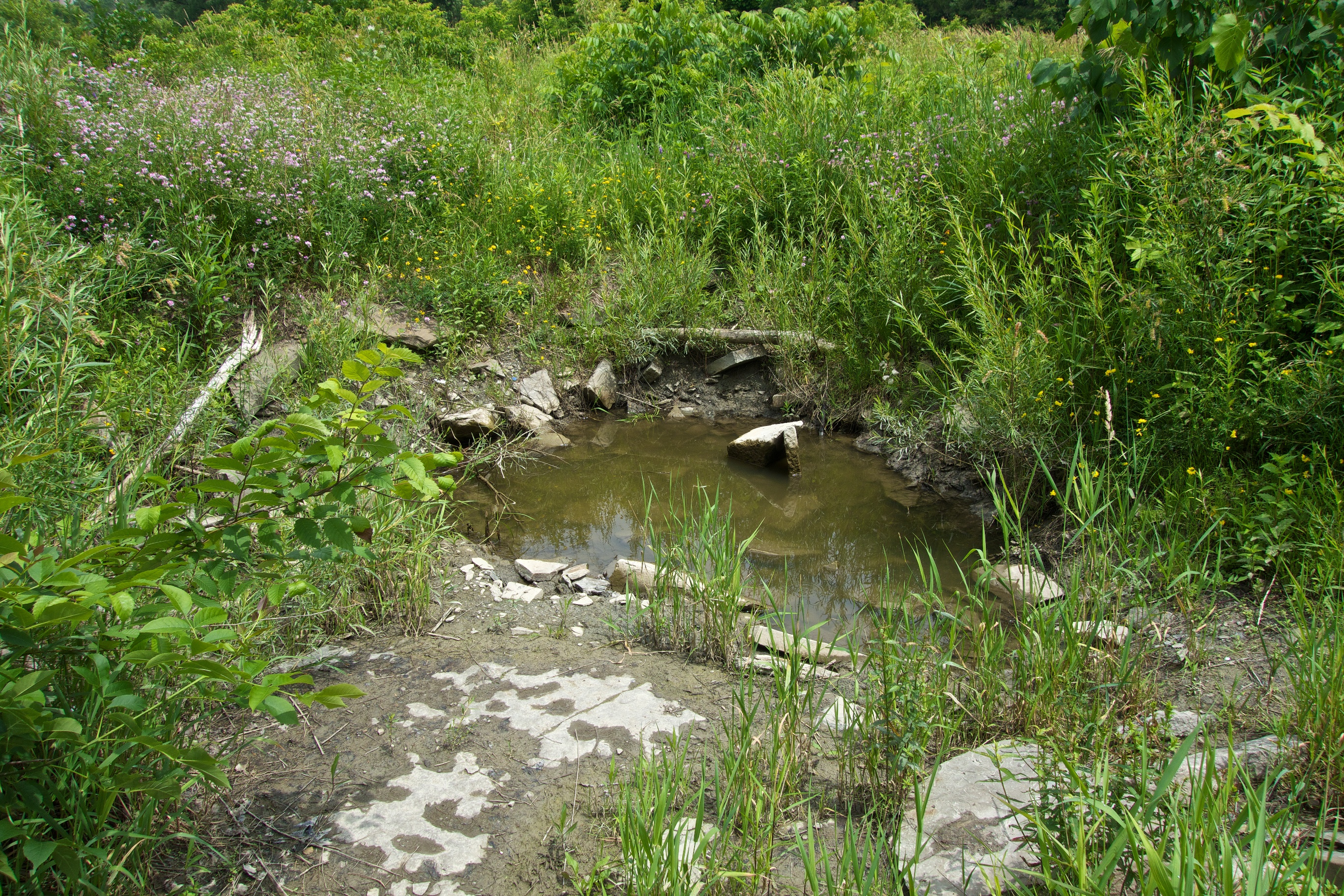


Pond update.

Now that high summer is upon us, here’s an update on the pond that was created during the winter as a result of an ice jam. Thanks to recent dry weather, the water level is down substantially and the large number of tadpoles seen in the spring are no longer in evidence (hopefully they have graduated to better things).

A much reduced pond but still teeming with life.

A much reduced pond but still teeming with life.

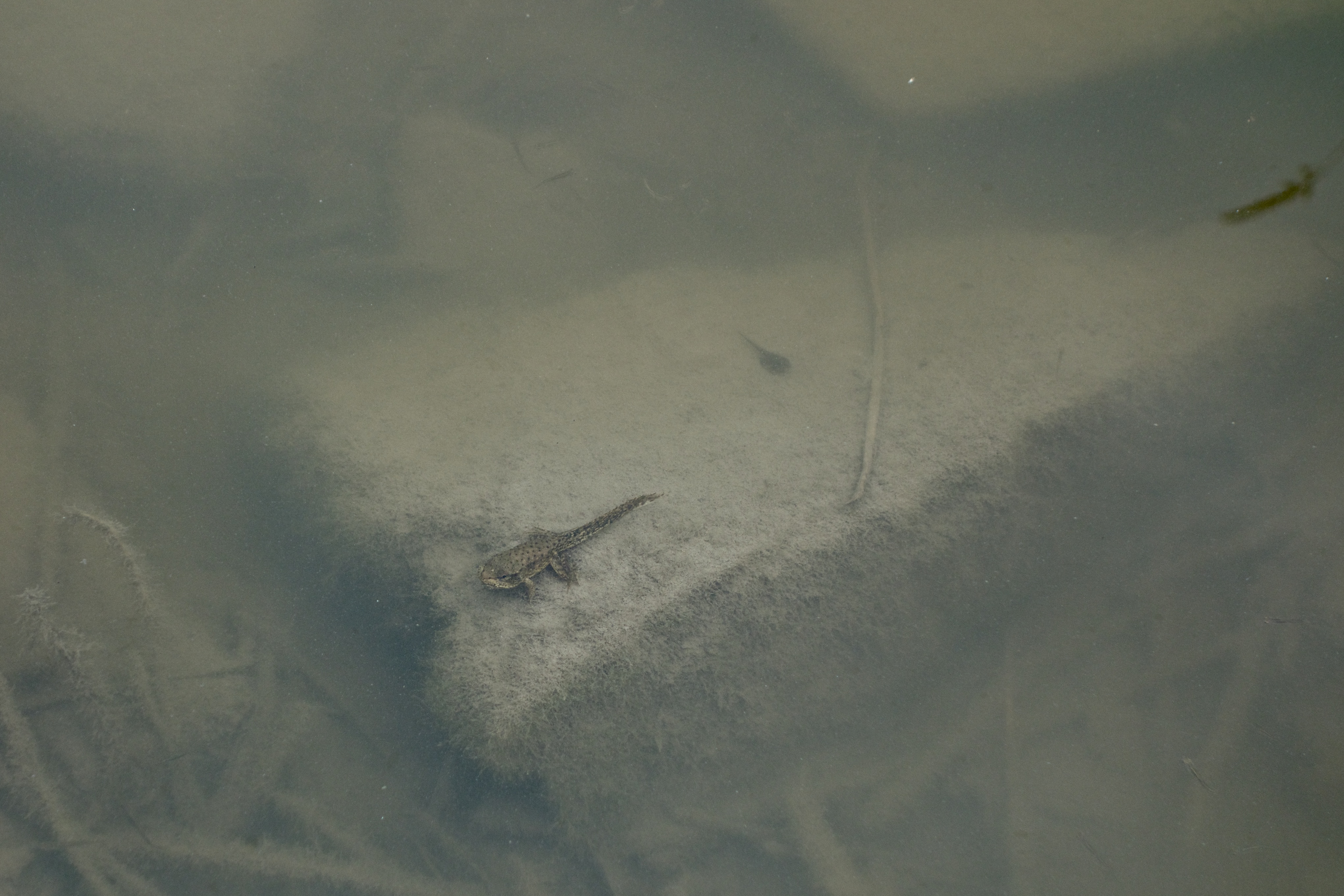
Although the pond is much diminished in area and depth, there are still lots of minnows and pond-skaters and what I believe to be an American Toad tadpole, almost ready to leave.

Toadzilla -there's a much smaller tadpole to the right.

Tadzilla on the left – there’s a much smaller tadpole to the right.

As the toad grows, it will emerge from the water with only a small tail and look more toad-like. The tail will eventually disappear. American toads thrive in dense vegetation where they can feed on insects and small invertebrates like slugs so the new pond is perfectly located for that. In the late fall, they bury themselves in soil or mud near their hunting grounds.

There’s been quite a bit of rain today so this should improve water and oxygen levels.

New toad habitat.

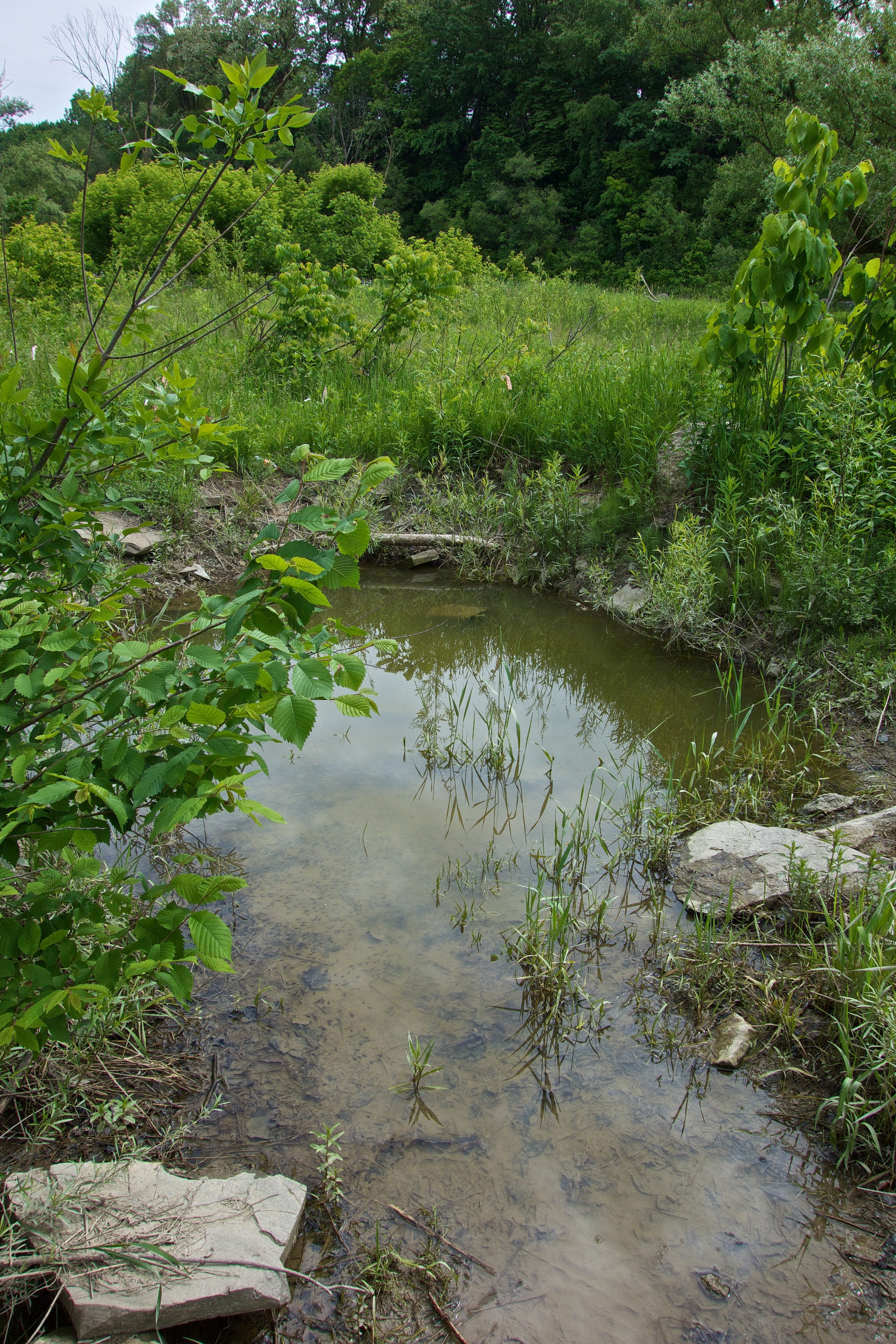
Last winter, an ice jam caused a diversion of the Humber and continued the creation of a channel that will eventually form a new island in the wild area. The force of the Humber moving over land at first strips away the topsoil and then sweeps aside stones and larger rocks. Close to the peninsula, material has been carved out to such a depth that a hollow has formed below the water line and can therefore sustain aquatic life throughout the year.

The newly carved pond.

The newly carved pond.

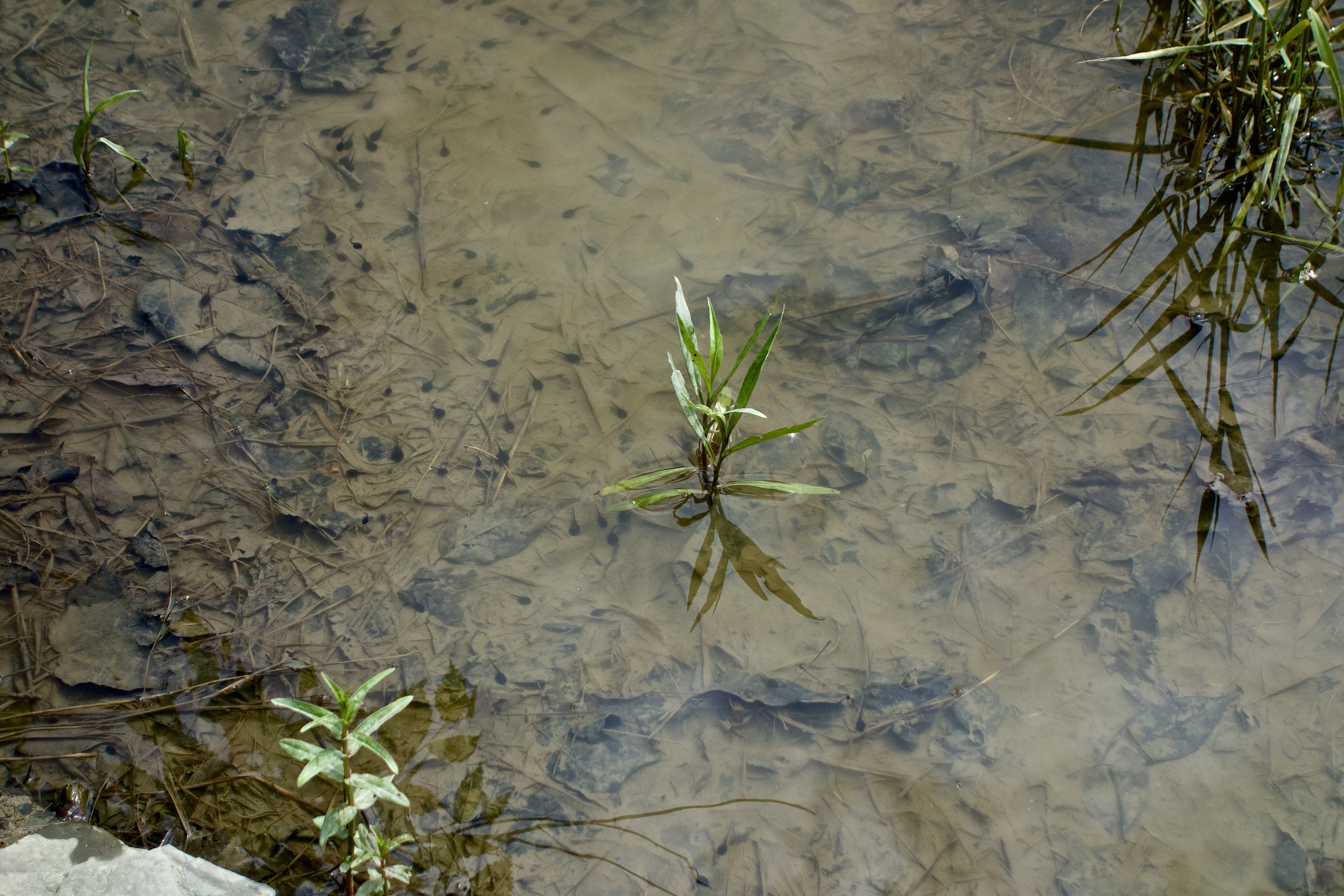
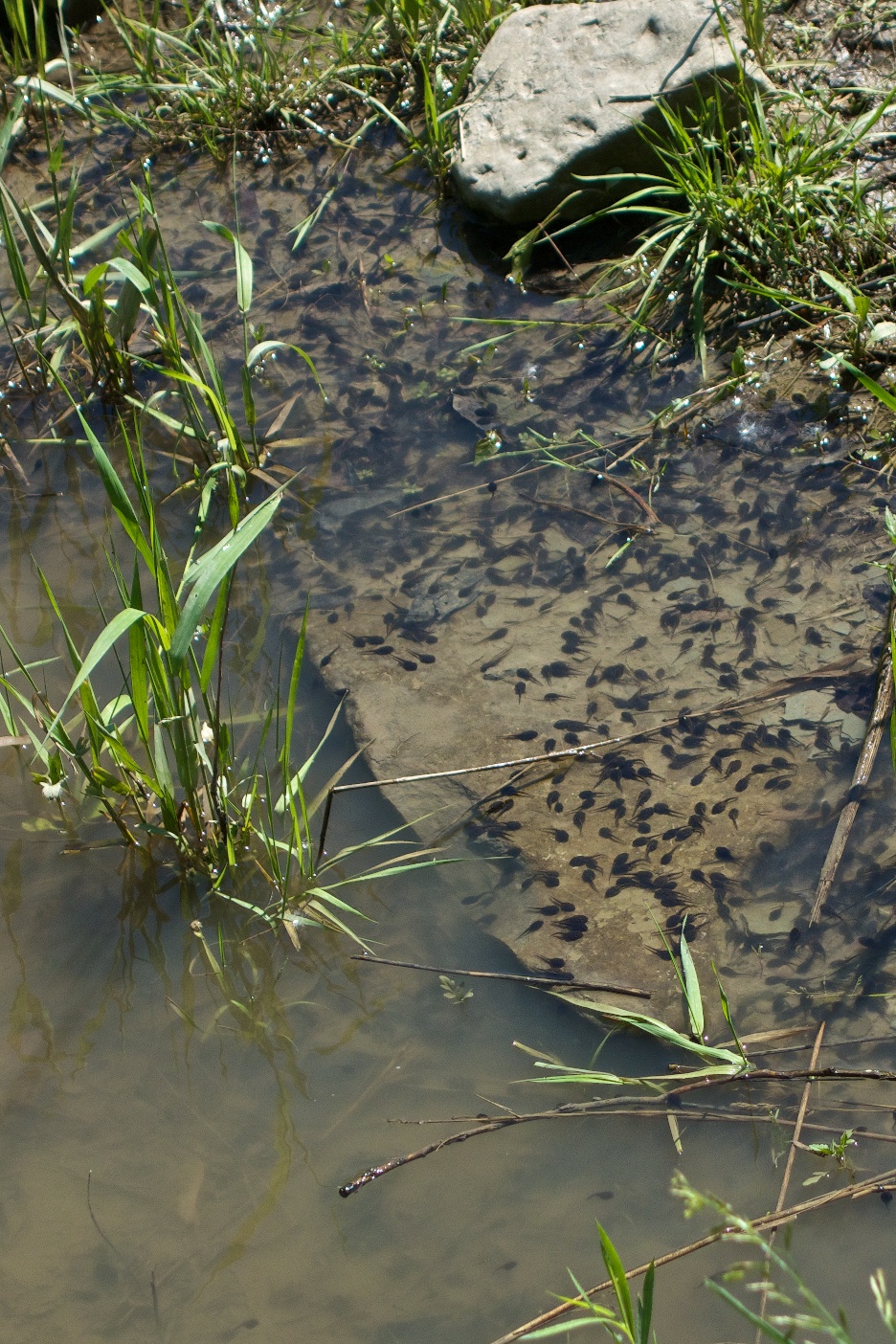
American Toads have exploited this new habitat and there are dozens of tadpoles happily swimming around in a fish-free environment.

American Toad tadpoles are the first generation to use this pond.

American Toad tadpoles are the first generation to use this pond.

This pond is well situated as it is quite small, hard to see from the bike path and difficult to access. With luck, large numbers of toads will start exploiting the food supply that will be available when they grow legs and leave the pond.

An ideal habitat has been created.

An ideal habitat has been created.