Category Archives: Photography

Exploring Toronto’s Aerial History: Raymore Park Before Hurricane Hazel

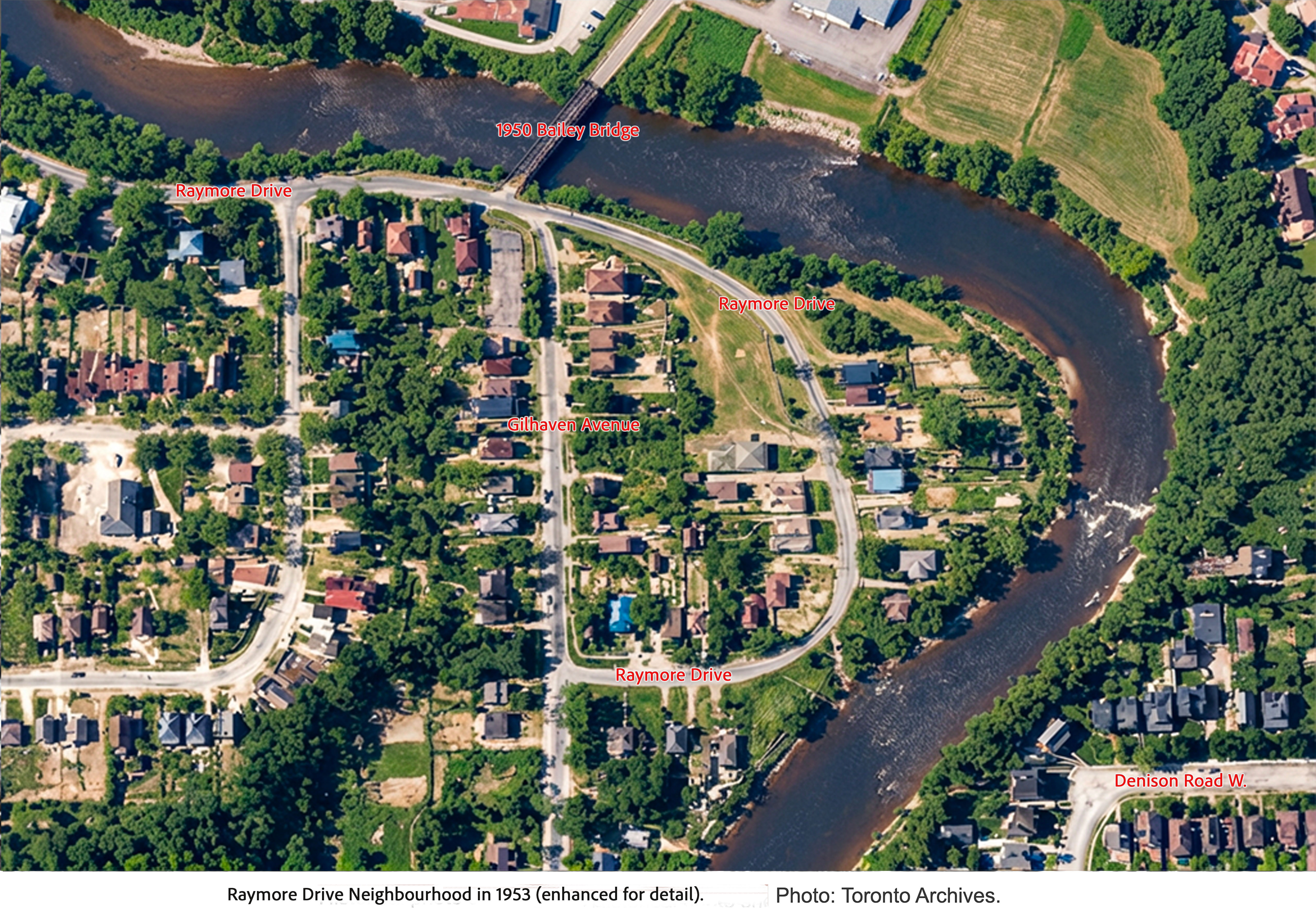
In the City of Toronto Archives there are extensive aerial photos of the city taken between 1947 and 1992. They are black and white images but reasonably detailed. While researching Hurricane Hazel I was able to download an image of what is now Raymore Park to reveal the community that existed just over a year before Hurricane Hazel struck in October 1954. Colourizing and sharpening the photo makes it resemble today’s satellite images (details are unchanged but colours are arbitrary and not historically accurate) from Google and help appreciate the extent of community that existed back then. I have labelled relevant streets.

Raymore Drive extended into what is now the park, hugging the river’s edge before heading south and looping back onto Gilhaven Avenue.
Click to enlarge.

I was surprised at the size of the community with houses occupying much of the flood plain land and stretching a considerable way down Gilhaven Avenue (now the approximate location of the bike path). It looks as if it was an idyllic place to live – riverside dwellings but with city amenities. There was even a beach for the kids. Many of the homes were cottage style on blocks while some had full basements. Most are a lot smaller than our modern dwellings. The homes destroyed seem to have been along the river’s edge at the far right and lower edge of the peninsula. The people who died lived on this stretch of Raymore.

At the top of the image, on the other bank of the river, parts of the (now demolished) water filtration plant can be seen.

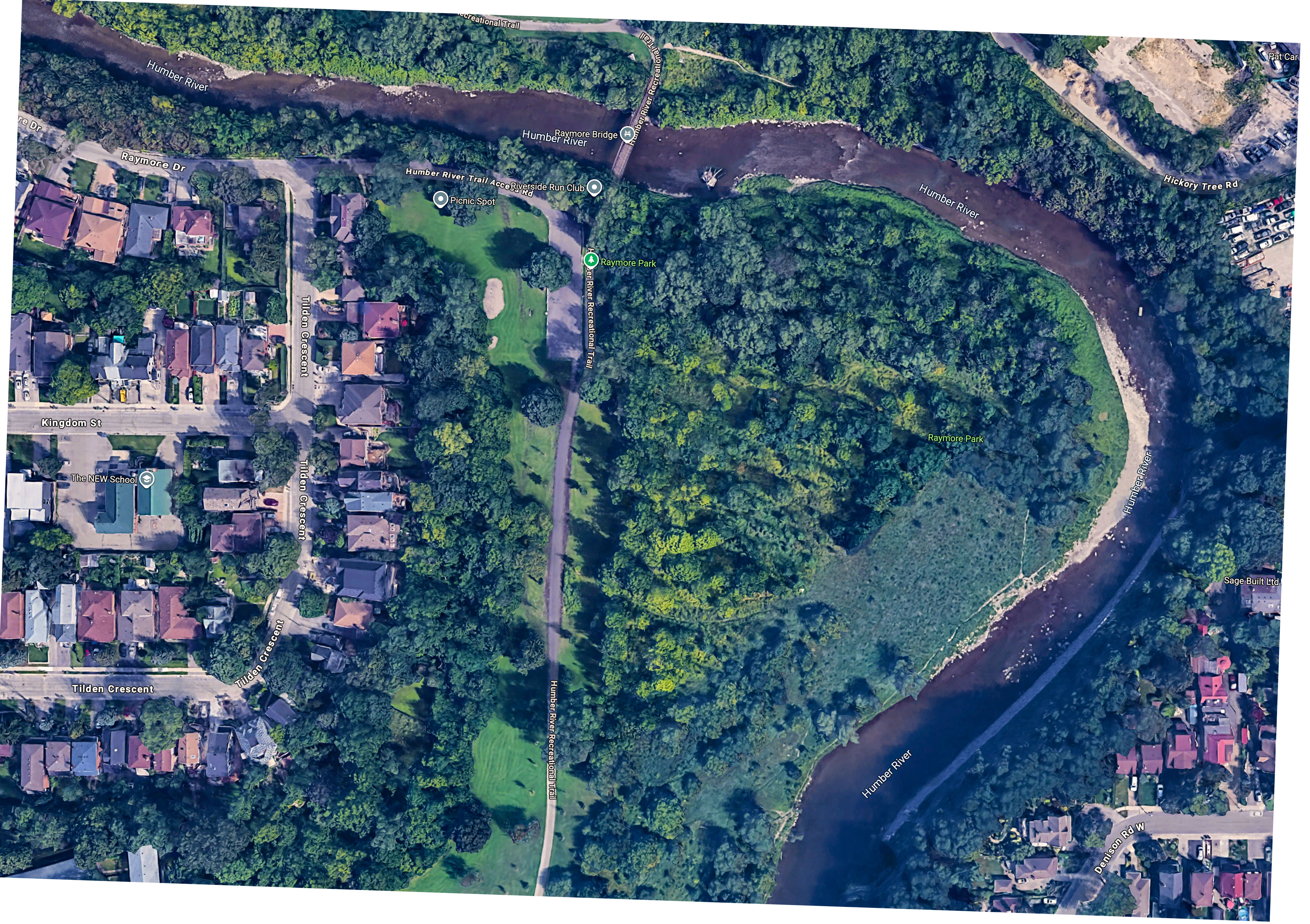
Below is a recent satellite image and I have adjusted the size and rotation to match that of the 1953 photo.
From Google. Click to enlarge.

The Bailey Bridge seen in the upper photo was put there in 1950 and both of the old abutments can be seen to this day. The current footbridge was installed in 2005.

Some of the homes along what is now the bike path were undamaged apart from flooded basements but authorities at the time elected to remove all homes in the flood plain leaving only Tilden Crescent intact. Raymore Drive was ended at Tilden and Gilhaven Avenue ceased to exist.

Very few of the buildings on surviving streets from 1953 exist today – I recognize the house that once stood at the east corner of Raymore and what is now Tilden, Westmount Gospel Chapel on Kingdom and some homes on Denison. Readers are welcome to add discoveries of their own.

Signs of Fall

Fall looks as if it’s here to stay as temperatures are set to lower sharply next week. The first dip below zero of the season is forecast for October 30 which is slightly earlier than Toronto’s average of November 1-10.

Here are some recent images of the park as it eases into the approaching winter.

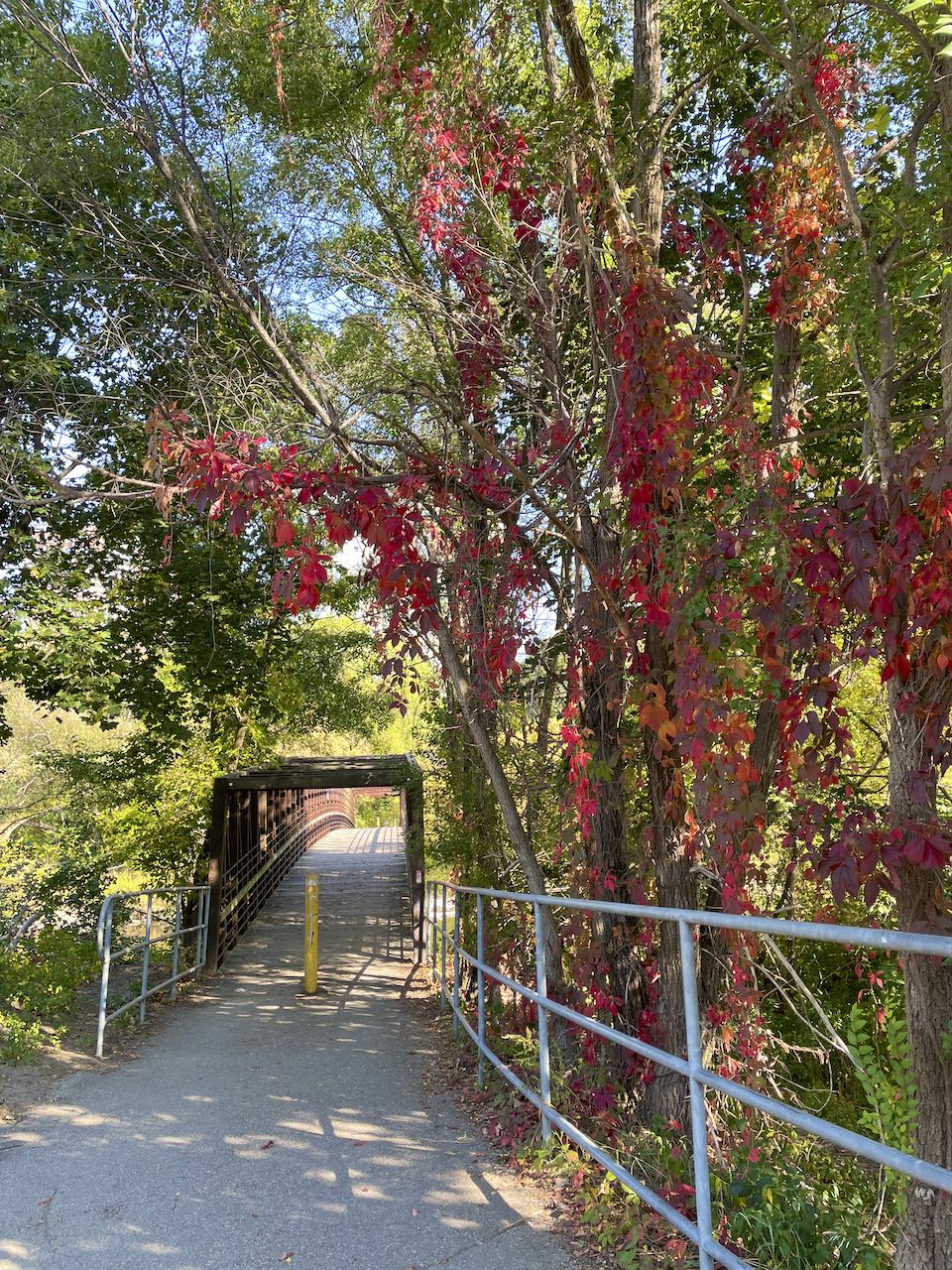
Colourful Boston ivy decorates the Humber footbridge entrance. October 2.
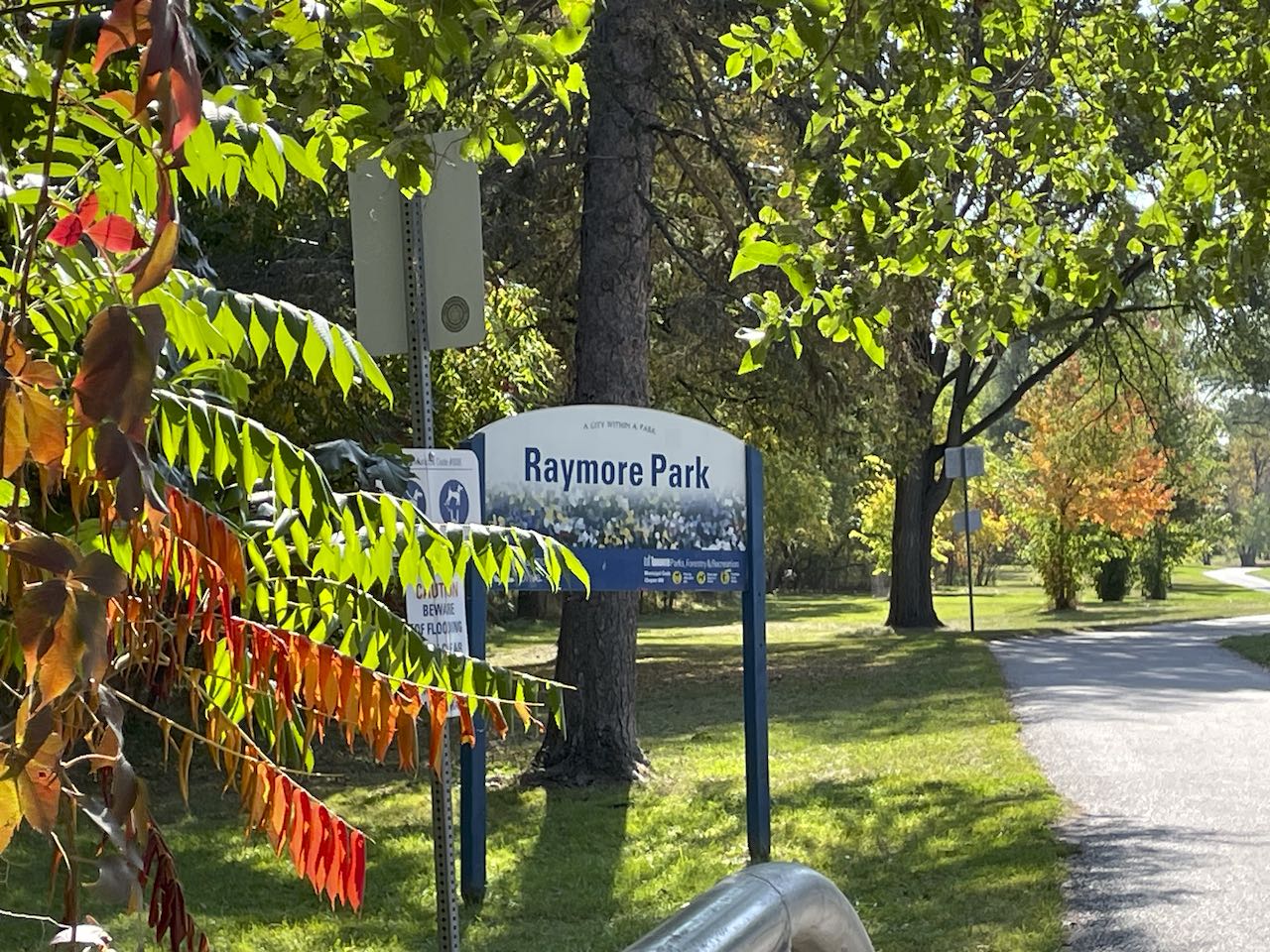
Sumac beginning to turn colour by the park entrance. October 2.
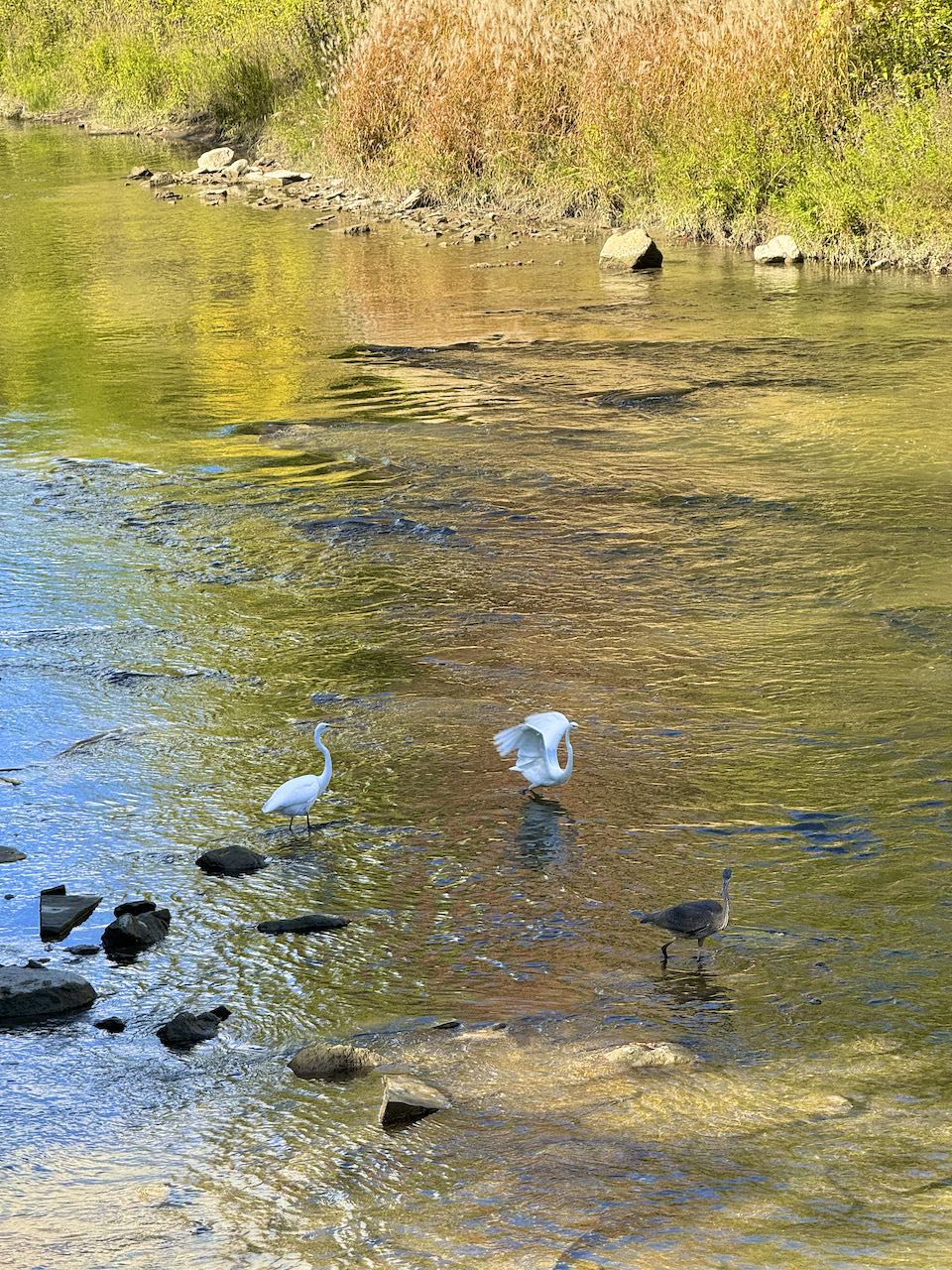
Two egrets and a blue heron. The egret (centre) was just about to chase the heron away. (October 12)
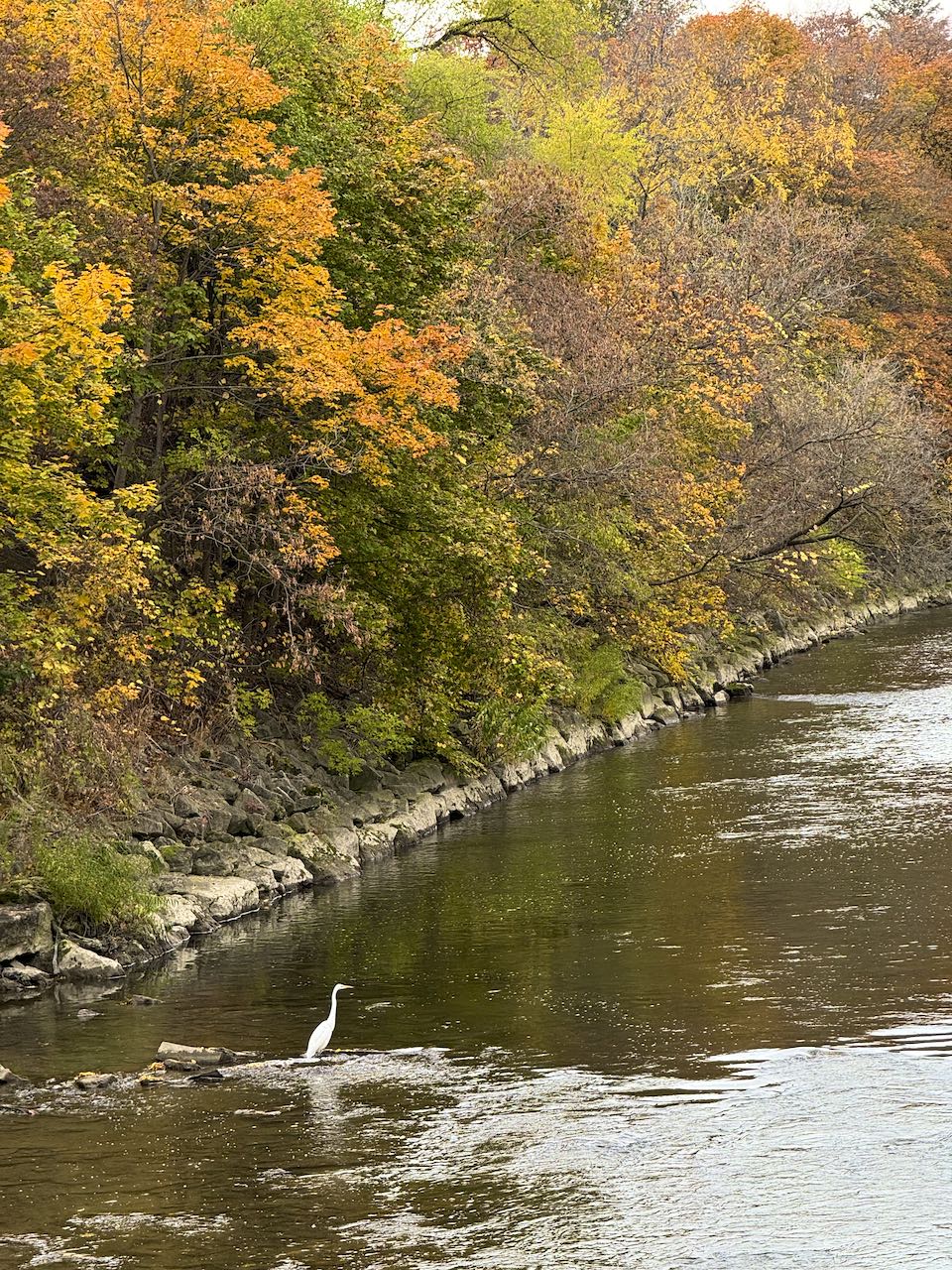
A lone egret with fall colours in the background. (October 24)
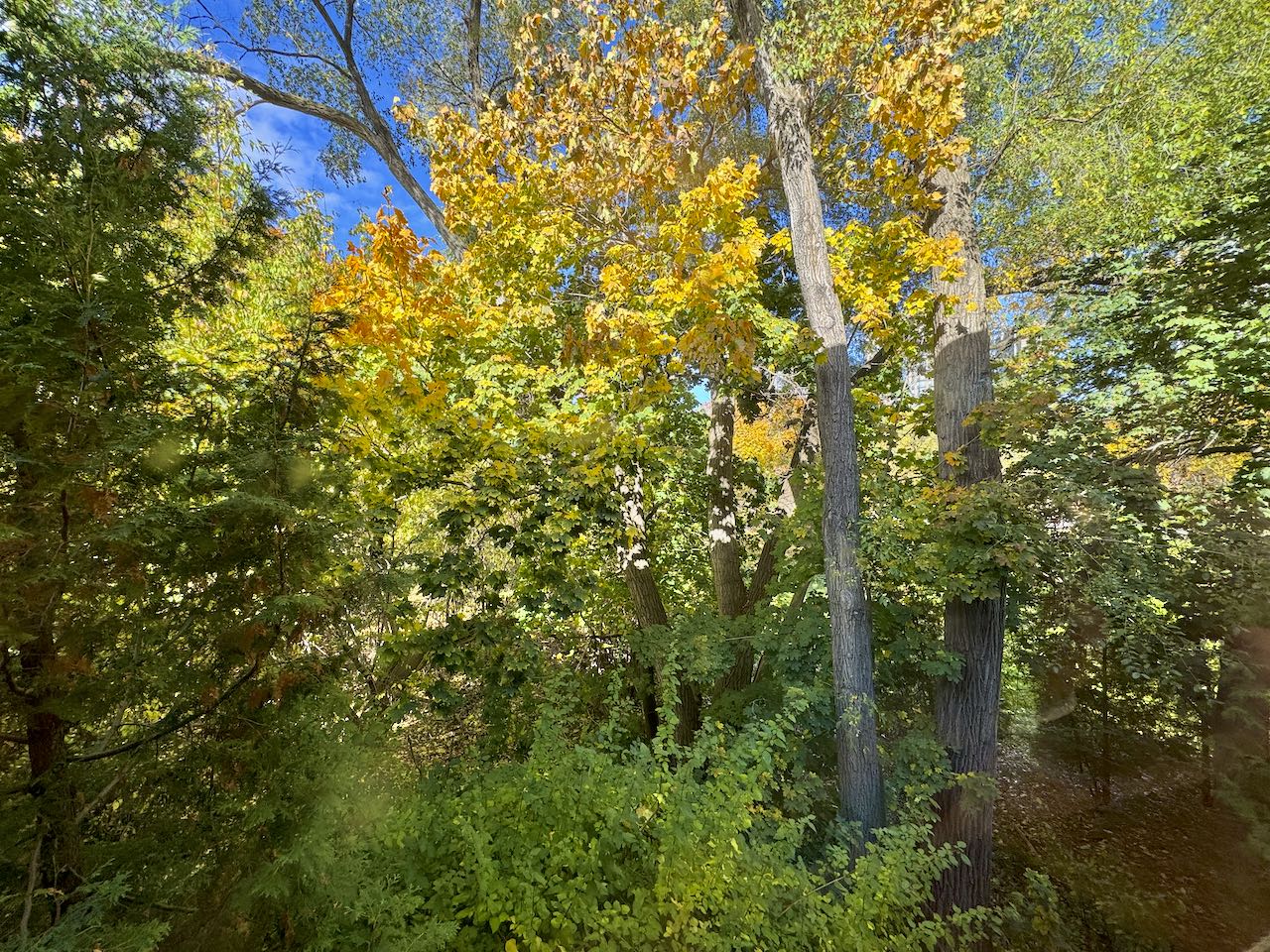
Norway Maple foliage is more colourful this year. October 28.

Parks are for everyone.

Most Toronto parks on a weekend are filled with people enjoying themselves. To paraphrase an old saying, Parks are the lungs of the city and a natural setting with trees and grass provides cleaner and fresher air along with a chance to relax.

There are parks that are ideal for picnics while others provide tranquility and a natural setting. Some Toronto parks have bathrooms and built in barbecue stands while others, like Raymore Park are more natural.

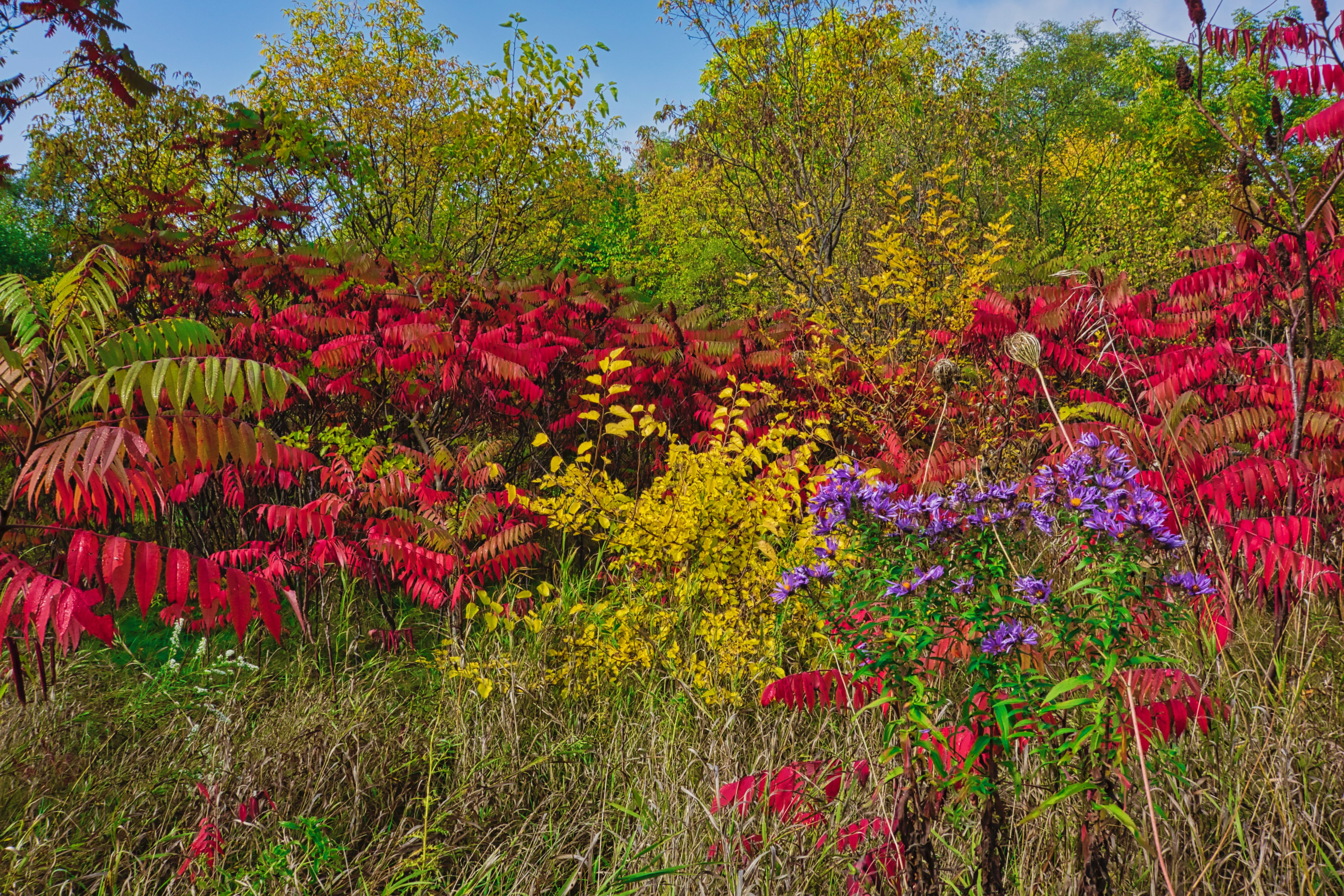
Glorious fall colours in Raymore Park’s wild area (October 2013).

Raymore Park is quite large and there are areas where you can throw a ball, walk the dog, have a picnic or just sit on one of the many benches and contemplate. Watching the water going over the weir is mesmerizing and the negative ions created by falling water are said to be therapeutic. If you like shade, there are lots of trees – just be careful not to feed the summer mosquitoes! There’s even a rudimentary baseball diamond tucked away north of the dog off-leash area. We don’t have flower beds or seasonal plantings but we have a large variety of flora and fauna.

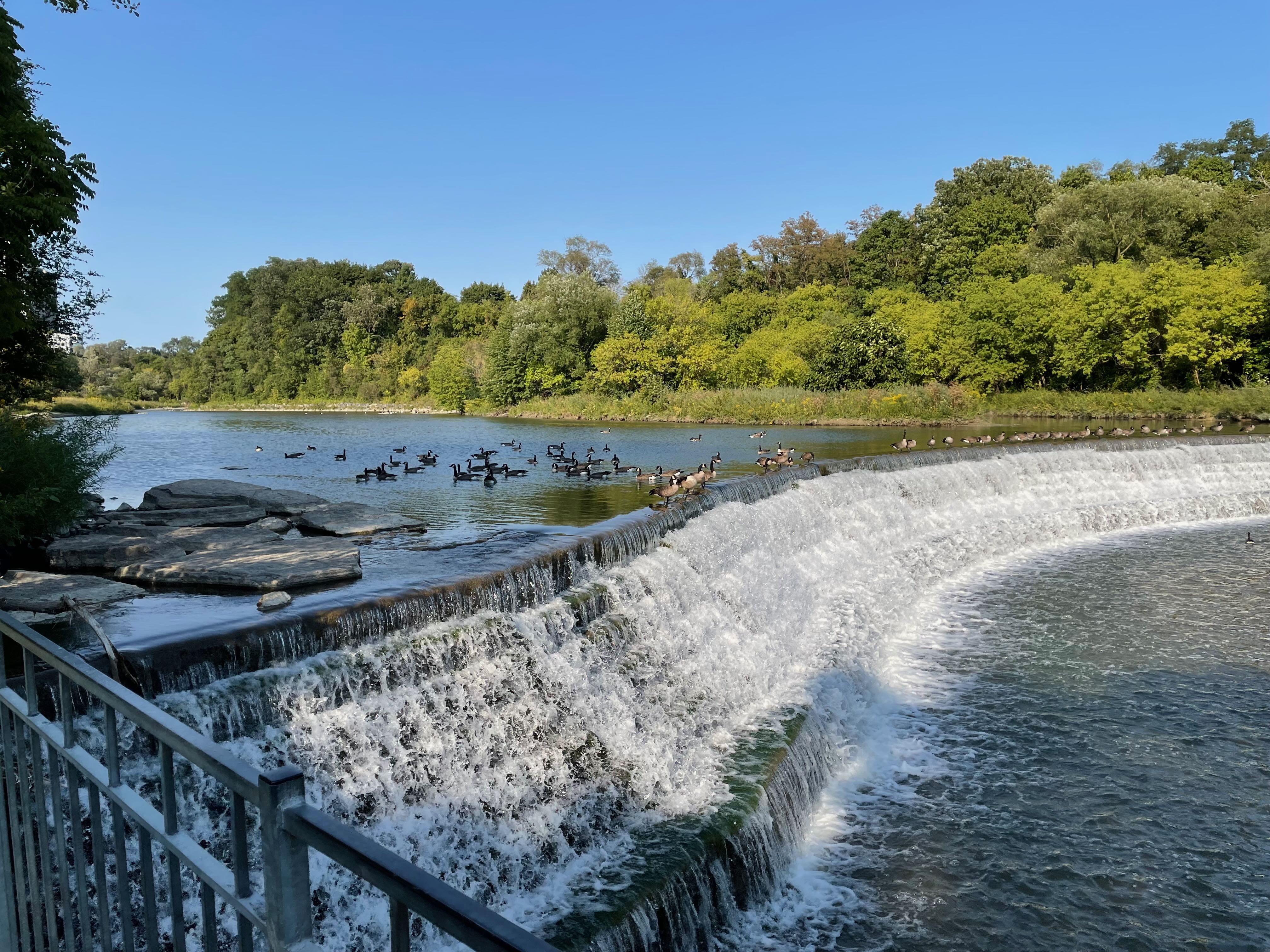
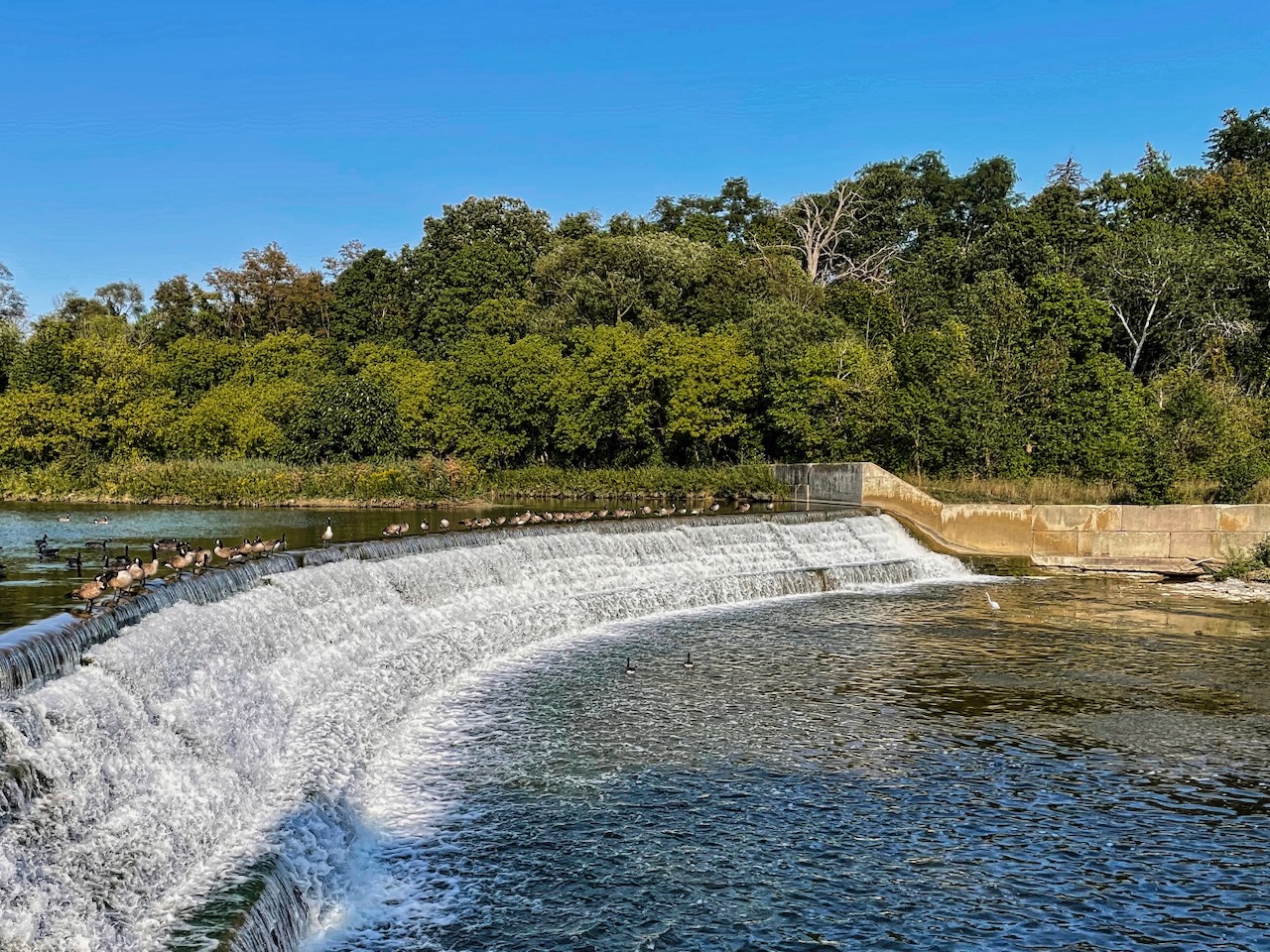
Geese enjoying the weir in September 2022.

In nearby Lions Park, people like to set up in groups and barbecue on warm weekends. They bring chairs and tables, awnings and coolers and relax by the river. Walking or cycling past these groups is a treat for the nose and if your hunger is stimulated, there’s an increasing number of fast (and slow) food locations a five-minute walk away on Weston Road.

Who are the people using parks? Every age group, athletic level and ethnicity are represented in Toronto’s green spaces and ravines; people looking for exercise, a meal or a relaxing stroll. There are no barriers or fees, everyone is welcome and people become more relaxed when they arrive. If you want to strike up a conversation, talk to a dog owner about their dog – or better yet, borrow a dog and walk it in the park (on leash of course). Dogs are instant ice-breakers. There are many volunteer organizations that help clean our parks after a long winter (locally it’s Humber River Pals) and get rid of accumulated litter while others look for invasive plants and remove them. Garlic mustard is a frequent target for those wanting some springtime greens and provide breathing room for native plants.

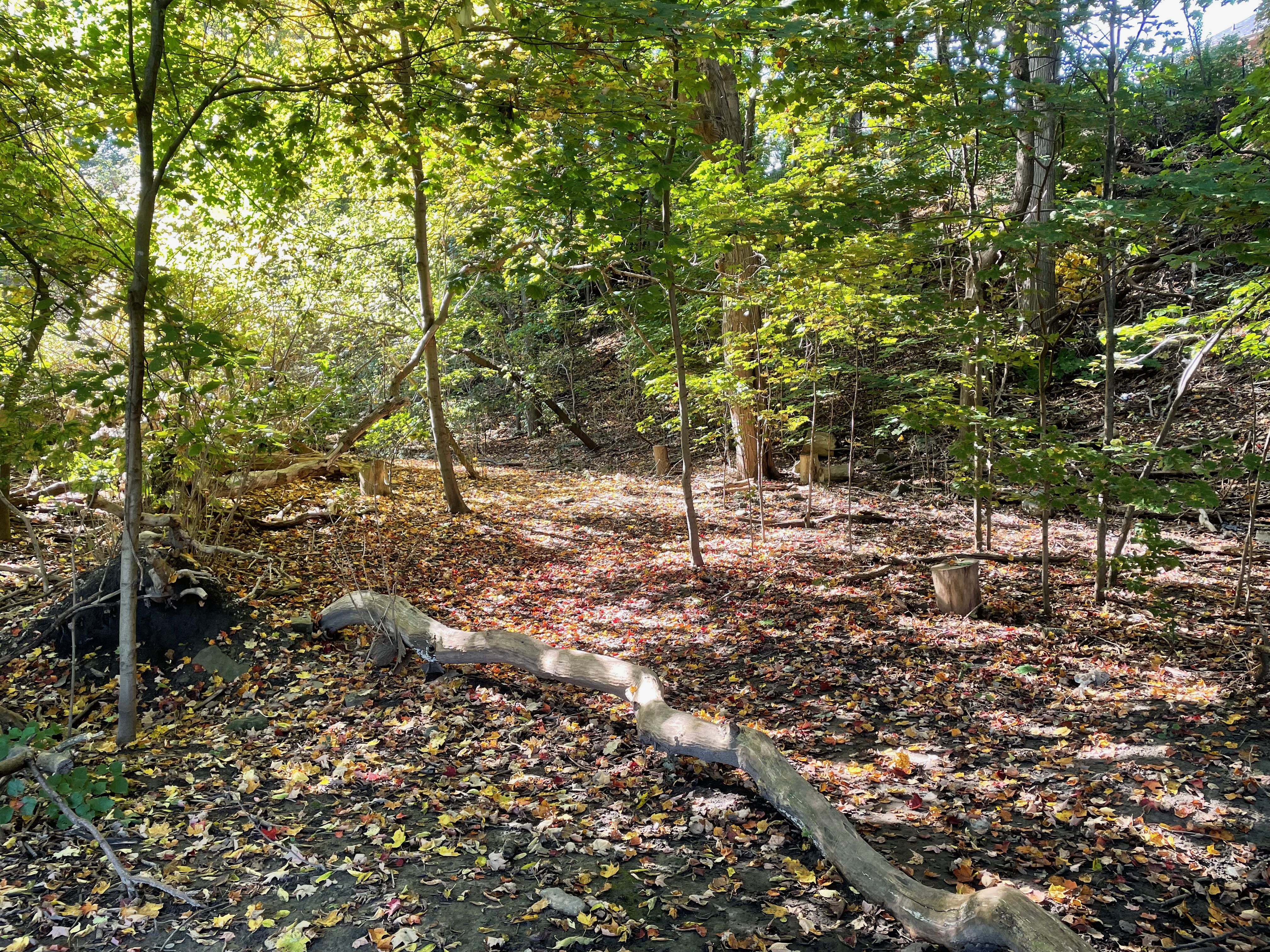
Raymore’s wooded area in October 2021.

It is possible to cycle from Raymore Park down to Lake Ontario with very few diversions onto side streets. The trail loosely follows the Humber to it’s mouth on the lake. Cycling through several parks on the way down to the lake reveals the variety of beautiful parks along the Humber.

So what’s stopping you? Get out and enjoy.

One side benefit of the leash free zone.

The new leash free zone has taken some of the pressure off the wild area. The evidence for this is the fact that the old path is quite overgrown.
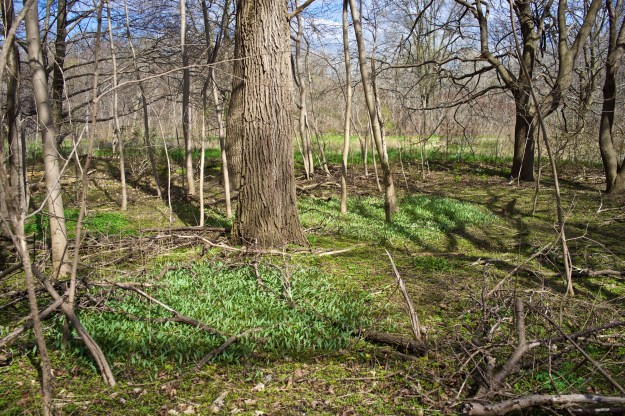
The old path is visible as a mild depression in the undergrowth.

There is a path there somewhere.

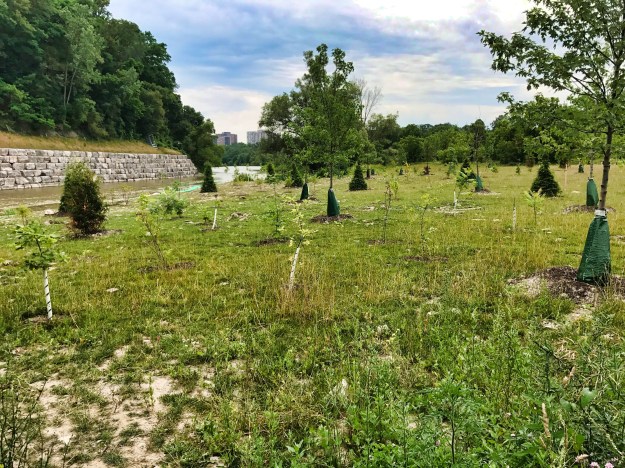
The lack of dogs and humans is also helpful to new plantings that are part of the rehabilitation of the former staging area. The bags at the base of some of the trees are containers which allow water to be released slowly (I always wondered). The brand name is Tree Gator.

New plantings of trees and grass. Our plentiful rainfall this summer is helping. Let’s hope winter ice is kind.

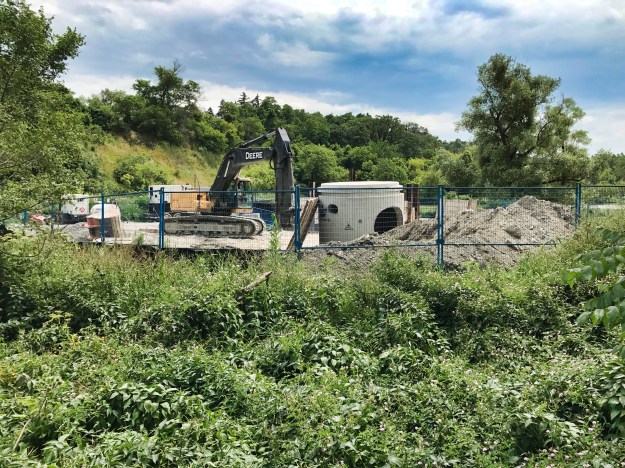
In the meantime, work continues on re-lining the sewage pipes that run along the Humber. The project has blown past its announced completion date of July 2017.

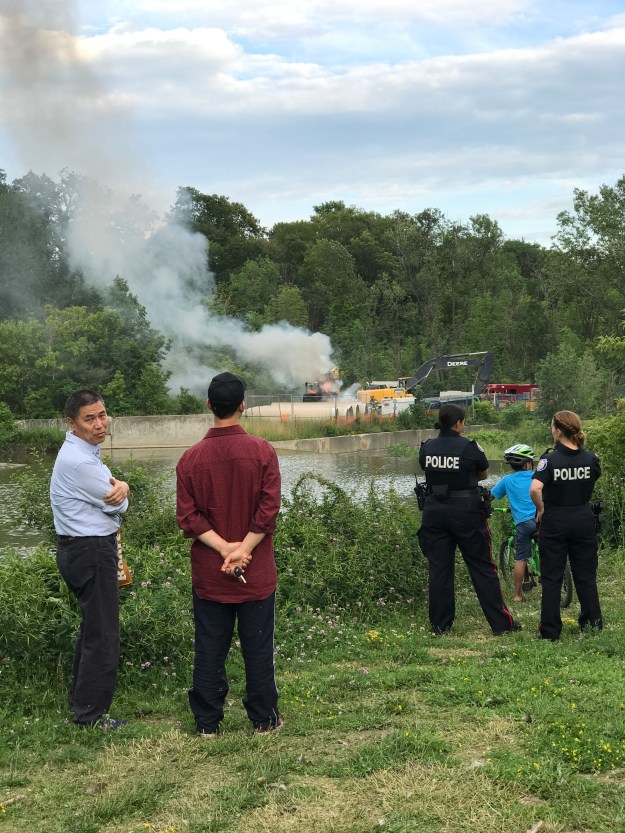
This equipment fire across the river on July 9th may not have helped the project timeline.

March 2017 Construction Progress Report.

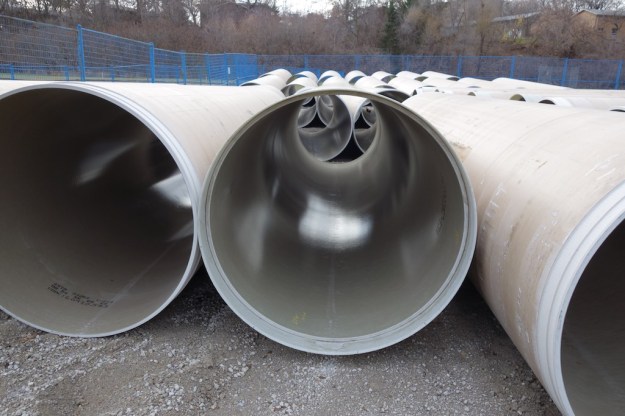
Sewer pipe linings awaiting placement.

Sewer pipe linings awaiting placement.

Work proceeds in full swing on the sewer relining project. Instead of replacing the sewers, new linings are being pushed and pulled to line the insides of the original pipe. Apparently this will allow a few more years before the old pipes need to be replaced. This means another 18 months of heavy slogging along the Humber valley.

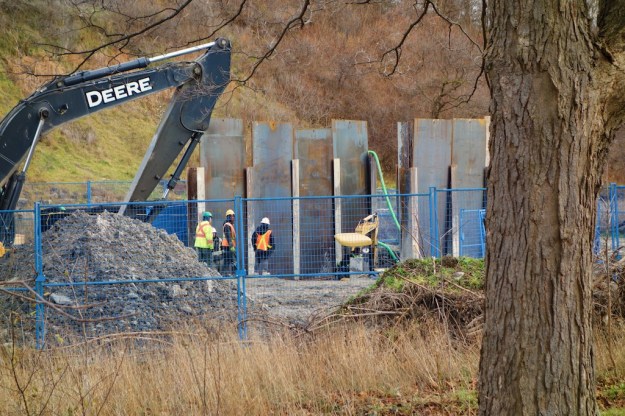
Workers access the main sewer in preparation for re-lining.

Workers access the main sewer in preparation for re-lining.

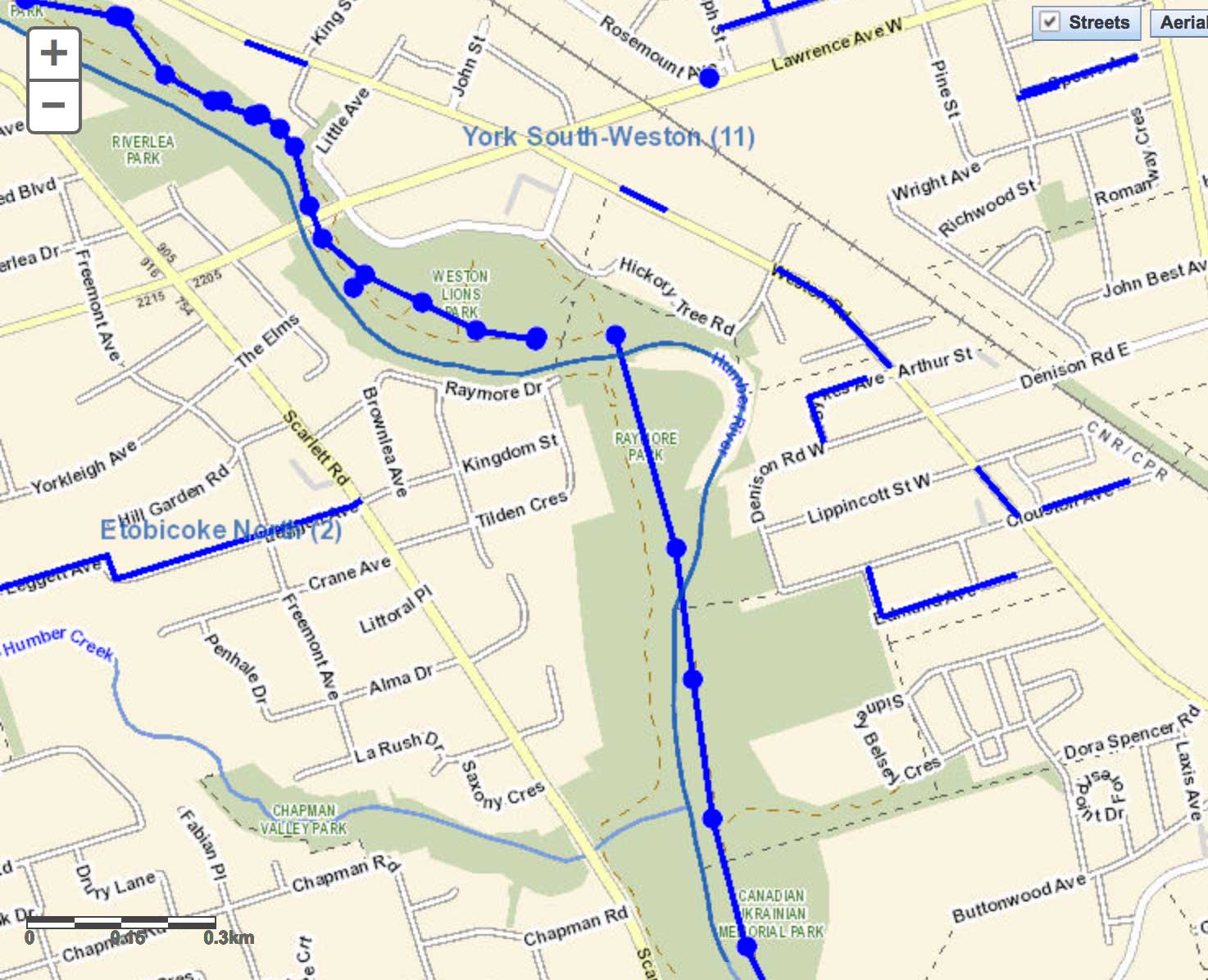
Sewer-map

City of Toronto map showing the path of the sewer and its main access points.

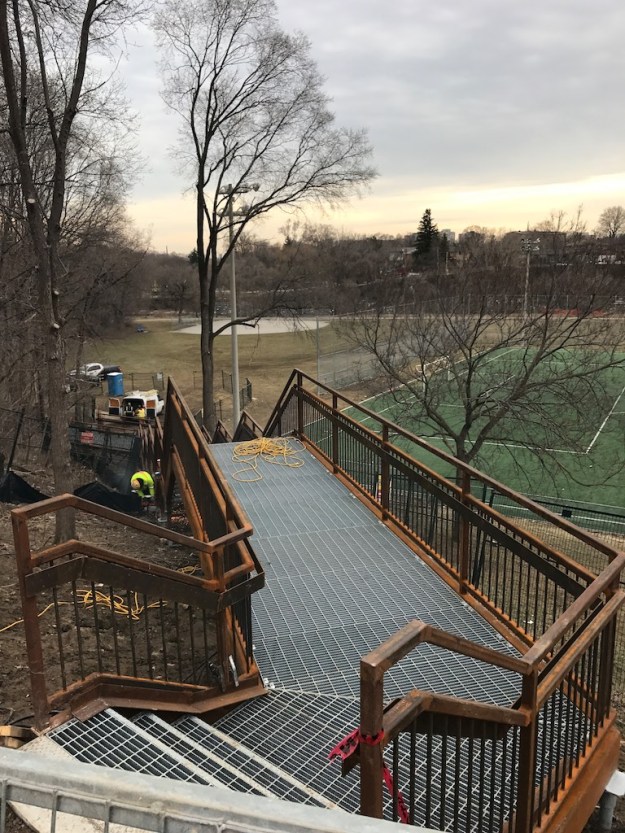
The footbridge connecting Lions Park with Hickory Tree Road is almost complete and will make a difference to the many people on foot who move between Weston and Etobicoke. The new version is wider, all metal (except for railings and trim) and has viewing decks that will be useful during soccer games on the artificial turf below.

One of the decks of the new footbridge during construction.

One of the decks of the new footbridge during construction.

The new bridge shouldn’t require salt (the old wooden one was regularly salted in winter) and it will have bicycle troughs for walking bicycles up and down.
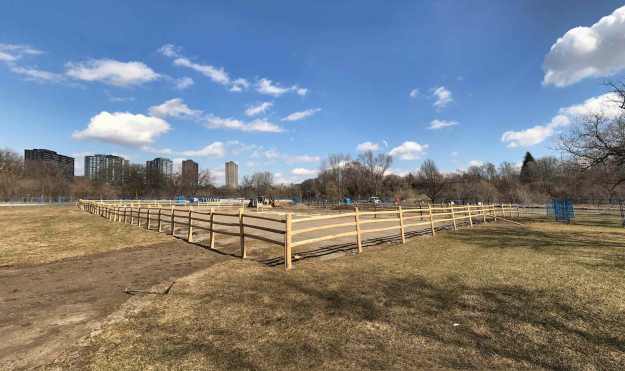
The leash free zone further down Raymore Park is taking shape. The surface has been laid and fencing is under way. The two areas for different sized dogs are becoming evident. This project should be ready by summer.

Panoramic view of the new area looking north. Click to zoom.

Panoramic view of the new area looking north. Click to zoom.

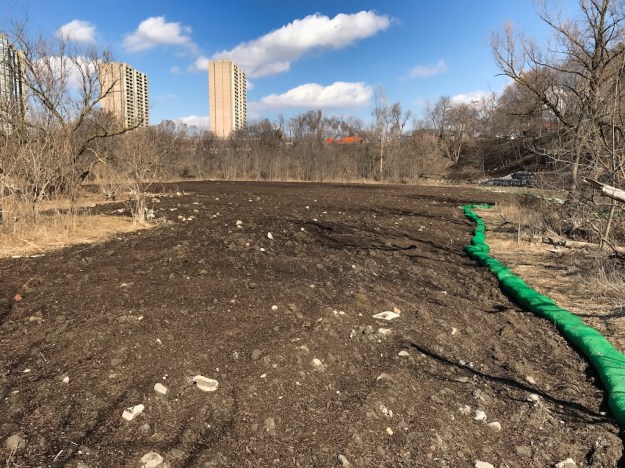
Finally, although the Humber River retaining wall was completed late last year, the staging area used to construct the project has been restored and now this blank canvas awaits re-planting, hopefully this spring.

img_1777


Not much progress

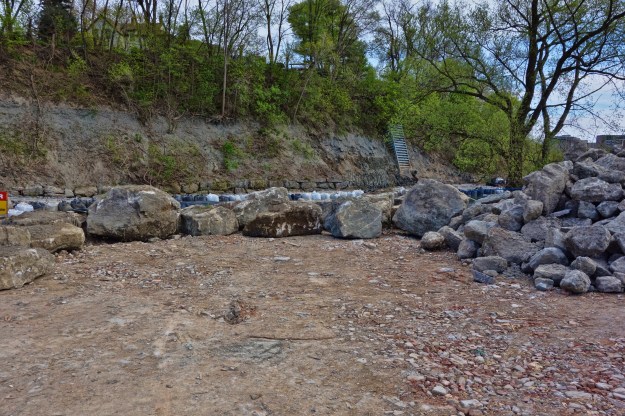
There seems to be little going on at the retaining wall site these days. It may have to do with negotiations ongoing with the owner at the north end of the wall. If the owner withholds permission for the wall to be completed on the end property, plans will need to be adjusted.

Old retaining wall blocks are stacked along the opposite shore.

Old retaining wall blocks are stacked along the opposite shore.

Part of the

The old retaining wall is being removed in preparation for a newer taller model.

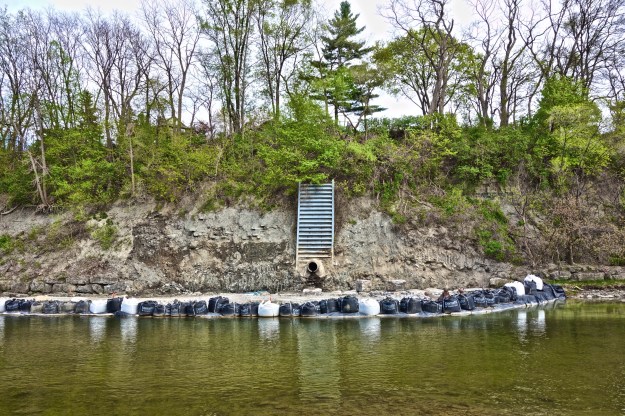
Incidentally, the storm sewer pipe that is visible in the second image is one of hundreds that flow into the Humber. The structure above it may serve to prevent slope erosion.
Spring advances slowly.

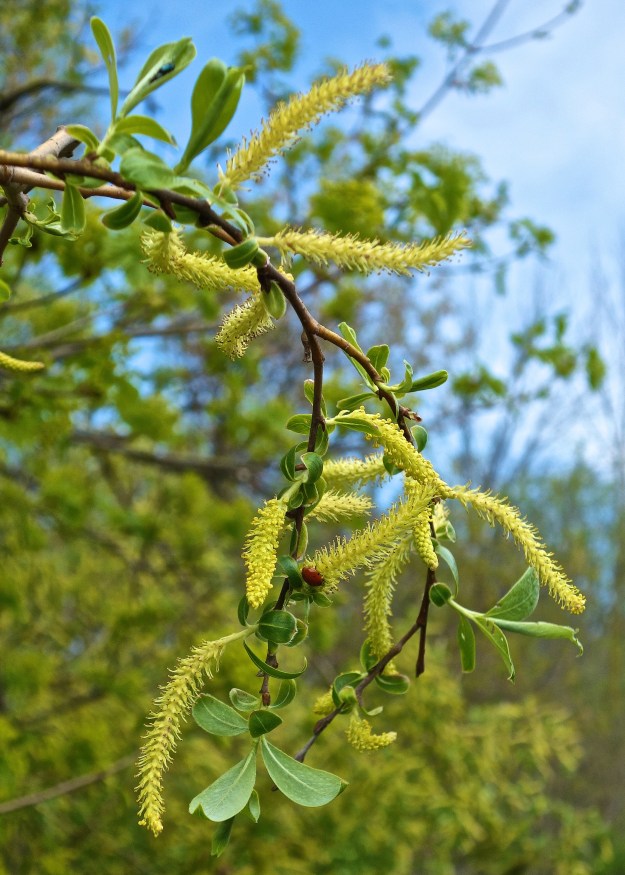
An Asian ladybug checks out some fragrant Willow blossoms.

An Asian ladybug clambers over some fragrant willow flowers by the Humber in Raymore Park.

Cool weather continues to make spring a long season this year. The upside to this is the ability to watch plants come to life in slow motion.

Willow trees (Latin name, Salix) are common in Raymore Park and they are native to Canada. They love watery environments and are easily propagated. They can be seen planted throughout the park, although, like walnuts, they don’t need much encouragement. Their flowers are particularly fragrant and have a lilac type smell.

The ancient Greeks knew about the medicinal abilities of willow bark extract to cut pain and reduce a fever. Native Canadians also used it in the same way. Scientists in the 19th Century extracted a chemical, which they named salicin, from the bark and converted it to salicylic acid and later still, to acetylsalicylic acid. The drug in this form is still in wide use today and more commonly known as ASA or aspirin.

As for the Asian ladybug, this was introduced by farmers in the U.S. to fight aphids and they do that job very well. Unfortunately they are not as benign as our native ladybugs and tend to find crevices in homes as well as contaminate grapes used in wines. They have to a large extent displaced our native bug. One year at a Niagara winery I drank some red wine which was ‘flavour enhanced’ with large numbers of the creatures accidentally harvested with the grapes. They have an unforgettable and bitter taste! It didn’t seem to bother anyone else so I let it go. Canadians can be very polite and forgiving.

Wineries now take precautions not to harvest ladybugs along with their grapes.

Signs of spring

Winter is finally over – the signs are everywhere but interestingly, native plants are some of the last to leaf and bloom, possibly as a protection from our continental climate’s treacherous ability to produce late snowfalls and frosts.

Imports feel no such constraint. Alongside the old path that follows the curve of the river, some old exotic plants remain from the days when people had homes by the water. Many of these remnants of domestication are unnoticed but somehow they have survived and stand as a mute testament to the victims of Hurricane Hazel in 1954.

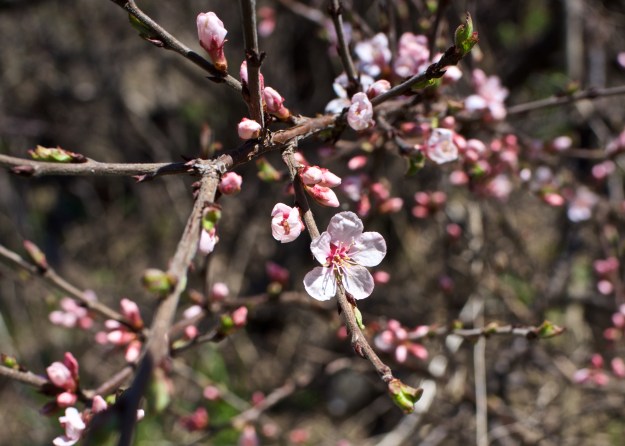
An exotic tiny blossom.

An exotic tiny blossom.

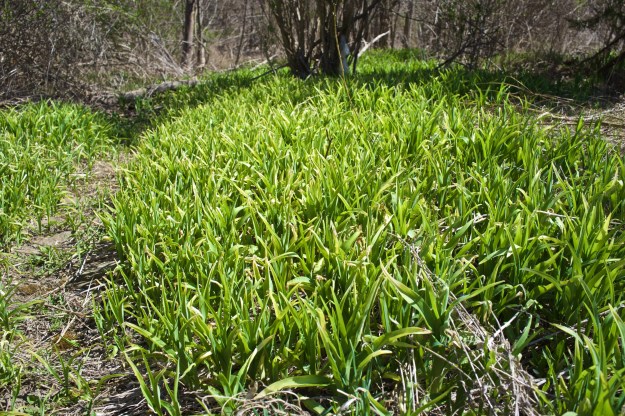
Day lilies carpet this fertile flood-prone corner of the park.

Day lilies carpet this fertile flood-prone corner of the park.

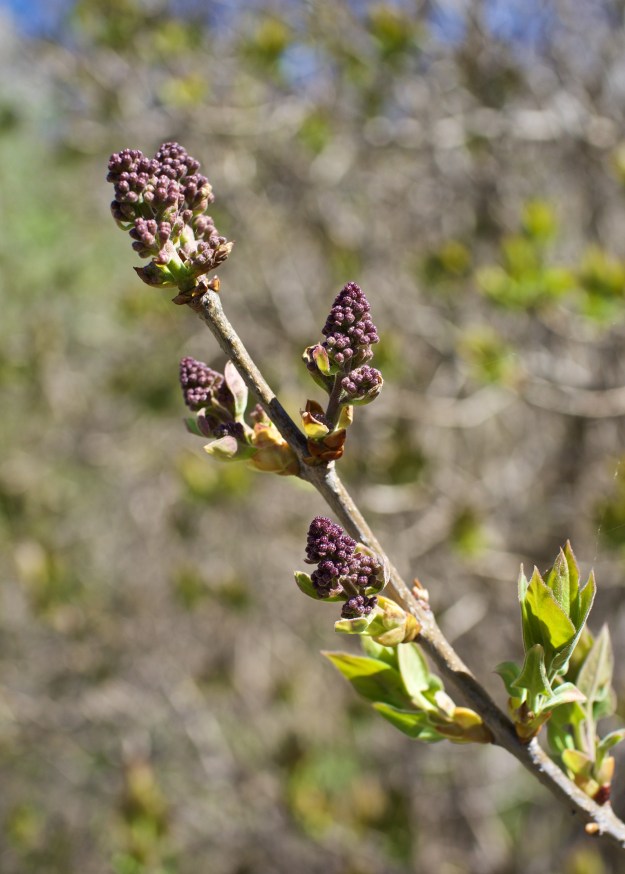
A lilac bush has begun to leaf and flower buds are set to bloom in a couple of weeks.

A lilac bush has begun to leaf and flower buds are set to bloom in a couple of weeks.

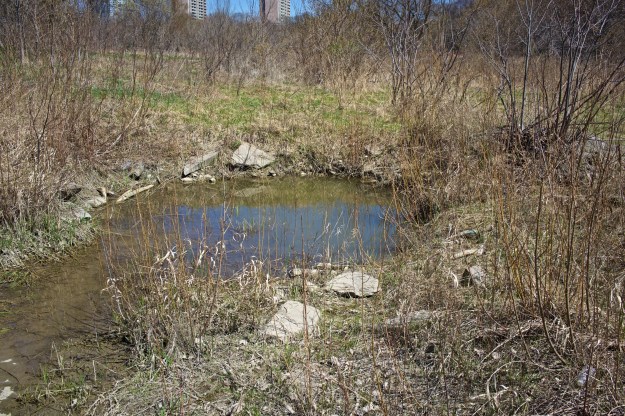
This pond was eroded out of the ground a few years ago as a result of an ice-jam temporarily diverting the river. It was promptly occupied by eastern American toads. No sign of the eggs or tadpoles yet.

This pond was carved out of the ground a few years ago as a result of an ice-jam temporarily diverting the river. It was promptly occupied by eastern American toads. No sign of this year’s eggs or tadpoles yet.

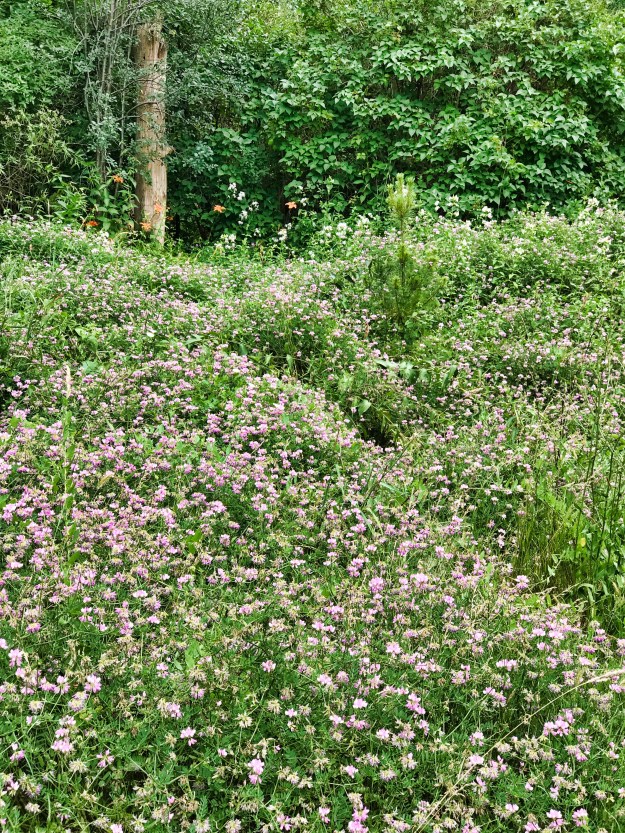
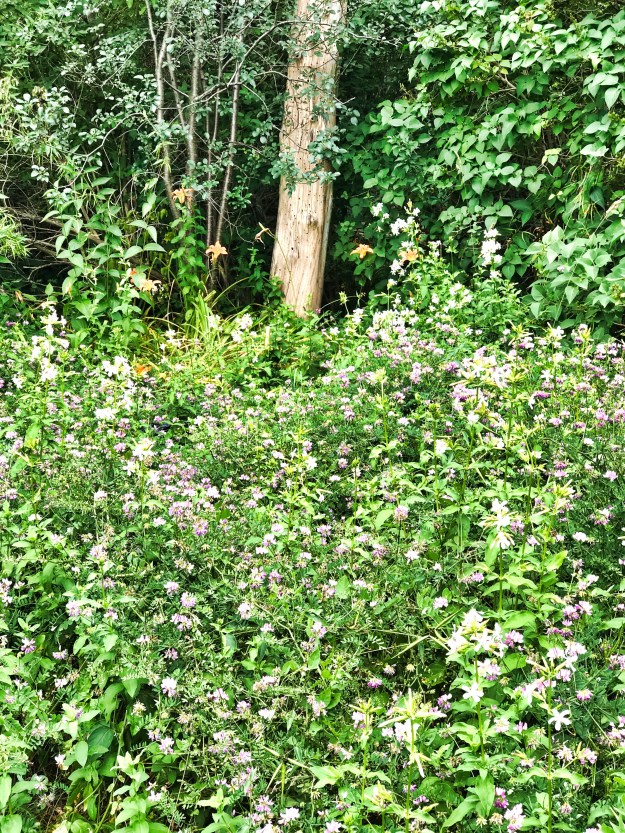
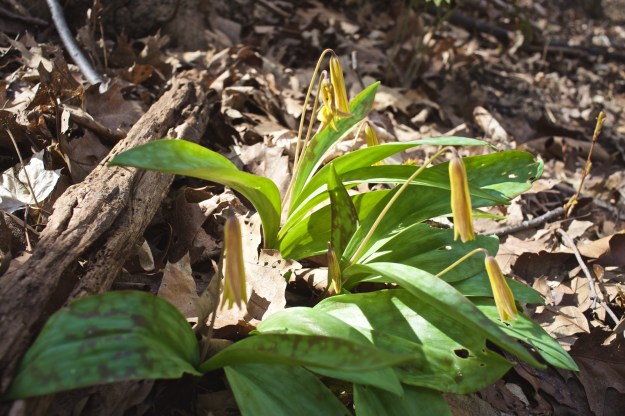
A carpet of toad lilies has sprung up in the woods south of the weir.

A carpet of toad lilies has sprung up in the woods south of the weir.

Toad lilies up close.

Toad lilies up close.

Toad lilies.

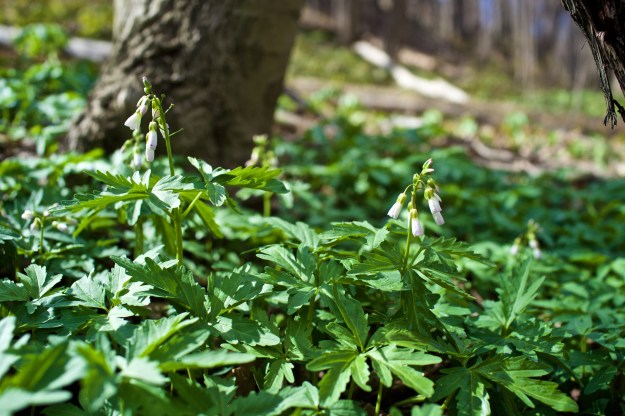
Cut leaved toothwort in the woods.

Work slows on Retaining Wall

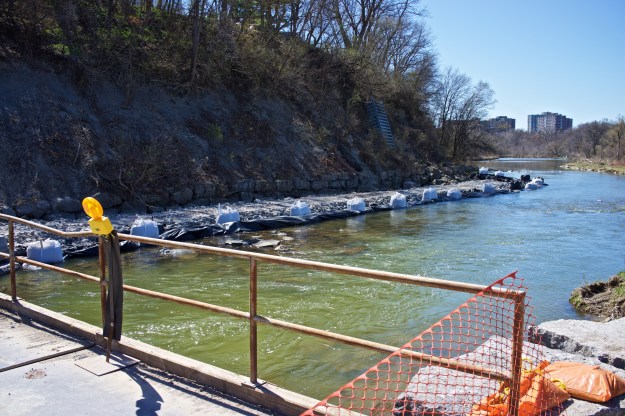
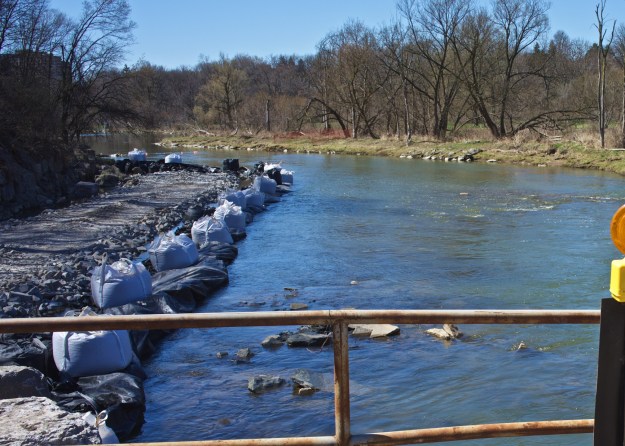
The retaining wall base has been wrapped in plastic.

The retaining wall base has been wrapped in plastic.

Work has slowed considerably at the site because migrating steelheads (better known as rainbow trout) are spawning in the Humber and rather than disturb their progress up the river, TRCA has ordered a hiatus in work until they complete their spawning. This will depend on the water temperature and will delay the wall’s construction for a while.

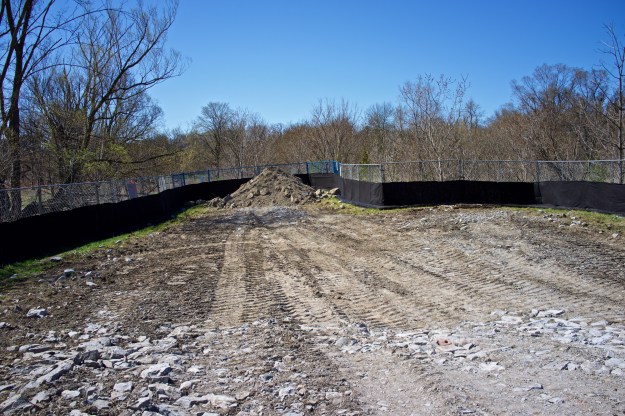
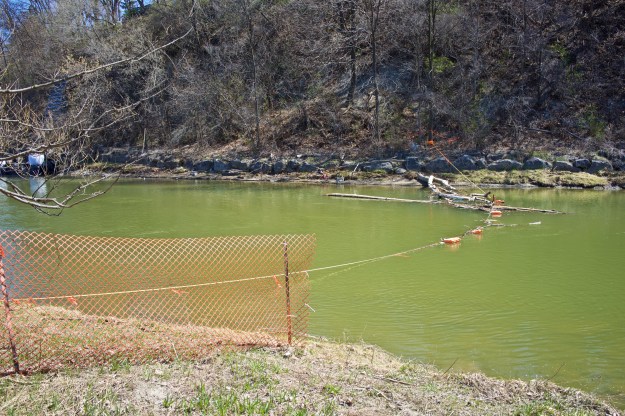
More brush was removed from the site recently and the staging area has been expanded, possibly for additional storage space. Further down the river, a mysterious rope has been stretched across the river. The purpose of the rope remains to be determined.

The staging area has been expanded south to include this area.

The staging area has been expanded south to include this land.

Further down the river, a rope has been stretched across the Humber.

Further down the river, a rope has been stretched across the Humber.

The rope across the humber.

The rope across the Humber is beginning to catch driftwood.

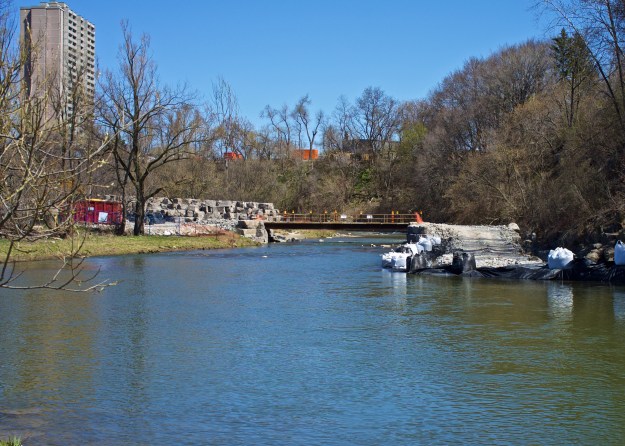
Looking north to the temporary bridge.

Looking north to the temporary bridge.