Tag Archives: milkweed seeds

Frost kills but life will go on.

The first frost of the season hit in the early hours of Tuesday morning, killing millions of insects and annual plants in Raymore Park. In the earth’s two temperate zones, this annual tide of warm and then cold toughens every species and may explain the survival of life forms on earth after comet strikes and super volcanoes. Using techniques such as hibernation, dormancy and re-birth, plants and animals have devised amazing ways of ensuring that the next generation survives the ravages of an extended period of cold.
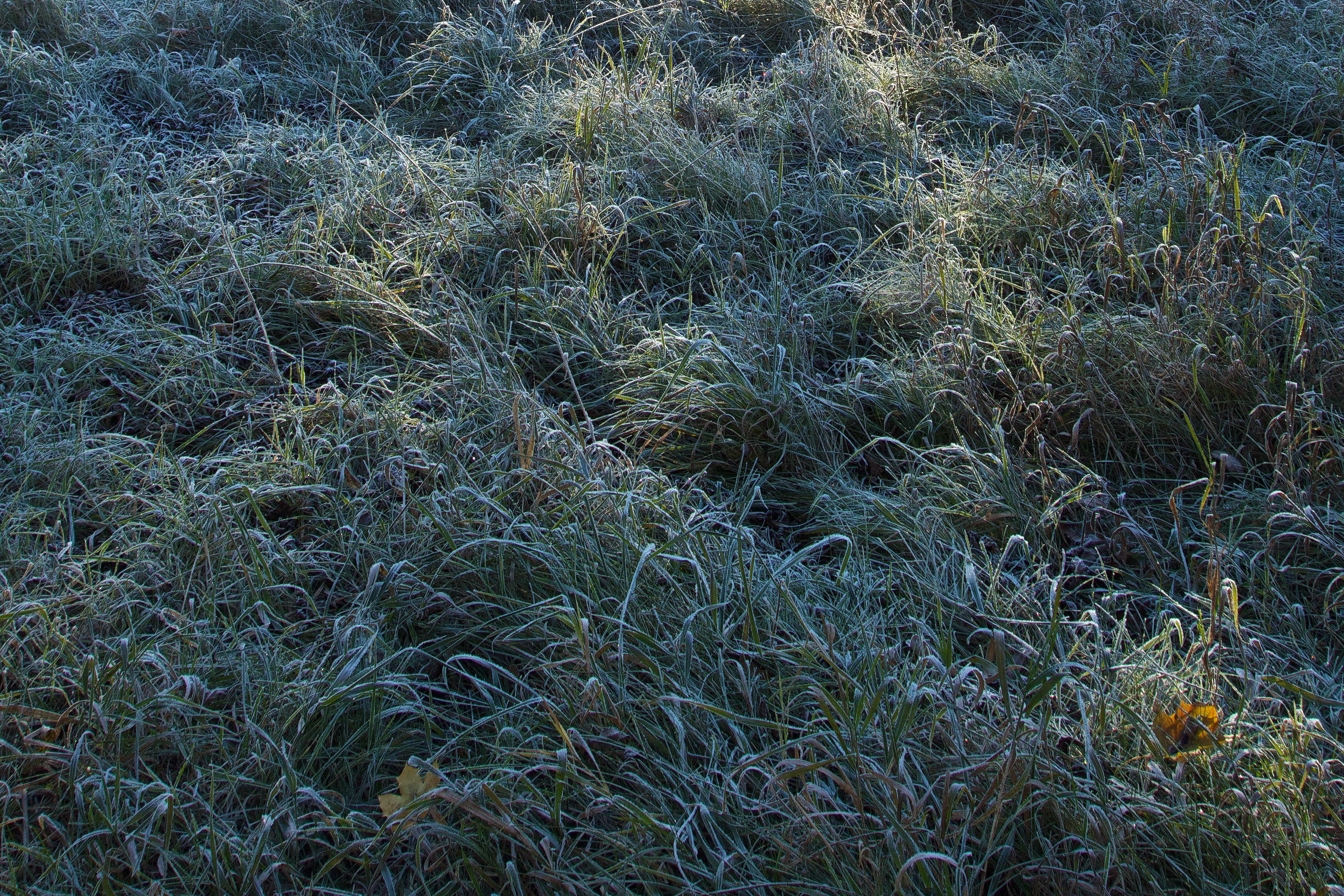
Grass edged with ice crystals.

Grass edged with ice crystals.

This morning’s frost is just the mildest of hints of what is to come but the effect is dramatic. Judging by the silence this morning, crickets in the meadows were almost all wiped out but females have been busy recently, each laying hundreds of eggs which will hatch next spring. Walnut trees simply drop everything after a frost.
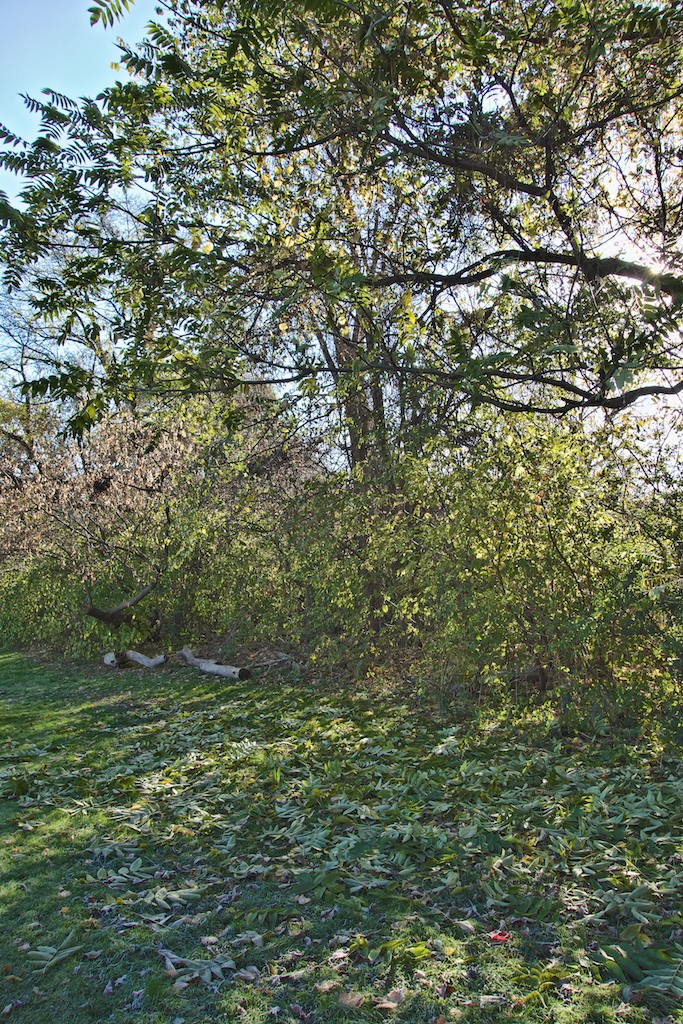
A walnut tree drops everything after a frost.

A pile of walnut leaves begins to form after a frost.

Elsewhere, many seeds are now ready to be carried away from the parent plant by the wind or unsuspecting animals and humans.
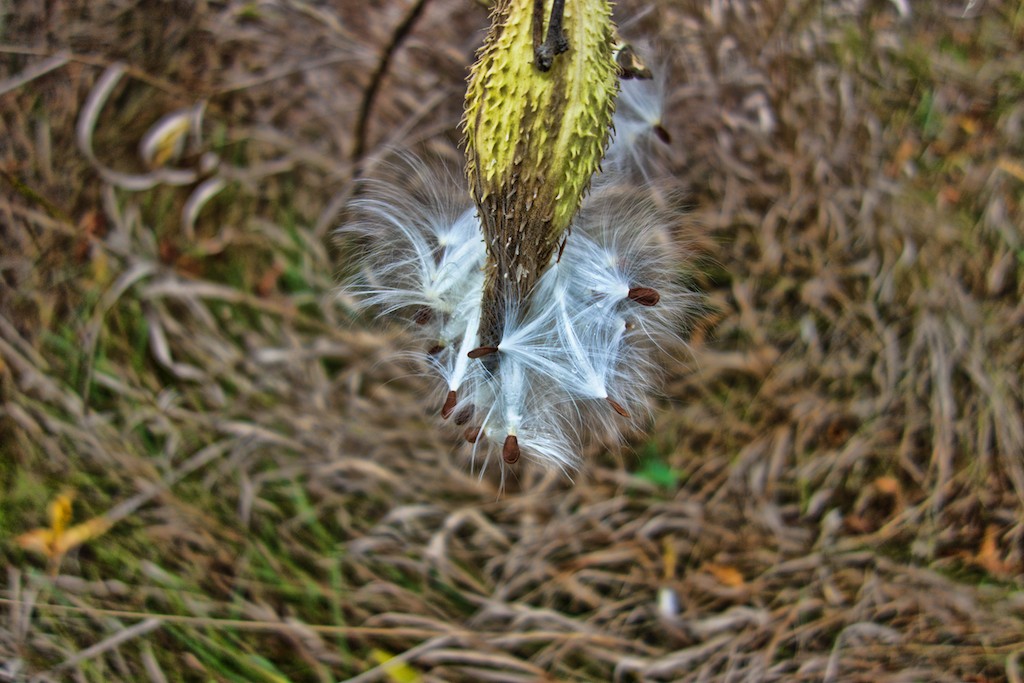
Milkweed seeds wait for a strong wind.

Milkweed seeds wait for a strong wind.

We may share the same latitude as Florence in Italy but our continental winters are considerably harsher and more eventful.

Some would say more interesting too.

Dog strangling vine

North America is a continent with many points of entry for invading plants and animals. Its climate zones go from Arctic to tropical so there is a comfortable zone somewhere for any invader. If the newcomer has left its enemies behind, a veritable breeding frenzy ensues. Once the continent has been breached, with the current state of biology, we’re stuck with the invader forever.

A relative newcomer is once again sweeping North America since its introduction (probably accidentally) from Europe where it is native. Dog strangling vine or swallow wort (Cynanchum rossicum) is related to milkweed and grows almost to 2m in dense clumps, hence its common name. Quite at home in southern Ontario, it has been around for decades and is regarded as a bigger menace than garlic mustard by many. In Toronto’s High Park, desperate measures (using Roundup) have been used after physical attempts to remove the plant failed.

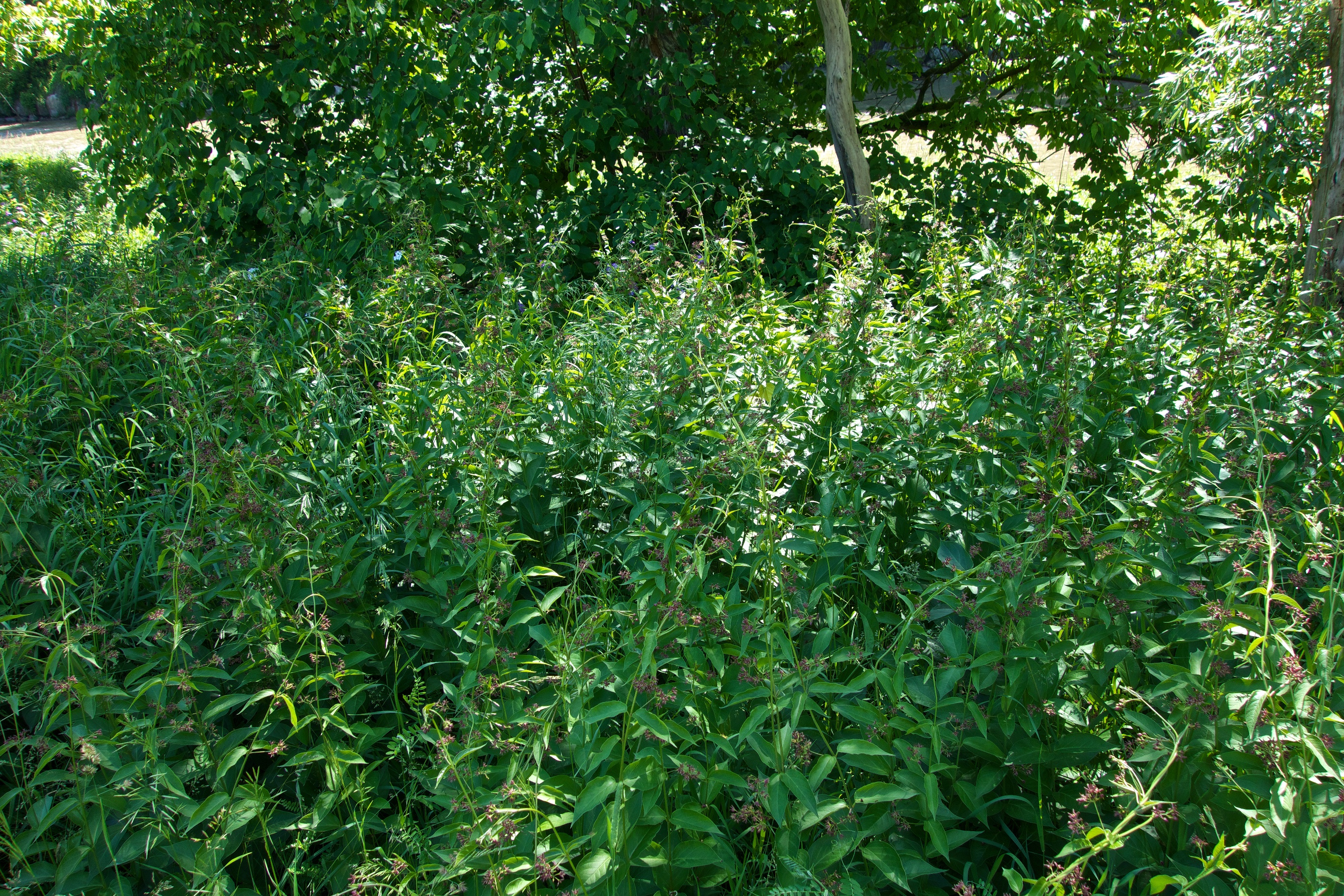
This dense patch is by the river in the wild area.

This dense patch by the river in the wild area has already out-muscled the competition.

The seeds look a little like milkweed seeds and in fact the plant can confuse Monarch butterflies into laying eggs on it. Given a choice, Monarchs will lay eggs on DSV 25% of the time. Monarch eggs laid on DSV will not survive.

DSC02235

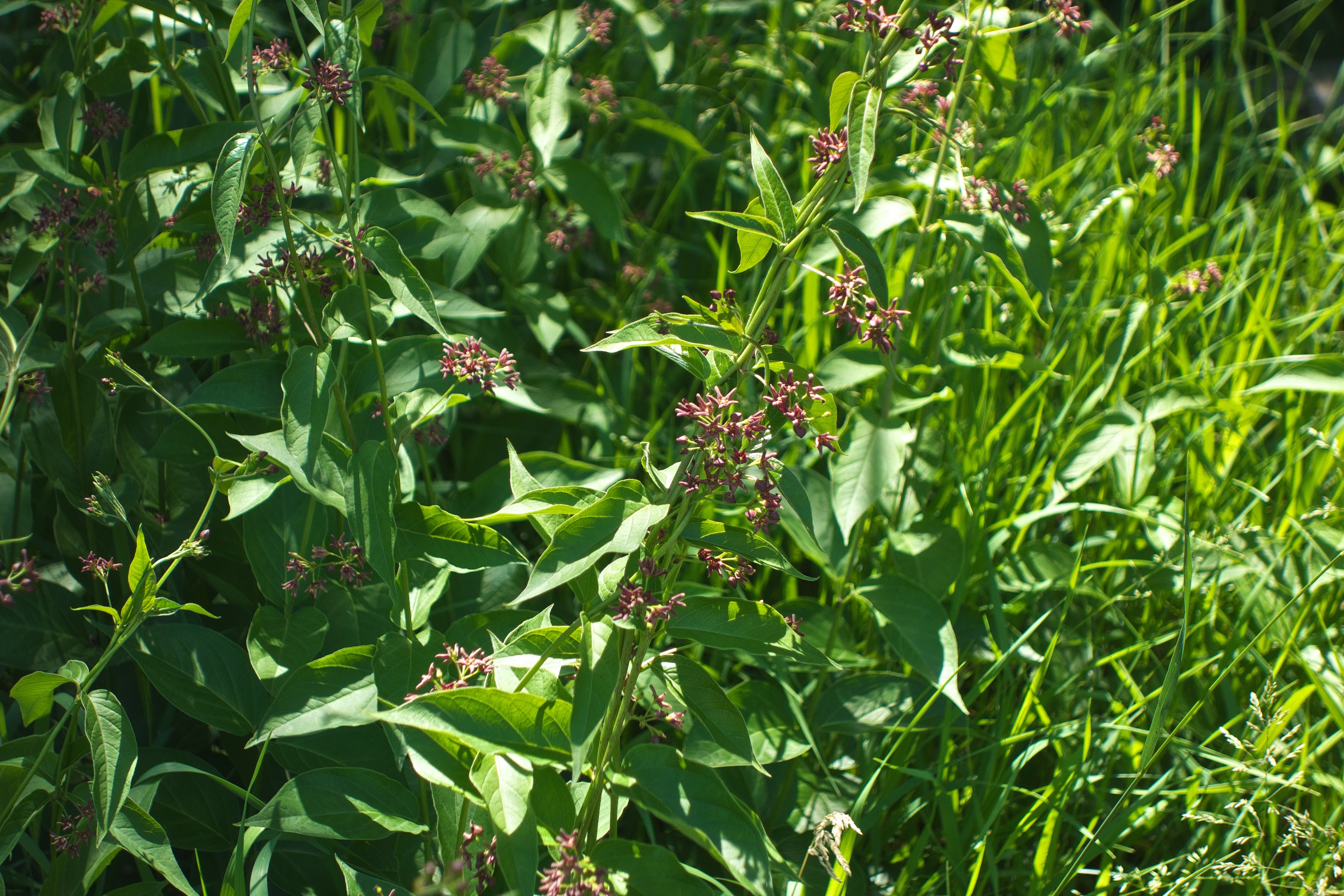
Flowers are tiny but produce lots of seeds.

This plant seems to have few redeeming features although cattle will eat it.

The answer to this problem (once again) seems to lie in biological control through careful importation of benign enemies. This takes time to ensure that adding another import to the long list doesn’t backfire.

One can only wonder which other invaders are waiting in the wings.