Tag Archives: cycling

Raymore Park: Changes over the years. Part 3.

My observations regarding changes to Raymore Park over the last 32 years. Click for the first five items in Part 1 and Part 2.

6. Vehicles using the Humber Trail.

There’s a constant variety of vehicles using the Humber Trail through Raymore Park. The rules say no motorized vehicles and this is largely obeyed. There are occasions when police fire or ambulance crews have to bring vehicles down the trail to assist someone in difficulties but generally the worst offenders are noisy, gas powered mini bikes. In recent years, a variety of battery-powered devices have become more common. When the Humber Trail closes the ‘Weston Gap‘ it will be possible to cycle from Lake Ontario to Humber College on quiet streets or a dedicated trail. This will be great for cyclists but will increase traffic on the trail which at the moment ends in a huge set of steps in Weston.
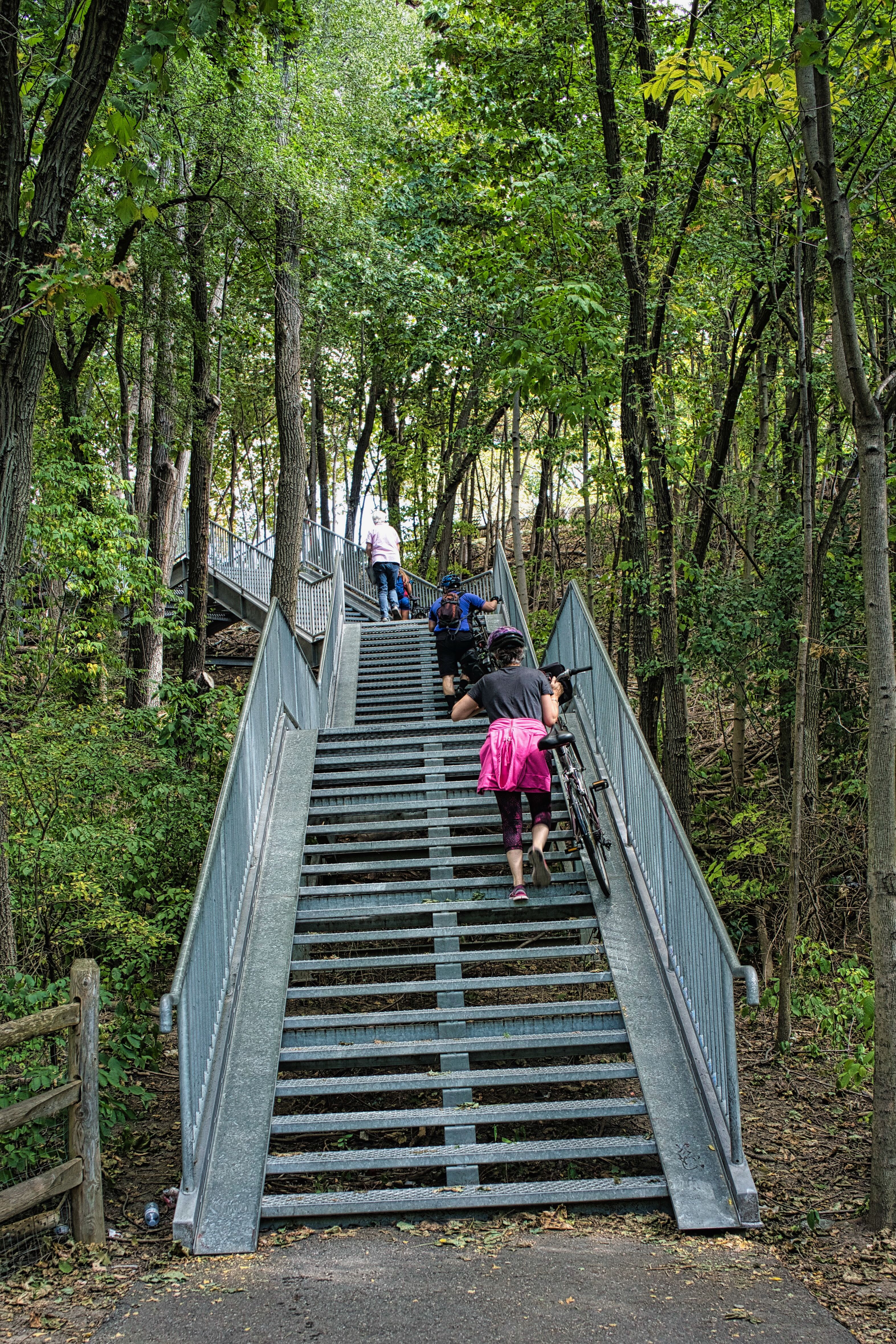
The trail ends at Weston and St Phillips and continues after a dangerous trip north along Weston Road.
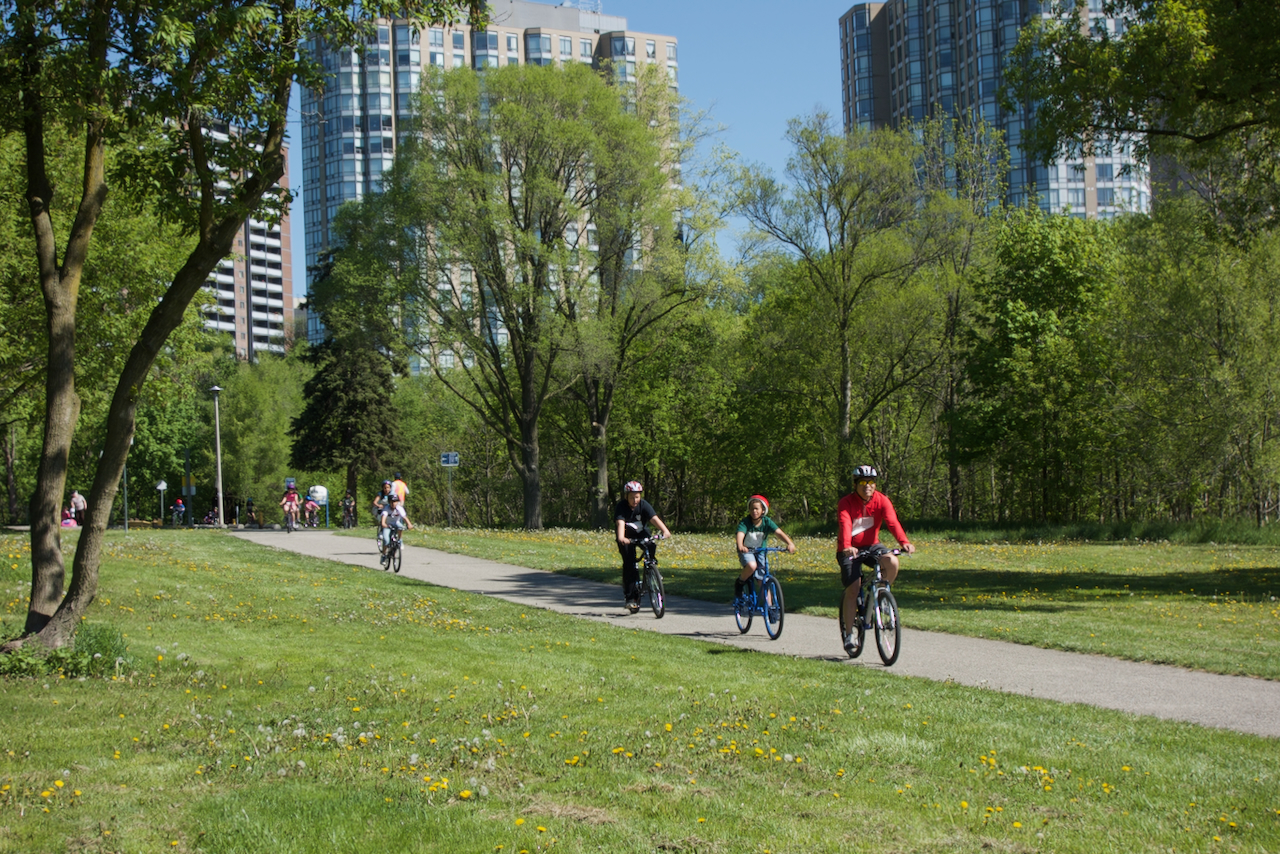
A teacher leads a class trip southwards on the Humber Trail through Raymore Park in May 2013.

7. Wildlife

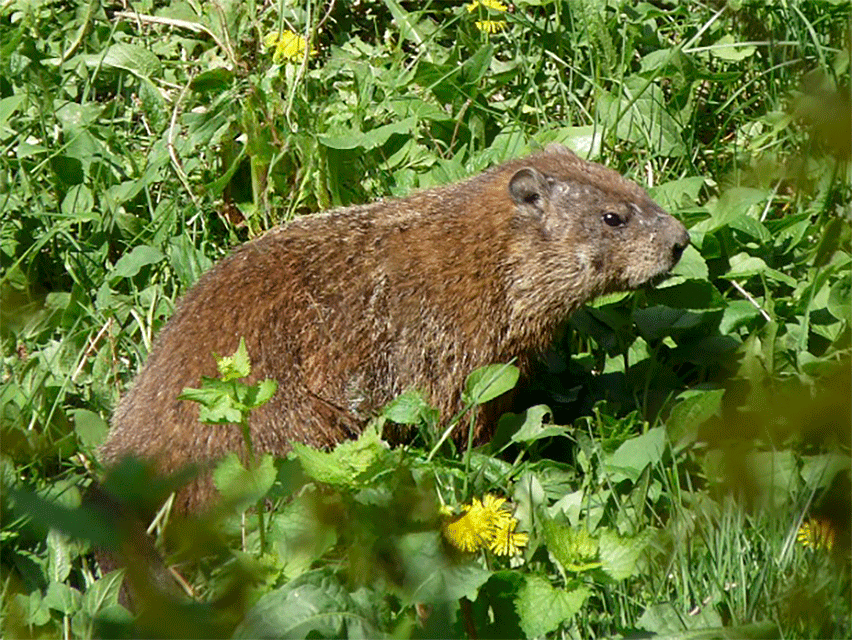
A groundhog feasts on Raymore Park’s dandelions in April 2010.

Wildlife in the park has a constant battle with other species in order to survive and retain habitat. Add the pressures of an urban park and life can become even more difficult. Threats to wildlife can come in the form of non-native species, off-leash dogs, over-zealous mowing of grass and human incursions into the undergrowth.
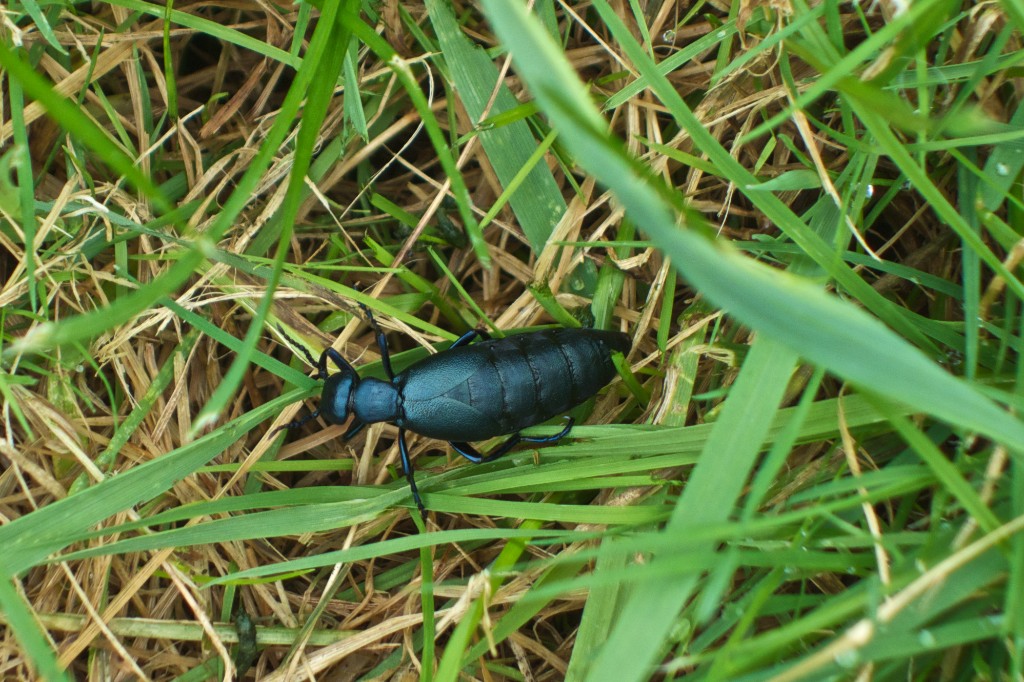
An American oil beetle has an amazing life cycle. From 2013.

Over the years, areas being mowed are smaller as the city, TRCA and and volunteers have added native plants to create more undergrowth where wildlife can thrive.
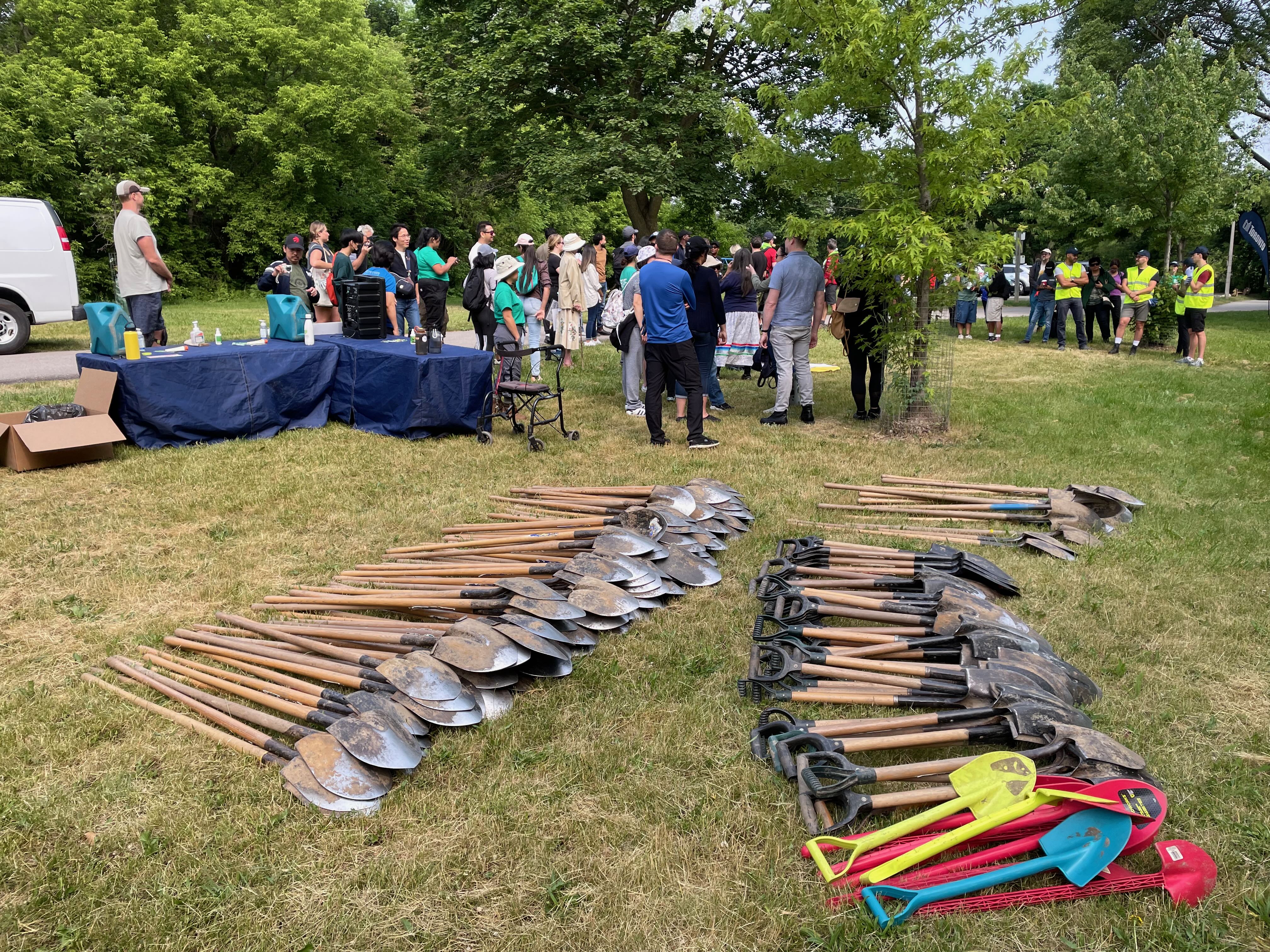
The Humber River Citizens’ Alliance and the City of Toronto held a planting day in June 2023.

The latest planting came in June near the largely unused baseball diamond and despite some prolonged dry spells, the plants are doing well. Essential wildlife corridors are slowly being formed.
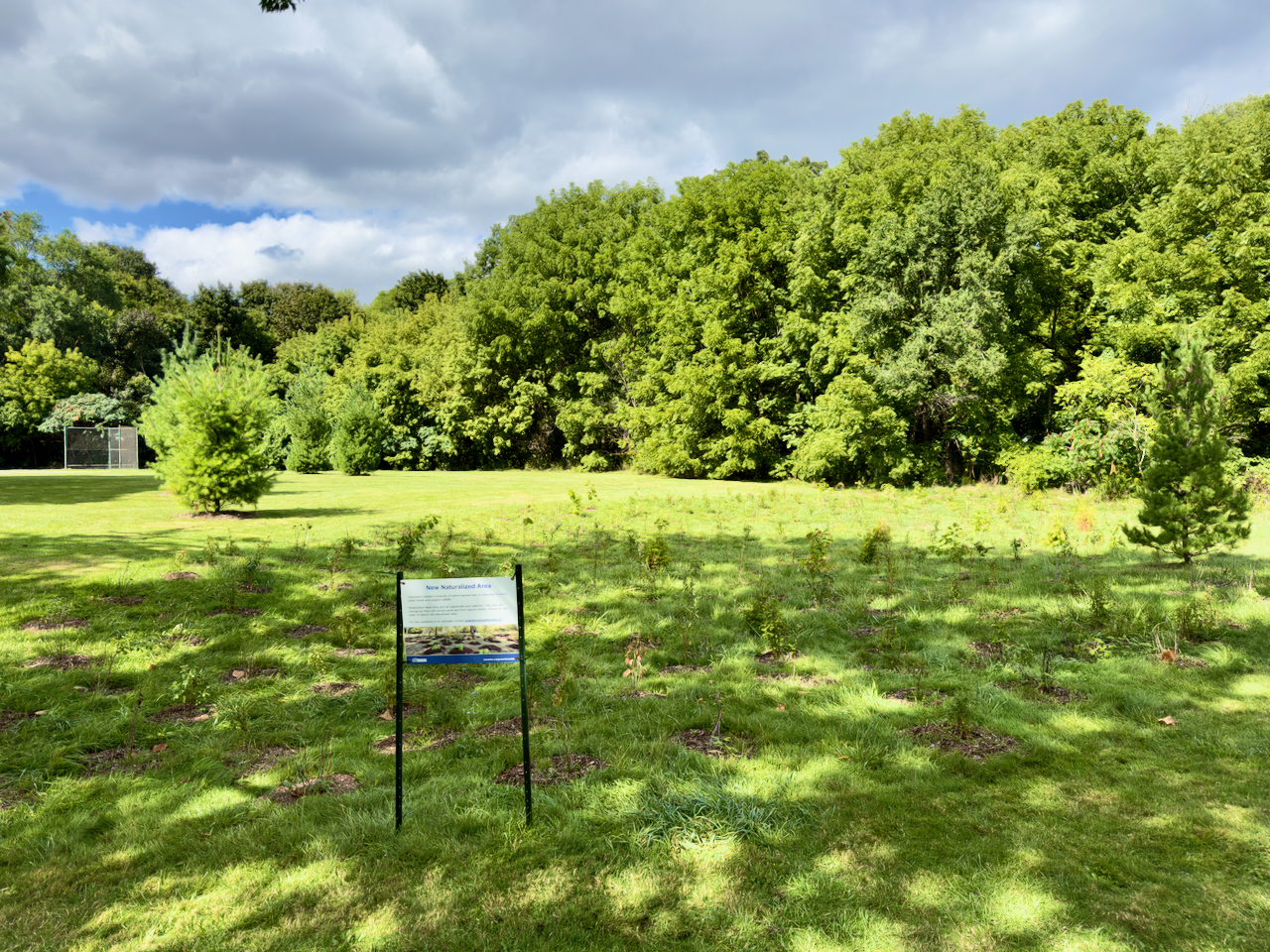
The new naturalized area in late August 2025.

8. A Private School is using the Park.

For the last few years, a private elementary school has been operating out of a home on Tilden and more recently from the Weston Gospel Chapel at 59 Kingdom. The school makes extensive weekday use of the park in lengthy, seemingly unstructured sessions, often on the swings and slide. This extra noise and foot traffic adds pressure on the park’s wildlife and reduces the tranquility that visitors might expect from a park.

9. Homeless / Unhoused people.

In recent years, some people have set up tents in the middle of the ‘wild area’ and have lived there for weeks at a time. The city doesn’t move them on but does wellness checks and tries to persuade them to go to a shelter. When they move out, the city does its best to clean up the site. Currently there are no people living in Raymore Park. Here are Toronto’s protocols for homeless / unhoused people.
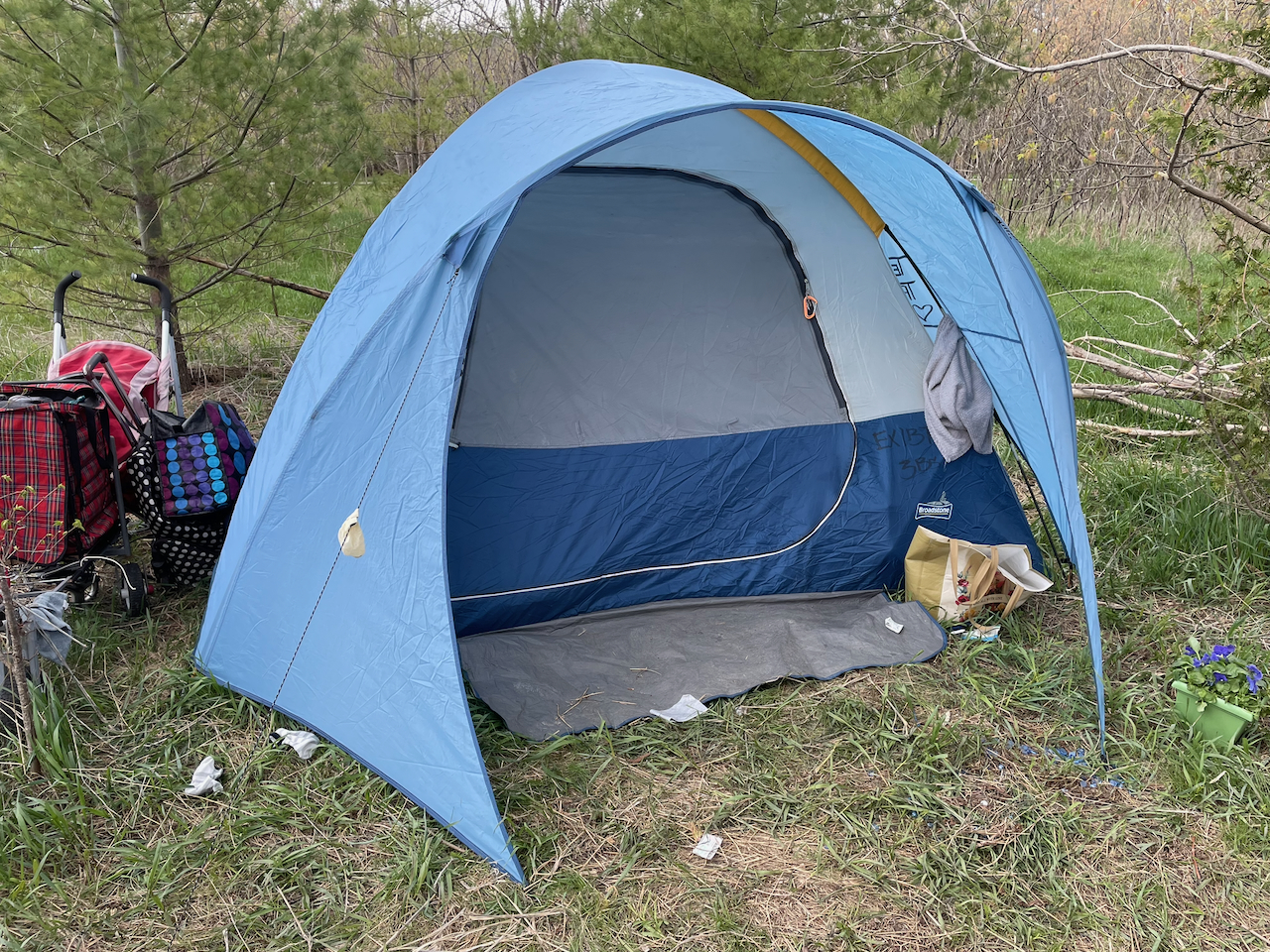
An encampment in the wild area in April 2023.

Part 4 coming soon.

Parks are for everyone.

Most Toronto parks on a weekend are filled with people enjoying themselves. To paraphrase an old saying, Parks are the lungs of the city and a natural setting with trees and grass provides cleaner and fresher air along with a chance to relax.

There are parks that are ideal for picnics while others provide tranquility and a natural setting. Some Toronto parks have bathrooms and built in barbecue stands while others, like Raymore Park are more natural.

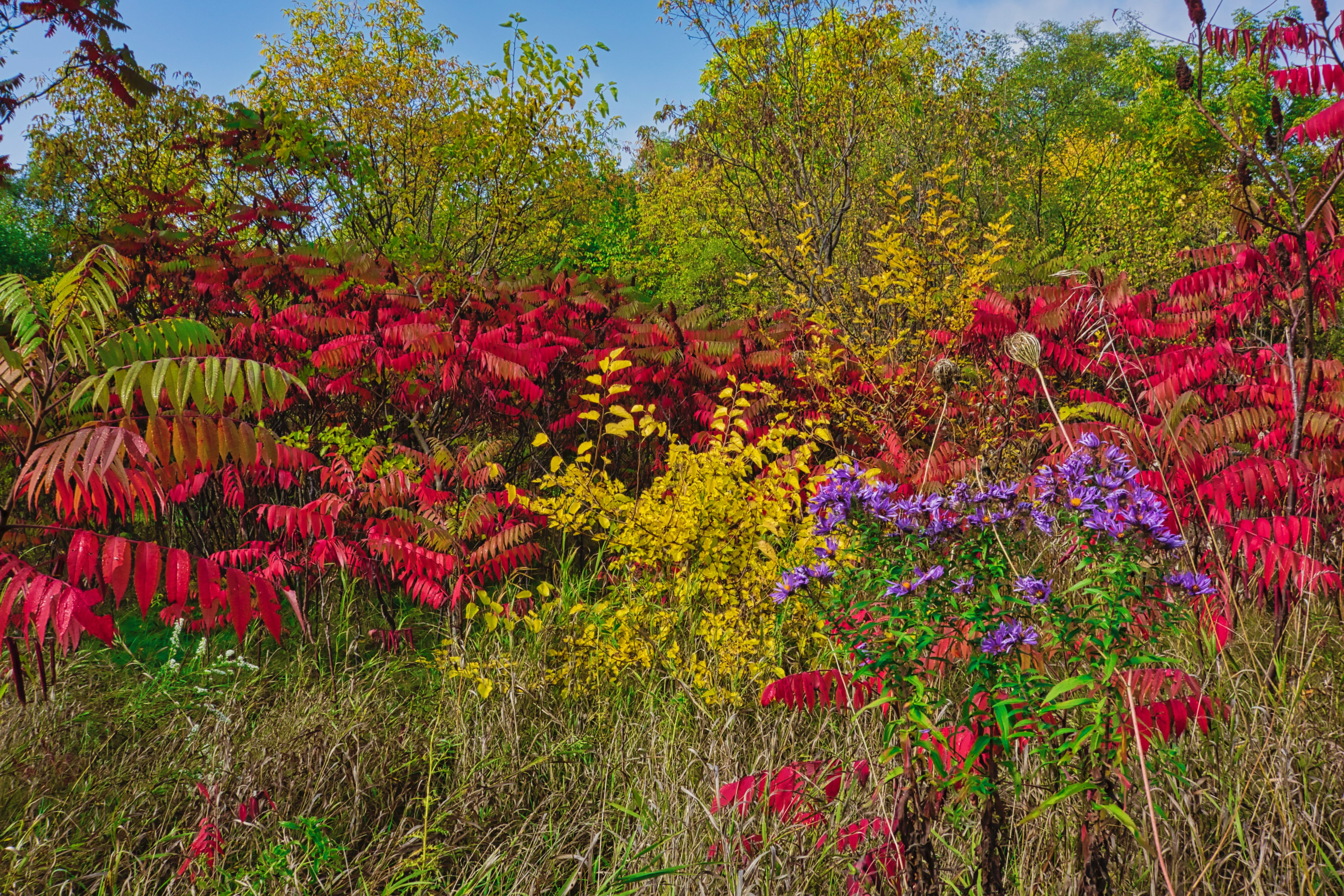
Glorious fall colours in Raymore Park’s wild area (October 2013).

Raymore Park is quite large and there are areas where you can throw a ball, walk the dog, have a picnic or just sit on one of the many benches and contemplate. Watching the water going over the weir is mesmerizing and the negative ions created by falling water are said to be therapeutic. If you like shade, there are lots of trees – just be careful not to feed the summer mosquitoes! There’s even a rudimentary baseball diamond tucked away north of the dog off-leash area. We don’t have flower beds or seasonal plantings but we have a large variety of flora and fauna.

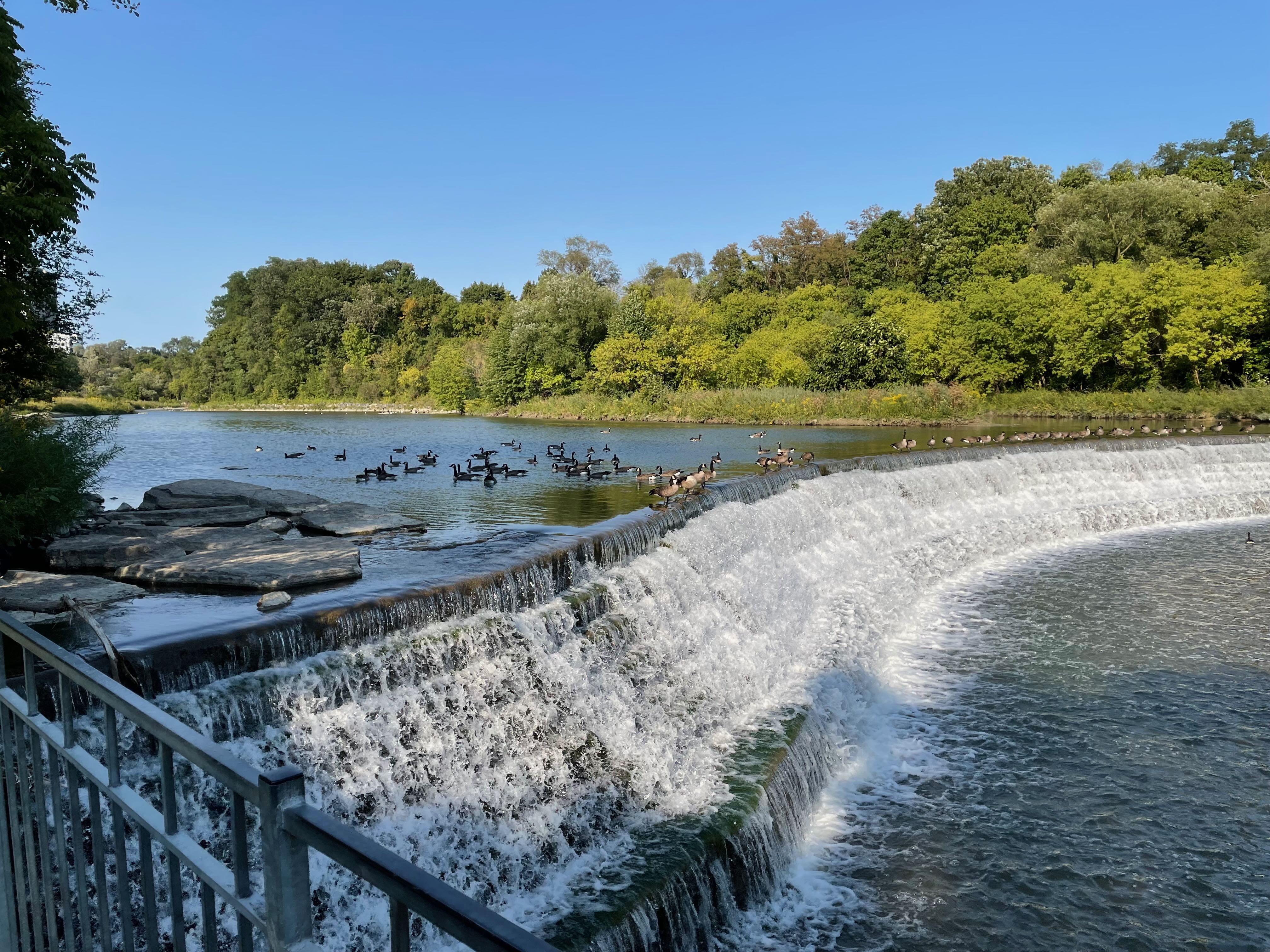
Geese enjoying the weir in September 2022.

In nearby Lions Park, people like to set up in groups and barbecue on warm weekends. They bring chairs and tables, awnings and coolers and relax by the river. Walking or cycling past these groups is a treat for the nose and if your hunger is stimulated, there’s an increasing number of fast (and slow) food locations a five-minute walk away on Weston Road.

Who are the people using parks? Every age group, athletic level and ethnicity are represented in Toronto’s green spaces and ravines; people looking for exercise, a meal or a relaxing stroll. There are no barriers or fees, everyone is welcome and people become more relaxed when they arrive. If you want to strike up a conversation, talk to a dog owner about their dog – or better yet, borrow a dog and walk it in the park (on leash of course). Dogs are instant ice-breakers. There are many volunteer organizations that help clean our parks after a long winter (locally it’s Humber River Pals) and get rid of accumulated litter while others look for invasive plants and remove them. Garlic mustard is a frequent target for those wanting some springtime greens and provide breathing room for native plants.

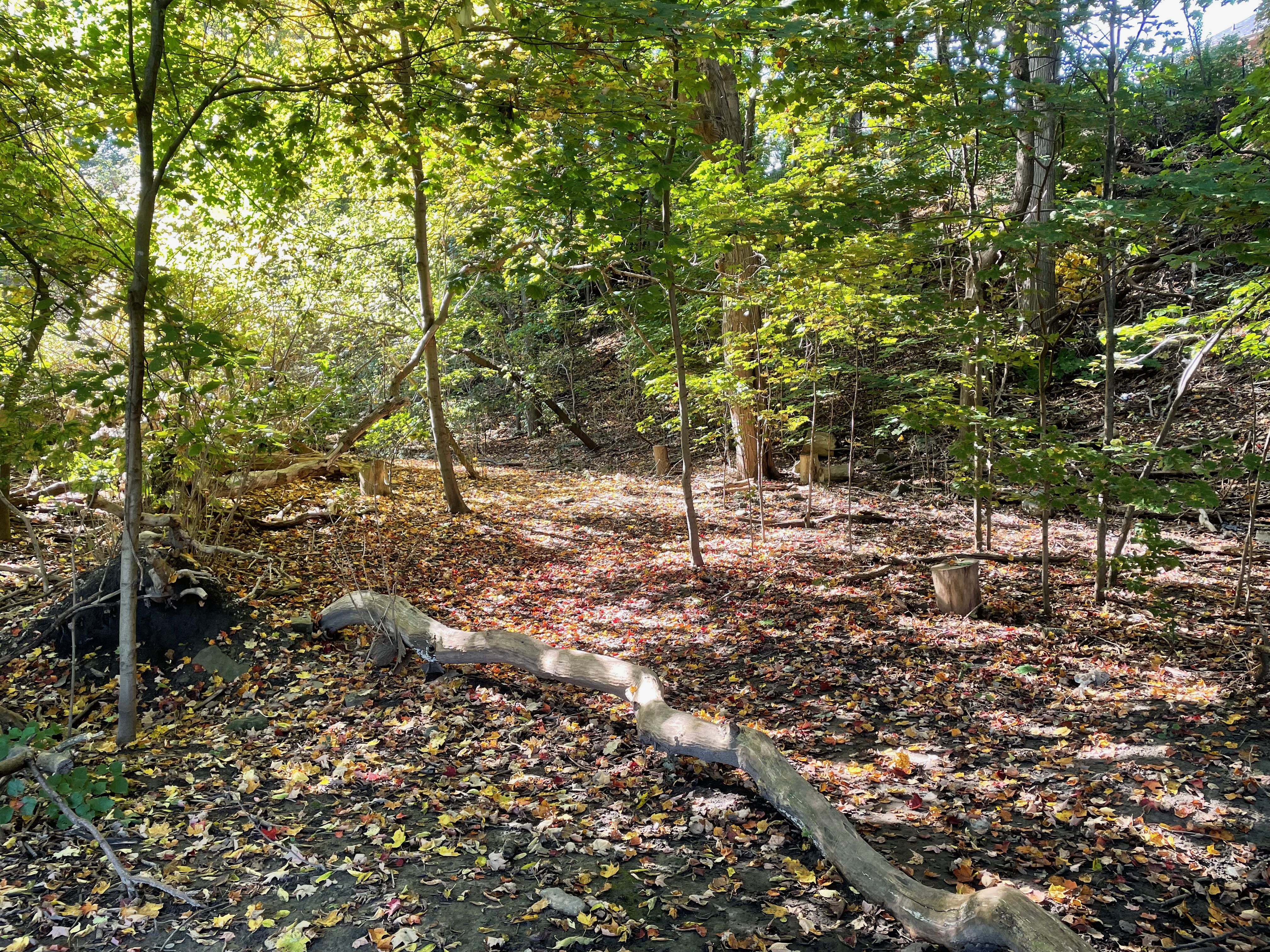
Raymore’s wooded area in October 2021.

It is possible to cycle from Raymore Park down to Lake Ontario with very few diversions onto side streets. The trail loosely follows the Humber to it’s mouth on the lake. Cycling through several parks on the way down to the lake reveals the variety of beautiful parks along the Humber.

So what’s stopping you? Get out and enjoy.