Tag Archives: Raymore Park

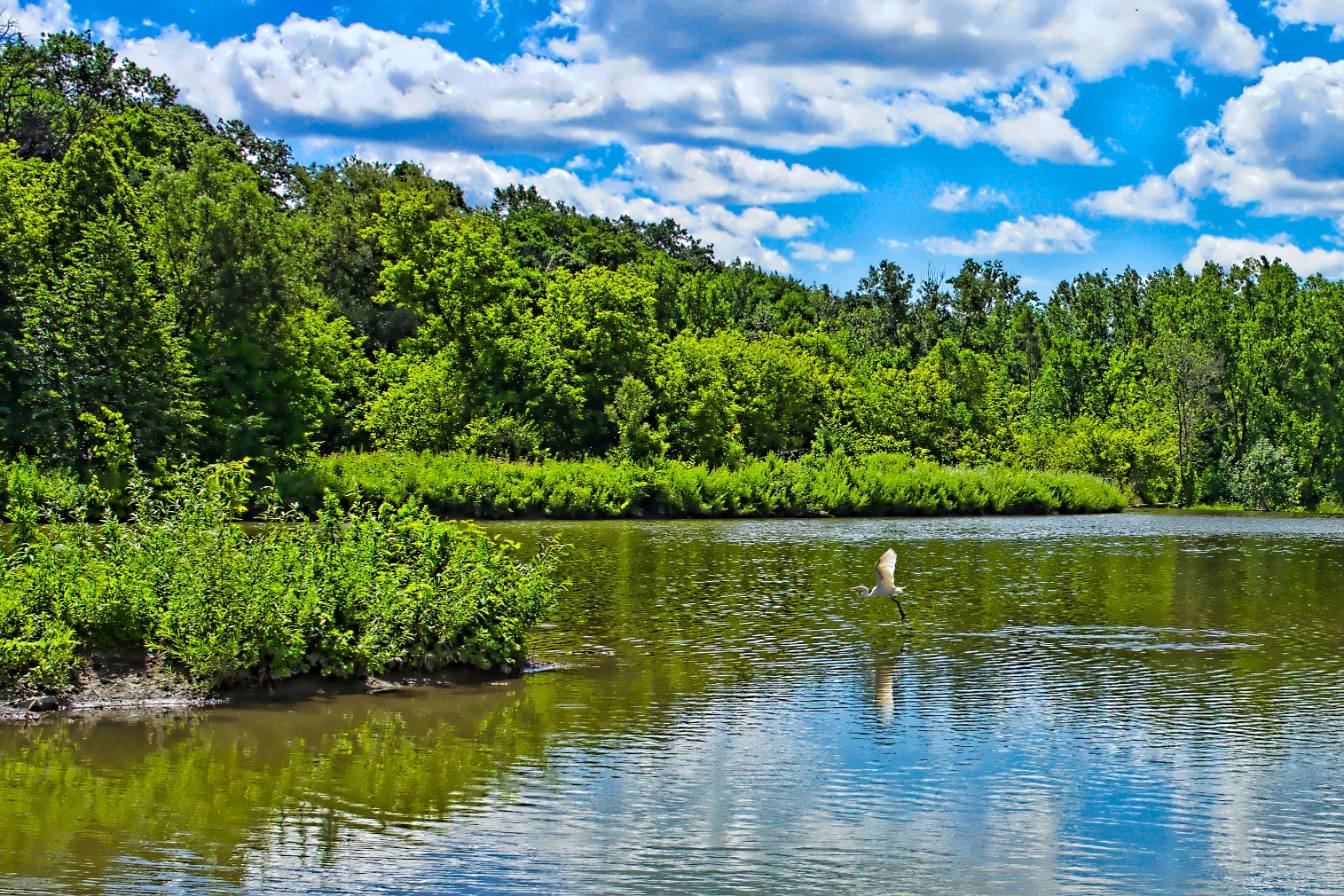
Great Egret takes flight.

Raymore Park has an astonishing variety of wildlife. Great Egrets are occasionally seen in the park and this one was seen taking off last month after wading through shallow waters ahead of the weir. They were nearly hunted to extinction in the 19th Century for their plumage which was used to decorate ladies’ hats. Once a purely migratory bird in southern Ontario, It is estimated that as many as a thousand breeding pairs make their home in Canada. Great Egrets are related to herons and have a similar profile. The first time I saw one in Raymore Park I thought it was an Ibis as they look so similar. The Ibis has a range much further south and is also a relative.

DSC01461

Click for larger image.

Native Trees continue to grow – Year 6

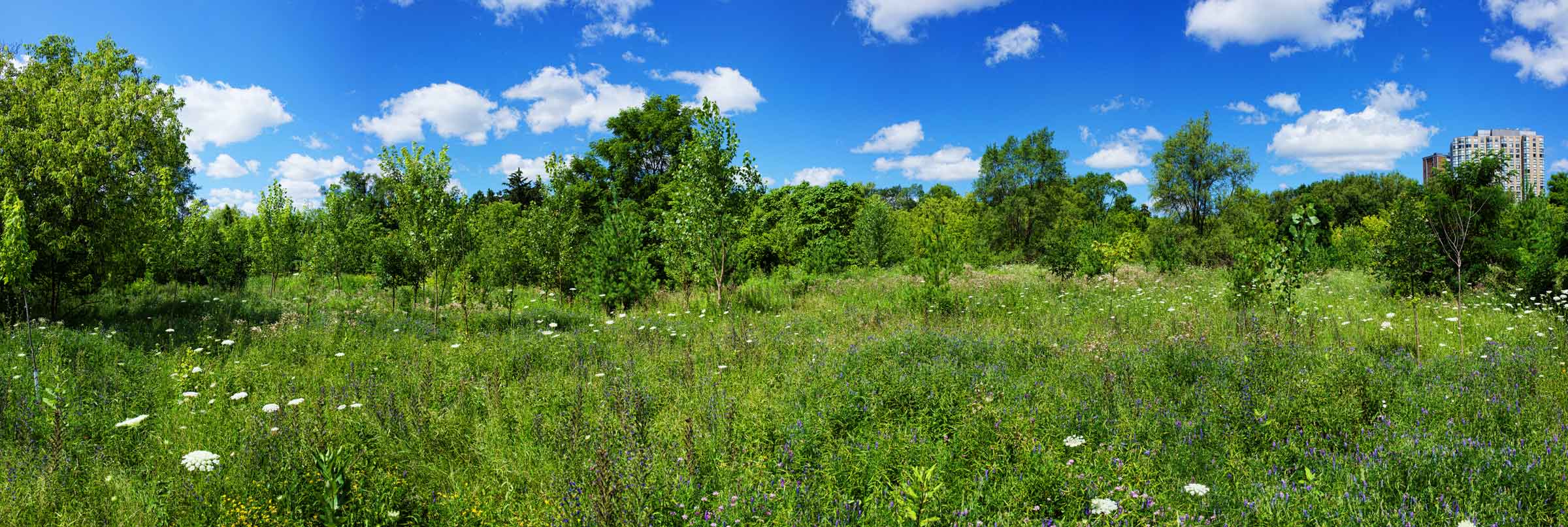
Seven years ago, land between the parking lot and the Humber was cleared of mainly scrub and non-native trees. A variety of native trees was planted and they are thinning out, thanks to general mortality as well as growing taller. The poplars seem to be doing best but the look has changed from fresh planting to more of a mature nursery. Here is a panorama taken recently of the area and a link to a photo of the area two years ago.

Click for larger view.

Click for larger view.


Leash Free Zone Proposed for Raymore Park

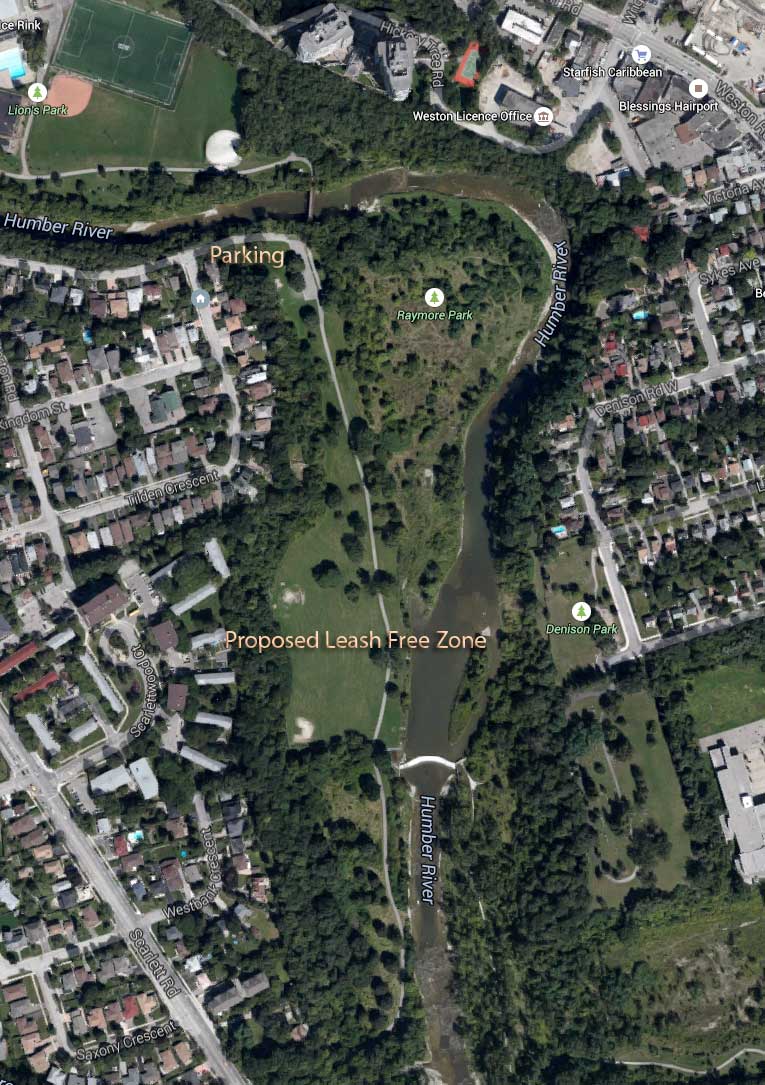
Two baseball diamonds have occupied the middle of the park for years and have been virtually unused for almost a decade. In that time they have been regularly mowed, the infield regularly graded and a few years ago, the batters’ cages were replaced and bleachers renovated. Because of the lack of use over the years, I suggested that the park manager consider planting some native trees and extending the growing canopy that already exists to the south. This would create a wildlife corridor extending the length of the park. His response was that plans were in place for a cricket or soccer field.

Toronto is committed to increasing its tree cover from the current 28% to 40% over the next decade. It is widely recognized that flooding events are ameliorated by tree cover. As recently as July 8th 2013, a rain event caused considerable flooding throughout Toronto because the sheer volume of water overwhelmed the sewer system. Trees and the ground beneath them are natural sponges that absorb water and release it slowly. In addition to providing cover for deer and other animals, tree cover tempers the local climate making it cooler in summer and warmer in winter.

Now instead of trees, there is a proposal to establish a leash free zone for dogs in that location.
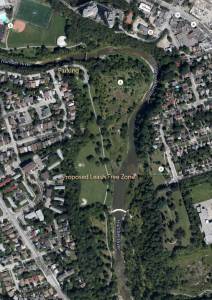
Aerial view of Raymore Park.

Aerial view of Raymore Park. (click to enlarge)

The ramifications of this proposal are huge.

  • The quiet nature of the park will be completely changed.
  • Wildlife (deer, waterfowl, foxes, coyotes, turtles, beaver etc.) will be adversely affected.
  • A considerable increase in car traffic into the park along with many more dogs.
  • Supervision will be difficult because of the distance from the parking lot to the proposed zone.
  • More dogs will be set loose as owners make their way to the zone.
  • The park is surrounded by homes; noise will be an issue for residents on both sides of the river.
  • An increase in motorized traffic along the Pan Am Path to empty garbage bins and provide enforcement.
  • Commercial dog walkers will be tempted to use the zone.
  • Raymore is a neighbourhood park in a quiet residential area; neighbourhood traffic levels will increase greatly.

As you can probably guess, I’m not in favour of the proposal. Councillor Rob Ford City Staff has have arranged a meeting to discuss the issue September 22, 2015 at 6:30 – 8:30pm in Hilltop Middle School’s Main Gym (35 Trehorne Drive). This City site outlines the process for allowing or denying an off leash zone.

Points of interest in the application process are:

  • The zone must also be approved by the Toronto and Regional Conservation Authority as Raymore Park is TRCA property
  • The zone would be fenced as it is adjacent to a tree planting area, a natural shoreline and not far from a playground
  • The number of licensed dogs in the area is taken into consideration
  • A shortage of off-leash zones in the area is not one of the criteria
  • Quote: “New off-leash areas will be considered in conjunction with capital redevelopment of existing parks or new park development against the policy criteria.”

In the meantime, the word needs to get out about this threat to the relatively tranquil and natural environment of Raymore Park. Please contact Councillor Ford to let him know what you think of this proposal.

Post Script: Dan Jacobs from Rob Ford’s Office contacted me with the following email:

Thank you for your e-mail.

A point of clarification – Councillor Ford was not involved in setting up this meeting, nor was he behind the proposal in the first place.  This has been initiated by City Staff.

Our office will be present at this meeting to make sure we hear directly from those affected by this proposal – there is no staff report that can substitute for input from the members of the community itself.

It would be greatly appreciated if you could amend or add to your blog post to reflect the above information.

Thank you in advance, and I look forward to meeting you on September 22nd.

So much for my reading skills! The info was in Rob’s newsletter and I put two and two together to get five.

Apologies to Councillor Ford and thanks to Dan Jacobs for the correction.
River ice restrained this year.

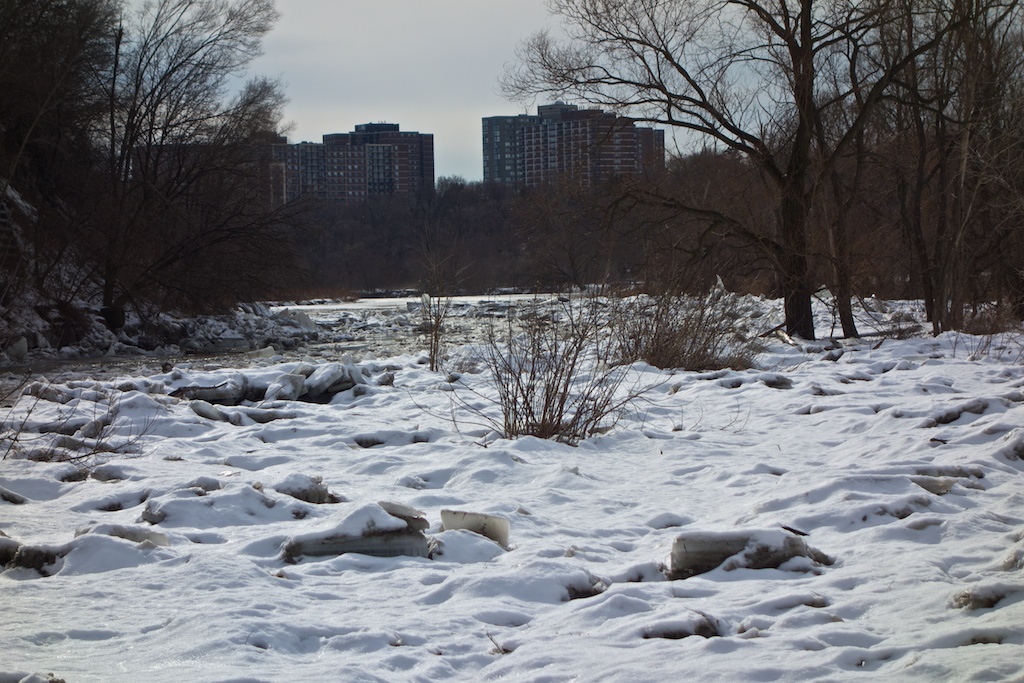
During most recent winters, there has been a battle between heat and cold, freeze and thaw. One of the features of a Raymore Park winter thaw is the flooding of the wild area across from the parking lot. An increased river flow usually caused by rain, raises river levels and cracks the ice cover. The ice then progressively forms a moving dam and flood which moves gently downstream. In a couple of decades of observing the before and after, I have never seen the process in motion. This January, after the recent thaw, the ice stalled before the river widens above the weir and no doubt will produce some spectacular flooding and subsequent erosion when the next strong rain event occurs.

Ice littering the banks of the Humber, January 2014.

Ice littering the banks of the Humber, January 2014.

Considering the cold weather prior to the thaw, the ice is surprisingly thin. The approaching ‘PolarVortex II’ will no doubt consolidate the present ice dam.

Winter continues

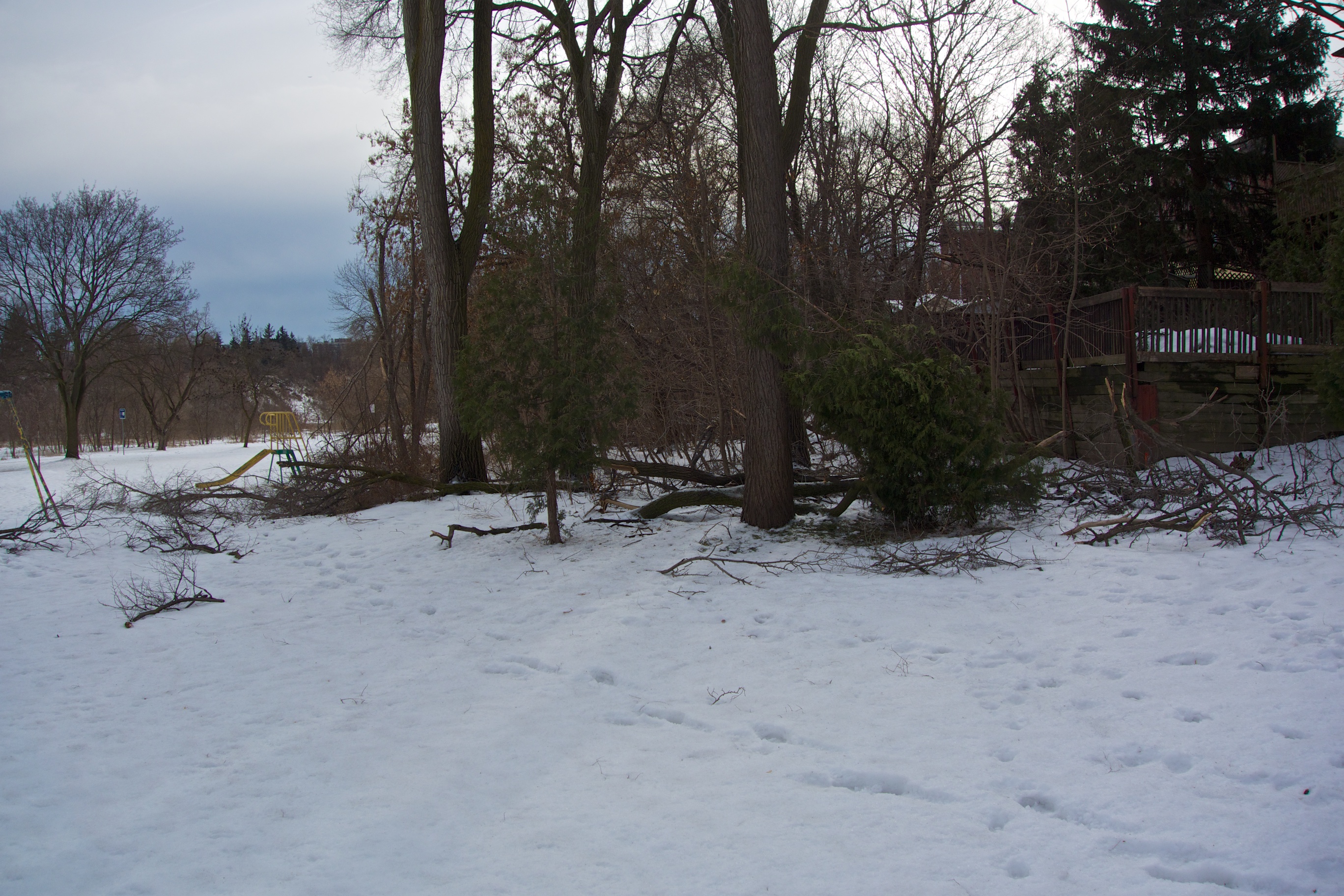
Last month’s ice storm inflicted little damage on the park. Most of the recently planted trees in the park suffered no damage while some of the older ones lost dead wood. Siberian elms at the entrance to the park seem to have suffered the most damage and as ‘Guest’ pointed out, these along with Norway maples are not natives and aren’t in their natural environment. Surprisingly, the park wasn’t planted with a lot of trees after its creation in the 1950s. If that had been done, Raymore Park would be a mature forest by now and helping to reduce flooding along the Humber. On the other hand, the trees chosen for planting may have been non-natives or even species under threat such as elm or ash.

Looking south - Siberian elms have dropped many branches.

Looking south – Siberian elms have dropped many branches near the park entrance.

Siberian elms are a particularly damaging tree in Ontario because they are so prolific and also because they are partly resistant to the Dutch elm beetle allowing it to remain a threat. No doubt the park will be low on the list for clean-up of the debris (which is not entirely a bad thing).

Great Blue Heron sticks around.

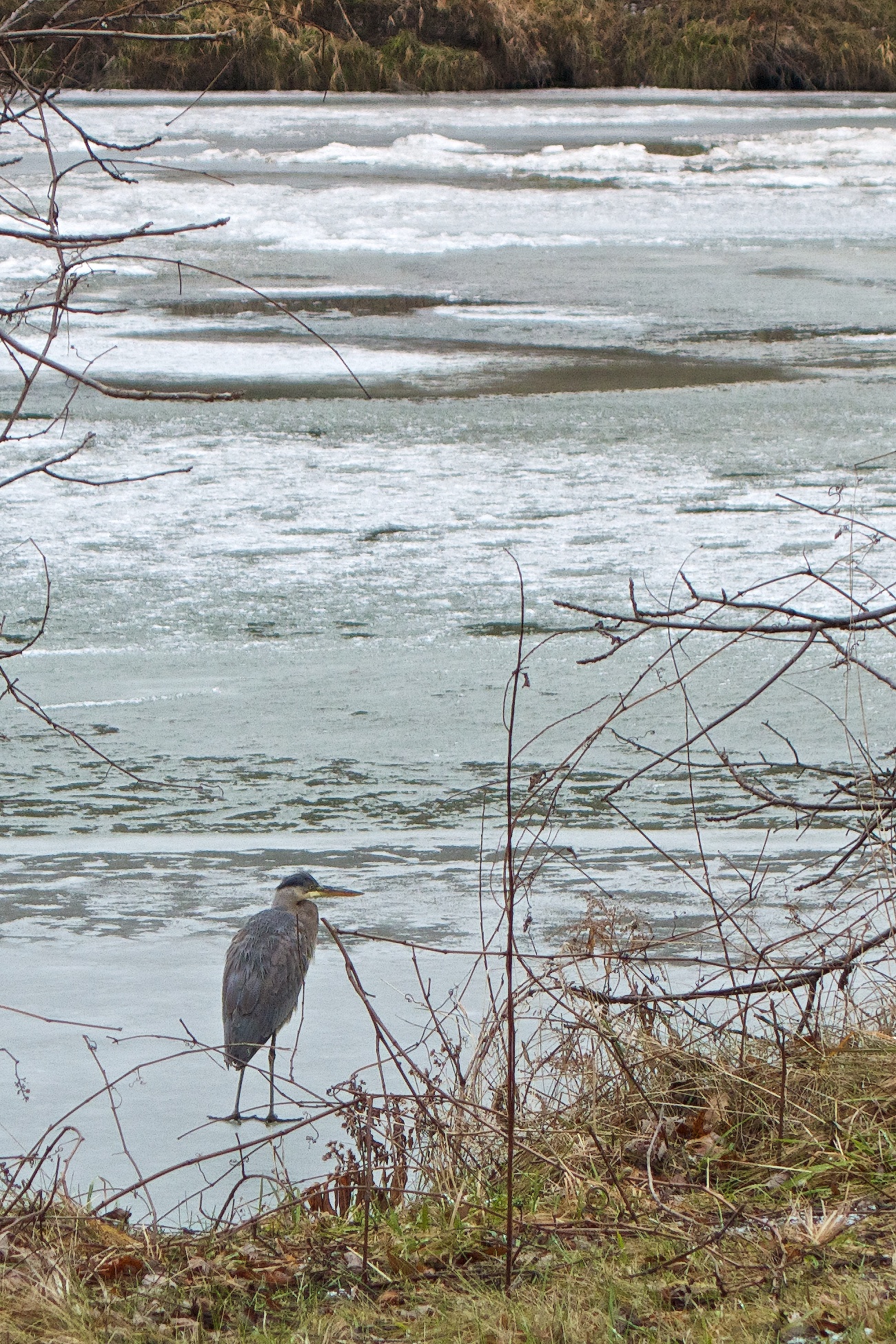
This Great Blue Heron surely only has a few more days left in Canada as the weather gets progressively colder. The Humber is frozen in calmer spots which must make for poor fishing yet this bird didn’t want to leave the lagoon. This is the latest I have seen a Heron on the Humber.

DSC03908

Slim pickings.

Hollywood snow.

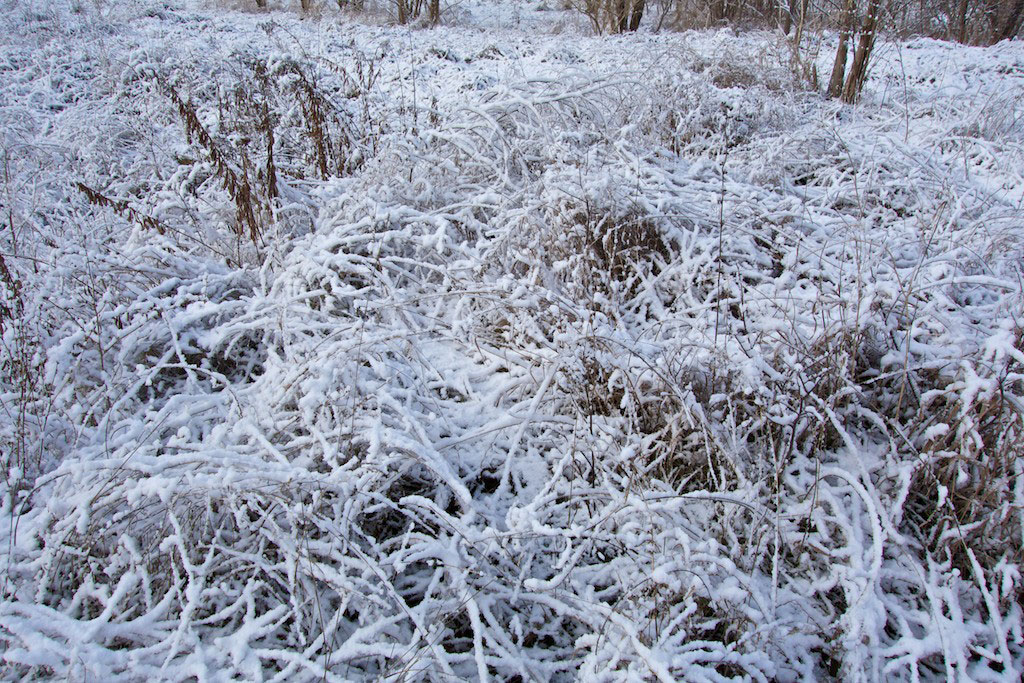
The first real snow of the season transformed the park into a movie set. The snow began as rain, and once everything was soaked, the air turned colder and helped by a stiff breeze, snow snow attached itself as if it had come from a machine. Here’s a couple of before pictures:

Beautiful browns.

Beautiful browns.

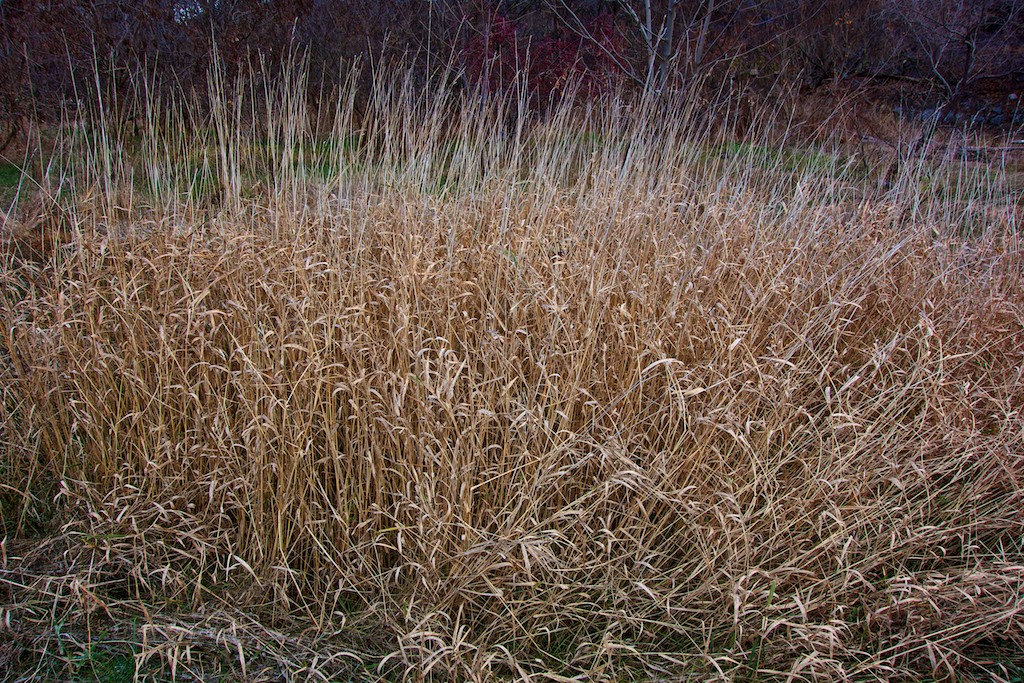
Standing grasses.

Standing grasses.

With wet snow clinging to the grass, it bends and flattens to begin the mulching and seeding process.

Hollywood snow machine.

Hollywood snow machine.

Snow can be a heavy blanket. While this snow will not last, the next snowfalls will continue the flattening process so that by springtime, there will be little trace of the previous year’s plants.

Lawn gods don’t ask for much.

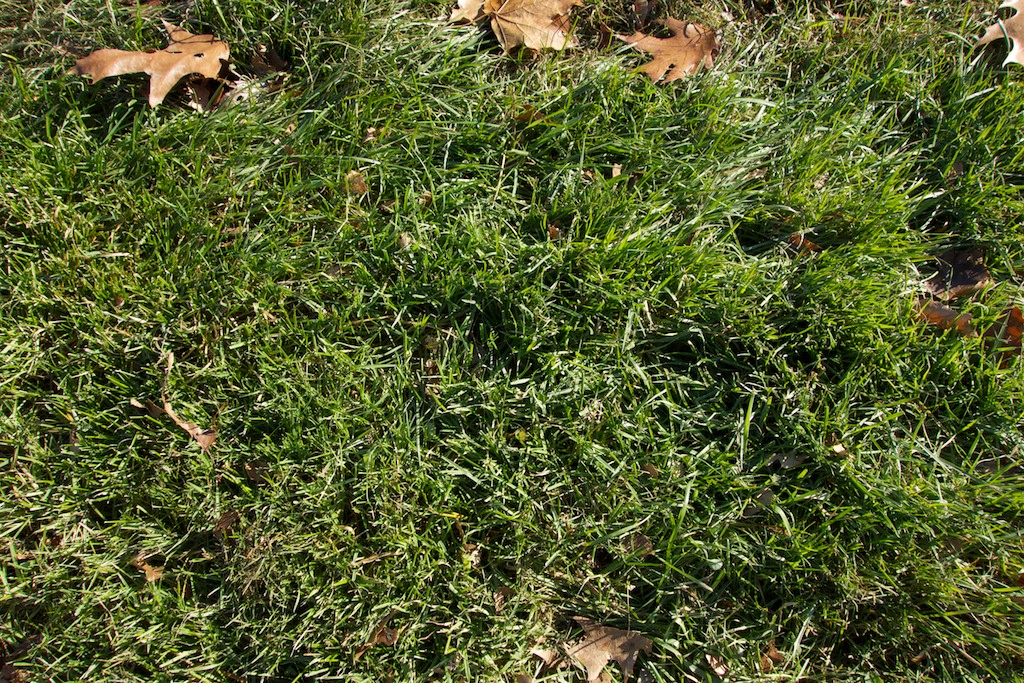
Who knew that all you have to do to maintain a spectacular lawn is cut and aerate it. The occasional re-seeding helps too.

DSC03787

This grass in Raymore Park hasn’t been treated with weed killer or insecticides in this century and is cut relatively infrequently (with a mulching mower) and aerated annually. In spite of that (or perhaps because of it) there are no bare patches, few weeds and no animal diggings for grubs. When a weed killer ban was proposed around 1999, there was a huge outcry from those who thought that weeds would replace grass in Toronto’s parks. Somehow, the chemical lawn brigade’s fears were as justified as those around computers and the Millennium.

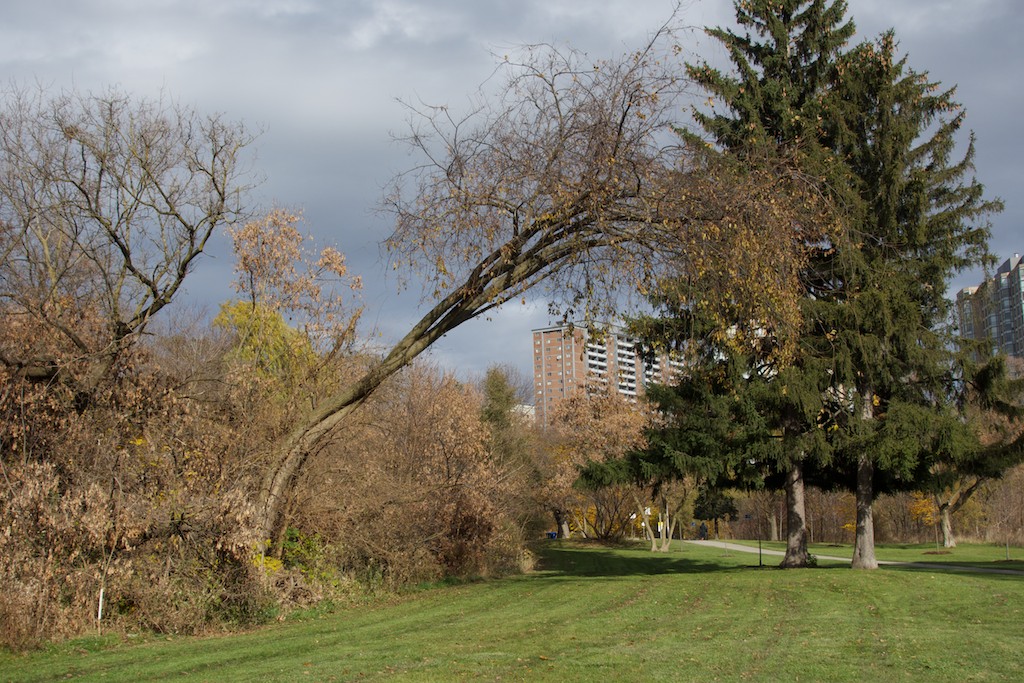
There is a tree that leans at a jaunty angle and I confess to walking at a brisker pace when underneath it. I have the impression that the lean is increasing so perhaps this winter will be its last.

DSC03748


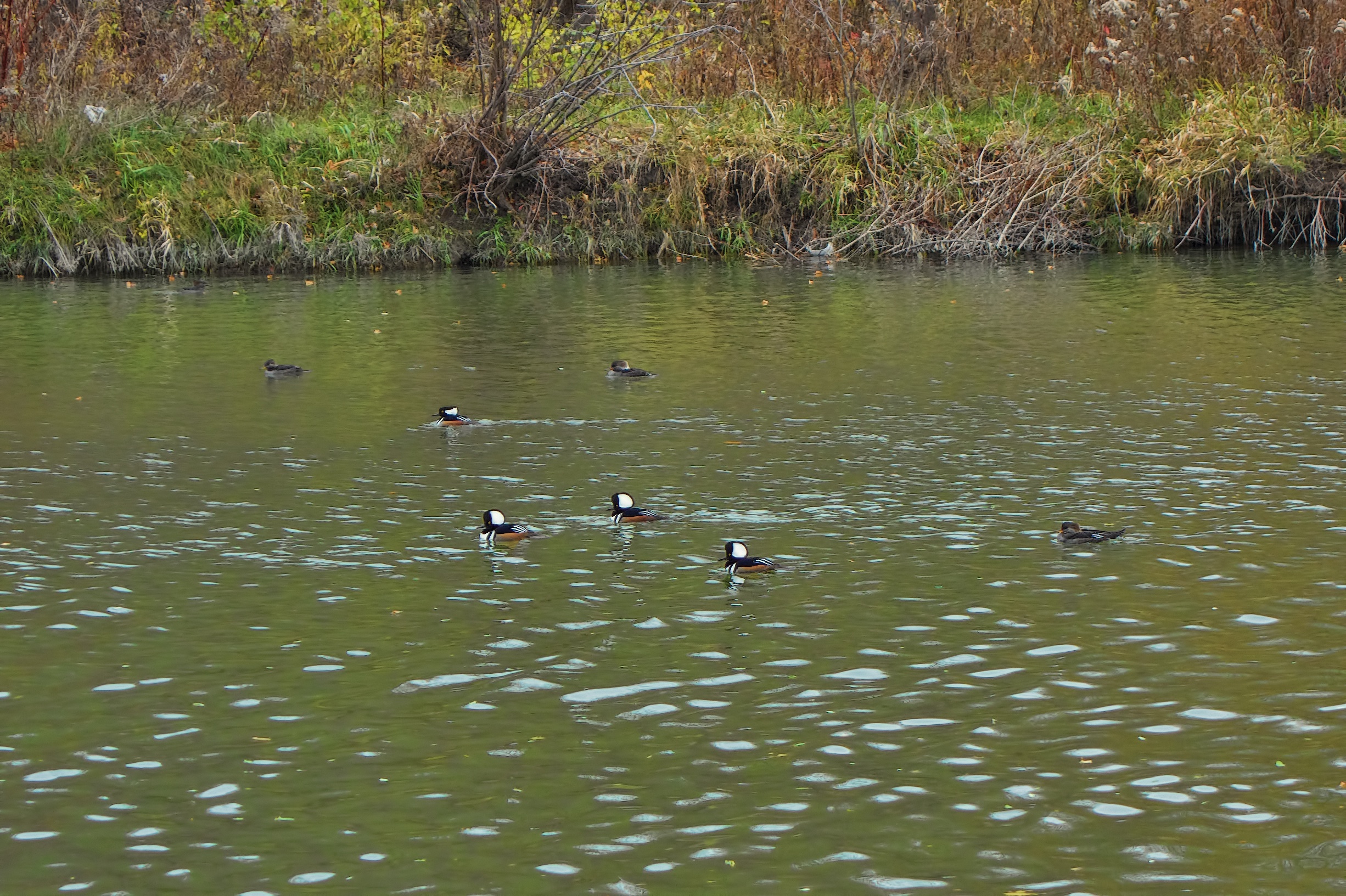
Lastly this group of Hooded Mergansers have returned to the Humber to add an exotic air. They are quite shy but don’t seem to mind hanging around with the resident mallards.

DSC03765

Strange behaviour…

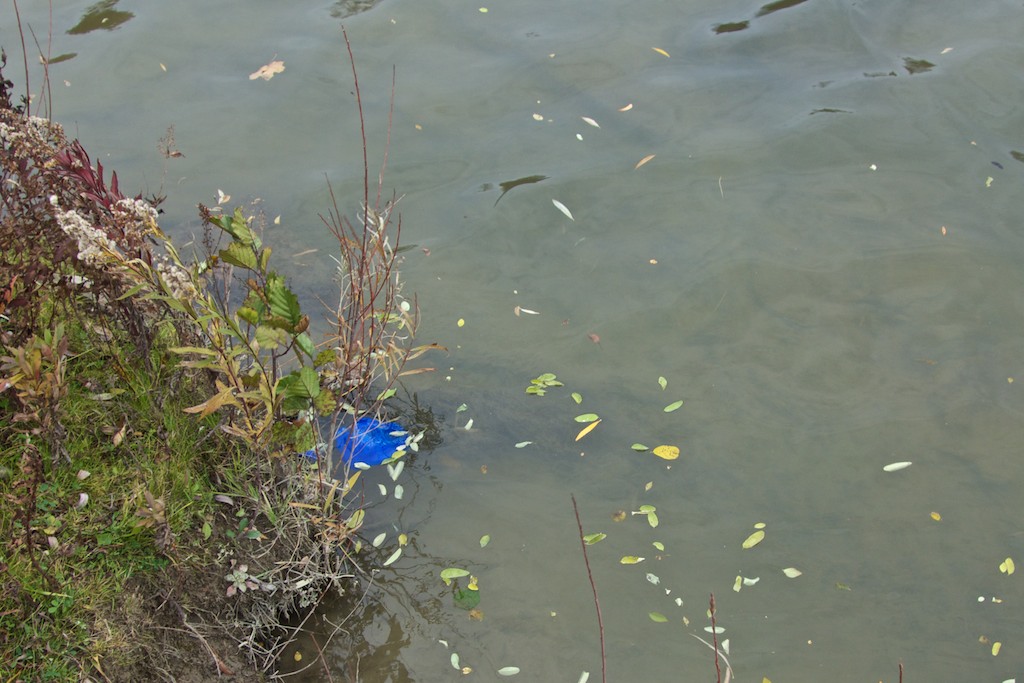
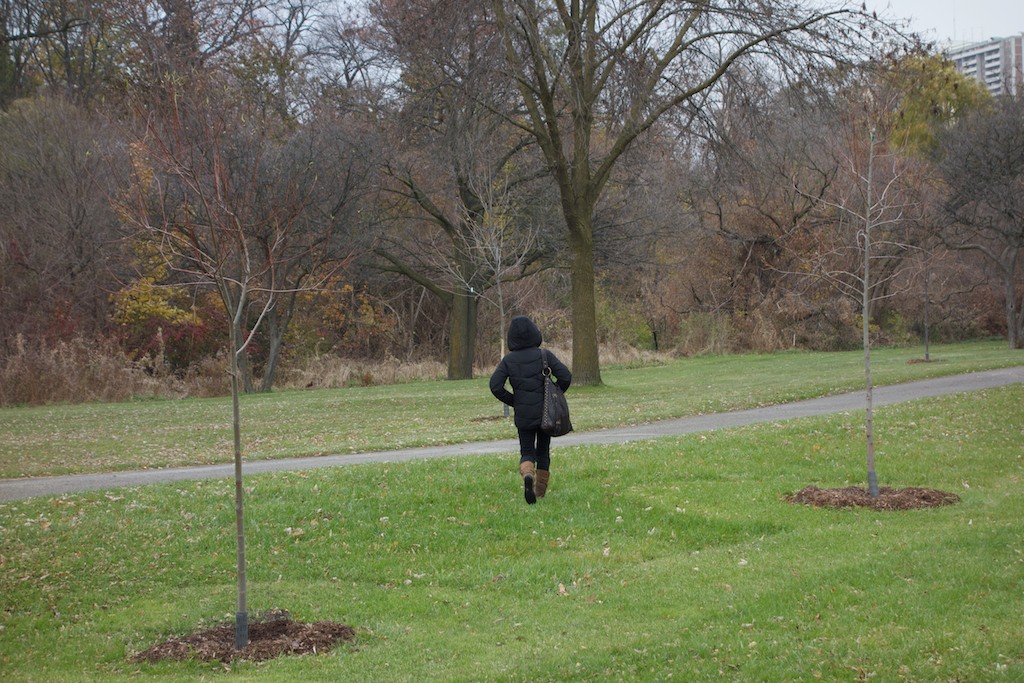
As a regular in Raymore Park, people watching is part of the daily experience. Patterns of behaviour are often identifiable and the brain automatically assigns a category to people – for example dog walker, jogger, person in transit etc. This morning, I encountered a young woman walking in a way that defied easy categorization. She was coming from Scarlettwood Court and instead of joining the path, marched towards the river. I watched as she stepped down to the water’s edge and walked along the bank to the peninsula, her pace making it clear that she was not a sightseer. Once on the far bank, she retrieved a plastic bag from a holdall, quickly dropped the contents into the water and returned. In the meantime I moved closer and stood by her exit from the river. I looked at her questioningly and she retorted, ‘What?’.

‘What did you put in the river?’, I asked. She seemed embarrassed.

‘It’s wax’.

‘Why would you put wax in the river, why not throw it in a garbage bin?’

‘It’s private – something I had to do.’

She began to walk off.

‘Why poison the wildlife?’

‘I’m sorry’, she threw the remark over her shoulder and strode off, not looking back.

I walked down to the water and sure enough, the wax was floating exactly where it was dropped thanks to an onshore wind.

The wax, where it was dumped.

The wax, where it was dumped.

DSC03763

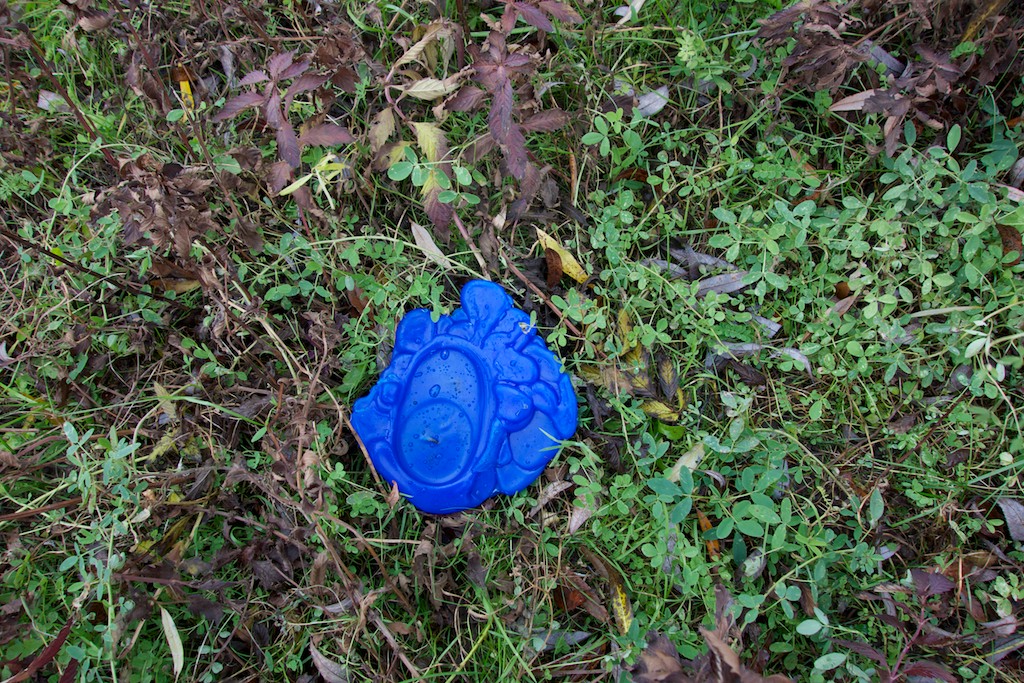
A better look at the wax.

Having no shame, I lay on the bank and fished it out of the water – a substantial lump, possibly from a large candle or wax figure – and dumped it in the garbage.

Sorry, it's private.

Sorry, dumping waste in a public park is not a private act.

I’ll probably never know the story behind the wax; whether or not it was some kind of occult leftover that had to be sent to the ocean – one can speculate endlessly. I am sure that if karma, voodoo, Air Miles or any kind of points were being awarded today, this young woman scored a big fat zero.

It’s that time…

Let it snow.

Let it snow.

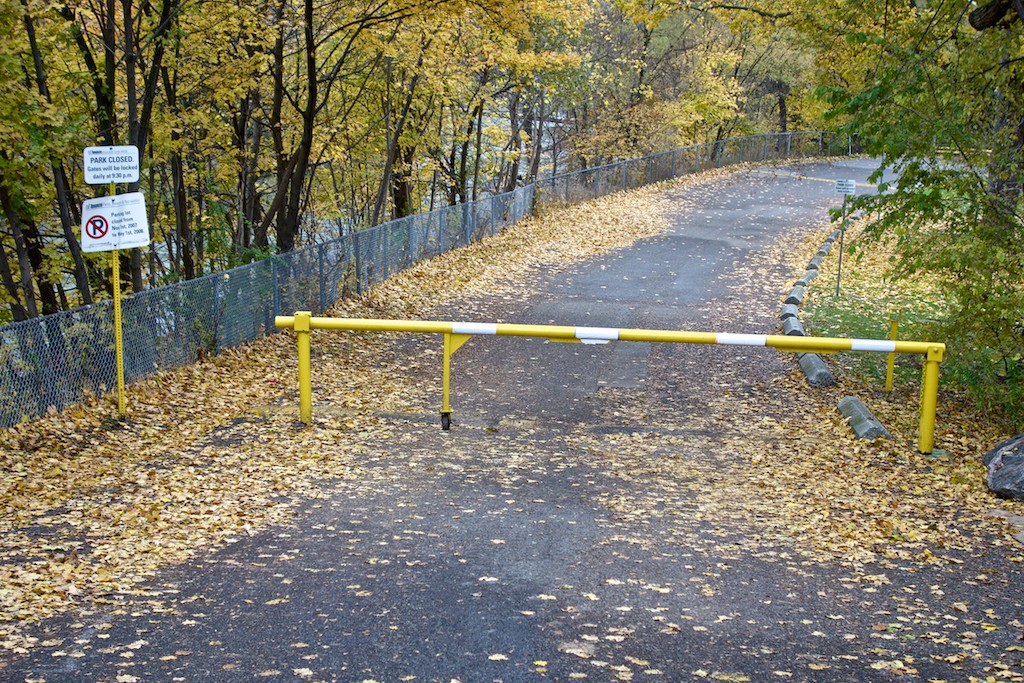
For the past few years, Raymore Park has closed its gate at the beginning of November and it stays that way until the end of March. This is because snow can occur at any time between these dates and many people are unable to drive back up a steep snowy hill to exit the park. This cuts down on quite a large number of visitors as the effort to park on Tilden Crescent and walk down to the park seems to deter most people.

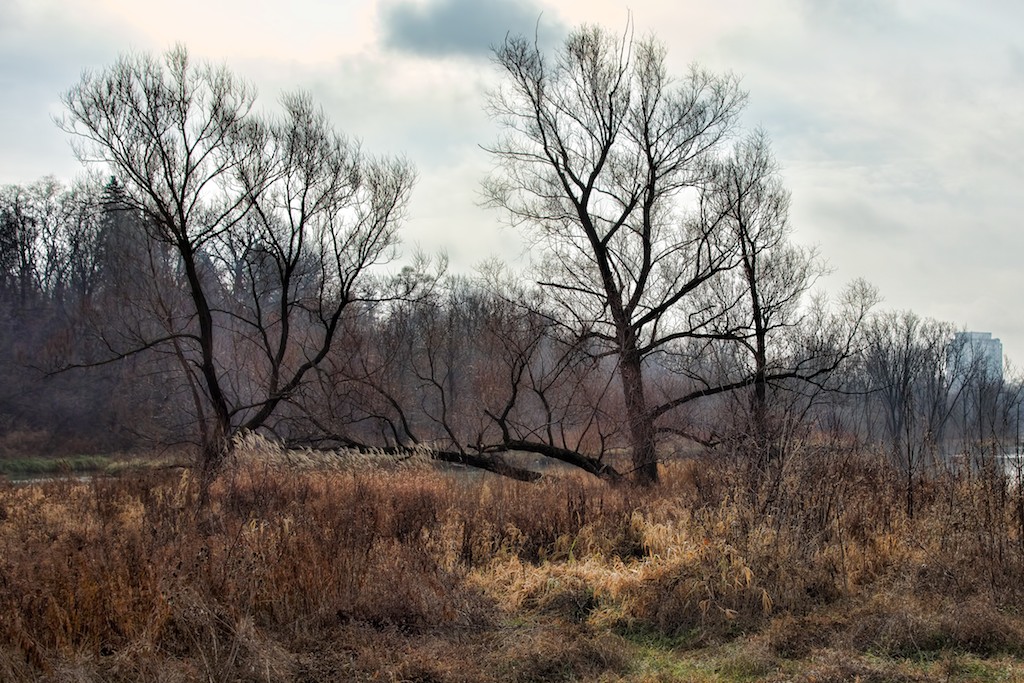
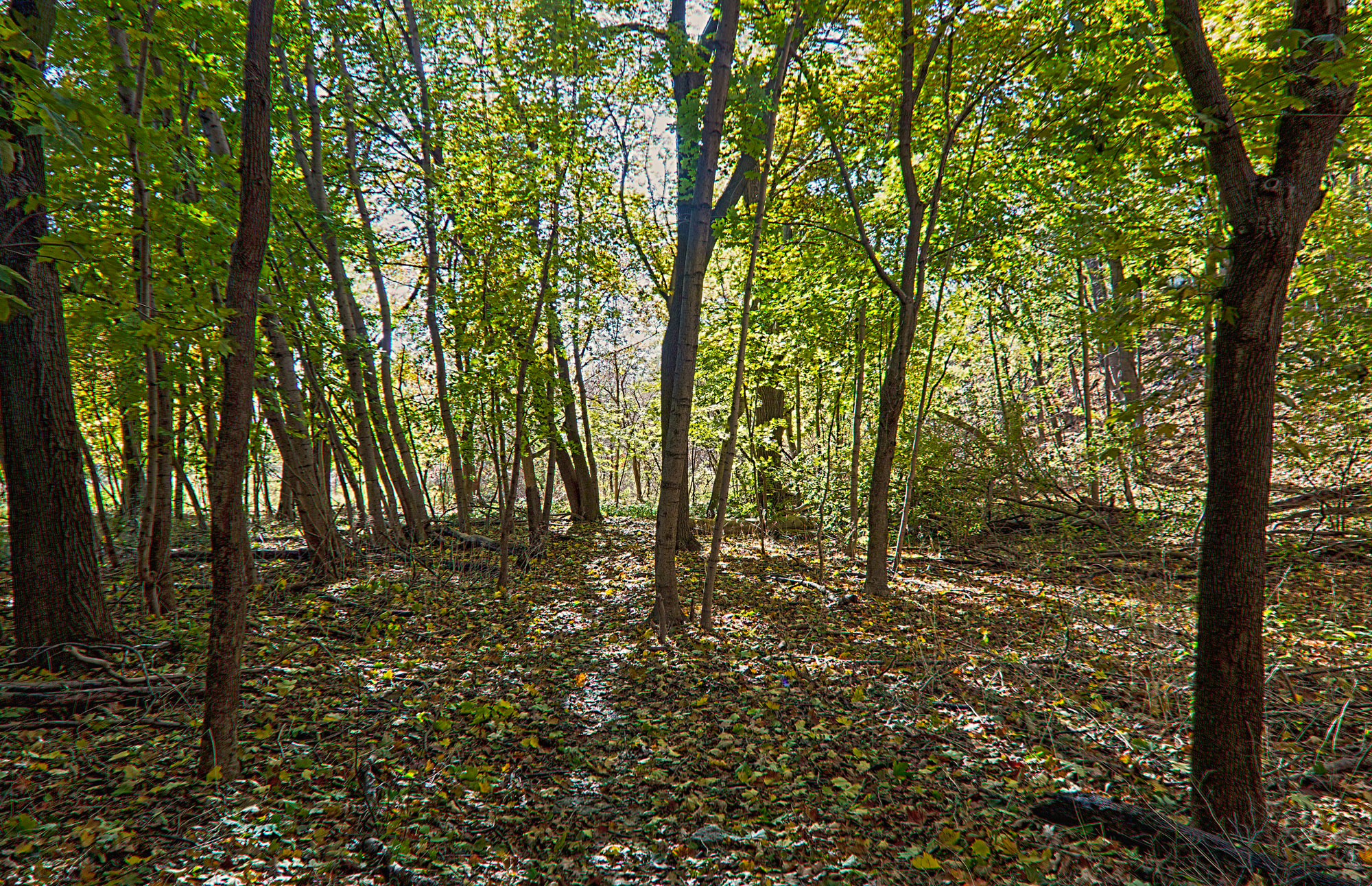
Light still is creating fascinating scenes in the woods. Here’s an attempt to capture what the eye sees using an HDR shot based on two images, one capturing highlights, the other, shadows then merged in Photoshop.

Woods-HDR