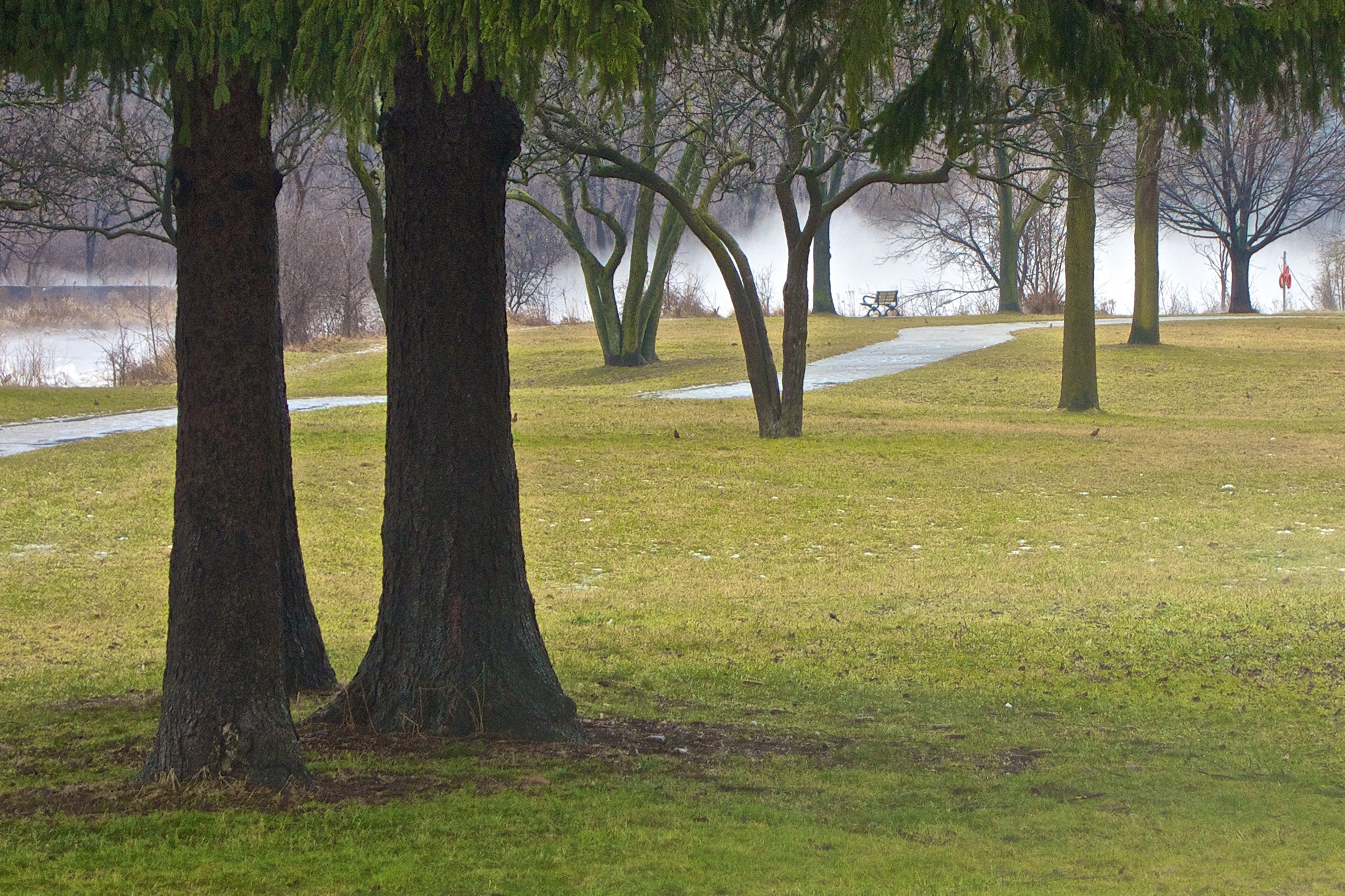
At this time of year in the park, the weather fluctuates. It’s nowhere near time for spring but every few days, little tongues of mild air push northwards across the lake often accompanied by rain, making life quite treacherous once the freeze returns. Where the snow has been compressed, e.g. a path, rain transforms it into ice with a nice slick sheen on top. Powder snow becomes coarse and granular.
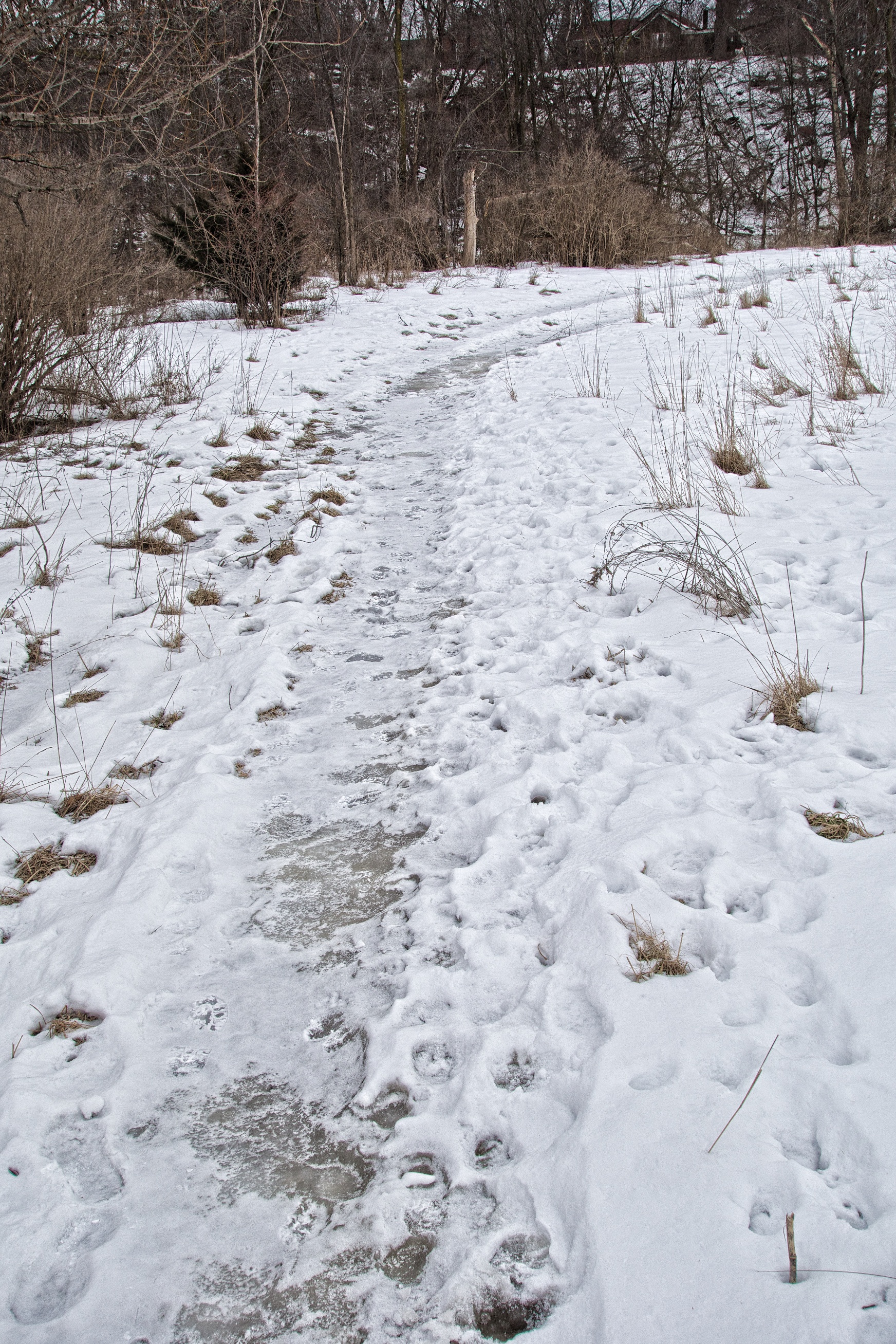
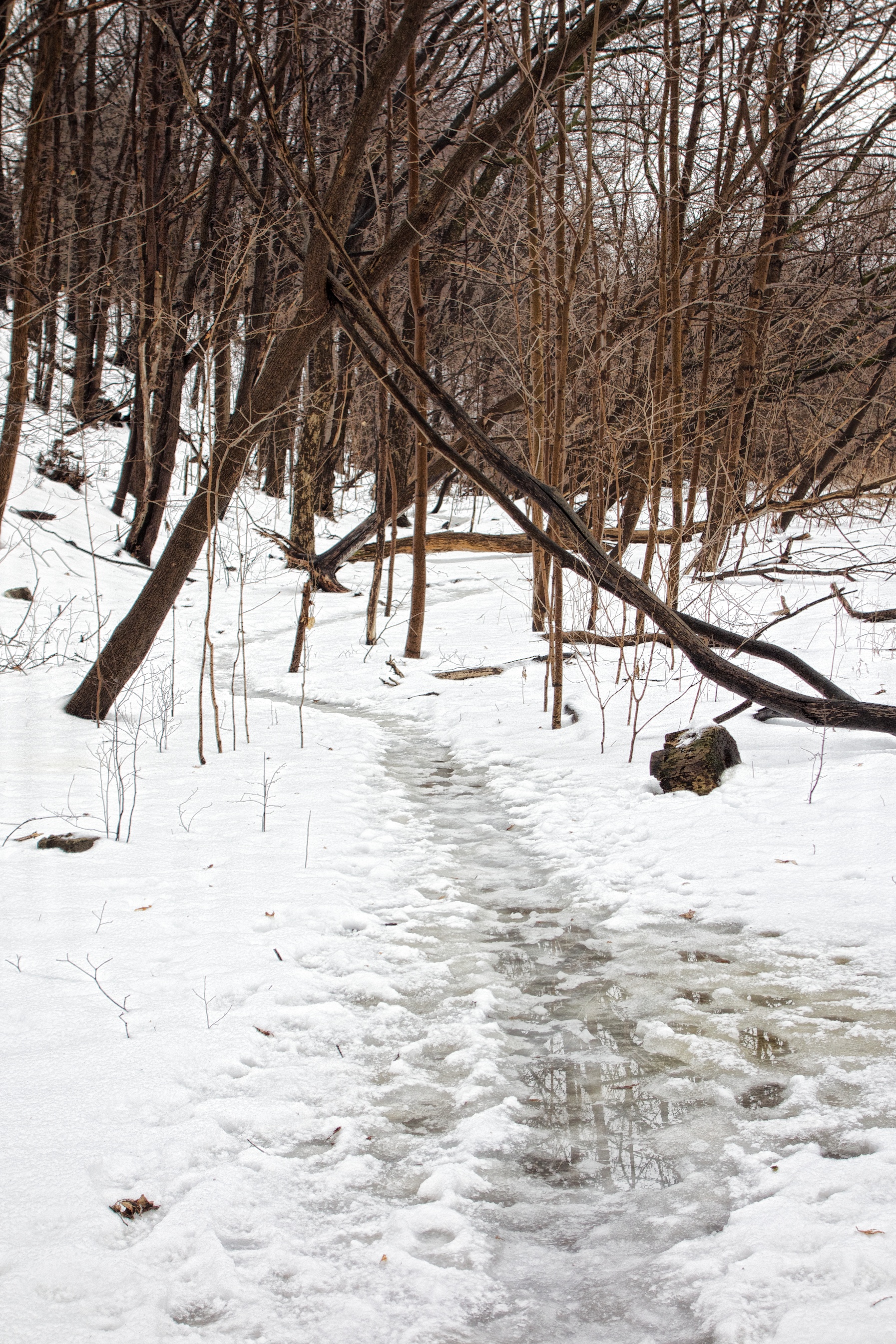
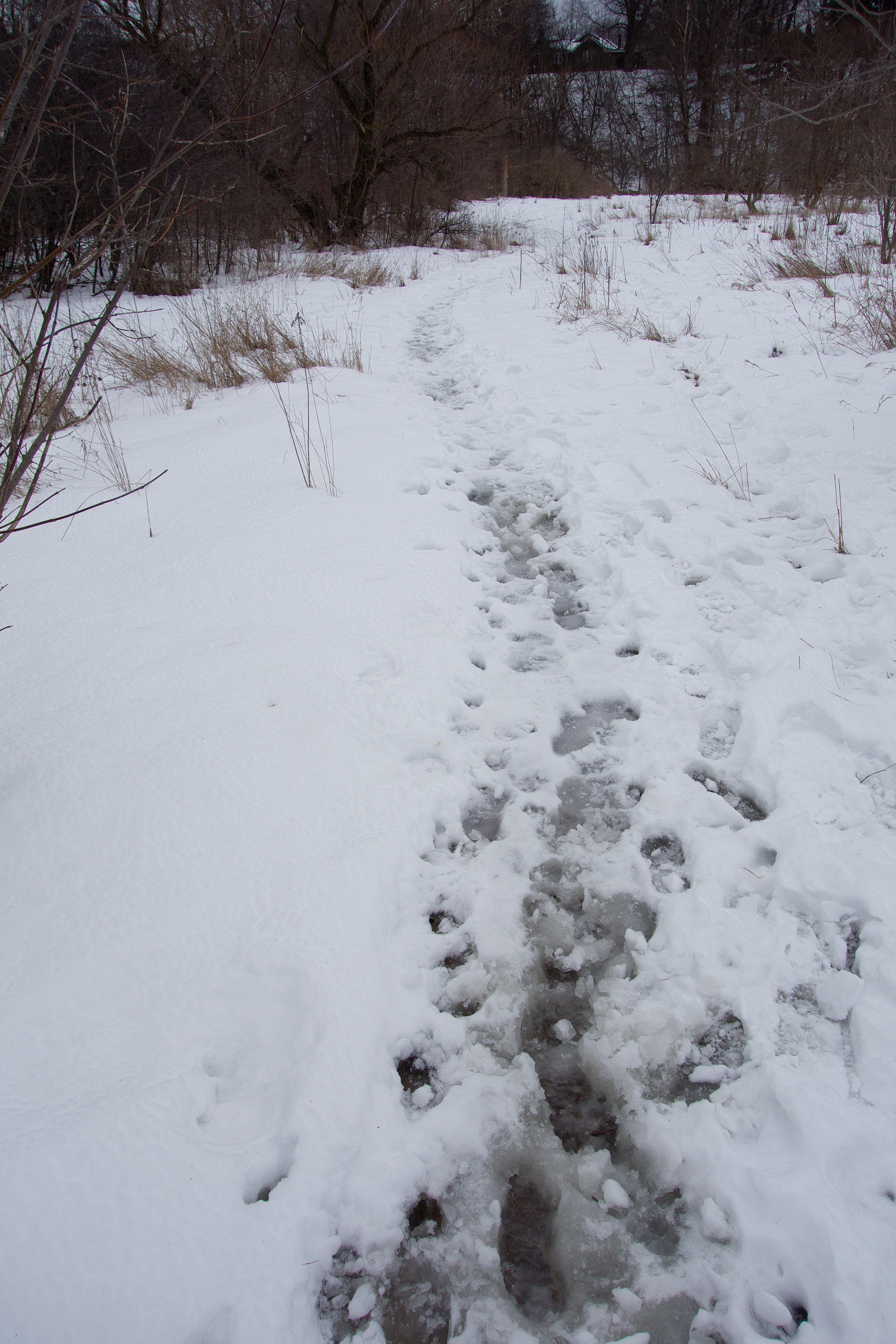
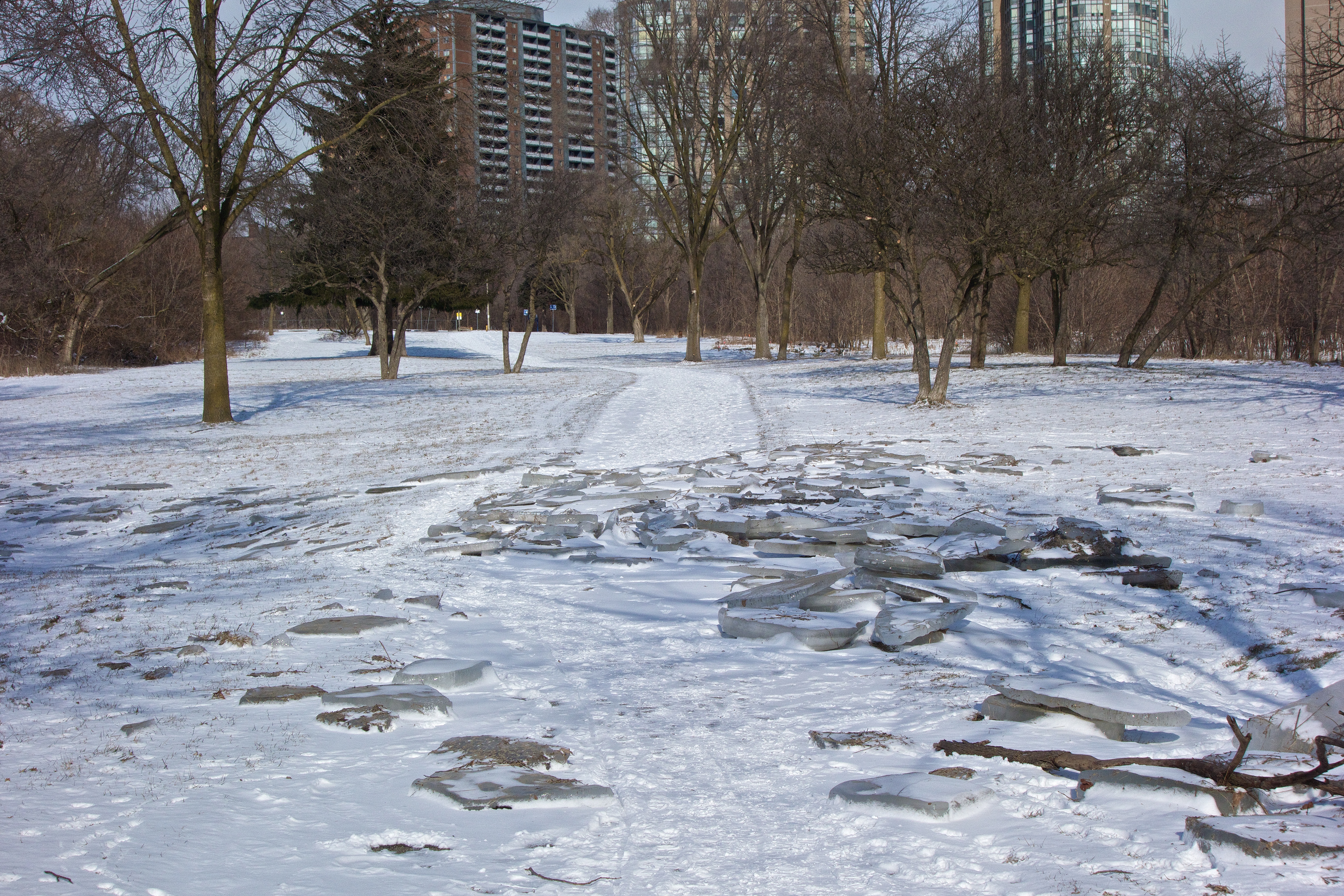
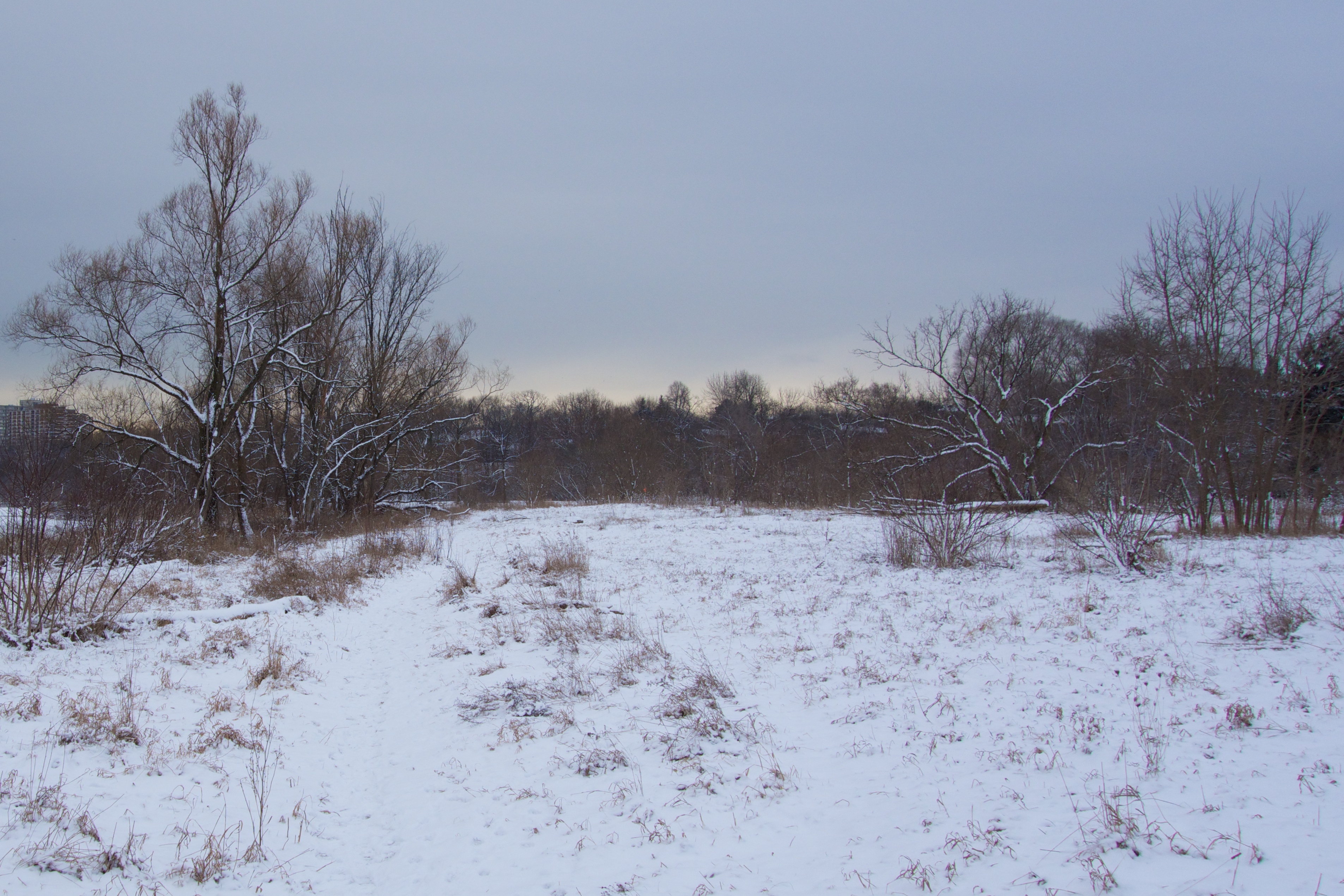
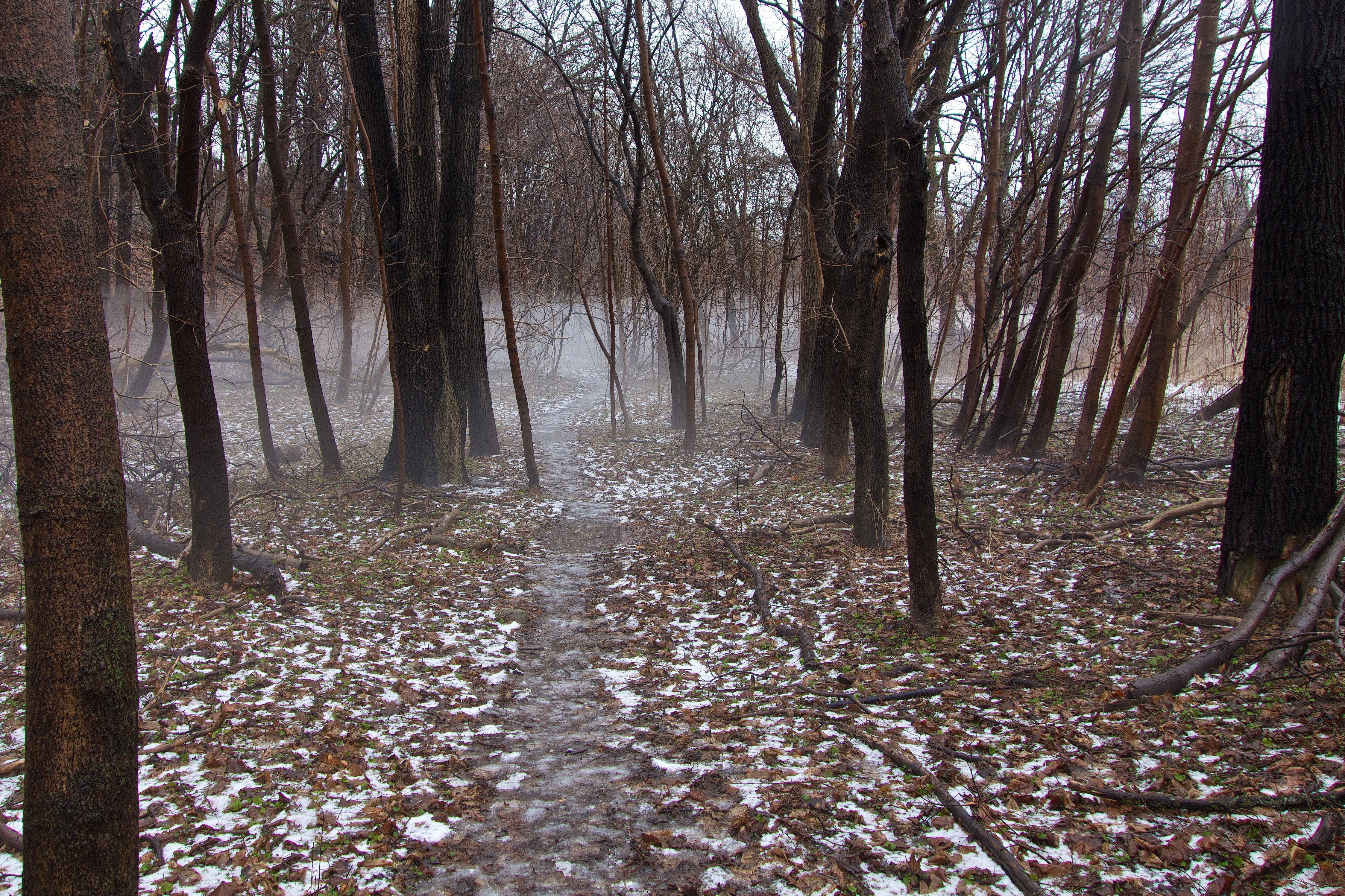
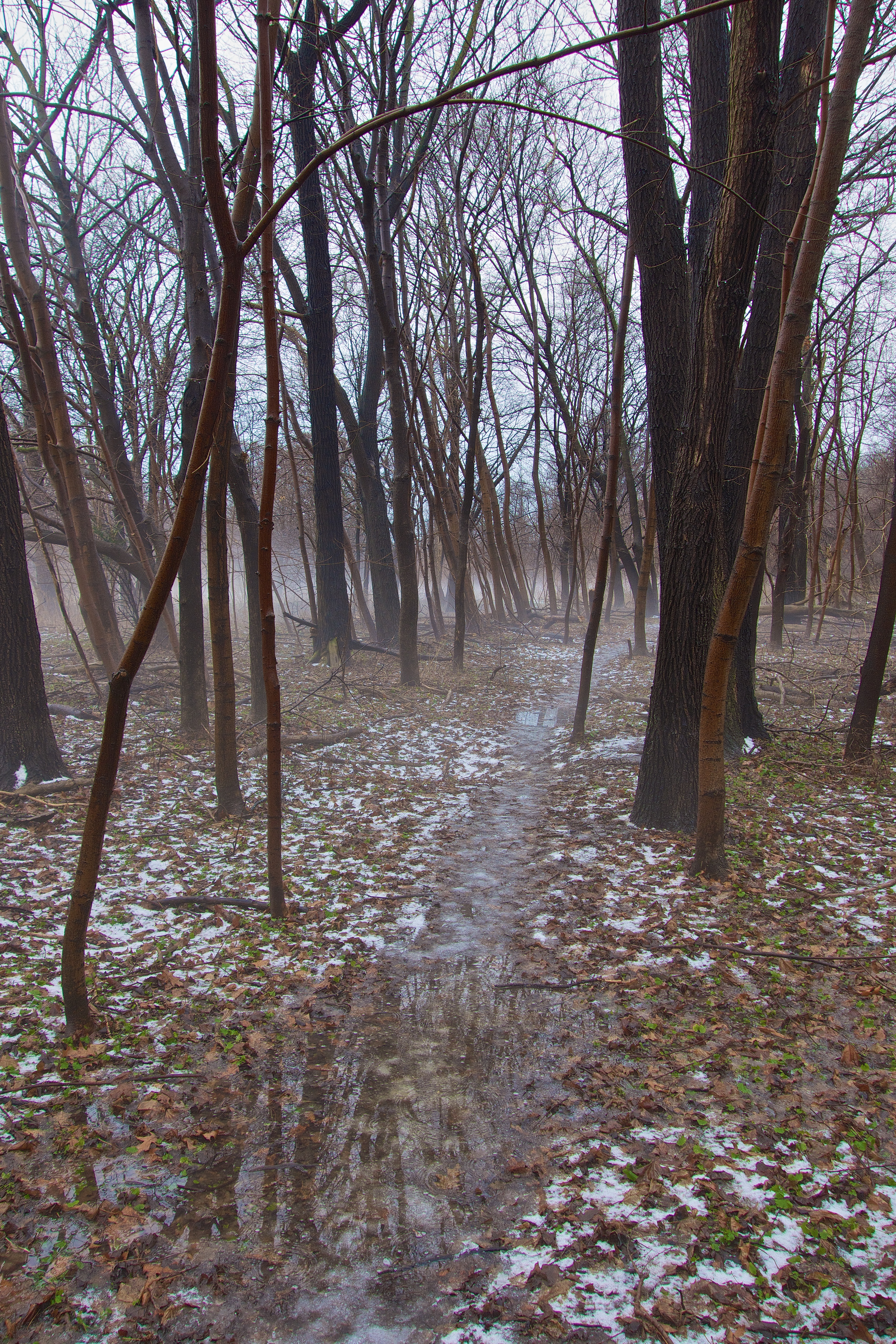
Yesterday one of those mild spells brought rain, today, it’s back to the deep freeze. Here is the now frozen footpath that winds through the wild area:
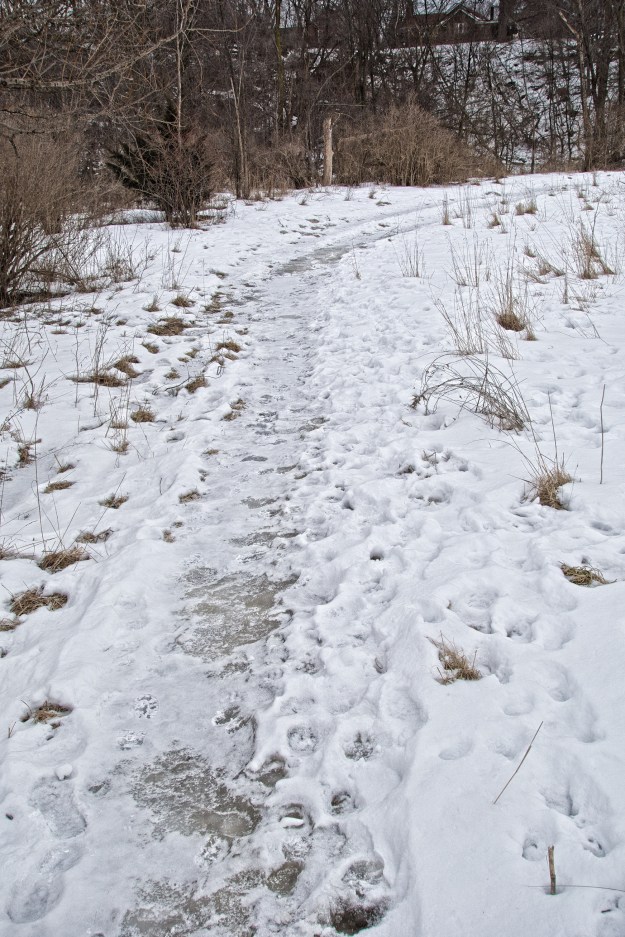
The path has been transformed into a ribbon of ice. A dusting of snow is added to trick the unsuspecting.
Without a decent pair of soles designed for ice, it’s best to keep to the snow on either side of the path which yields to the foot with a texture resembling cinder toffee, or to use the commercial term, Crunchie.
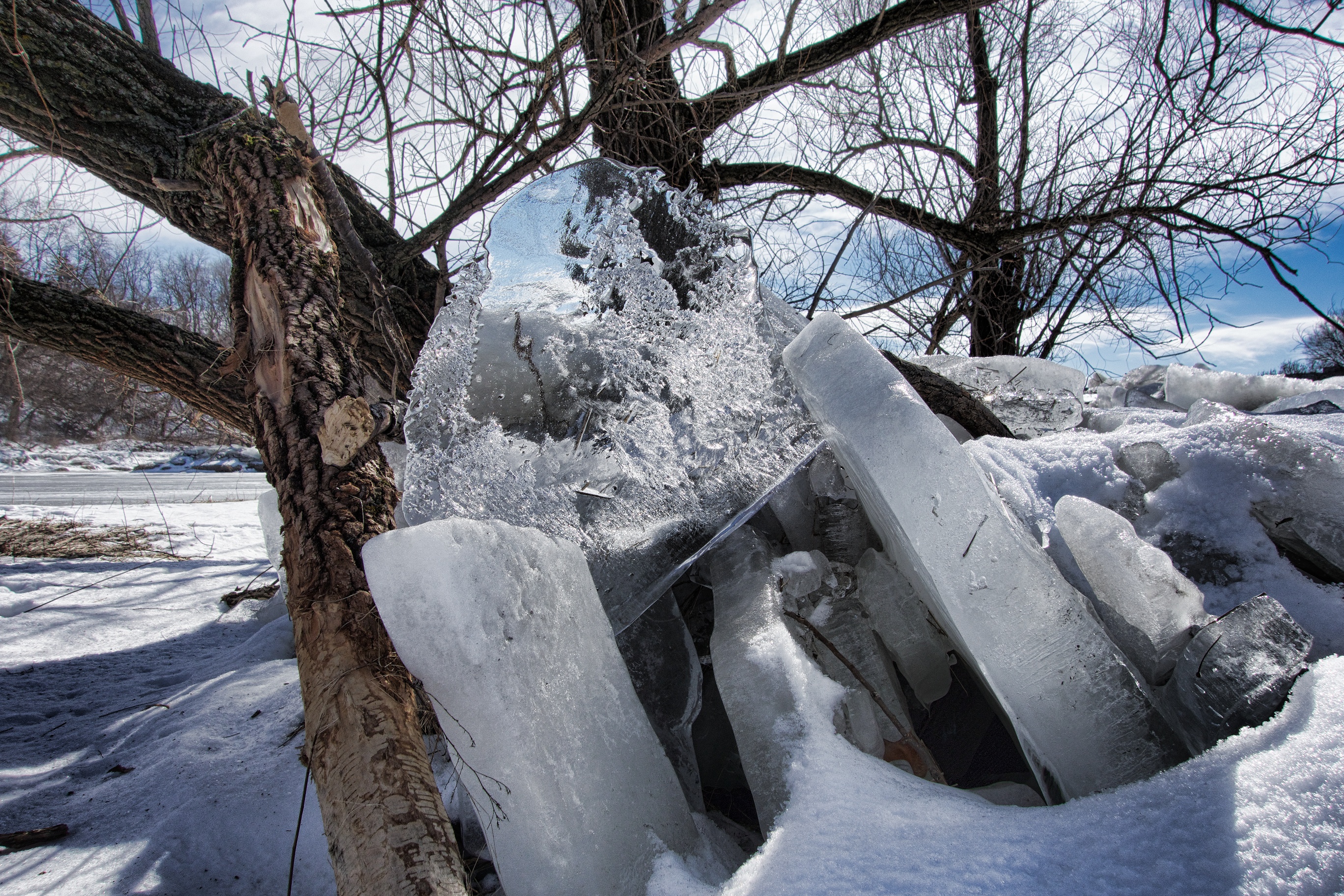
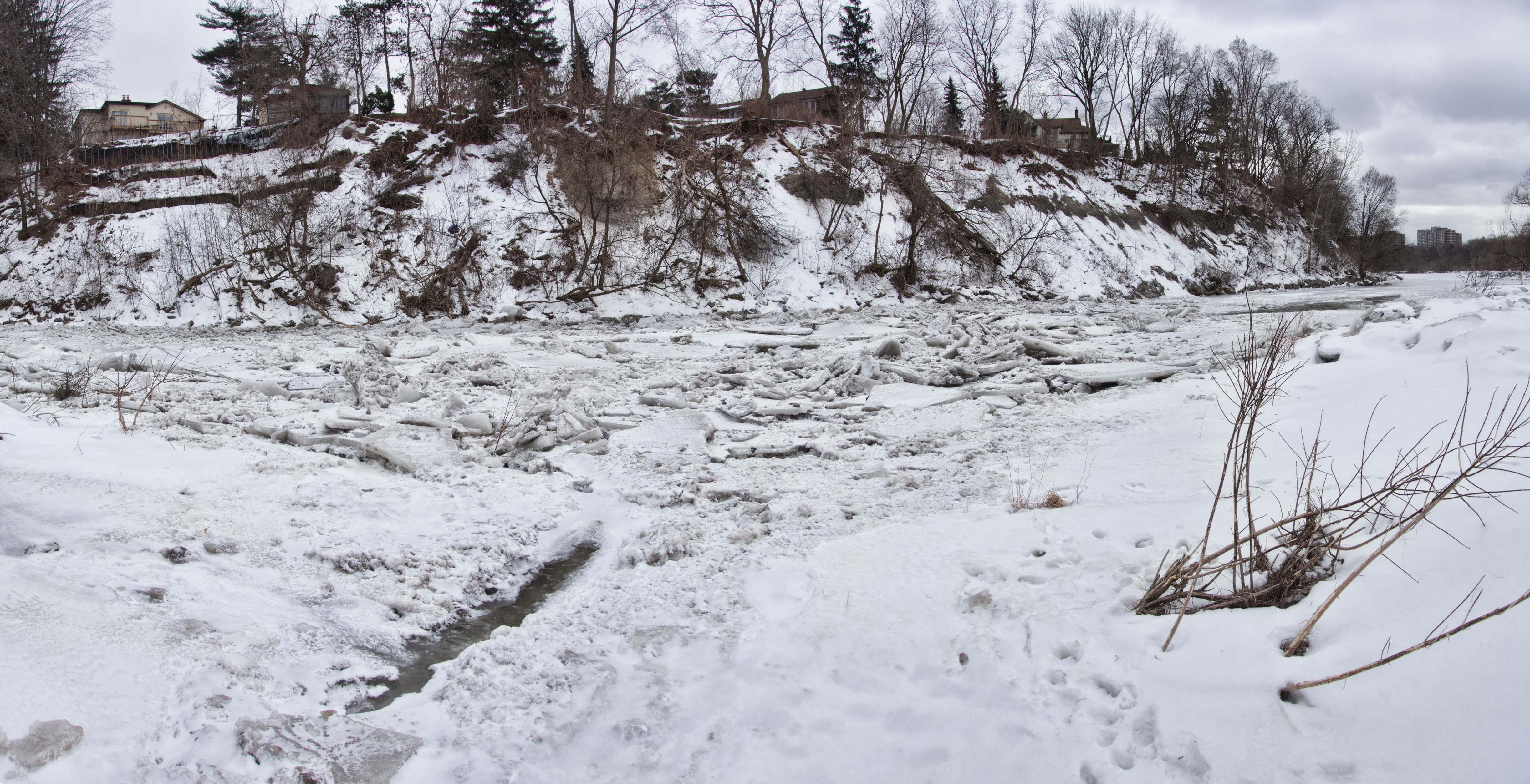
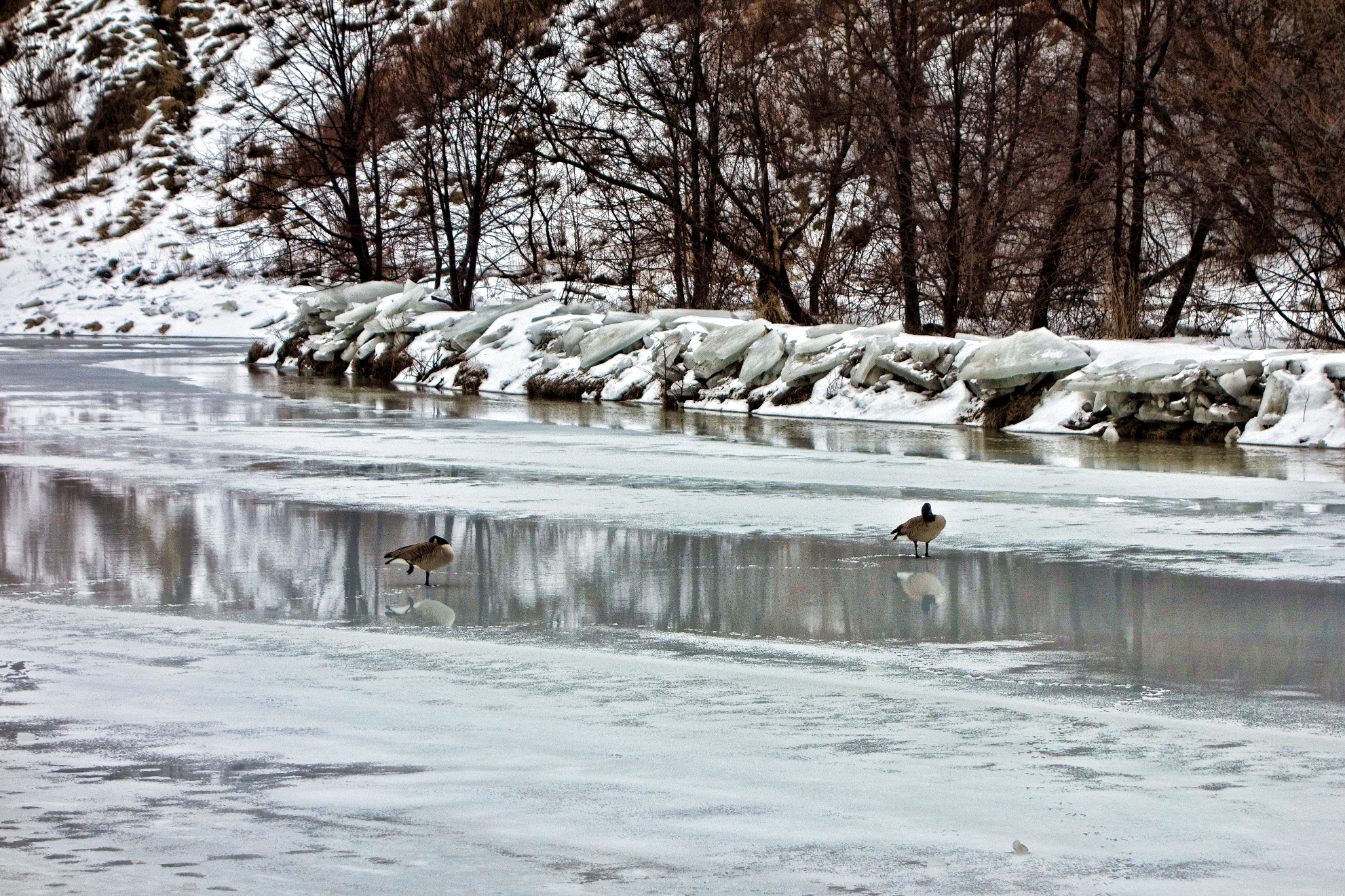
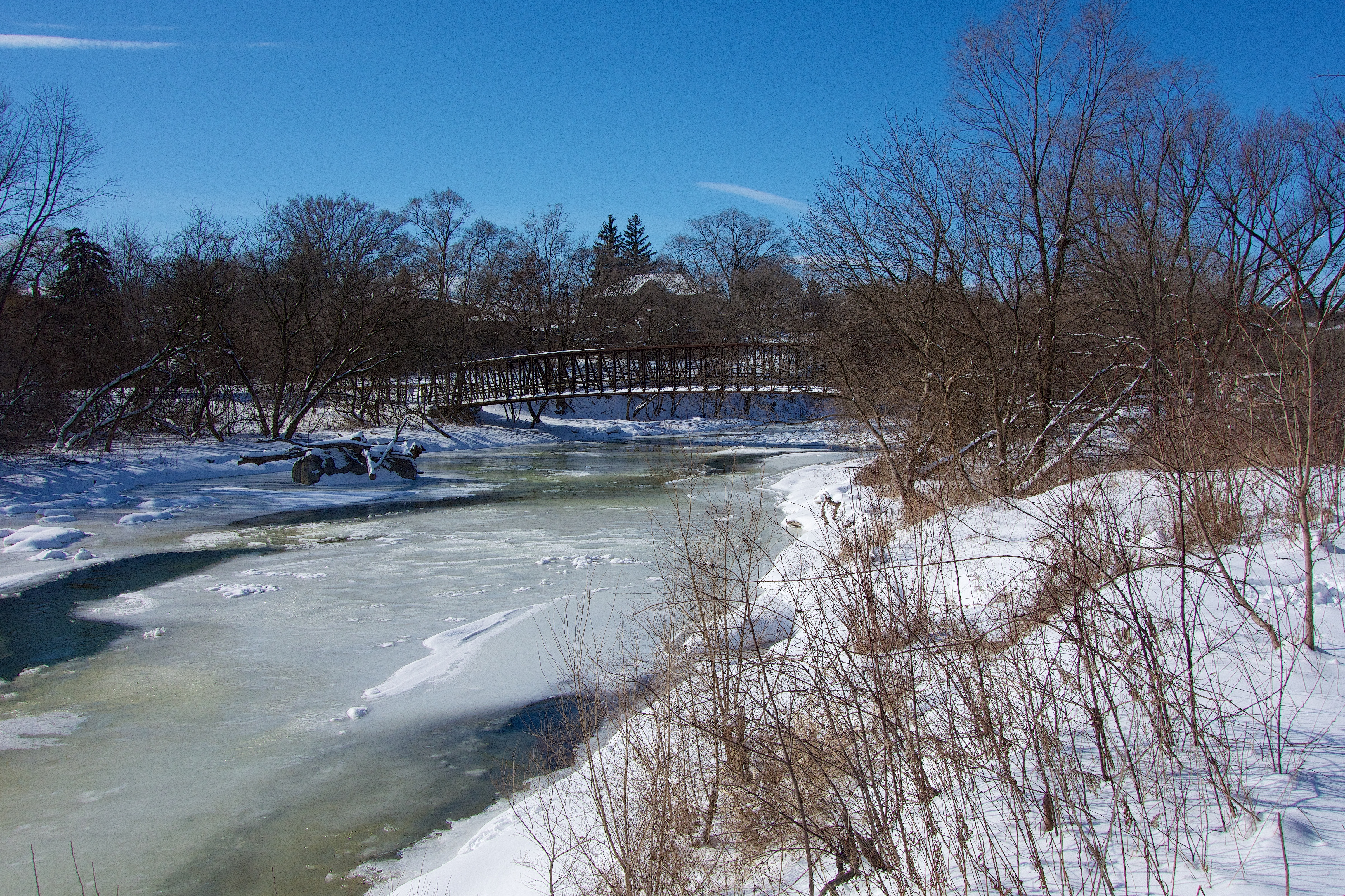
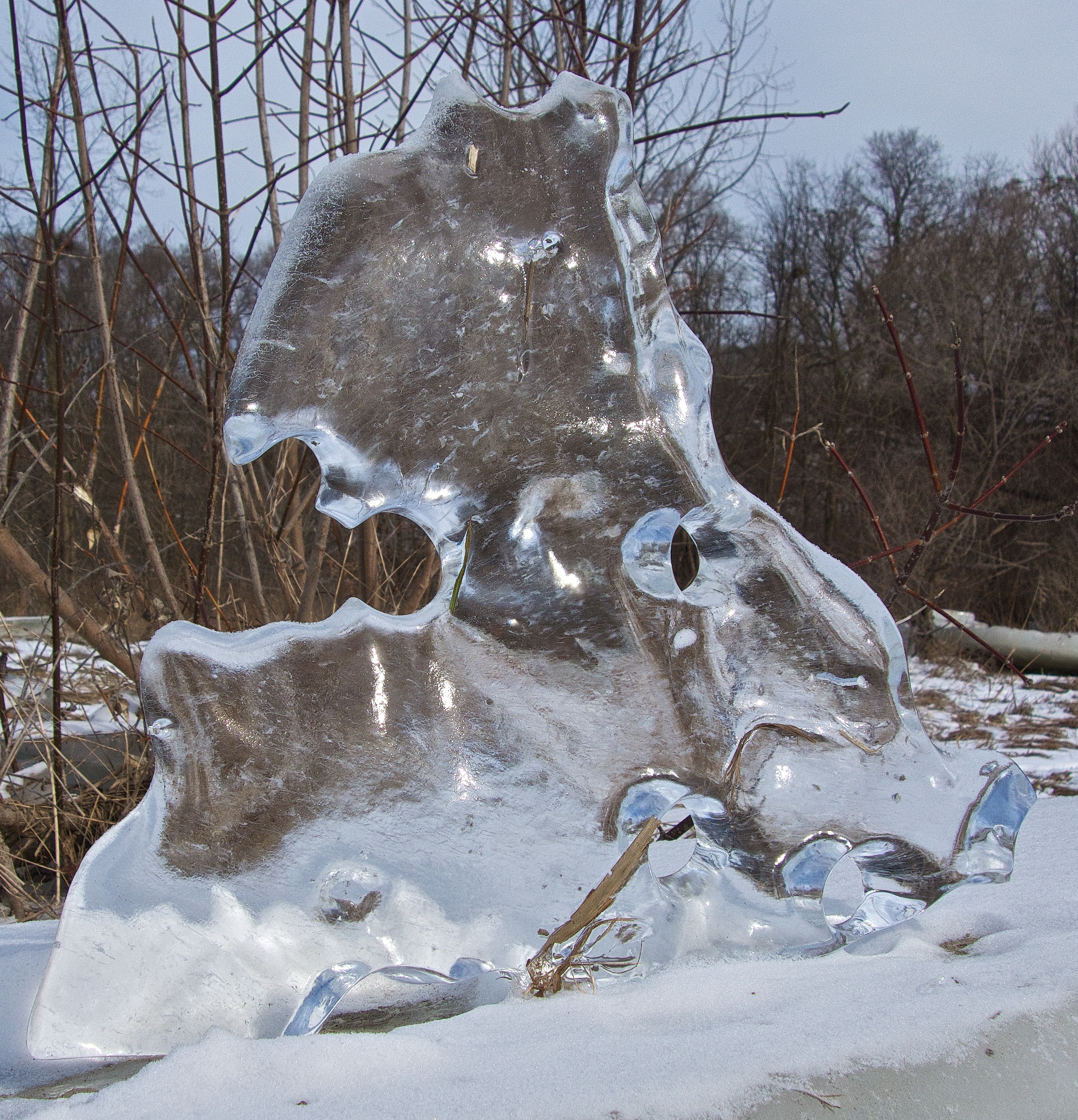
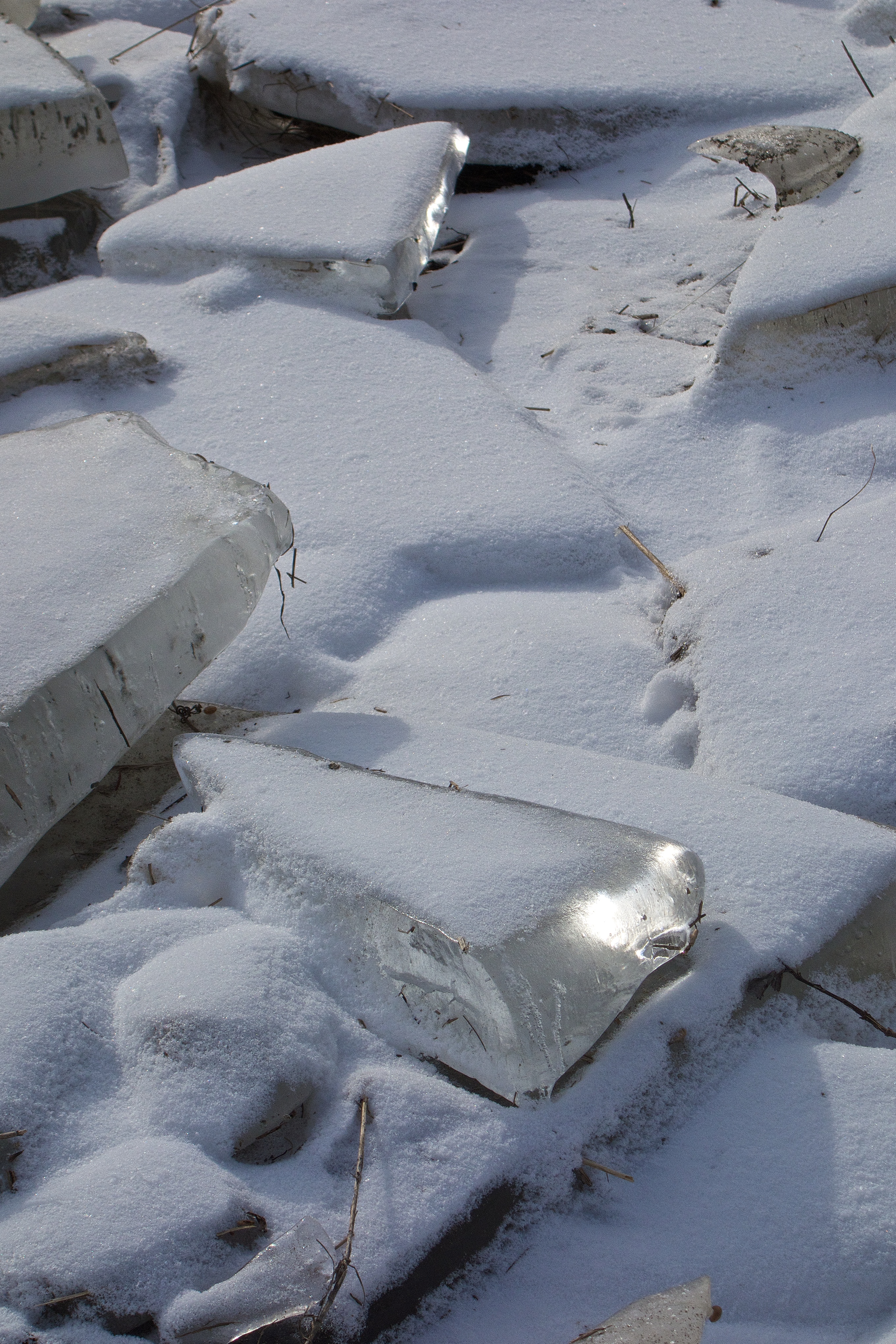
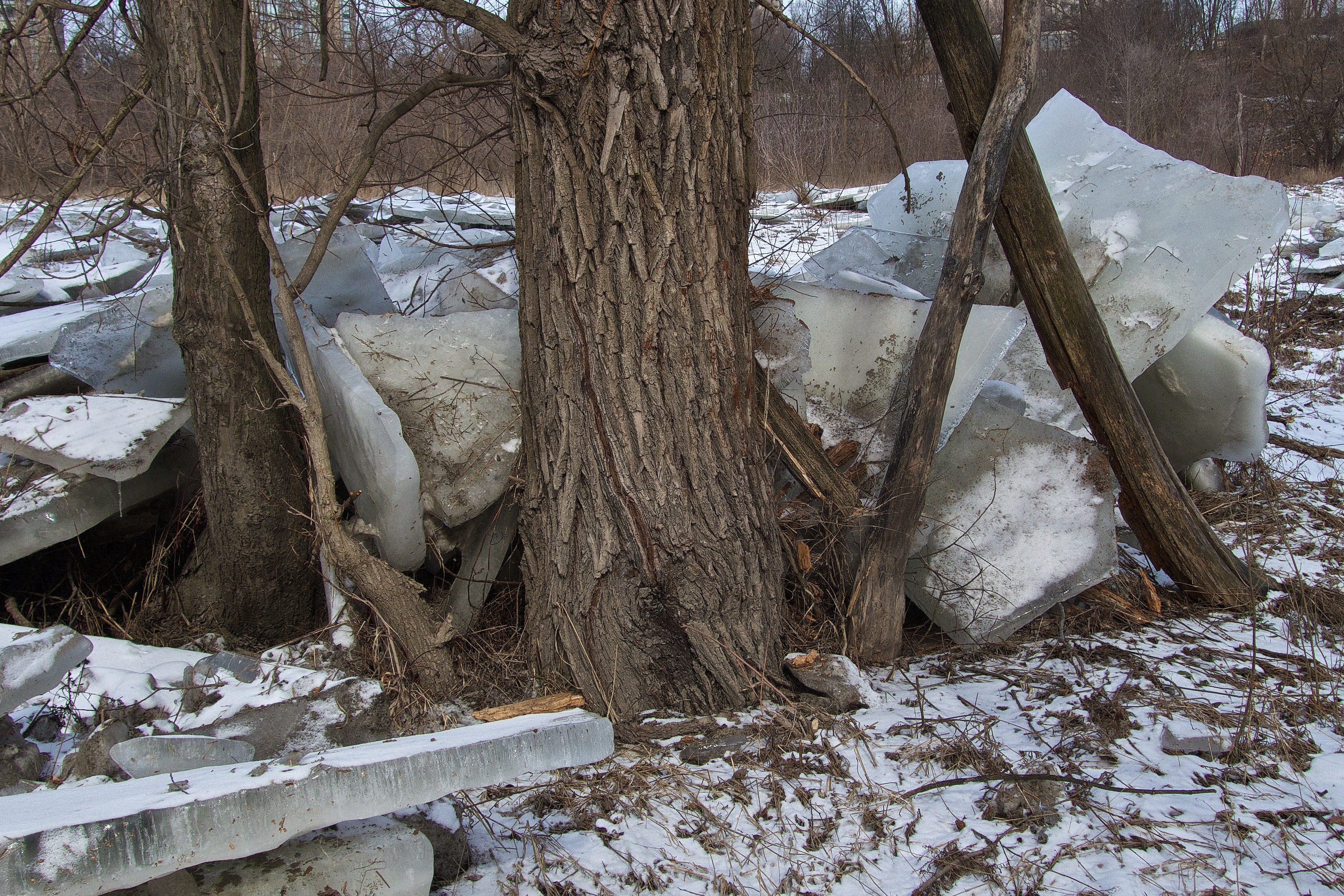
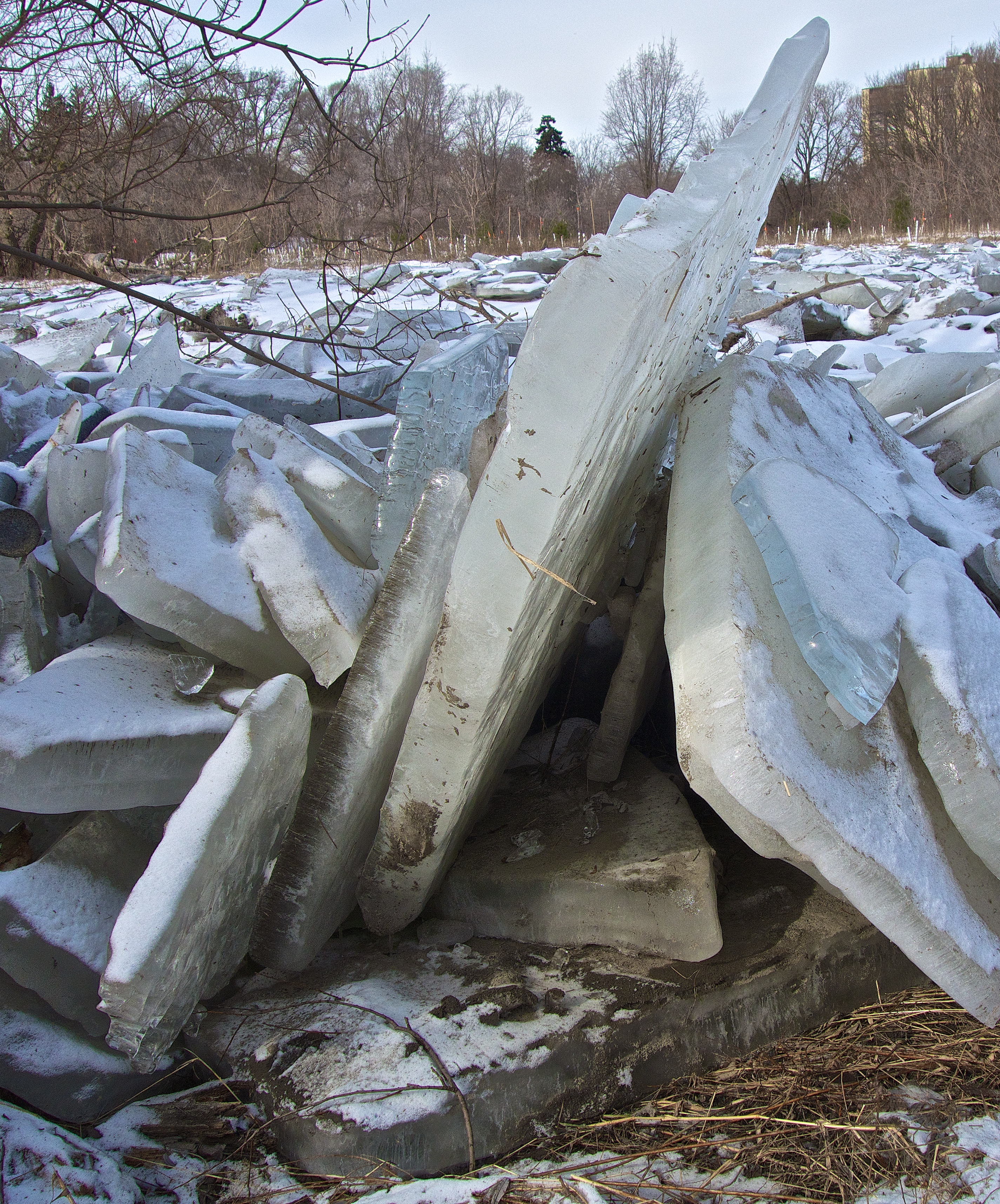
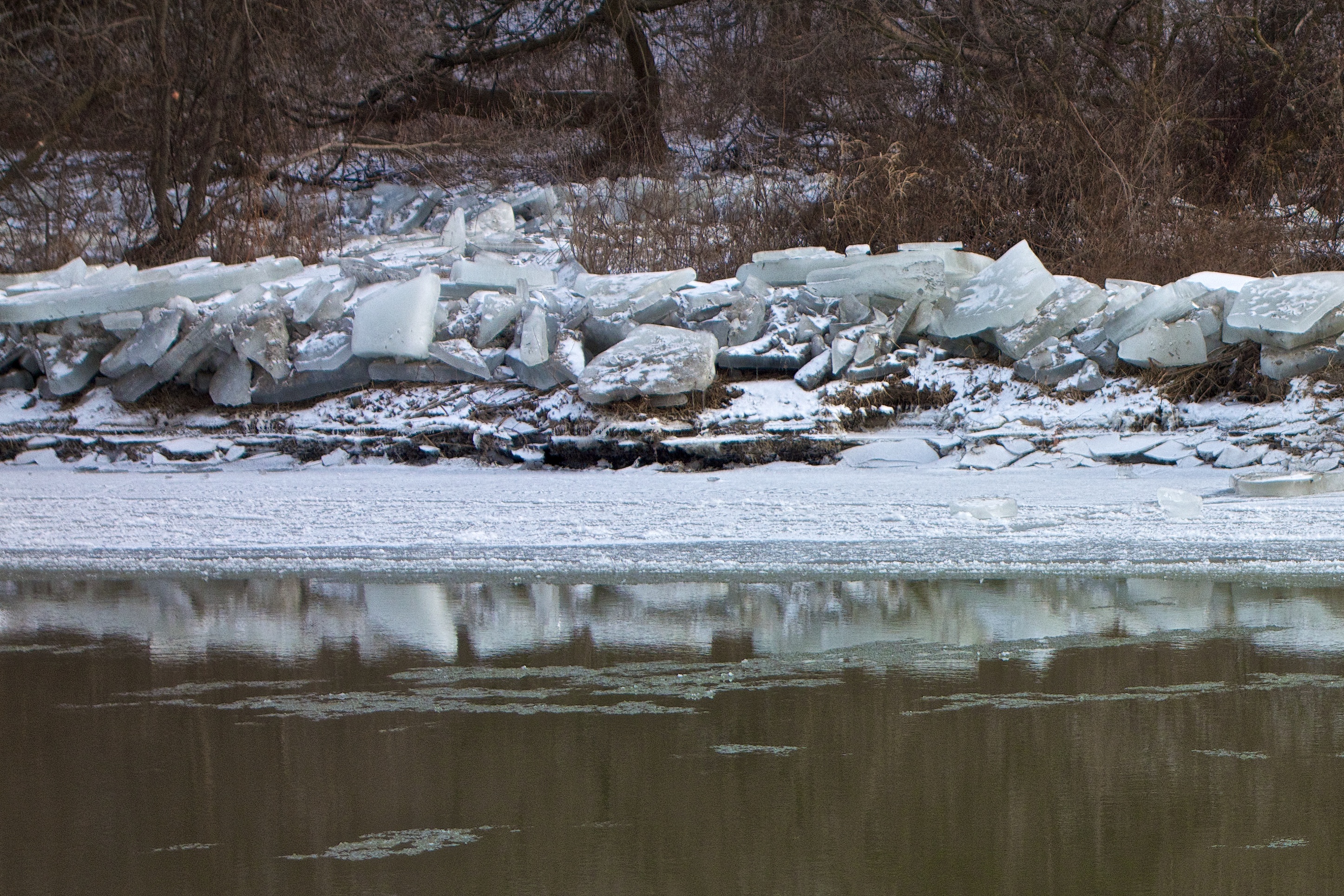
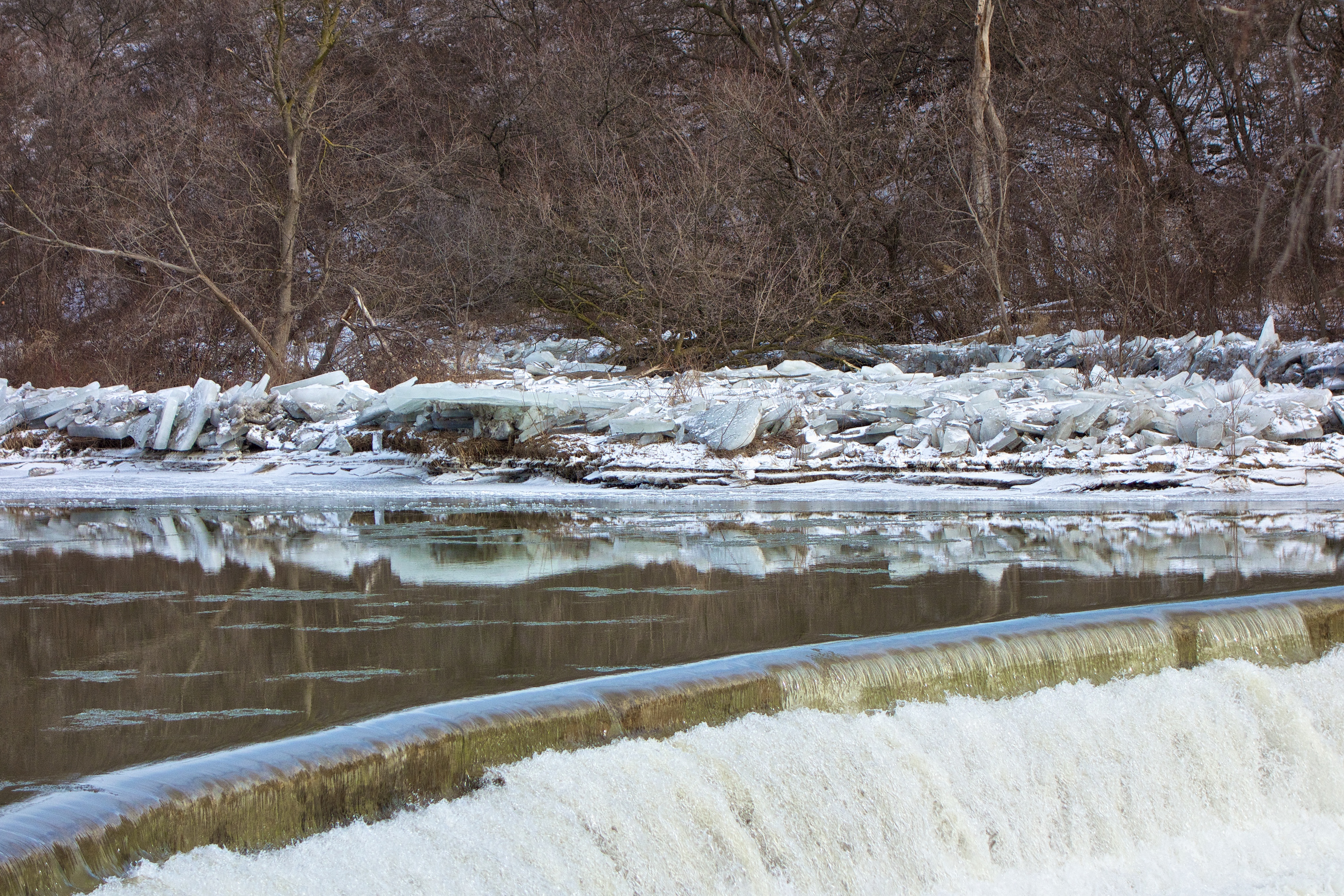
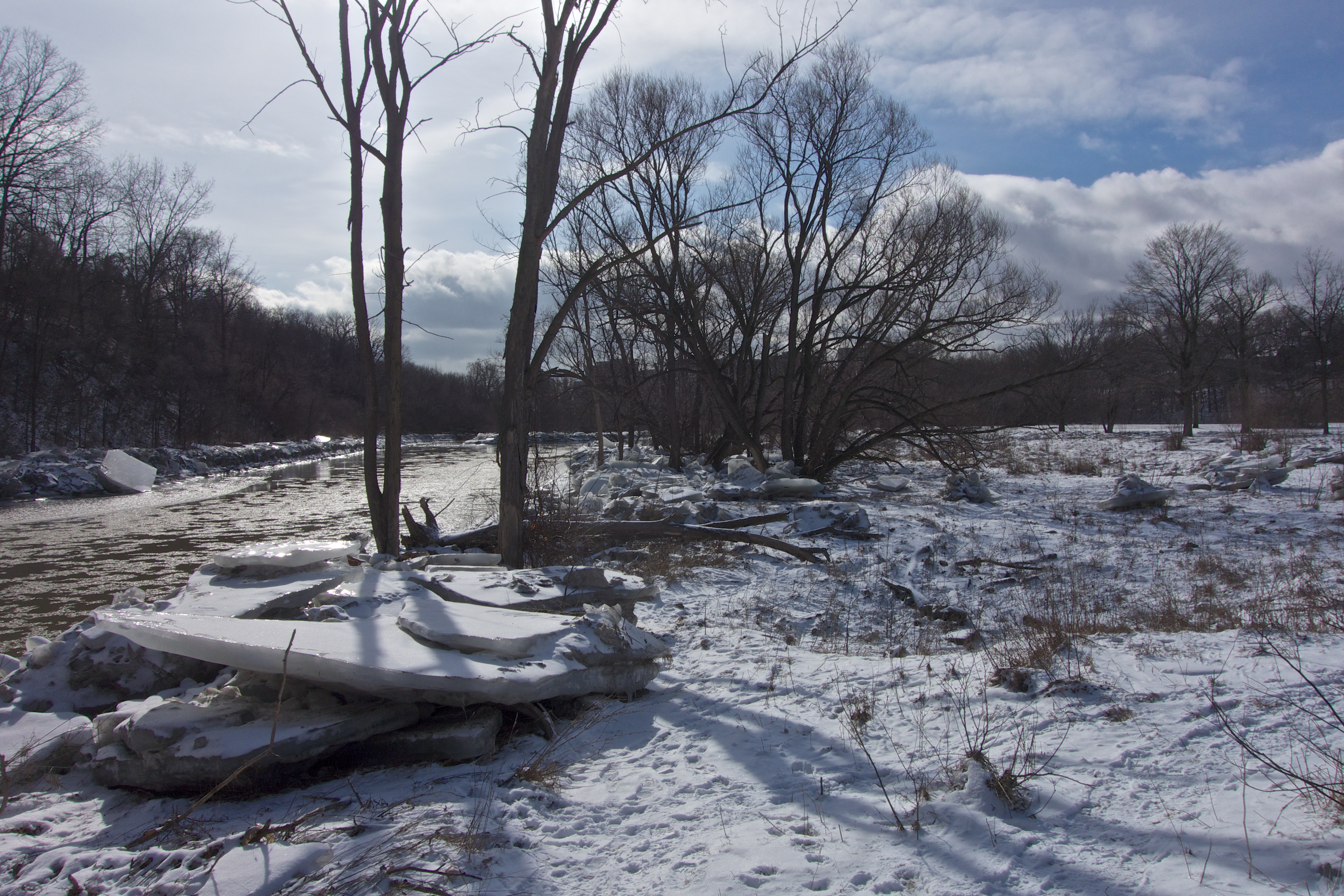
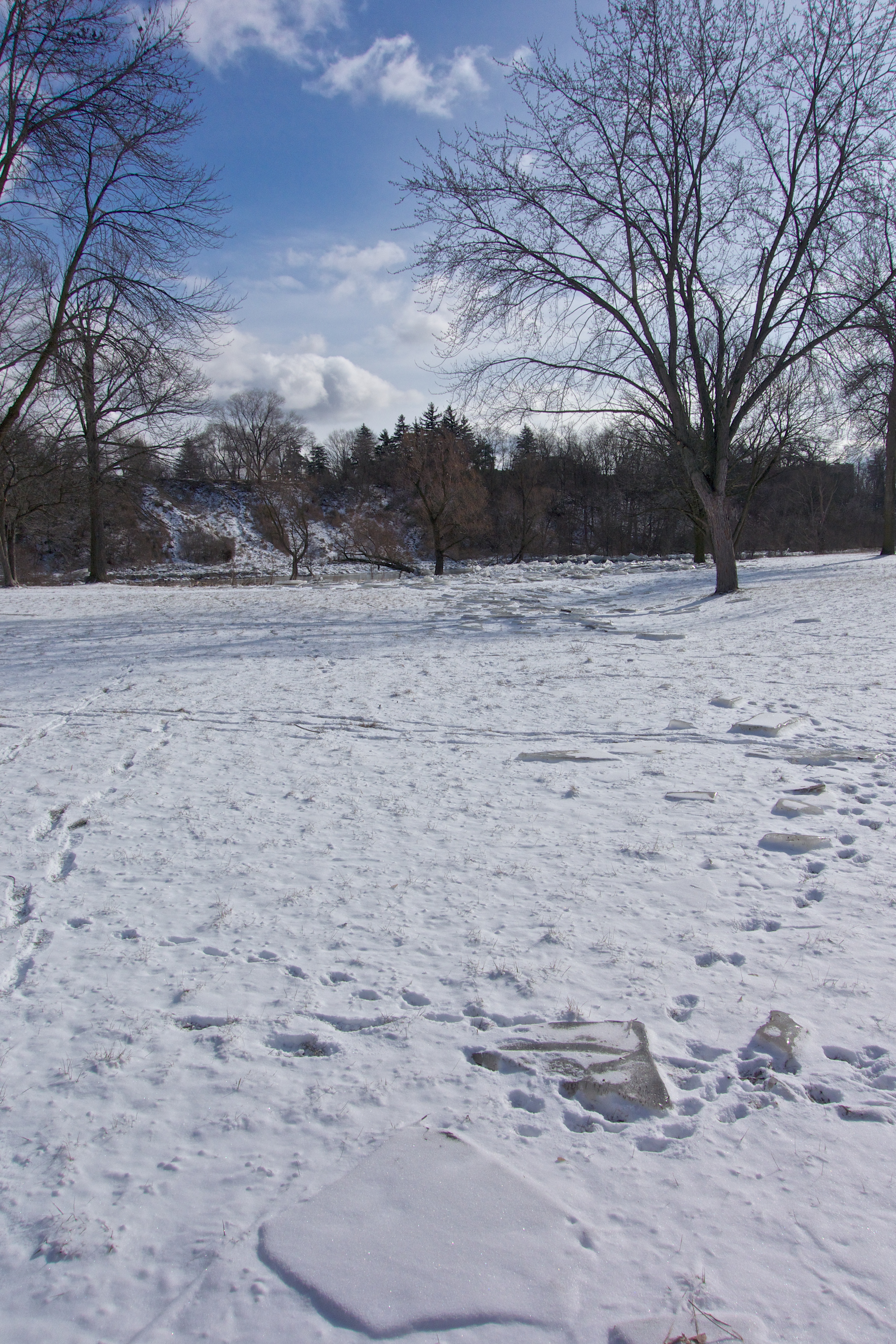
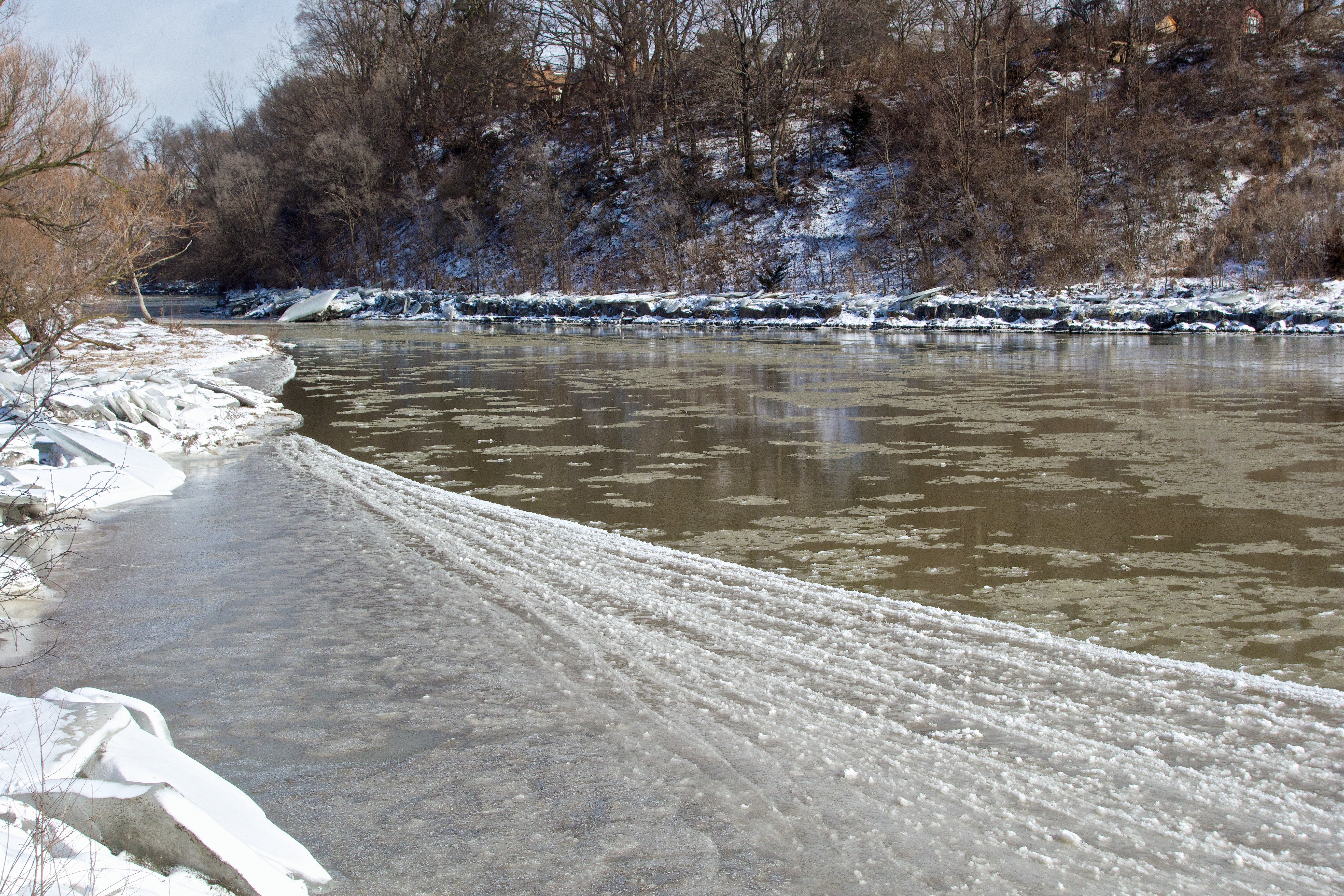
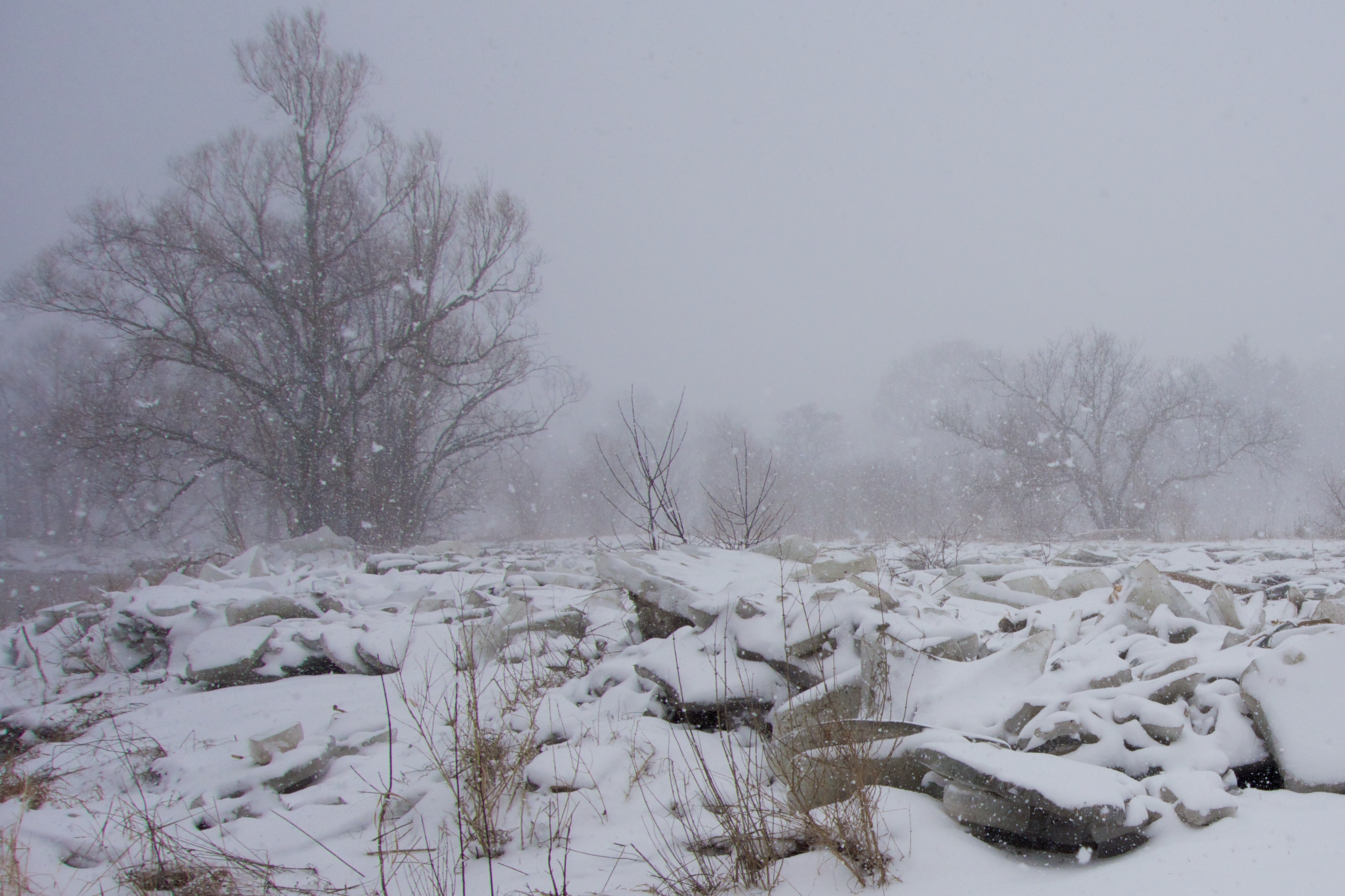
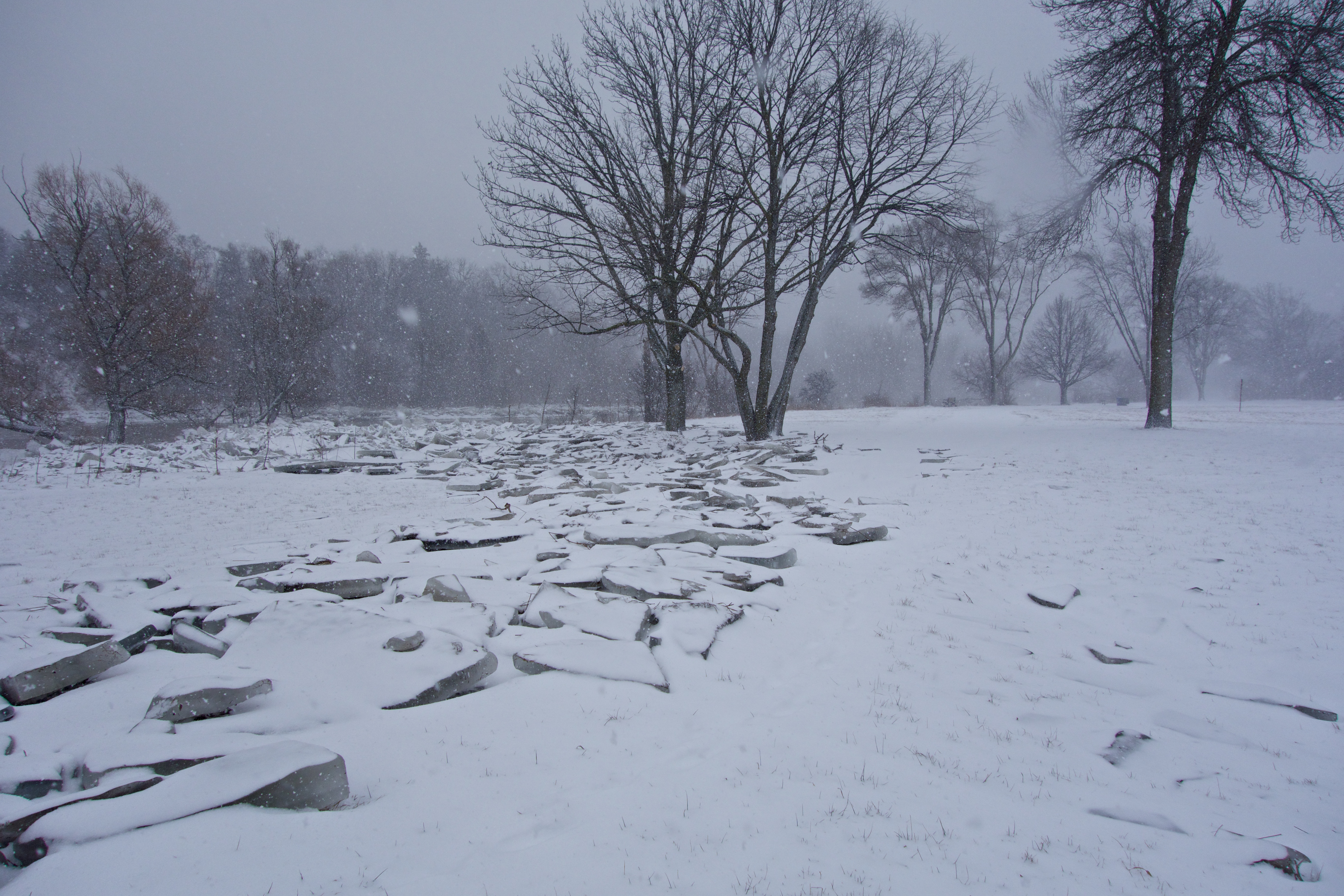
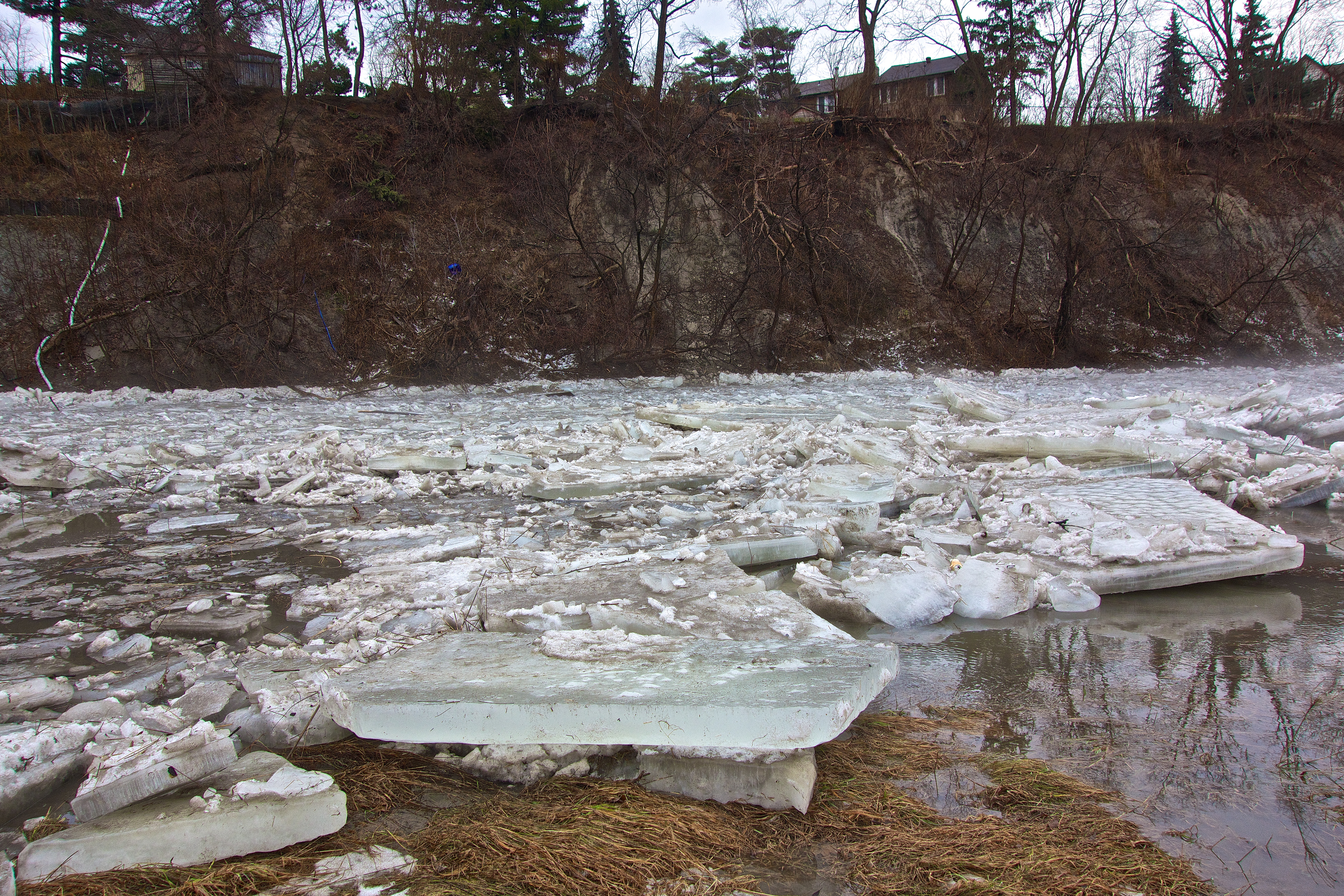
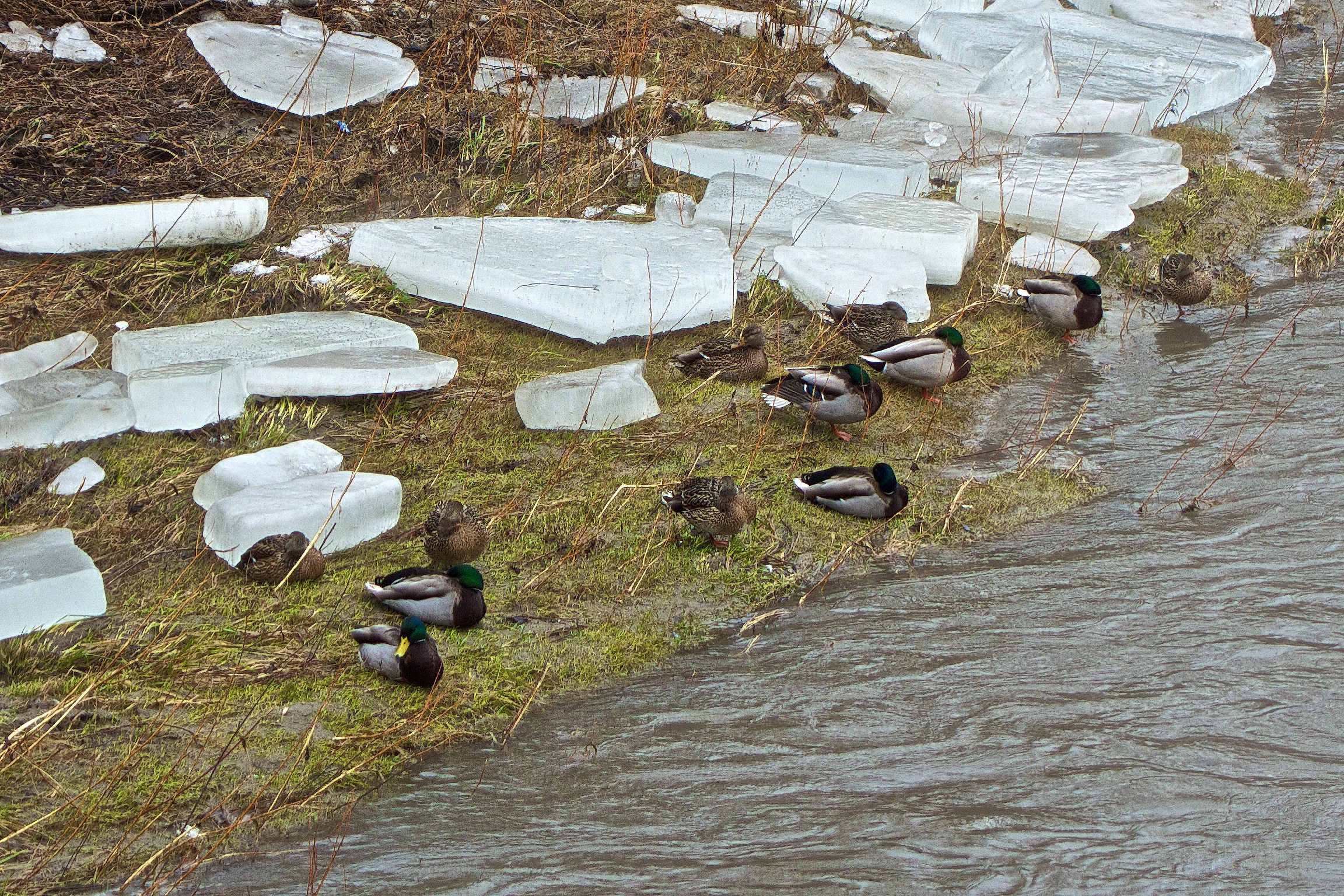
On the river, just past the curve, an ice jam has formed (I’m still waiting to see this happen). Ice blocks are piled up and will stick around until gradually melting away or, more dramatically, are lifted and dumped ashore by the rising river.
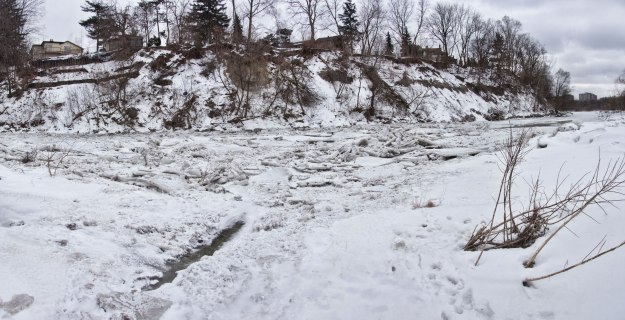
This panorama made from six images shows the end of the ice jam.
In summer when rain falls, much of it is absorbed by the ground. When ground is frozen or saturated, water drains quickly and river levels can rise dramatically thus precipitating the rapid break-up of an ice jam.










 Friends of Raymore Park