Category Archives: Wildlife

Transition time.

Raymore Park is at the exact latitude of Florence in Italy. Despite this, our climate is about 12°C (22°F) colder in winter because Florence has the Alps blocking the path of arctic weather. Our closest mountains of influence (the Rockies) usually block mild westerlies from the Pacific, leaving us vulnerable to cold northerly winds in winter. Although the Great Lakes provide a moderating influence, ours is a continental climate with short transitions between seasons. Land warms and cools quickly and seasons tend to advance (and retreat) without too much fanfare.

Wildlife is poised to return in force. Many animals are already on their way through migration. Monarch butterflies for example have already begun the trek from Mexico, each generation moving north as conditions permit. Billions of creatures in the park will spring to life from the seeds and eggs left behind by their ancestors, killed in the mass extinction that occurs every Fall. Atlantic salmon are preparing to spawn, triggered by rising water temperatures. Geese and other water birds are pairing up and aimlessly mooching around the river like teenagers in a shopping mall while plants are awaiting the signal that tells them it’s safe to emerge.
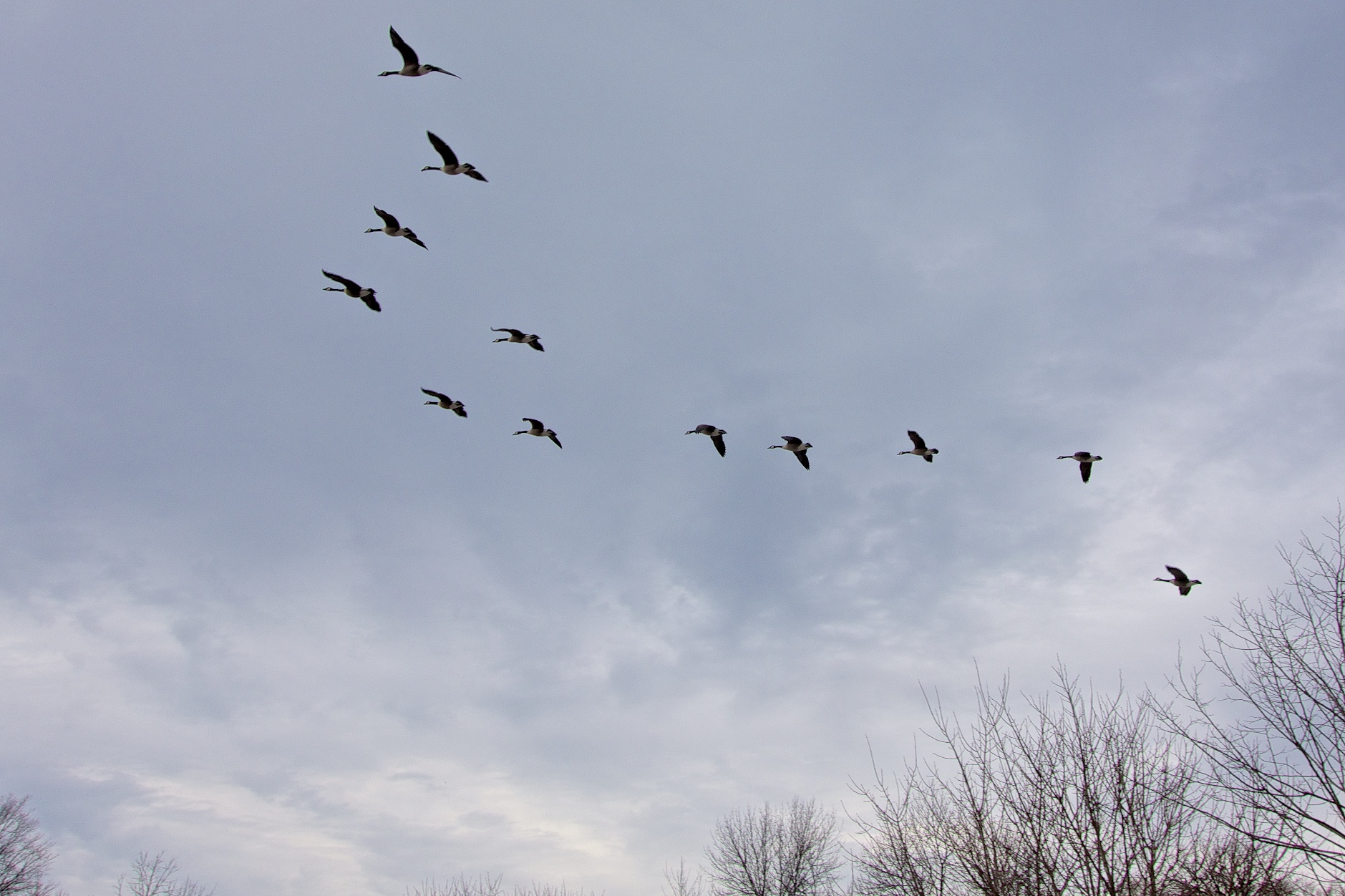
Mooching geese.

Mooching geese under a leaden sky.

Huge amounts of sediment laden water are draining off the land from tributaries all along the Humber. The ground is fully saturated ready to nourish plants when they start growing.
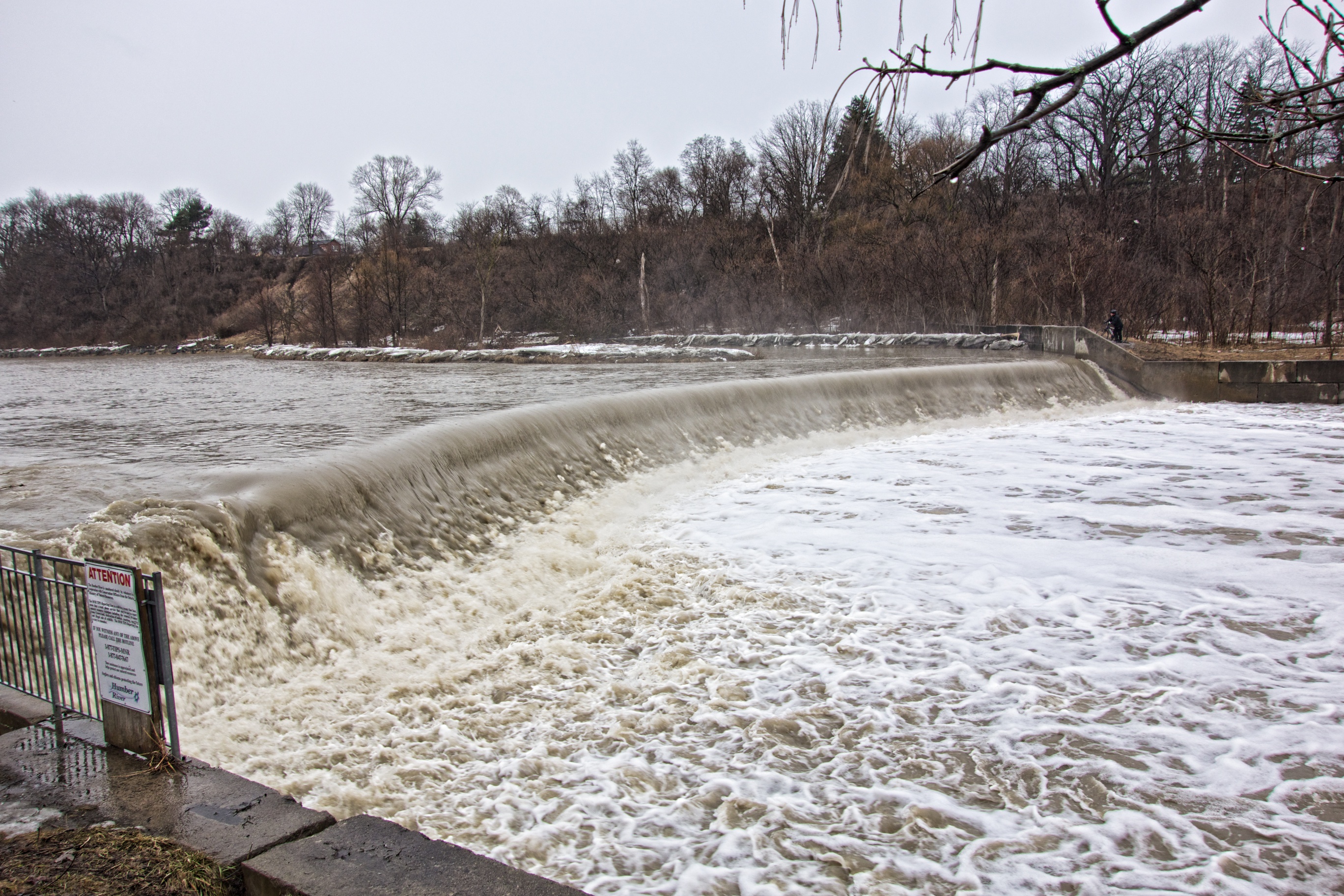
Huge amounts of water drain into the Lower Humber.

Huge amounts of water are draining into the Lower Humber.
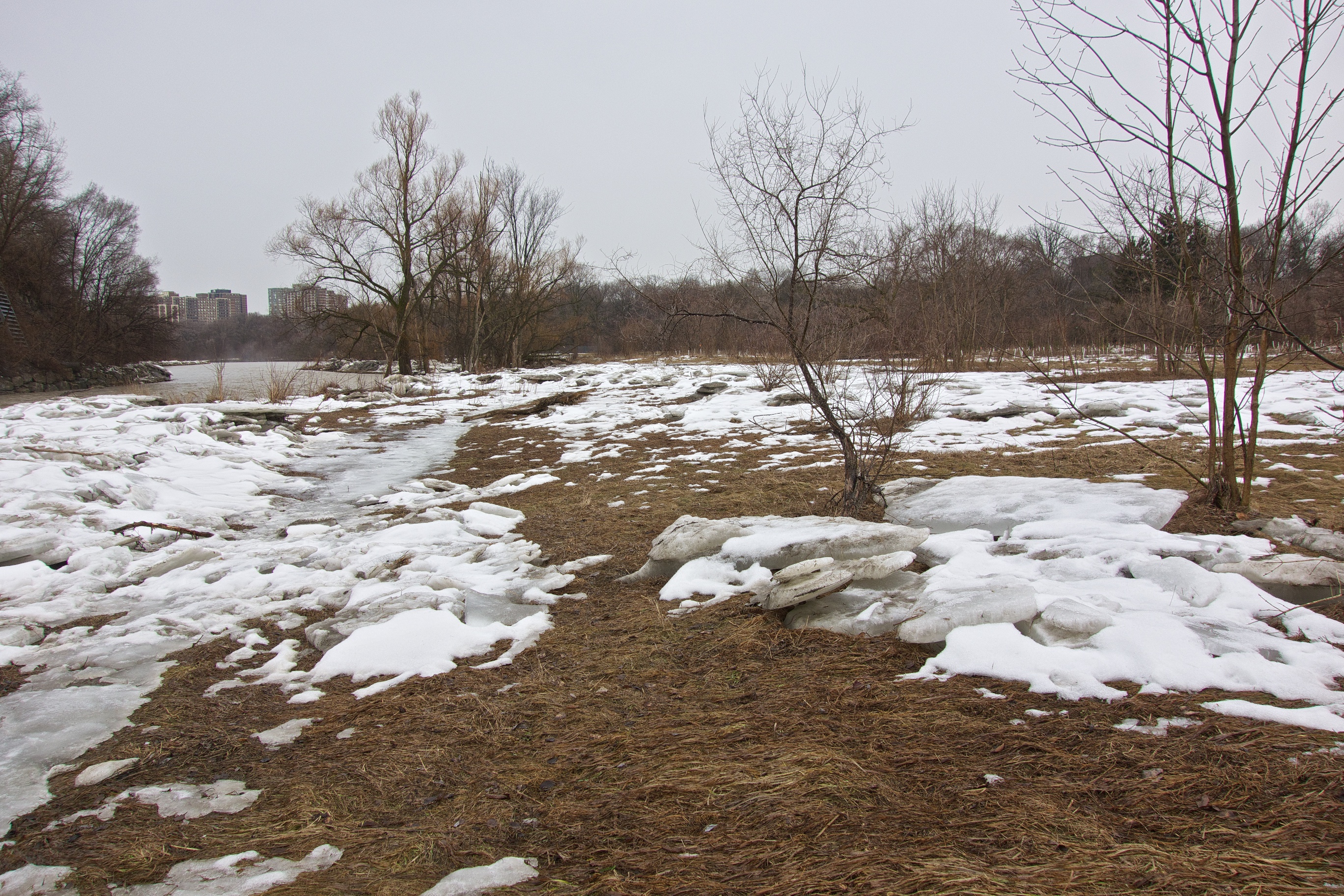
The land is saturated.

The land is saturated as snow and ice melt.

For now though, it’s quiet.

In praise of Staghorn Sumac

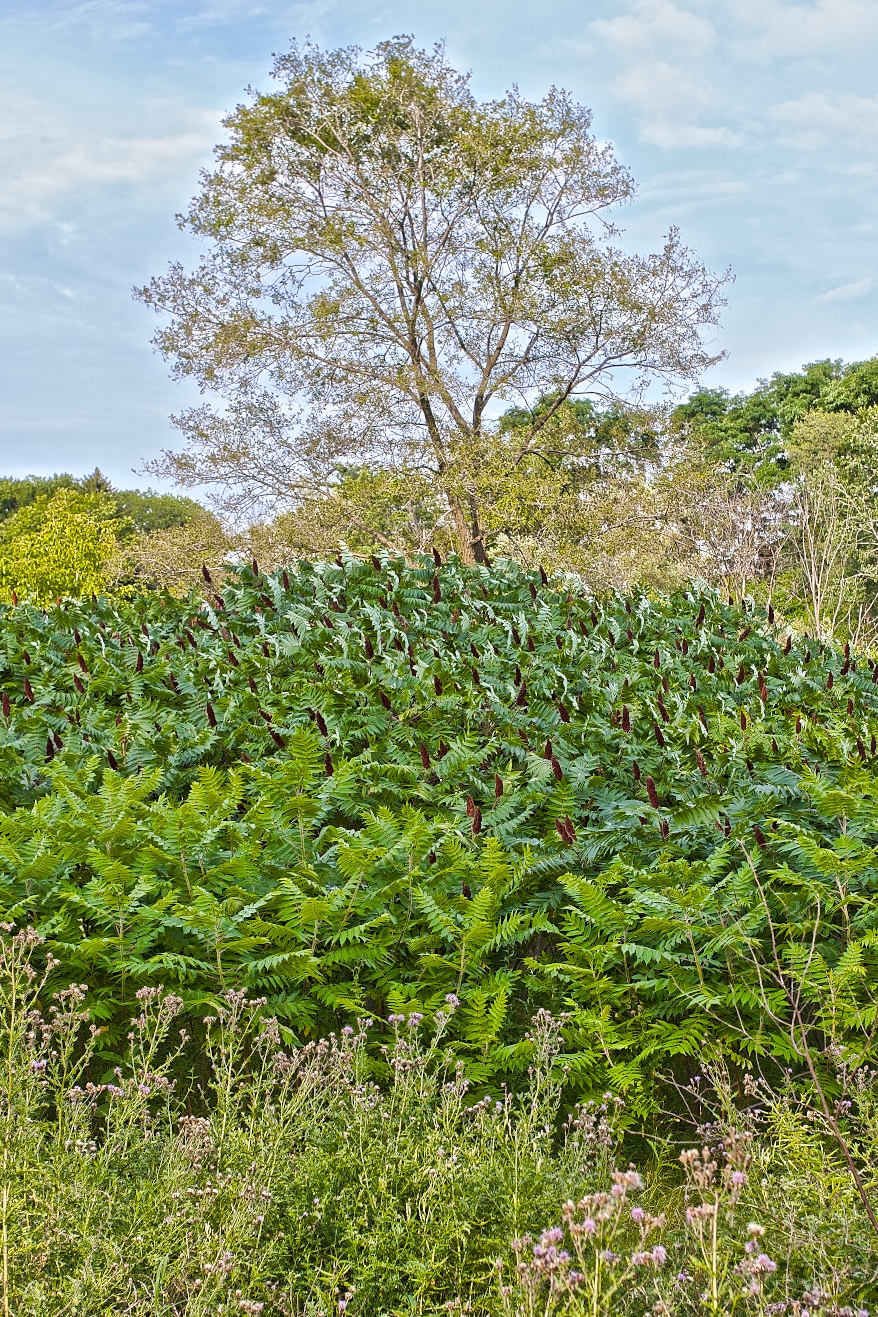
Staghorn sumac is a wonderful plant and there is lots of it in Raymore Park. What’s so wonderful?

For starters, it’s native and seems to be resistant to pests.

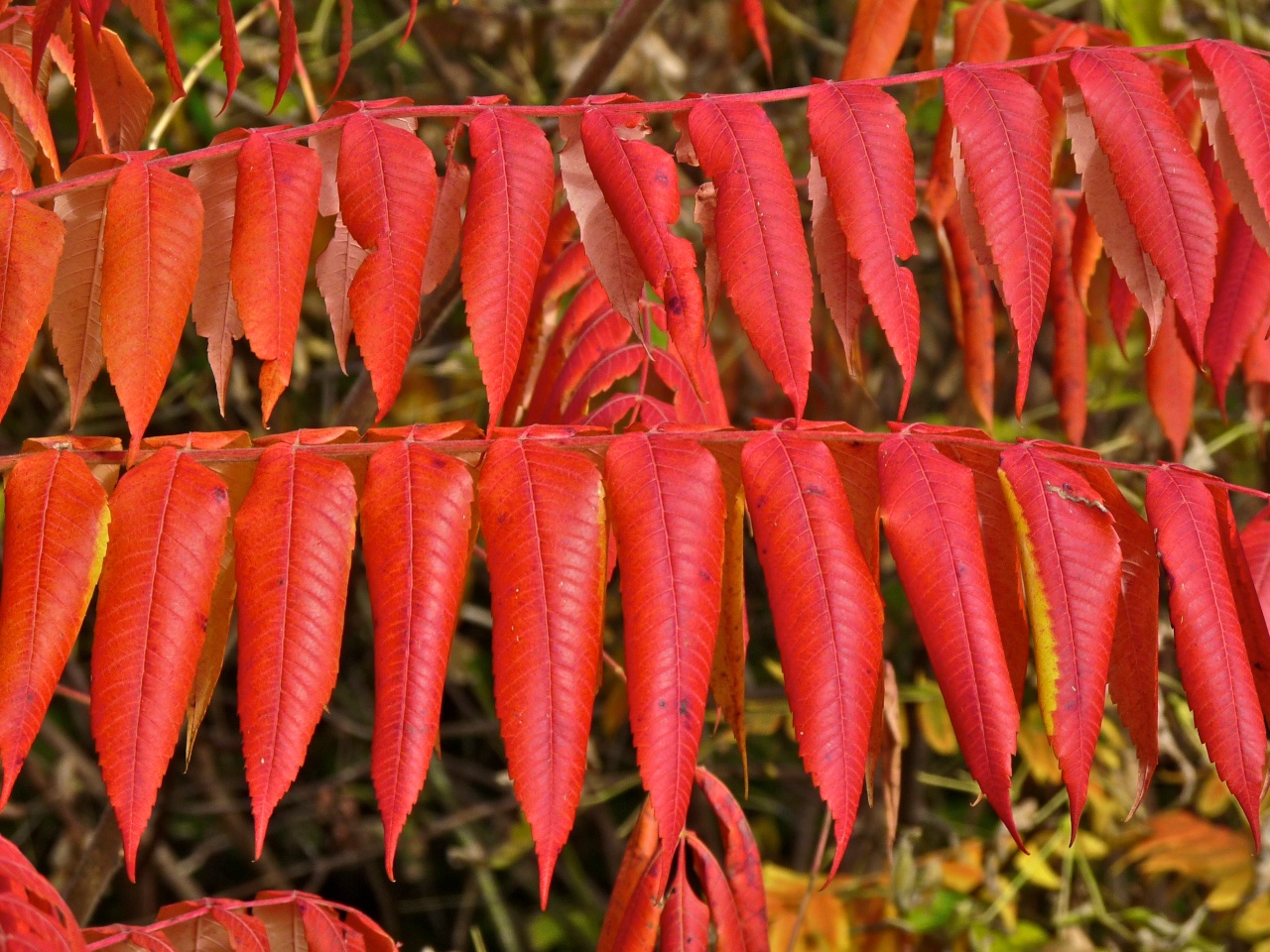
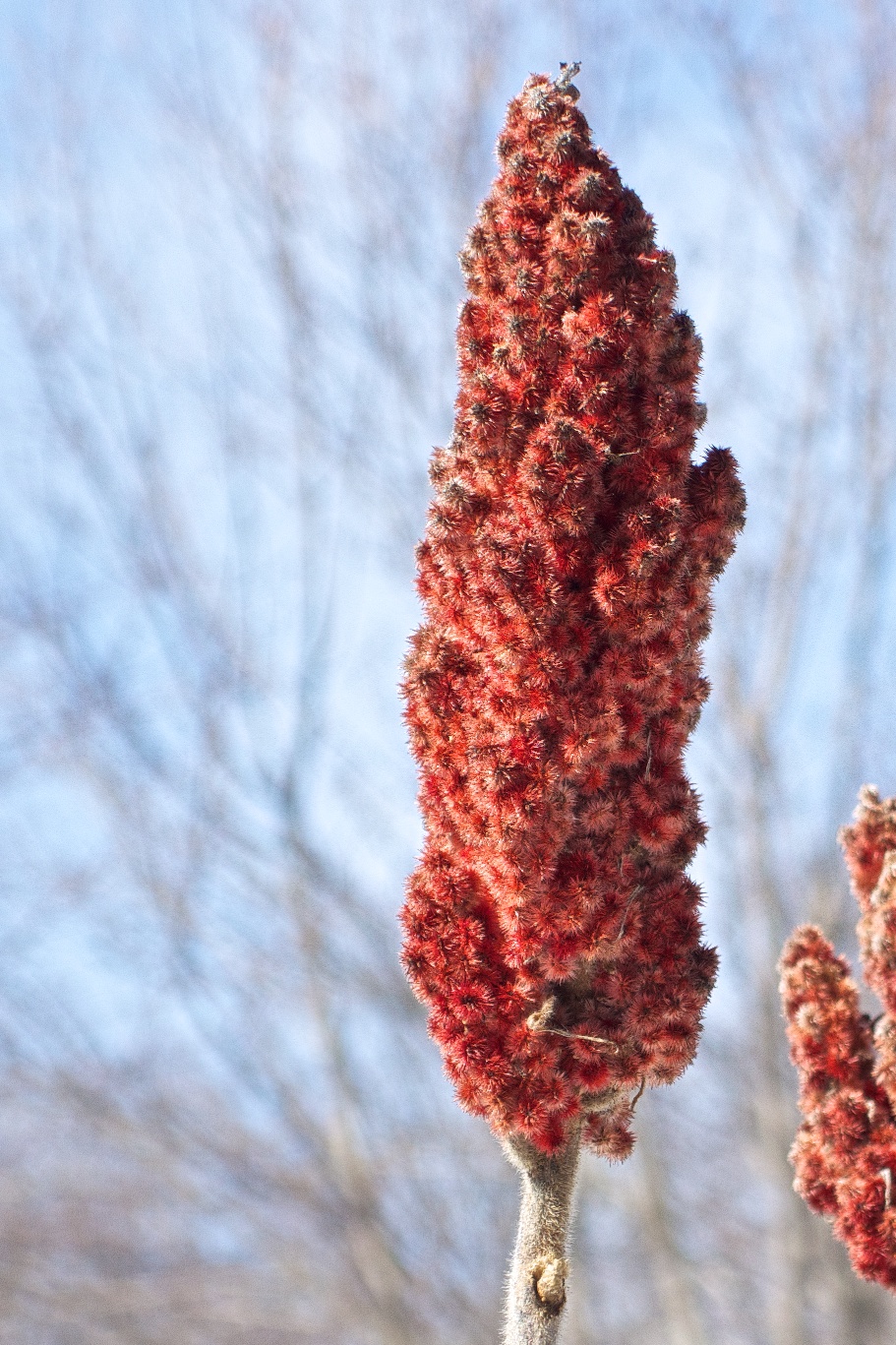
Second, it’s attractive with a kind of tropical look to it in the summer and a vivid red colouring in the fall. Its red flowers stay on the plant all winter.

A stand of sumac in summer.

A stand of sumac in the wild area in August.

Sumac in mid-October.

Sumac, brilliant in mid-October.

A sumac flower (March 9, 2013).

A sumac flower – note the velvet on the stem that gives the ‘staghorn’ name (March 9, 2013).

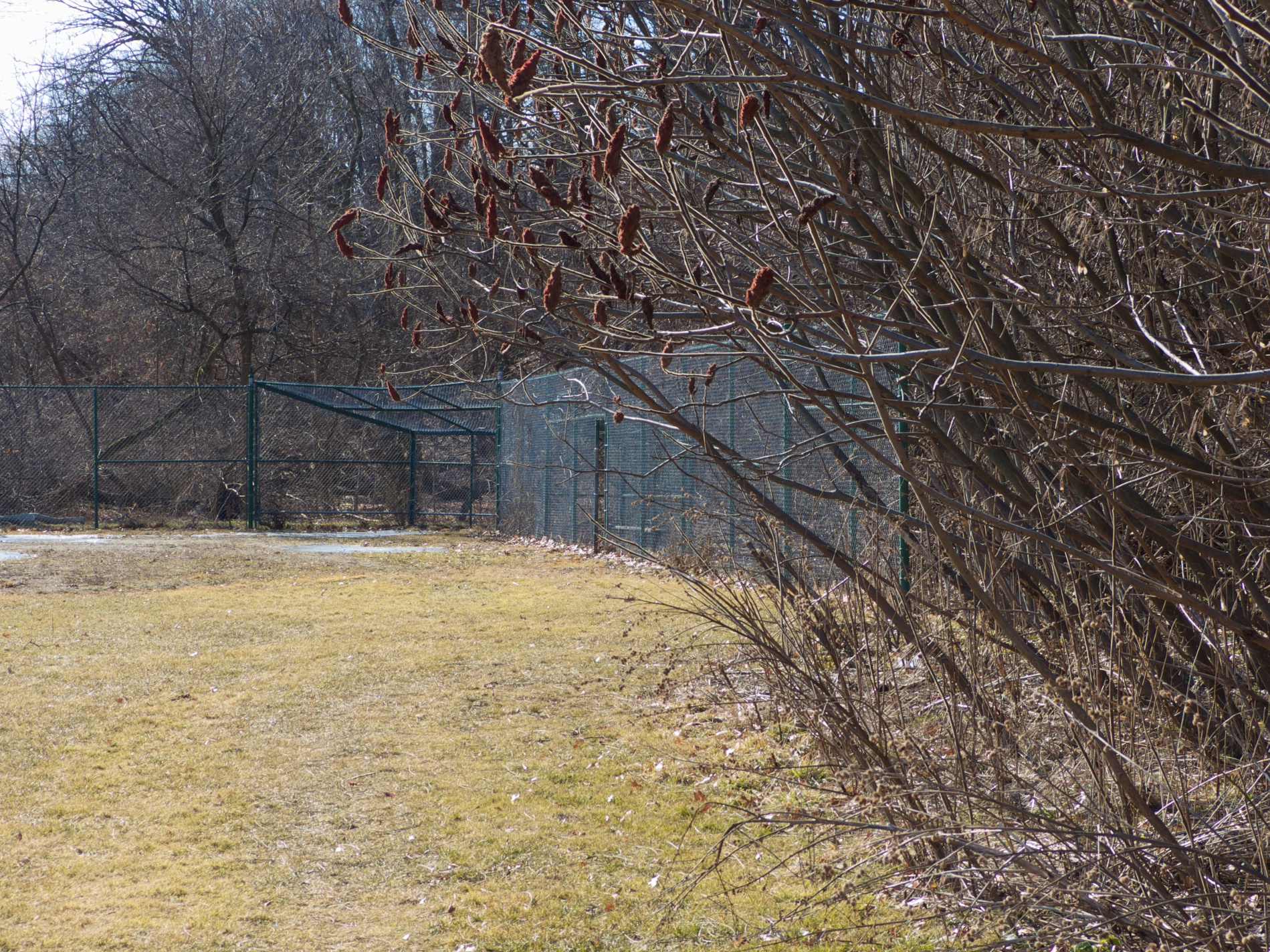
Third, it benefits wildlife by encroaching, in spite of human efforts to control it. Mowers have to give encroaching sumac an ever-wider berth as sumac leans out as it grows, allowing the roots to put out new shoots. Its deep shade starves less worthy plants of sunshine.

This disused baseball diamond is turning into woodland (slowly).

This disused baseball diamond is turning into woodland (slowly).

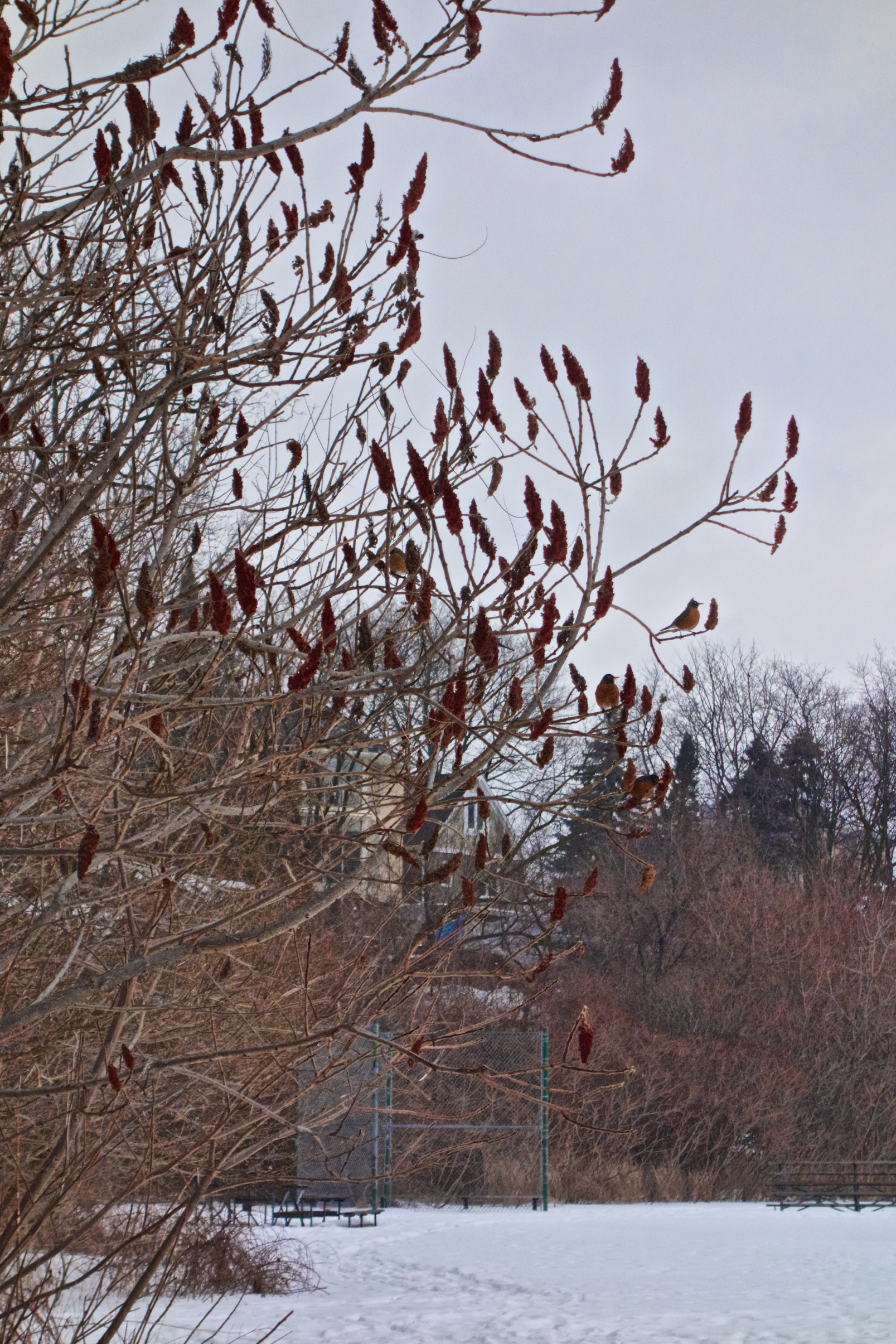
Fourth, it supports a variety of native wildlife from the insects that feed on its nectar to birds feeding on the flowers that stay throughout the winter. Deer along with other mammals eat the foliage and branches.

Count the robins enjoying a winter meal.

Count the overwintering robins enjoying a meal.

Ducks have returned

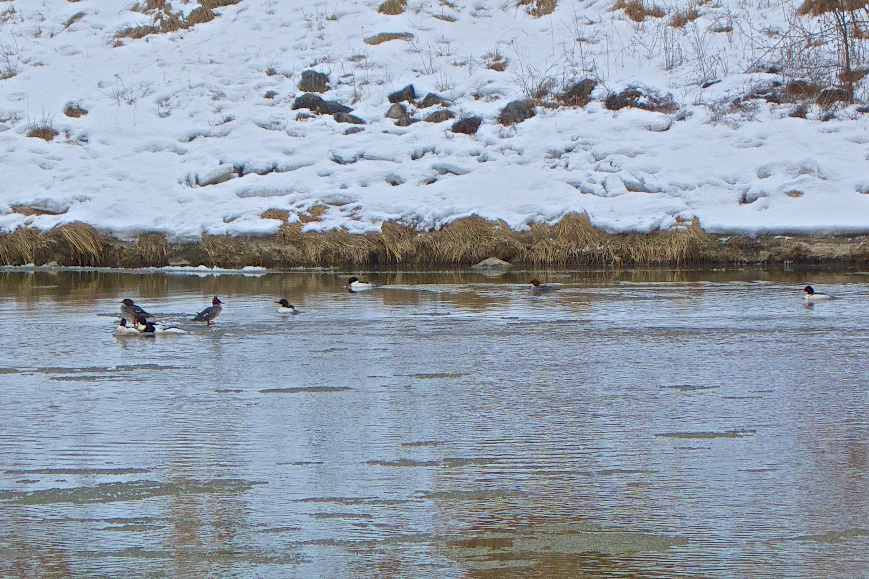
Shy ducks enjoy open water.

Shy ducks enjoy open water.

The river has cleared itself of ice and spring is around the corner. Ducks are now in evidence dodging chunks of ice as they look for food.

In addition to the many mallard ducks that can be seen in Raymore Park, there are some that are elusive and defy identification (at least by me). The mallards have unfortunately been trained to come for food while other breeds wisely stay well clear of humans.

Can anyone identify these ducks? This was as close as I could get with my puny 3.6x zoom.

Reflections

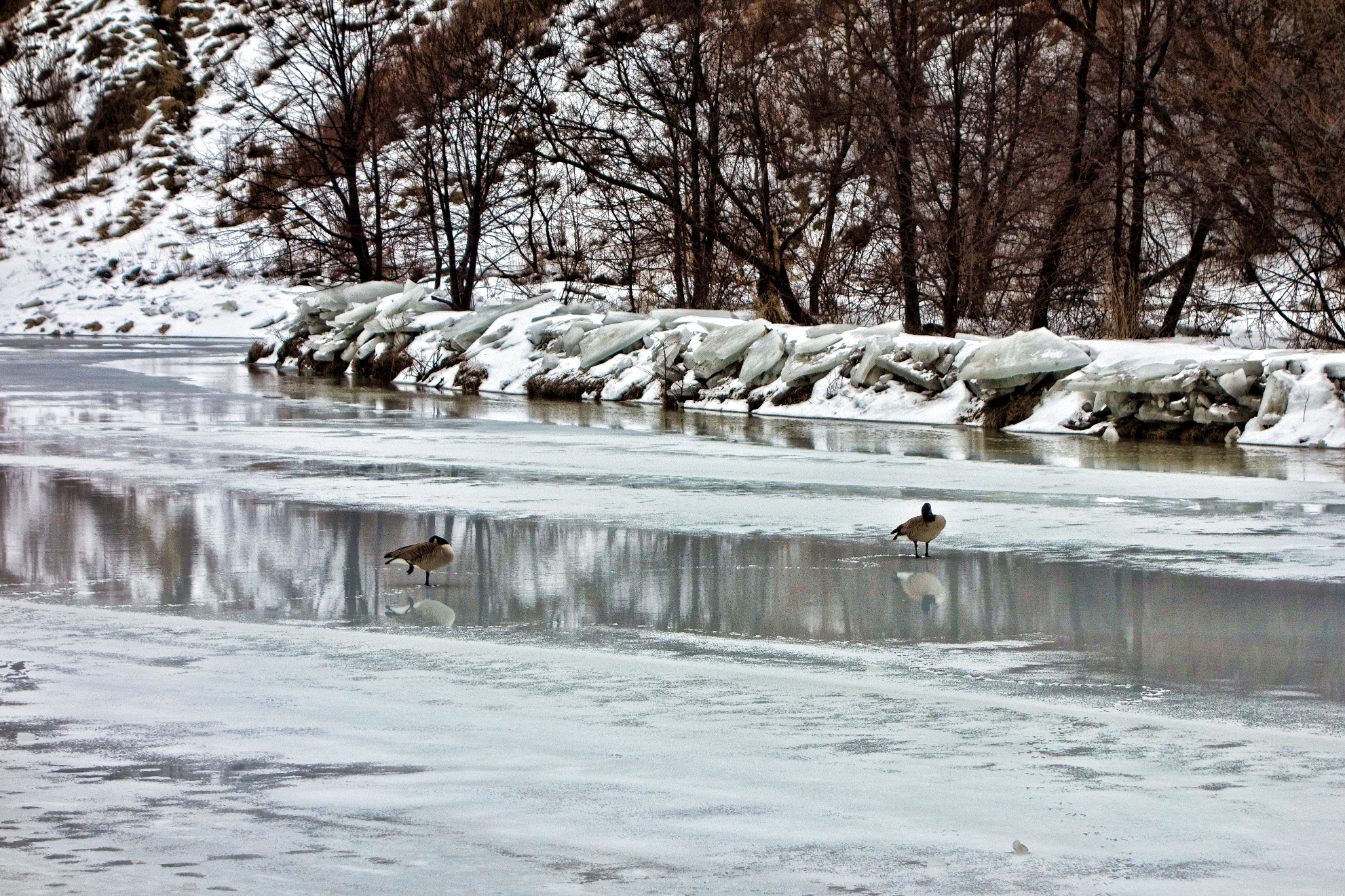
Yesterday was a sloppy slushy rainy day with rain and mild temperatures. A pair of geese standing on wet ice in the river prompted a quest for reflections. The closer one was quite relaxed and was in its sleeping position.

A pair of Canada Geese spend some quiet time on the river.

A pair of Canada Geese spend some quiet time on the river.

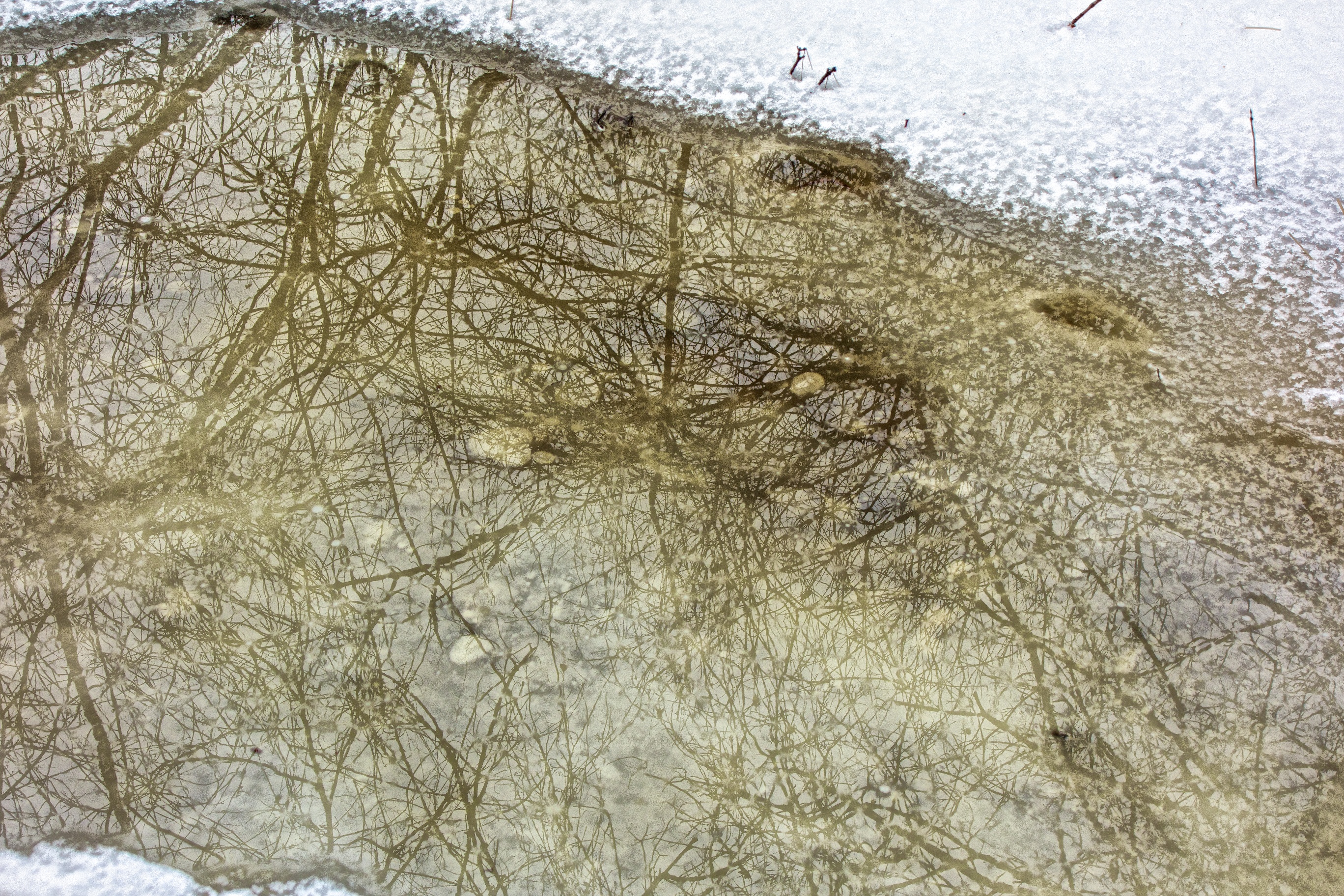
Large pools of water form in depressions.

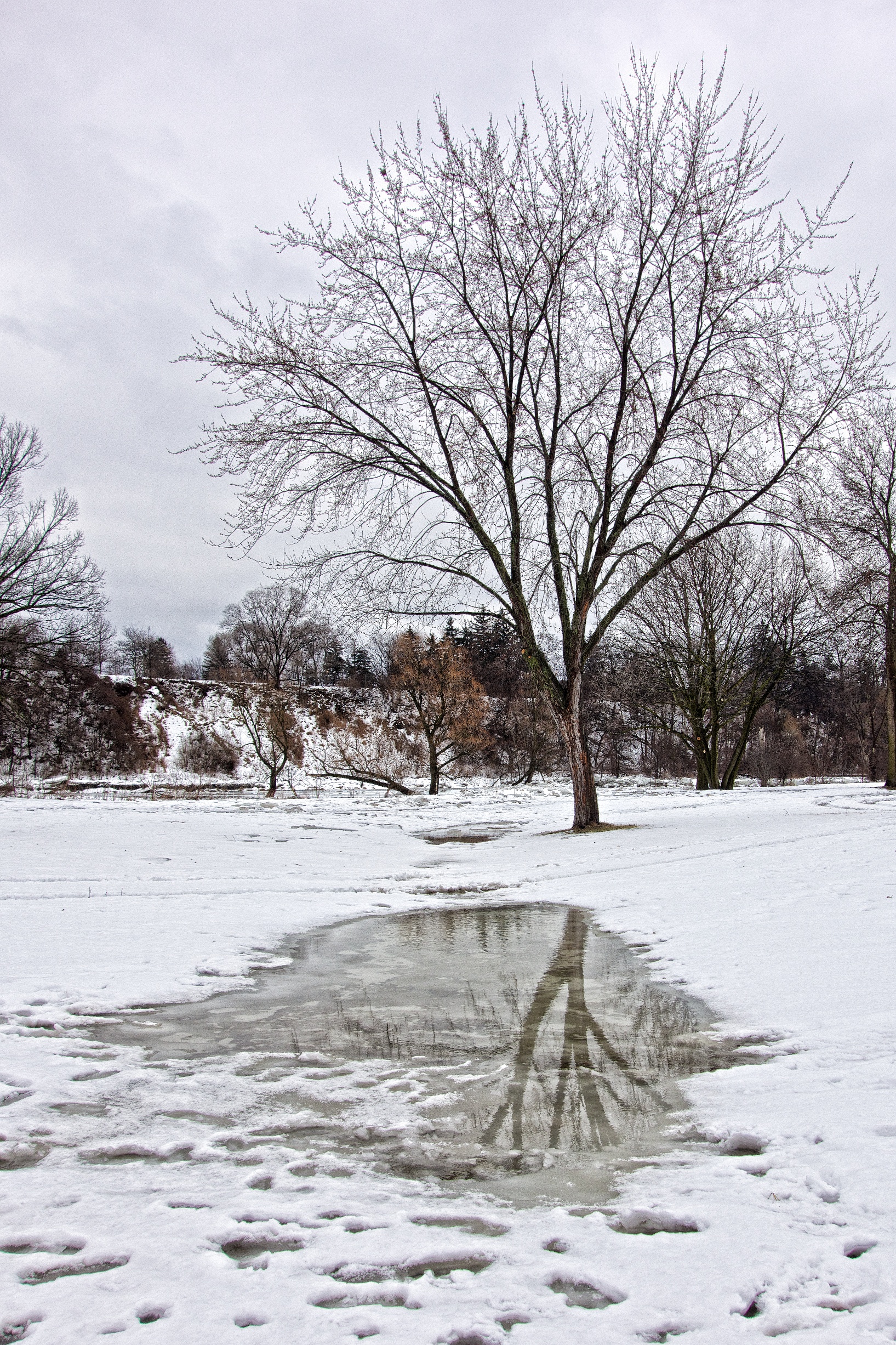
Large pools of earth-tinted water form in depressions allowing another view of the trees.

A maple is mirrored in slushy water.

A maple is mirrored in slushy water.

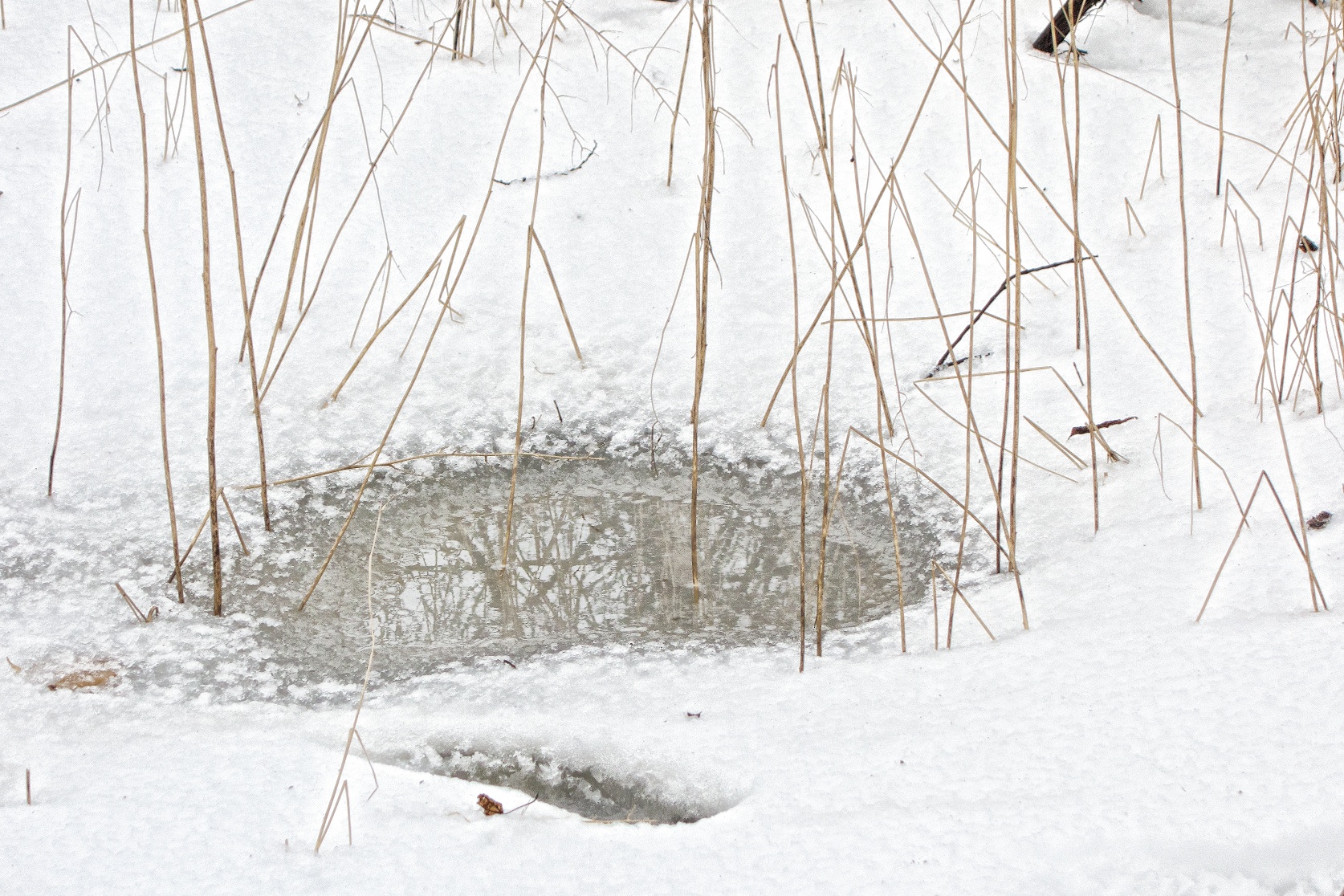
Last year's grasses stand by a small depression.

Last year’s grasses stand around a small depression.

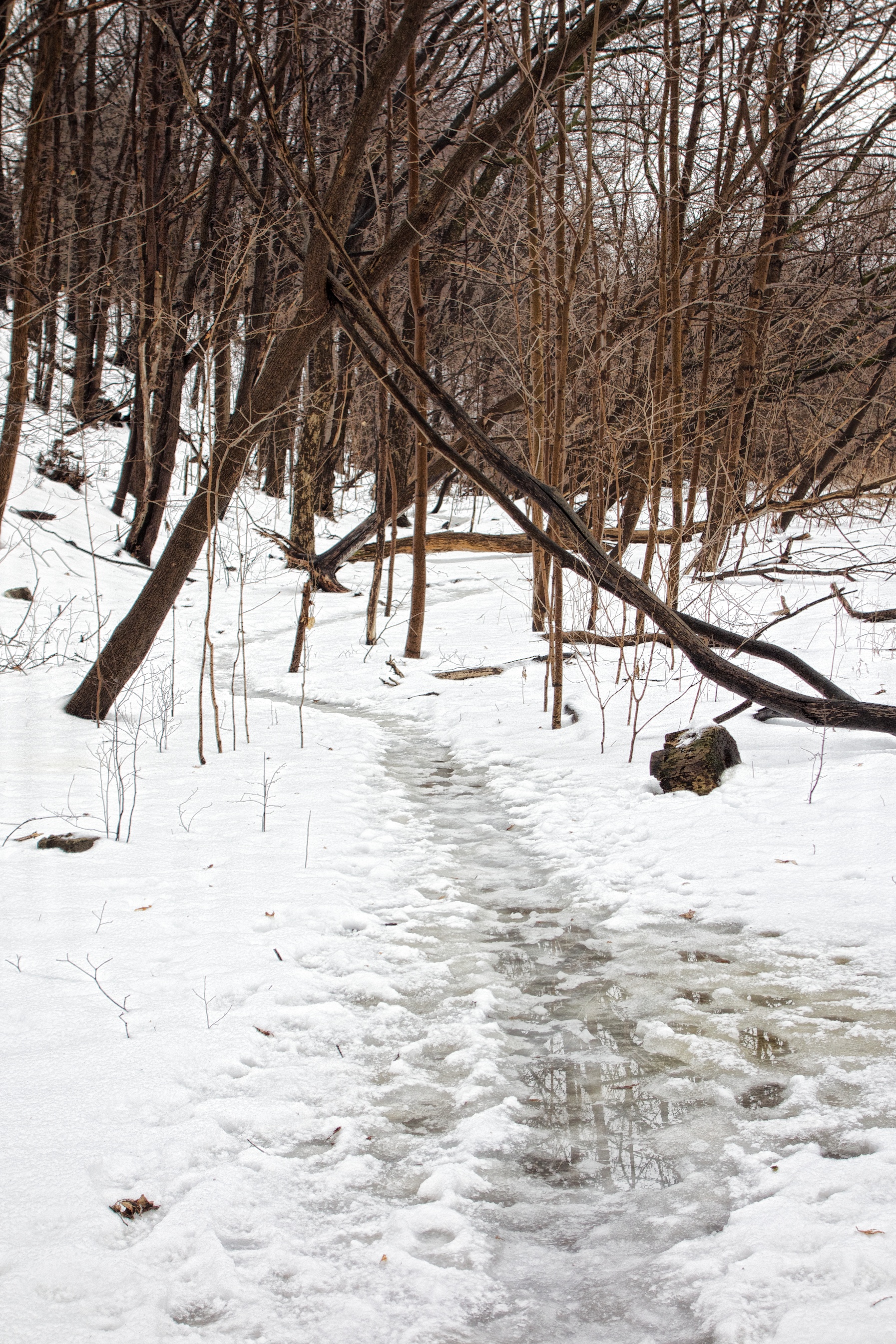
Wet branches are more colourful in the rain.

Wet branches are darker and more colourful in the rain.

Tracks and textures

After a couple of days absence from the park it was good to be back outside again. The last couple of days were bone chilling with wind chill readings below -20°. Mugsey and I had to make do with the treadmill.

The sun feels so much stronger now – the U.V. index for today was 3 and you can pretty well double that when walking in snow. The temperature however ensures that only the ‘bare’ minimum of flesh is exposed.

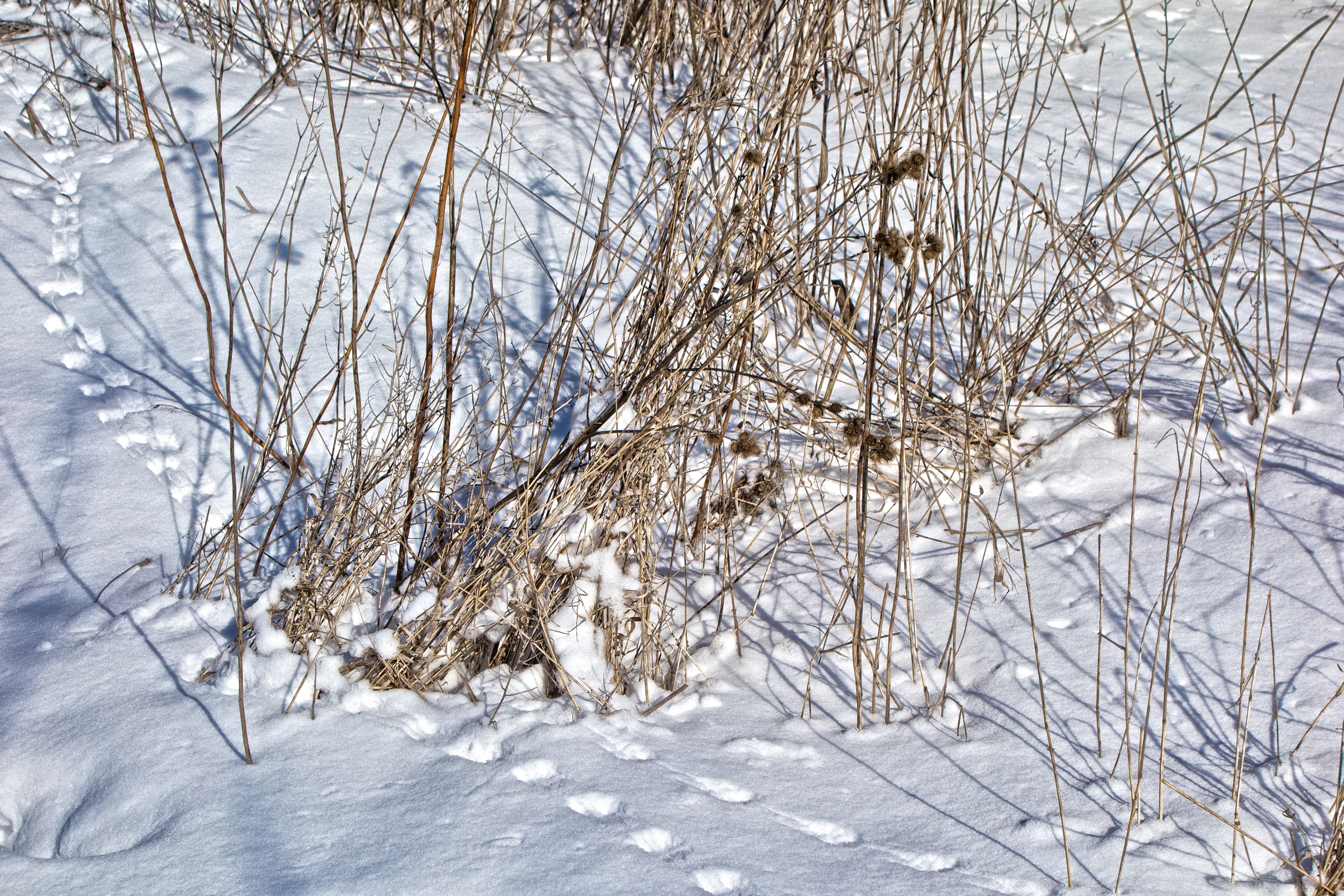
A fresh fall of snow allows a clean slate for tracks in the snow – these look to be from a mouse or other tiny creature.

One tiny animal with tail leaves tracks by some burdock and dog strangling vine

A tiny animal with a tail comes and goes through some burdock and dog strangling vine.

As with a large number of trees, many of the plants in the park are also foreign invaders. Dog strangling vine is one of these and unlike invasive species that are quite attractive such as purple loosestrife or phragmites (a tall feathery grass), DSV is as attractive as its name. More about invaders another time.

DSC00940

In the background, downed trees have been stacked by floodwaters to form a natural fence along the riverbank.

Old and new together.

Old and new together.

Textures, invaders and regeneration

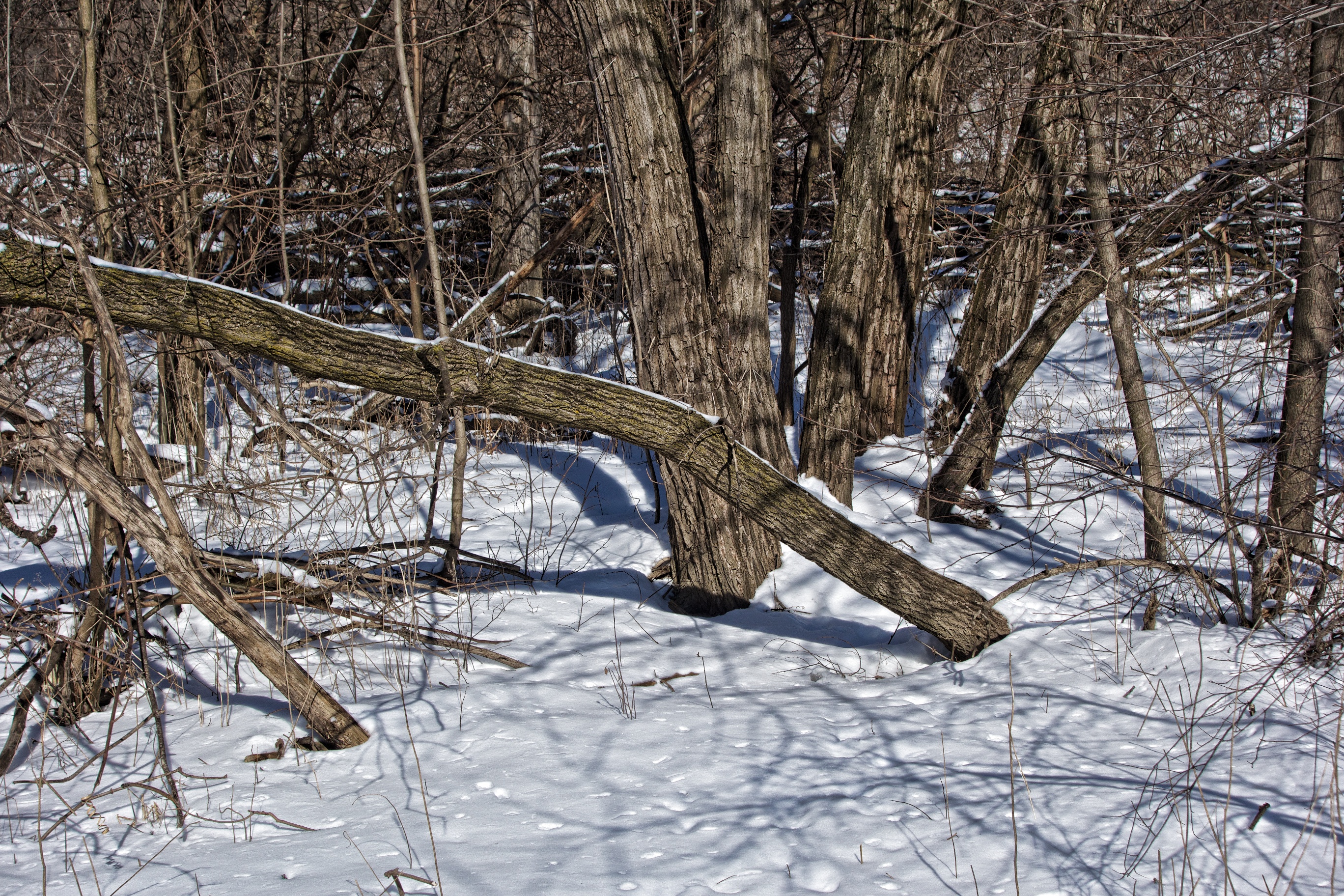
Trees come and go in the park whether they are felled by old age, ice or by the latest foreign invader, new ones rise up and take their place. Many of the new ones are foreign invaders themselves.

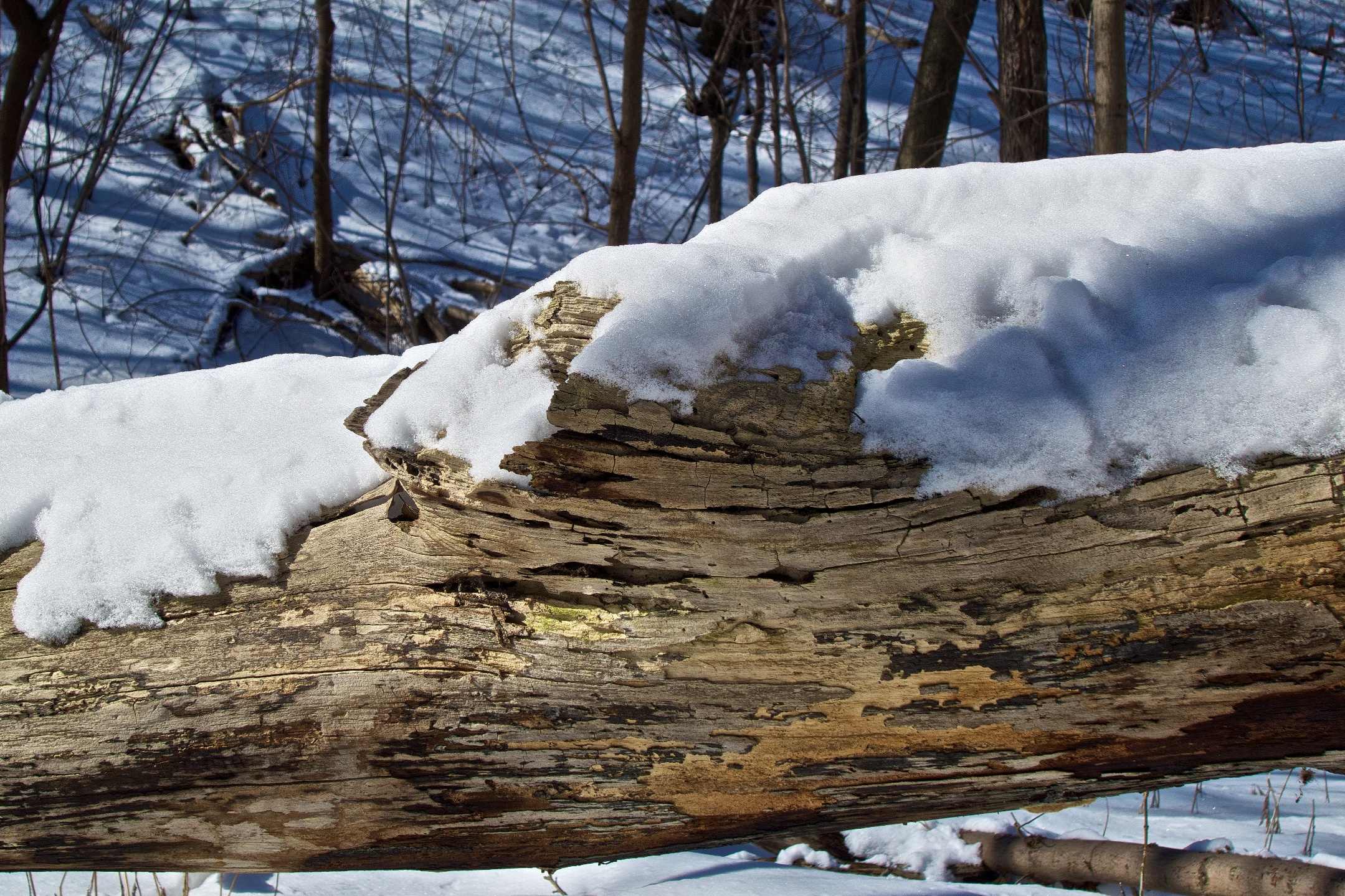
Old wood returns to the earth surrounded by new growth.

Old wood slowly returns to the earth and feeds new growth.

Norway Maples have become ubiquitous in Eastern Canada – even to the point of having their leaf on our currency. They have been in Canada for hundreds of years and are able to grow more quickly and produce leaf earlier in the season than native trees. In addition, their shallow roots and dense shade have a smothering effect on native tree seedlings. As for Siberian / Chinese Elm, I can honestly say I must have killed thousands of saplings in their attempts to establish a beachhead in my back yard.

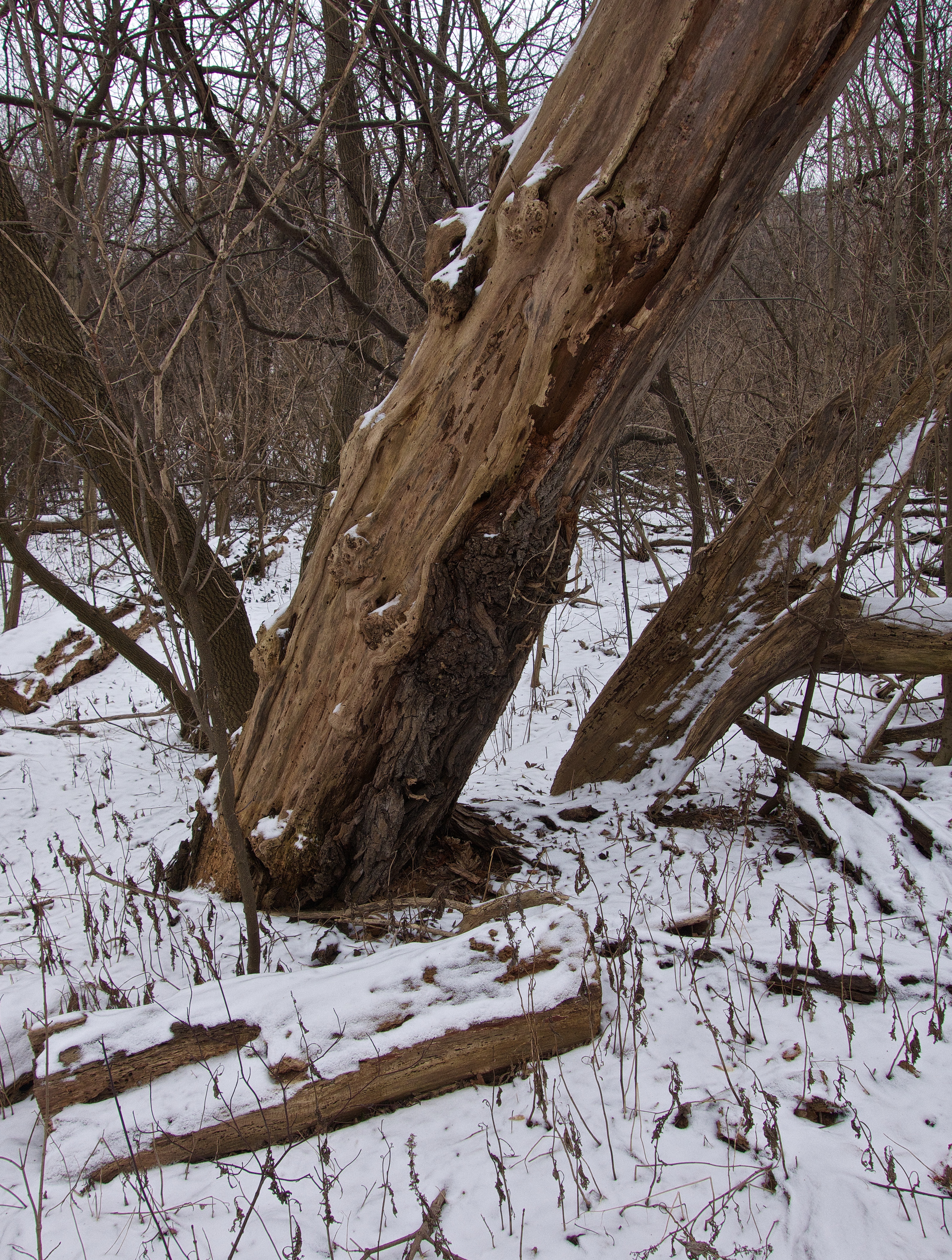
An old Norway Maple whose days are numbered.

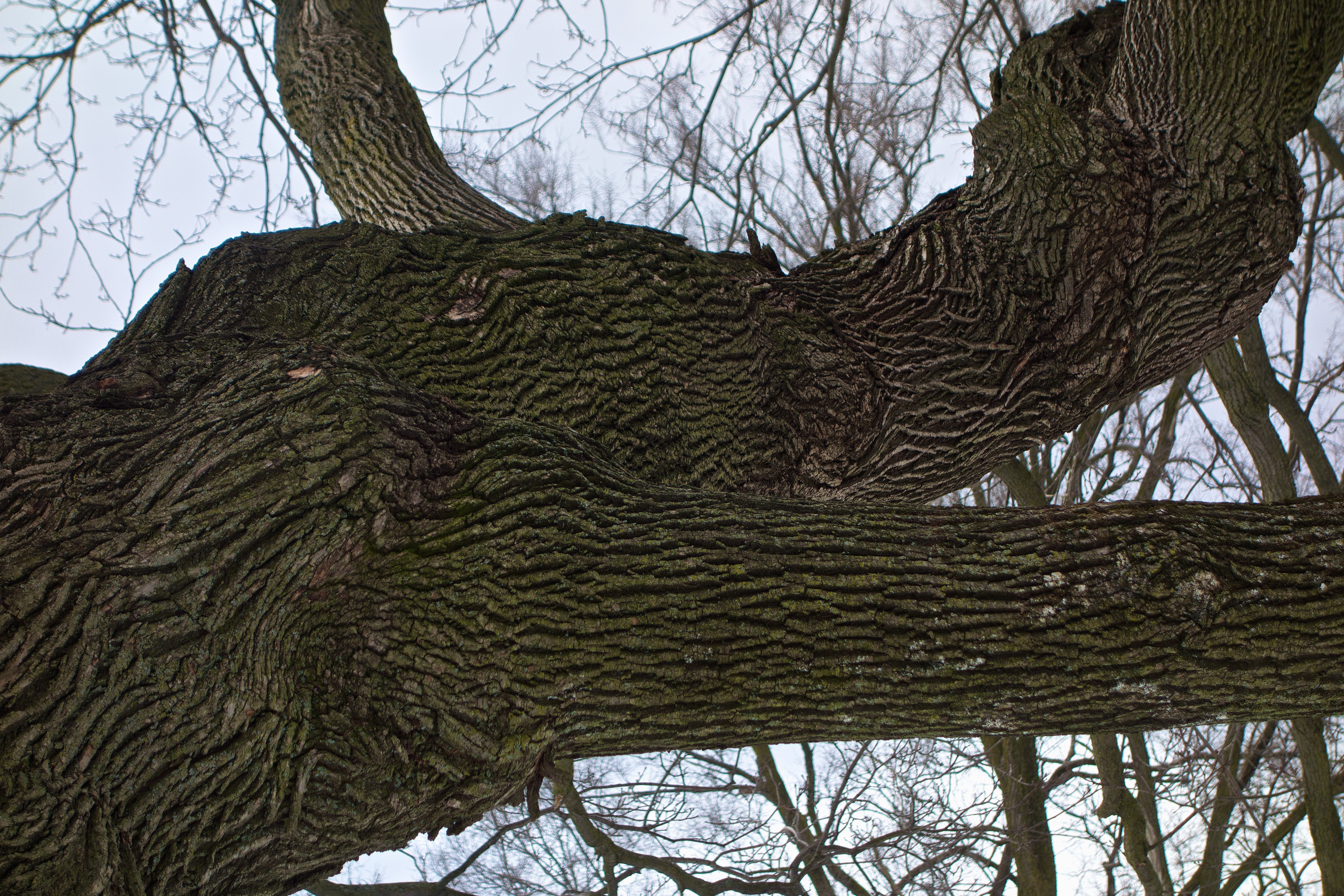
An old Norway Maple with beautiful textured bark.

This old Norway Maple provides wonderful summer shade to cars in the Raymore parking lot but its age is showing and its hollowing interior has become home to more than a few squirrels. It drops the occasional limb now and then and will soon become a victim of old age. Unfortunately its replacement (if any) will take many years to provide the same cover. Hopefully the replacement will be from a native species.

Across the path from the parking lot attempts have been made to mass plant native trees and shrubs with varying degrees of success. Part of the problem is that the saplings (thanks to the availability of student labour) are planted at the hottest time of year. Last summer, a substantial batch of saplings was delivered to the planting site and left in plastic bags for a day in hot sunshine before being carefully planted. Needless to say, thanks to bad planning, only a tiny fraction survived, wasting a whole lot of time, effort and money.

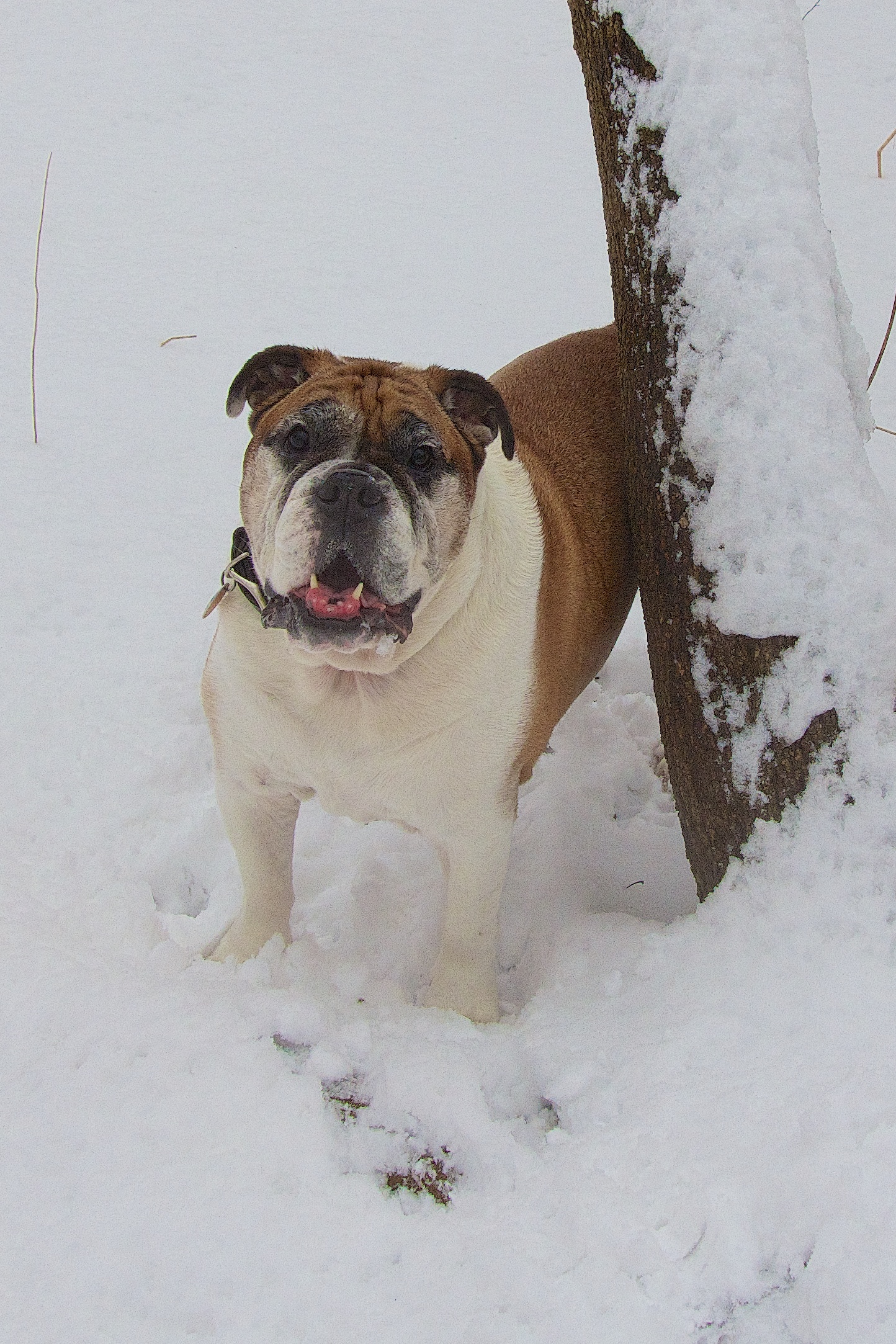
Mugsey mugs for the camera.

Today is a grey and misty day as the latest warm front has arrived dumping snow, freezing rain and now plain old rain. Mugsey decided he would scratch himself on a tree and he posed nicely for the camera.

Mugsey loves the snow - can you tell?

Mugsey loves the snow – can you tell?

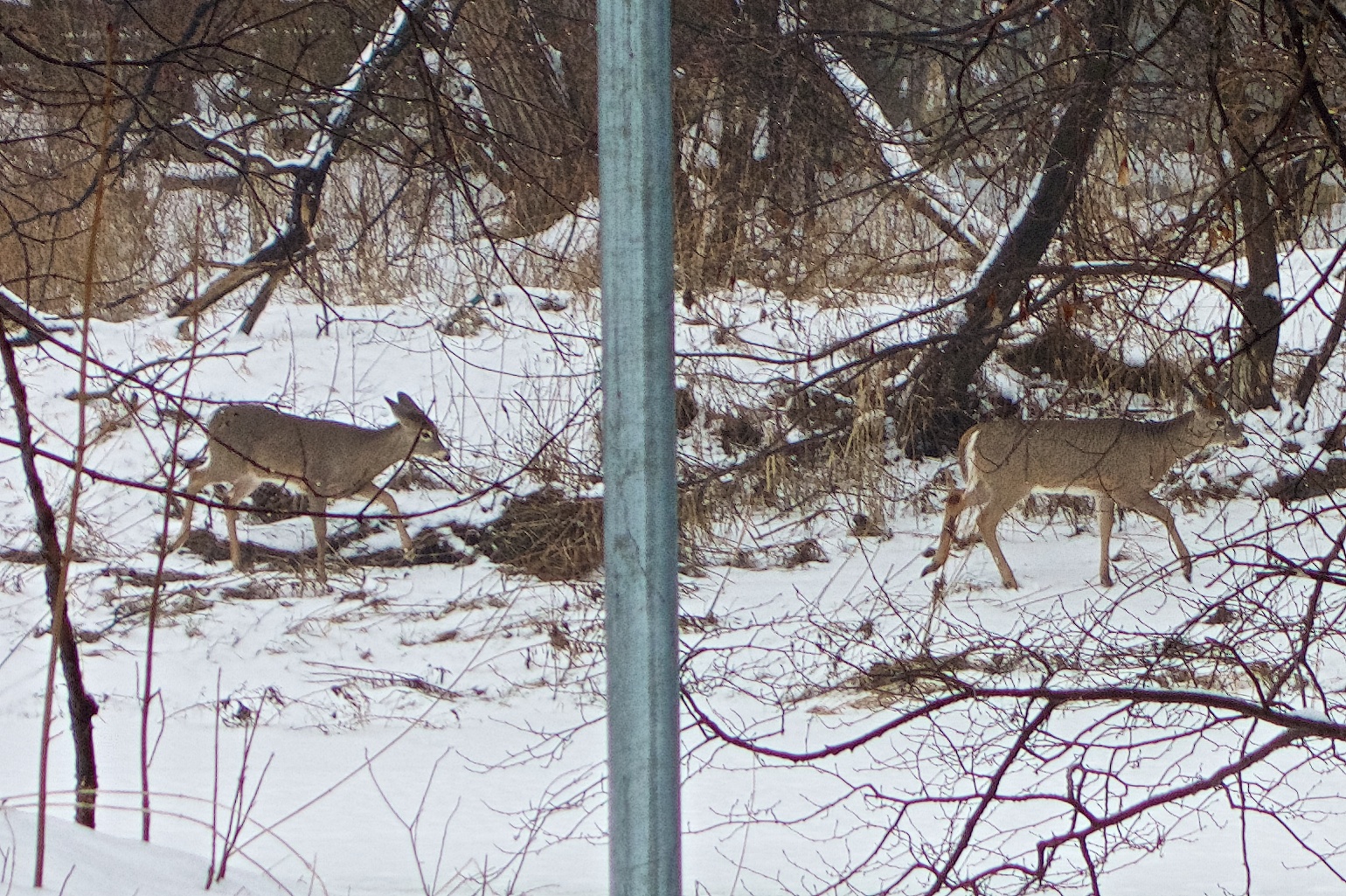
As we were passing by the bridge, a pair of young white-tailed deer moved silently past on the other side and cautiously crossed over the ice into Raymore Park. Even though the zoom on the RX100 is only 3.6, the sheer number of pixels (5472 x 3080) allows for some zooming at home – especially in this medium.

Sorry about the pole in the middle of the picture.

Apologies for the pole in the middle of the picture.

There is lots of feed above the shallow layer of snow to keep them going – we’ve had a pretty easy winter so far with rain and mild temperatures predicted for tomorrow and especially Wednesday (13°C).

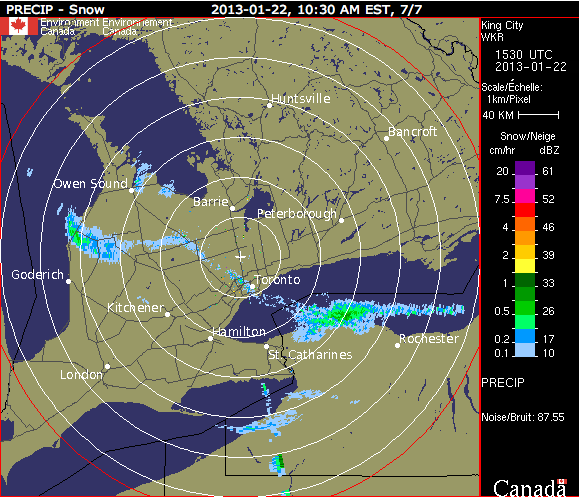
A finger of snow

Screen Shot 2013-01-22 at 1.22.17 PM

A narrow but persistent finger of snow has been streaming from Lake Huron down to Toronto all morning and has given us several centimetres of snow. Coupled with a temperature of -14°C, and a wind chill of -21°C, this makes for a tough day for wildlife which seems to have completely disappeared apart from the occasional deer and squirrel.

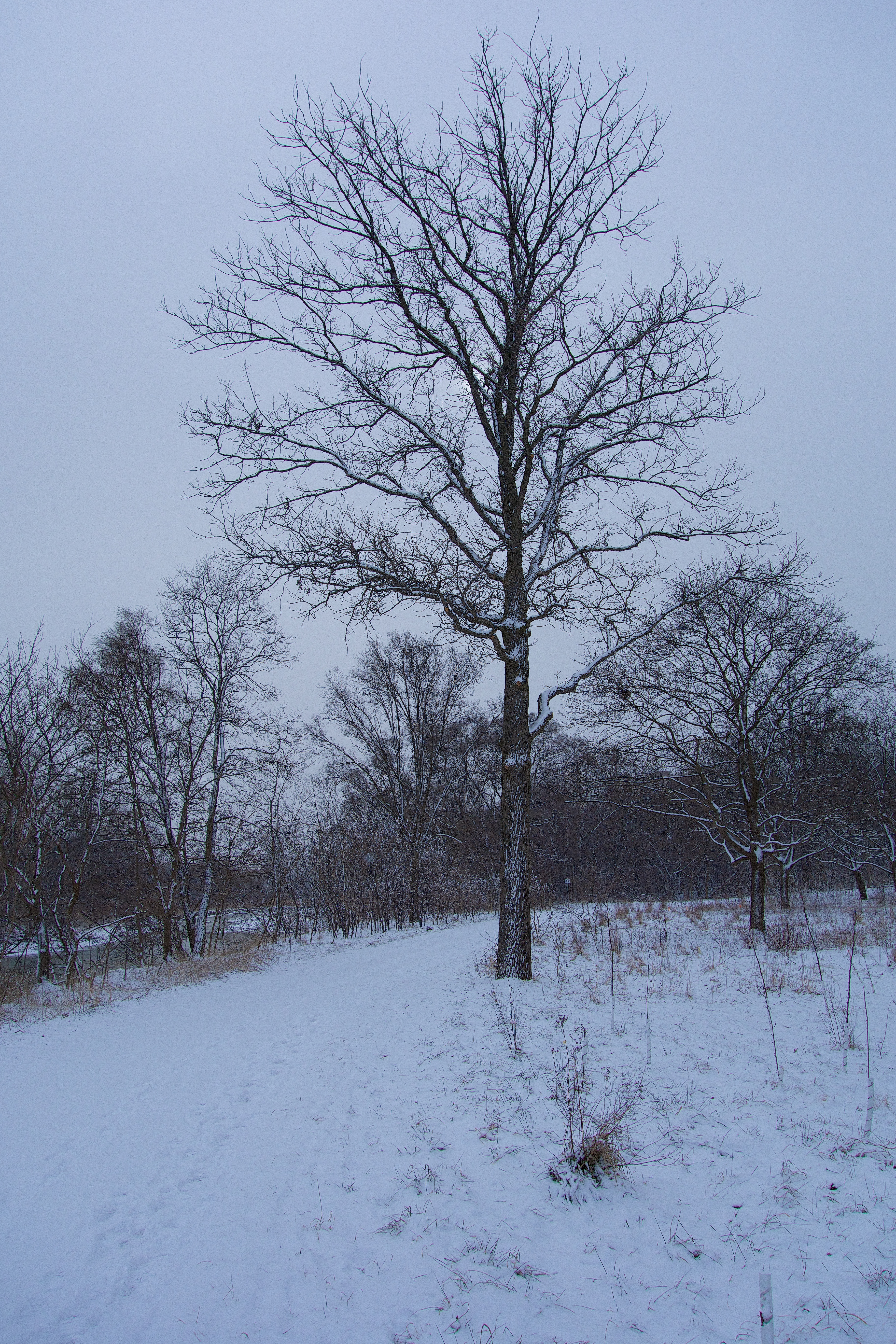
Looking south just before Humber Creek.

2013 01 22, Looking south just before Humber Creek.

Hawk checks out Mugsey

2013 01 16

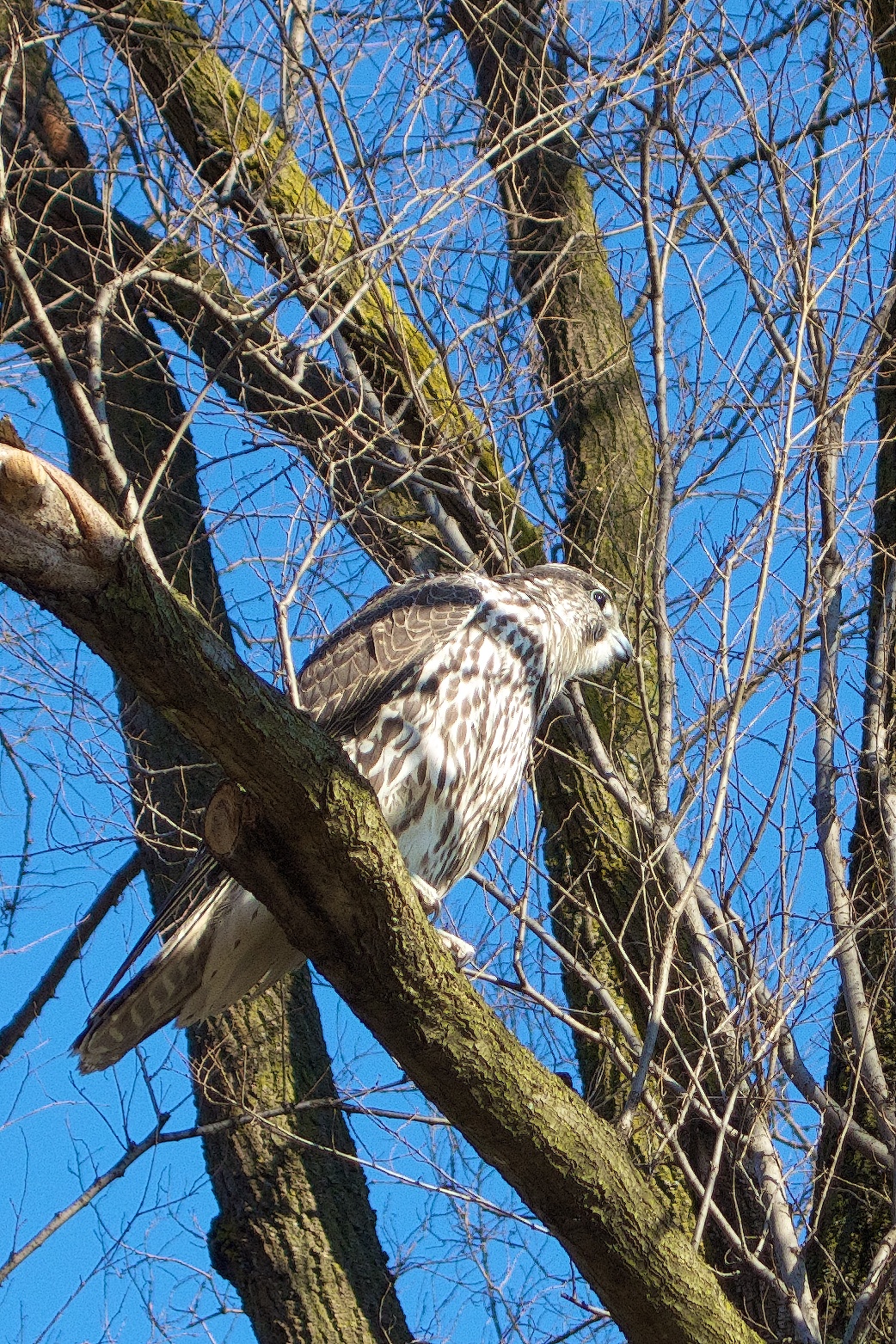
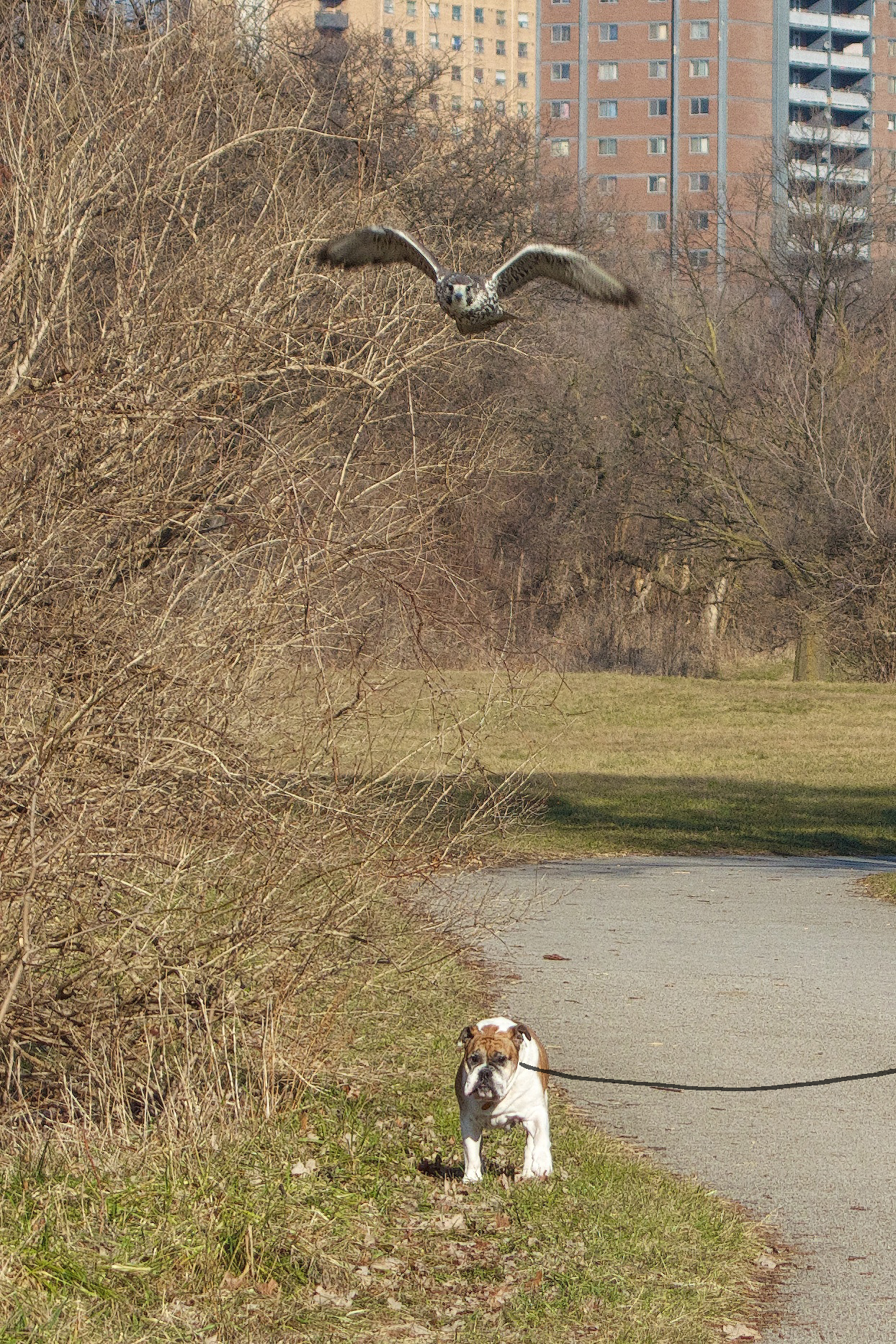
Our dog Mugsey weighs about 80lbs. He was being sized up today by (what I believe is) a red-tailed hawk which followed us down the park trail this morning.

I spy some food.

I spy some food.

The hawk made several low passes over Mugsey before deciding that he was a little too heavy for an in-flight snack. I was lucky enough to photograph the last of the food survey missions as it then sailed off to the south, looking no doubt for lighter fare. As they say, the best camera is the one you have with you. This little Sony RX100 is small enough to carry in a pocket yet has a large enough sensor to produce some outstanding images.

Wishful thinking...

Wishful thinking…Mugsey plods on, blissfully unaware.

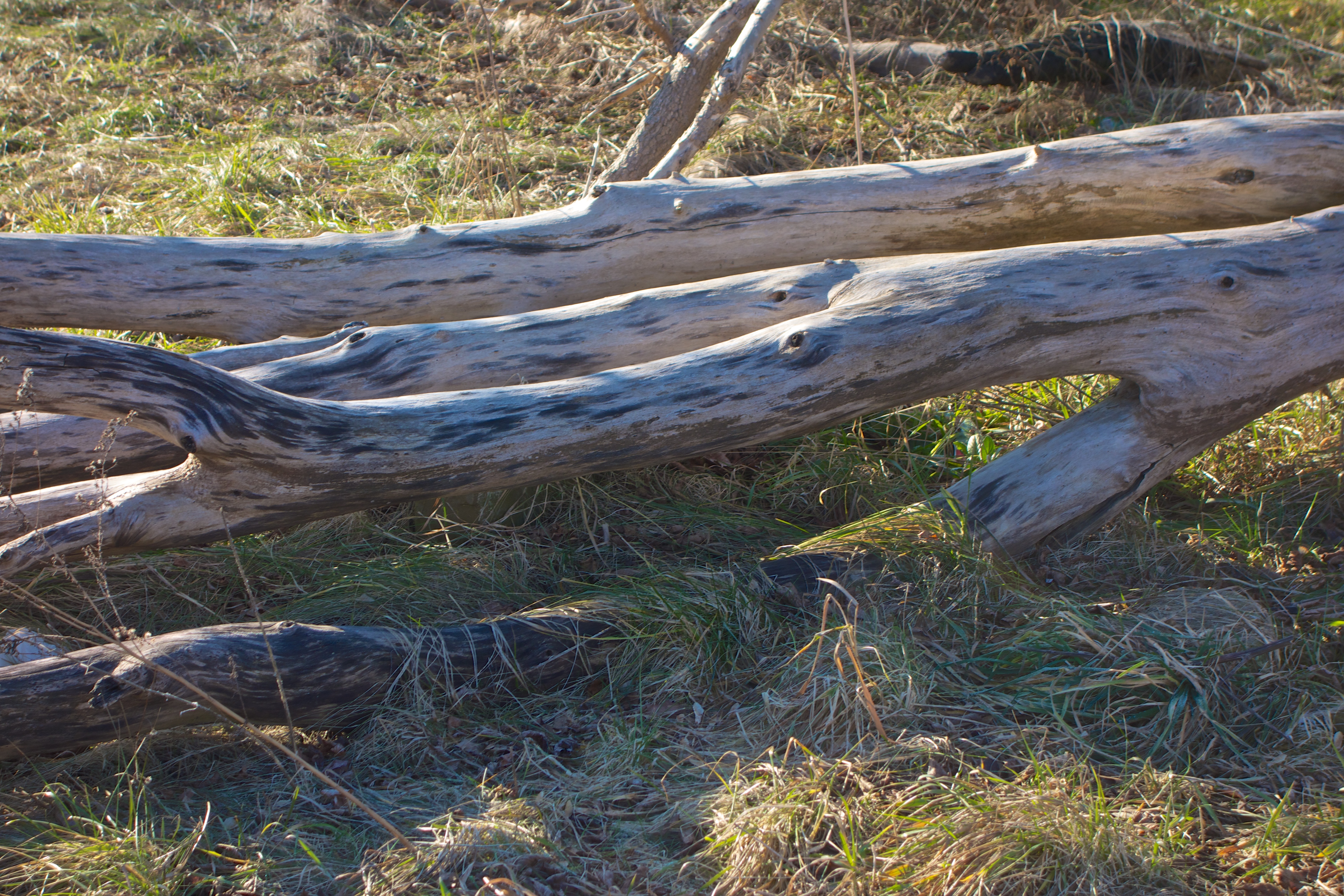
The light in the park today revealed some textures that were quite interesting – these old branches looked quite artistically placed and have attractive markings.

Nice patterning on the branches.

Nice patterning on the branches.

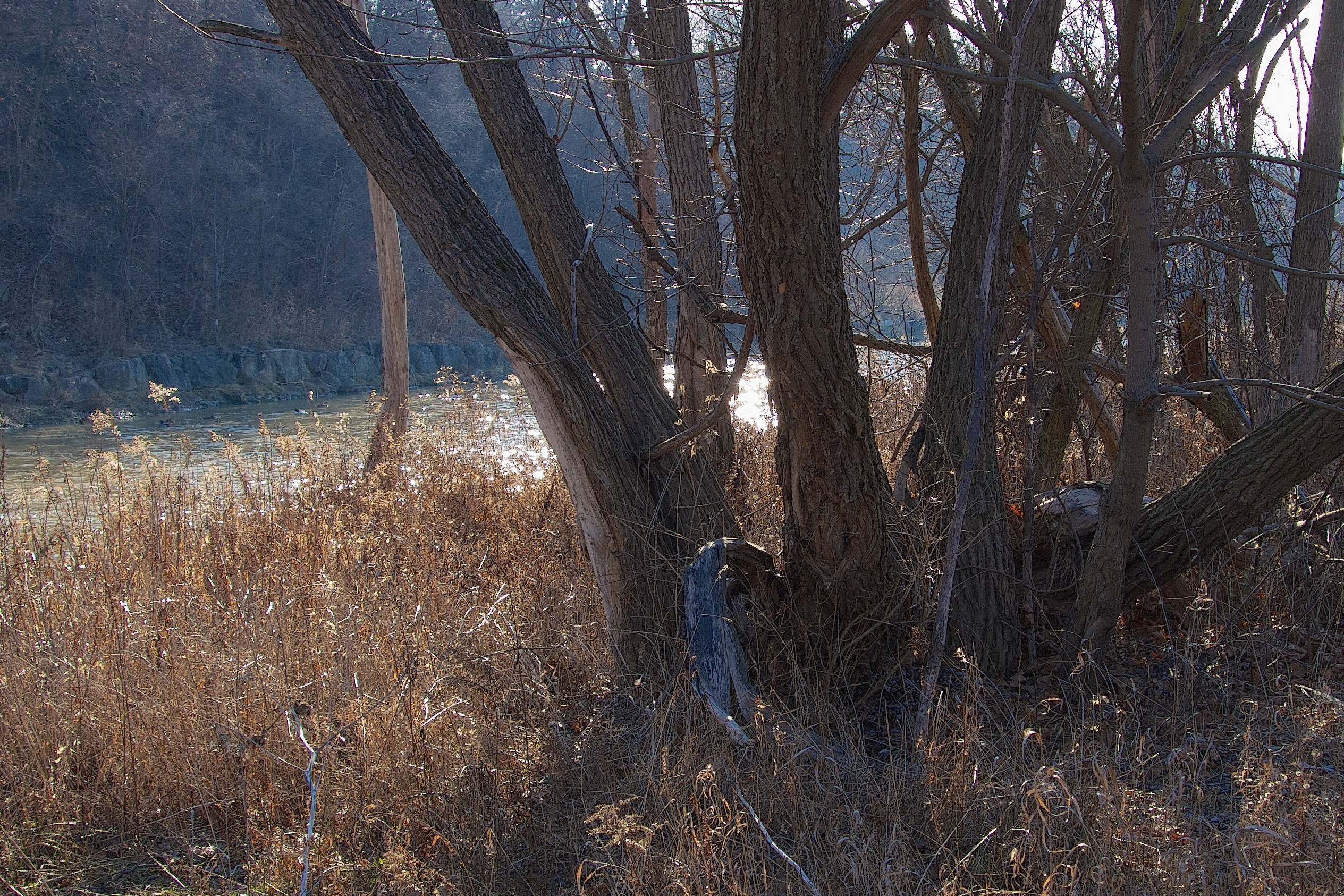
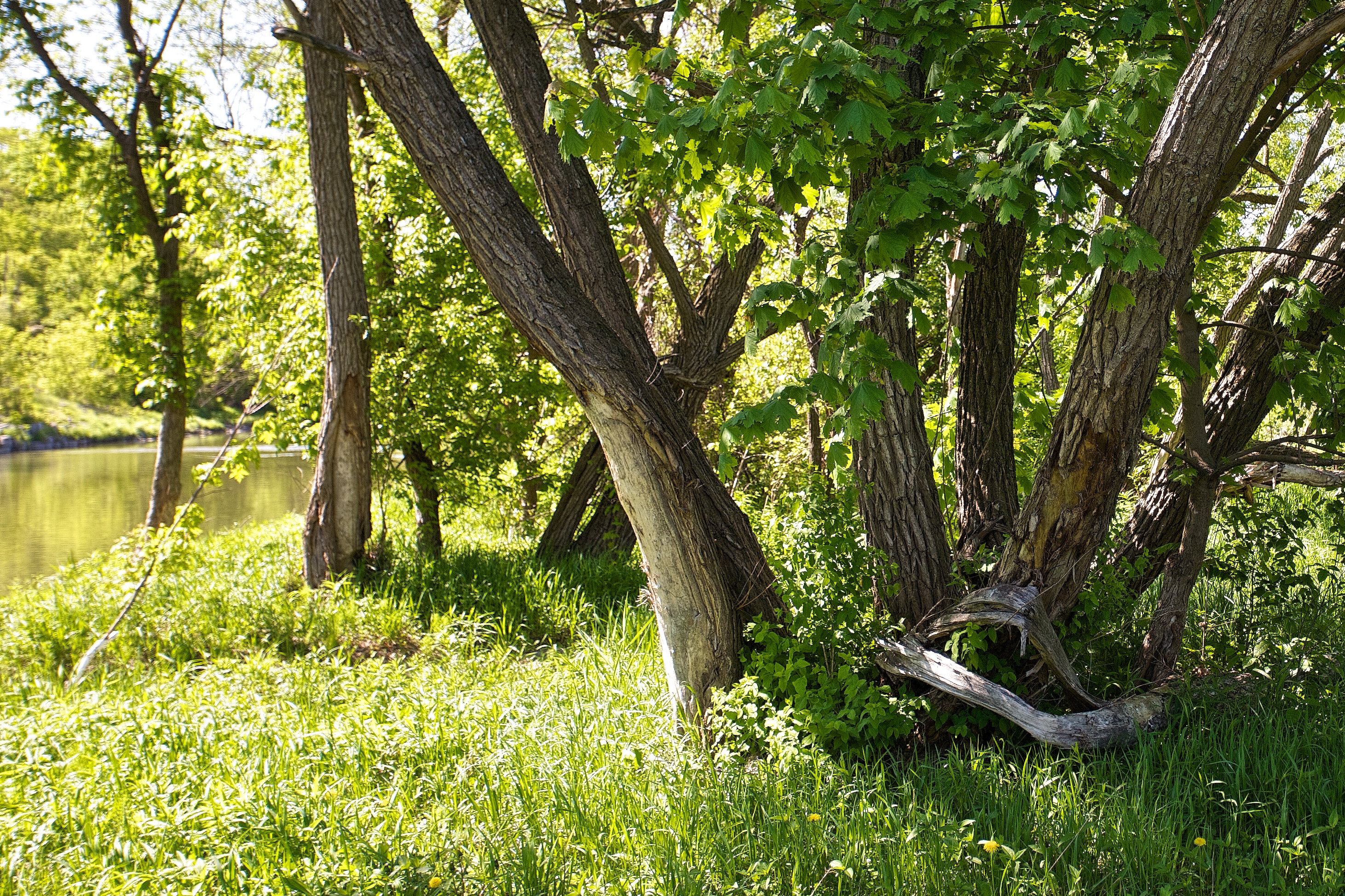
There is a clump of trees by the Humber in the ‘wild area’ that I like to photograph – in the mornings the sun is in the south behind the trees and in winter reflects off the river which makes for strong backlighting with tons of contrast and tests the latitude of any camera. This corner of the park seem to look great in any season.

Notice the scars from river ice (several years ago).

Notice the scars from river ice (several years ago).

Comparison with mid-May 2010 from a similar angle.

Spring in all its glory.

Spring in all its glory – won’t be long now.

Raymore Park never sleeps

Copyright © 2013 by Roy Murray, all rights reserved.

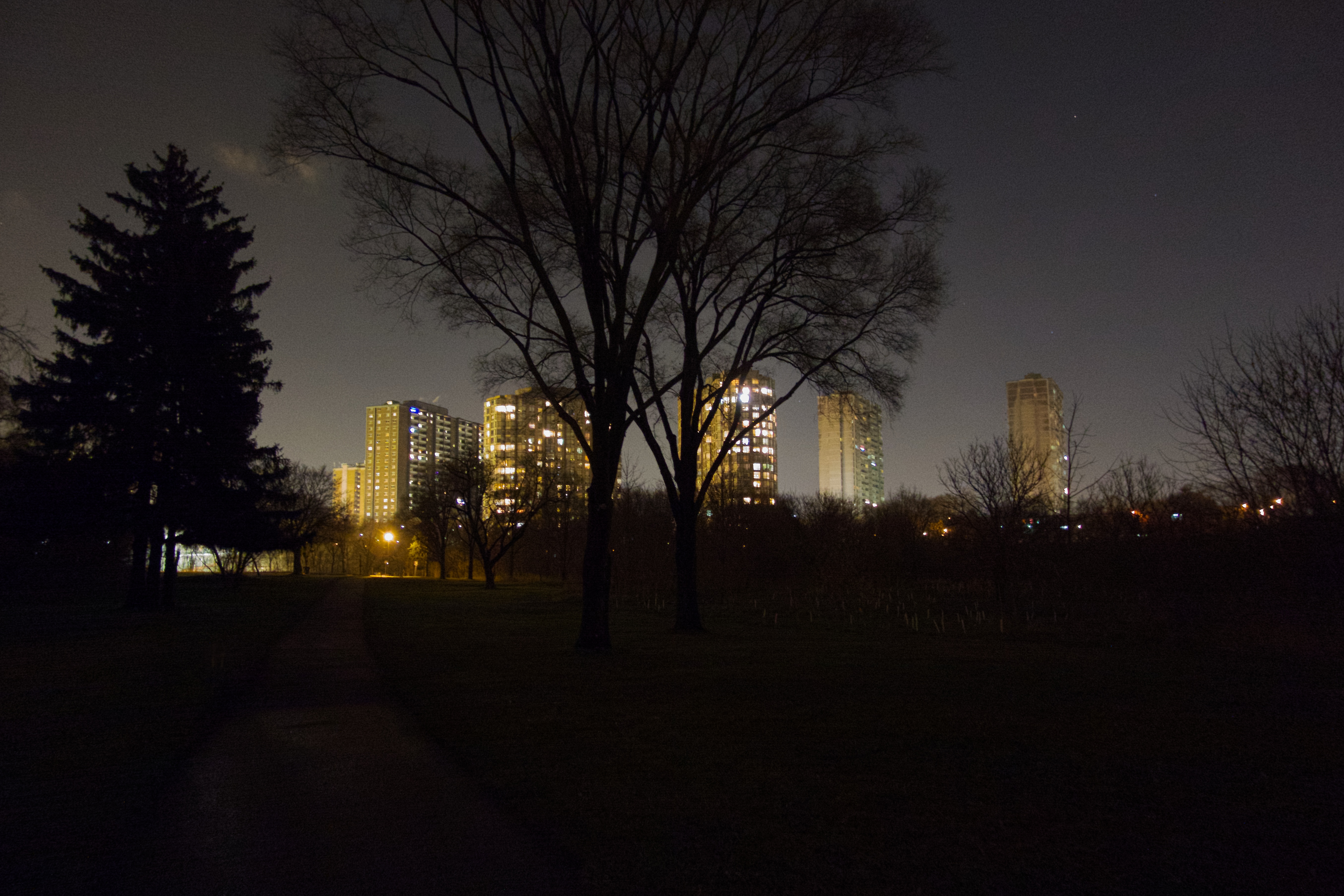
Bright lights looking north towards Weston but dark in the park.

Copyright © 2013 by Roy Murray, all rights reserved.

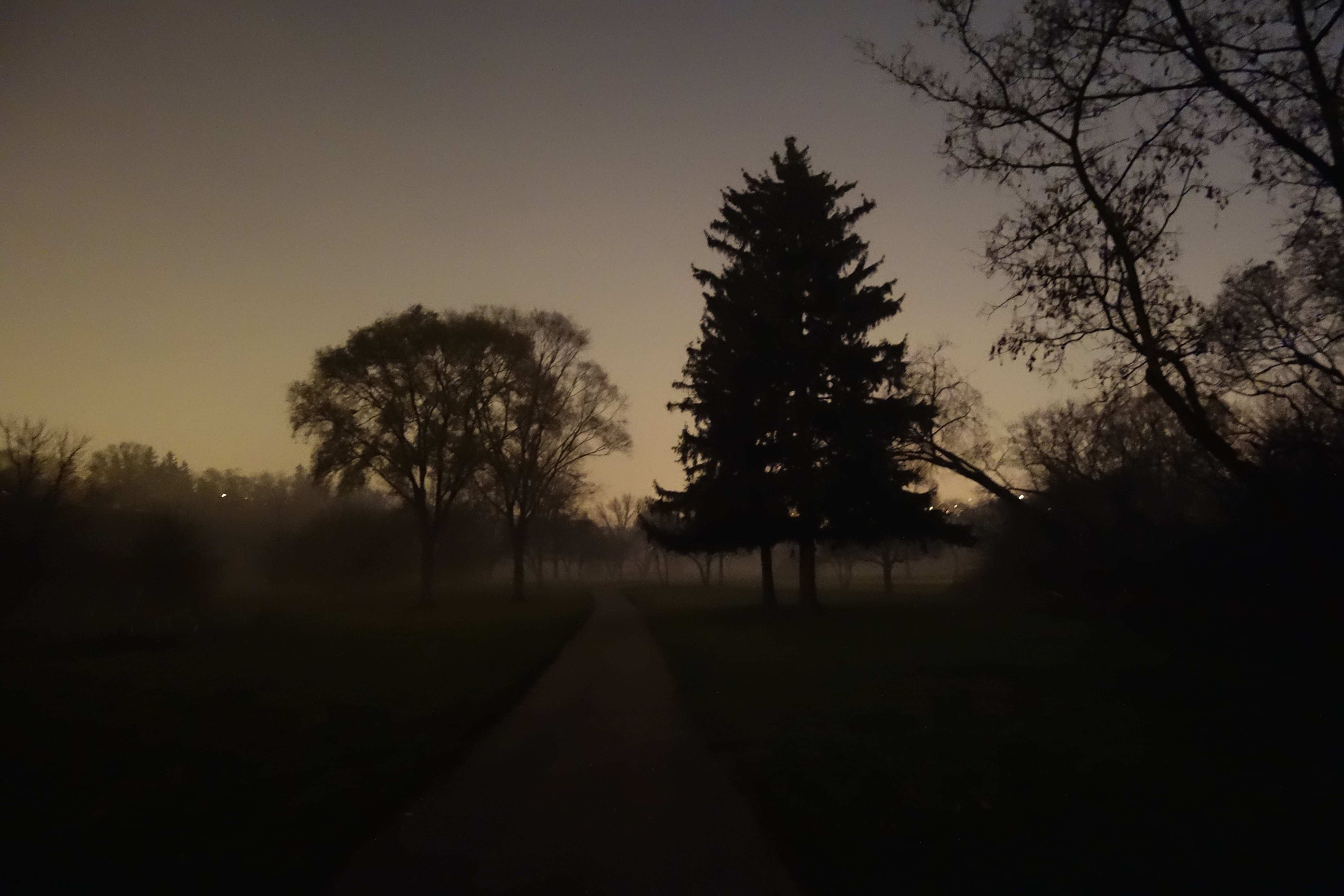
Looking south, all is dark.

In winter, deer, muskrats, coyotes and foxes are seen occasionally in daylight; especially when the river is frozen. In fact, we get pretty well everything you would expect in the countryside, except for bears and wolves since the river valley acts as a wildlife corridor.

Even in daylight, few people use the park. Although there is a large population surrounding it, most people just aren’t interested. At night, especially in colder weather and with longer hours of darkness, people are even more scarce and wildlife is able to relax a little more.