Park pariahs

Yesterday I encountered two people in the park who, although well meaning, are a detriment to wildlife.
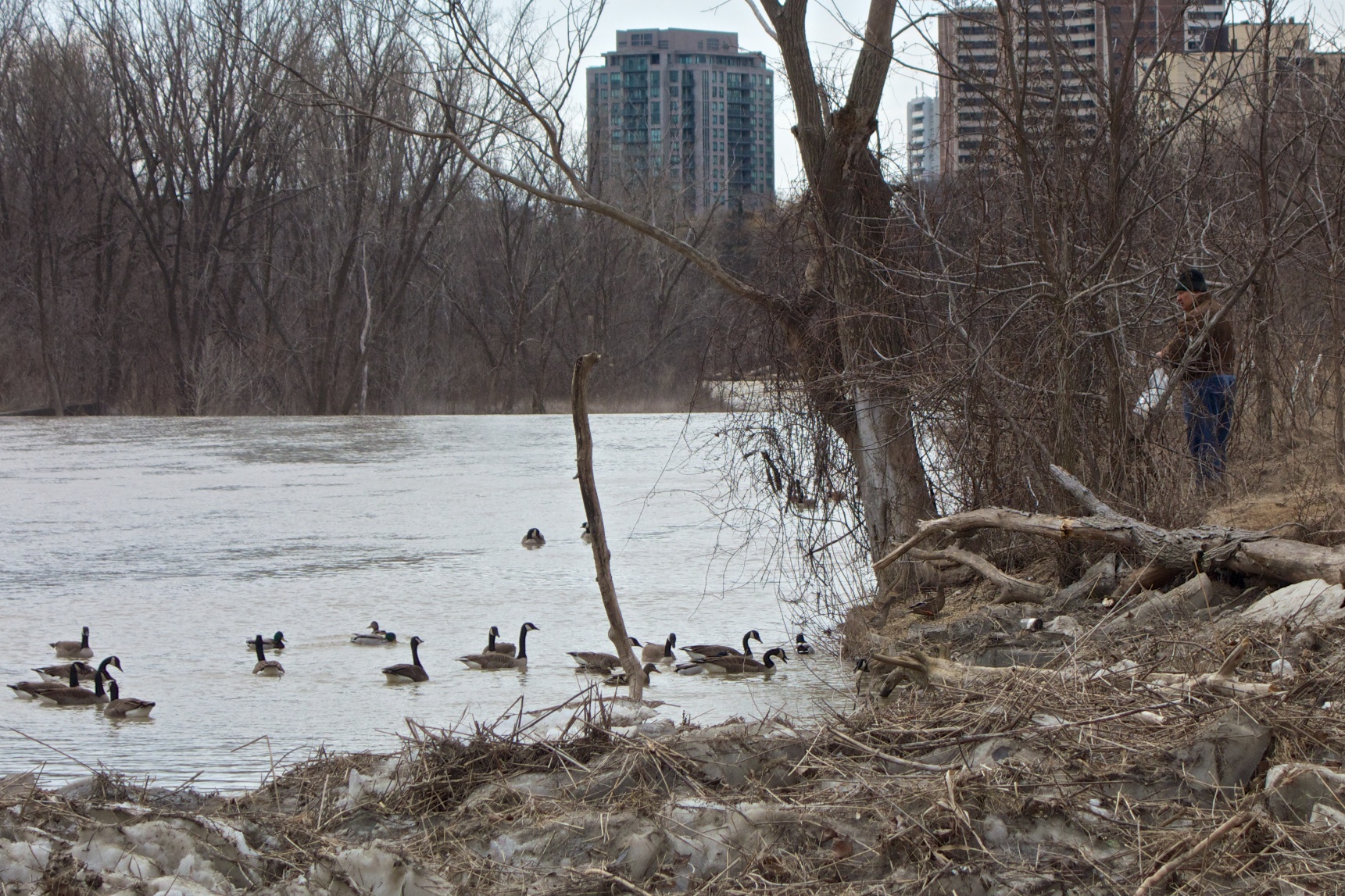
How long have we known that bread is bad for ducks and geese?

How long have we known that bread is bad for ducks and geese?

This old boy is one of a few who regularly feed Canada Geese and Mallards at this spot just above the weir. In fact, anytime you approach the water in this area, birds will swim over anticipating a free (but potentially harmful) meal.

Here’s pariah number two. She was skating along with her very active dog off leash, no doubt congratulating herself for exercising the unfortunate animal. As I approached with my dog, it was evident she had no leash and had to hold onto her dog’s choke chain in order to keep it close. All this without missing a stride!
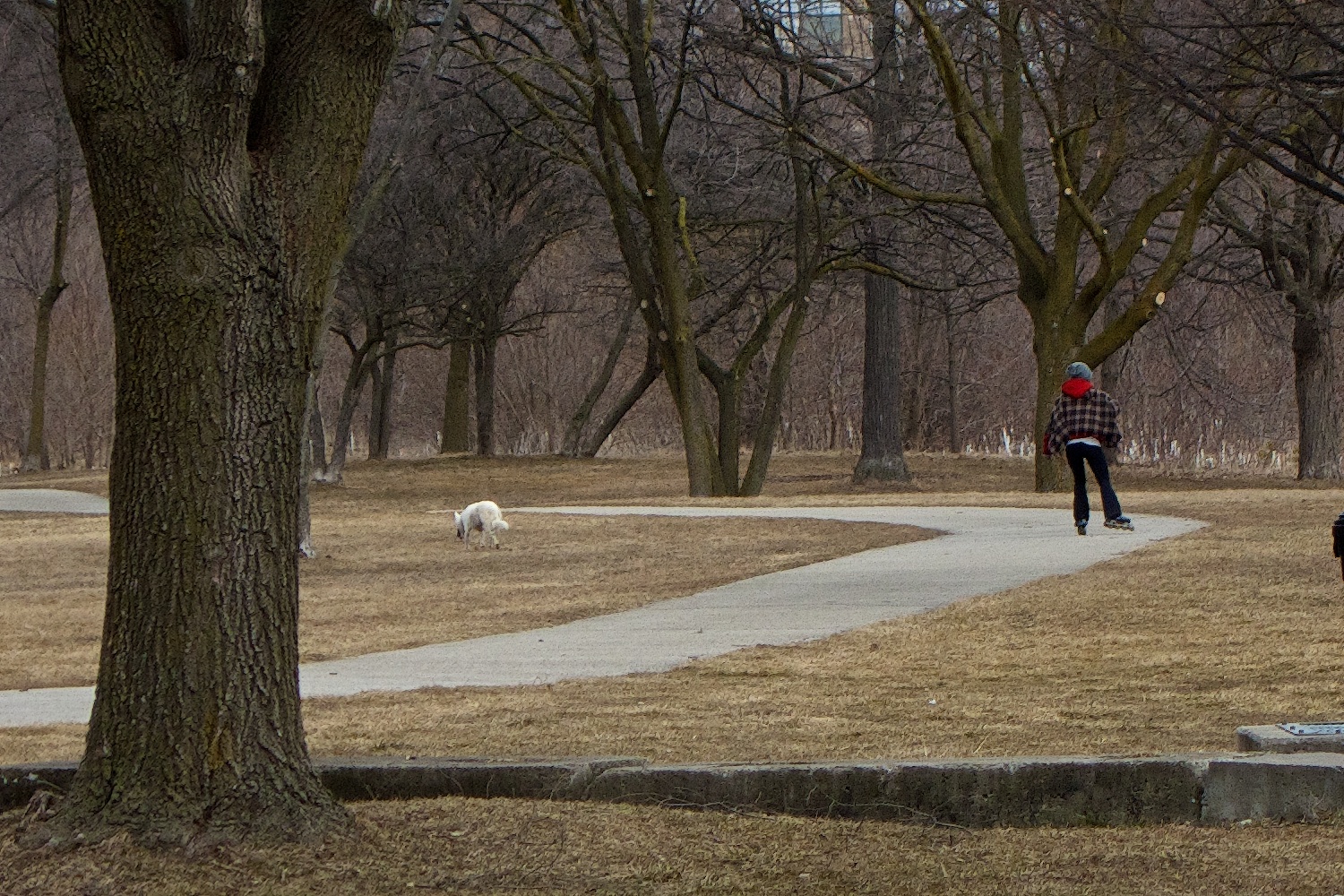
I'm such a free spirit, I don't leash my dog.

Such a free spirit, she doesn’t even bother bringing a leash.

Once she passed us, the dog was released and went on its way, flushing wildlife in its path. I have never seen this young lady and her dog before and probably won’t see her again but it’s hard to understand how people can be so cavalier about the responsibility of animal ownership and the effect an uncontrolled dog has on wildlife in a park setting.

Park Clean Up

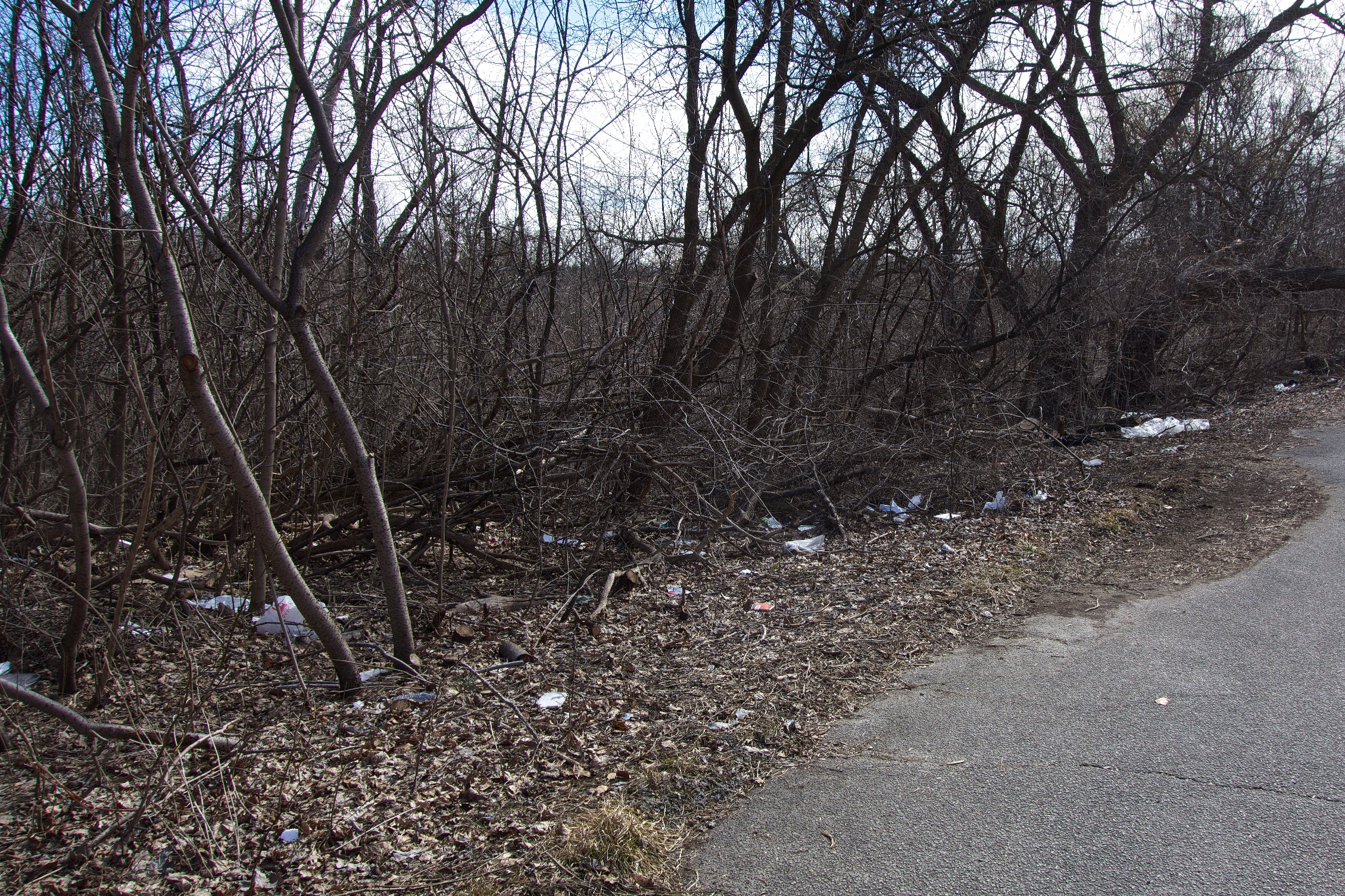
Aren't people wonderful!

Aren’t people wonderful! All within easy reach of garbage cans too. Cycle path at Scarlett just north of La Rose.

On Tuesday I emailed local Councillor Doug Ford about the huge amount of litter along the cycle path just north of Eglinton.  Yesterday a clean-up crew came to this end of the park and unfortunately they missed most of the litter since they didn’t bother reaching over the 4′ fence or walking into the wild area. I called the park supervisor today today and he sent them out again very quickly.  The original concern i.e. the litter on the cycle path remains unaddressed.
Here is the email:

Hi Doug,

Now that the snow has gone, I notice there is a huge amount of garbage along the cycle path from just above Eglinton to just north of La Rose. I try and pick up the odd pieces of trash but this is beyond my abilities. I enclose a photograph for illustration purposes. I was wondering if a crew could be sent out to take care of this…

We have had a long winter and the snow has only just cleared. Regardless, there must be a way to keep on top of litter throughout the winter months. God forbid that a city worker should occasionally have to walk along the trail.

Some councillors organize community clean-up days where people in a neighbourhood spend a couple of hours hauling trash from local parks. I think this is passing the buck and neighbourhoods that aren’t so cohesive or those without strong community involvement end up being compromised even further.

Dreamy water.

Dreamy water

Dreamy water

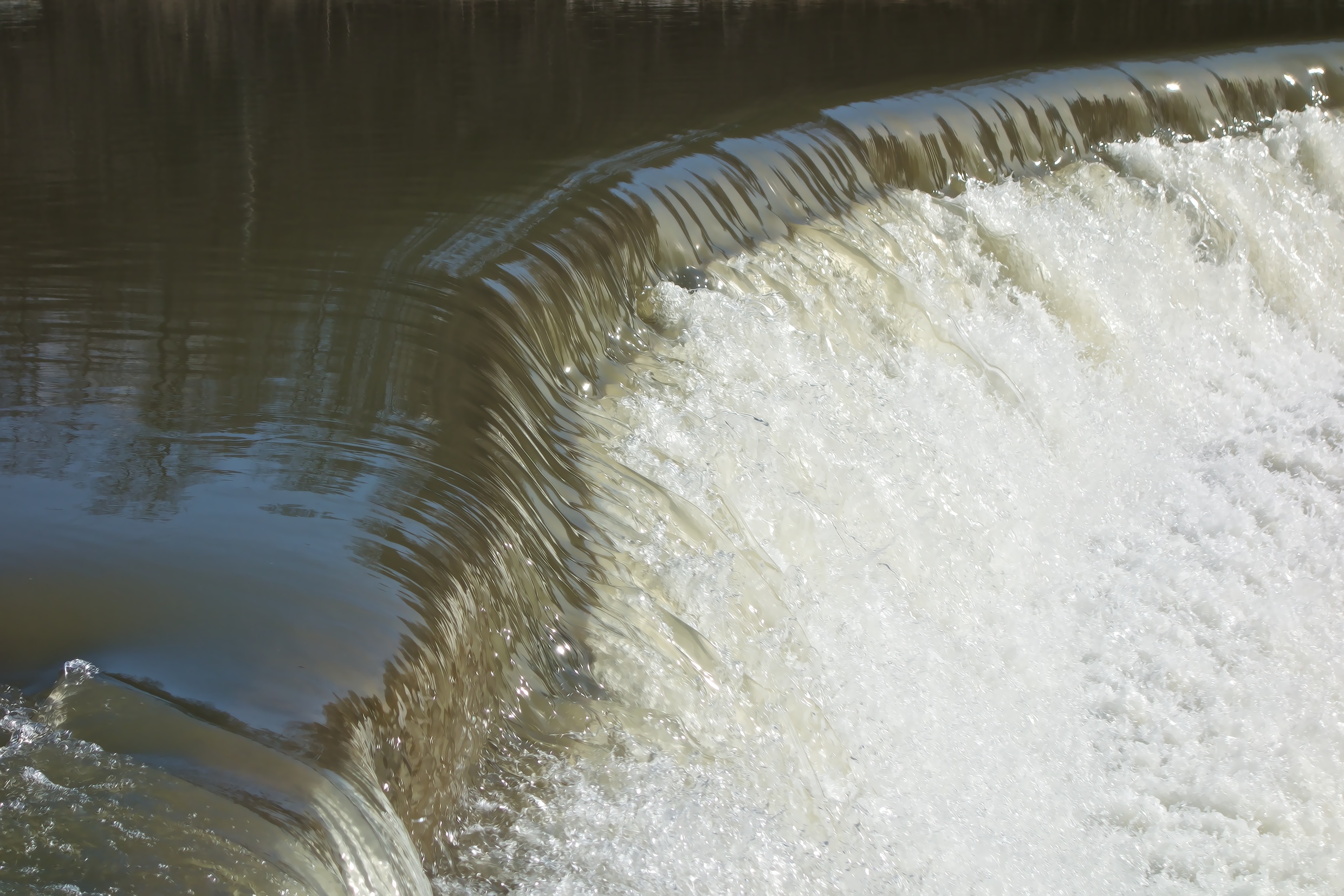
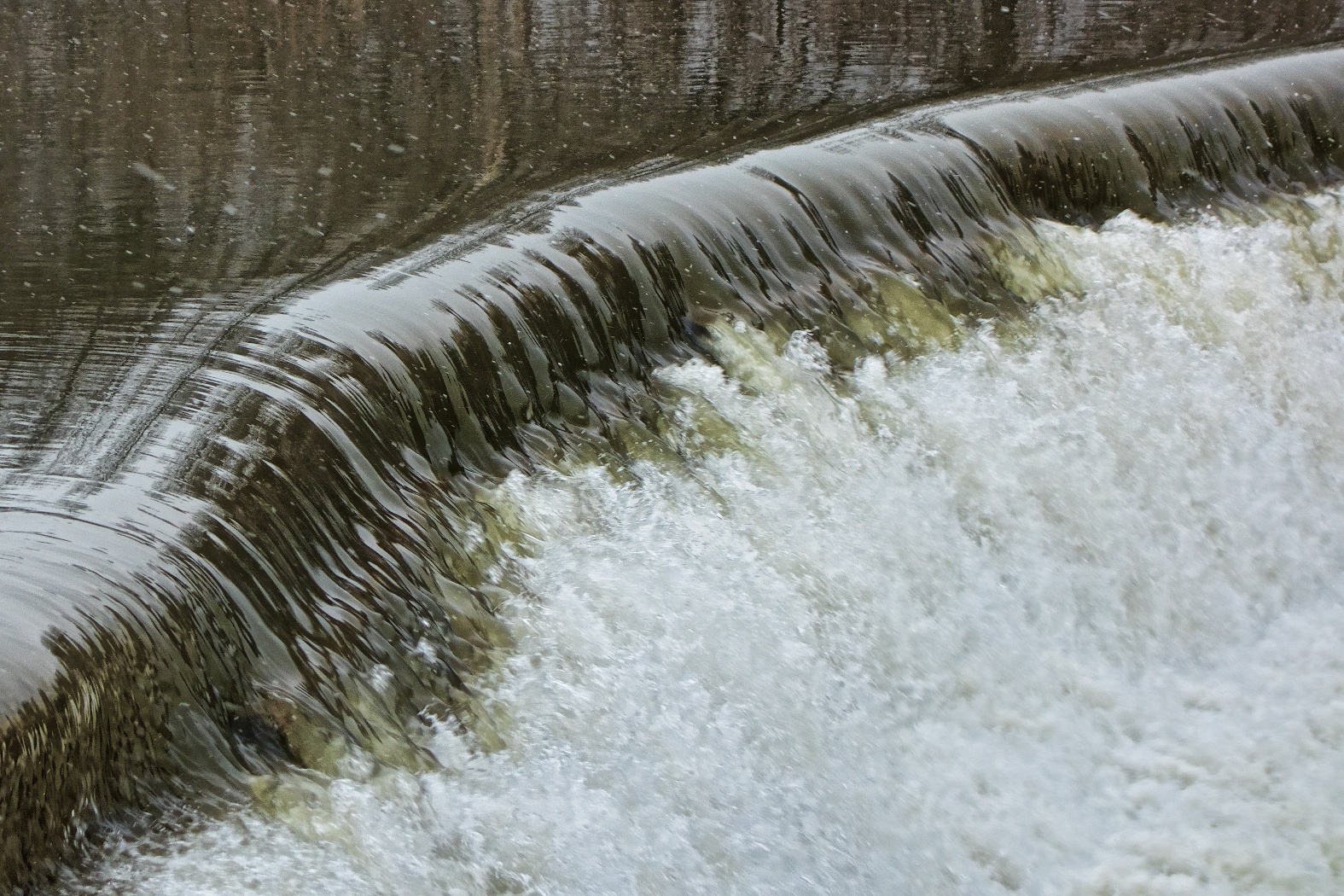
I continue to be fascinated by the sheen of the water as it slides over the weir and have stylized this image with the help of a Topaz filter or two.

The water is higher today as a result of melting snow further north.

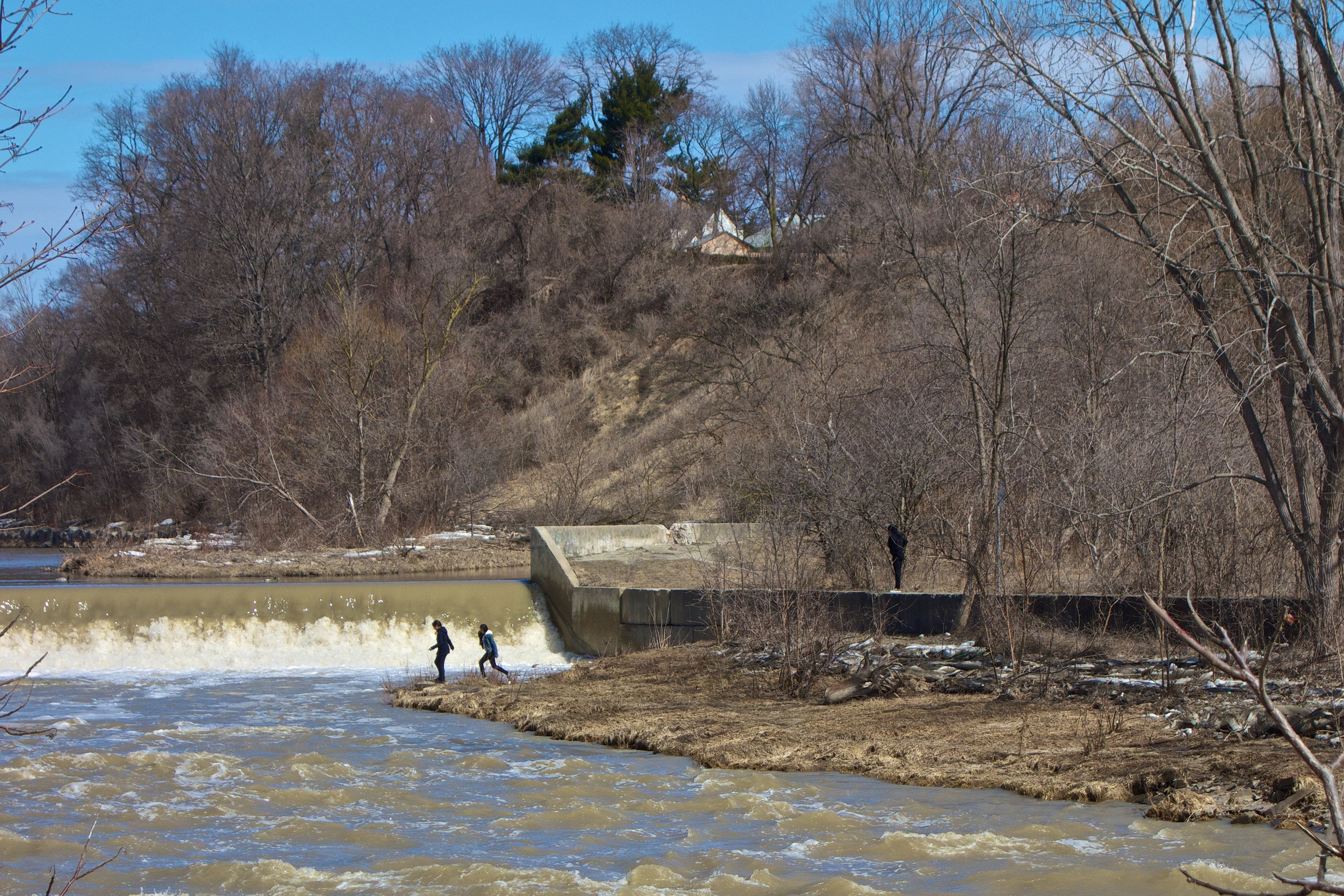
Students from a nearby school help give some scale to the weir.

Students from a nearby school help give some scale to the weir.

There was a coyote making its way upstream, probably getting out of the way of the students below the weir who were well, being kids. Snow has melted from all but the shadiest parts of the park and spring is off to a slow but long awaited start.

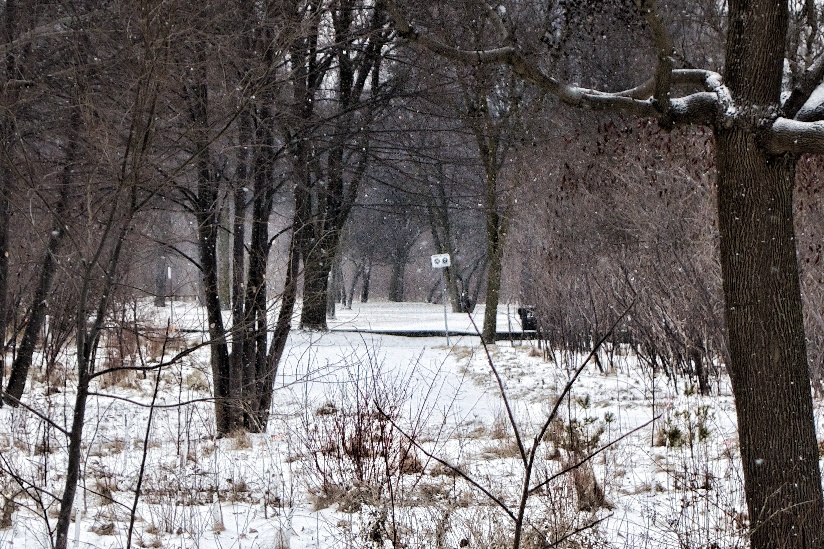
Winter drags on.

More snow today on the edge of a major winter storm that luckily just missed us. Another day of winter is disappointing  to humans but wildlife is really feeling the pinch. There were redwing blackbirds in the park a few days ago but there’s no trace of them now. Nothing has budged from its winter state so spring is still some time away. Because of thick cloud cover, the more powerful March sunshine is neutralized.

On days like these, I usually have the park to myself.

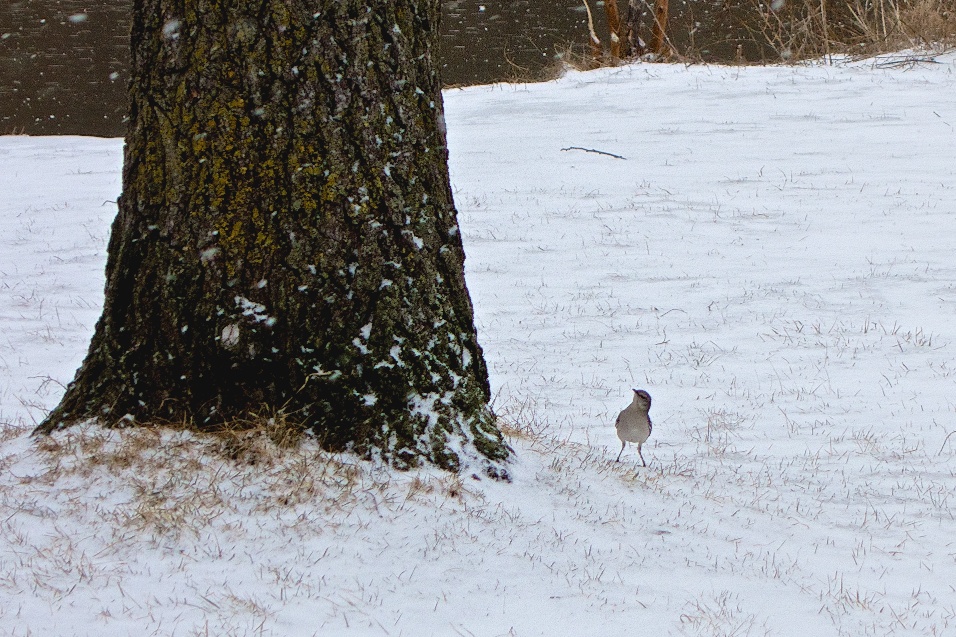
A Grey Jay(?) looks for food.

A Grey Jay looks for food.

Fresh snow covers the ground and the temperature barely cracked 0°C today.

Looking north along the path by the weir.

Looking north to the path by the weir.

At the weir the water had an interesting oily look that the camera was able to capture quite nicely.

Snow flakes and oily water.

Snow flakes and an oily texture you can almost touch.

Super Douche

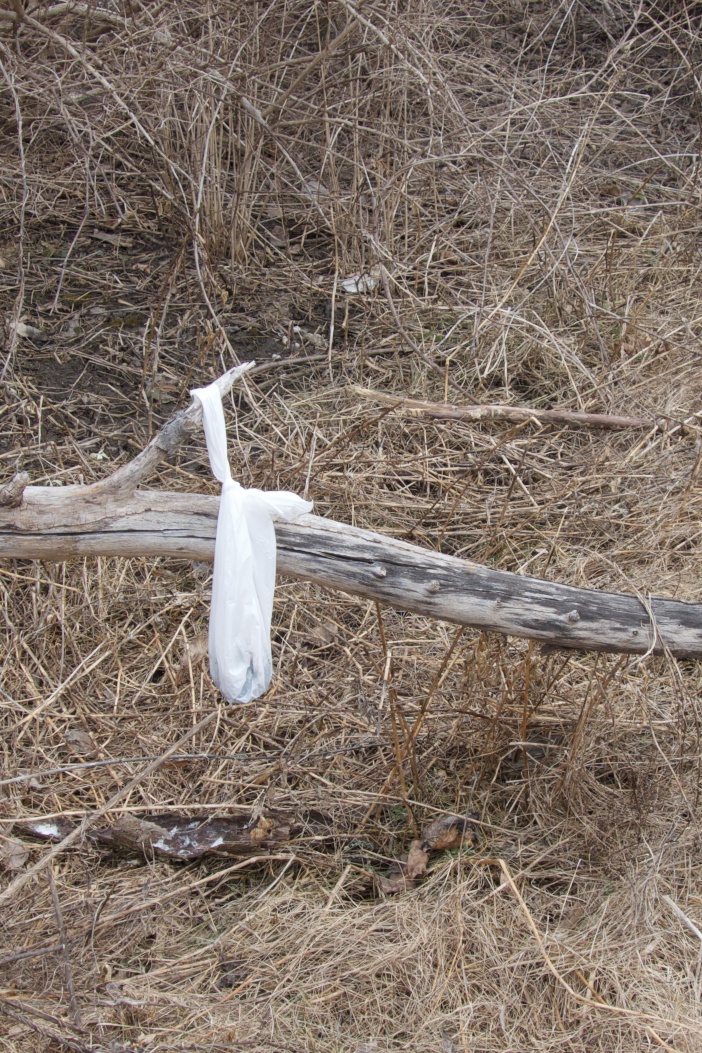
My blood was boiling today to discover the latest droppings from our sociopathic dog owner.

Fresh today.

Fresh today.

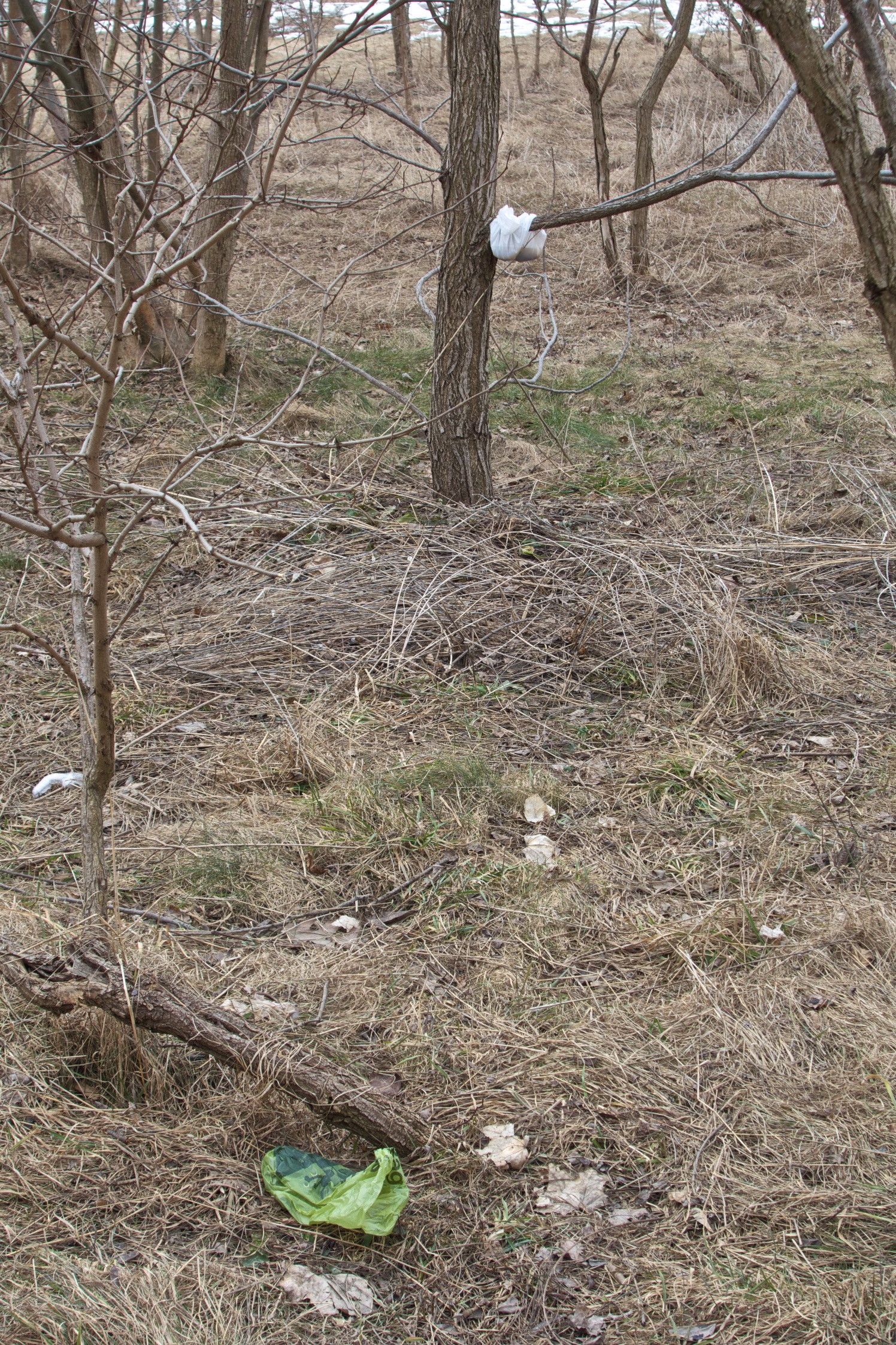
This moron loves to leave the crap in groups. Directly across from today’s is this pair:

Scatalogical sociopath.

It’s a fairly hefty dog. Imagine being owned by someone with such limited thinking skills.


On the beach.

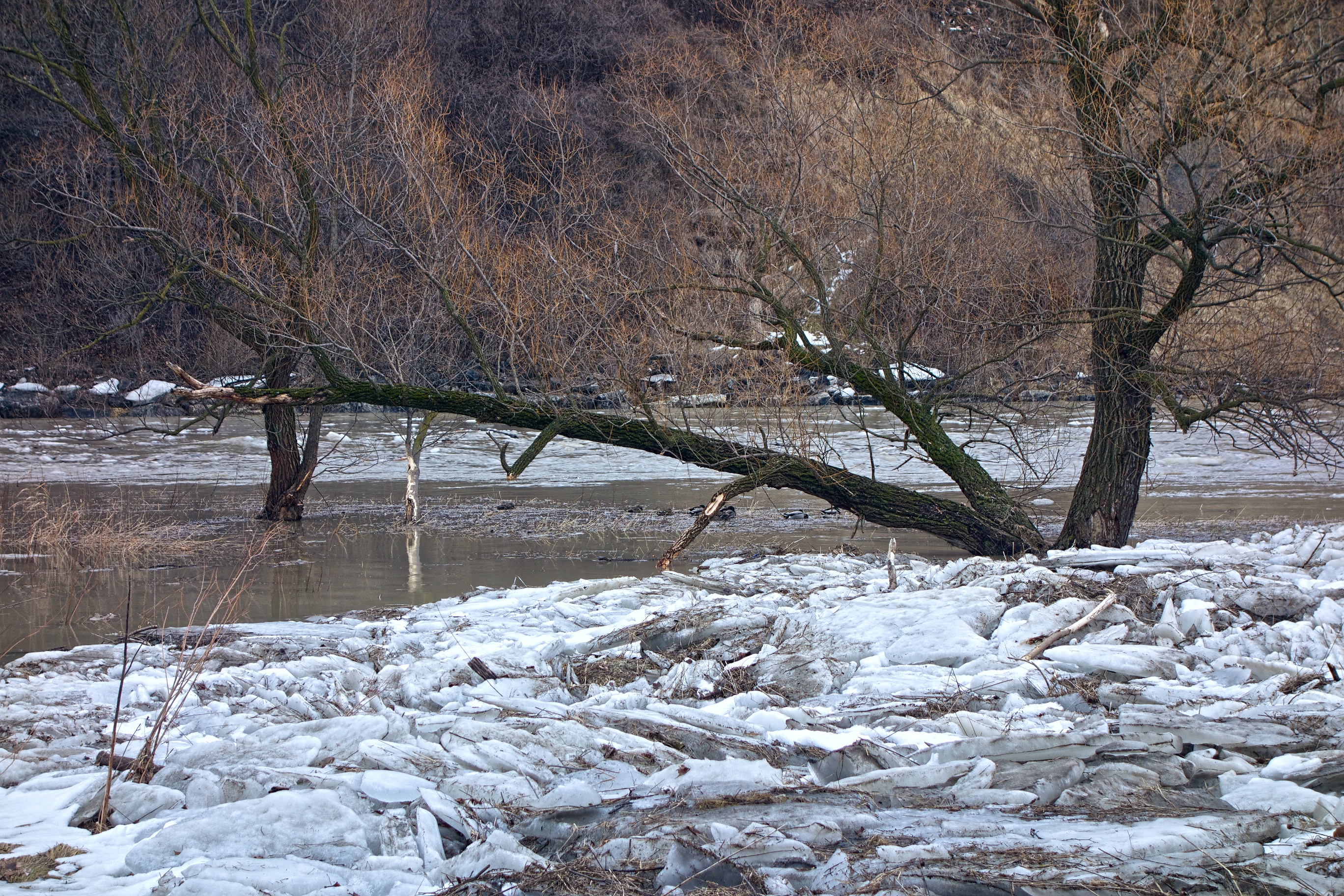
As the water and ice recede, a few interesting items are left along the small sand beach that is the shore of the Humber.

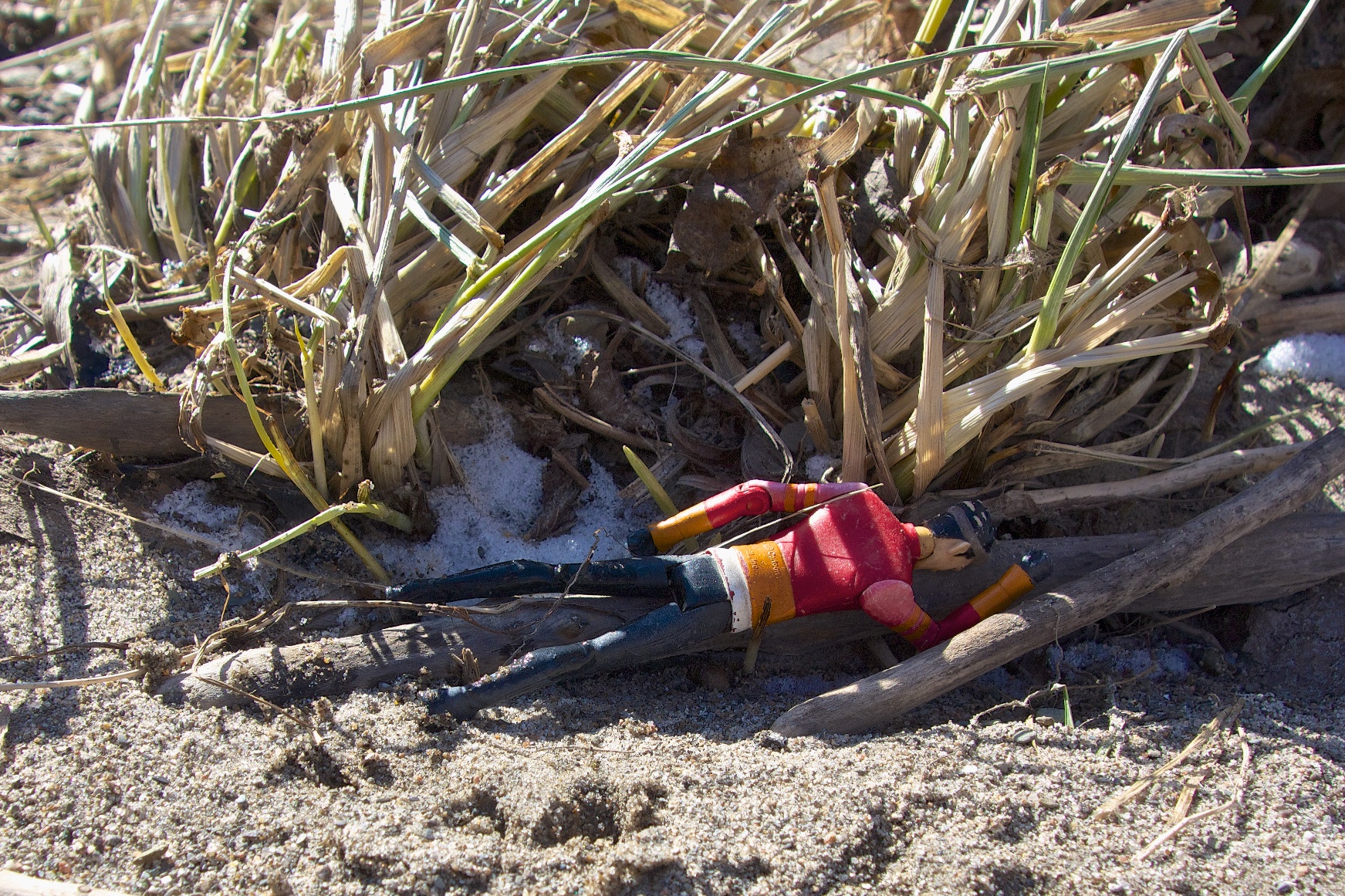
A toy figure seems to have thrown himself down in despair.

A toy figure seems to have thrown itself on a twig in despair.

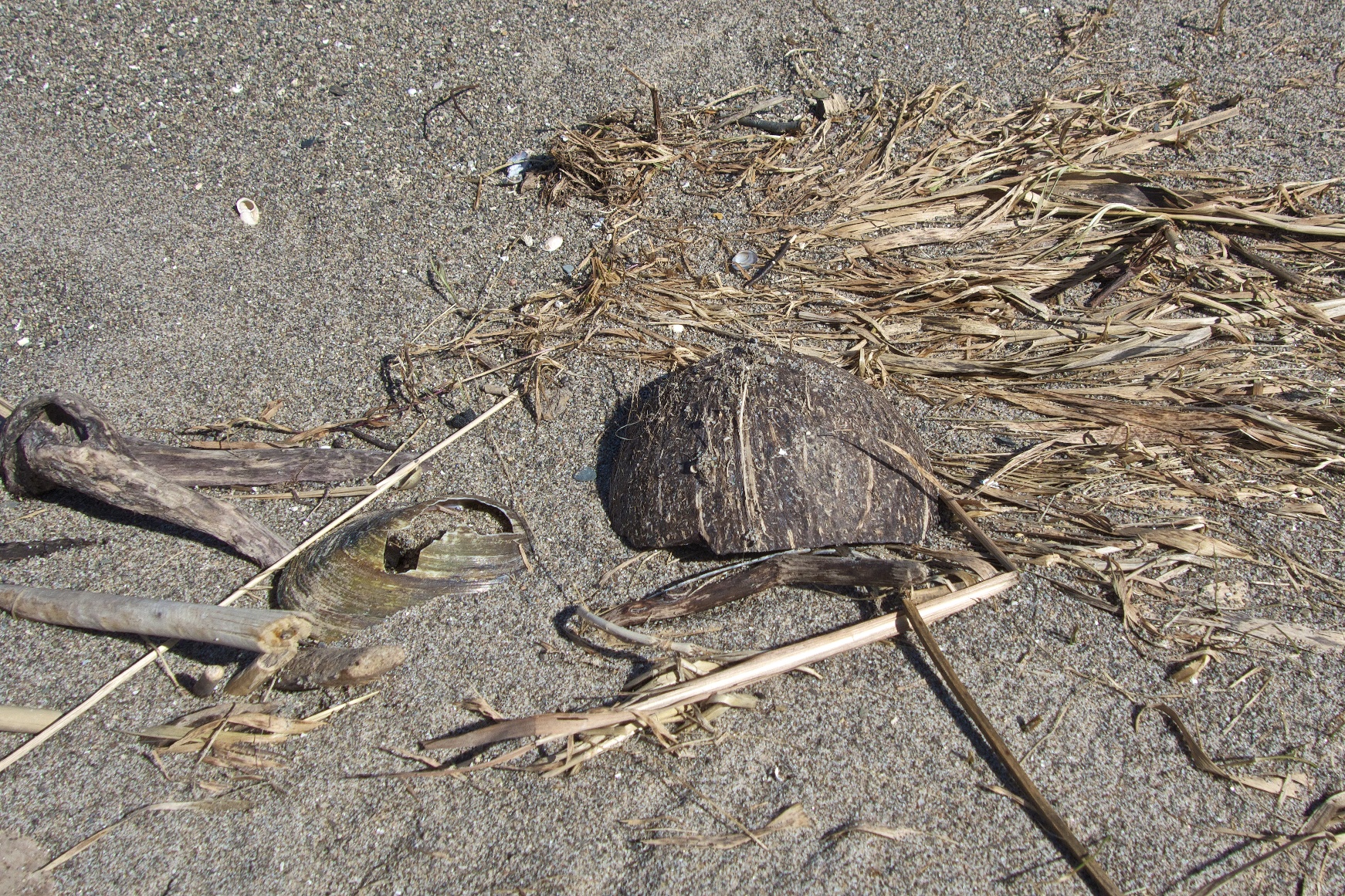
More shells and part of a coconut.

Some clam shells and part of a coconut.

Having seen coconut shells scattered along the Humber for years, the source was a puzzle. Visions of coconut groves further upriver were easily but reluctantly dismissed. The mystery wasn’t solved until a few years ago when I witnessed an East Indian gentleman throw a something into the river and discovered that it’s customary for Hindus to make sacrifices to the river gods in this way. The following photograph may be of another such item.

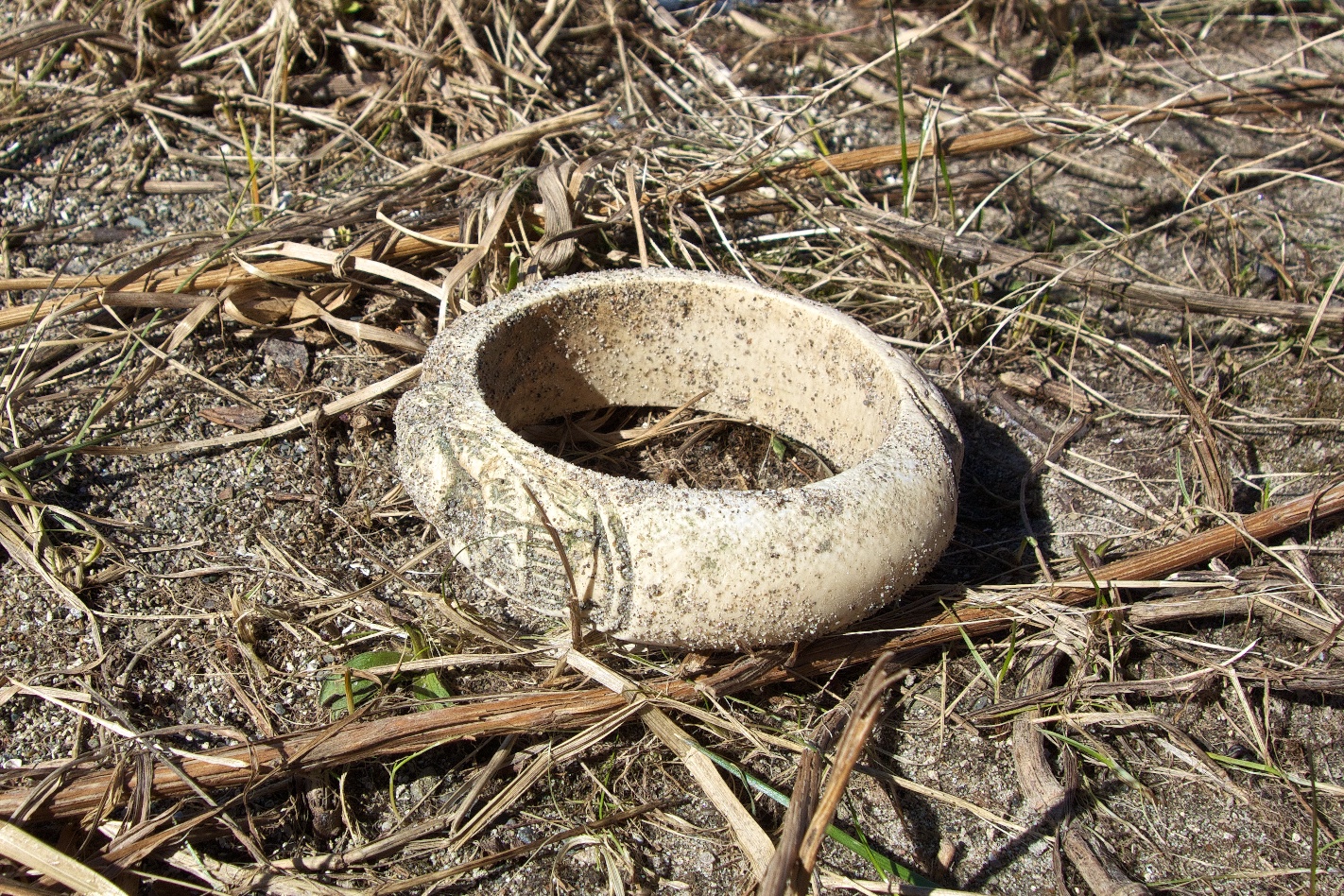
A carved bangle illustrating a couple of voluptuous ladies.

A carved bangle illustrating a couple of voluptuous ladies.

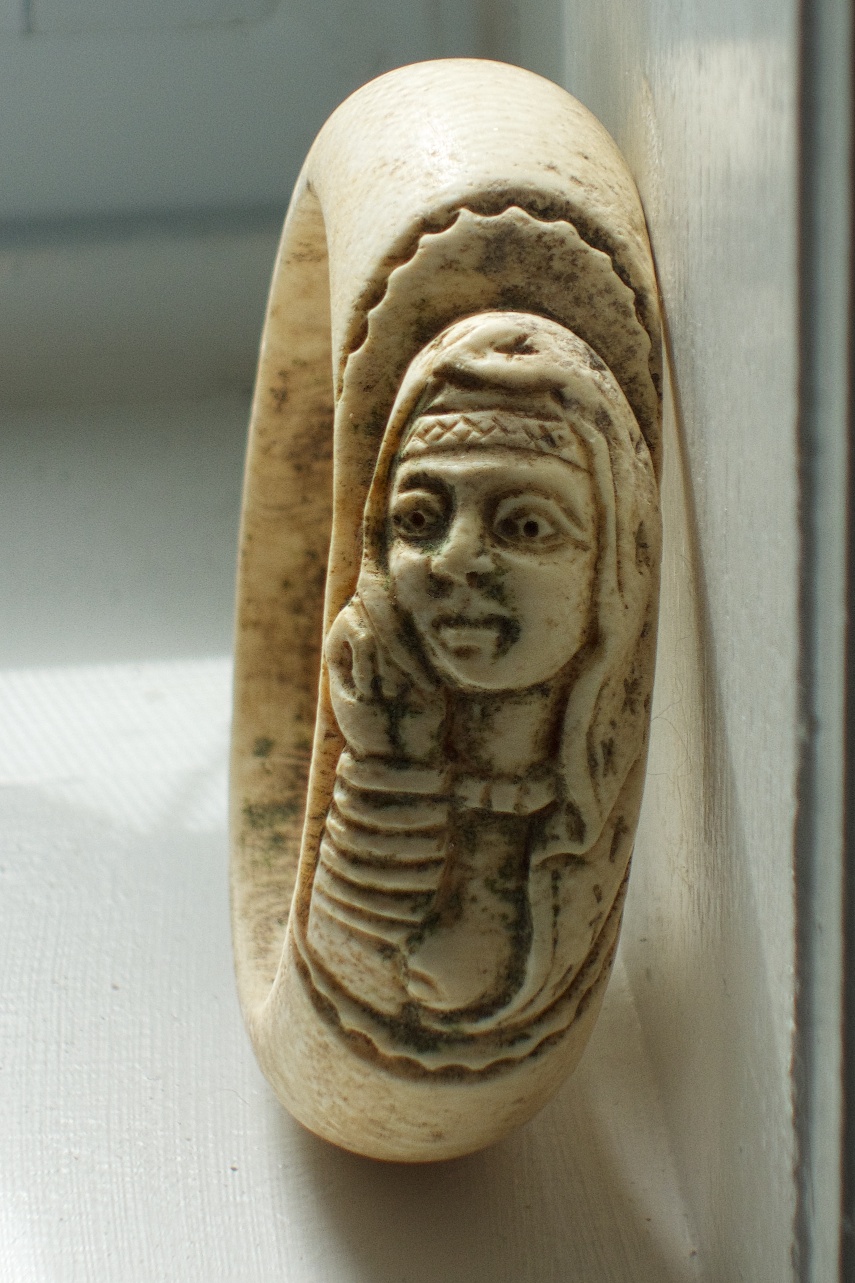
I brought the bangle home to examine it but not wishing for bad karma will return it tomorrow. It seems to have been hand carved from bone or horn. As long as it’s biodegradable along with the coconut, it shouldn’t be a problem.

After all, India is the home of the Kama Sutra...

Cleaned up a little. India is the home of the Kama Sutra…

Bitter cold; shy ducks are named.

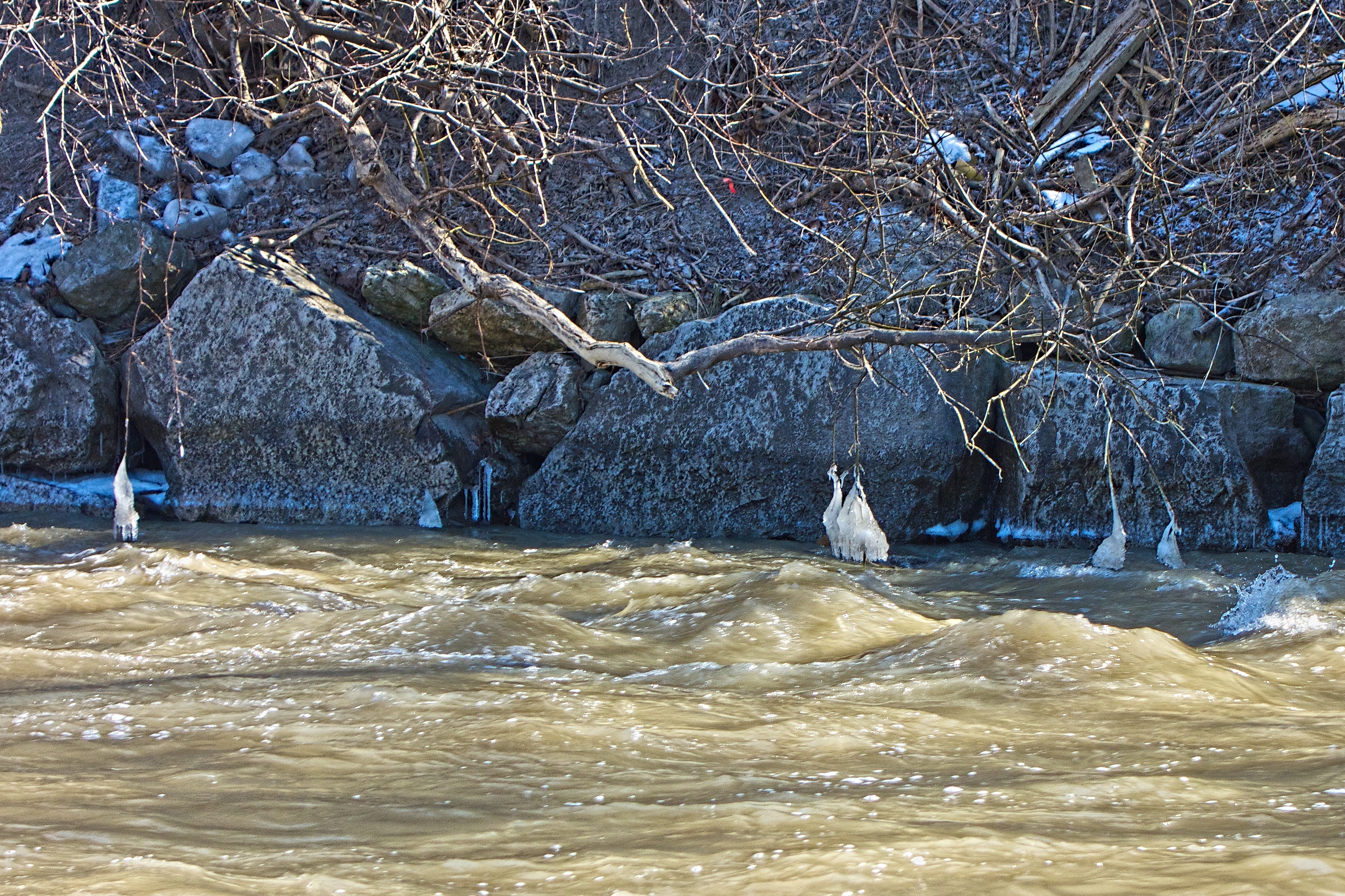
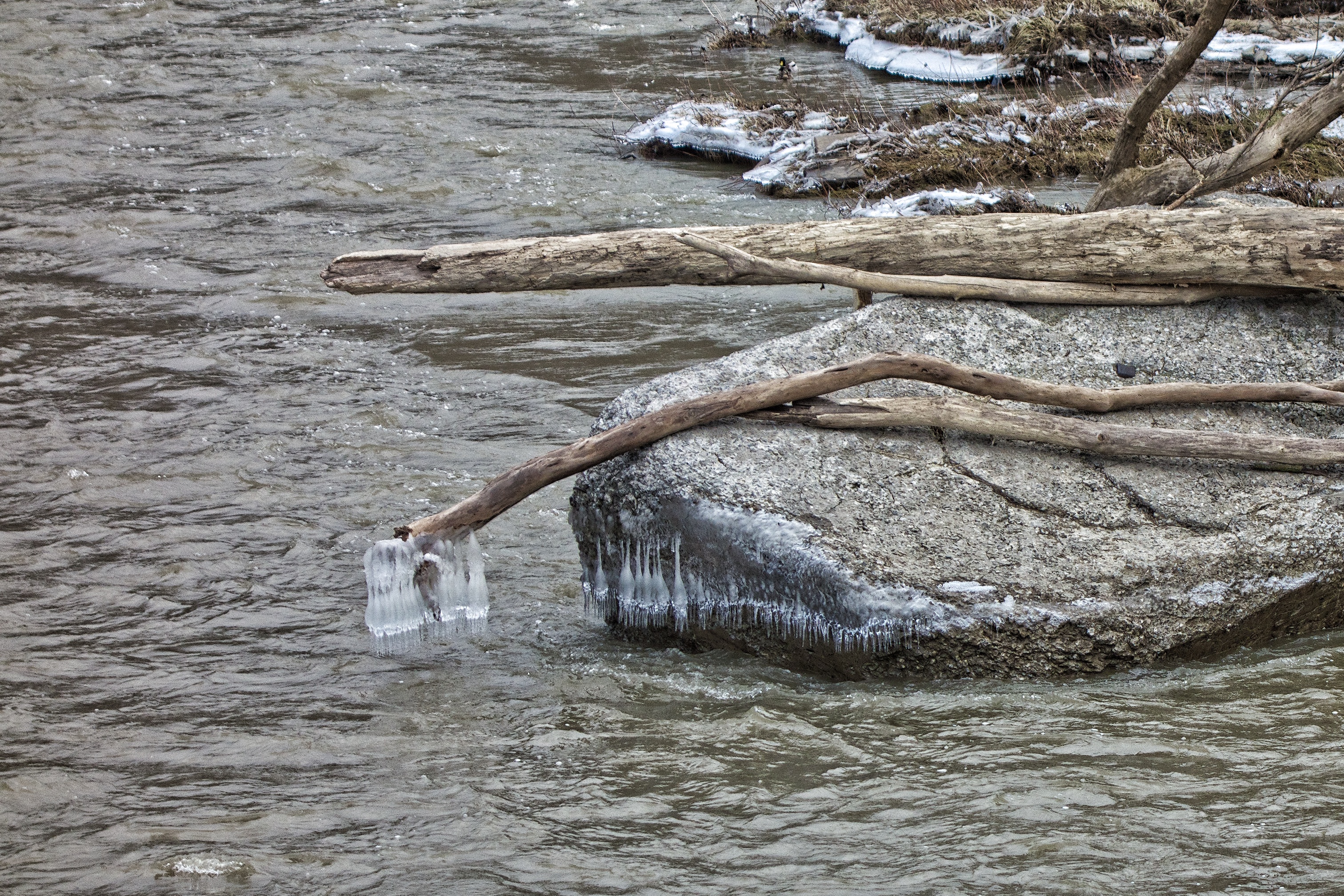
The sun is almost at 45° in the sky at noon and yet the cold persists. I discovered this phenomenon along the banks of the Humber where some branches dangling in the (receding yet rough) water have picked up ice in the same way that candlemakers make candles.

There's got to be a name for these - dingicles?

There’s got to be a name for these – dingicles?

Beautiful specimens on the old bridge abutment.

Beautiful specimens on the old bridge abutment.


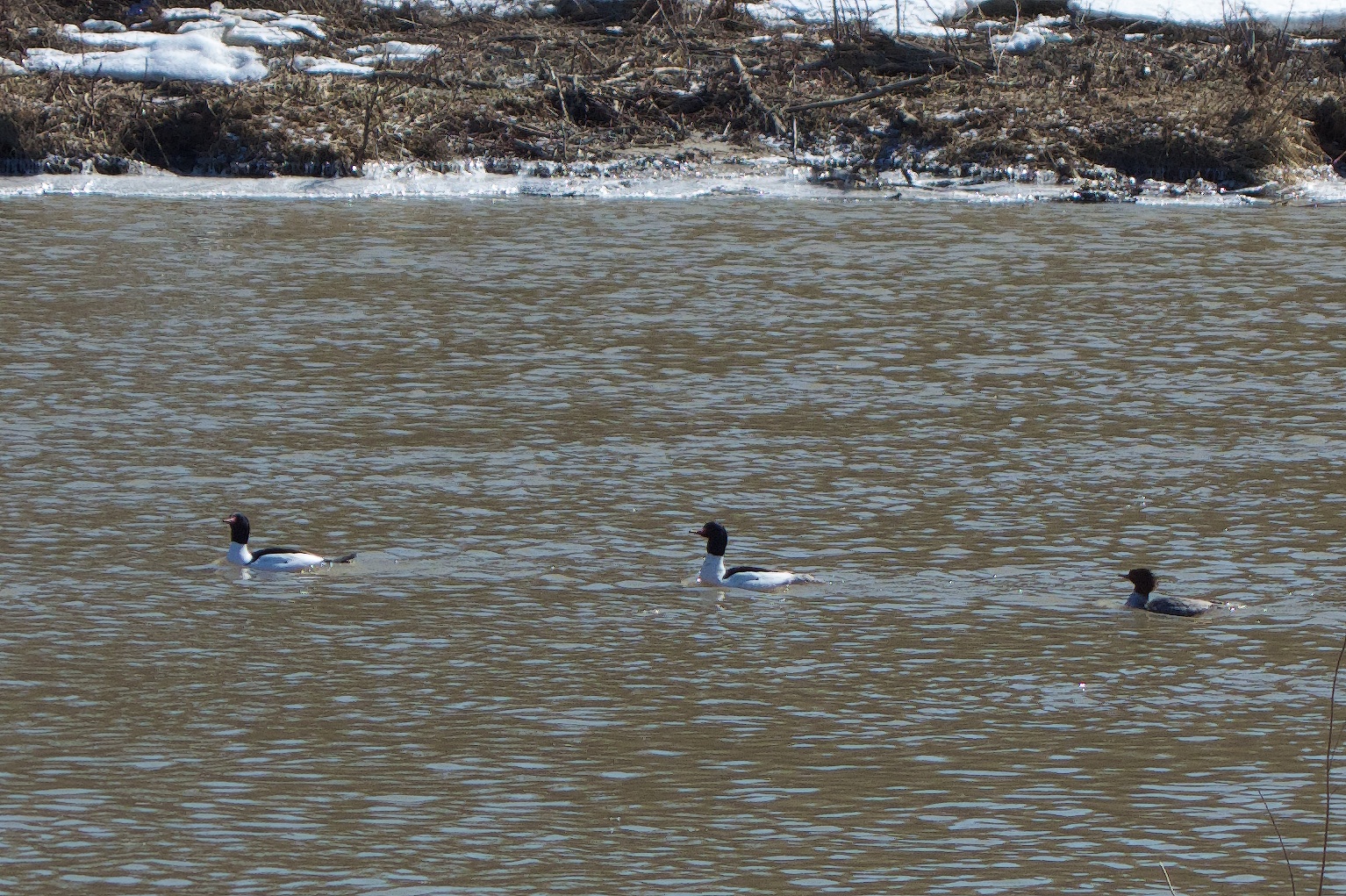
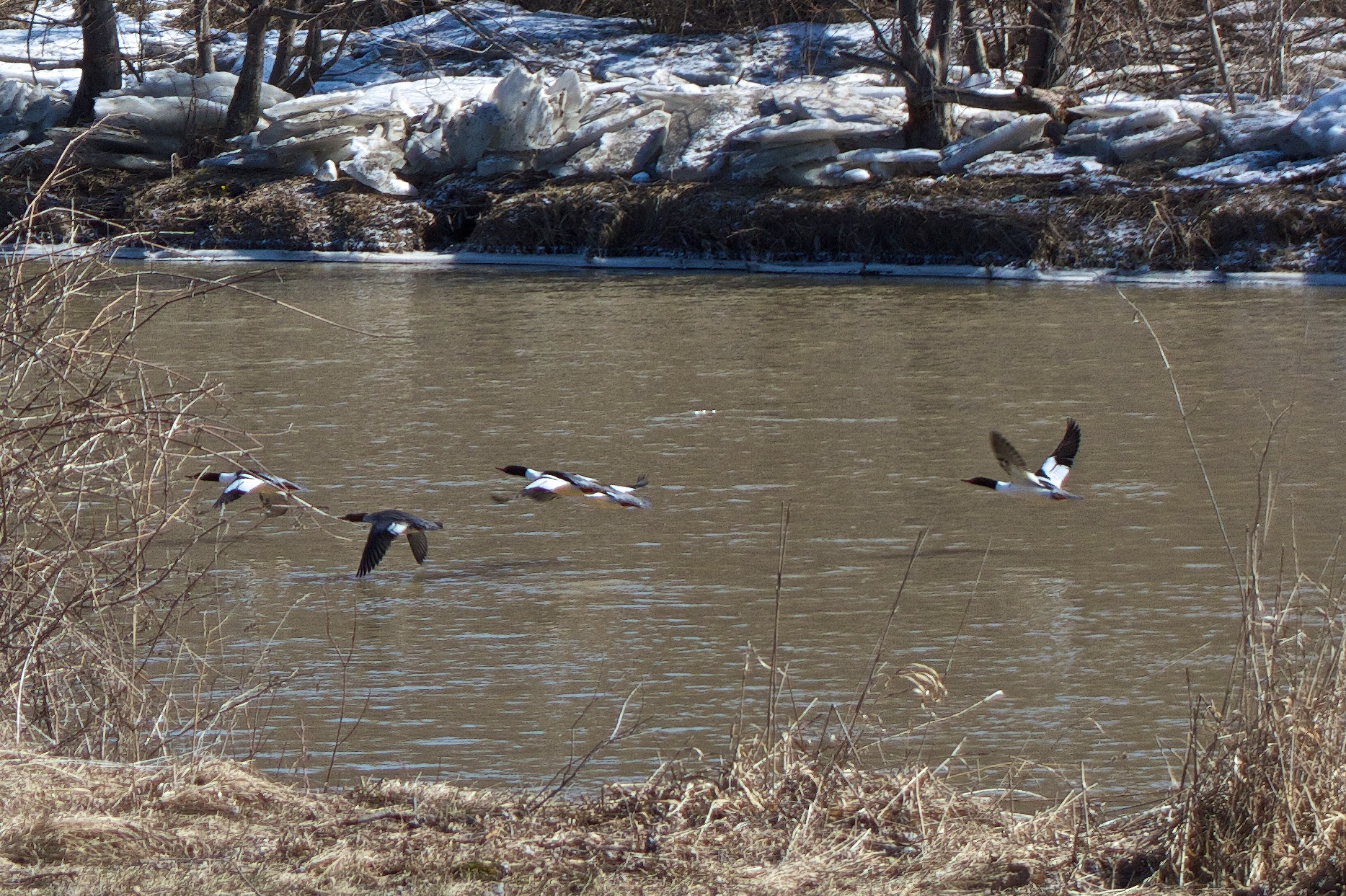
I managed to get my closest yet to the mystery ducks and have finally recognized them thanks to Professor Google.

Common Mergansers.

Two males and a female (not so) Common Mergansers.

They are Common Mergansers – a name that I don’t remember hearing before – but that could be me.

These shy ducks don't like humans.

These shy ducks didn’t like my presence and moved upriver.

Nesting in tree cavities, Common Mergansers, found all over North America dive to feed on fish and other aquatic animals. They make a nice change from the usual Mallard ducks who are considerably tamer.

A Powerful Force

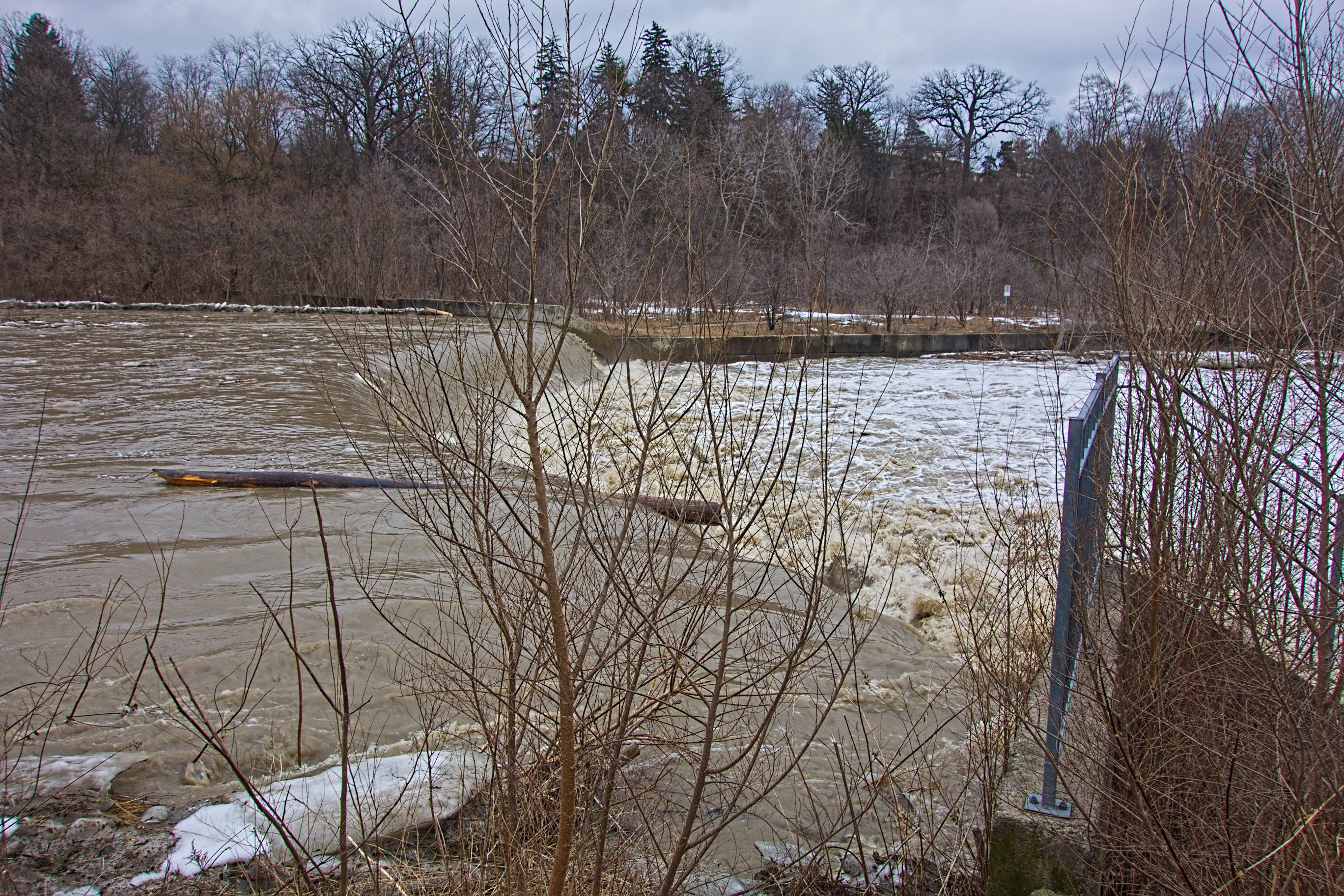
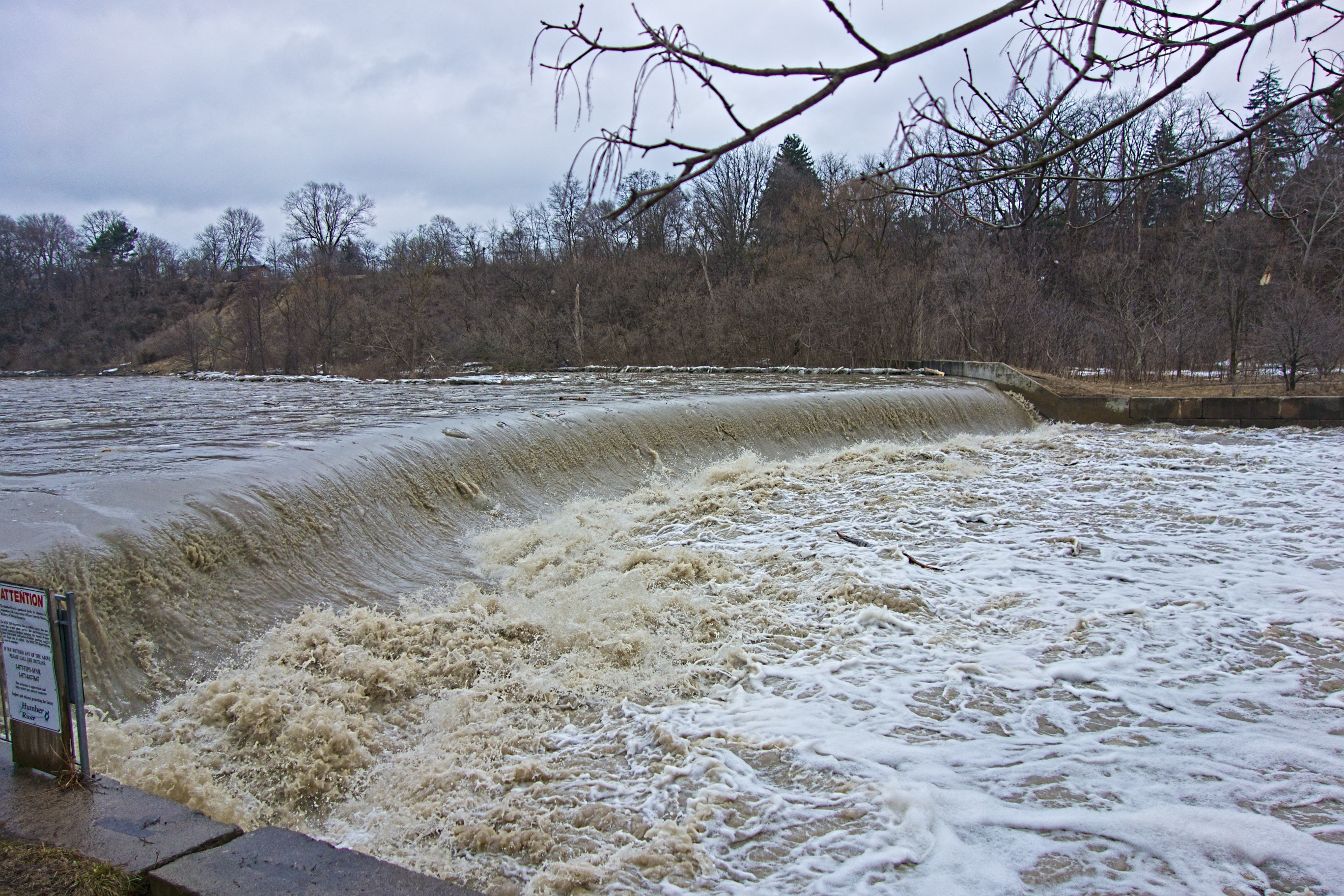
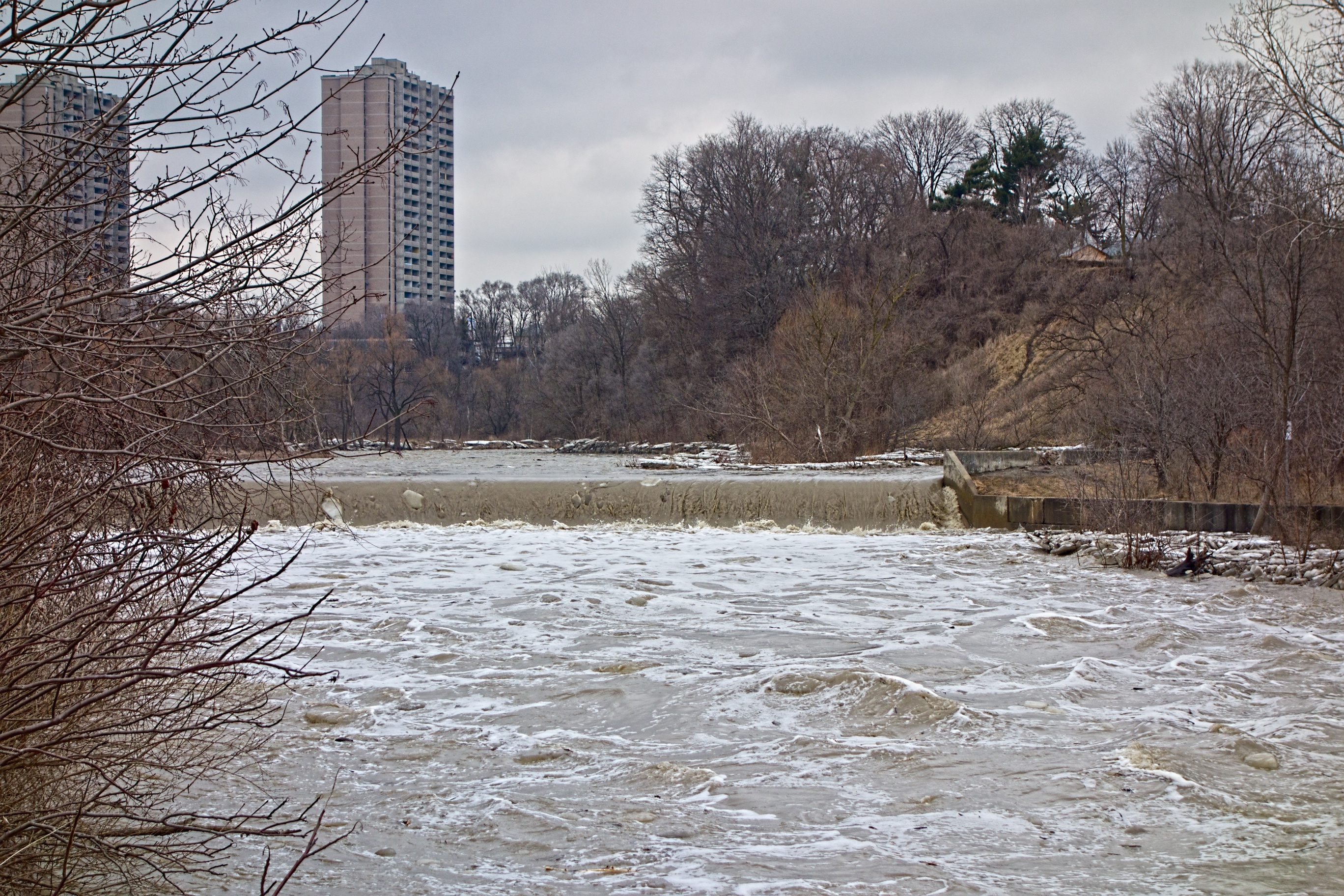
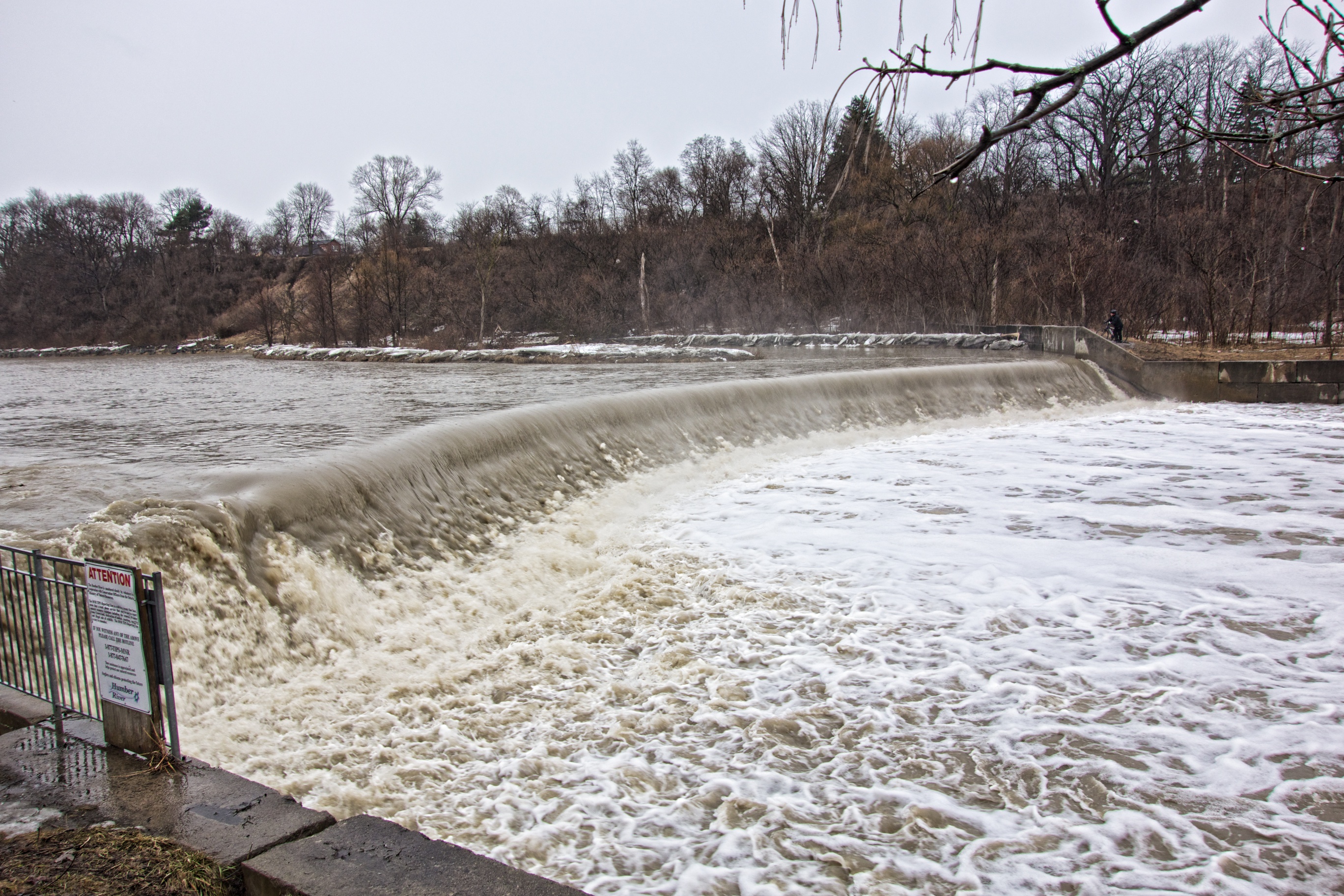
Flood waters are peaking and the Humber is sending billions of litres along with much flotsam and jetsam to Lake Ontario. Today’s photographs don’t do the event justice so here is a short movie together with some views of the raging torrent.

Let’s start with some wildlife – these ducks (in the centre of the image) are conserving energy by resting in a quiet eddy away from the maelstrom.

Ducks find refuge in calm waters.

Ducks find refuge in calm waters.

The amount of lumber going downriver is quite remarkable.

Huge amounts of lumber are being transported - a log is just about to go over the weir.

Huge amounts of lumber are being transported – a log is just about to go over the weir.

Standing close to the weir is quite the sensory experience with the thundering of the water (now much closer to bystanders) punctuated by the thumping of logs and ice blocks.

It's a very intense experience to stand close to the water.

It’s a very intense experience to stand close to the water.

Chunks of ice are carried over the weir.

The twin carbuncles bear witness as chunks of ice and other debris are carried over the weir.

In a few days, water levels will be back to normal but for now, the power of nature is a reminder of how puny we are.

Transition time.

Raymore Park is at the exact latitude of Florence in Italy. Despite this, our climate is about 12°C (22°F) colder in winter because Florence has the Alps blocking the path of arctic weather. Our closest mountains of influence (the Rockies) usually block mild westerlies from the Pacific, leaving us vulnerable to cold northerly winds in winter. Although the Great Lakes provide a moderating influence, ours is a continental climate with short transitions between seasons. Land warms and cools quickly and seasons tend to advance (and retreat) without too much fanfare.

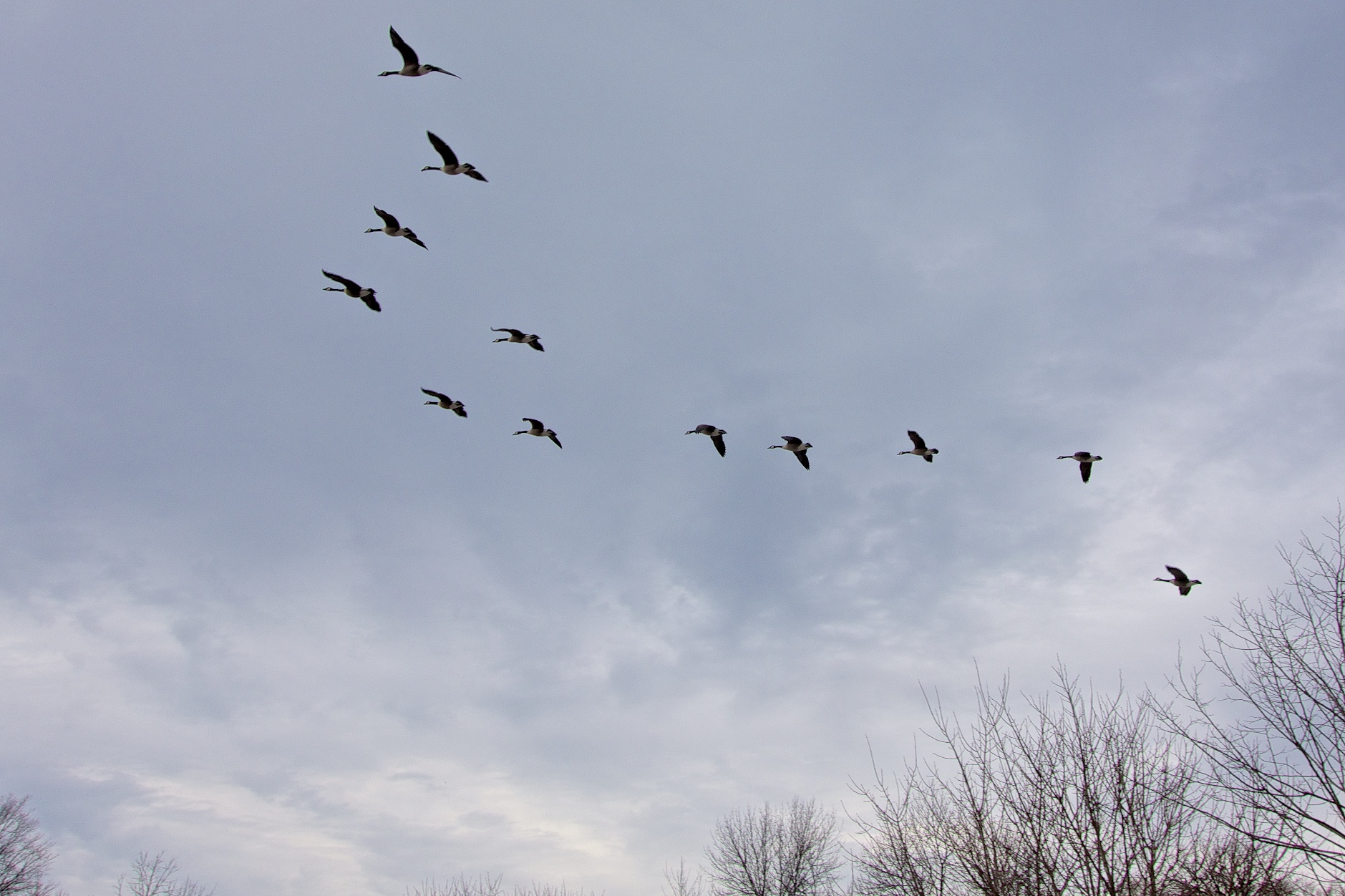
Wildlife is poised to return in force. Many animals are already on their way through migration. Monarch butterflies for example have already begun the trek from Mexico, each generation moving north as conditions permit. Billions of creatures in the park will spring to life from the seeds and eggs left behind by their ancestors, killed in the mass extinction that occurs every Fall. Atlantic salmon are preparing to spawn, triggered by rising water temperatures. Geese and other water birds are pairing up and aimlessly mooching around the river like teenagers in a shopping mall while plants are awaiting the signal that tells them it’s safe to emerge.

Mooching geese.

Mooching geese under a leaden sky.

Huge amounts of sediment laden water are draining off the land from tributaries all along the Humber. The ground is fully saturated ready to nourish plants when they start growing.

Huge amounts of water drain into the Lower Humber.

Huge amounts of water are draining into the Lower Humber.

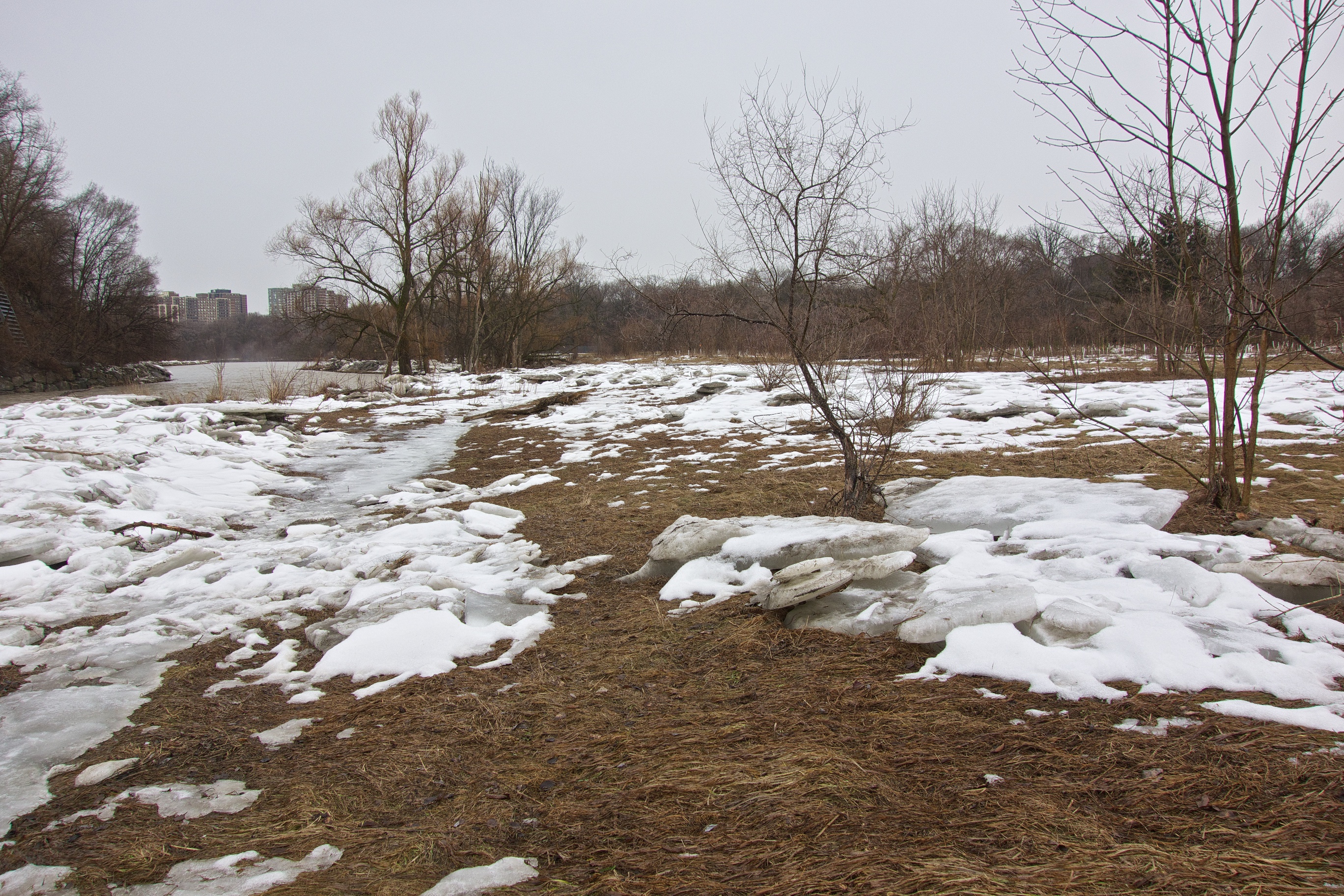
The land is saturated.

The land is saturated as snow and ice melt.

For now though, it’s quiet.