(Another) Mid Humber Gap Trail Update

Readers may remember that the Humber cycle and pedestrian trail has a gap around the junction of Weston Road and St Phillips. The trail ends because the Humber’s banks are occupied by private property – mainly the Weston Golf and Country Club.

The gap in the trail forces able-bodied cyclists to lug their bikes up a huge flight of stairs and deters a huge number of others who are daunted by the danger of Weston Road and the physical exertion required to push a bike up several stories.
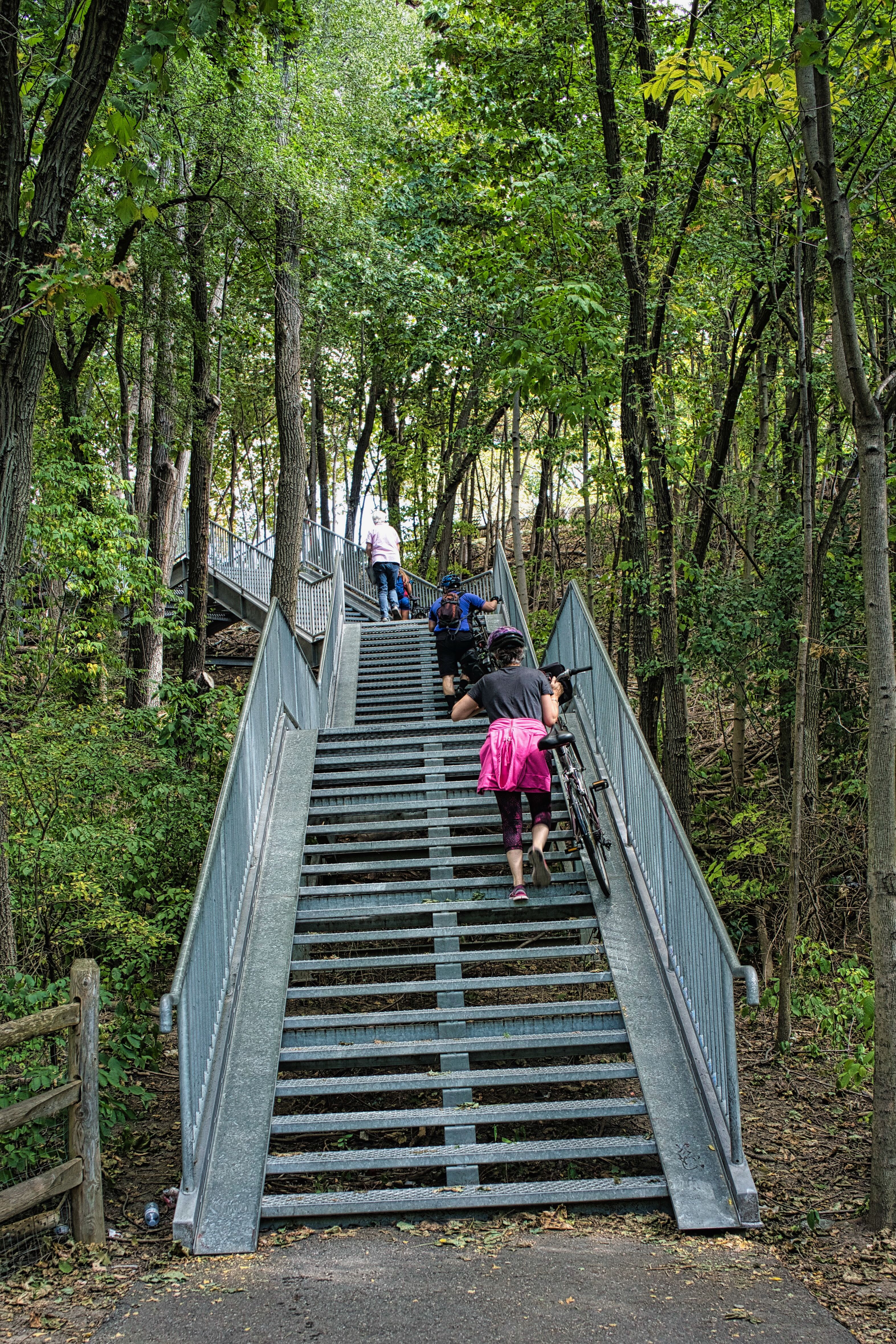
Cyclists climbing the stairs towards a dangerous trek along Weston Road.
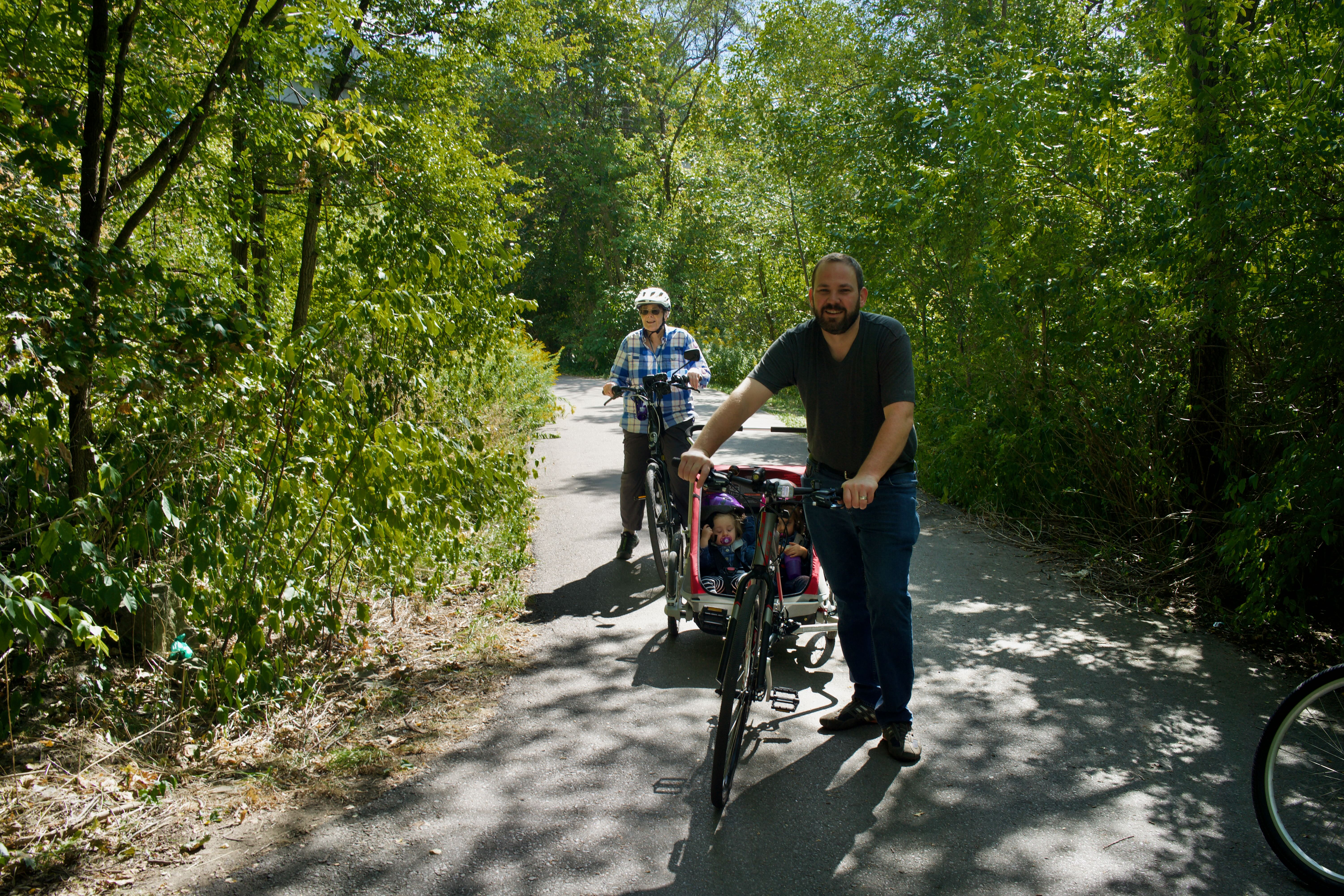
It’s the end of the trail for this family.
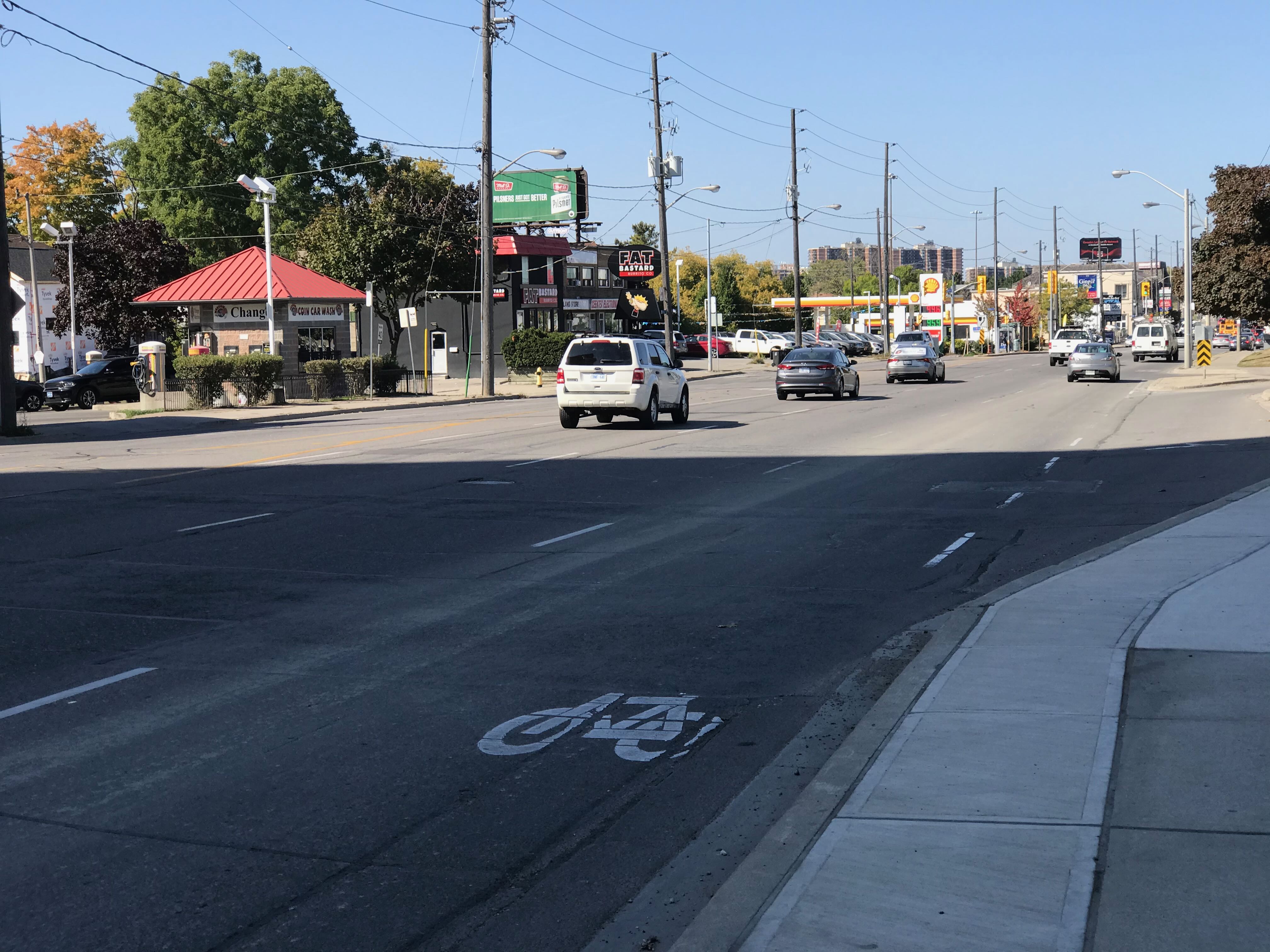
The dangerous stretch of Weston Road that links two sections of the trail. Note the optimistic ‘sharrows’ indicating that vehicles share the road with cyclists.

After more than two decades of study and consultation, a solution was found out of several options that would allow the trail to continue its way alongside the Humber without encountering stairs or traffic. The solution involved a couple of bridges and some fencing where the golf club borders the river. After the final hurdle of an environmental assessment by the city and TRCA, the project was given the green light. Ominously, somewhere in the documents was the fact that the Weston Golf and Country Club was concerned about the safety of pedestrians and cyclists during flood events. Some of the great unwashed might find themselves in the Humber after a rainstorm. Think of the liability.

The WGCC is a popular club with a waiting list to get in. They have a decades-old arrangement with the city to defer a (confidential) percentage of their property taxes as long as they operate as a golf course. The club has powerful members who may or may not have the ear of Premier Ford who lives nearby.
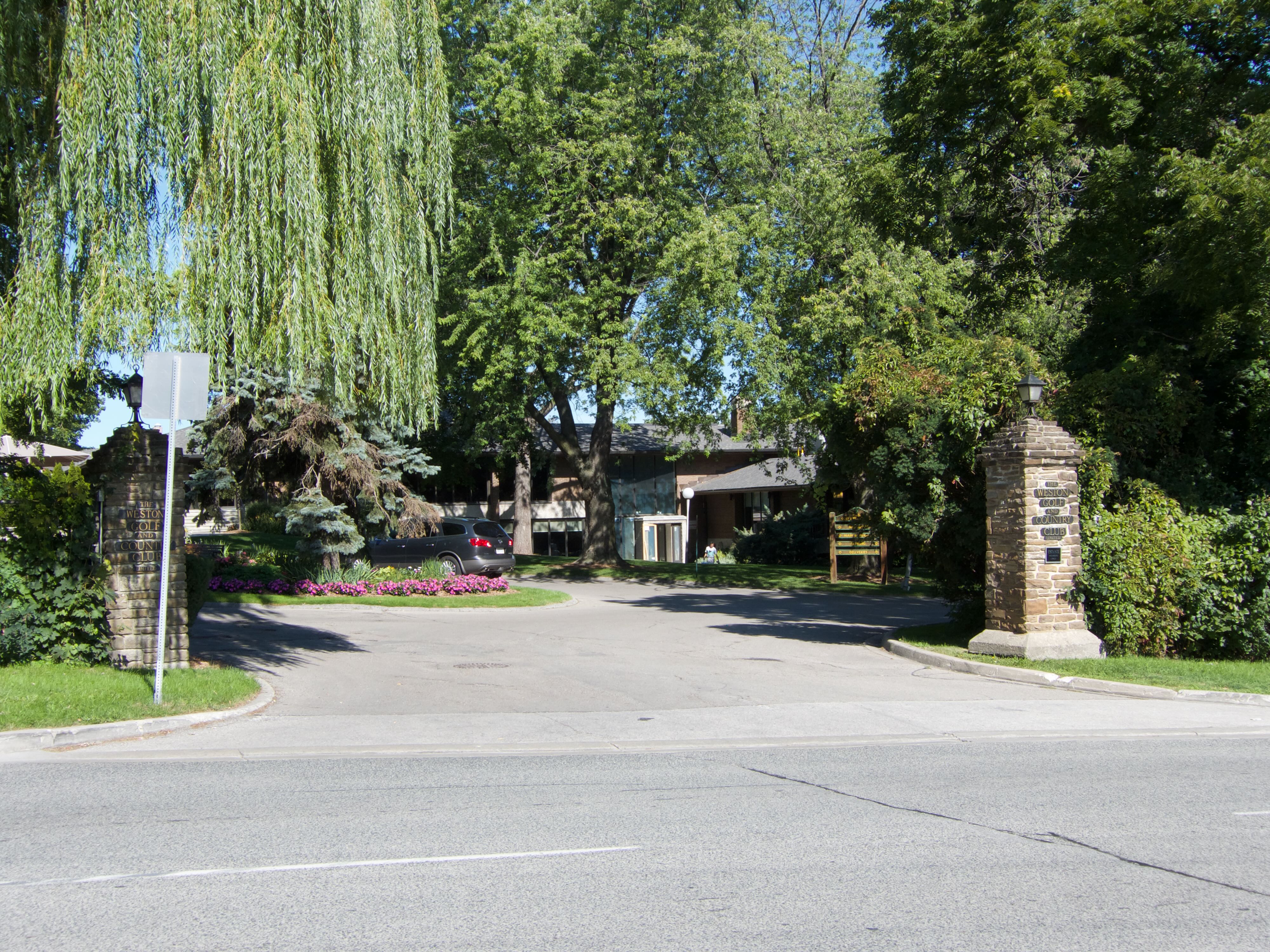
The entrance to Weston Golf and Country Club on St Phillips

Enter a pantomime villain in the shape of David Piccini, Ontario’s 34 year-old Environment Minister. Piccini has likely been told to kill the project and may well have done so. Piccini insists that the environmental assessment done by the city and TRCA is somehow inadequate. He has demanded a do-over, effectively stalling the project. In response, the city has commenced a Notice of Application for a Judicial Review in Divisional Court and is challenging the Province’s order for further study on the Mid Humber Gap Trail.

The hearing is scheduled for November 15, 2023.
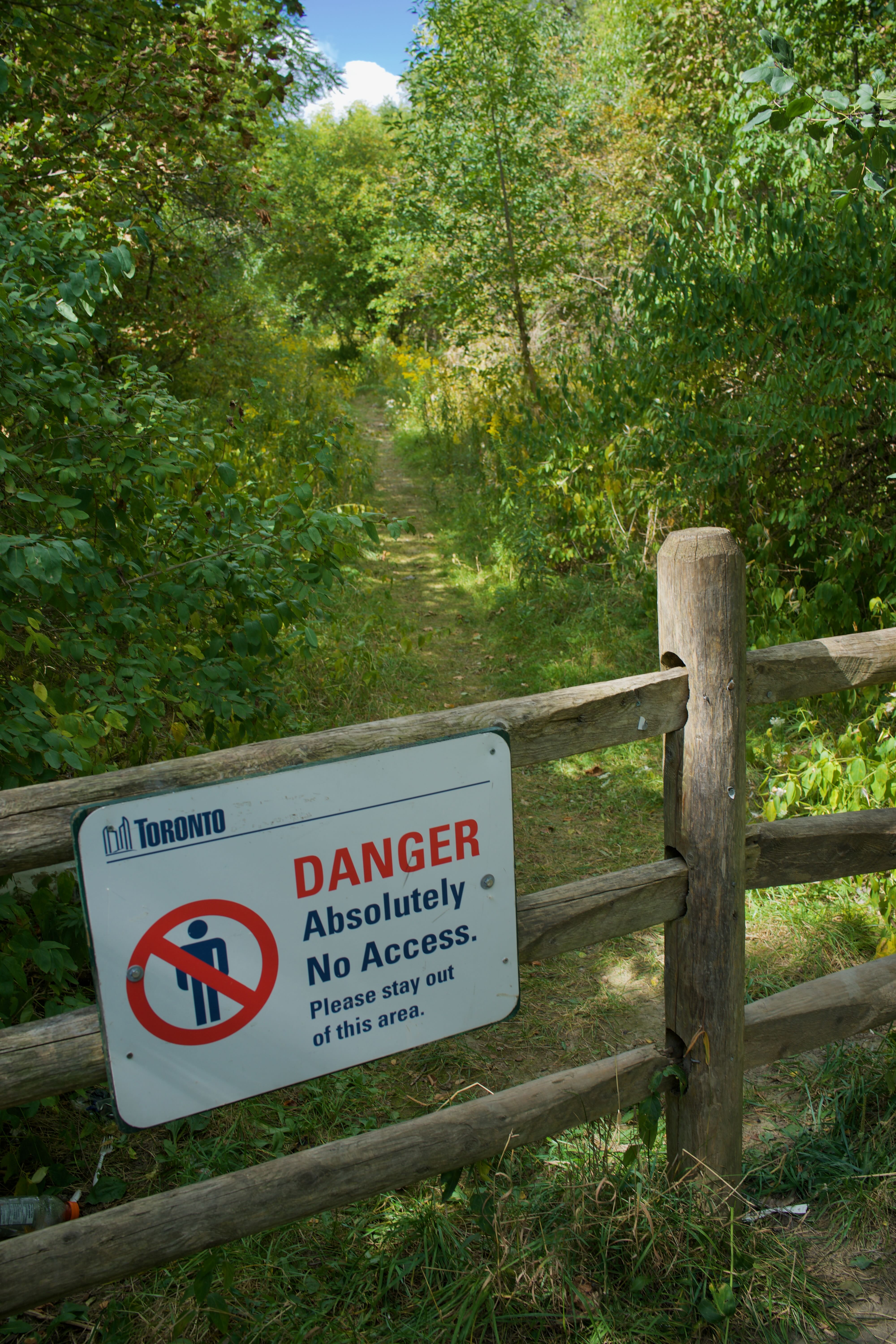
Is it really the end of the trail?

I guess we’ll find out about the power of a publicly subsidized golf course and how easily due process in a democracy can be perverted – or we might be pleasantly surprised at the judiciary acting in the public interest.

Toronto’s new mayor may have something to say about this.

Tree planting a success

A large number of people gathered on the morning of Saturday June 10 to plant 325 native trees and shrubs in the wild area just south of the parking lot.

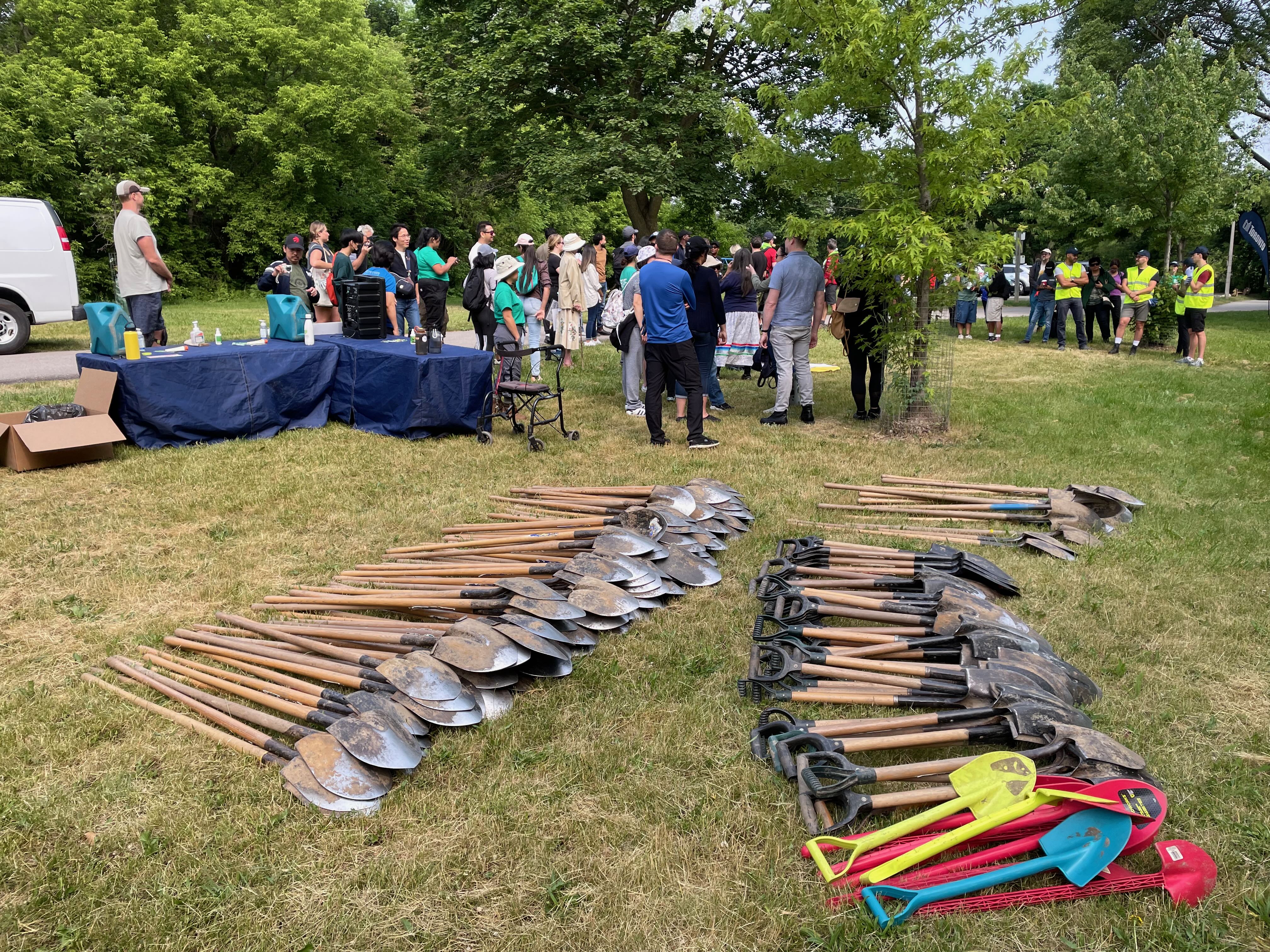
Shovels of all sizes at the ready.
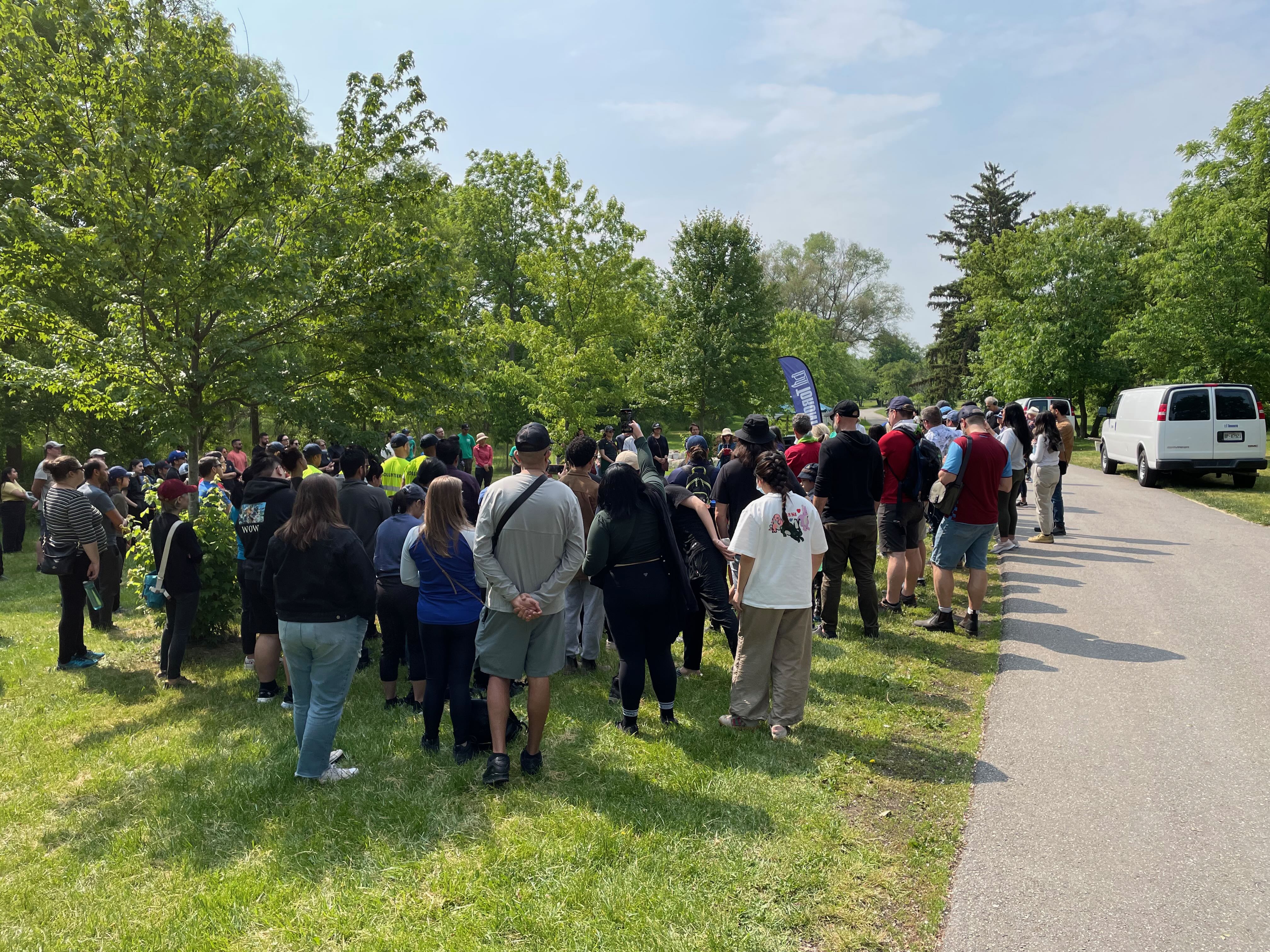
An impressively large crowd attended.

The event organized by The Humber River Citizens’ Alliance and the City of Toronto was begun by a talk from Toronto historian Madeleine McDowell who gave an outline of the events of Hurricane Hazel which eventually prompted the establishment of conservation areas throughout the GTA.

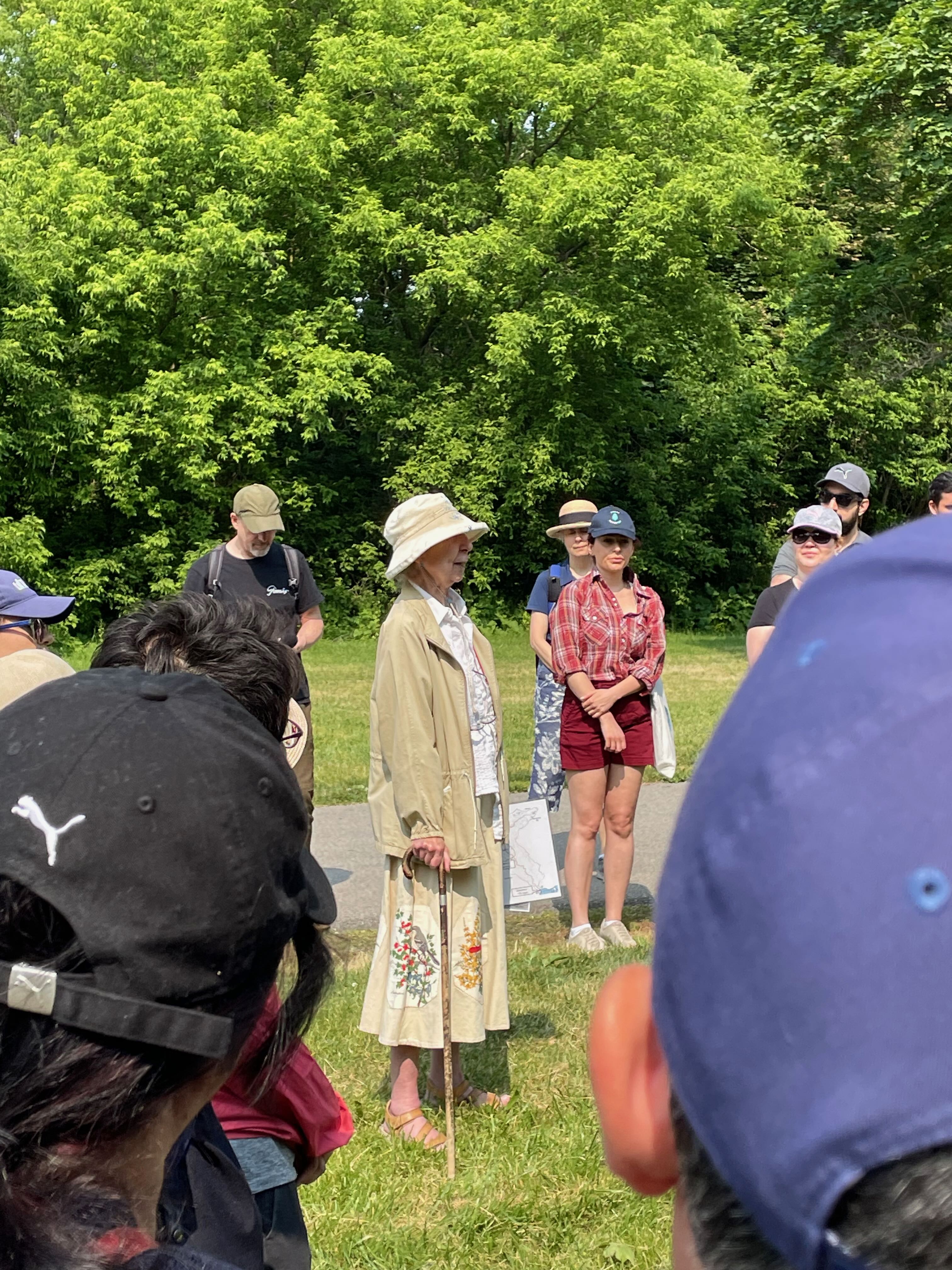
Madeleine McDowell outlines the story of Hurricane Hazel and Raymore Park.

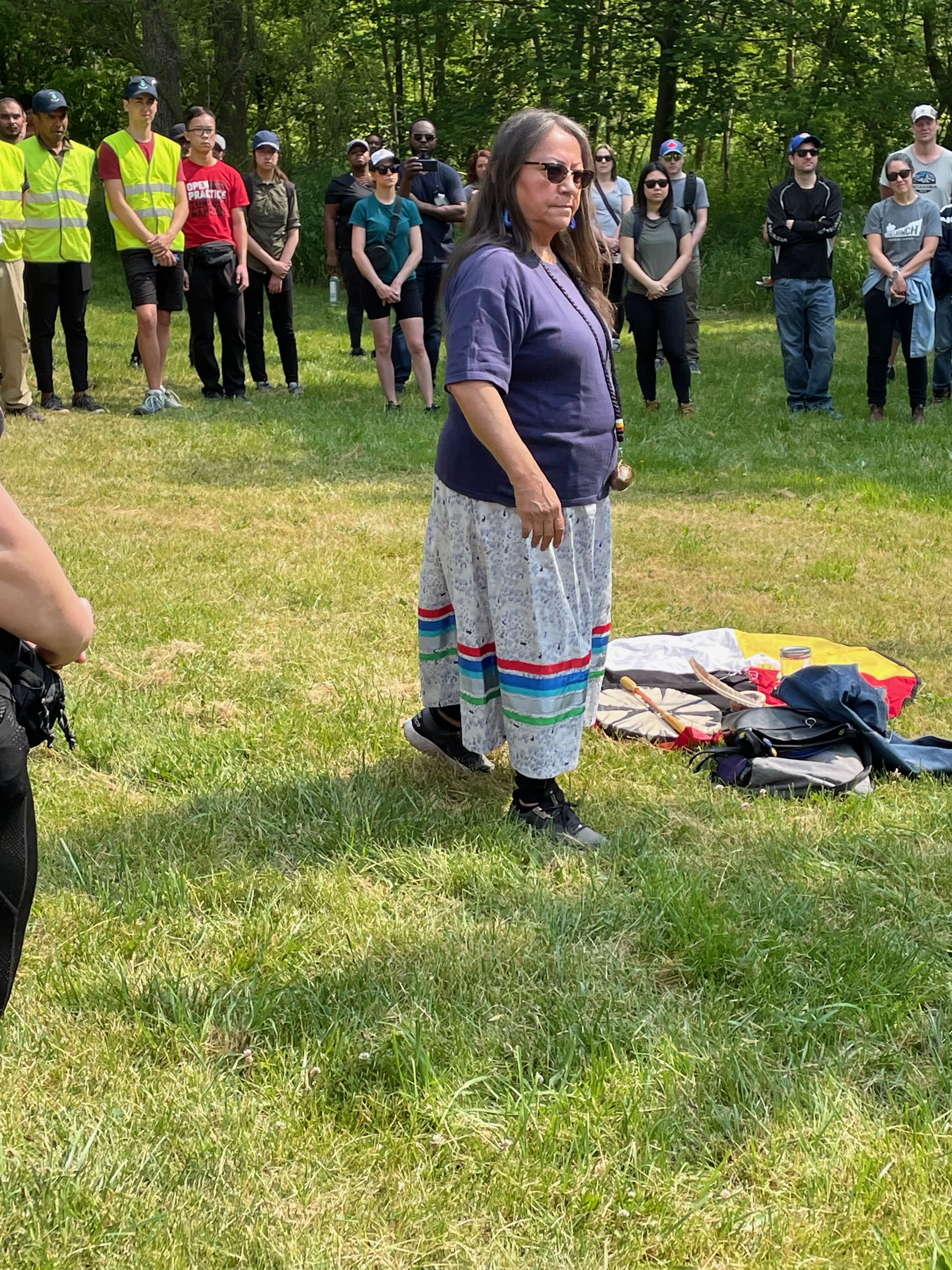
Anishnaabe Grandmother Waterkeeper Vivian Recollet spoke of the value of nature and the need to respect growing things.

Vivian Recollet talks about native traditions and respect for the land.

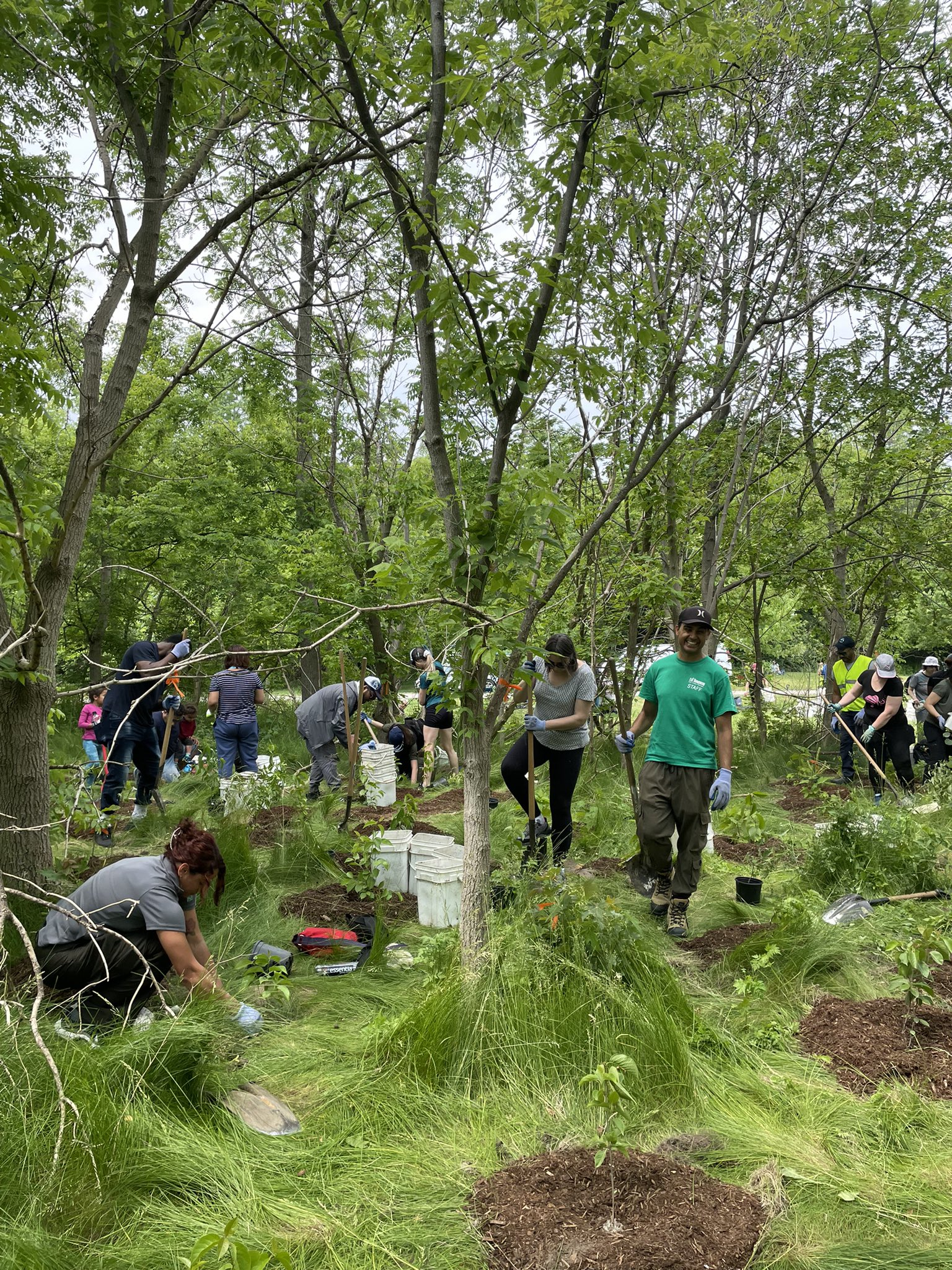
The event was well organized and the work went quickly.

Volunteers hard at work. From Toronto Forestry Twitter account.

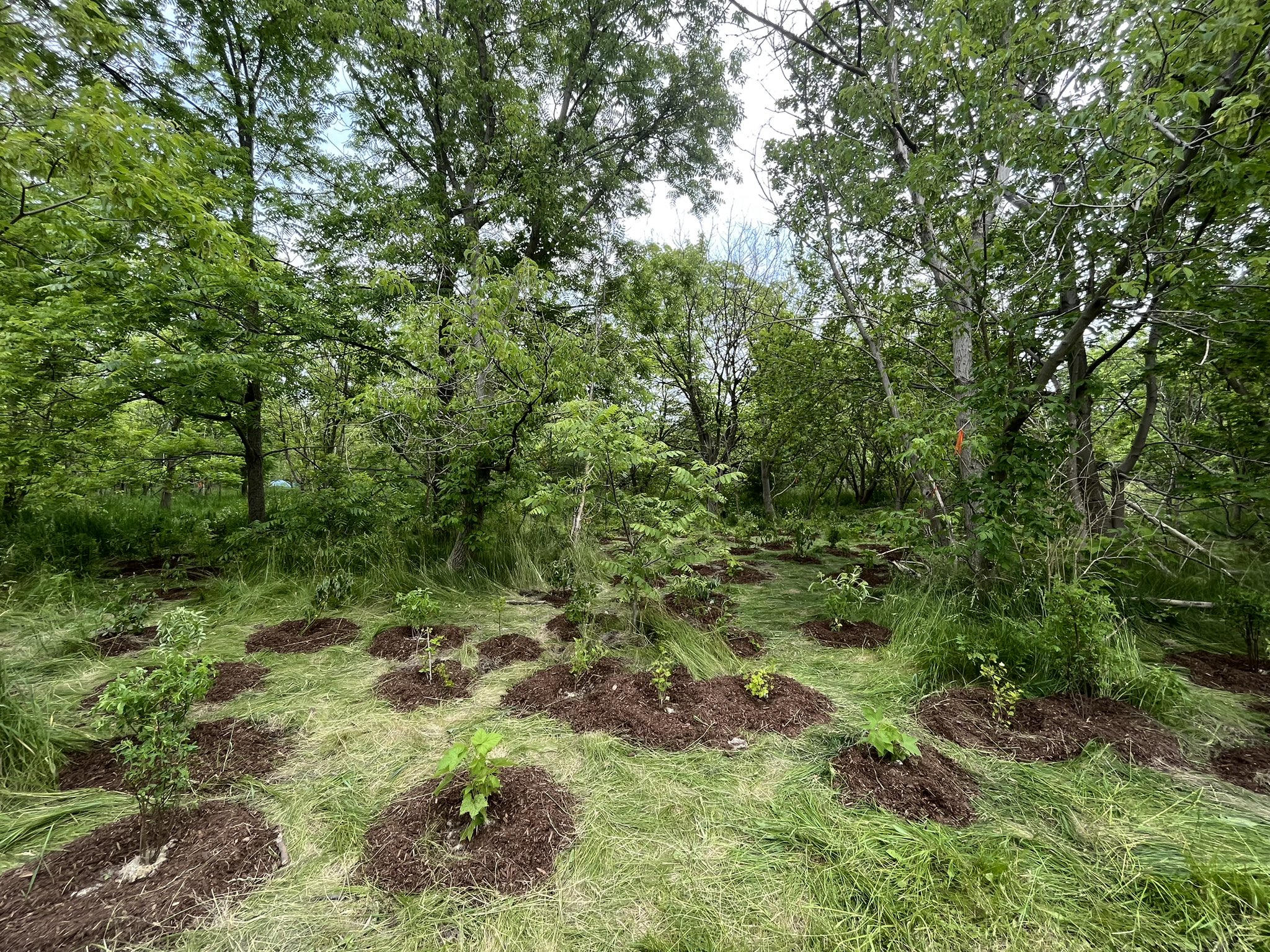
As mentioned, a total of 325 trees and shrubs were planted and the recent rain will no doubt help considerably with their establishment.

Trees and shrubs in their new home along with lots of mulch. From Toronto Forestry Twitter account.

Tree planting this weekend.

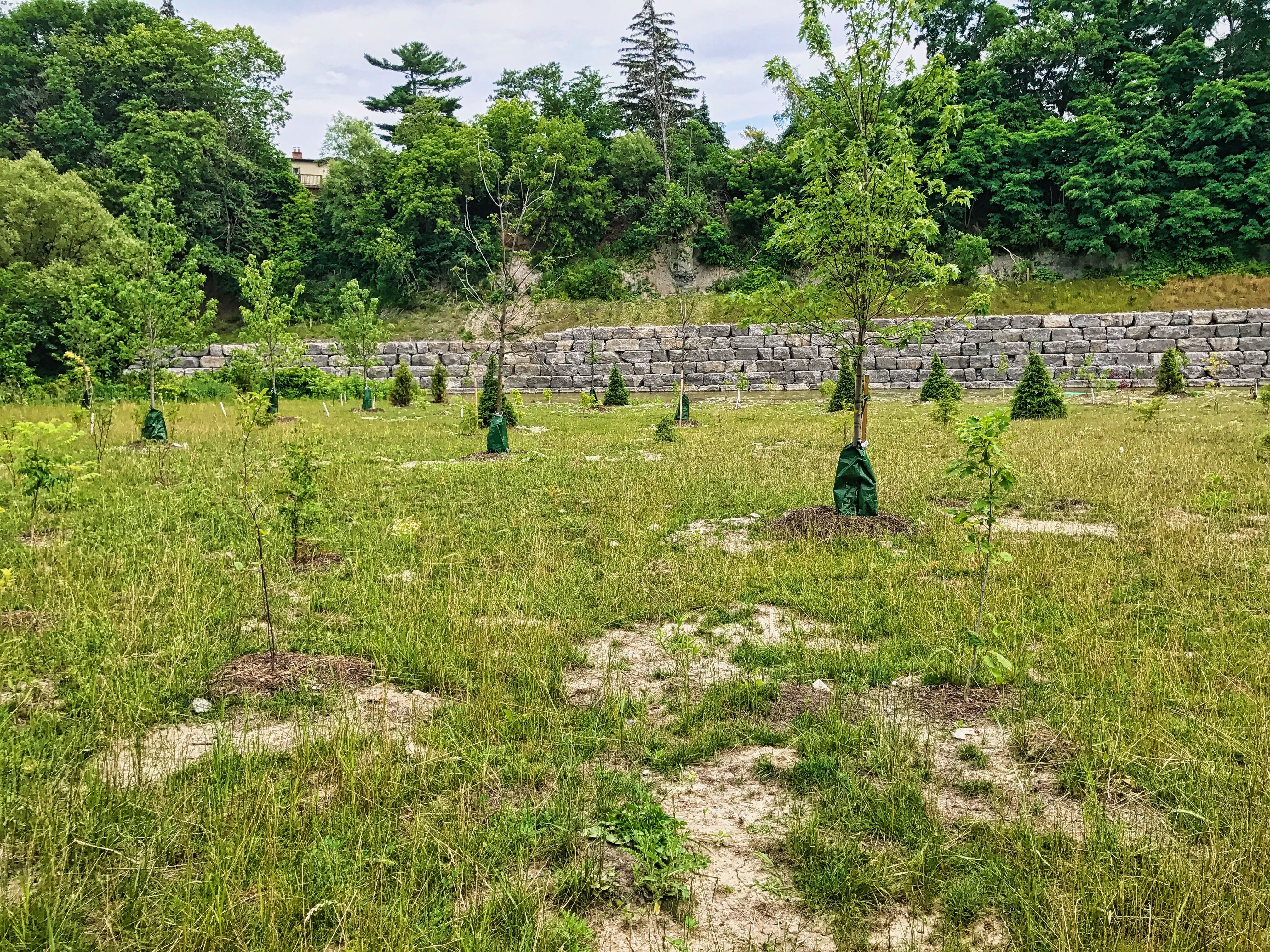
Newly planted trees in the wild area in 2017.

From City of Toronto and Humber River Citizens Alliance:

Commemorate the lives lost to Hurricane Hazel and enhance the natural habitat. This event will feature a short talk by historian Madeleine McDowell and a ceremonial tree planting with Vivian Recollet, an Anishinaabe Grandmother Waterkeeper. Meet south of Raymore Bridge, on the east side of the Humber River Recreational Trail (by the old bridge abutment).

When: June 10, 2023

Event Time(s): 10:00 am – 12:00 pm

Where: Raymore Park

93 Raymore Drive, Etobicoke, ON M9P 2S4, Canada

Cost: Free

Individuals and small groups do not need to register and are welcome to attend. Registration for groups of five or more people has reached maximum capacity and is now closed. Email us to add your group to the waitlist.

Website: www.toronto.ca

Email: greentoronto@toronto.ca

Pearen Park protest a success.

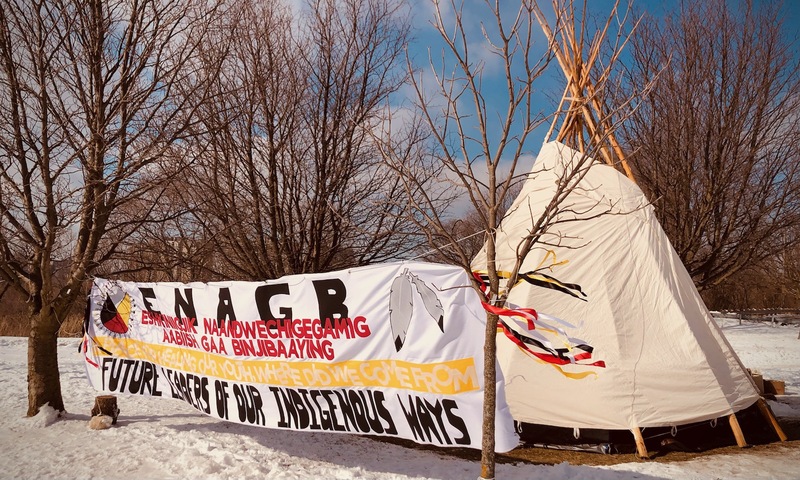
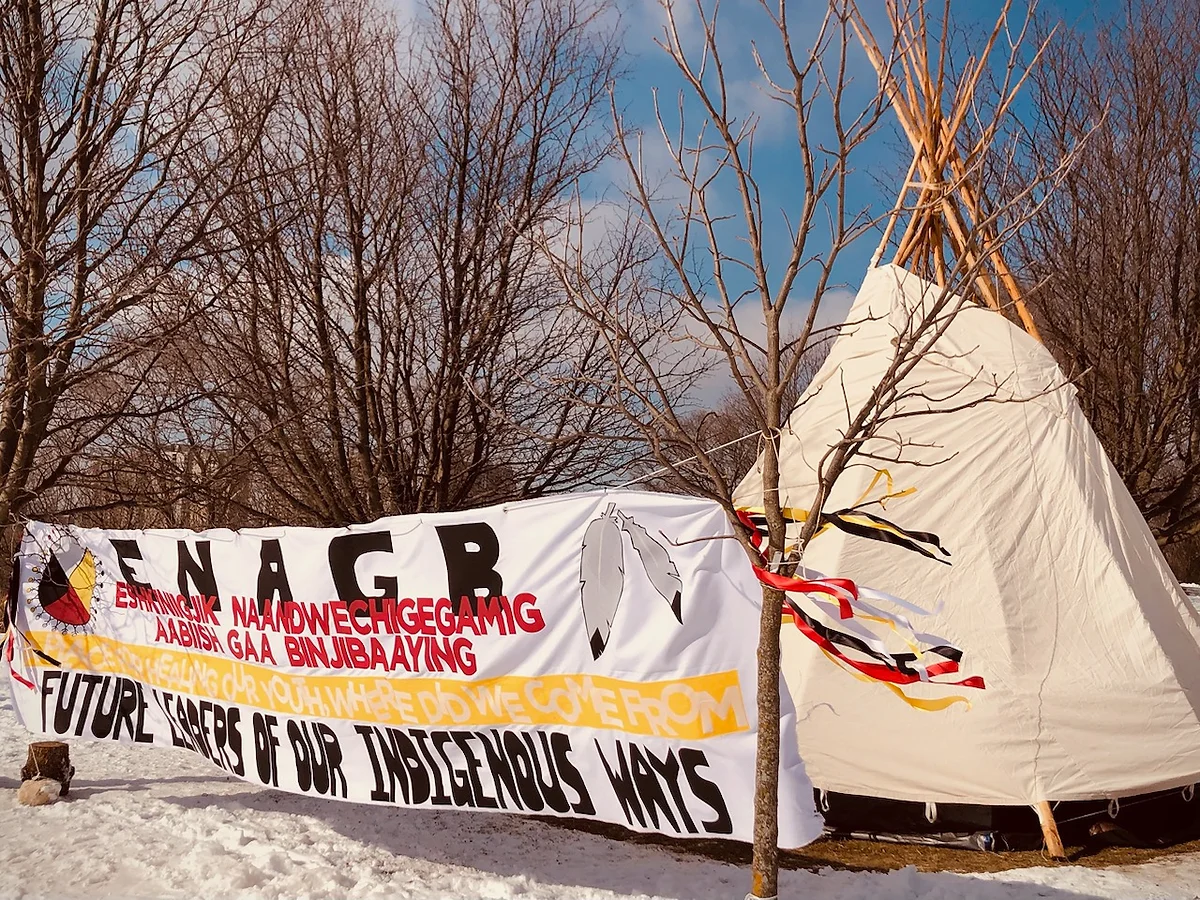
When it was announced that Metrolinx intended to clear-cut hundreds of trees along a 1.5 km stretch of Eglinton Avenue a coalition of several groups (including Mount Dennis Community Association) sprang into action. One of the groups, an indigenous-led coalition erected a tipi in Pearen Park and has occupied the site since January.

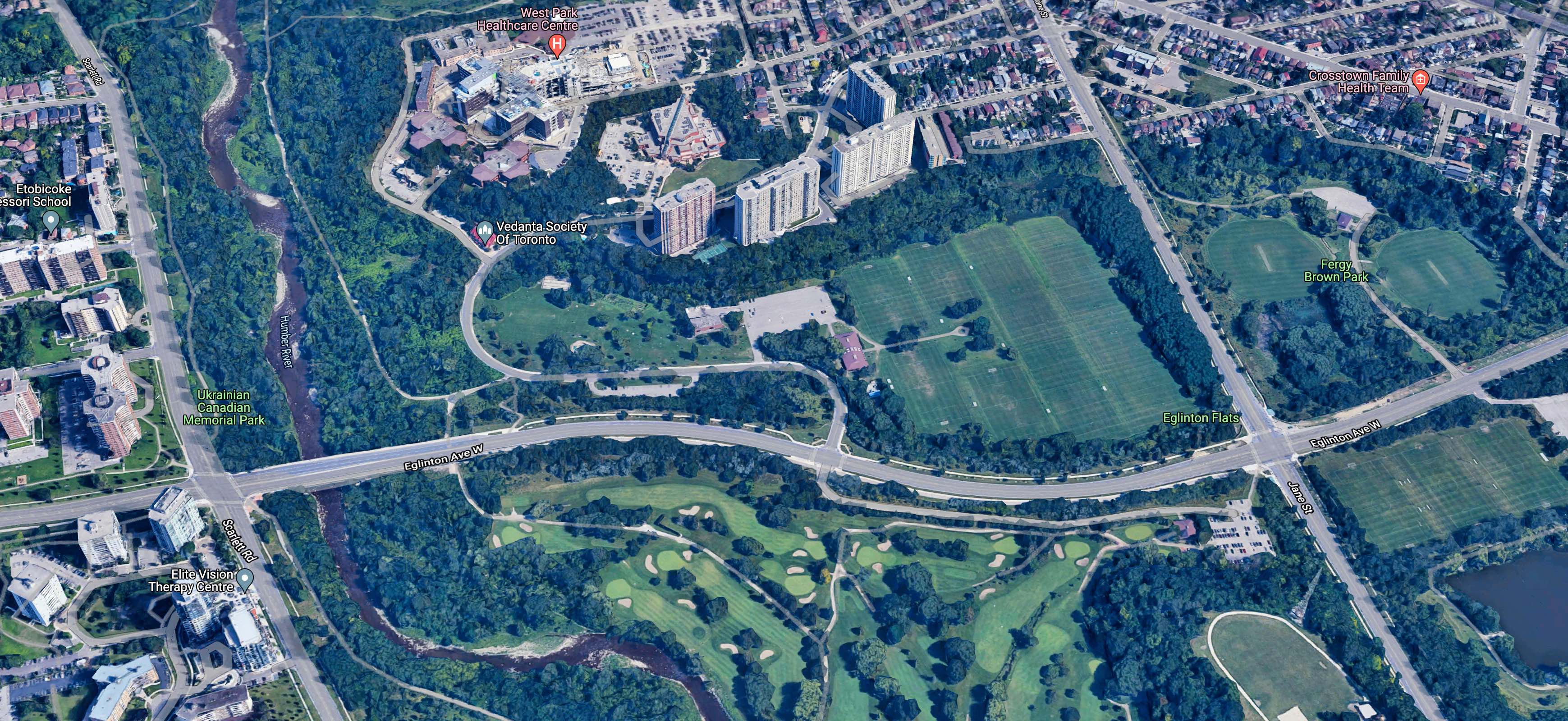
Today, close to 100 people listened intently as Indigenous leaders spoke about the need to protect the trees that Metrolinx wants to chop down. The provincial transit authority wants to build an elevated section of the Eglinton Crosstown Extension. The extension will link the long delayed main line to Pearson Airport and is planned to cross the Humber above ground before going underground at Scarlett road. The coalition insists that the line must be built underground in order to preserve precious parkland.

The trees to be removed are on the north side of Eglinton (running right to left in the photo).

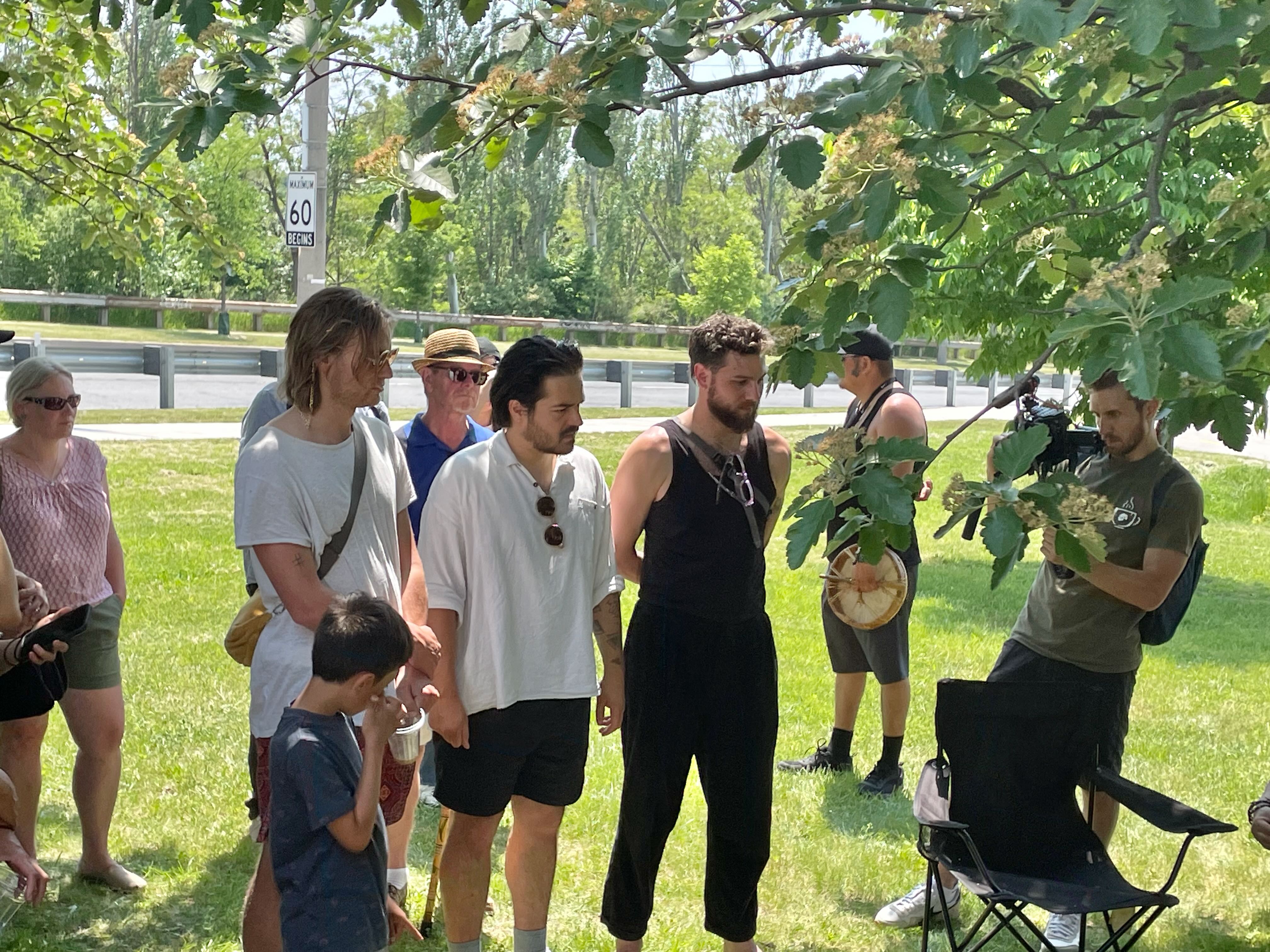
German rock group Milky Chance were there in support along with the Sierra Club and Greenpeace. They participated with dozens of others to place tobacco at the foot of each tree and mark them with ribbons. Refreshments were generously provided by Super Coffee who have a coffee shop at Weston and Eglinton.

Milky Chance listen to speakers at the event.
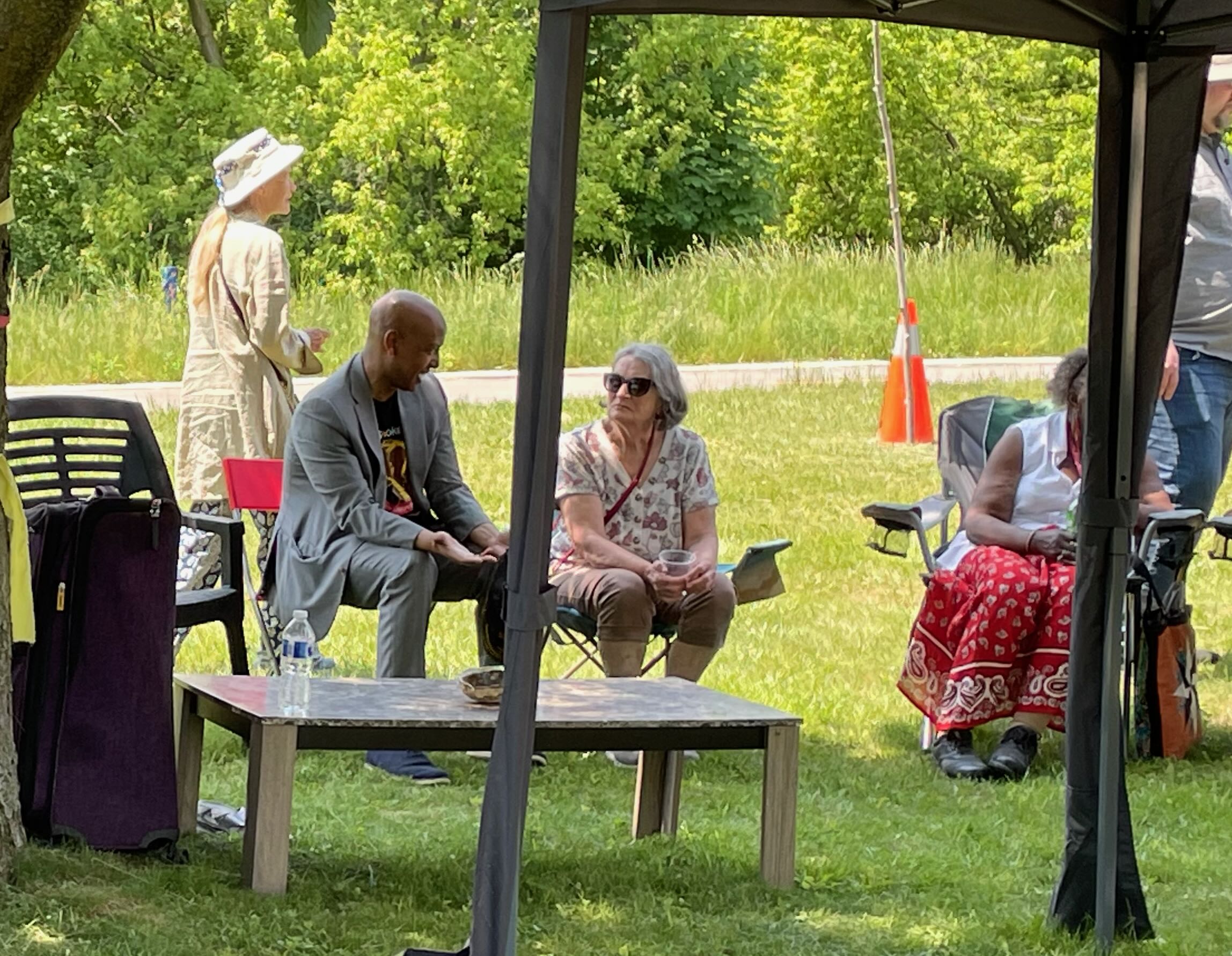
Local politician Faisal Hassan attended the event.
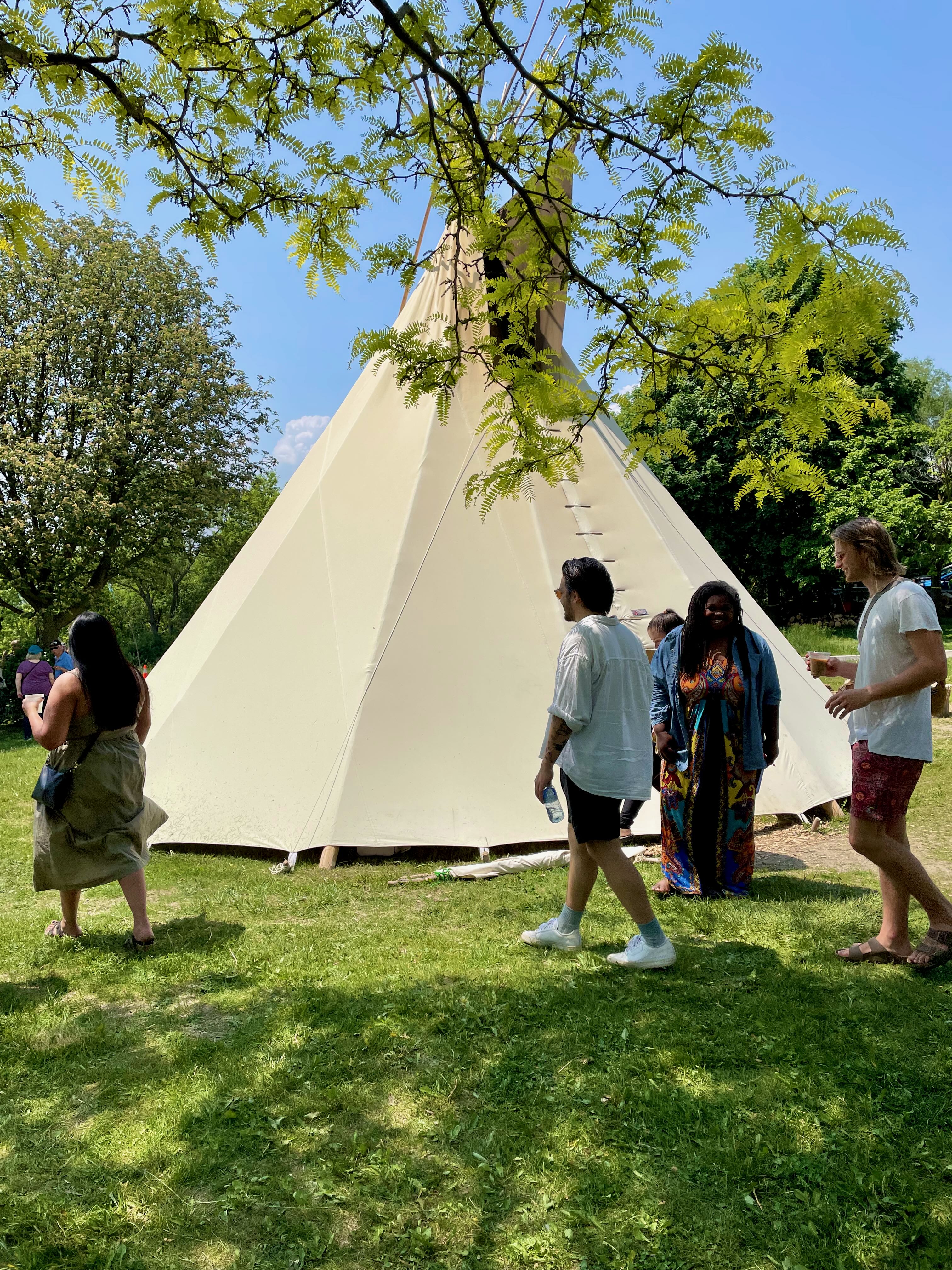
The tipi where sacred fire has been burning since January.
Tying ribbons and placing tobacco at the foot of each tree.

There is no reason for Metrolinx to build an elevated line across the Humber that will lead to the destruction of hundreds of trees. Great cities bury their rail lines and preserve nature at all costs.

Is Toronto a great city or will it fall prey to small thinking and destroy irreplaceable wildlife, trees and parkland?

Incidentally, missing in action were Councillor Frances Nunziata and local MPP Mike Ford. Incidentally Ford (who is the premier’s nephew) campaigned for his seat claiming that he would better represent the coalition from inside government. Since he was elected, he seems to have forgotten his promise.

Read more from the coalition here.

Read a January article by the CBC here.

Milky Chance, Sierra Club and Greenpeace to fight Metrolinx destruction.

On Wednesday, May 31, German Rock group Milky Chance will be joining representatives from the Sierra Club and Greenpeace to protest the planned destruction of almost 1500 trees and a large wildlife habitat by Metrolinx.

According to Stop The Trains In Our Parks, The plan is to, “join Milky Chance, Sierra Club Canada, Greenpeace and our Indigenous-led coalition that includes ENAGB Indigenous Youth Agency, Turtle Island Carers of Fire, Edge of the Bush, American Indian Movement, Stop the Trains in Our Parks (STOP), Mount Dennis Community Association (MDCA) and the Mount Dennis eco-Neighbourhood Initiative (MDeNI).”

This will be a, “Demonstration of solidarity and protest against Metrolinx’s plan to build an 1.5 km elevated section of the LRT line through parkland north of Eglinton Avenue West between Scarlett Road and Weston Road. There will also be a ceremonial ribbon tying of trees with Milky Chance.

When: Wednesday, May 31, 1:30-2:30 PM

Where: Pearen Park, 30 Pearen Street in Toronto, ON

Why: To show public opposition to Metrolinx’s plan, come together in ceremony as allies in honouring the trees, and support action towards Canada’s reconciliation for First Nations Peoples.

About the parks

The parkland in question—Pearen Park, Fergy Brown Park, Eglinton Flats and the Humber River area—is a sensitive ecosystem, wildlife corridor, migratory bird route and is home to Threatened and Endangered species. The naturalized urban forest is a flood and erosion protector, natural cooler and sound barrier. The parkland is used for many cultural activities and sacred ceremonies for Indigenous Peoples, as well as recreational, sport and social activities. The Humber River is a Canadian Heritage River and an urban river valley protected by the Ontario Greenbelt.

Learn more at www.stopthetrainsinourparks.ca or email stopthetrainsinourparks@gmail.com.

A photo of the tipi in Pearen Park in January.

Stop the Trains in Our Parks started this petition on Leadnow.ca. If there’s an issue close to your heart that you’d like to campaign on, you can start your campaign here.

If you haven’t already, sign the petition “Tell Metrolinx & Ford Government to Keep the Eglinton Crosstown West Extension Underground in YSW“.

Parks as equity creators.

What is a park?

The earliest parks were created by Persian kings who used them as private hunting areas. The practice of game parks was carried on in medieval England and as in Persia, the public was excluded. The industrial revolution created large polluted cities and parks were seen as an escape from industrial grime. In modern times, parks have evolved to serve many purposes and city parks like Raymore preserve native flora and fauna while providing a place to relax, exercise and take in the beauty of nature. Raymore sits on a flood plain and so floods can occur relatively harmlessly.

Who are parks for?

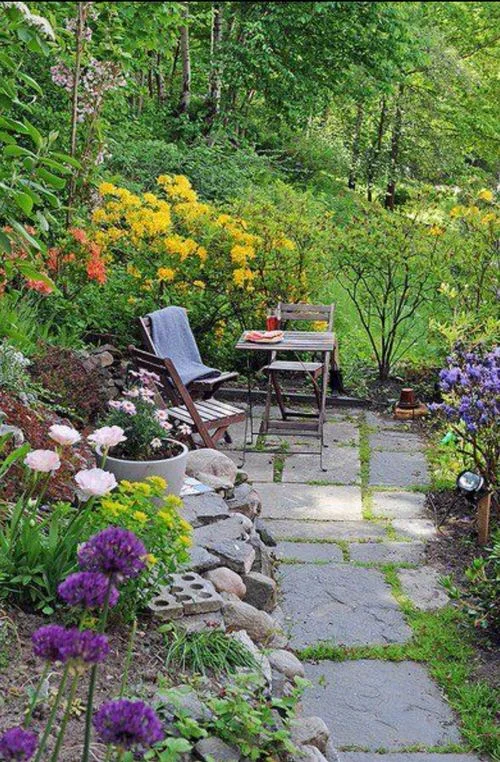
There are many neighbourhoods in Toronto where detached homes are the norm. These homes are often surrounded by beautiful gardens with a back yard and tranquil space. Unfortunately, at a price of $1.27 million, for an average detached home and $1 million for a semi, homes with gardens are beyond the reach of most Toronto residents. Only about one in three people are able to enjoy a garden.

From https://balconygardenweb.com/

For most people in Toronto, parks are the only form of green space available to them and the best way to escape from stale indoor air. This is why adequate and varied parkland is a vital component of life in a city.

Carbon dioxide (CO2) is a natural product of breathing but is toxic at high levels. Fresh air contains around 420 parts per million of CO2. Without adequate ventilation (which is quite common in heated and air conditioned environments, levels of CO2 can build up. When carbon dioxide exceeds 1000 ppm, problems can arise such as headaches, nausea and dizziness.

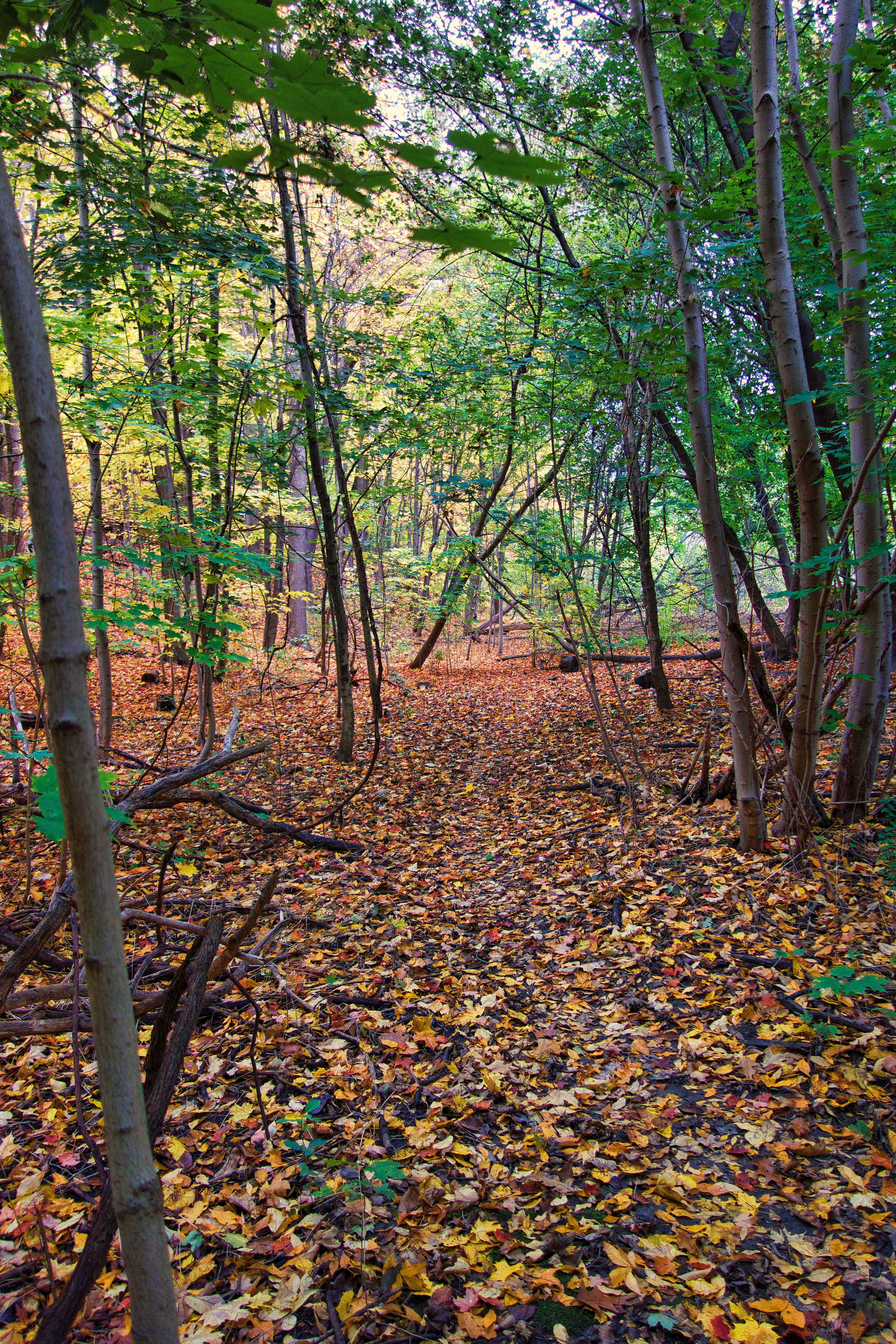
A carpet of fall colour in Raymore Park.

Park air is probably healthier than indoor air because it is likely cleaner and has lower CO2. In summer, parks turn carbon dioxide into oxygen. That’s not all. Being among trees reduces stress. A walk on a treadmill cannot duplicate the relaxation that comes from a walk in the woods. Sunshine can brighten a mood and in summer months, provide essential vitamin D.

In Canada, our cities are becoming more crowded and parks are a way for people to enjoy nature. People without gardens of their own depend on parks and open spaces as an escape from indoor air. This is why parkland in cities is precious and must be protected at all costs. Providing access to nature is more important than ever and should be considered a human right. Parks are not a frill; they’re an essential component of a healthy life.

That is why the loss of parkland in a city is an attack on the health of its people.

Morons in parks with fireworks.

As far as nature is concerned, the May 24th weekend is the worst possible time to have fireworks going off. Spring is the time when animals nurture their fragile young and research has shown the devastation that fireworks can cause in wildlife. Imagine several nights when random bangs and flashing lights are cannonading through our city. This is what happens on our Victoria Day weekend every year. These days fireworks are widely available and they’re not always used responsibly.

Particular shame must go to the people who set fireworks off in parks. Even though it is illegal, law enforcement has bigger fish to fry. Tonight loud booms were echoing through Raymore Park (and no doubt others) accompanied by bright flashes of light. Park gates were still open at 11pm allowing vehicles to enter resulting in the fireworks being set off in the parking lot.

Luckily rain ended the show but the thoughtlessness of these people has likely distressed and perhaps killed some young animals in our parks.

Toronto Nature Stewards at Raymore Park this Sunday.

A message from Toronto Nature Stewards:

Volunteers from Toronto Nature Stewards have been picking up litter and will be gathering in Raymore Park on Sunday, May 14 at 1pm to begin work on removing “invasives”; non-native plants that crowd out the diversity that is healthier for our ecosystem.
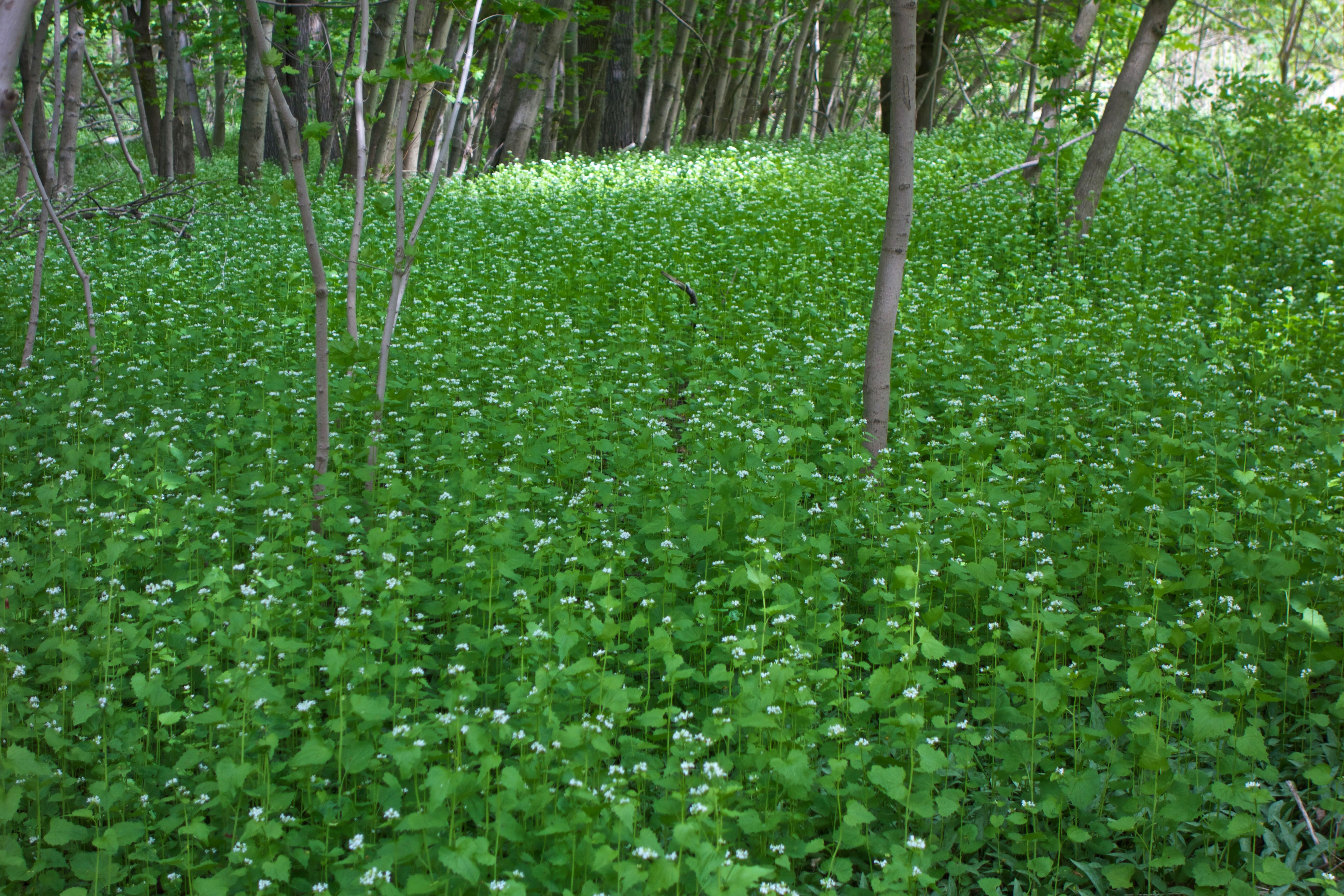
Everyone is welcome to learn about what we do to restore the park, and anyone can join in. Our Lead Steward has taken the TNS training and is approved by the city Parks Dept. to remove 14 different non-native plants. (Dog-strangling vine and garlic mustard seem to be the two biggest problems in Raymore!)

Garlic Mustard in Raymore Park (May 2013)

We’ll meet beside the pedestrian bridge and park sign.
Contact Brian at the Raymore TNS team at EtobicokeCommunityFutures(at)gmail.com for more information.

Raymore Park: changes over the years – Part 2.

Read Part 1 here.

This year marks 30 years since I started coming to Raymore Park. During that time many changes have occurred, most of them reflecting adjustments in park philosophy and management.

4. Areas under grass.

After Hurricane Hazel hit the Humber Valley in 1954, it was decided that flood plain and ravine land should be cleared of settlement to avoid further loss of life. Residents of Raymore Drive and Gilhaven Drive who survived were compensated for the purchase of their homes or lots. Gilhaven drive was approximately where the parking lot is today. Lands were then made part of what is now the Toronto and Region Conservation Authority (TRCA) and homes were bulldozed to create wide expanses of grass. Slowly, thanks to diminishing budgets, some grassed areas have been allowed to naturalize and sumac bushes have advanced, allowing trees to spring up in their midst. Currently, there is no grass cutting south of the weir apart from a strip on either side of the bike path.

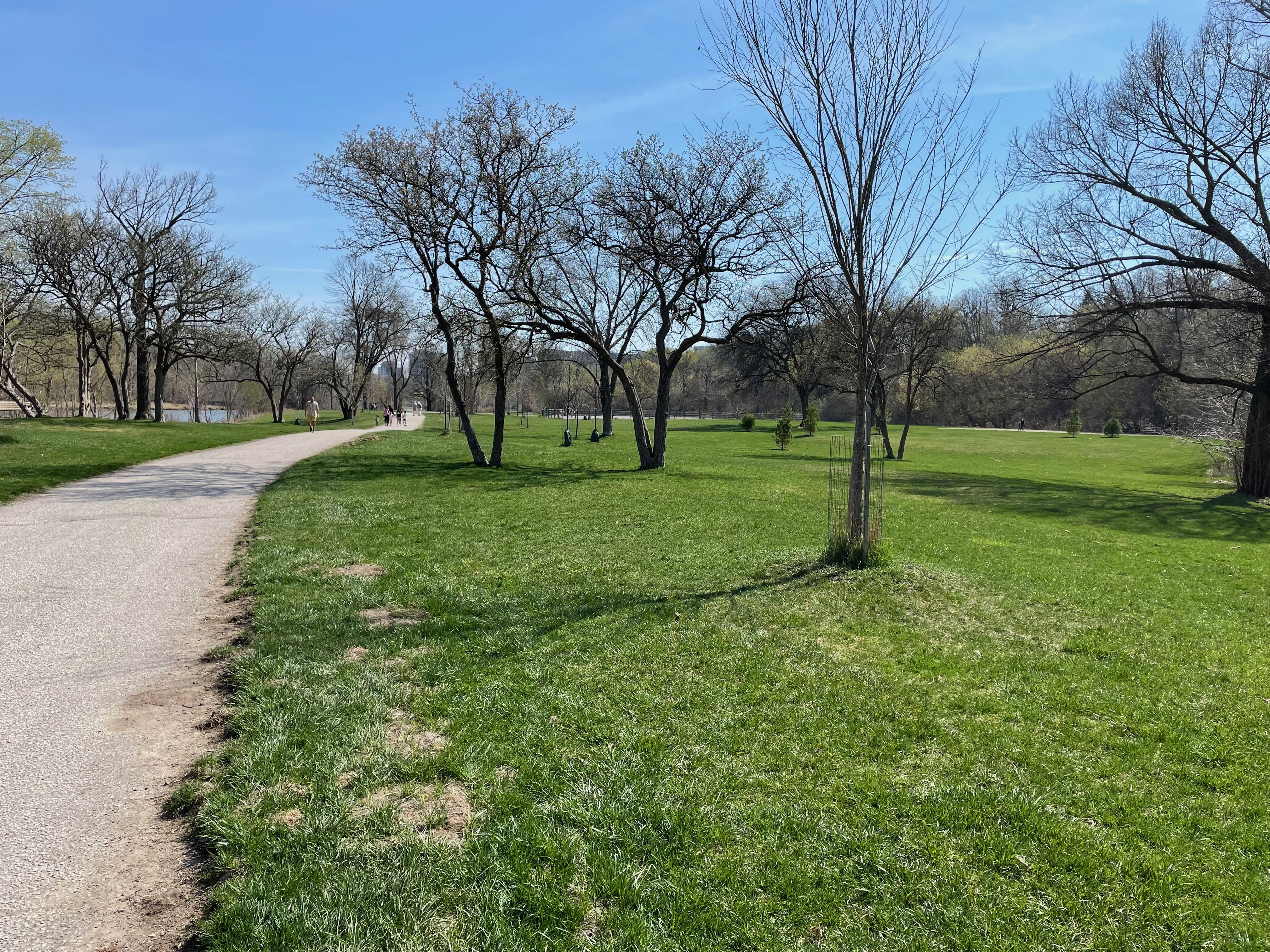
Looking south towards the weir. Lots of grass with some recent tree plantings.

5. Dogs.

Raymore has been a popular park for local dog owners for decades. When the condos at Hickory Tree opened, residents were allowed to keep dogs and used Raymore Park once the footbridge opened in 1995. The wild area was popular and a path was carved out by dogs and their owners as they followed the Humber through the bush.

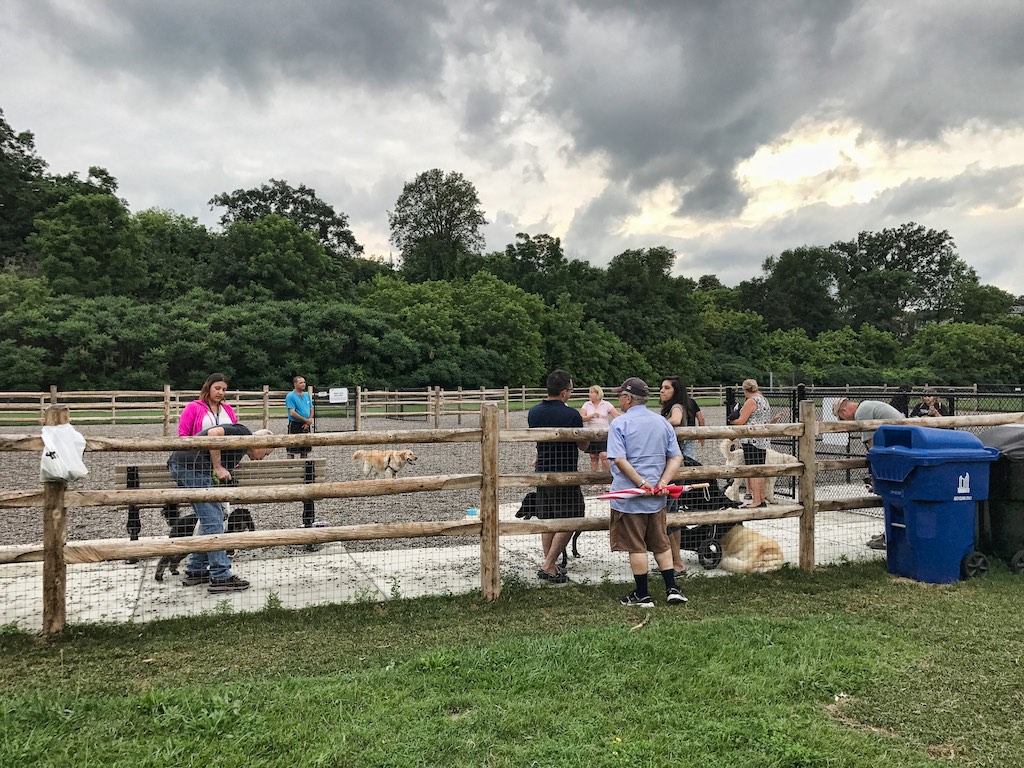
In 2017, an area near one of the baseball diamonds was converted into a dog off-leash area (DOLA). The ground was fitted with weeping tile to improve drainage, bulldozed and covered with the aptly named pea gravel. It was then fenced off from the rest of the park. The pea gravel is supposed to allow for better drainage but many owners say that it makes their dogs’ paws uncomfortable.

Residents and their dogs gather Monday, July 10 2017 for the official Raymore Park DOLA opening.

The DOLA took a few years to become popular but is now widely used and is popular with professional dog walkers who can be seen with up to six dogs at a time.

Some owners avoid the DOLA, instead preferring to allow their dogs to run free in places like the wild area. They play a cat and mouse game with city by-law enforcement officers and occasionally have encounters with wildlife that are unfortunate.

Jane’s Walk locally on May 7

The Mount Dennis Community Association is holding a Jane’s Walk on Sunday, May 7 entitled, ‘Tipis, Cricket and LRT’s at Fergy’s park’.

Time:12:00 noon – 1:30 pm

Fergy Brown Park, named after a former York mayor, was agricultural until 1965. It has a rich Indigenous history as the Carrying Place Trail, almost hosted the Richview expressway, and now is being threatened by the Crosstown extension which is going to destroy a large amount of the natural section of the park. Local Indigenous people feel their rights to be consulted about a major heritage site are being ignored.

Starting at Weston and Eglinton, we’ll visit Pearen Park, the site of the proposed elevated LRT portal, see what the natural environment looks like.  Some rather unkind comments were made about invasive species.  While it would be great if Parks had planted the most desirable species, the site is still home to wood ducks, deer, coyote, and amphibians, all seeming to prefer a naturalized area to mowed grass.   Fergy Brown park hosts cricket most summer weekends, frisbee golf many evenings, and the Extension will cause major disruptions for a decade.  And all we ask is that Metrolinx value the contributions of the community and negotiate the best solution.  If you followed the news this week, you know that Metrolinx isn’t demonstrating competence.
From the MDCA Newsletter April 28, 2023
  • Walk Start Location: Mount Dennis ( Weston & Eglinton ). Walk leaders will have blue Shirts and banners.
  • Walk End Location: Jane and Eglinton

Read more about the Metrolinx plans for clearcutting through several parks here.

More Toronto Jane’s Walks here.