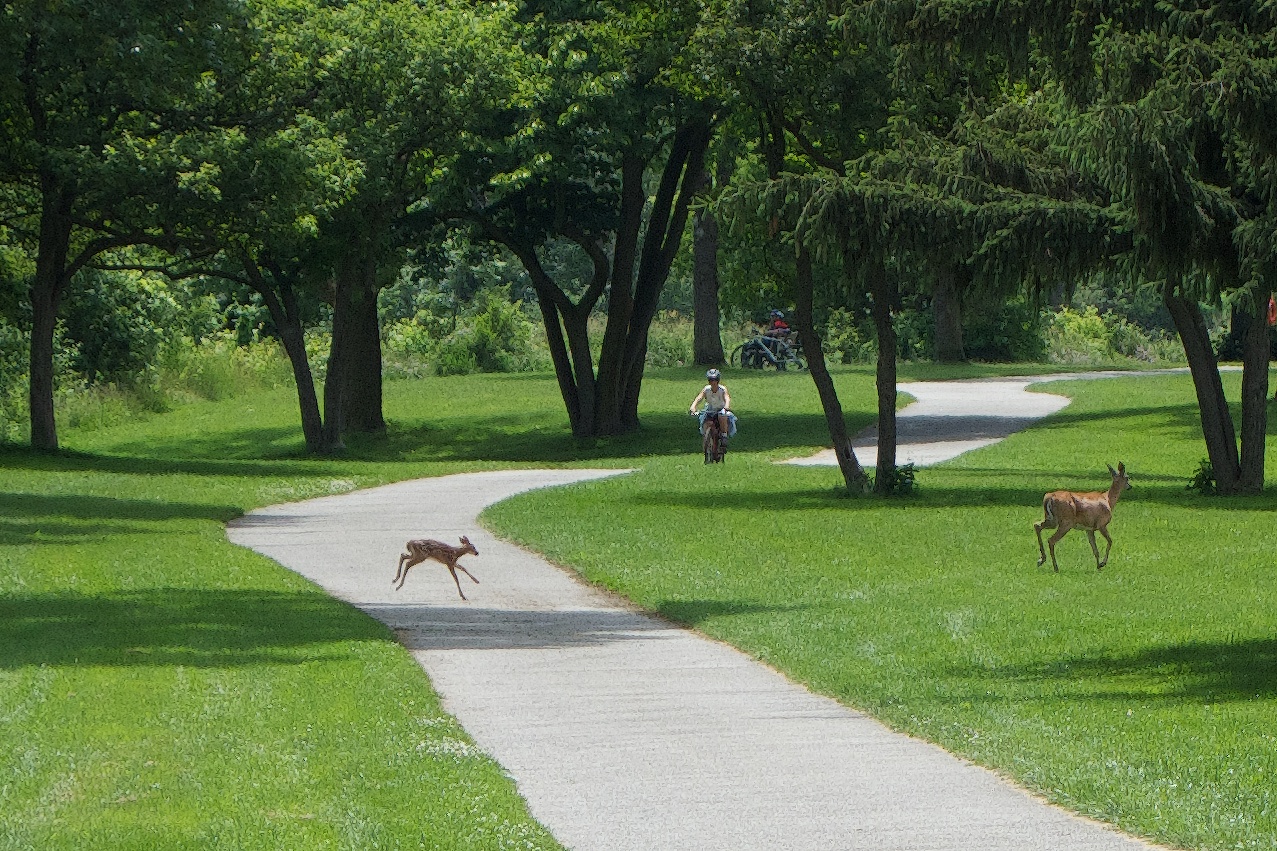
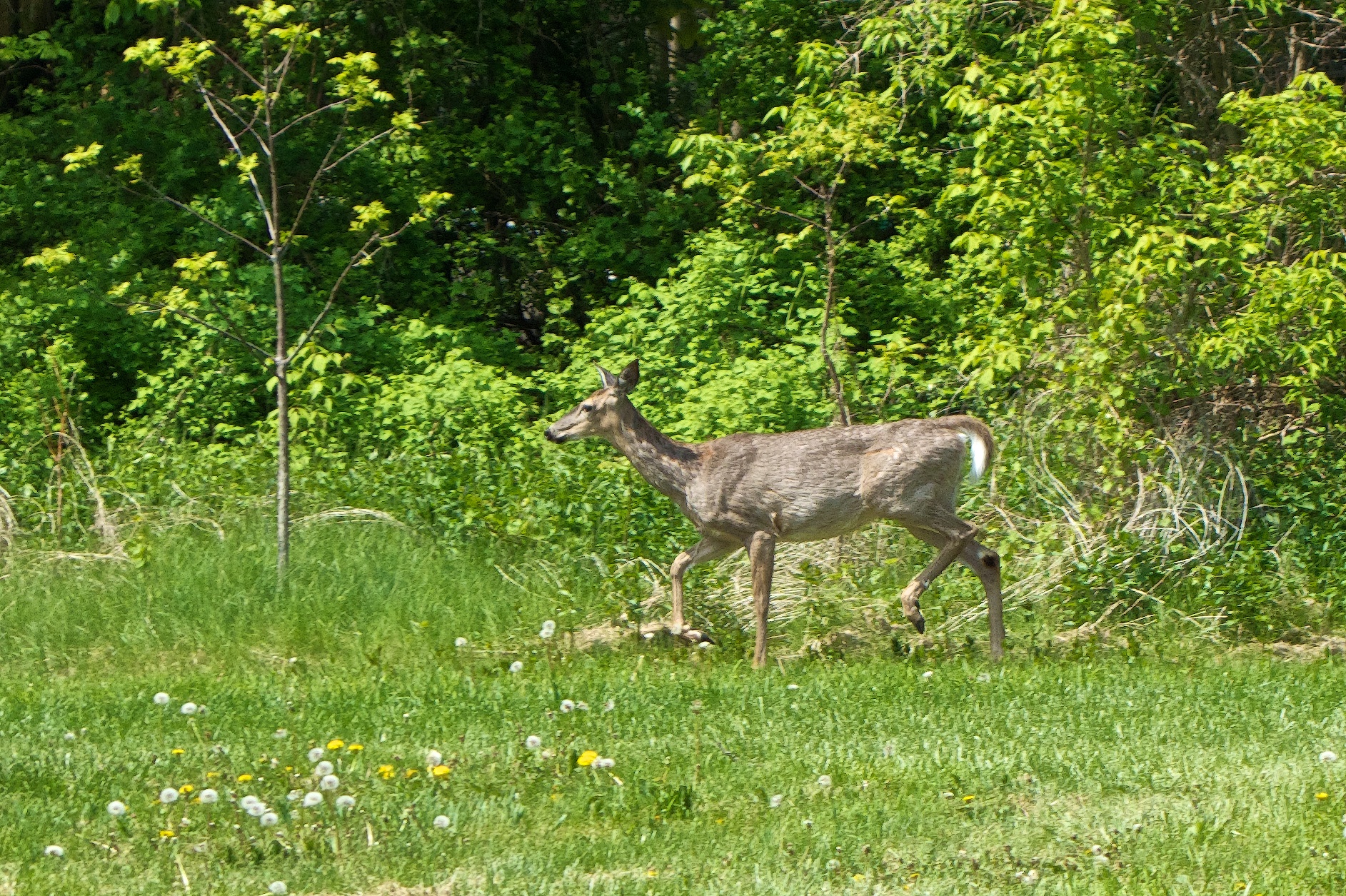
On Sunday, right in the middle of a (relatively) busy park, a white-tailed deer was shepherding her frisky fawn through the park. The fawn was darting all over the place and seemed to be excited by the open space having just emerged from the wild area. The mother soon corralled it behind her and the two of them moved into the bush by the weir. The mother did not feel threatened as her tail was down. Several people in the park were quite delighted by the sight. One gentleman with his large active dog off-leash put his dog under control after I pointed out the pair.
Author Archives: Roy Murray
A new island.
And then there were eight…
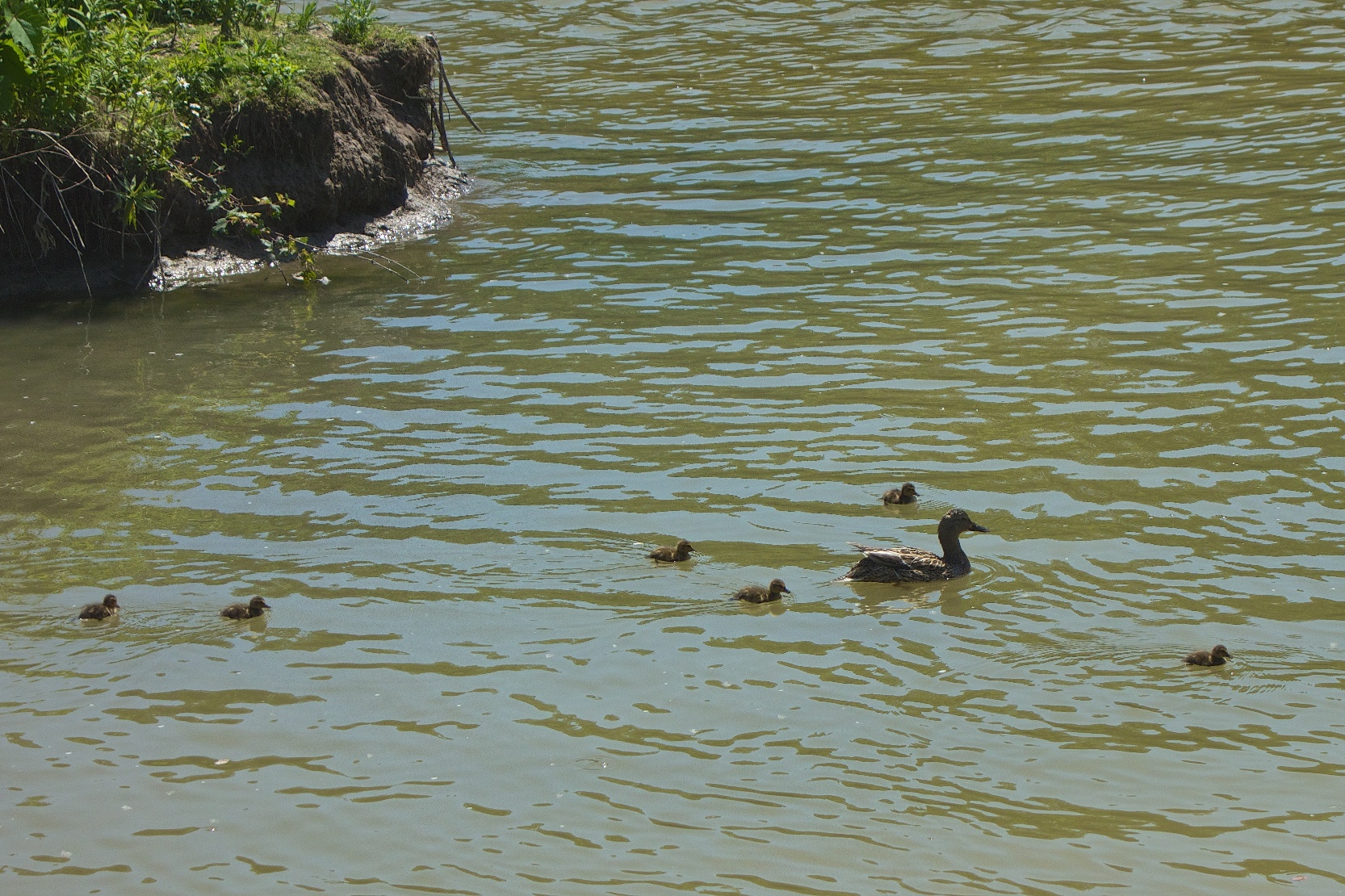
This morning, a beautiful moment on the water by the peninsula was shattered by the harsh reality of life in the wild.
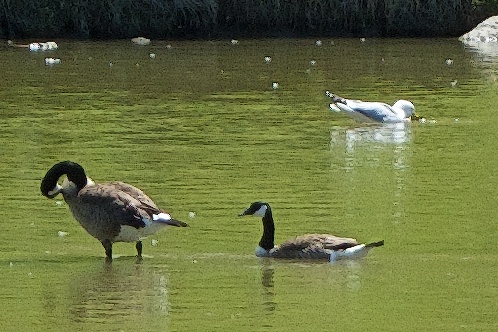
A mallard and her nine hatchlings were out on the water in an idyllic scene. I watched and took a number of shots until a large carp in the water distracted me. Out of nowhere, a gull swooped down, snatched one of the chicks and dispatched it very quickly. The duck gave chase as the gull flew off with its prize but quickly returned to the rest of her brood and gathered them close for safety. The gull seemed satisfied with just the one.
I had a feeling that the chicks were vulnerable as they seemed to stray quite far from the mother but didn’t expect to witness such a quick end for one of them. I guess that’s why they breed in such large numbers. On the other side of the coin, the gulls have an interest in ducks breeding and providing the occasional tasty snack so a feeding frenzy is not in their best interest either.
Dog strangling vine
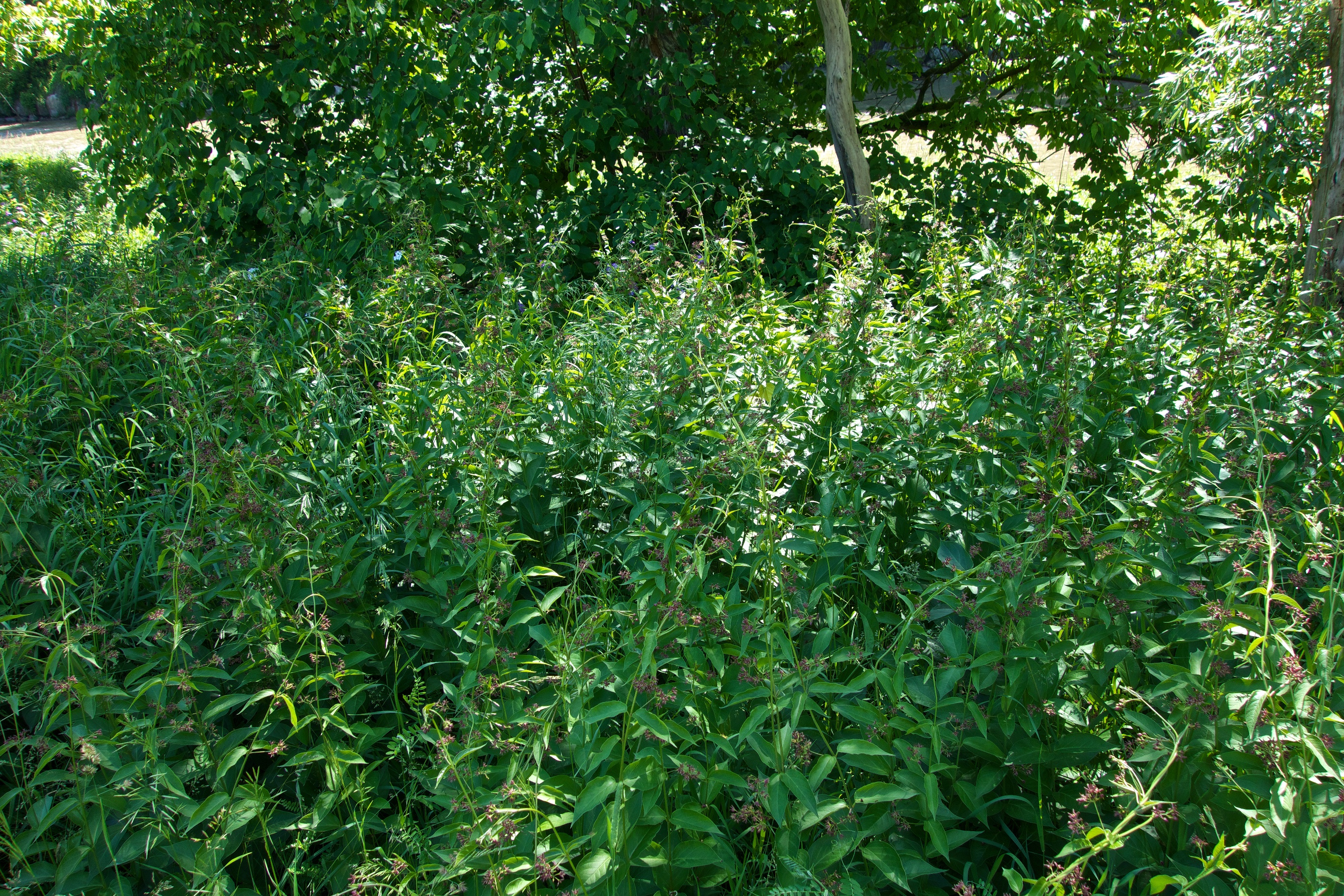
North America is a continent with many points of entry for invading plants and animals. Its climate zones go from Arctic to tropical so there is a comfortable zone somewhere for any invader. If the newcomer has left its enemies behind, a veritable breeding frenzy ensues. Once the continent has been breached, with the current state of biology, we’re stuck with the invader forever.
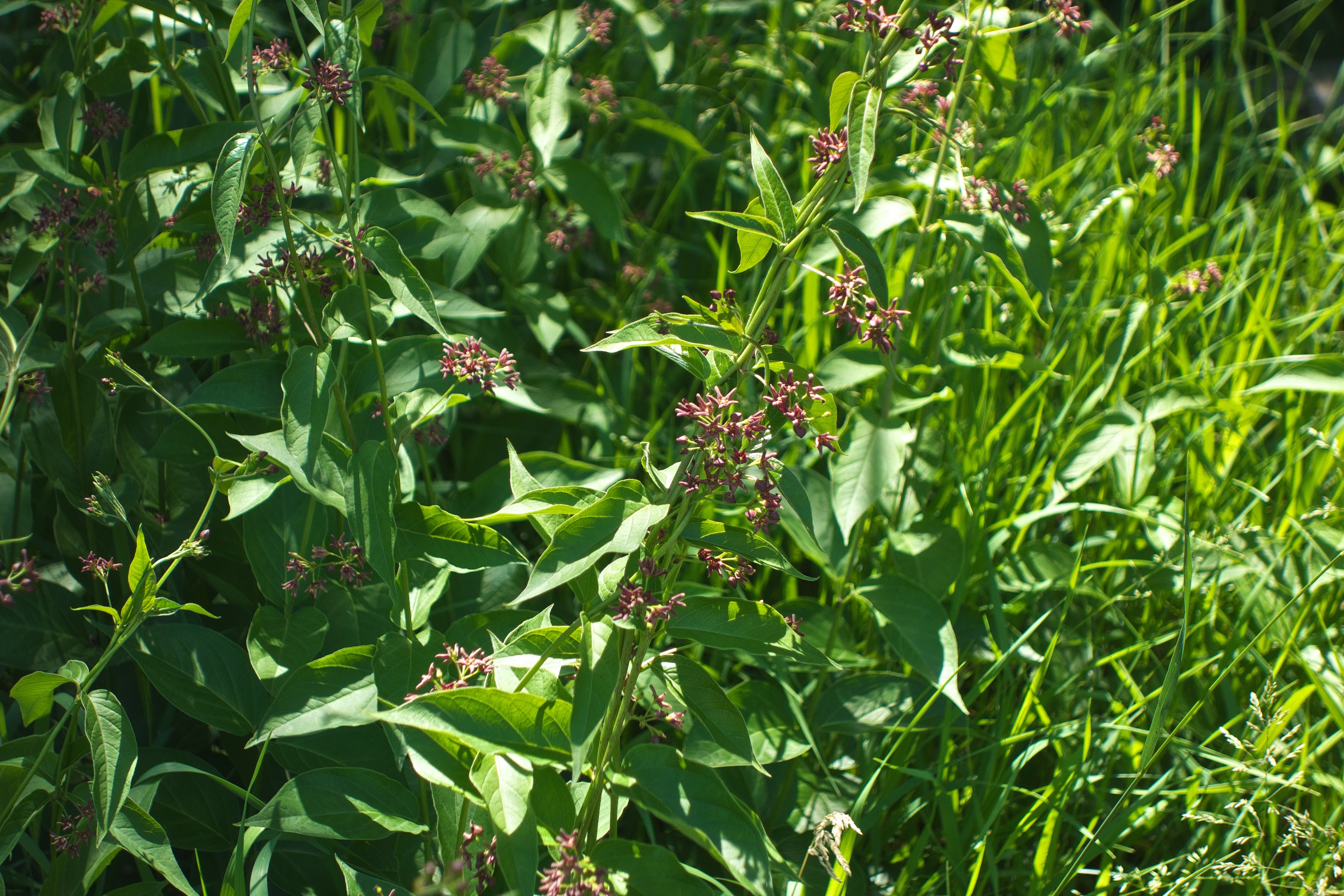
A relative newcomer is once again sweeping North America since its introduction (probably accidentally) from Europe where it is native. Dog strangling vine or swallow wort (Cynanchum rossicum) is related to milkweed and grows almost to 2m in dense clumps, hence its common name. Quite at home in southern Ontario, it has been around for decades and is regarded as a bigger menace than garlic mustard by many. In Toronto’s High Park, desperate measures (using Roundup) have been used after physical attempts to remove the plant failed.
The seeds look a little like milkweed seeds and in fact the plant can confuse Monarch butterflies into laying eggs on it. Given a choice, Monarchs will lay eggs on DSV 25% of the time. Monarch eggs laid on DSV will not survive.
This plant seems to have few redeeming features although cattle will eat it.
The answer to this problem (once again) seems to lie in biological control through careful importation of benign enemies. This takes time to ensure that adding another import to the long list doesn’t backfire.
One can only wonder which other invaders are waiting in the wings.
Another invading wildflower.
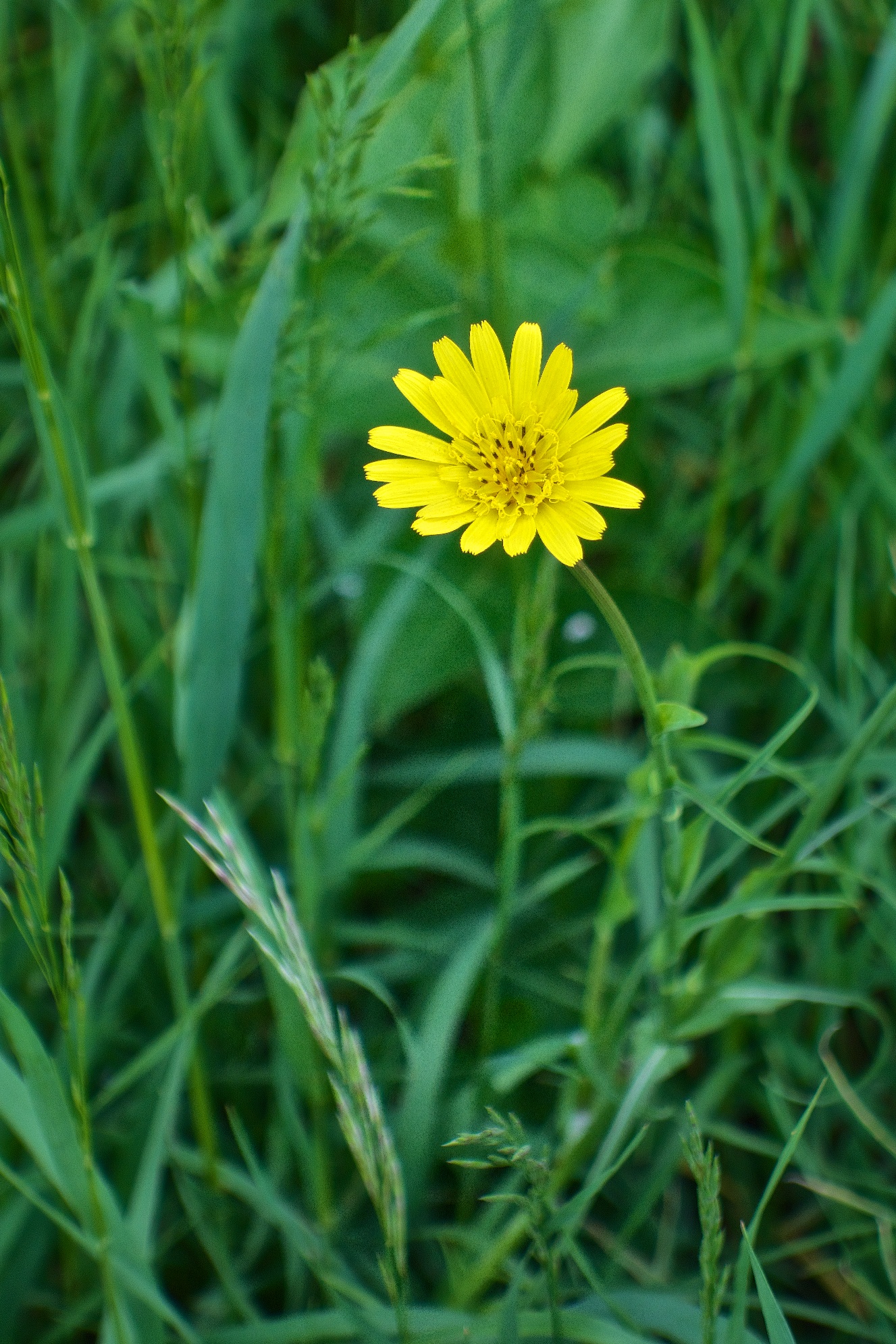
As the season progresses, new plants come to the fore. Western salsify or Goats-Beard, a biennial from the Asteraceae family, has a yellow daisy-like flower but is spread through seeds.
The flower is quite attractive and doesn’t seem to crowd out others, growing to 30 – 90cm with a single flower per plant. Like many other invaders in Ontario, its origin is Eurasia and it has spread to cover much of North America since escaping from gardens in the early 20th Century. It produces a large, dandelion-like seed head.
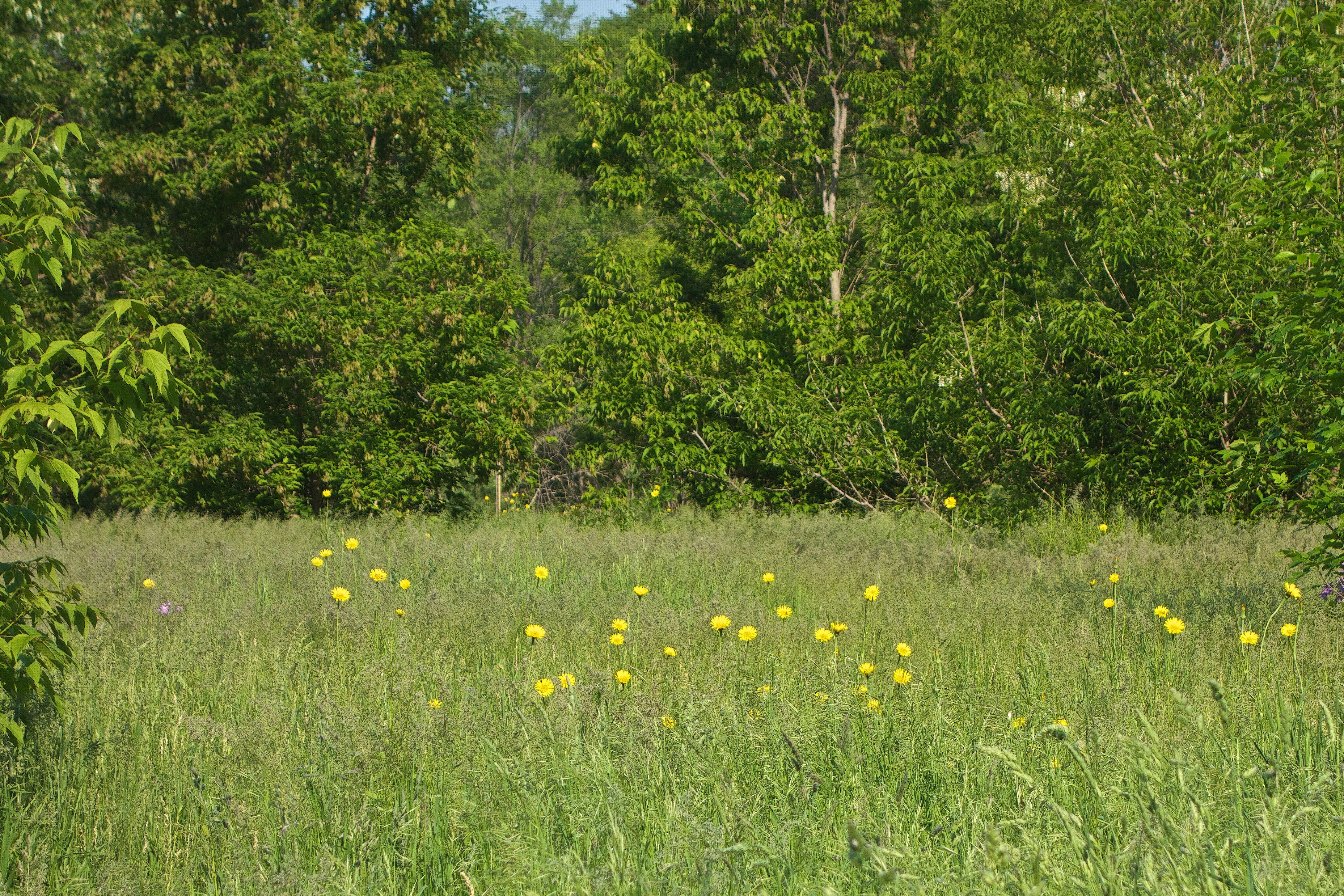
As the photo shows, Western salsify isn’t aggressive enough to achieve anything close to monoculture status in Raymore Park but it is regarded as invasive in some parts of North America. Each year, it adds attractive flashes of yellow while its roots, leaves and flowers provide food for a wide range of herbivores and insects.
New toad habitat.
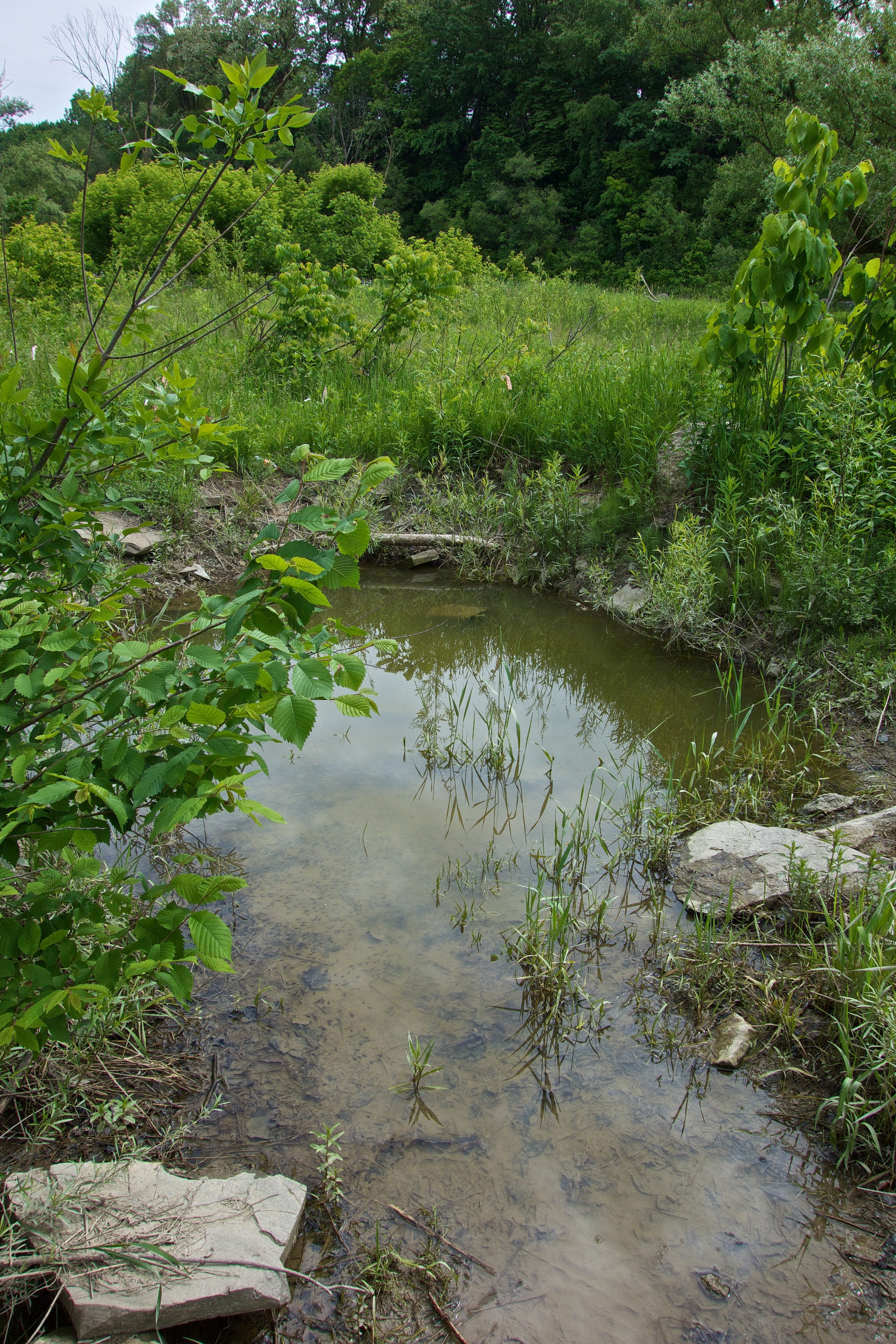
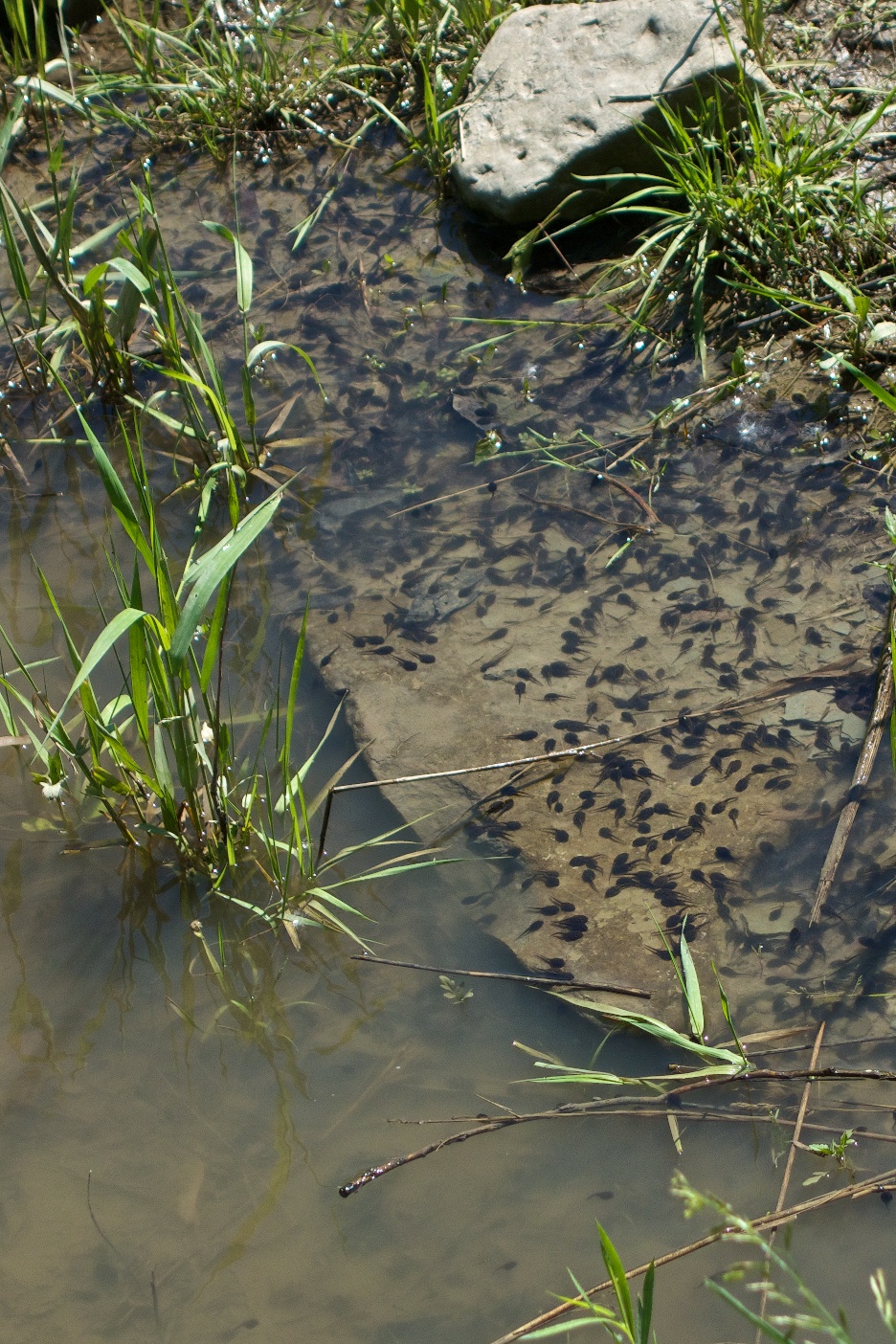
Last winter, an ice jam caused a diversion of the Humber and continued the creation of a channel that will eventually form a new island in the wild area. The force of the Humber moving over land at first strips away the topsoil and then sweeps aside stones and larger rocks. Close to the peninsula, material has been carved out to such a depth that a hollow has formed below the water line and can therefore sustain aquatic life throughout the year.
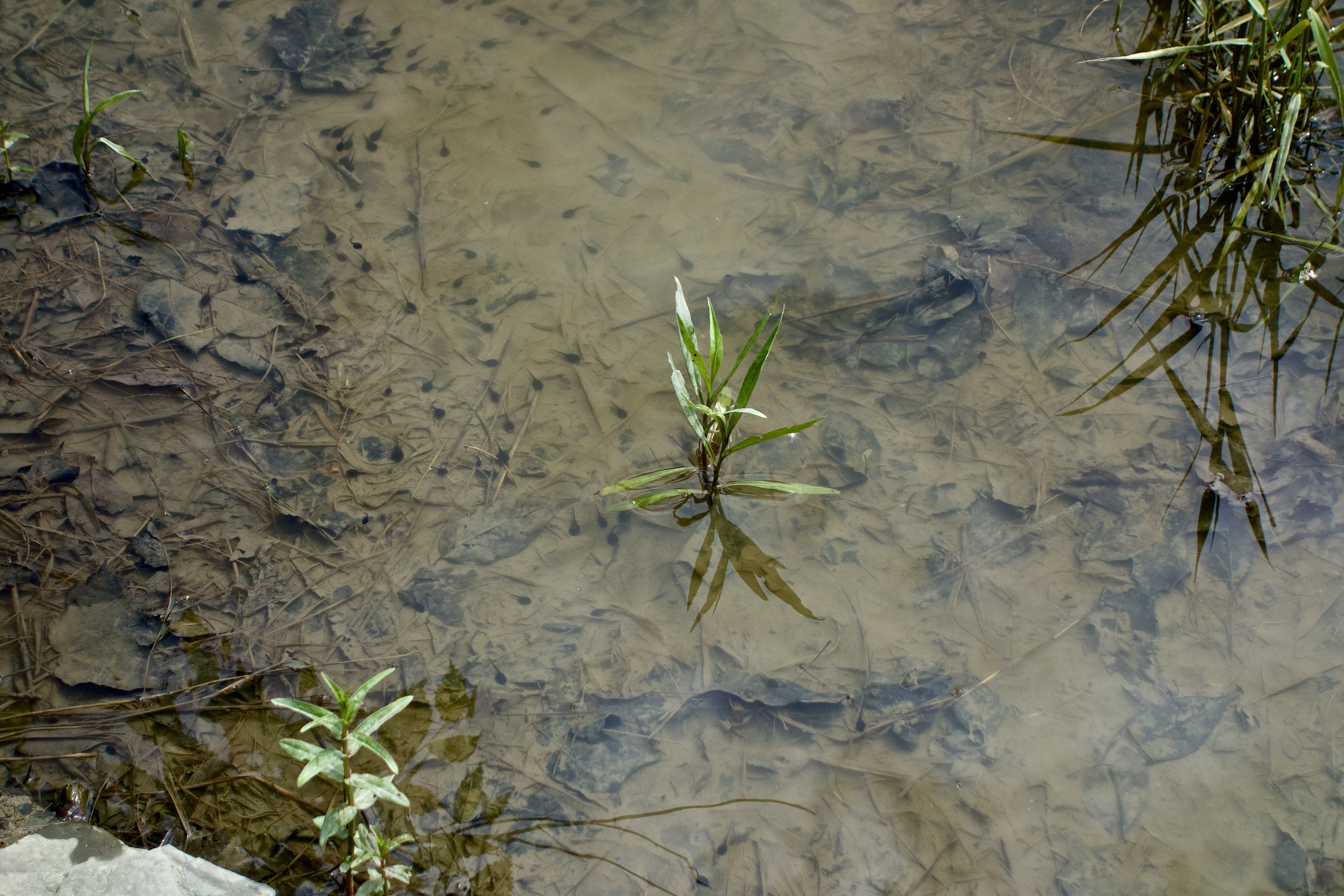
American Toads have exploited this new habitat and there are dozens of tadpoles happily swimming around in a fish-free environment.
This pond is well situated as it is quite small, hard to see from the bike path and difficult to access. With luck, large numbers of toads will start exploiting the food supply that will be available when they grow legs and leave the pond.
Foreign invader: Dame’s Rocket
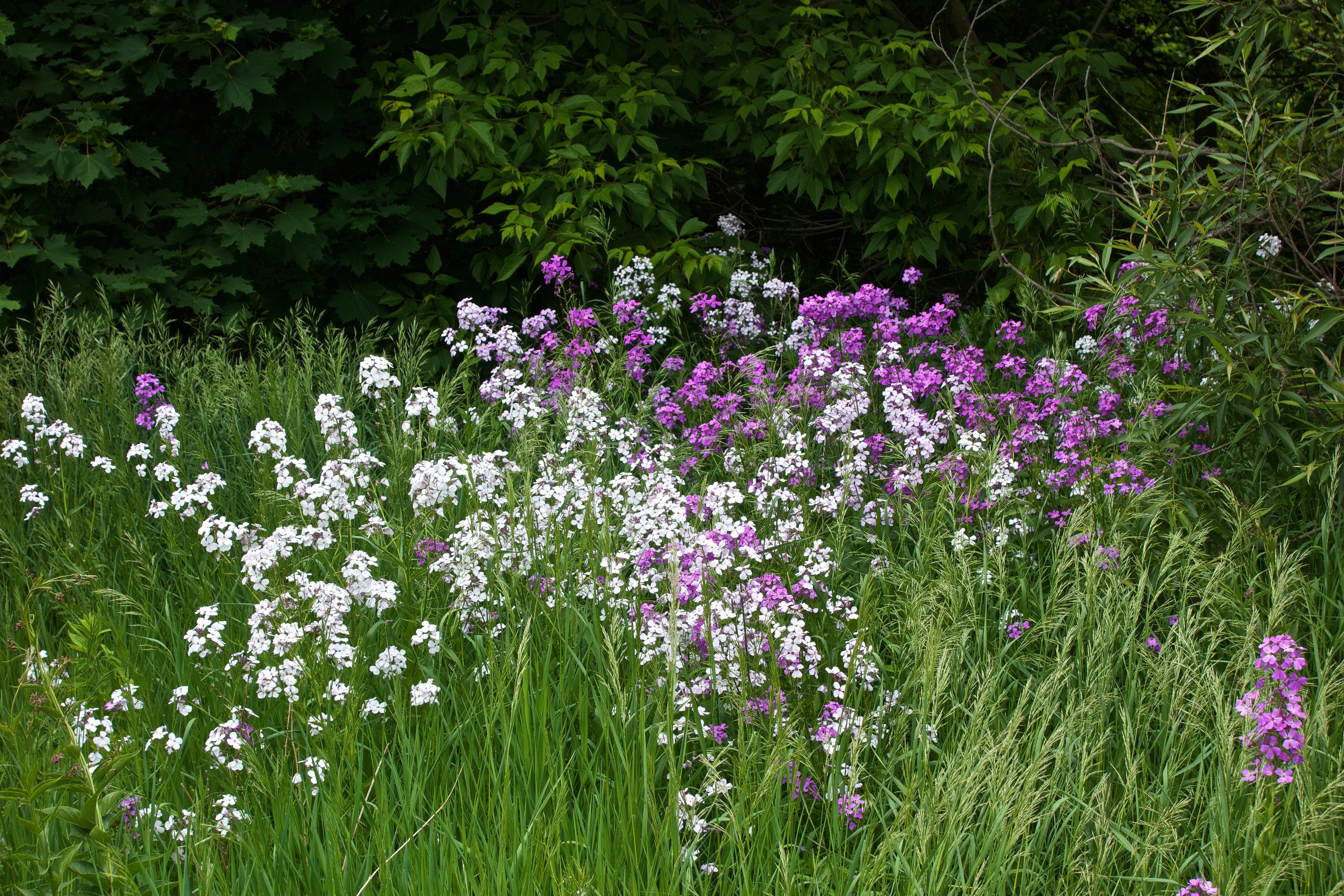
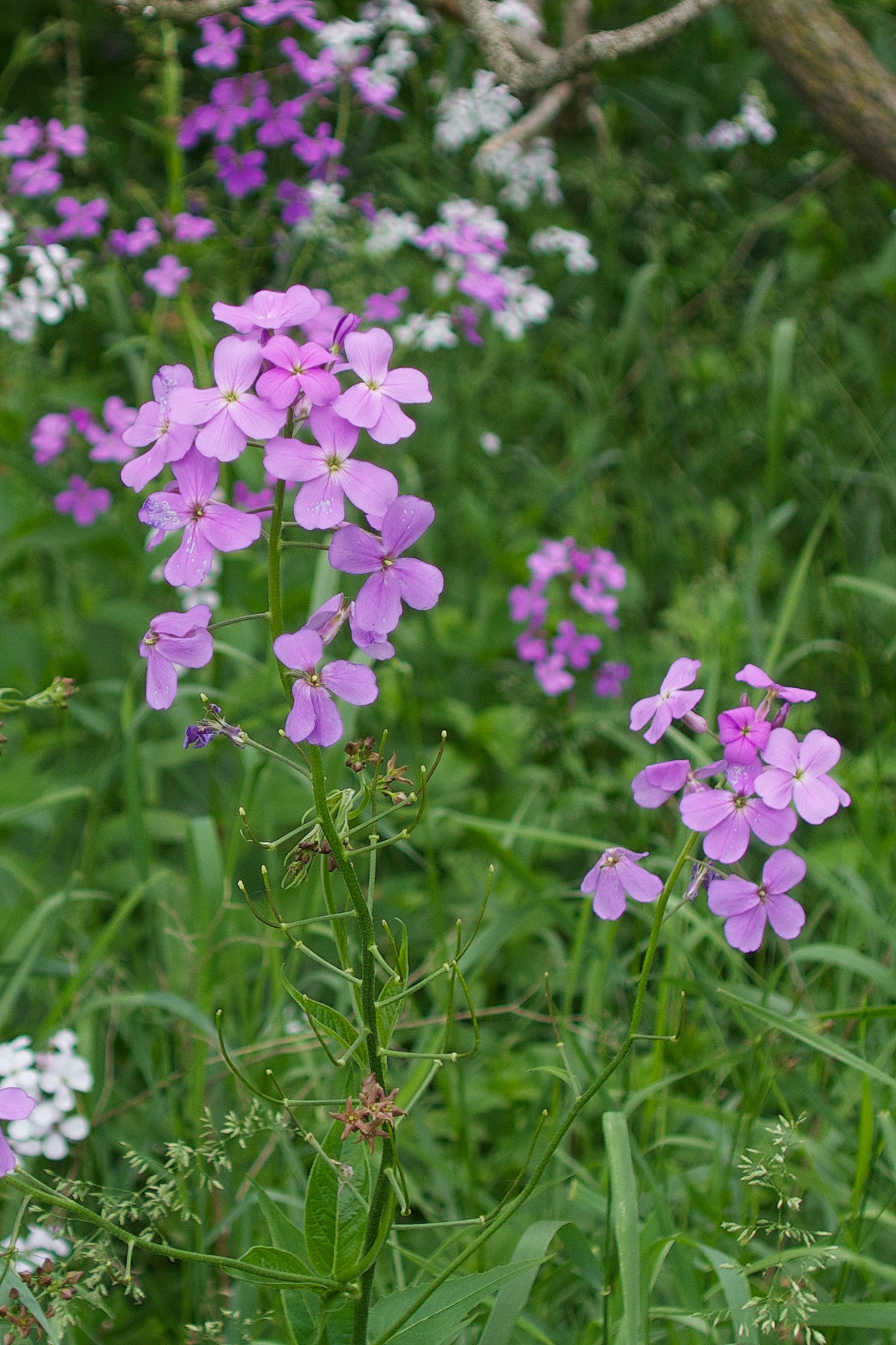
In early summer, the meadow areas of Raymore Park burst with a colourful display of a tall wildflower that seems to behave itself fairly well (in other words hasn’t crowded everything else out to become a monoculture). It looks a bit like a wild phlox but has four petals per flower compared to five for the real thing. It’s a photographer’s dream flower as it seems to line wooded areas with bursts of purple and white.
This Eurasian invader has enjoyed life in North America since the 17th Century and is a member of the mustard family. It is cultivated as a flower by gardeners and probably escaped into the wild from settlers’ gardens.
Attractive to butterflies, it is currently competing with large numbers of locust trees to produce a heady jasmine scent in the park.
Another foreign (but beautiful) invader!
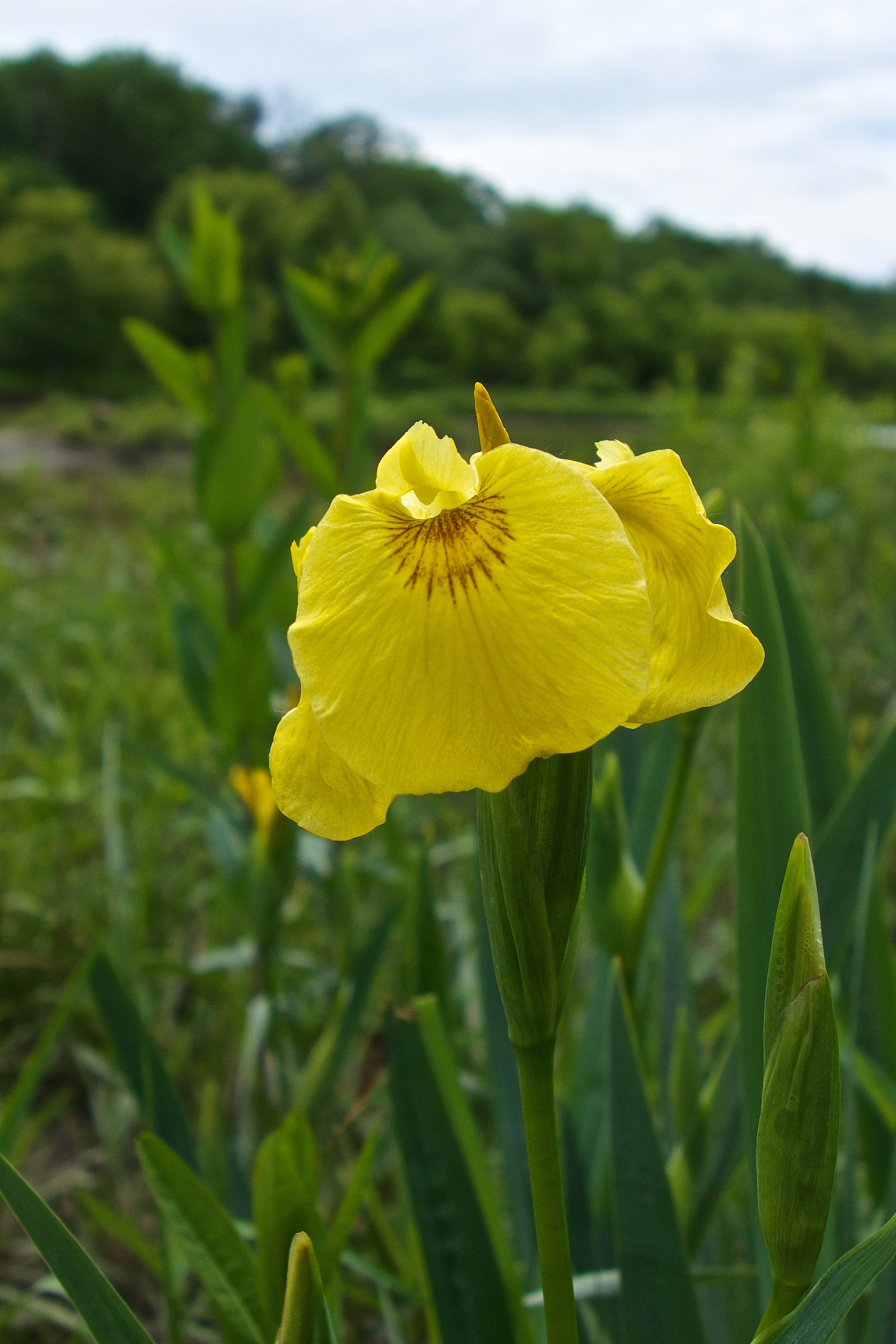
This is a pretty one but the wild yellow iris, (Iris pseudacorus) is not a native plant. I discovered this one by the peninsula approaching the weir. It is an aquatic plant but can survive in fairly dry conditions. Often used as a decorative plant in gardens, this grouping may have arrived here from a garden up the river.
Season 4…
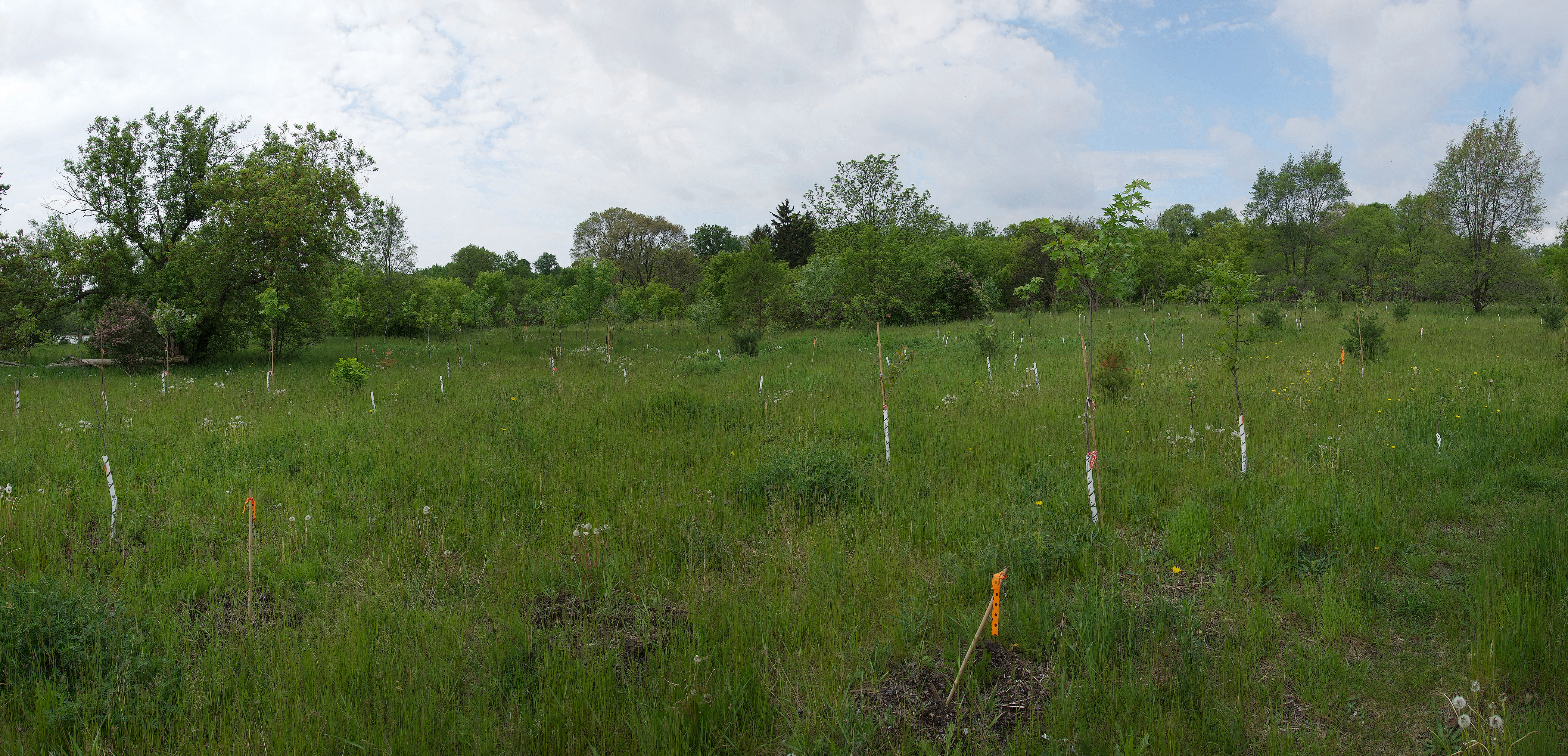
In October 2008, as part of the City of Toronto’s Urban Forestry program, part of ‘the wild area’ (the area behind the park sign) was cleared of weed trees such as Siberian Elm and Manitoba Maple. The following July(!), dozens of native saplings were staked and planted. Since that time they have grown slowly and more than a few have fallen by the wayside of hard frosts and summer droughts. Here is a 6-image panorama of a large group of the trees now in their fifth growing season in this location. The trees seem to be Carolinian Forest native varieties of poplar, maple, oak, cedar and spruce.
One day, this area will be transformed into a wooded area and hopefully be a source of native seeds that will plant themselves and spread (assuming that garlic mustard doesn’t take over completely).
Interestingly, today, someone asked if the grass around the trees would be cut this year (as it has in the past) as apparently the absence of dog-strangling vine, lawn-like finish and screening from the rest of the park provided a private off-leash zone for a few people and their dogs!
This ‘n that…
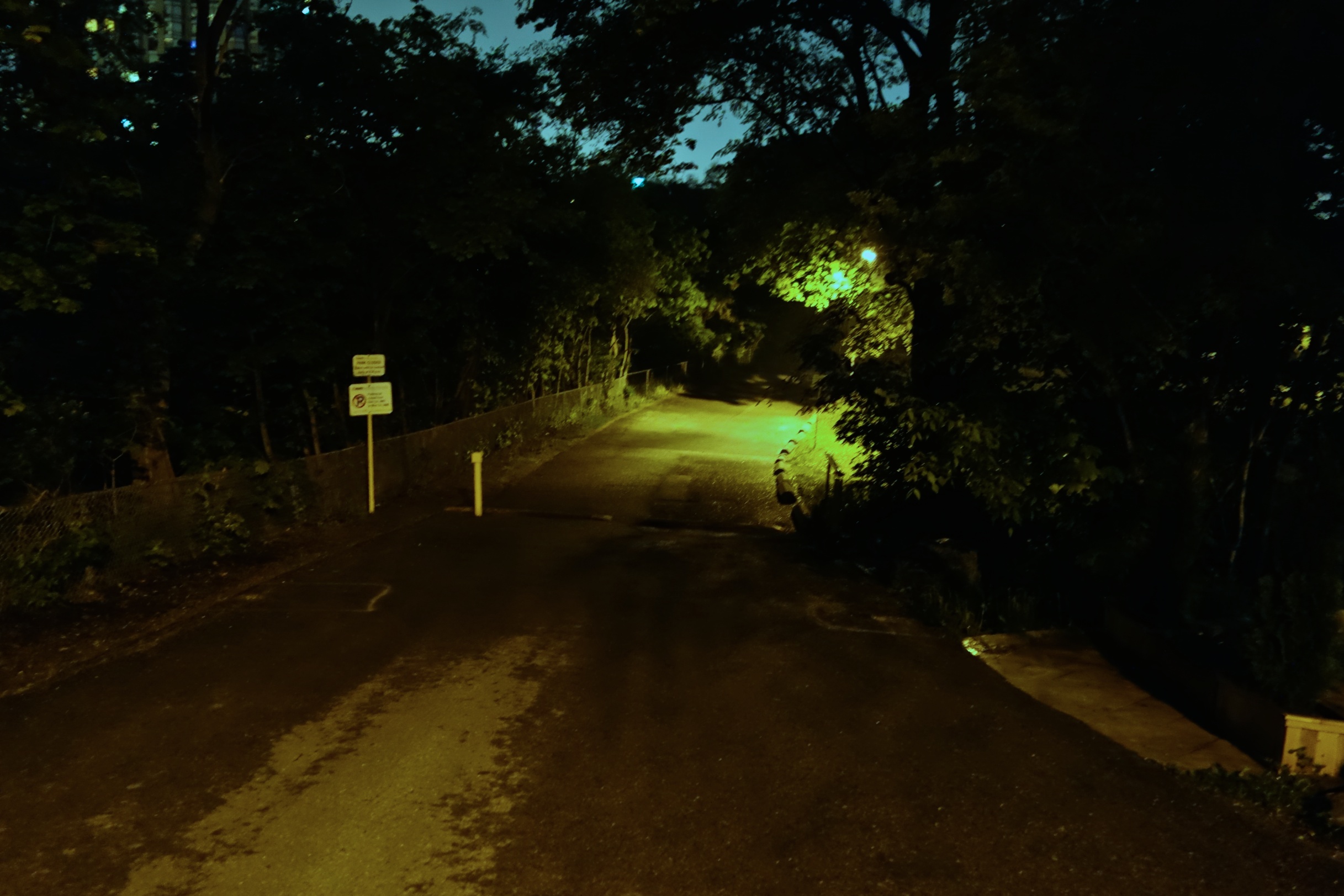
It’s already May 22nd and yet the gates to Raymore Park are left wide open every night. This despite a call to 311 last week.
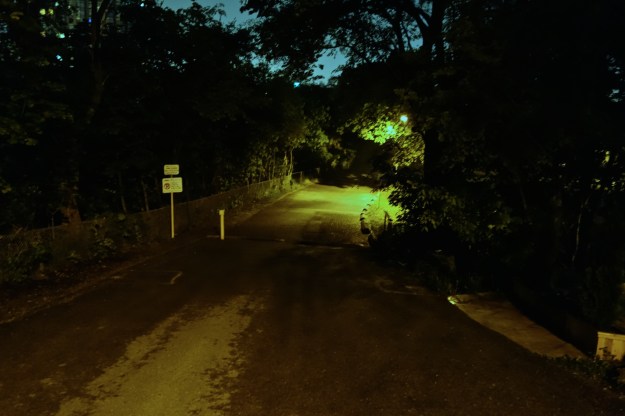
May 20th was the Victoria Day holiday. Because the gates were left open, a group of people held a fireworks party on the grass by the parking lot.
Every year it’s the same. Surely the date cannot come by surprise? Gimme the friggin’ key and I’ll lock it up.
Postscript: As of early June, the park is being locked up regularly but interestingly it re-opens between 3 and 4 a.m.
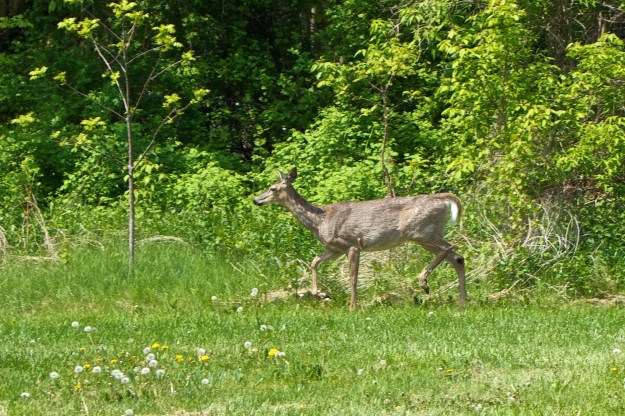
Earlier on the 20th, a young deer ambled down through the park quite unconcerned with the large numbers of people. A few people stopped to watch before it disappeared into the sumac behind the unused ball diamonds.
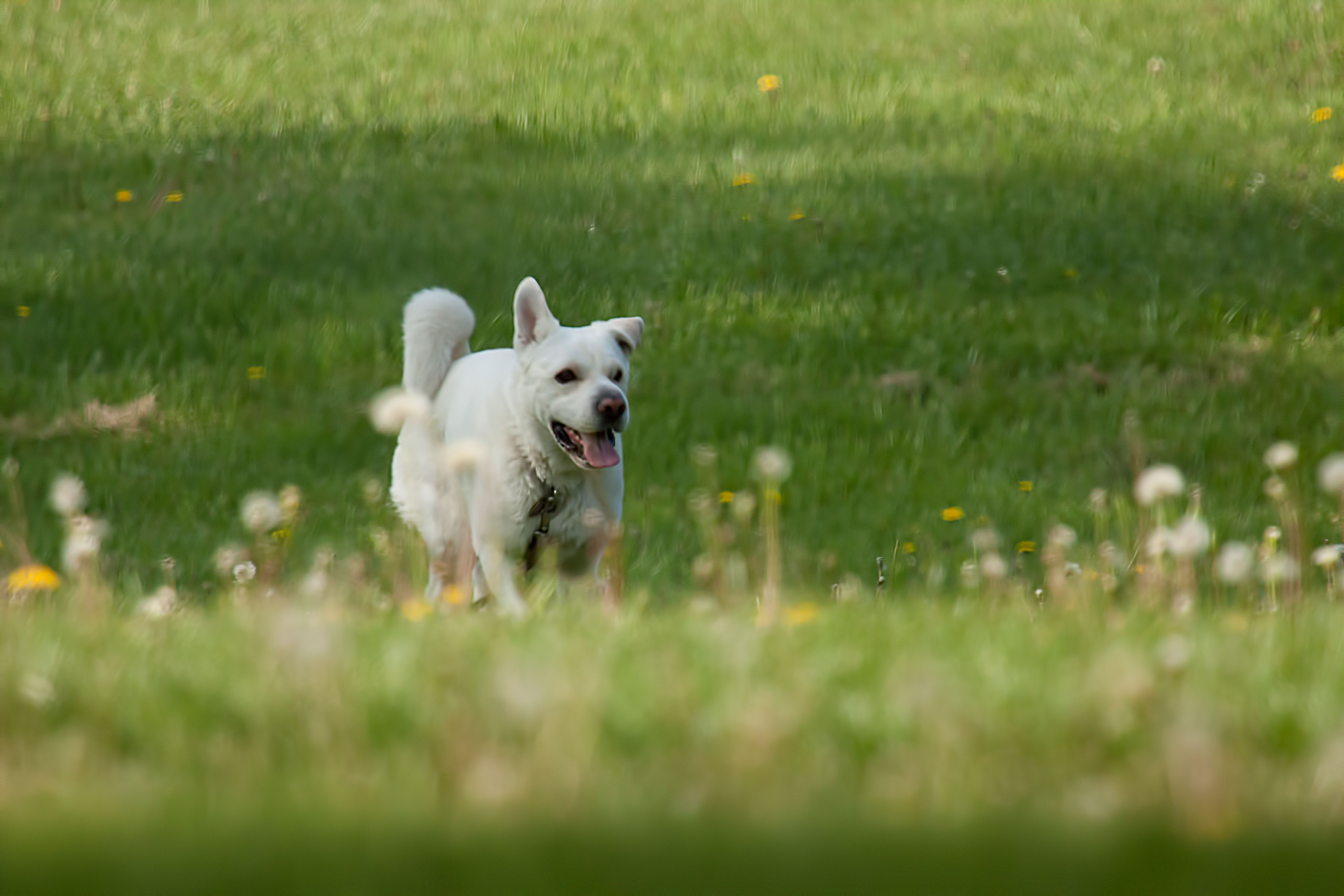
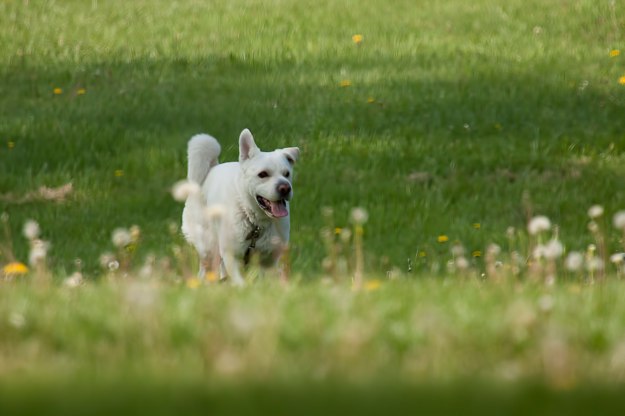
Fortunately there were no dogs on the loose – like this one that is allowed to chase park wildlife.
On a further seasonal note, mosquitoes are back. The woods at the bottom of the park are home to some of the most aggressive bugs known to humanity. They managed to give me a matching welt on each arm.
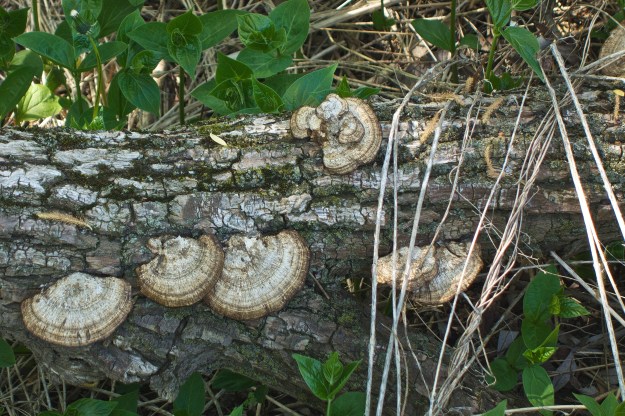
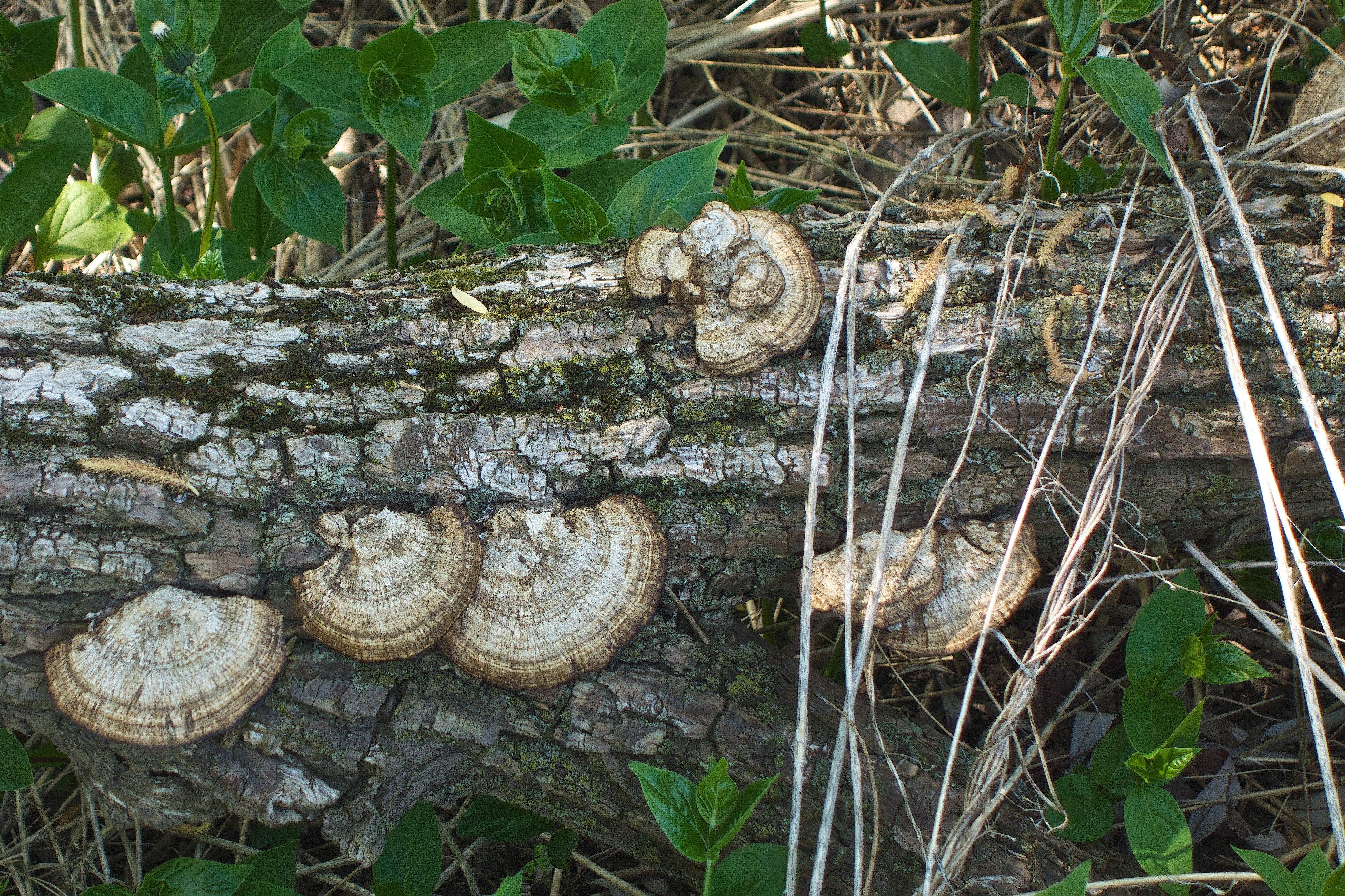
Lastly, some fungus caught my eye. It’s a type of bracket fungus commonly named Turkey Tail. It breaks down dead and diseased wood.