Category Archives: Humber River

More hints of the past

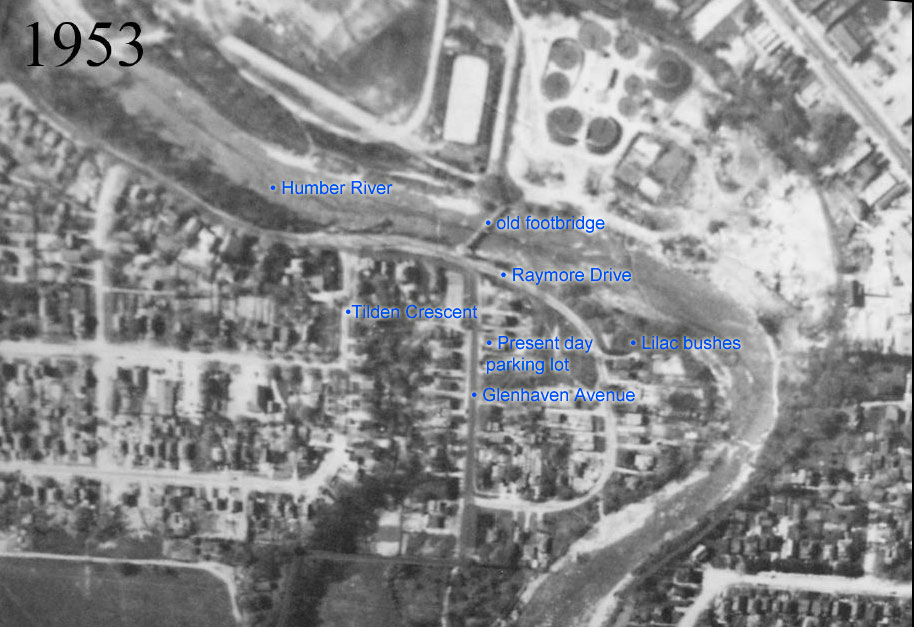
Housing was once scattered along the length of the Humber. Quite a few were built on the valley floor in present day Raymore Park. Raymore Drive used to stretch down into the present-day parking lot and Gilhaven Avenue. It must have been an idyllic location with nature close at hand, rich flood plain soil and an easy walk to the shops and transportation links in Weston. Interestingly, I was talking to long time Weston resident Douglas Tucker and he mentioned that until the mid-1960s, Weston was a shopping destination for people from as far away as Palgrave and Bolton thanks to a regular train service.

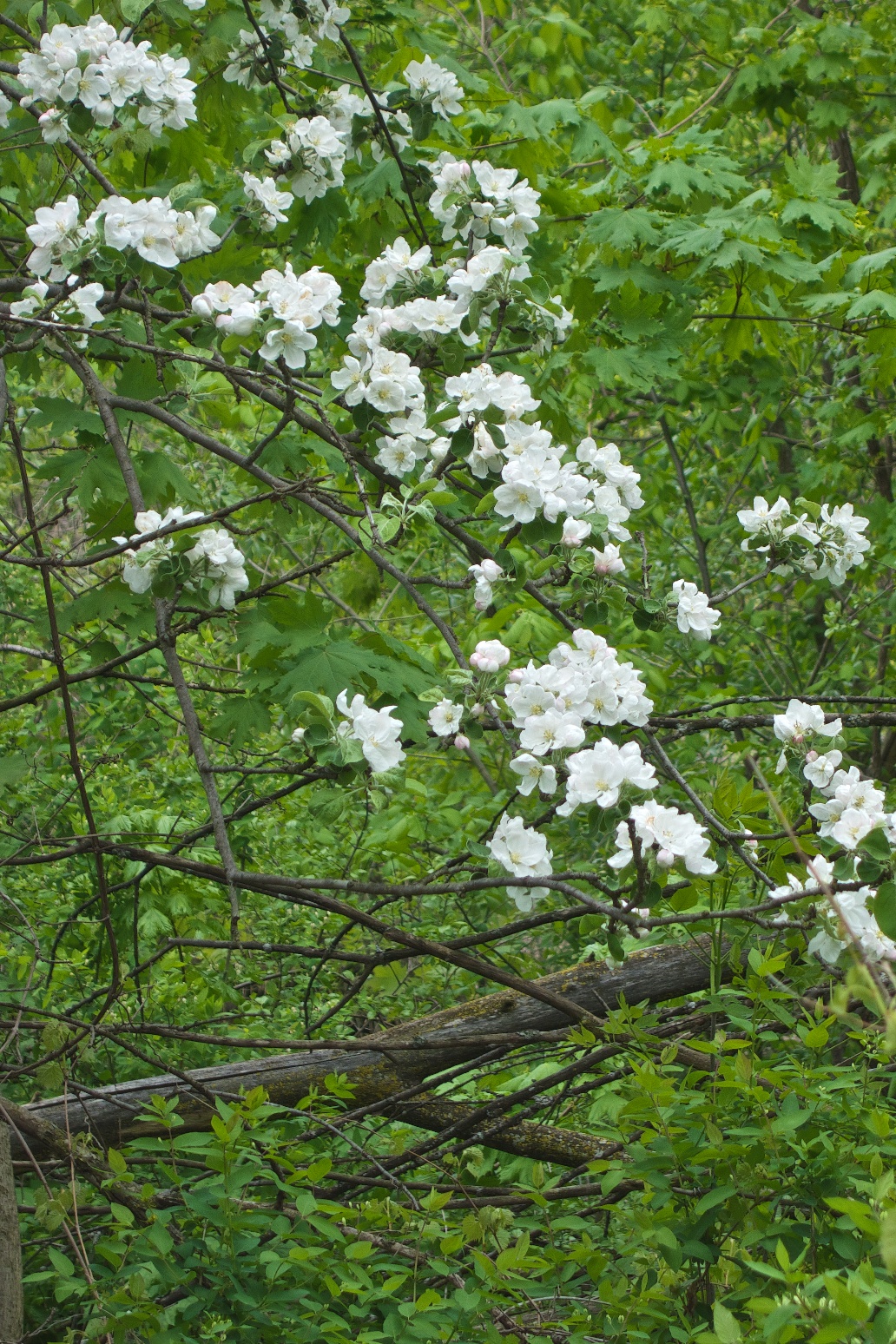
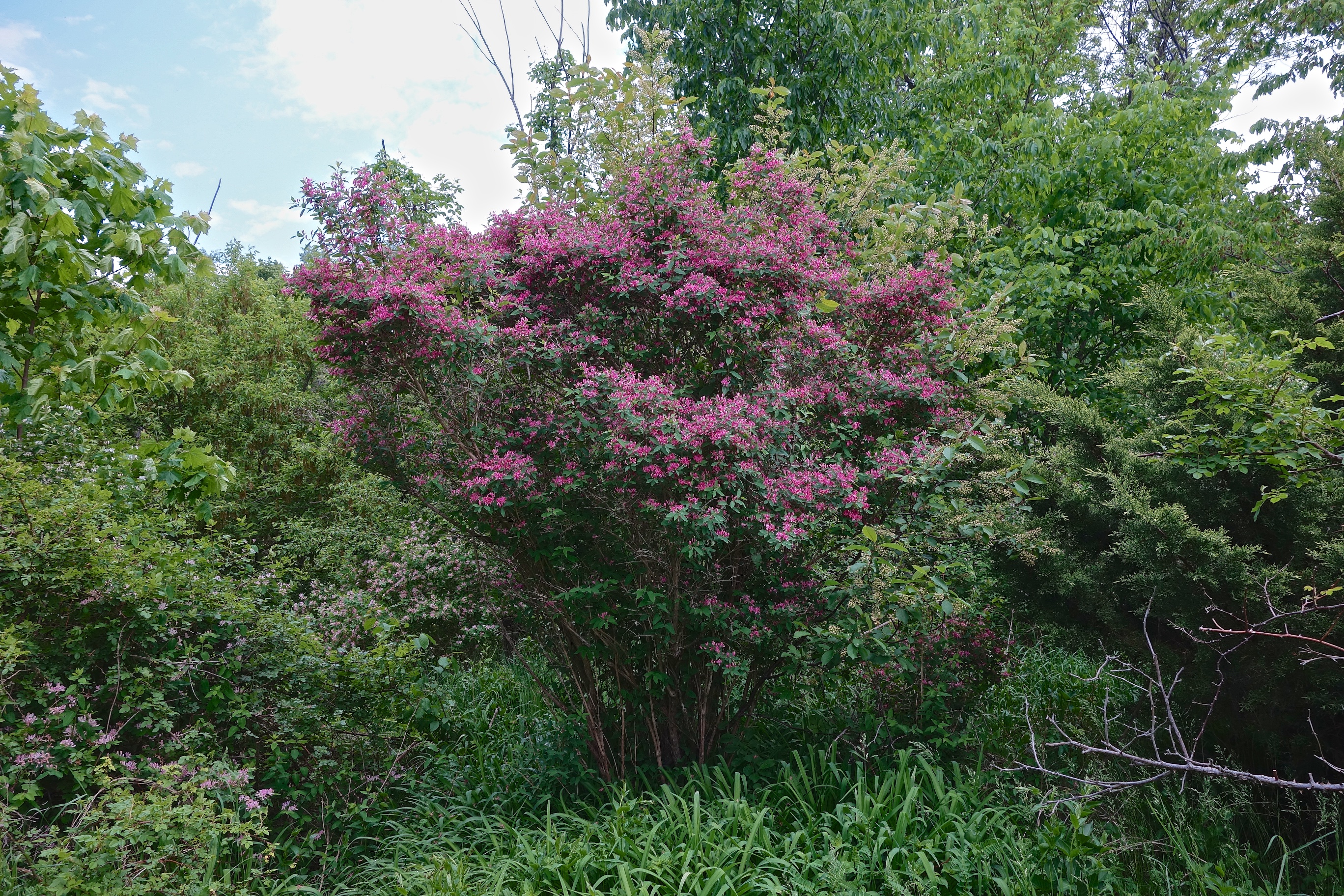
In Raymore Park, few traces remain of the houses once located here before they were either swept away during Hurricane Hazel or demolished by authorities in the aftermath. Every spring however, flowering shrubs are living reminders of the families who cultivated gardens here more than fifty years ago.

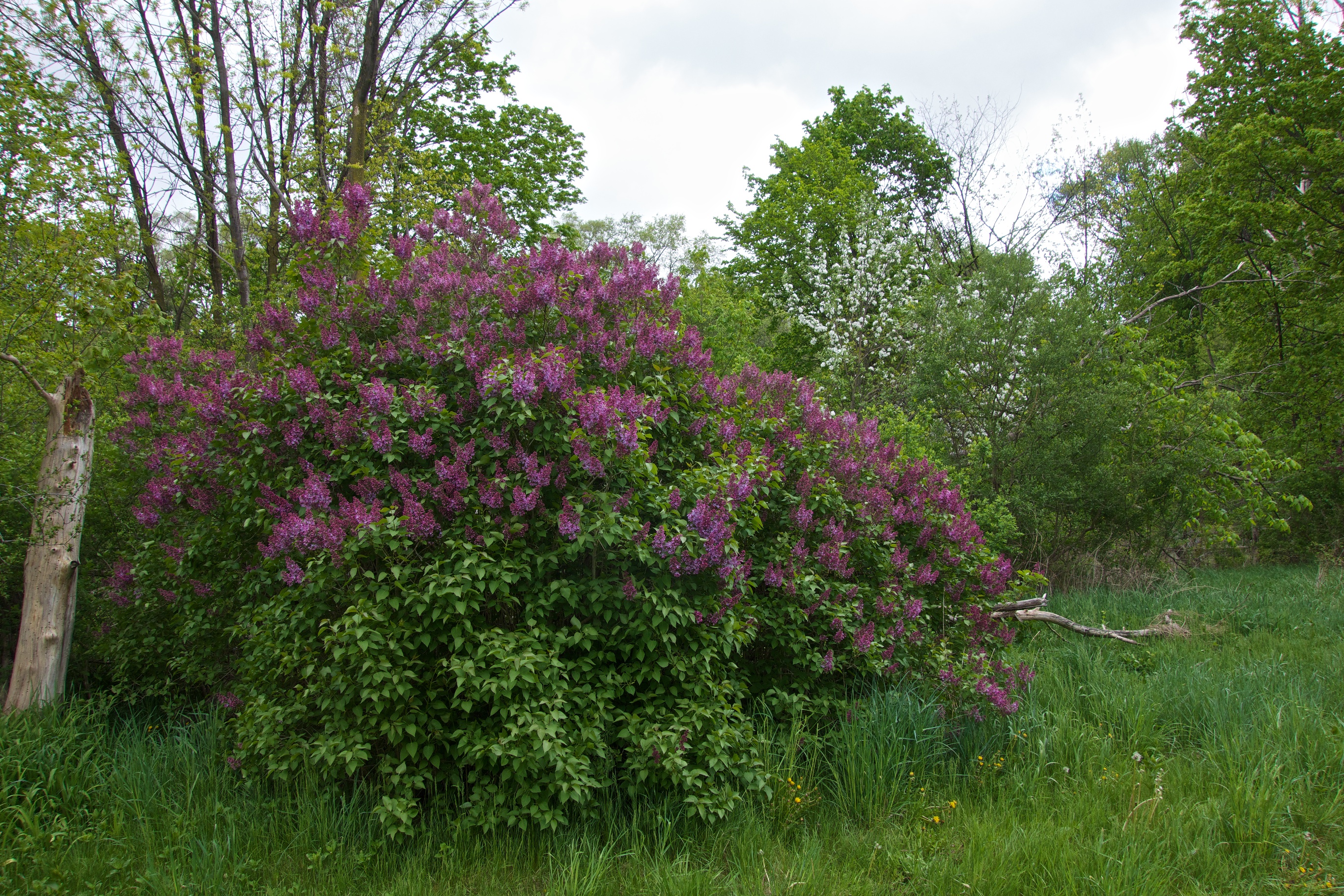
This beautiful lilac blooms faithfully every year.

This is one of two beautiful lilacs that bloom faithfully every year.

Apple blossom pokes its way through the surrounding trees.

Apple blossom pokes its way through the surrounding trees.

A beautiful American Honeysuckle towers over day lilies.

Along with the day lilies in front of it, I don’t know if this beautiful honeysuckle is a remnant or not.

This City of Toronto Archive aerial view has been labelled to show the location of some of the streets including Gilhaven Avenue which no longer exists. The present-day lilac bush and parking lot locations are marked. The Humber still follows the same approximate course.

Aerial view of Raymore and Glenhaven in 1953.

Aerial view of Raymore and Gilhaven in 1953.

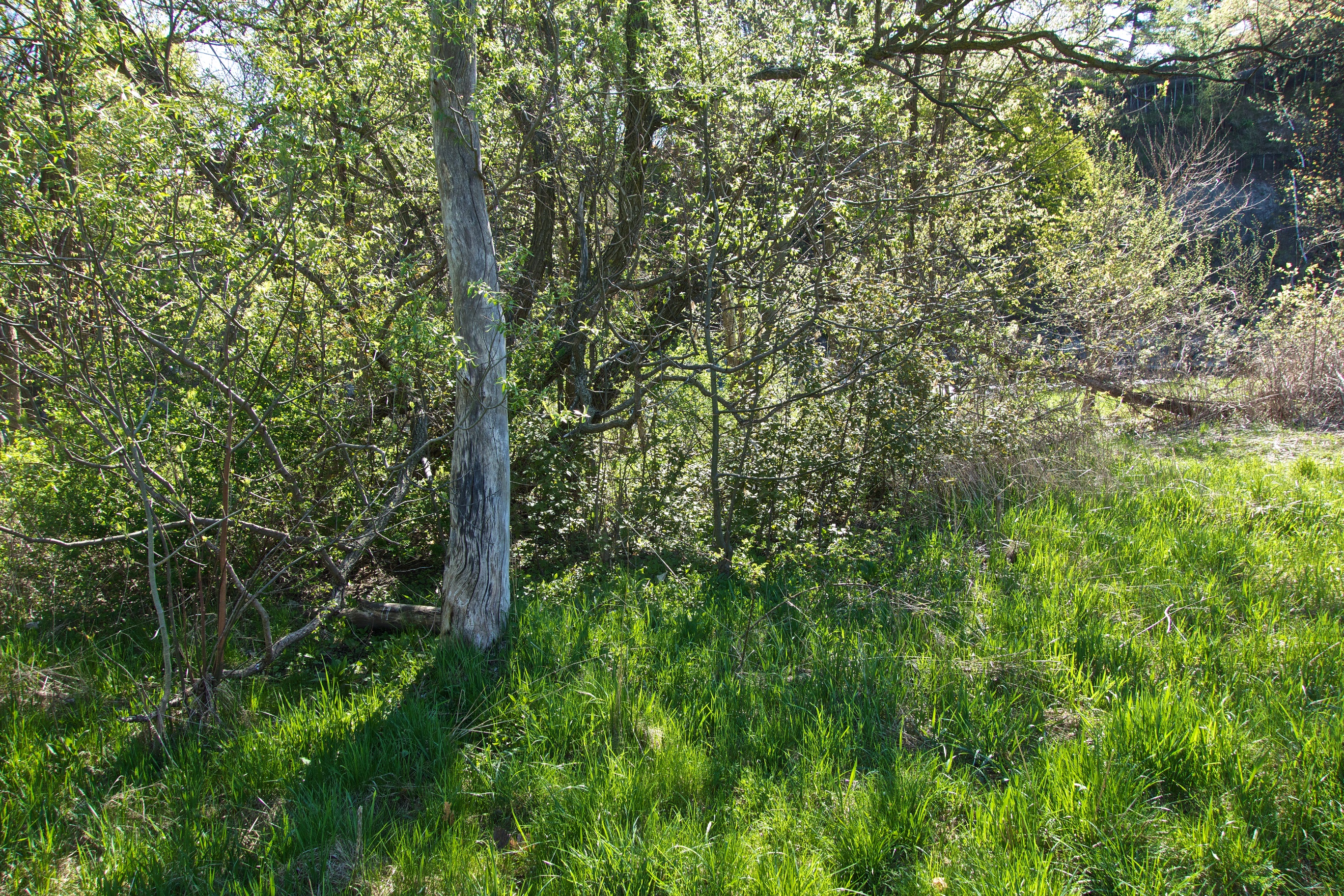
Against the light.

I love taking shots against the light. It can be a challenge to avoid glare and burnouts but the rewards are worth the effort in terms of contrast and vivid colour. Today was a continuation of several days of sun , mild temperatures and low humidity which lends even more clarity to such images.

DSC01794

Fresh blades of grass are backlit and the air is clear on this day of low humidity.

DSC01800

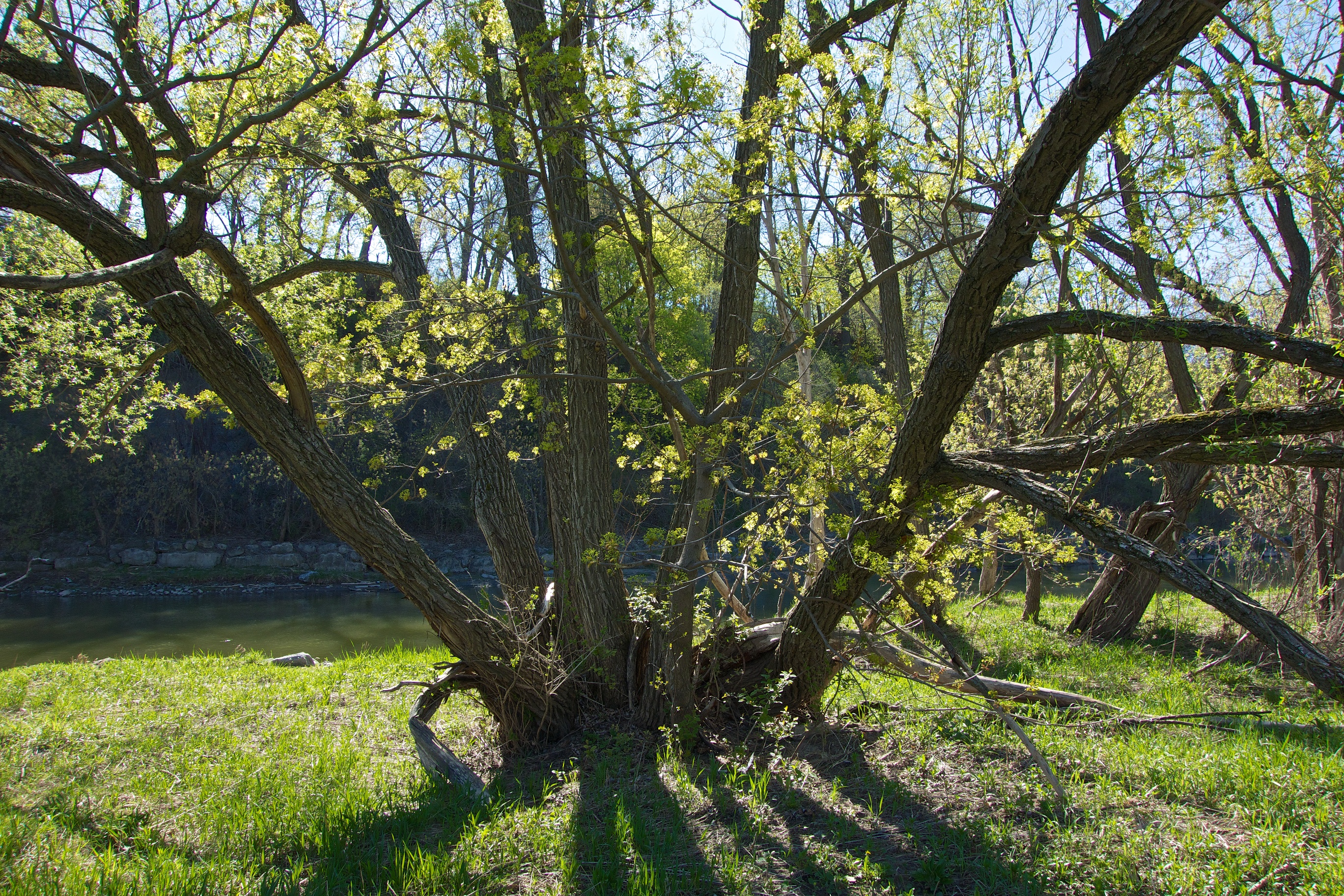
The texture of the tree trunks makes a nice contrast with the blades of grass while the shadows continue the tree lines.

DSC01807

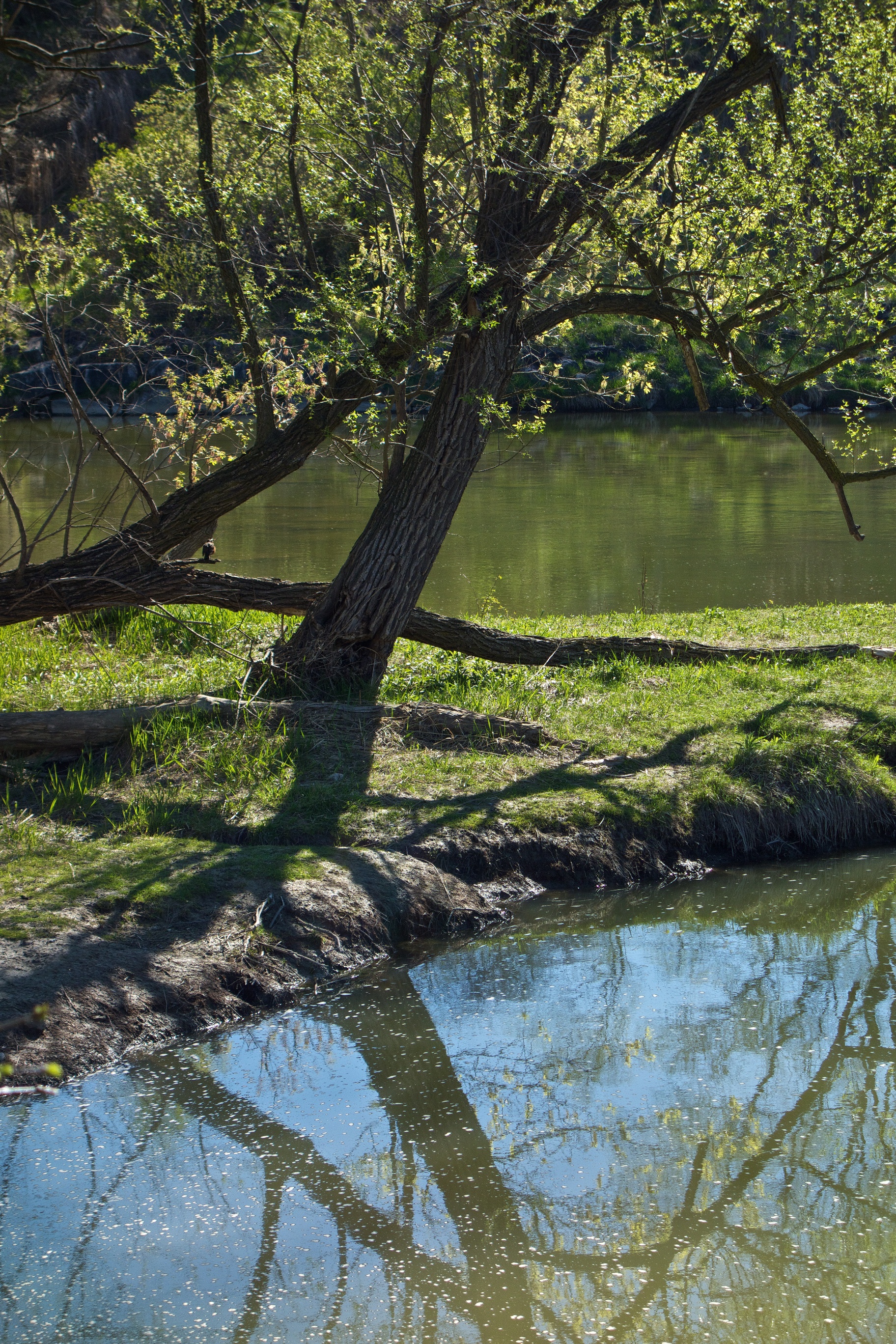
Flowers from the trees dot the water by the peninsula. Lots of green shades contrast nicely with the sky reflection.

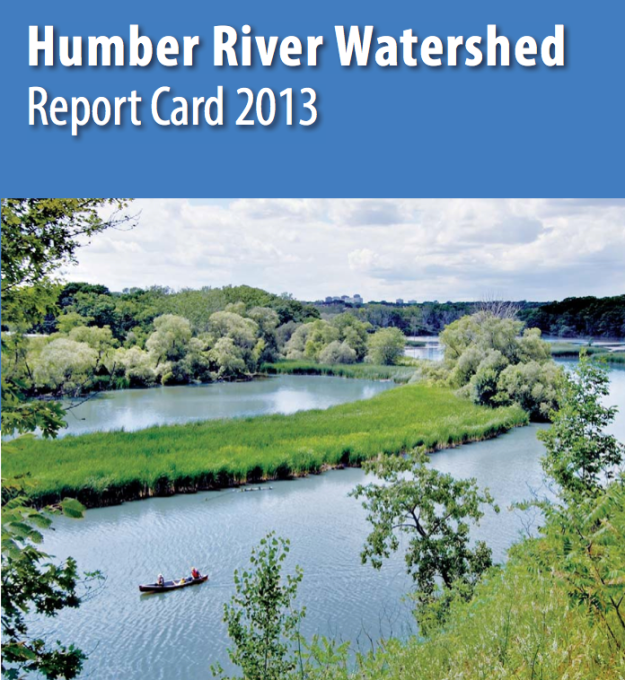
Humber River Watershed Report Card

Screen Shot 2013-04-25 at 5.05.34 PMAfter much study and gathering of data, the Toronto Region Conservation Authority (TRCA) has released its 2013 report card on each of the rivers in the Toronto watershed. Raymore Park is classified as being in the Lower Humber and understandably, nature along this most urban part of the river is under considerable pressure.

Four categories in each watershed are graded A-F.

Groundwater Quality……. Insufficient data.

Groundwater, especially in the Humber’s upper reaches can be contaminated by nitrates and nitrites from farm animals, septic systems and fertilizers while the more urbanized stretches can contain high chloride levels from winter road salt. TRCA needs to add more monitoring stations before a comprehensive grade can be given.

Surface Water Quality…..C

48 monitoring sites check for only three indicators of surface water quality; phosphorous, E.coli bacteria and Benthic Macroinvertebrates (BMI) (invertebrates that can be seen with the naked eye) The higher the BMI score the better. While the Humber as a whole gets an overall grade of C, as can be imagined, the lower down in the river, the poorer the results. On this basis, Black Creek and the Lower Humber are probably in the F range.

Forest Conditions………D

In the lower Humber, only 7% of the land is covered by trees. Nowhere in the Humber Watershed is the desired minimum of 30% achieved. Trees help with air quality, provide homes for many animals and protect and shade aquatic habitats.

Stormwater Management…..F

This category is directly related to Surface Water Quality and refers to the ability of municipalities to prevent rainwater emptying into the sanitary sewer system. Older municipalities (such as Toronto) operate combined storm and sanitary sewers and when rain falls, the system can overload, dumping raw sewage into the river. To combat this surge of water during rainstorms, municipalities are encouraging homeowners to disconnect their downspouts from storm sewers into rain barrels or onto land where it can be absorbed harmlessly. There are other ways to reduce this load; driveways made from interlocking brick absorb rain whereas sealed driveways (concrete, tarmac) add to the storm sewer load. Flat roofs can be made to absorb water using a membrane, then adding a soil equivalent and plants.
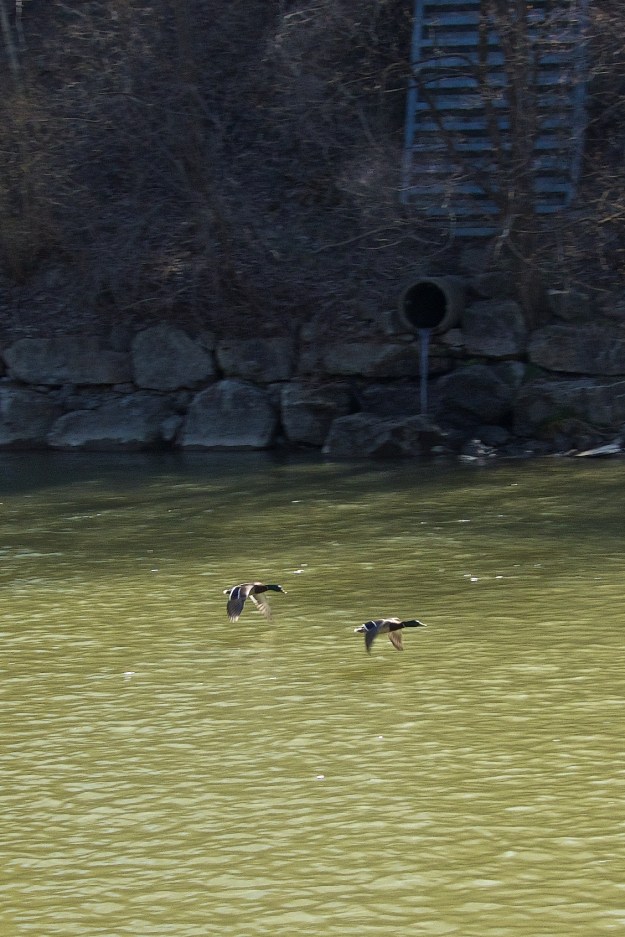
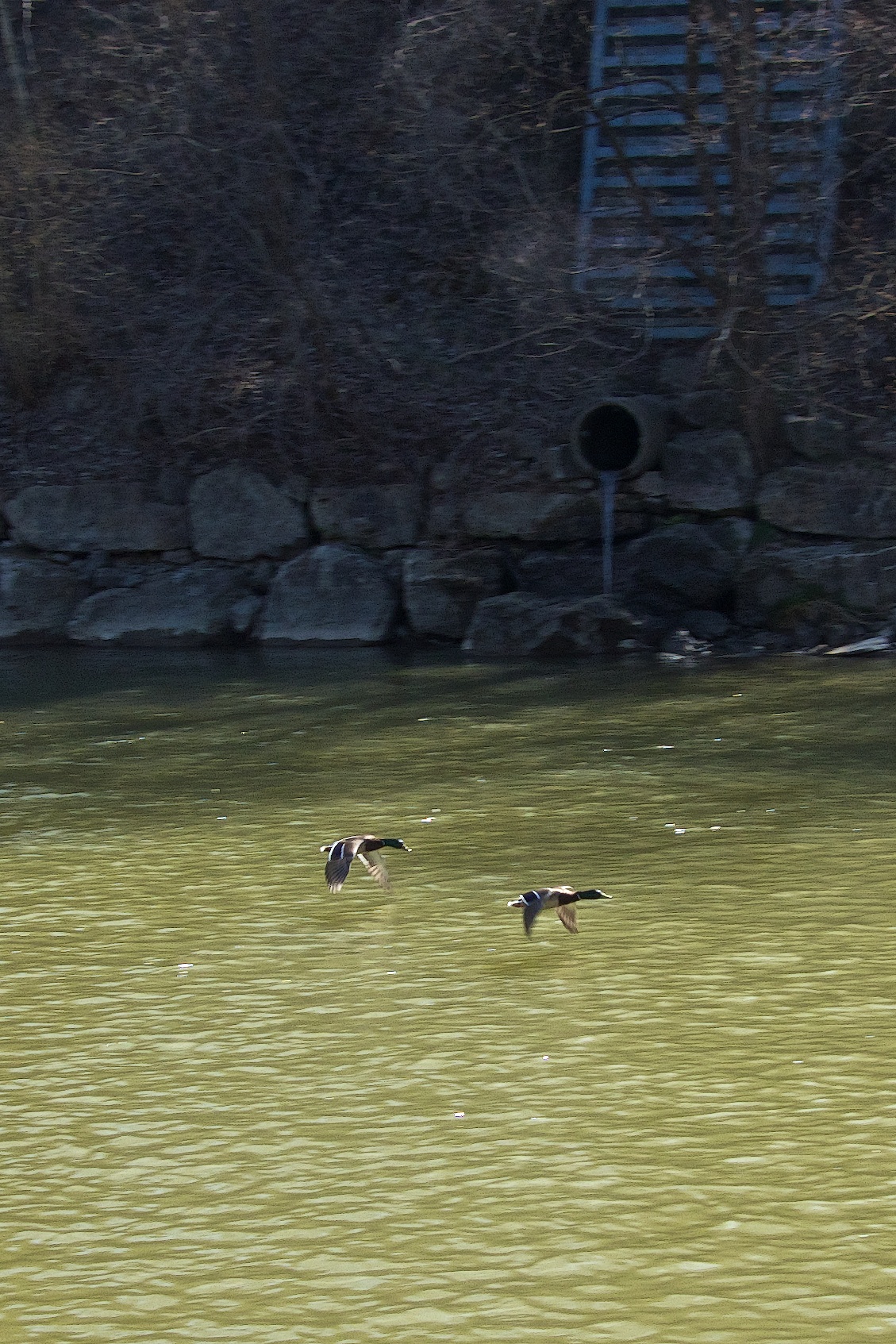
A pair of mallards passing a storm sewer outlet.

A pair of mallards pass in front of a mystery liquid gushing from a storm sewer outlet in Raymore Park.

This particular outlet spews forth its unknown liquid in both dry and wet weather seemingly with no particular reason.

Here’s what I think needs to happen in order to improve these scores and how residents can help.

TRCA needs to:

  • provide more opportunities for staff at all levels to observe, monitor and supervise what is happening in the watershed
  • set up more monitoring stations to detect sources of pollution
  • actively go after polluters and sources of pollution
  • plant more trees
  • acquire land in critical areas
  • educate people on the need to reduce pollution levels in rivers and streams

Municipalities need to:

  • find more efficient ways of using salt so that less ends up in rivers and streams
  • actively go after polluters and sources of pollution
  • plant more trees
  • continue downspout programs
  • encourage green roofs and permeable paving

Homeowners can:

  • avoid washing cars etc. on sealed driveways
  • take unwanted liquids and chemicals to a recycling depot
  • disconnect downspouts from sewers
  • buy low-flush toilets
  • plant trees
  • reduce or eliminate the use of weed killers, salt and pesticides

It’s easy to forget that Toronto’s drinking water comes entirely from Lake Ontario. It just makes sense to ensure that water entering the lake is pristine.
Ghosts of the past

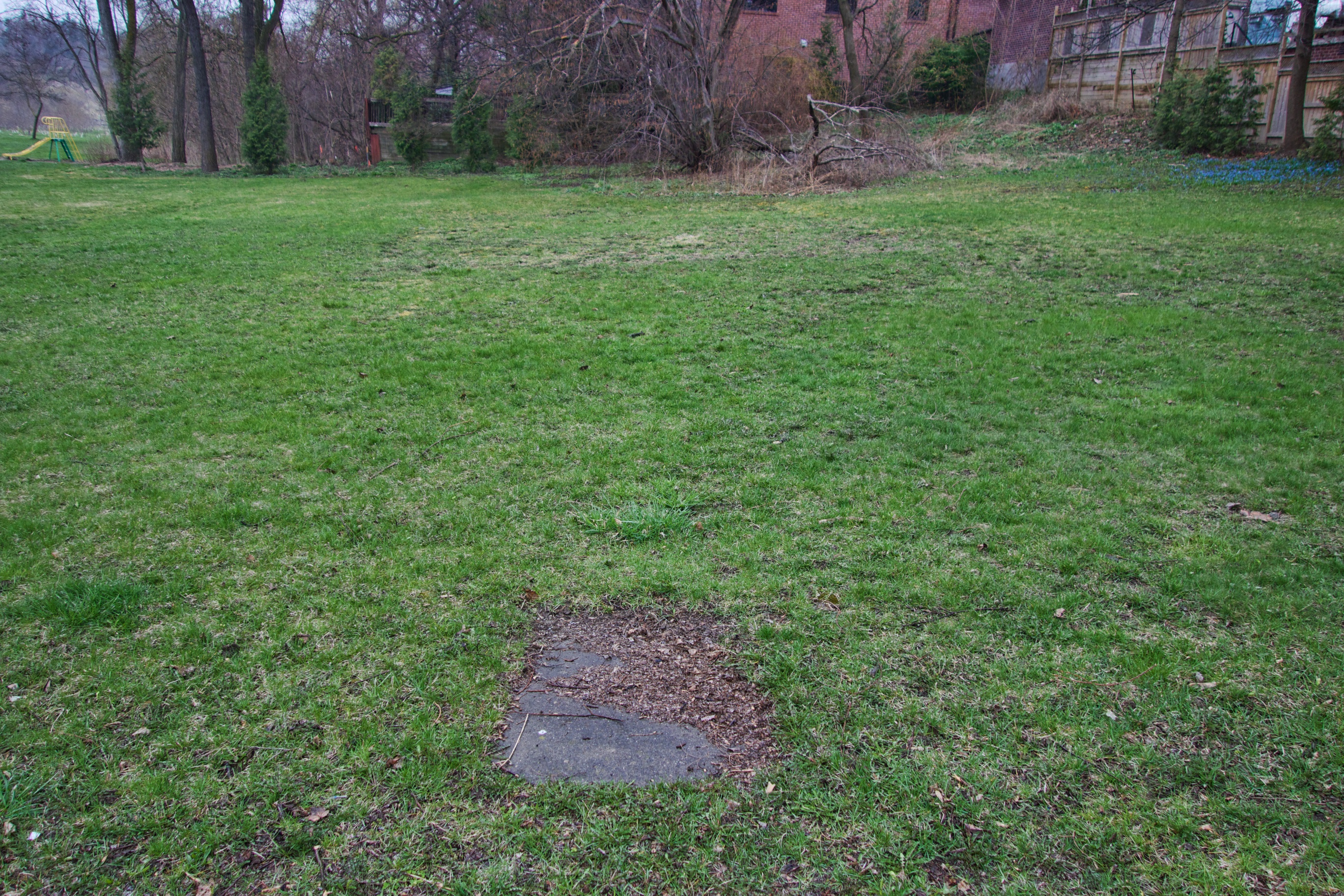
Every so often when weather conditions are just right, strange apparitions begin to form by the entrance to Raymore Park. These are the shapes of homes that lined Raymore and Gilhaven Drives until Hurricane Hazel brought devastation to the area in 1954. The houses at this location were untouched by the flooding but were purchased and demolished as a precaution. The basements were filled in and levelled. Part of an original concrete pathway still survives. The shape of the basements can be seen because the fill was different to the surrounding soil causing a variation in the plant cover. Based on the same principle, archaeologists often use aerial photographs when looking for ancient settlements.

The entranceway path and beyond, the faint basement outline.
An entranceway path and beyond, a faint basement outline.
Finally, signs of spring.

Finally, spring has arrived – only a few weeks late. The grass has turned green. People are out in force and the weather is quite pleasant.

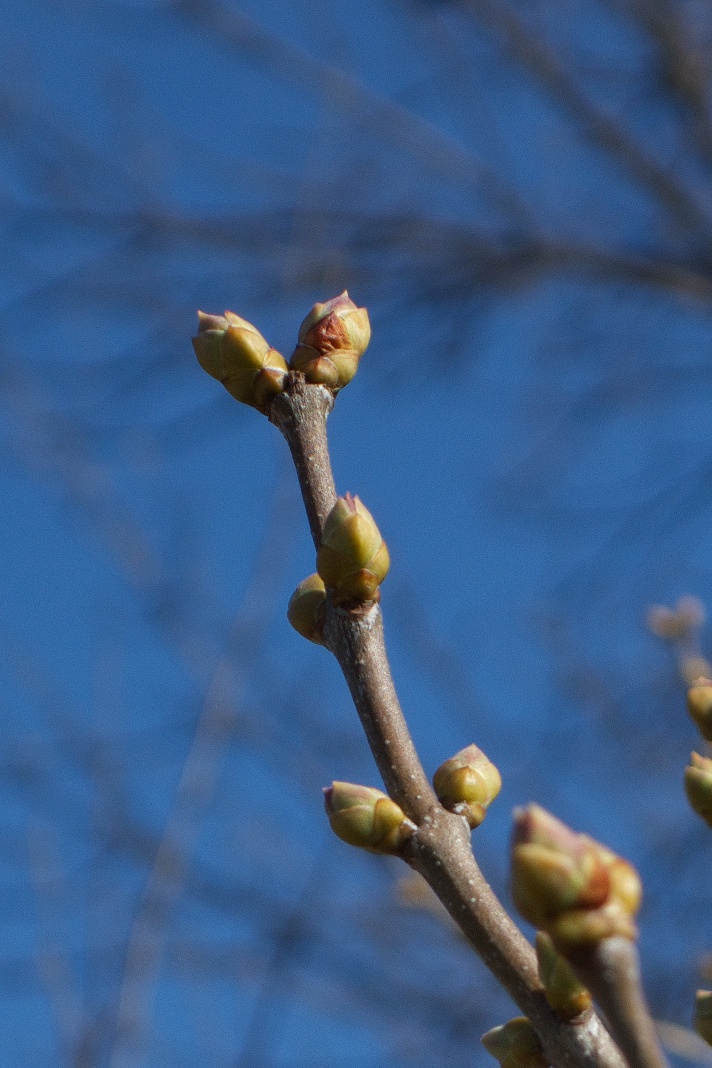
Lilac is starting to bud.

Lilac is starting to bud.

It will be a while before trees come into leaf but non-native trees such as Norway Maple and this lilac get a head start on their native cousins. We’ll probably have to wait another month before sumac and black walnut have leaves.

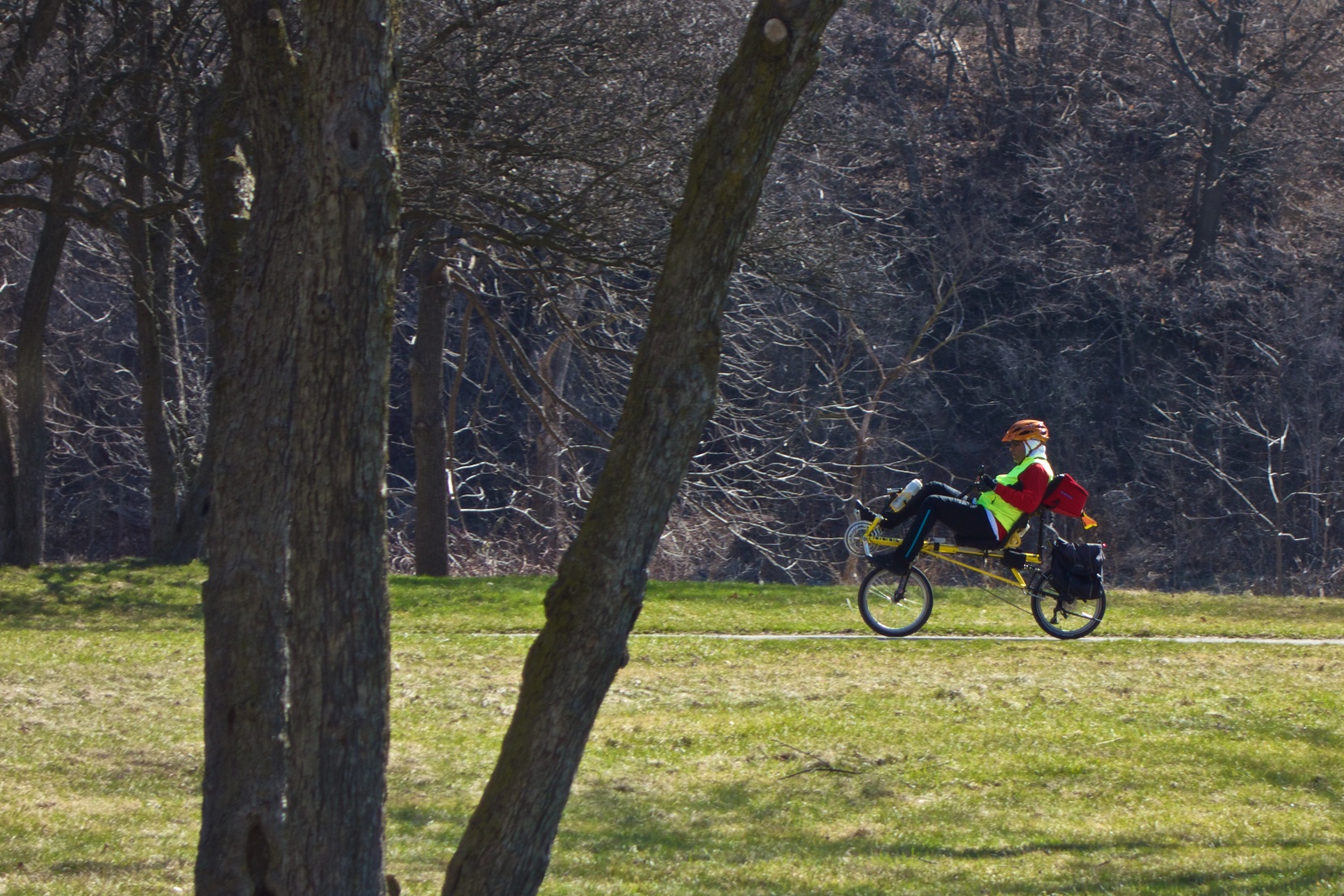
A recumbent cyclist makes his way through newly greened grass.

A recumbent cyclist makes his way through newly greened grass.

The cyclists are back – some more aggressive than others. I hate the weekend Spandex warriors who sneak up on you and ring their bell when quite close. My language often becomes quite blasphemous on those occasions.

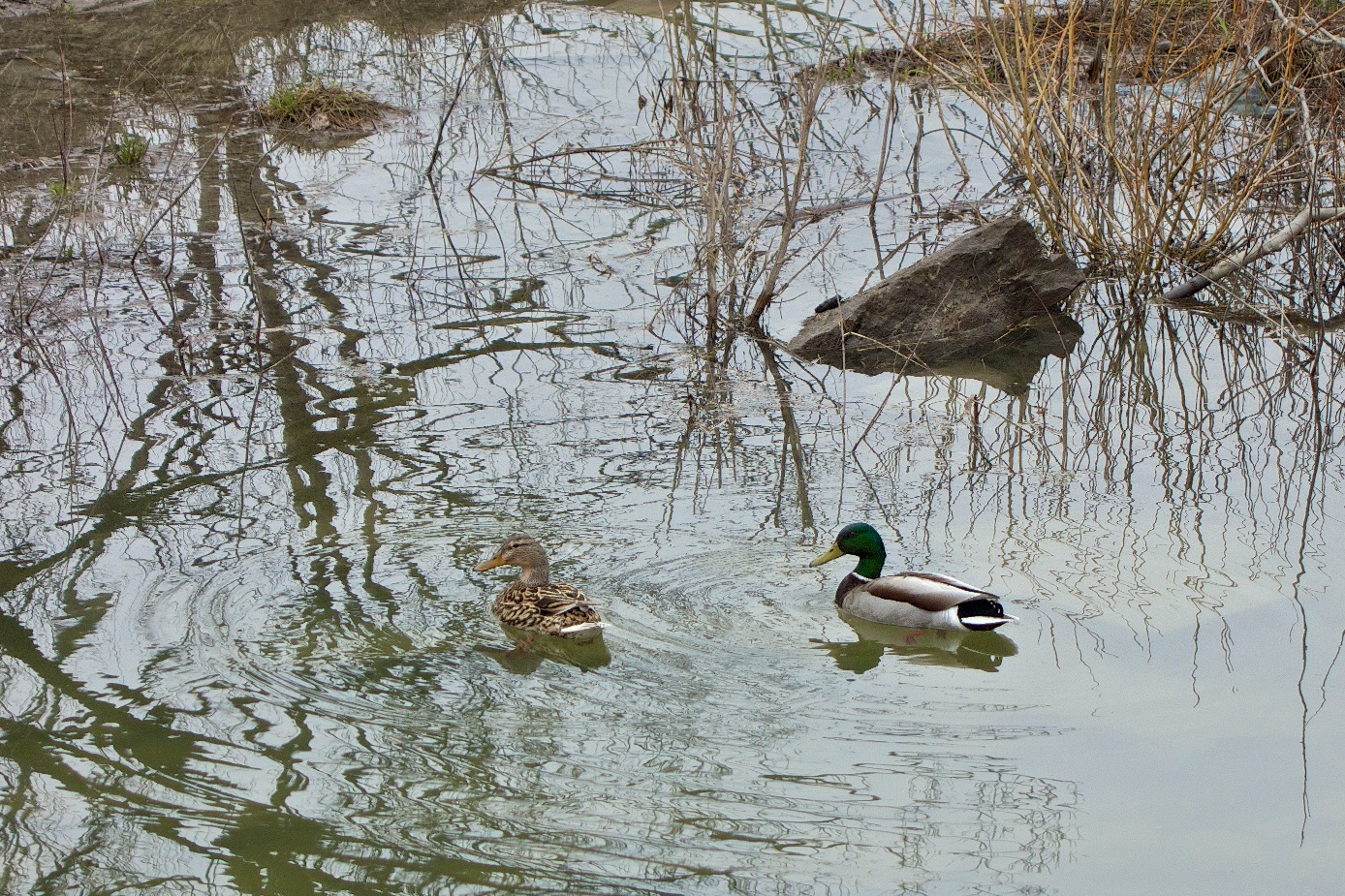
Ducks like their temporary pond.

Ducks like their temporary pond.

These mallards are still occupying the small pond that forms in the spring. I just hope the water level stays high for them.

Winter storm

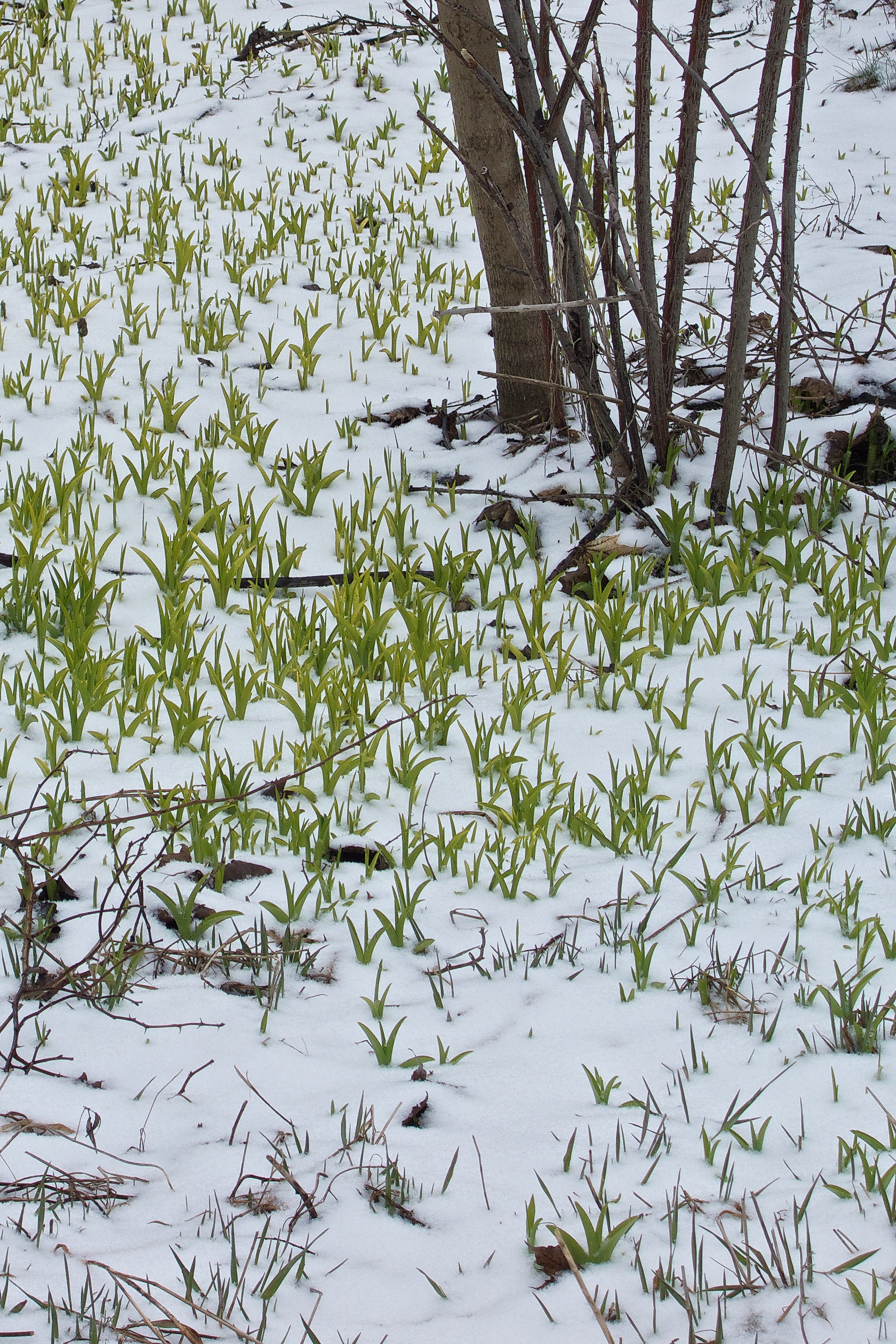
Day lilies are shocked I tell you.

Day lilies are shocked I tell you.

The park was cold and snowy today and a fresh covering made it look like January except for bright green new growth sticking out through the snow. These day lilies are probably remnants of gardens that belonged to homes destroyed during Hurricane Hazel.

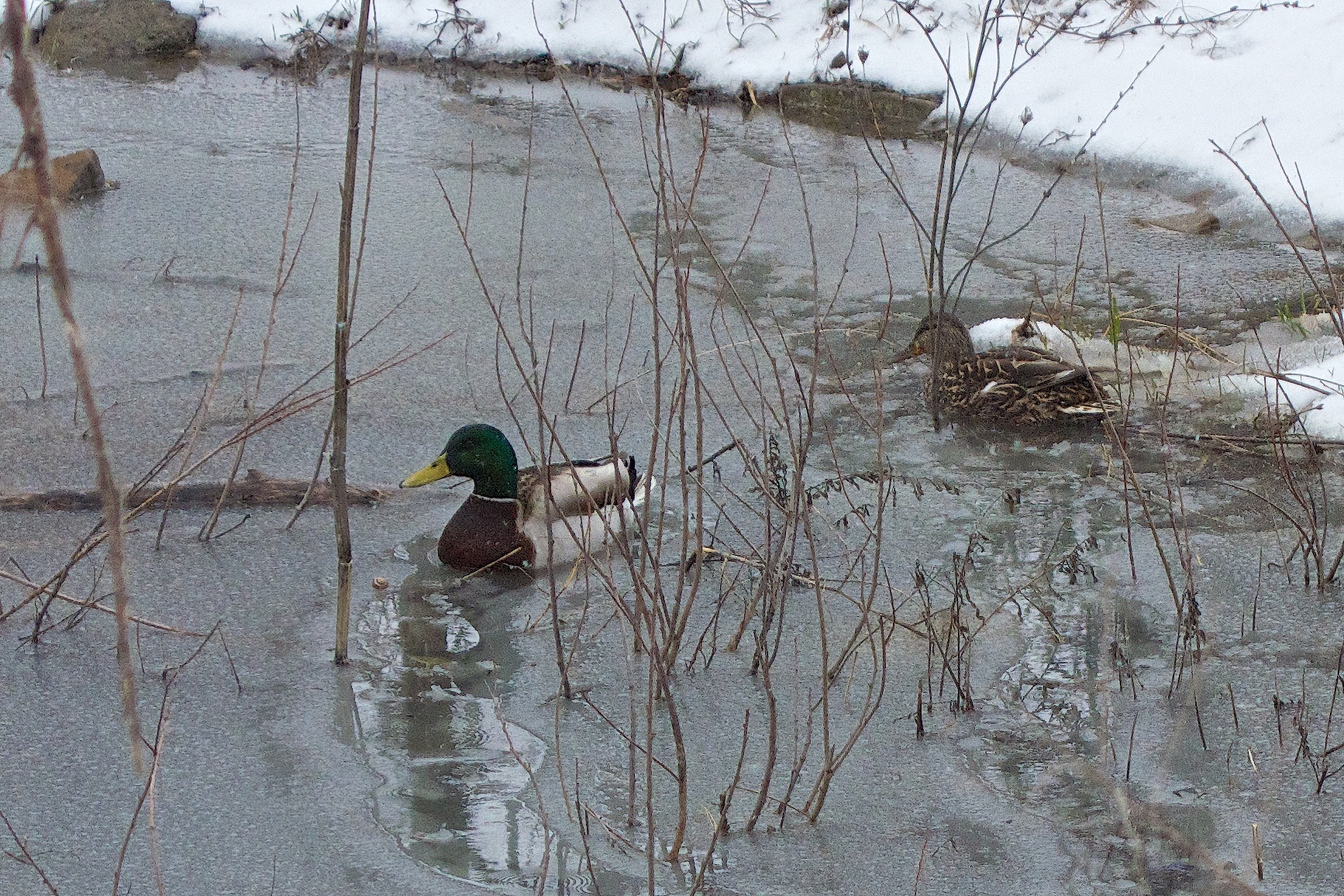
A pair of Mallards swimming around a temporary pond were taking refuge from high water in the river. I was careful to stay well clear so that they weren’t disturbed.

Ice is forming in April!!

DSC01427

It’s the canine cops…

Tag, you're it!

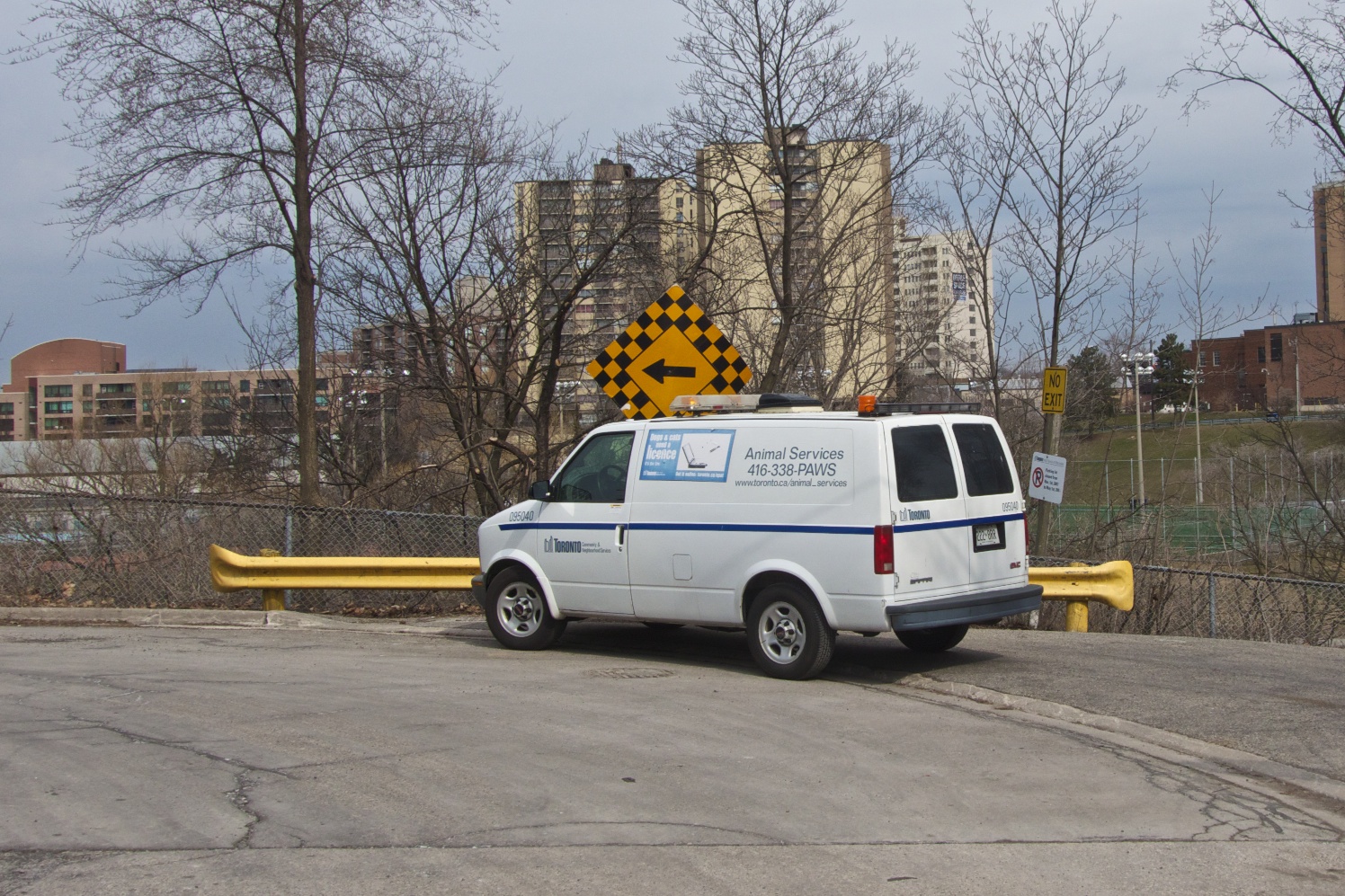
Dog tag please. Animal Services van by the Raymore Drive entrance to the park.

Today a lady from Animal Services was checking tags for a while. She walked from Raymore Park all the way along the path to Lions Park, checking tags along the way and extracting addresses from those unable to produce said tag.

According to the City Auditor, only about 30% of Toronto’s dogs are licensed. Actually, from what I have seen, the auditor’s estimate is quite high. Others put it closer to 10%. This is the first evidence I have seen of Animal Services in a long time. A few years ago they used to have quite a strong presence and an A.S. employee used to watch dog owners through binoculars, checking for by-law infringements. This was around the time that A.S. hired students to go knocking on doors and peering in windows, looking for evidence of dogs and cats. There was a bit of a public outcry against such draconian measures and Mayor Rob Ford mused that license fees should perhaps be abolished since they bring in very little money.

Apparently abolition must have been taken off the table – in addition to the ‘stick’ of fines for unlicensed dogs, A.S. is looking at the ‘carrot’ of discounts for doggy products and services if dog owners can prove their pet is licensed.

If they really want to enforce the tags, A.S. should enlist the help of vets throughout the city and allow them to issue tags – the vets would get a piece of the action and could offer a discount on some services. They could perhaps pay for or subsidize a pup’s tag on its first check-up. Once a dog is in the system, it’s likely to stay and the renewal fees would roll in for years.

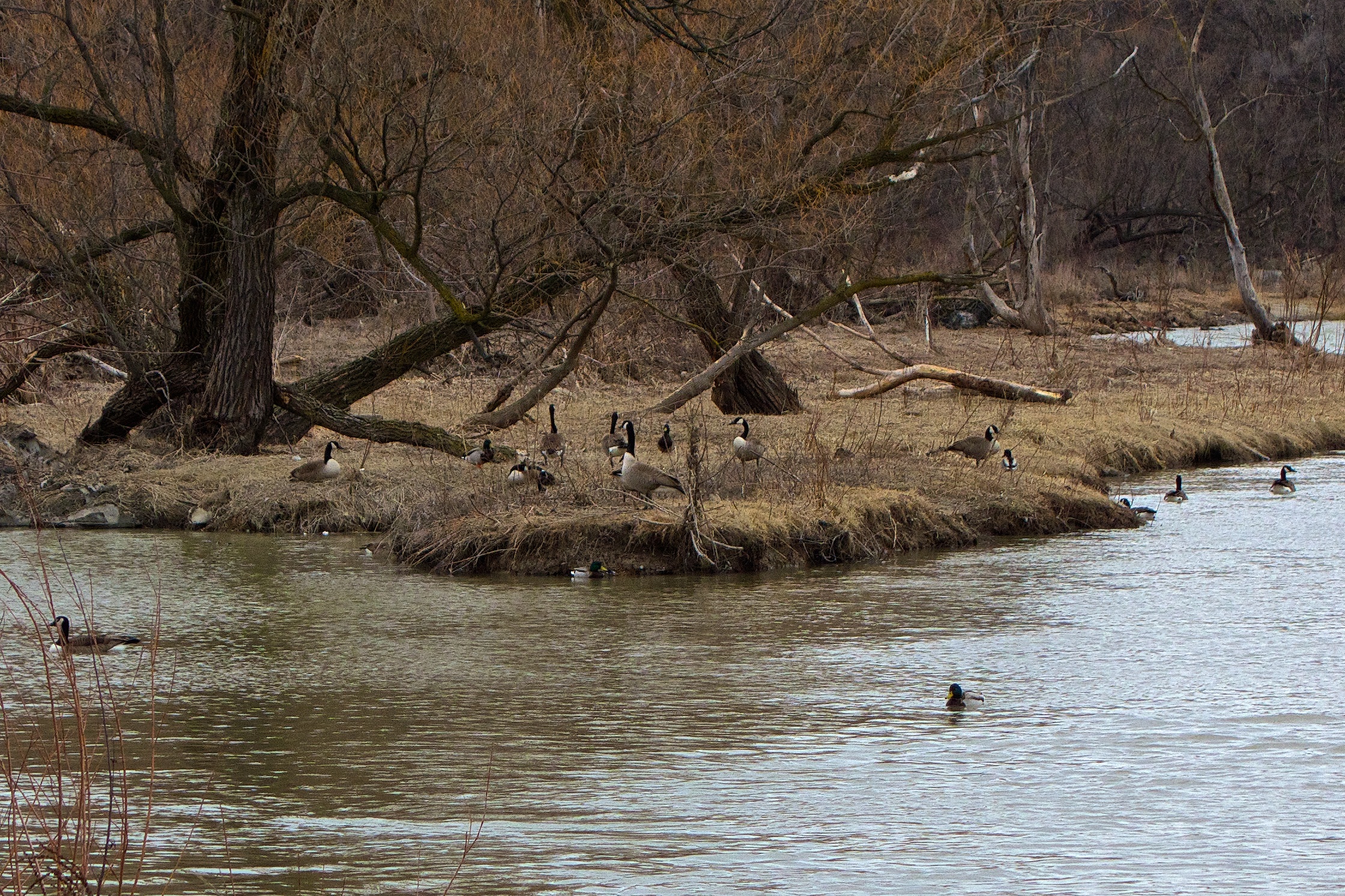
Meanwhile, in the park, birds are frantically mating and nesting and taking advantage of the mild temperatures before the mini cold-snap that is expected this week.

Lots of activity by the river.

Lots of activity by the river.

Dreamy water.

Dreamy water

Dreamy water

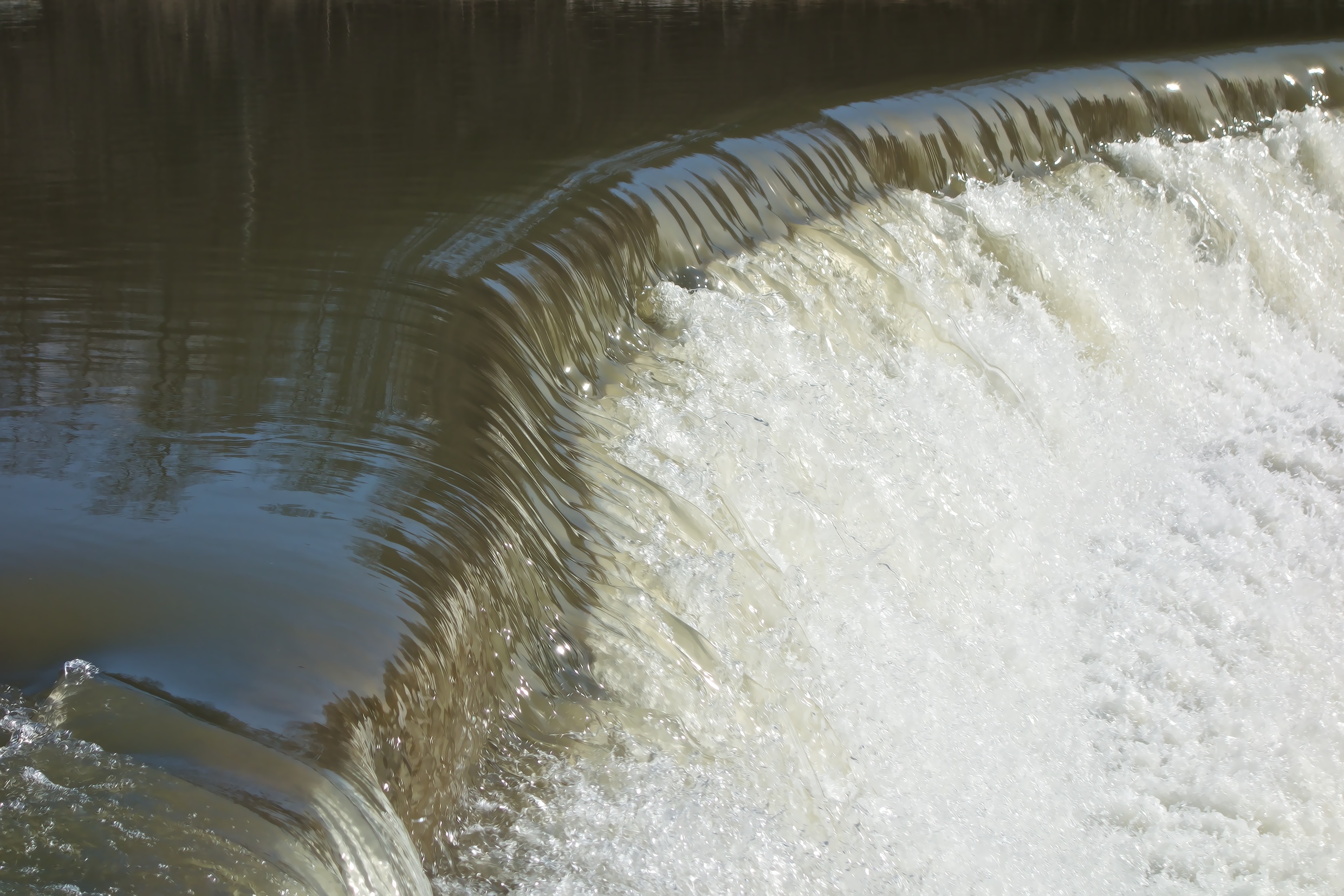
I continue to be fascinated by the sheen of the water as it slides over the weir and have stylized this image with the help of a Topaz filter or two.

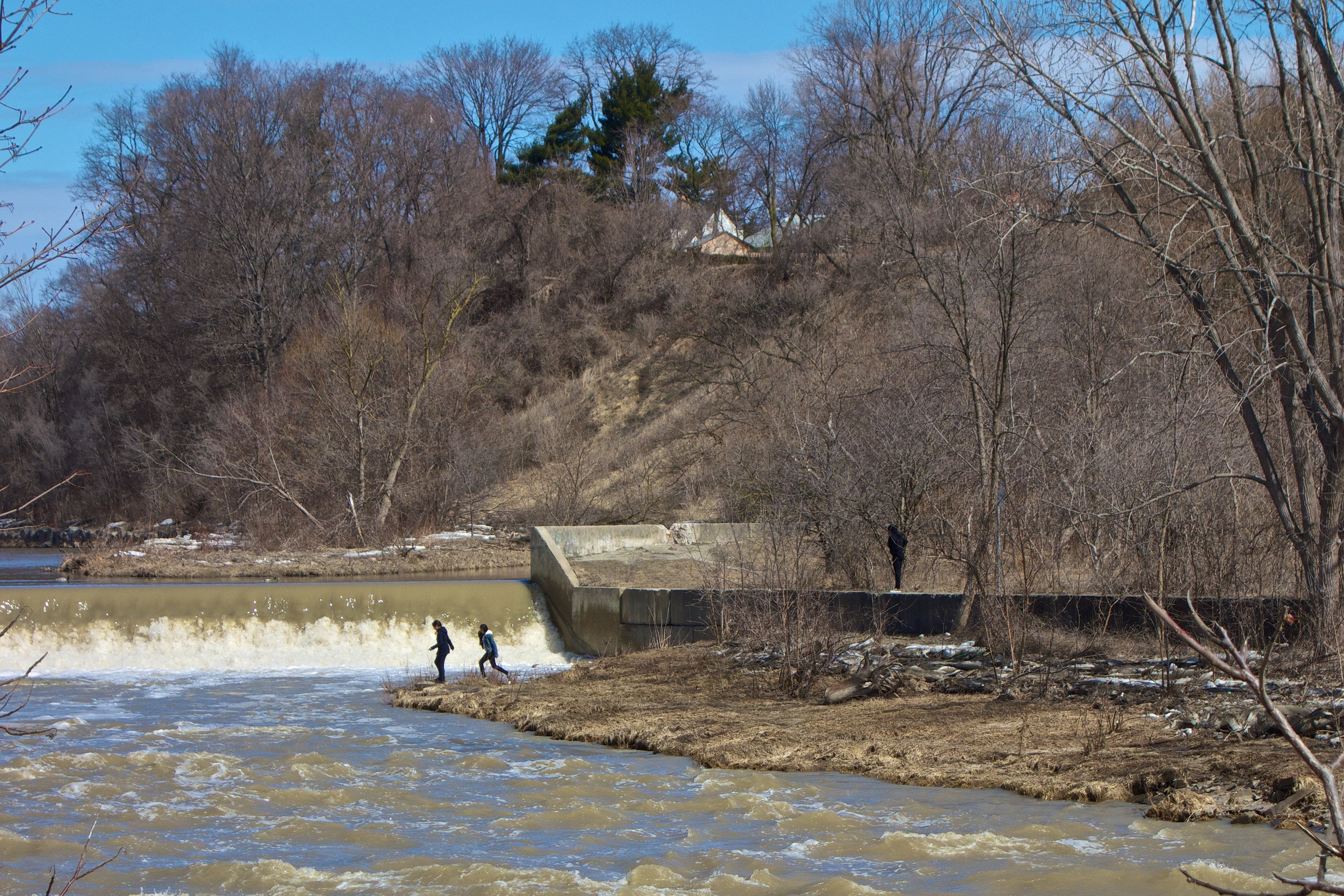
The water is higher today as a result of melting snow further north.

Students from a nearby school help give some scale to the weir.

Students from a nearby school help give some scale to the weir.

There was a coyote making its way upstream, probably getting out of the way of the students below the weir who were well, being kids. Snow has melted from all but the shadiest parts of the park and spring is off to a slow but long awaited start.

On the beach.

As the water and ice recede, a few interesting items are left along the small sand beach that is the shore of the Humber.

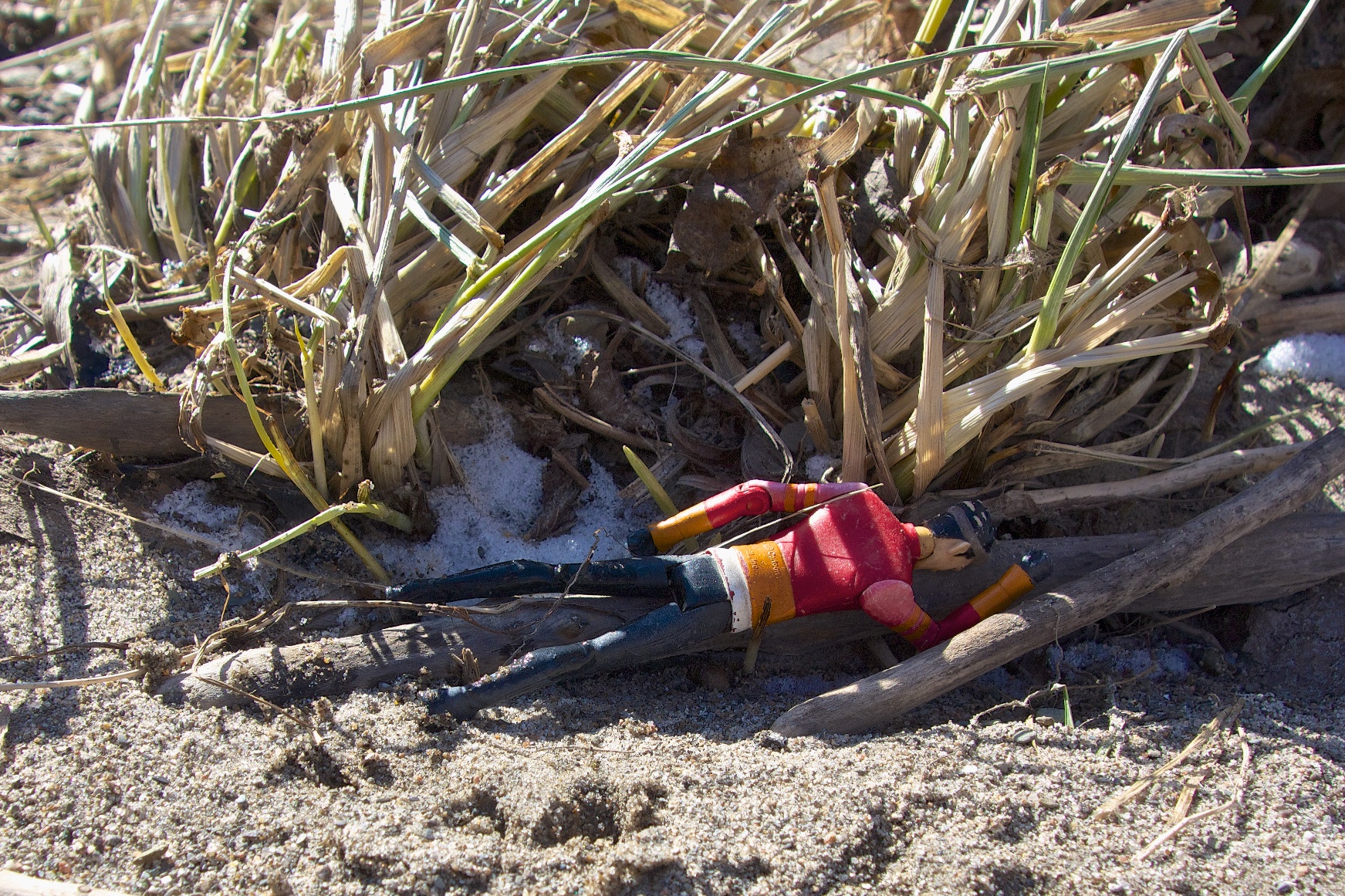
A toy figure seems to have thrown himself down in despair.

A toy figure seems to have thrown itself on a twig in despair.

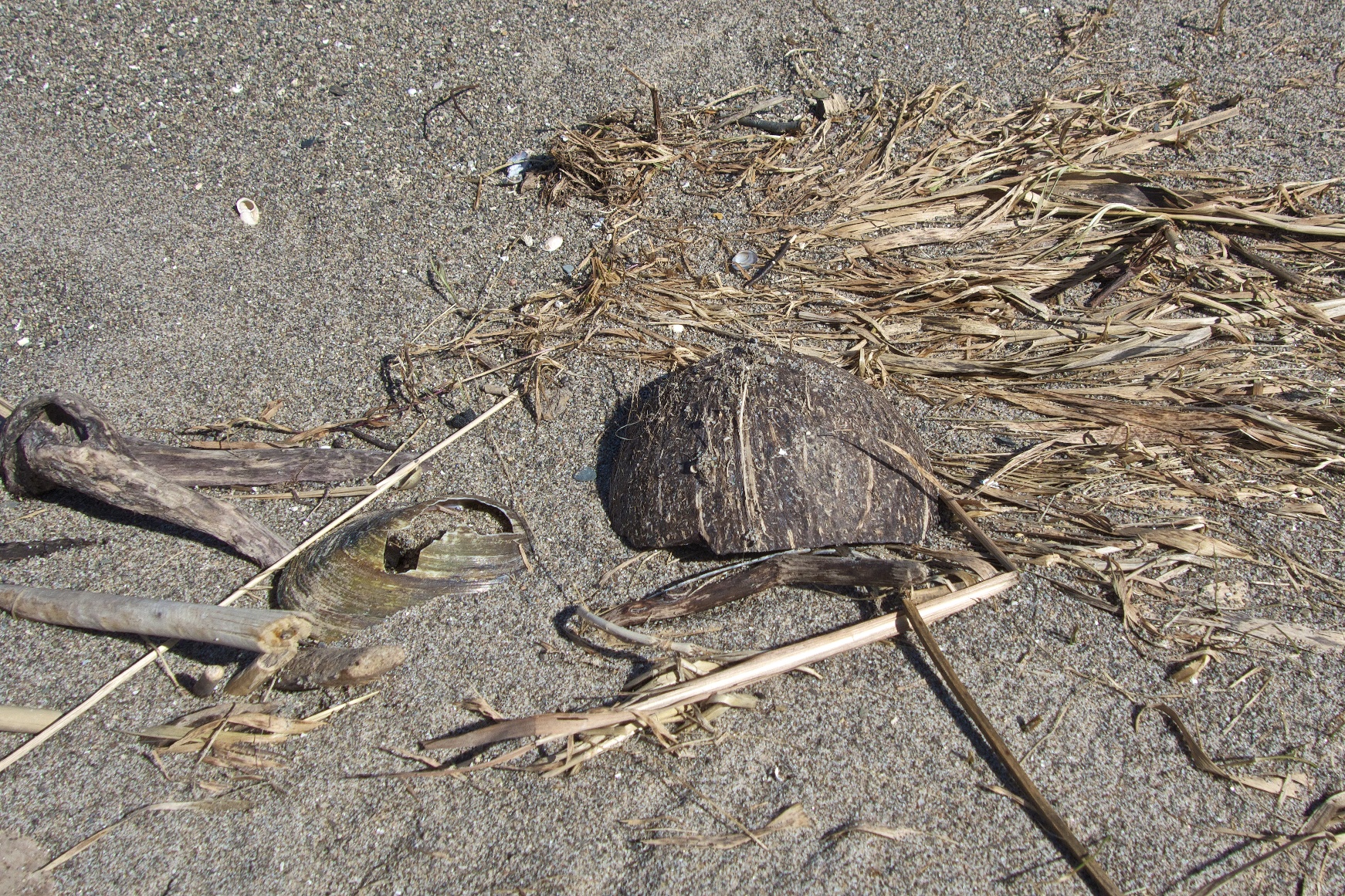
More shells and part of a coconut.

Some clam shells and part of a coconut.

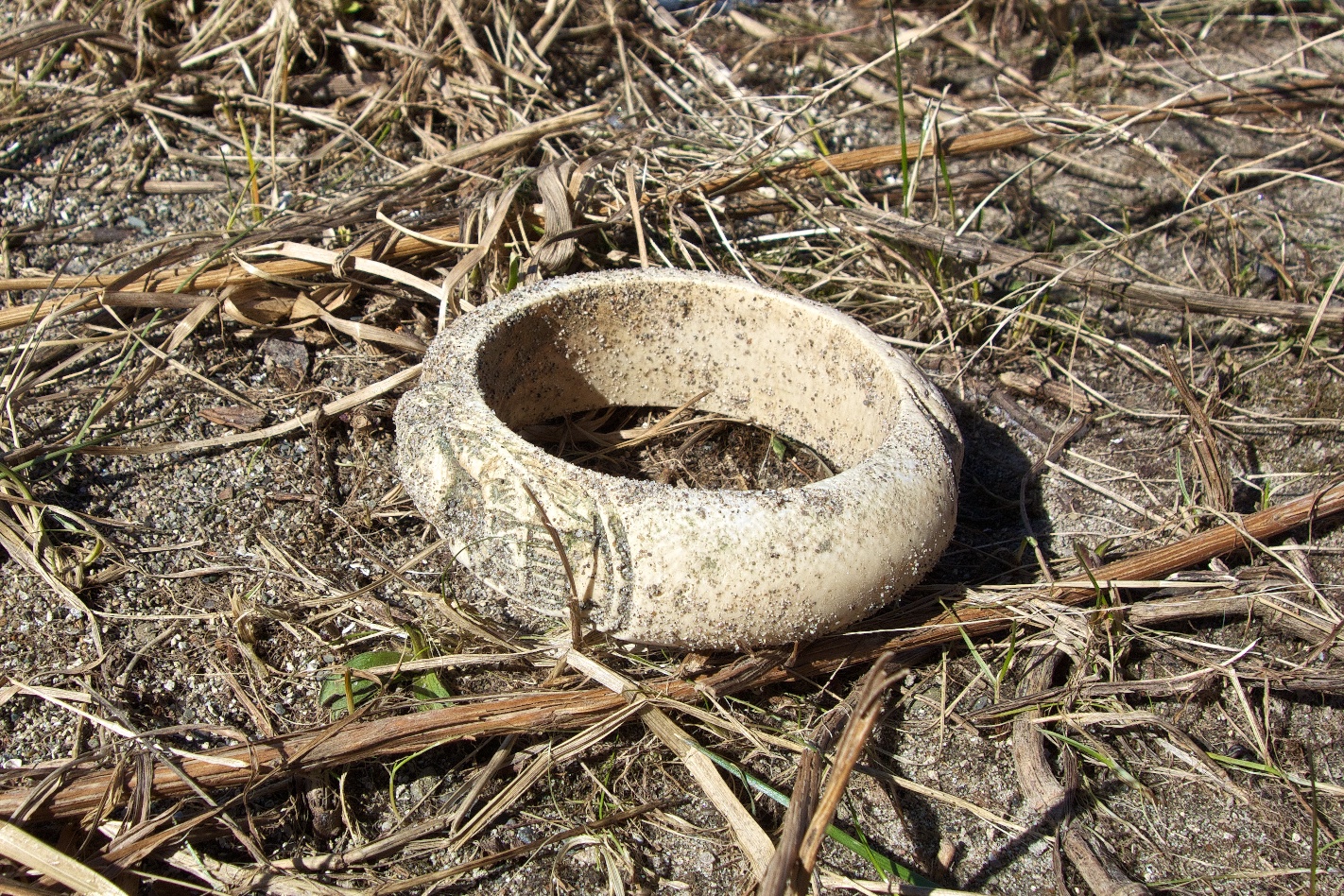
Having seen coconut shells scattered along the Humber for years, the source was a puzzle. Visions of coconut groves further upriver were easily but reluctantly dismissed. The mystery wasn’t solved until a few years ago when I witnessed an East Indian gentleman throw a something into the river and discovered that it’s customary for Hindus to make sacrifices to the river gods in this way. The following photograph may be of another such item.

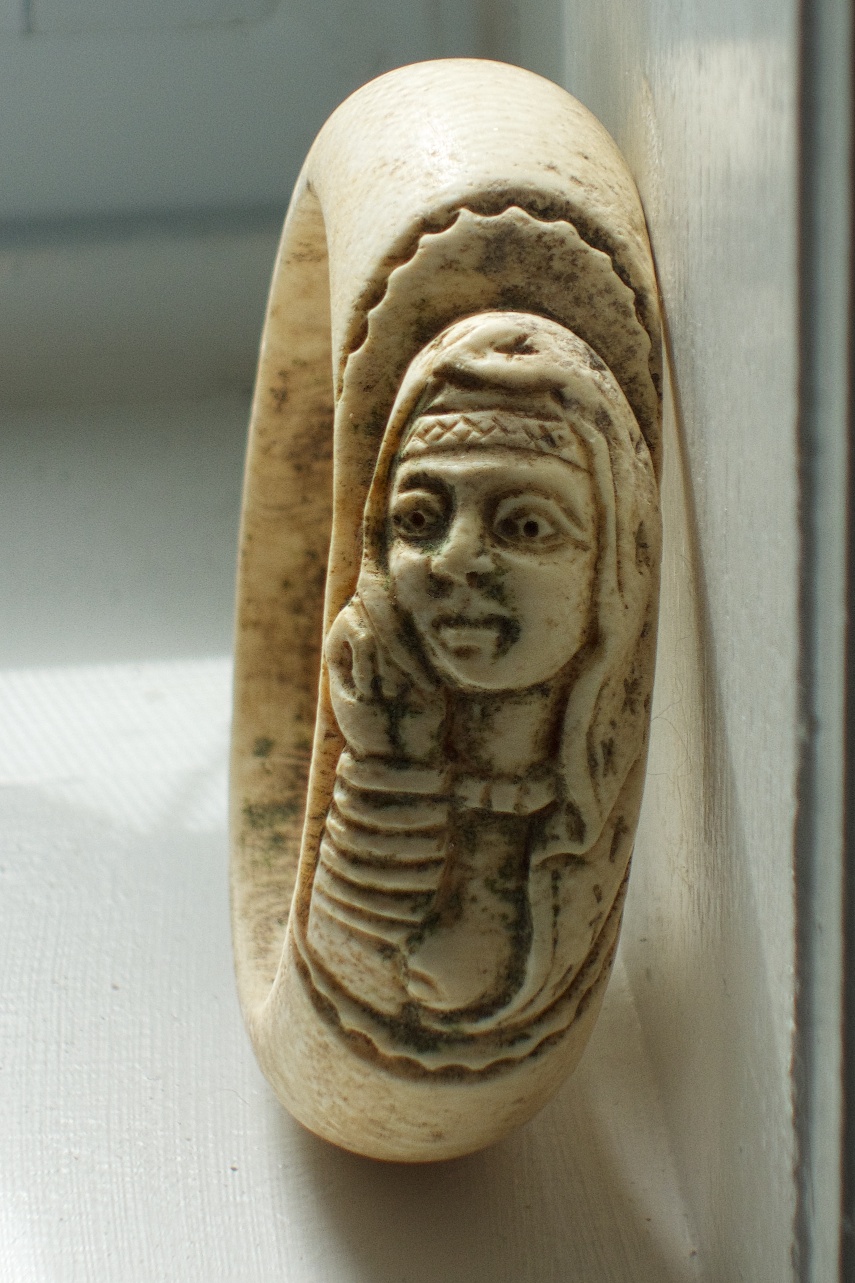
A carved bangle illustrating a couple of voluptuous ladies.

A carved bangle illustrating a couple of voluptuous ladies.

I brought the bangle home to examine it but not wishing for bad karma will return it tomorrow. It seems to have been hand carved from bone or horn. As long as it’s biodegradable along with the coconut, it shouldn’t be a problem.

After all, India is the home of the Kama Sutra...

Cleaned up a little. India is the home of the Kama Sutra…

Bitter cold; shy ducks are named.

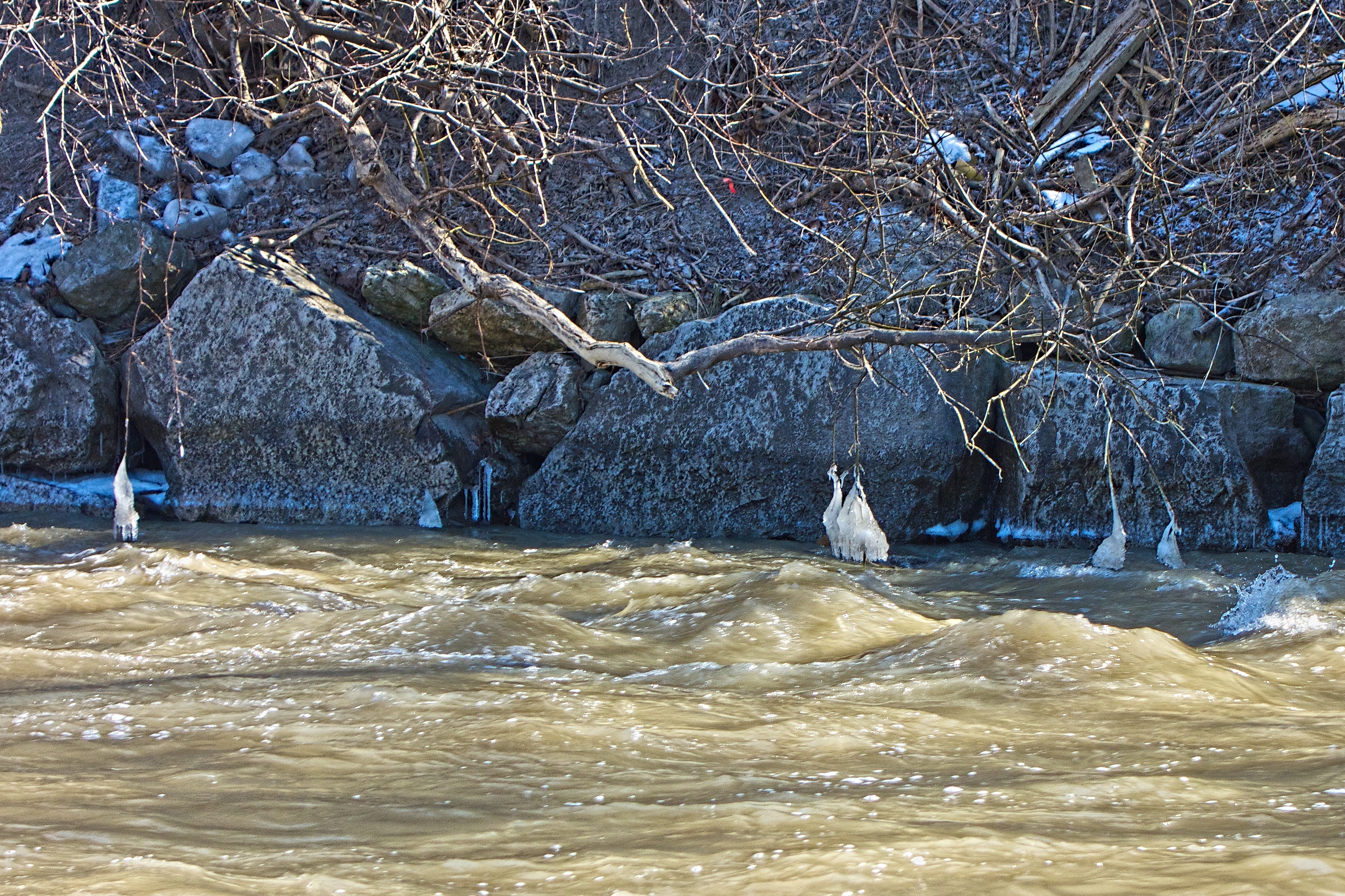
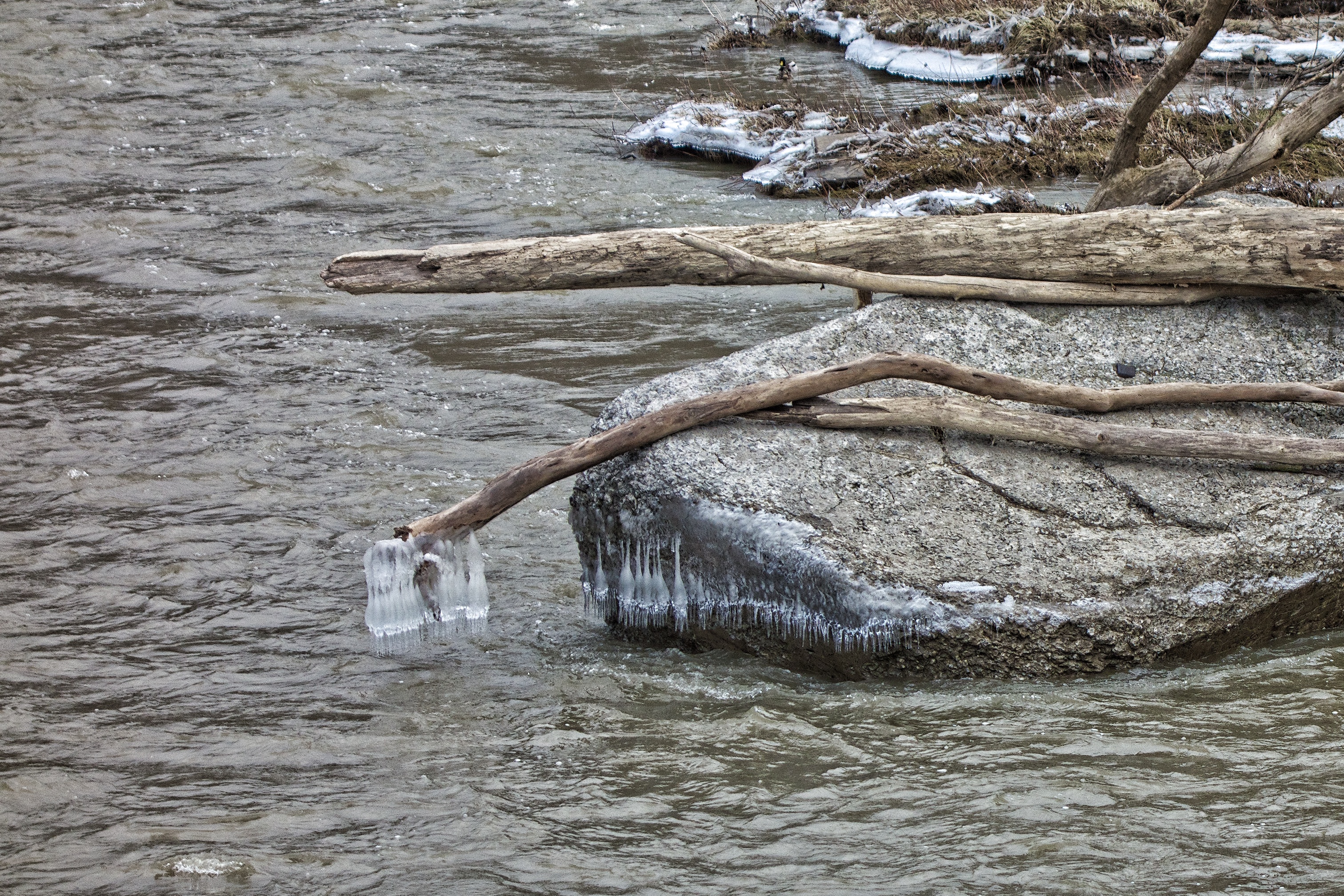
The sun is almost at 45° in the sky at noon and yet the cold persists. I discovered this phenomenon along the banks of the Humber where some branches dangling in the (receding yet rough) water have picked up ice in the same way that candlemakers make candles.

There's got to be a name for these - dingicles?

There’s got to be a name for these – dingicles?

Beautiful specimens on the old bridge abutment.

Beautiful specimens on the old bridge abutment.


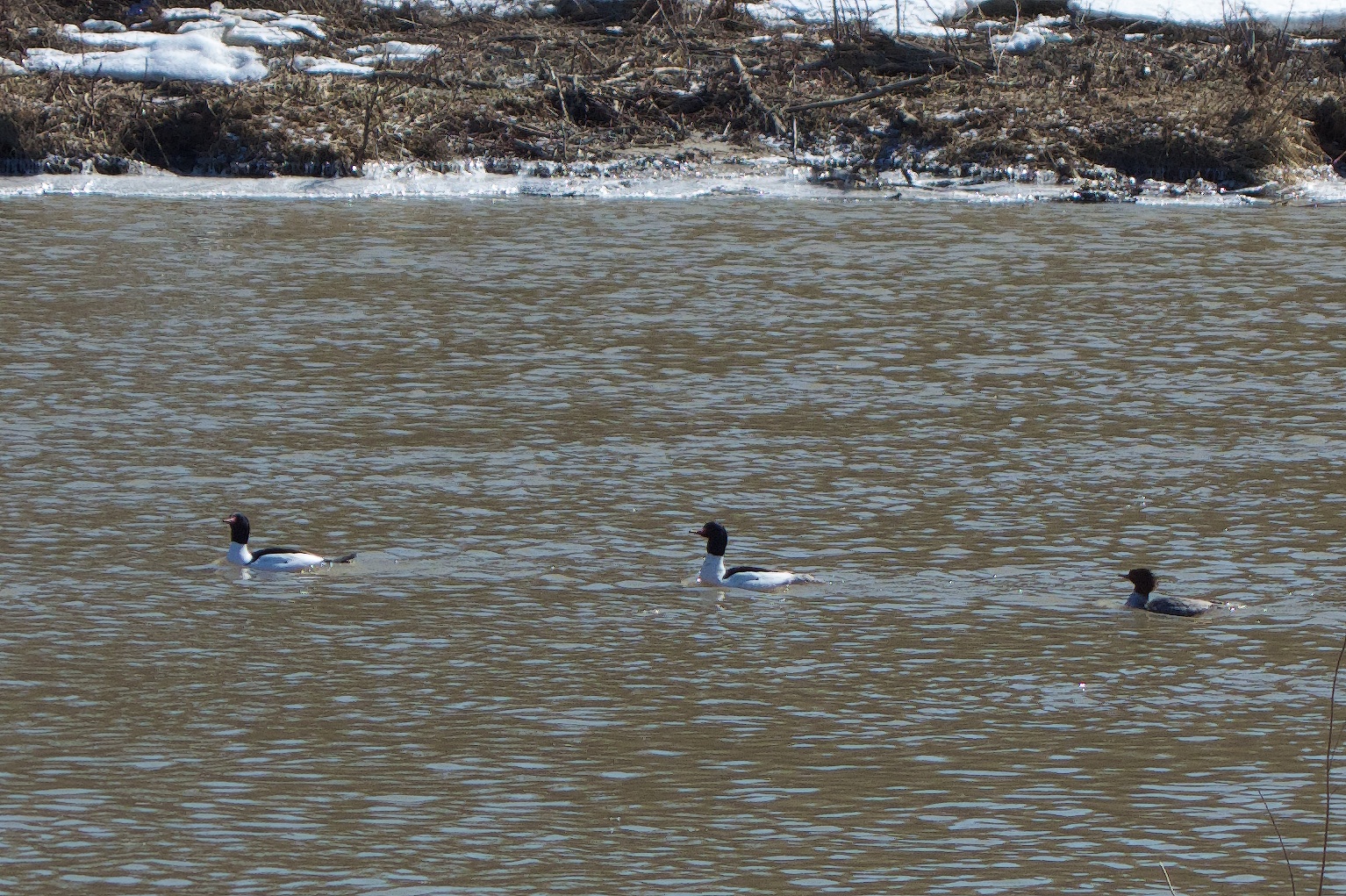
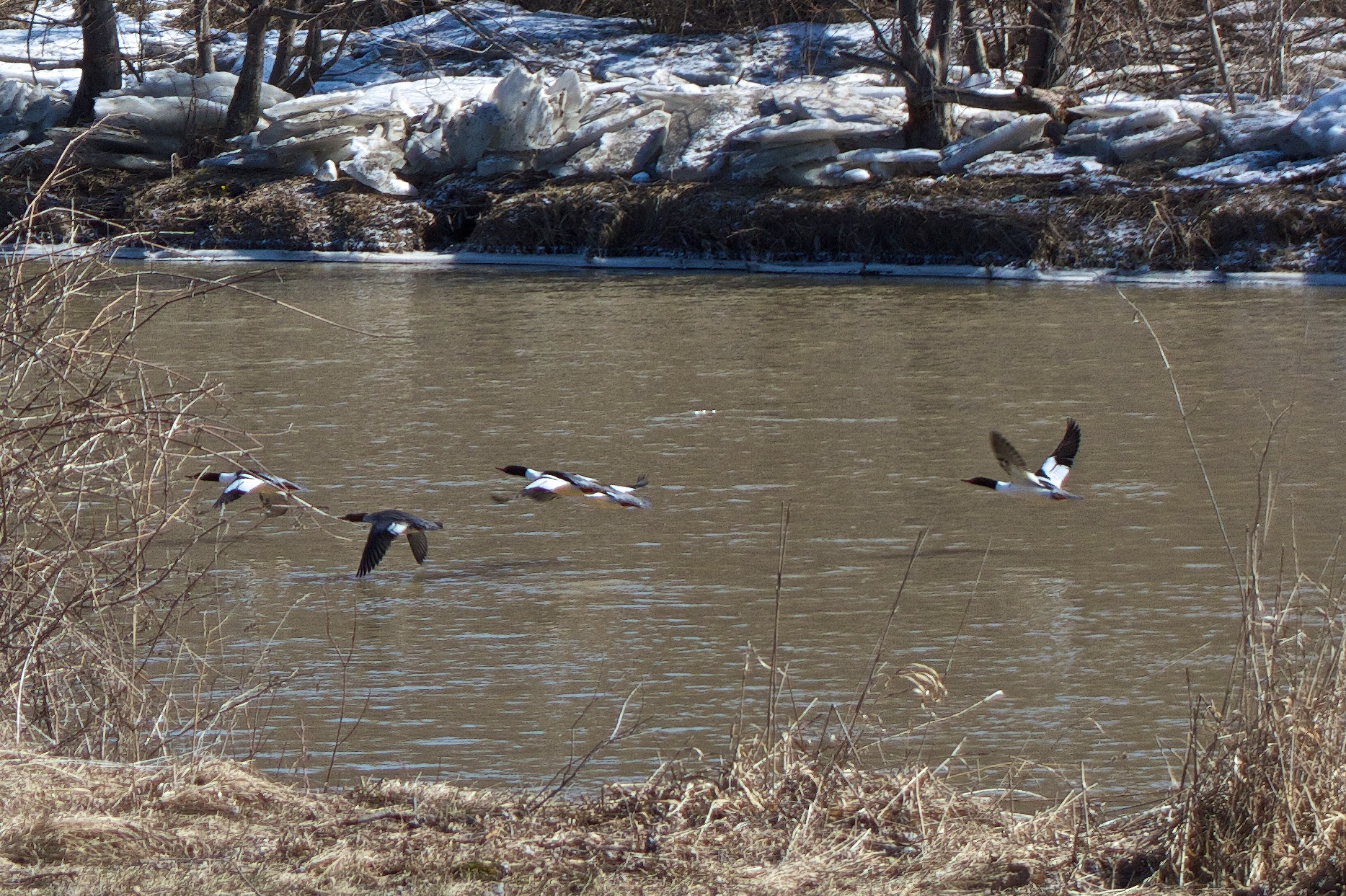
I managed to get my closest yet to the mystery ducks and have finally recognized them thanks to Professor Google.

Common Mergansers.

Two males and a female (not so) Common Mergansers.

They are Common Mergansers – a name that I don’t remember hearing before – but that could be me.

These shy ducks don't like humans.

These shy ducks didn’t like my presence and moved upriver.

Nesting in tree cavities, Common Mergansers, found all over North America dive to feed on fish and other aquatic animals. They make a nice change from the usual Mallard ducks who are considerably tamer.