Category Archives: Park view

It’s that time…

Let it snow.

Let it snow.

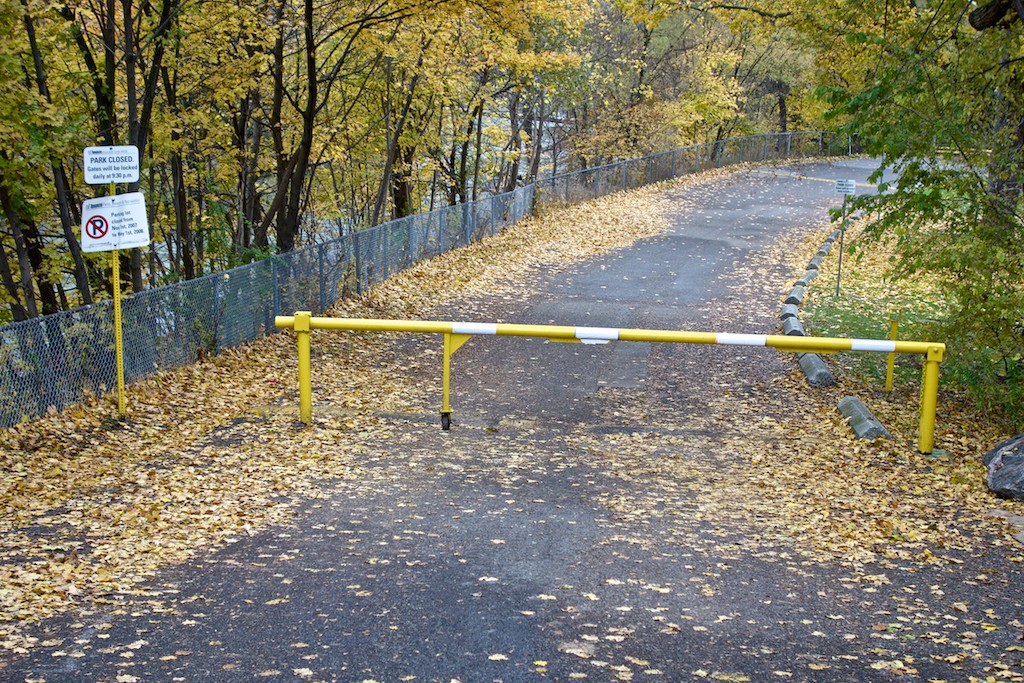
For the past few years, Raymore Park has closed its gate at the beginning of November and it stays that way until the end of March. This is because snow can occur at any time between these dates and many people are unable to drive back up a steep snowy hill to exit the park. This cuts down on quite a large number of visitors as the effort to park on Tilden Crescent and walk down to the park seems to deter most people.

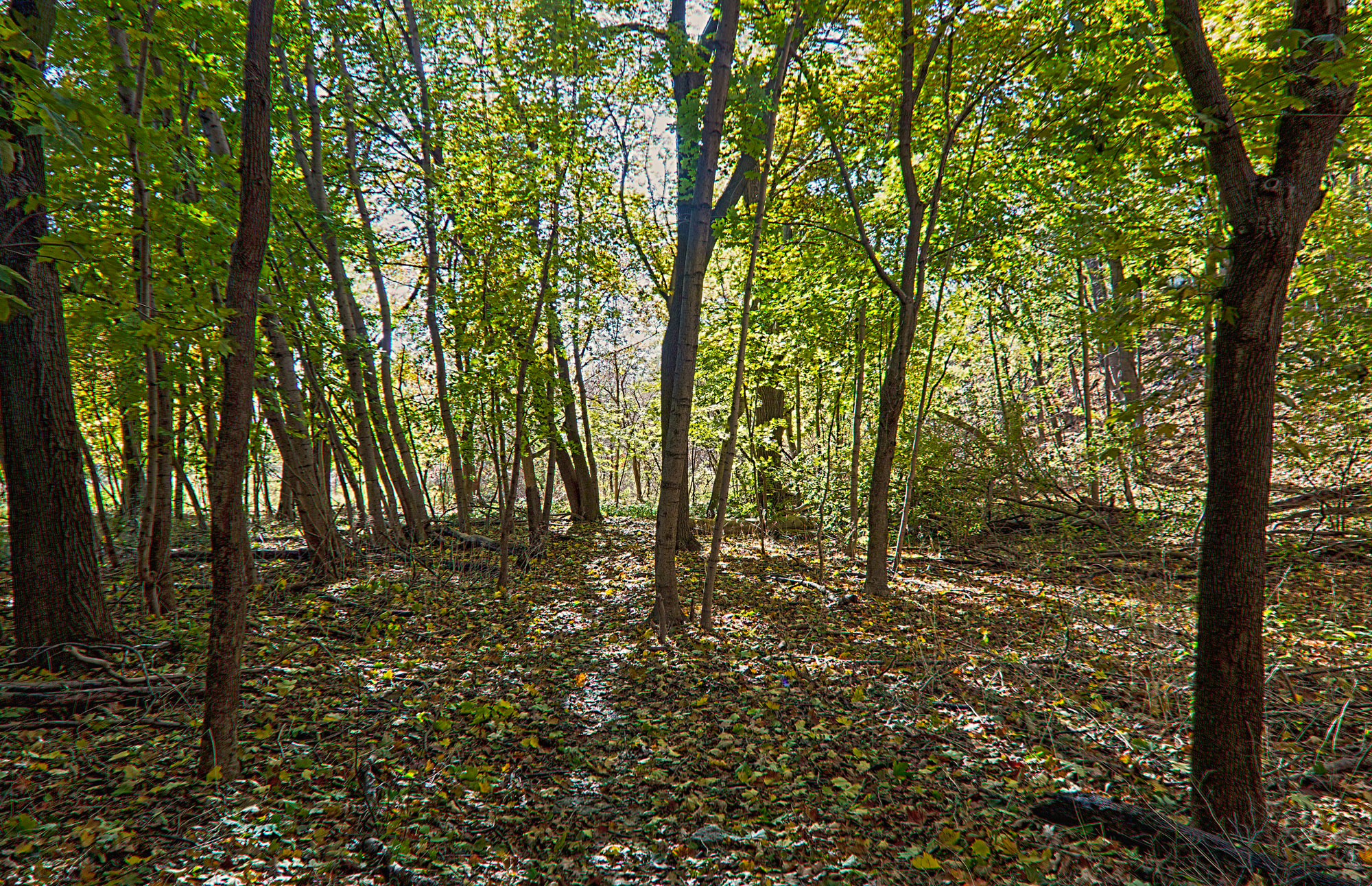
Light still is creating fascinating scenes in the woods. Here’s an attempt to capture what the eye sees using an HDR shot based on two images, one capturing highlights, the other, shadows then merged in Photoshop.

Woods-HDR

Frost kills but life will go on.

The first frost of the season hit in the early hours of Tuesday morning, killing millions of insects and annual plants in Raymore Park. In the earth’s two temperate zones, this annual tide of warm and then cold toughens every species and may explain the survival of life forms on earth after comet strikes and super volcanoes. Using techniques such as hibernation, dormancy and re-birth, plants and animals have devised amazing ways of ensuring that the next generation survives the ravages of an extended period of cold.

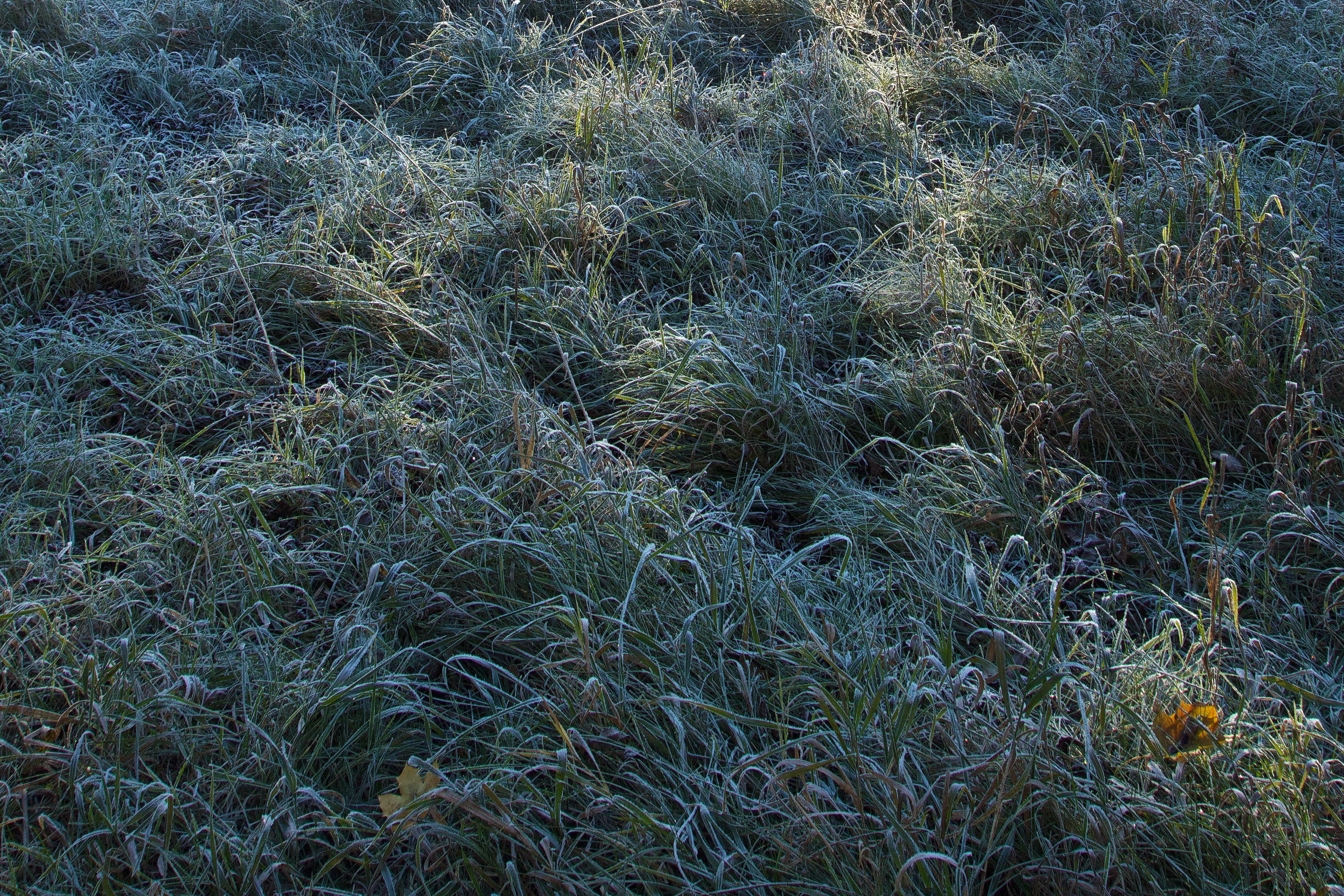
Grass edged with ice crystals.

Grass edged with ice crystals.

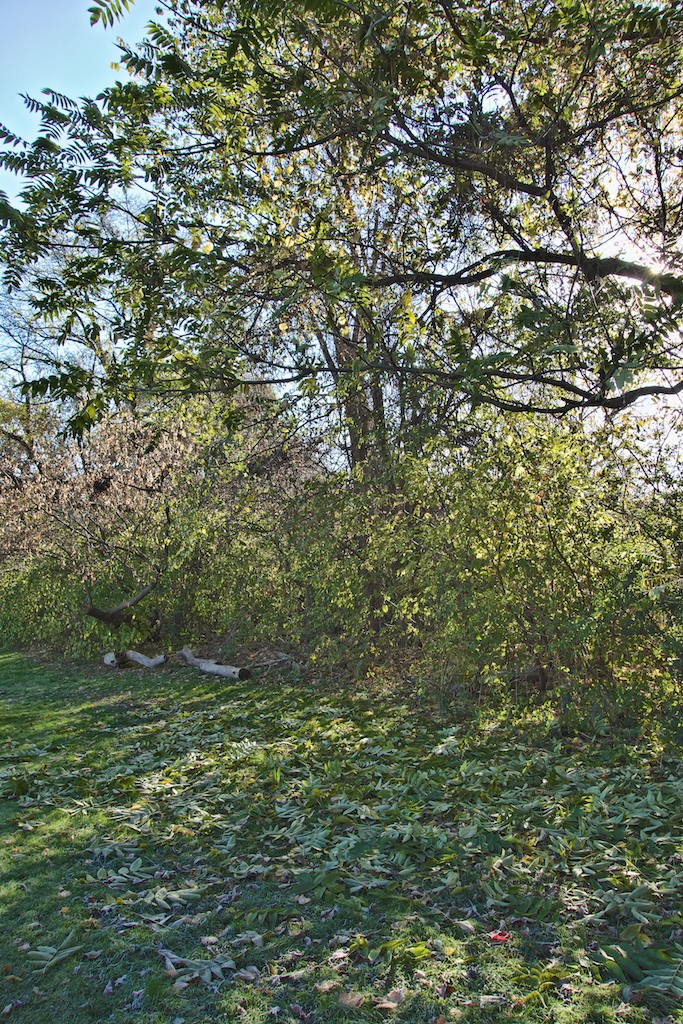
This morning’s frost is just the mildest of hints of what is to come but the effect is dramatic. Judging by the silence this morning, crickets in the meadows were almost all wiped out but females have been busy recently, each laying hundreds of eggs which will hatch next spring. Walnut trees simply drop everything after a frost.

A walnut tree drops everything after a frost.

A pile of walnut leaves begins to form after a frost.

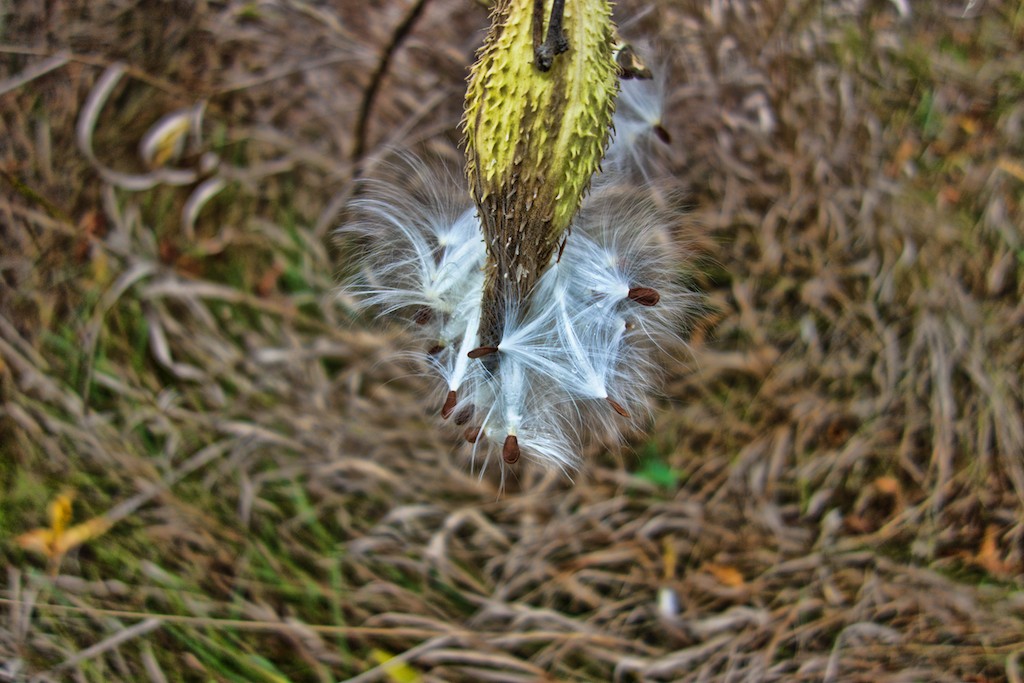
Elsewhere, many seeds are now ready to be carried away from the parent plant by the wind or unsuspecting animals and humans.

Milkweed seeds wait for a strong wind.

Milkweed seeds wait for a strong wind.

We may share the same latitude as Florence in Italy but our continental winters are considerably harsher and more eventful.

Some would say more interesting too.

Signs of fall: blazing colours

The park is at its peak this week and with several days of sunshine on the way, there will be no better time to grab some stellar photographs. Here are a few taken in the past few days.

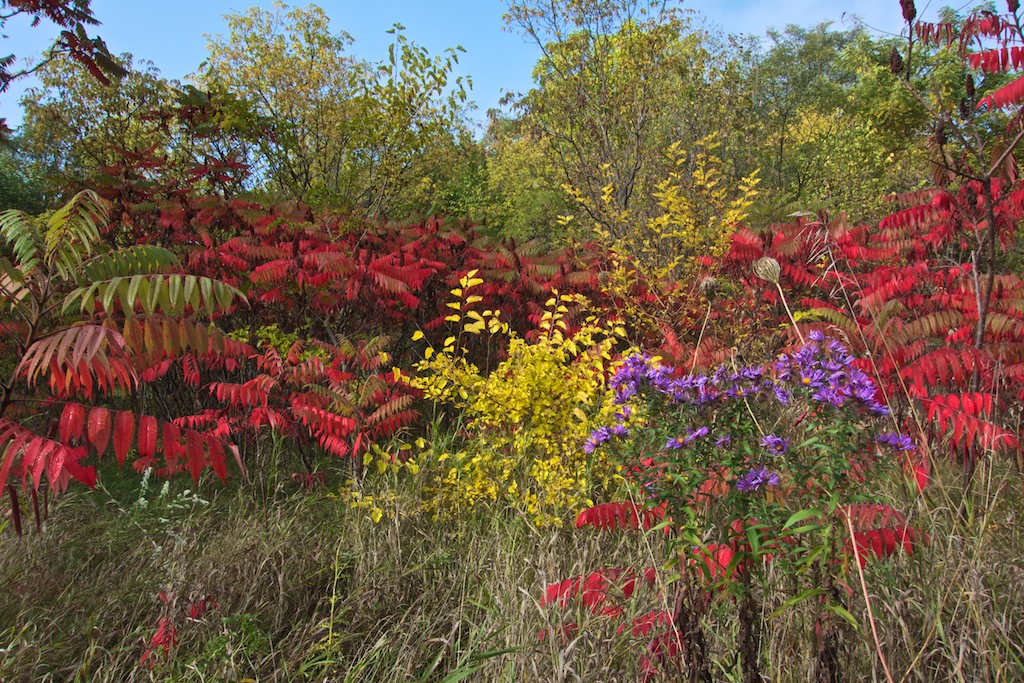
Sumac provides the backdrop to some wild asters.

Sumac provides the backdrop to some yellow leaves and wild asters.

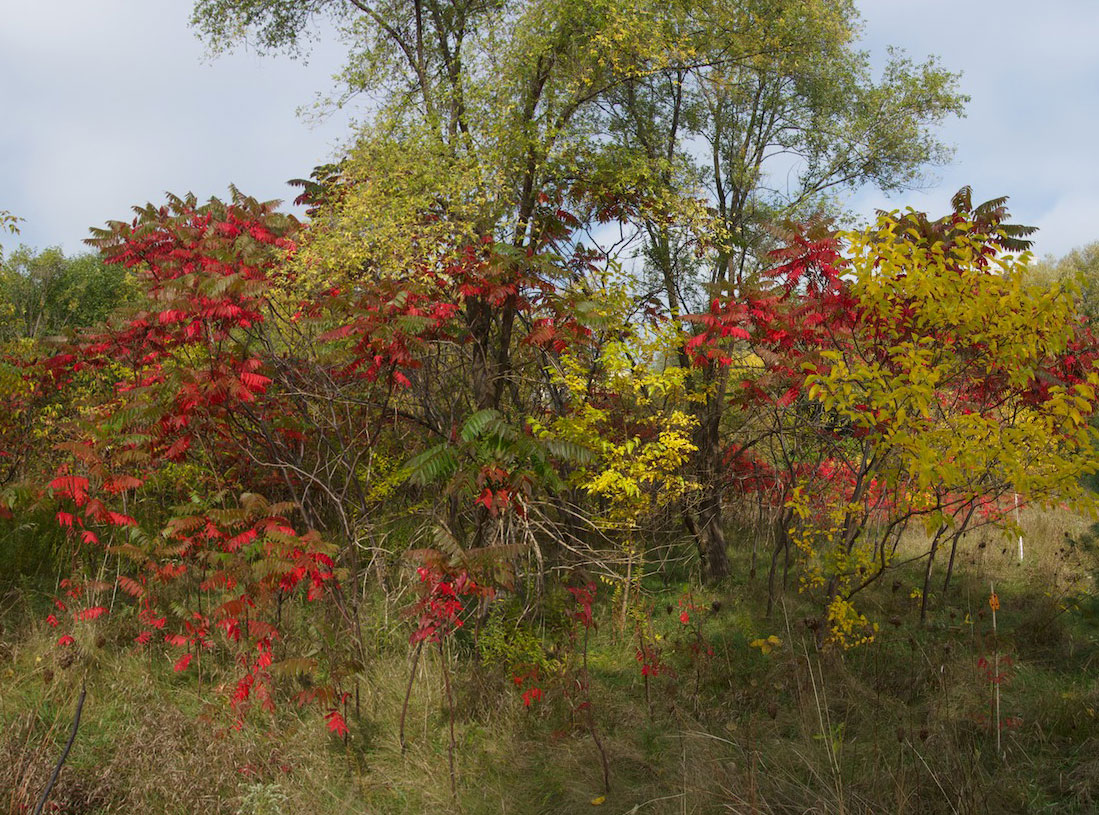
A colourful glade (panorama of 3 images).

A colourful glade (panorama of 3 images).

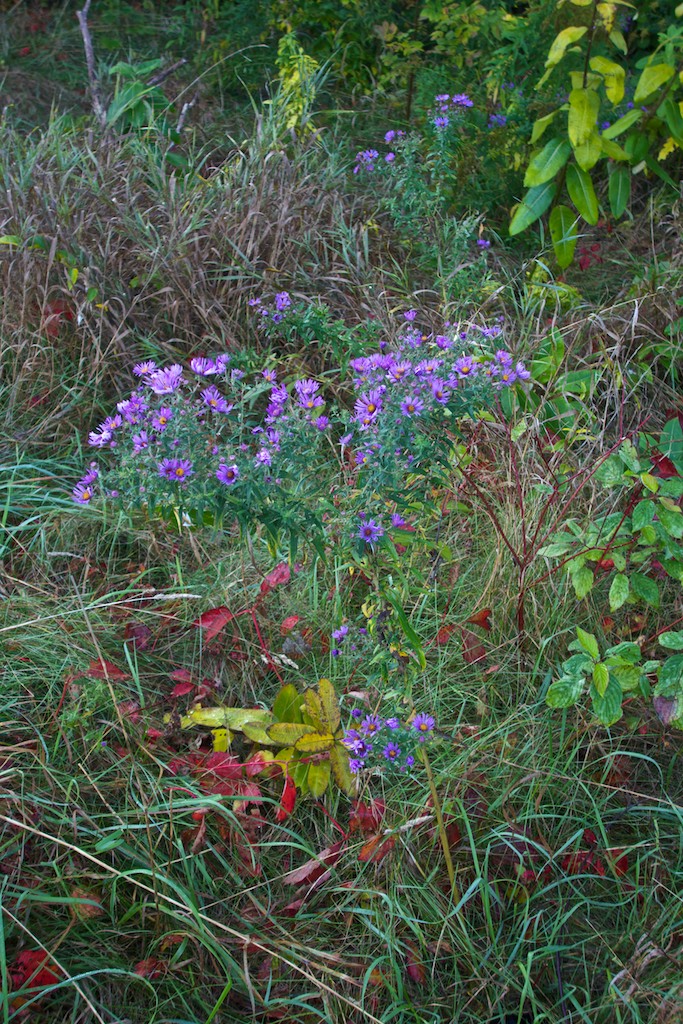
Wild asters.

Wild asters.

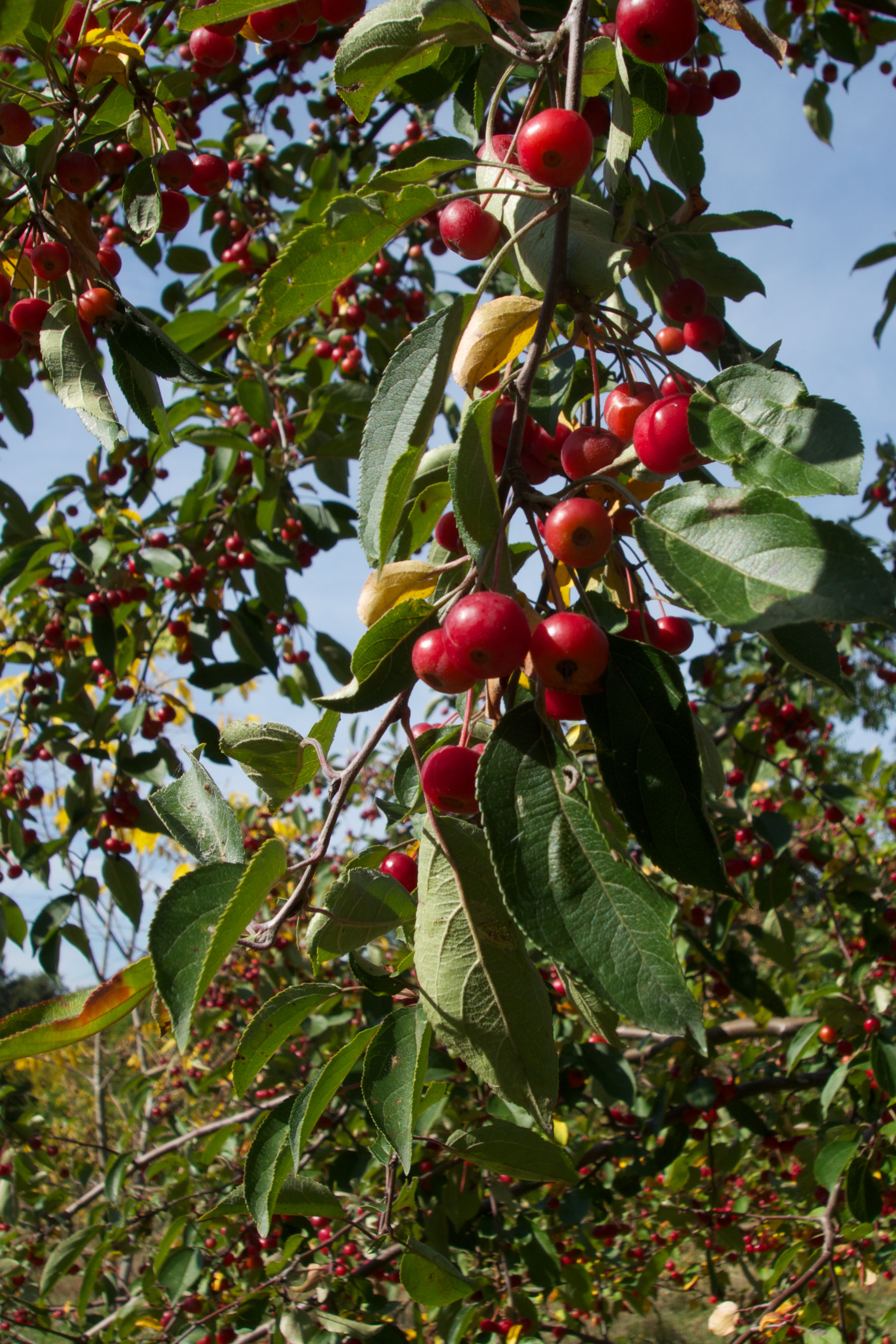
A crab apple tree laden with fruit.

A crab apple tree laden with fruit.

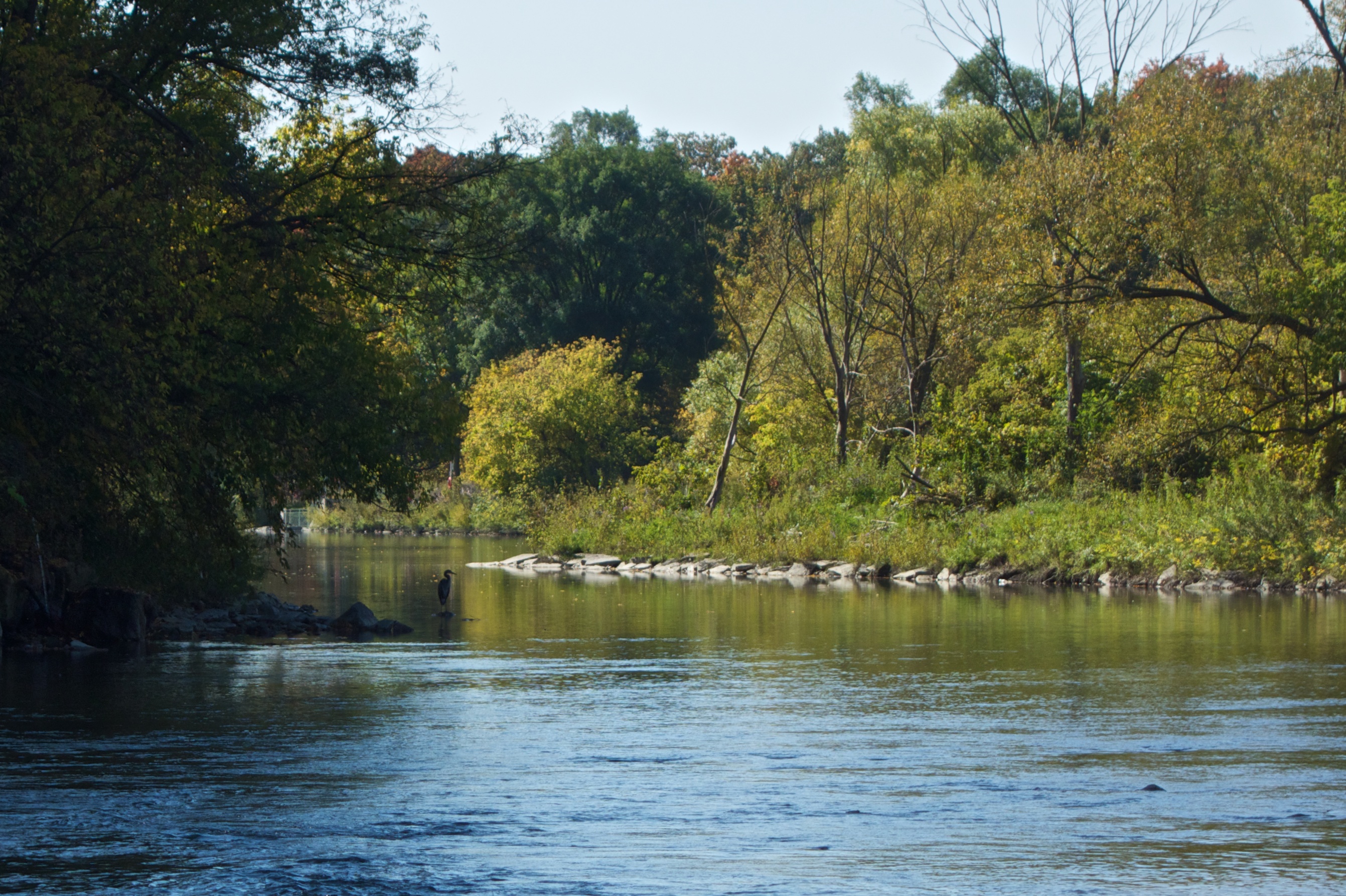
Finally, this one’s not so spectacular but I like the blue heron silhouette.

DSC03474

Beautiful September day

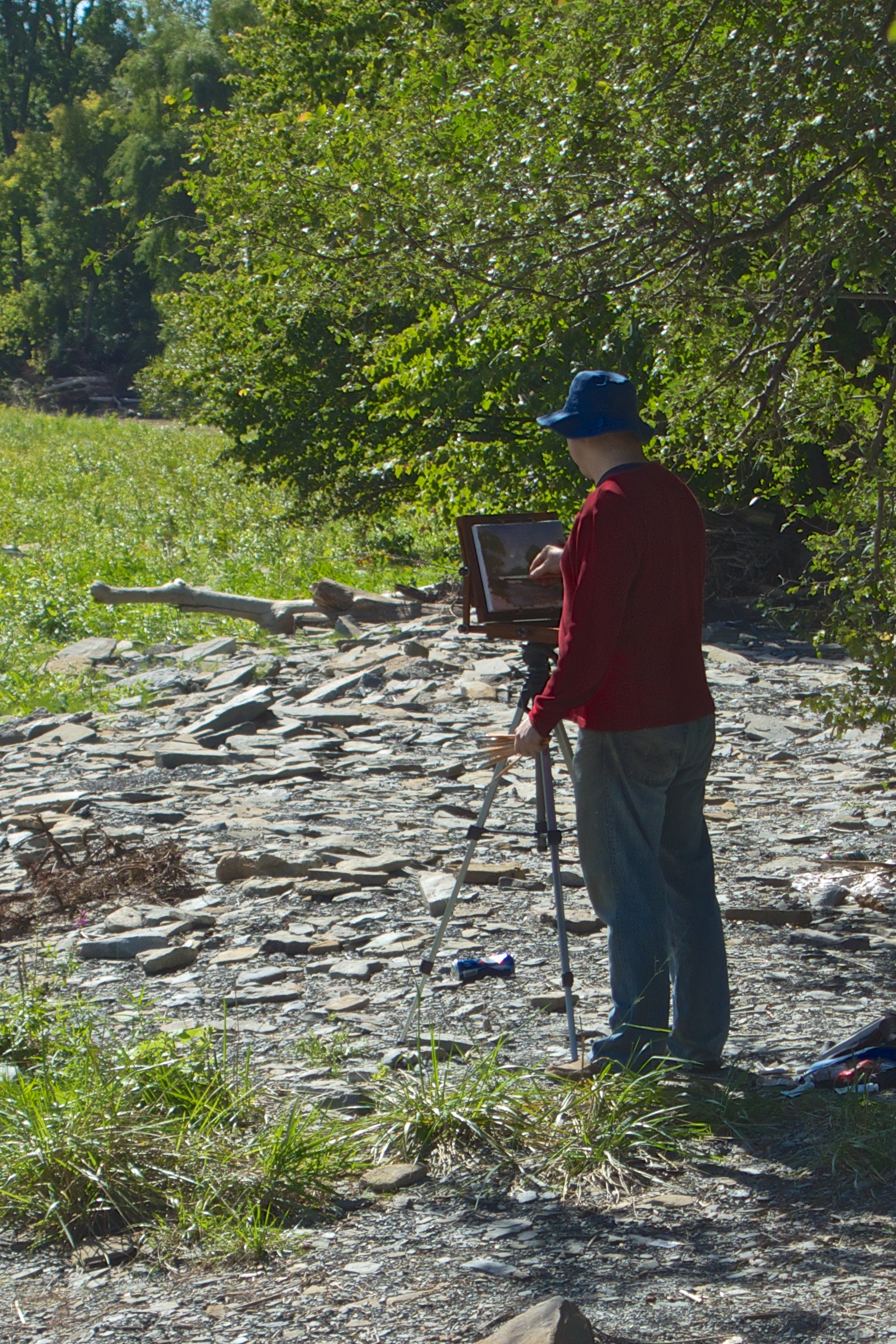
It’s Sunday and after yesterday’s decent rainfall, the park is washed clean and cooler dryer air has pushed its way through. Today, a group of painters scattered themselves throughout the park to various locations and were tackling some landscapes.

This gentleman was just south of the Humber Creek. Hope he takes that can with him!

This gentleman was capturing the view just south of the Humber Creek. Hope he takes that can (near his tripod) with him!

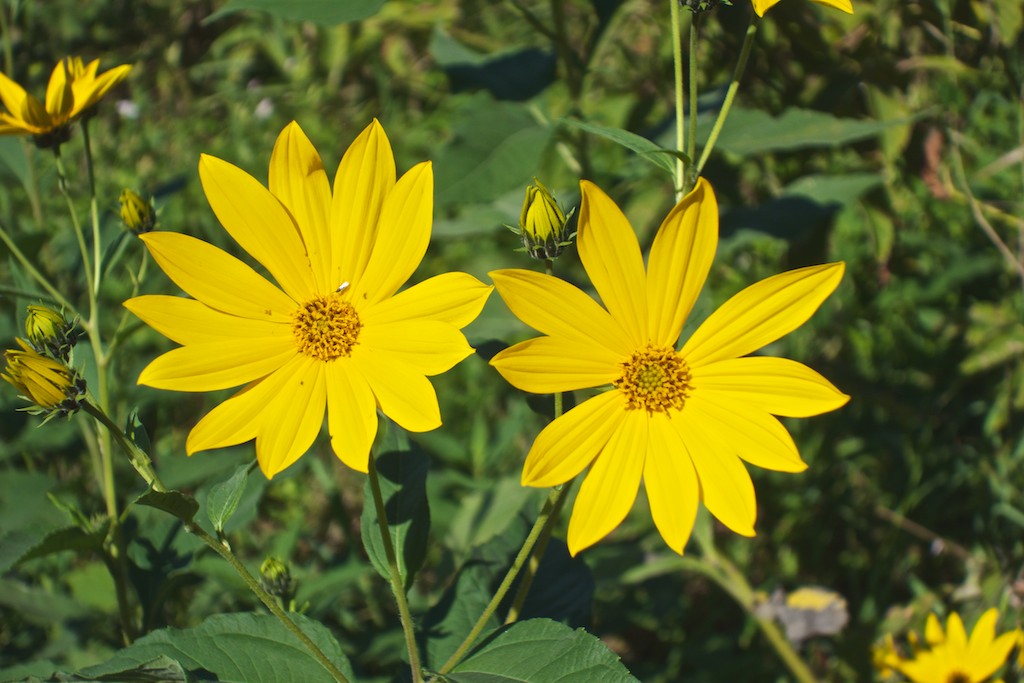
Elsewhere, these tall yellow flowers are hitting their peak.

Ragwort, not to be mistaken for ragweed.

Balsam Ragwort.

Balsam Ragwort is a member of the aster family and may actually be native to the area.

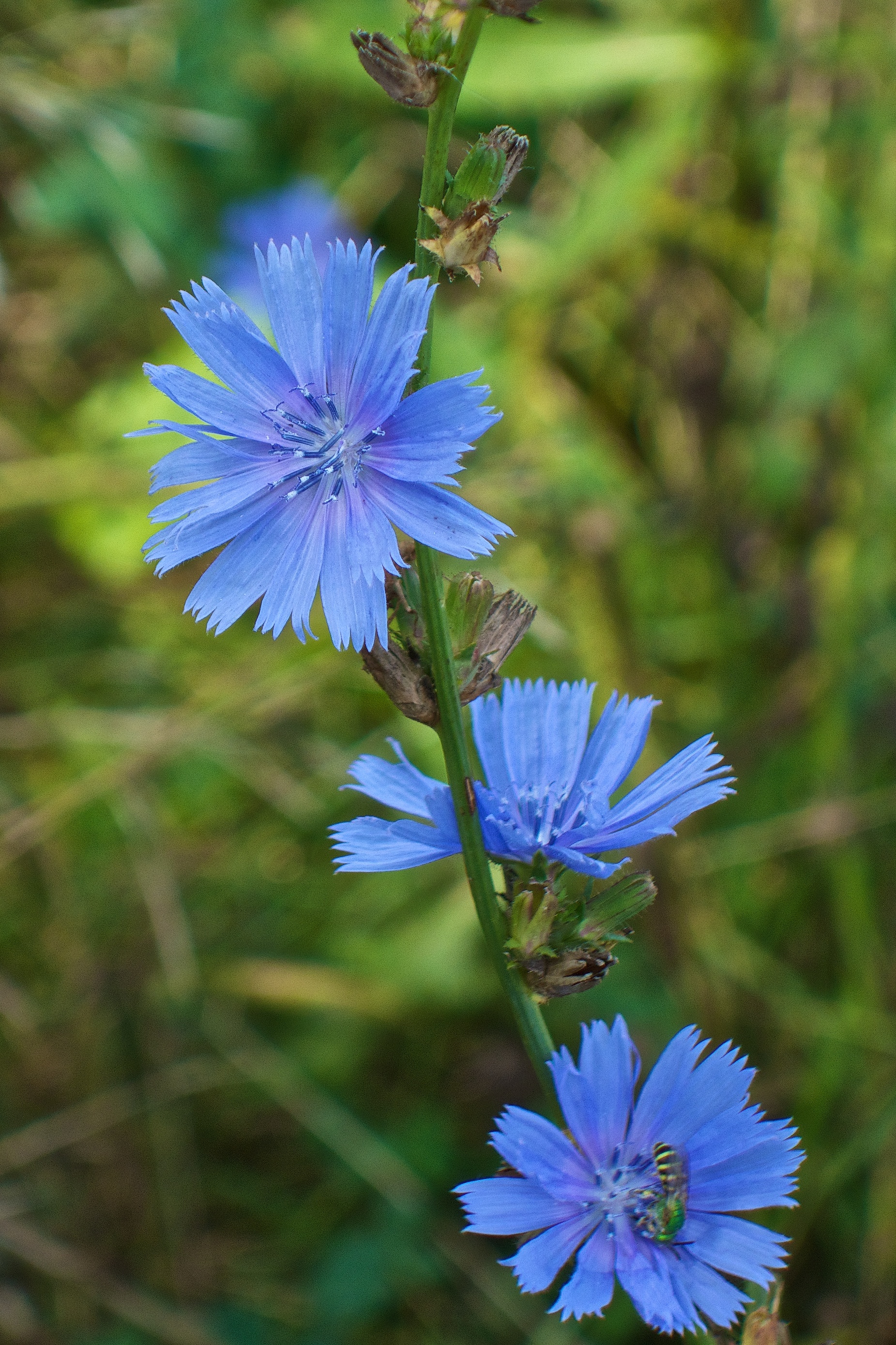
Chicory and its distinctive blue flowers.

Chicory and its distinctive blue flowers by the Humber.

Chicory is an interesting plant. As with many wildflowers in Raymore Park, it is not native. Probably brought over by settlers from Europe, it has a taproot that after baking, can be finely chopped and used as a caffeine-free coffee substitute. Chicory has been substituted for the real  thing whenever coffee supplies have been interrupted such as in wartime. My mother lived through World War II and tolerated the occasional chicory coffee. Many people acquired a taste for chicory and retained the habit but she refused to drink it after the war, regarding it as a bit too much like ‘dishwater’.

Other varieties of chicory have leaves that can be used in salads, some variants being radicchio and Belgian endive.

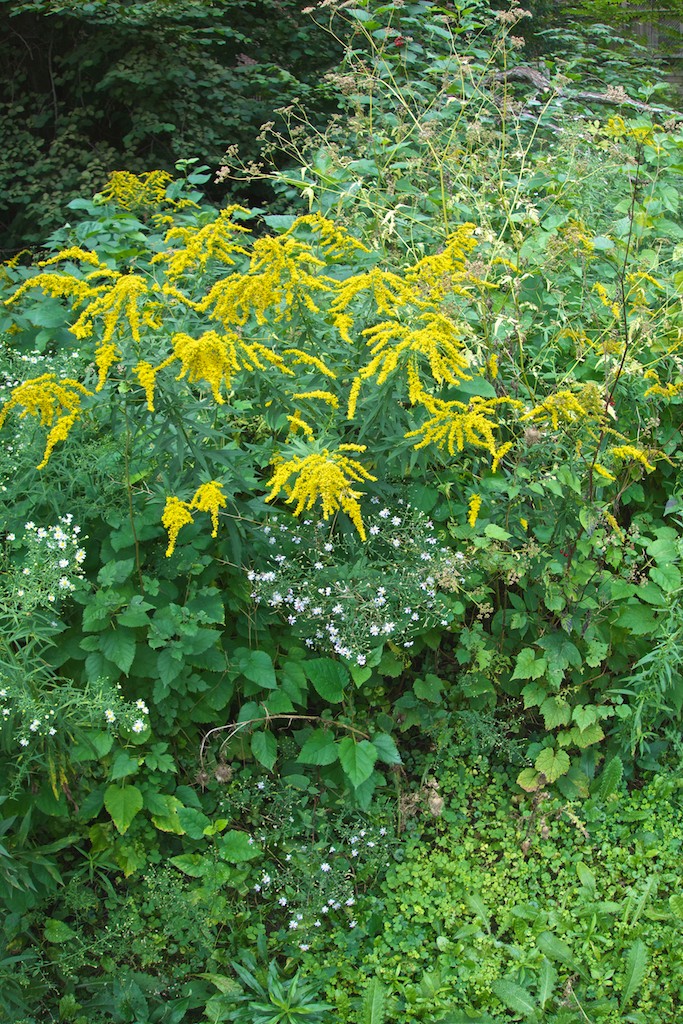
Finally, some goldenrod – a sure sign of the approaching fall season. It looks like an allergy sufferer’s nightmare but in fact releases no pollen.

Goldenrod mixed in with some wild asters.

Goldenrod mixed in with some wild asters.

July 8th flood aftermath

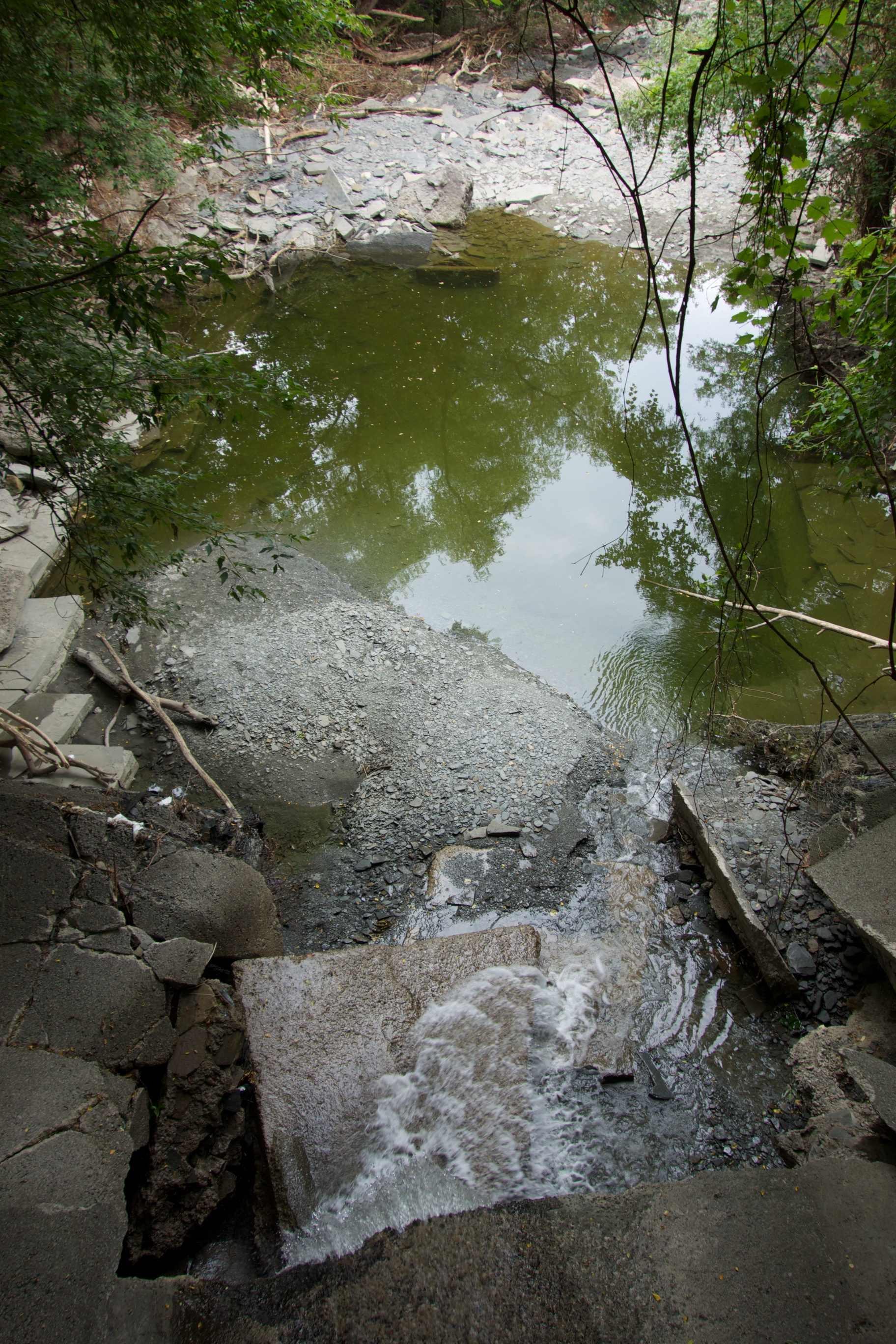
At the end of Raymore Park is a hill that takes the path over a small tributary of the Humber. The tributary passes through a culvert under Scarlett Road. Quite a bit of shale was moved by the force of water and this was projected through the culvert and has created a dam.

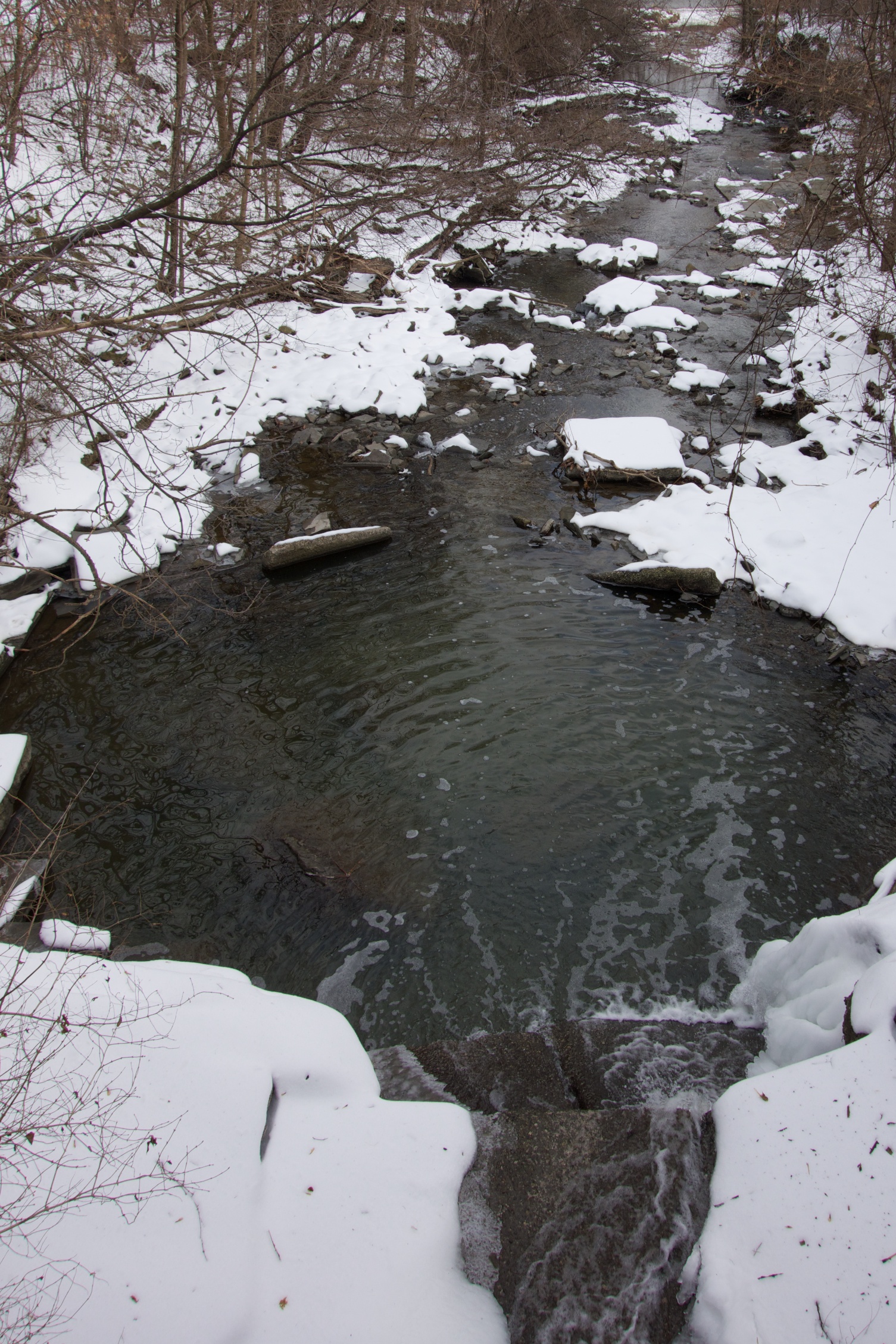
Humber Creek last January

Humber Creek last January

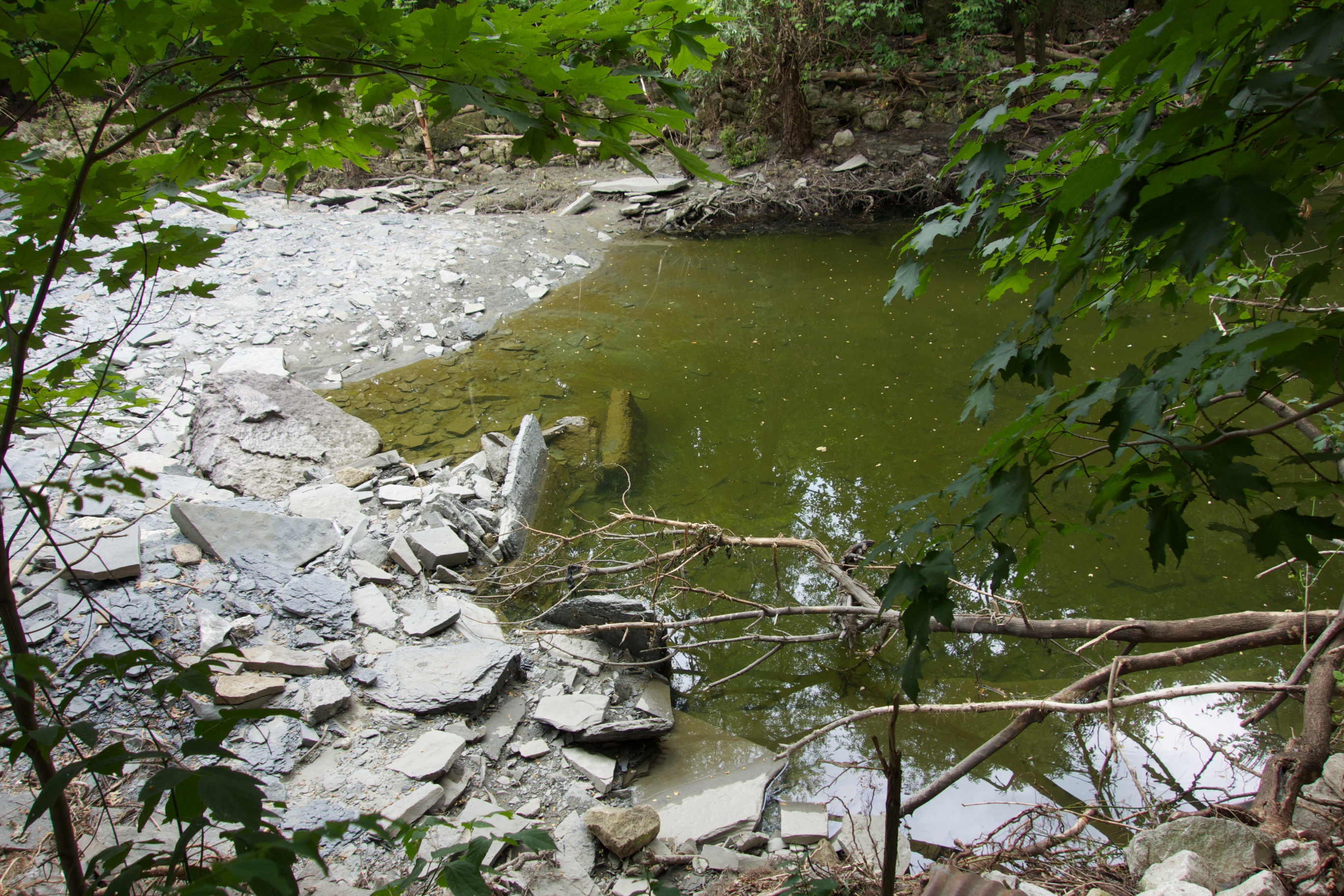
After the huge volume of water and silt projected onto the creek bed, the creek is dammed forming a large and quite deep pool.

July 2013, the creek is blocked with silt.

July 2013, the creek is blocked with silt (top of photo).

Silt forms a dam blocking passage of water creating a deep pool.

The new dam on the left blocking passage of water and creating a deep pool.

Apologies

It’s been a while but a flood in the park was matched by a flood in my basement July 8th.

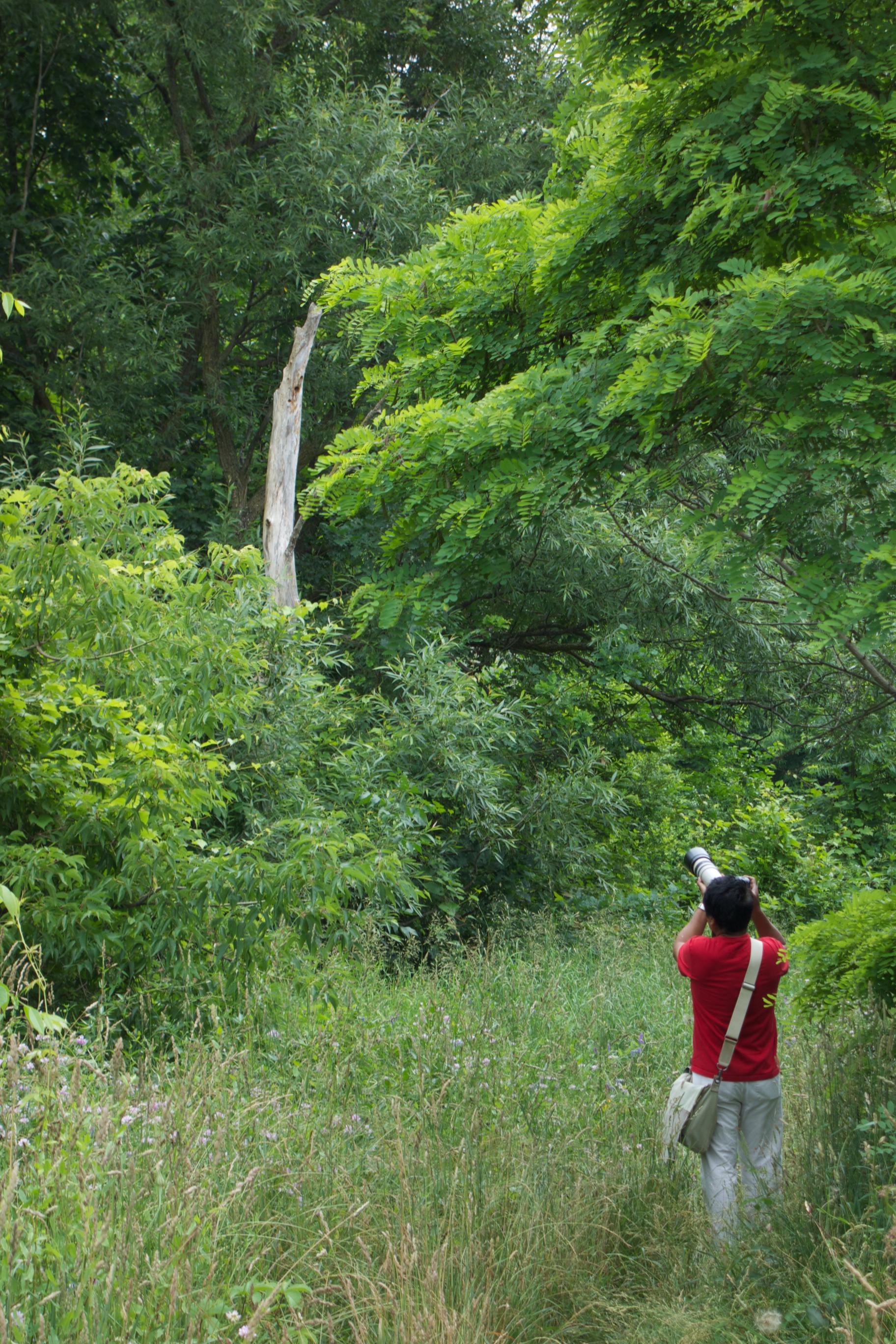
Codemonkey to  the rescue. This gentleman is often seen in Raymore Park going after anything that flies, usually birds and insects but knows a good shot when he sees one. He is a true photographer, spending hours stalking his ‘prey’ and patiently waiting for the right photo to present itself. He has honed his skills over the years and where I take ‘snaps’, Codemonkey takes photographs.

Codemonkey at work after a downy woodpecker.

Codemonkey at work going after a downy woodpecker on the tree stump.

Here are some examples of his work (posted with permission).

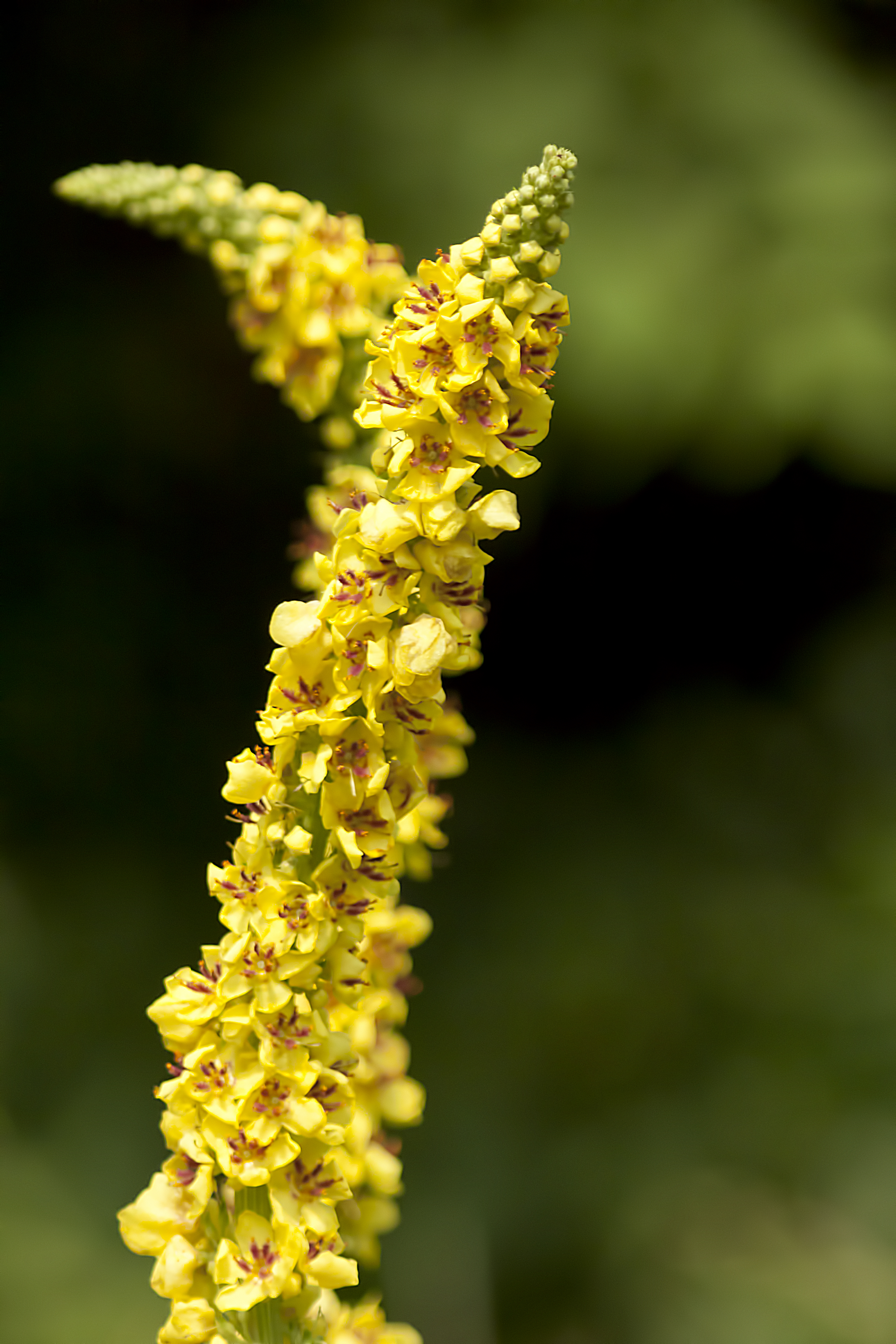
A beautiful yellow flower in Raymore Park.

A beautiful yellow flower in Raymore Park.

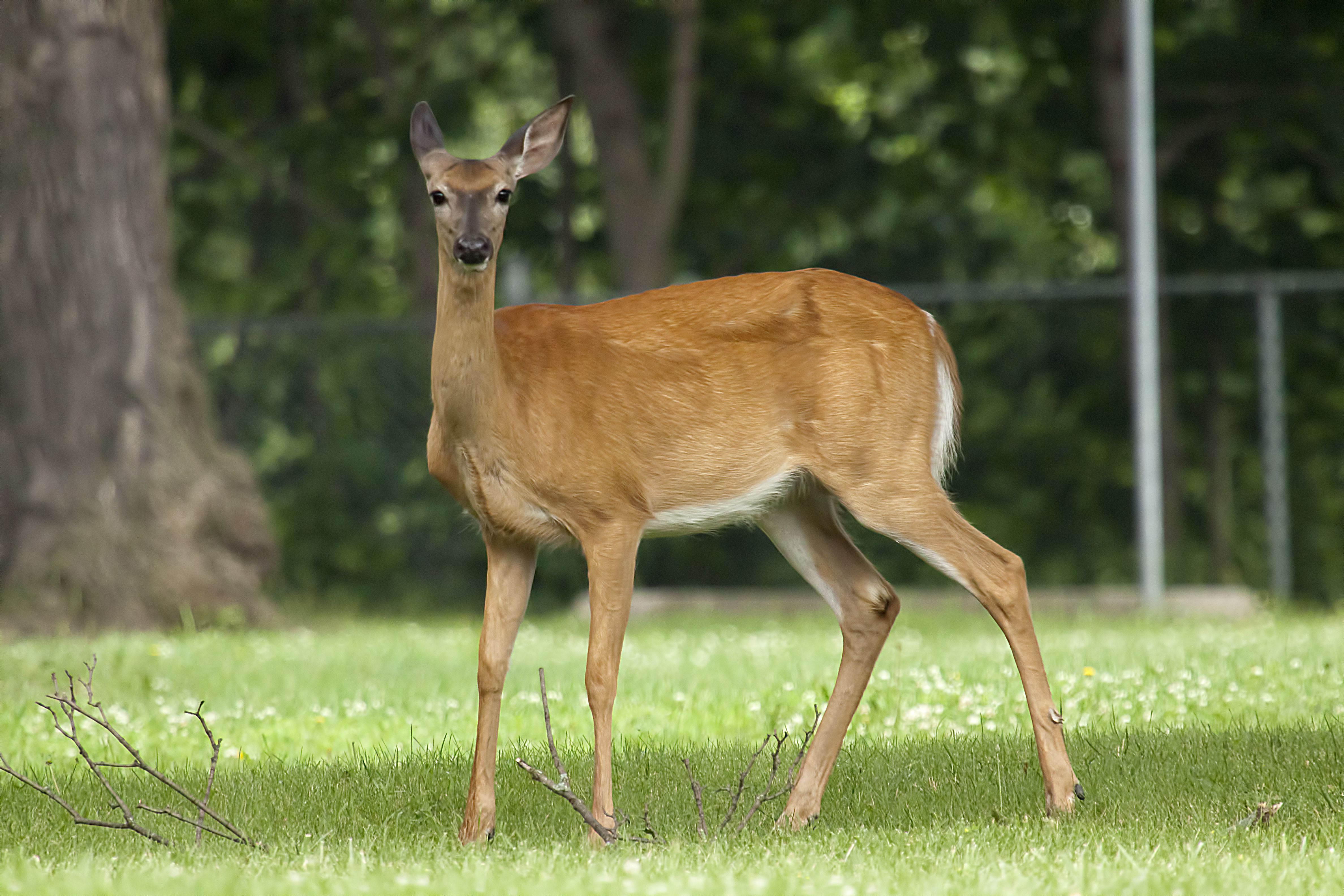
The mother deer often seen in Raymore Park.

The mother deer often seen in Raymore Park.

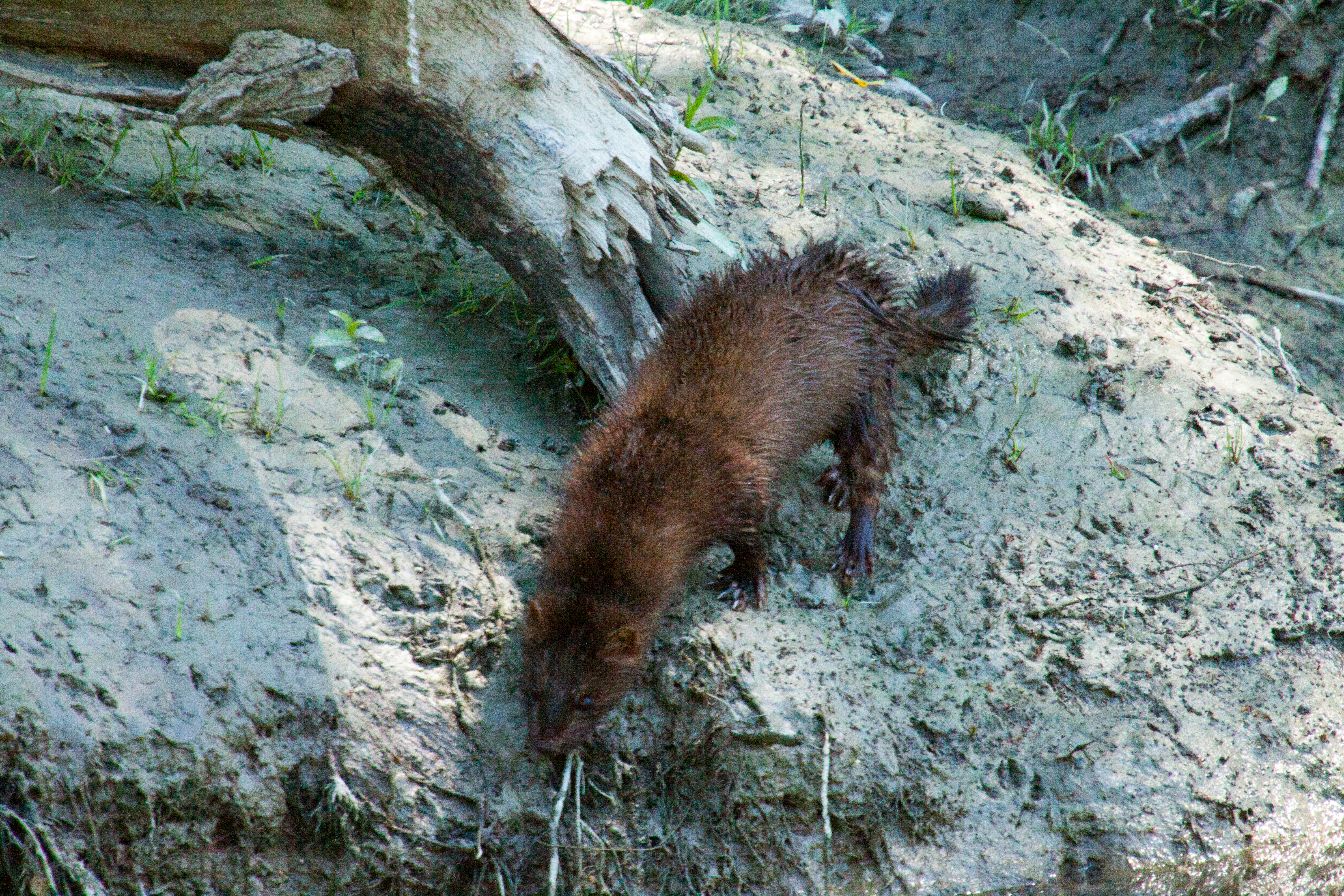
Codemonkey sent these exquisite rare sightings of wildlife that he managed to get on the same day (July 13).

An American mink.

An American mink.

If that’s not incredible, here’s another rare sight that I’ve seen in Raymore once in 20 years (and that was without my camera!).

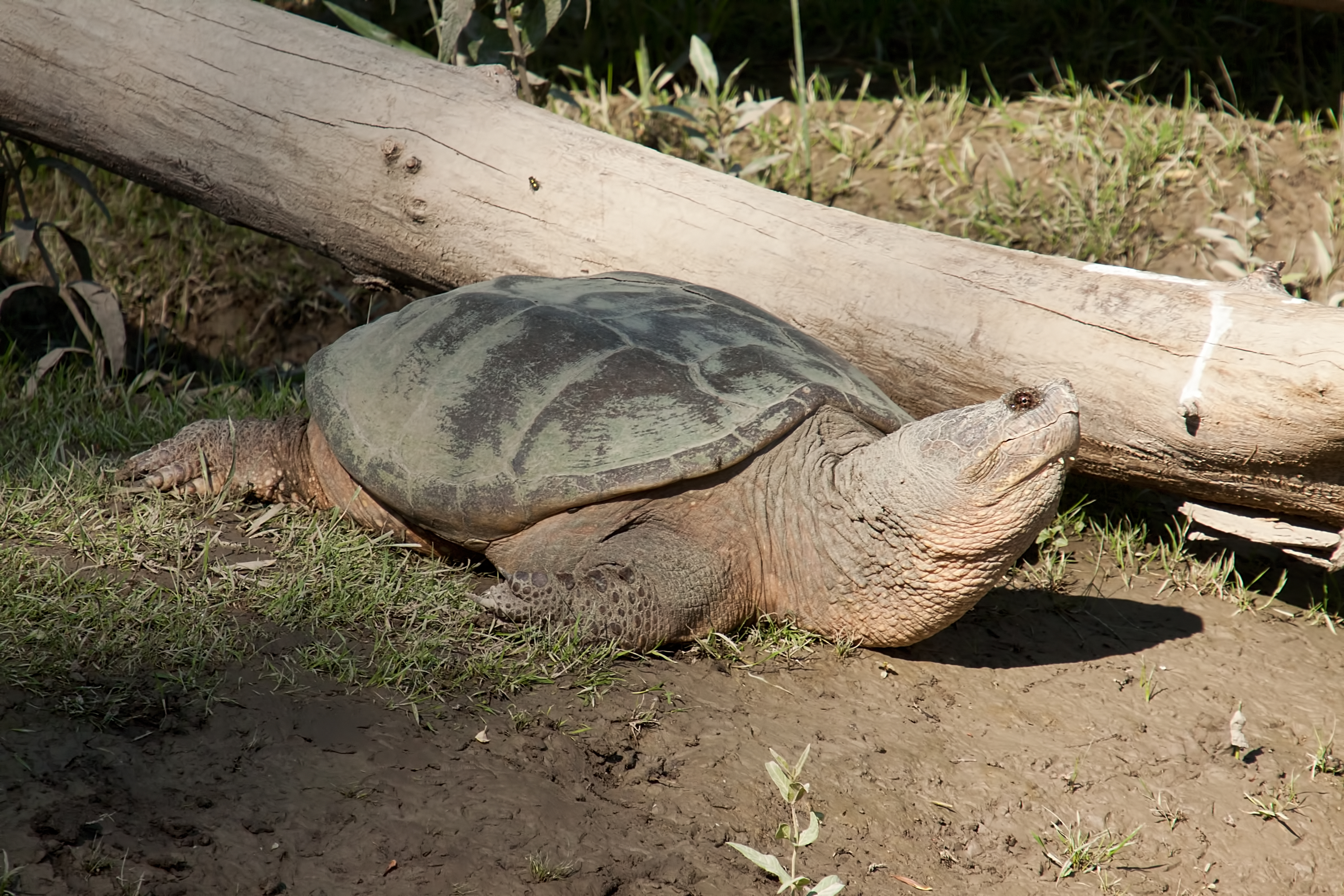
A snapping turtle suns itself after the storm.

A huge snapping turtle suns itself after the storm.

Thanks Codemonkey, you’re a lifesaver.

I did get out after the flood to take some pictures and will post these in the coming days.

Mother and baby are based in Raymore Park

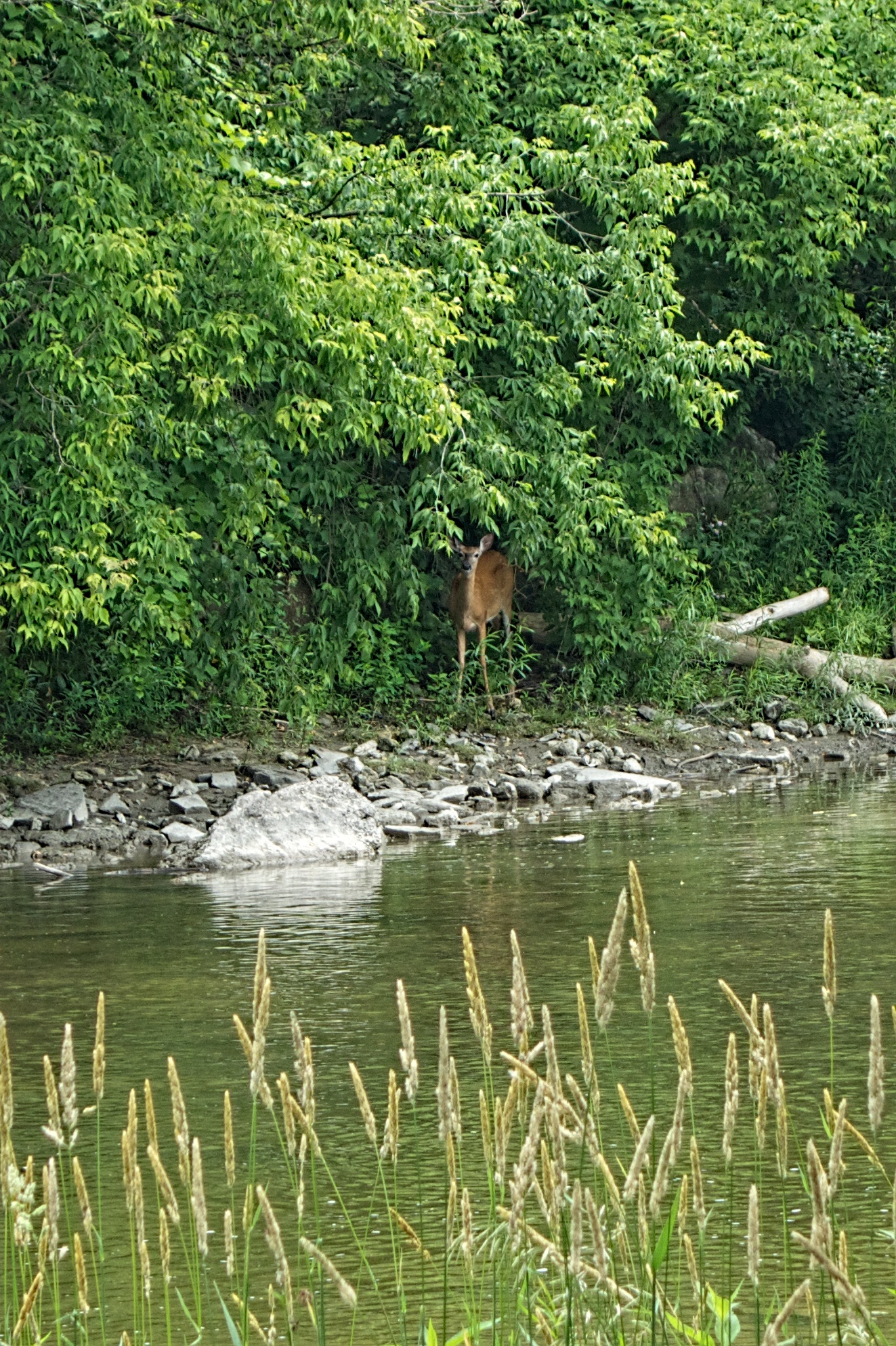
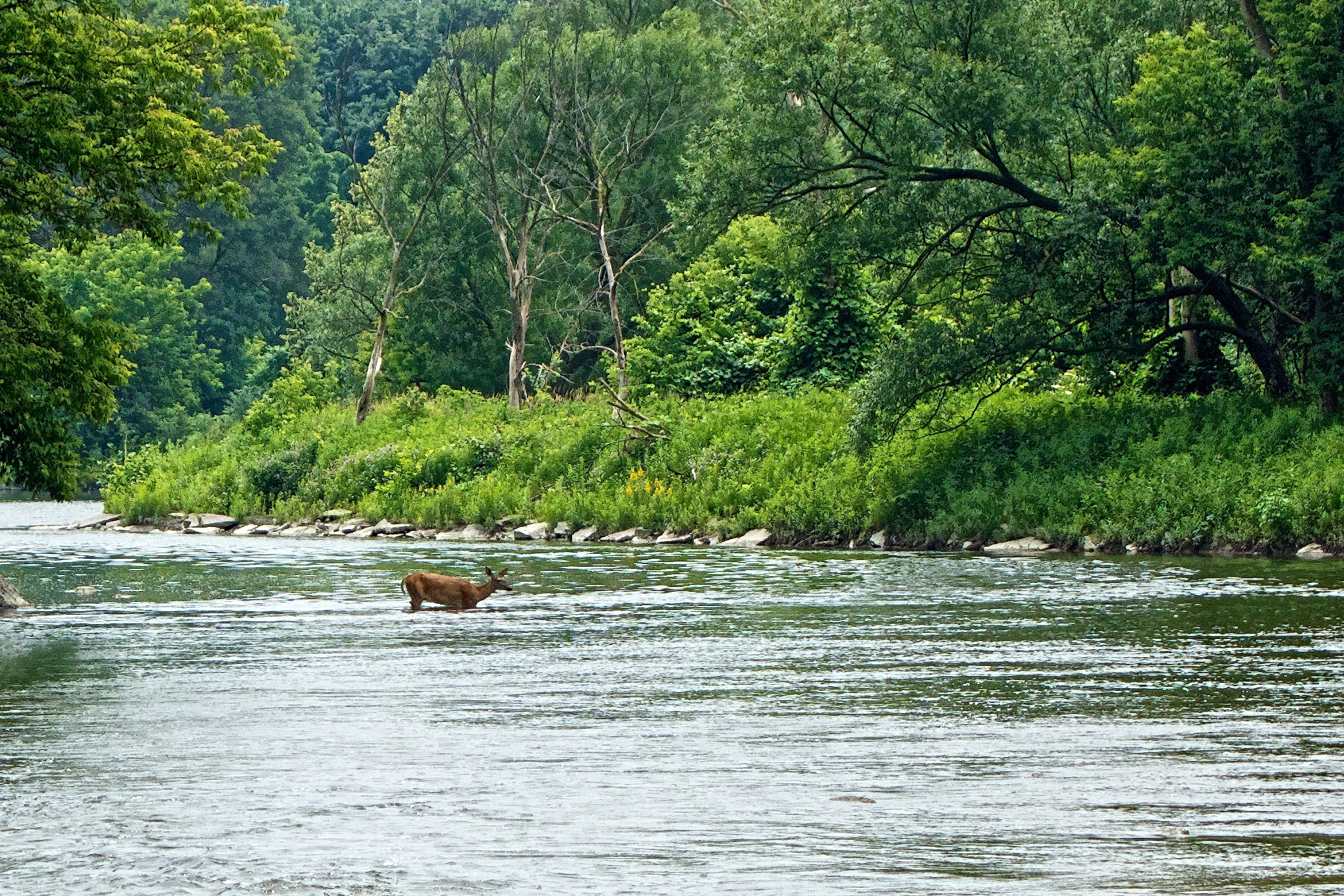
Yesterday, I saw the mother deer on her own in Raymore Park. She moved across the width of the park and moved slowly into the wild area right in front of my wife and I as we stood watching breathlessly.

White-tailed deer leave their young for hours on end while foraging and return to them to provide milk. Today the mother was on the Weston side of the river and waited until I moved upstream. The fawn will be safer on the far side as access is limited so hopefully, that’s where it is.
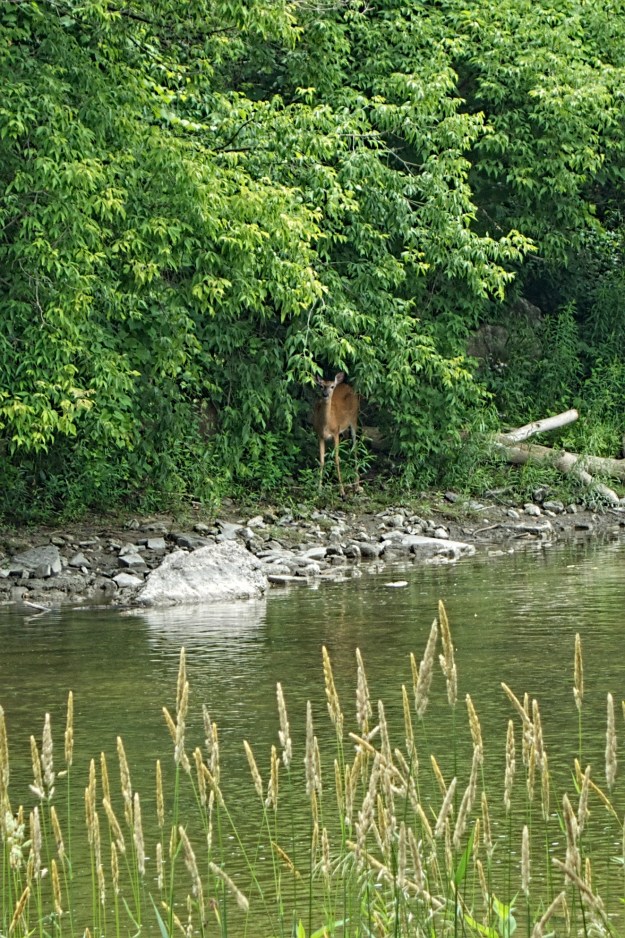
...standing motionless, waiting in the shadows.

…standing motionless, waiting in the shadows.

She crossed the river slowly and disappeared into the vegetation which, thanks to the rain is very tall this year.
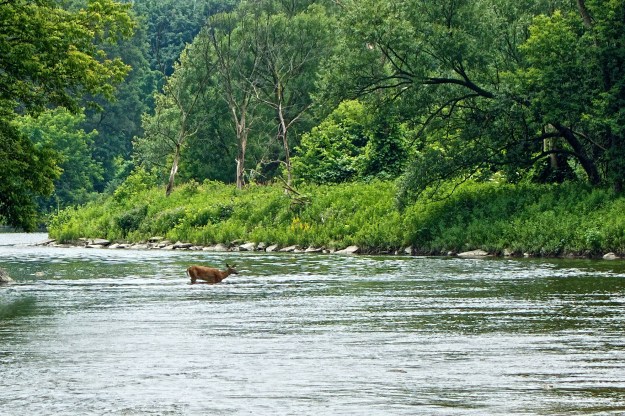
DSC02401

As I was leaving the wild area, I encountered a lady with four very active, off-leash border collies. On mentioning my deer sighting, she seemed to believe her dogs wouldn’t bother the deer and its fawn. In fact, she went told me that ungulates (yes, she used the word ungulates) are a leading cause of death to other animals and humans thanks to their hooves! She mentioned that one of her dogs had had an encounter with a deer recently and that the deer chased her dog and threatened it (with its hooves).

It’s not hard to imagine what would happen if any dog happened across the fawn while it was on its own and defenceless. In fact, any kind of encounter between wild and domestic animals should be avoided. To me, it seems irresponsible to invite such an encounter on a daily basis.
 

A new island.

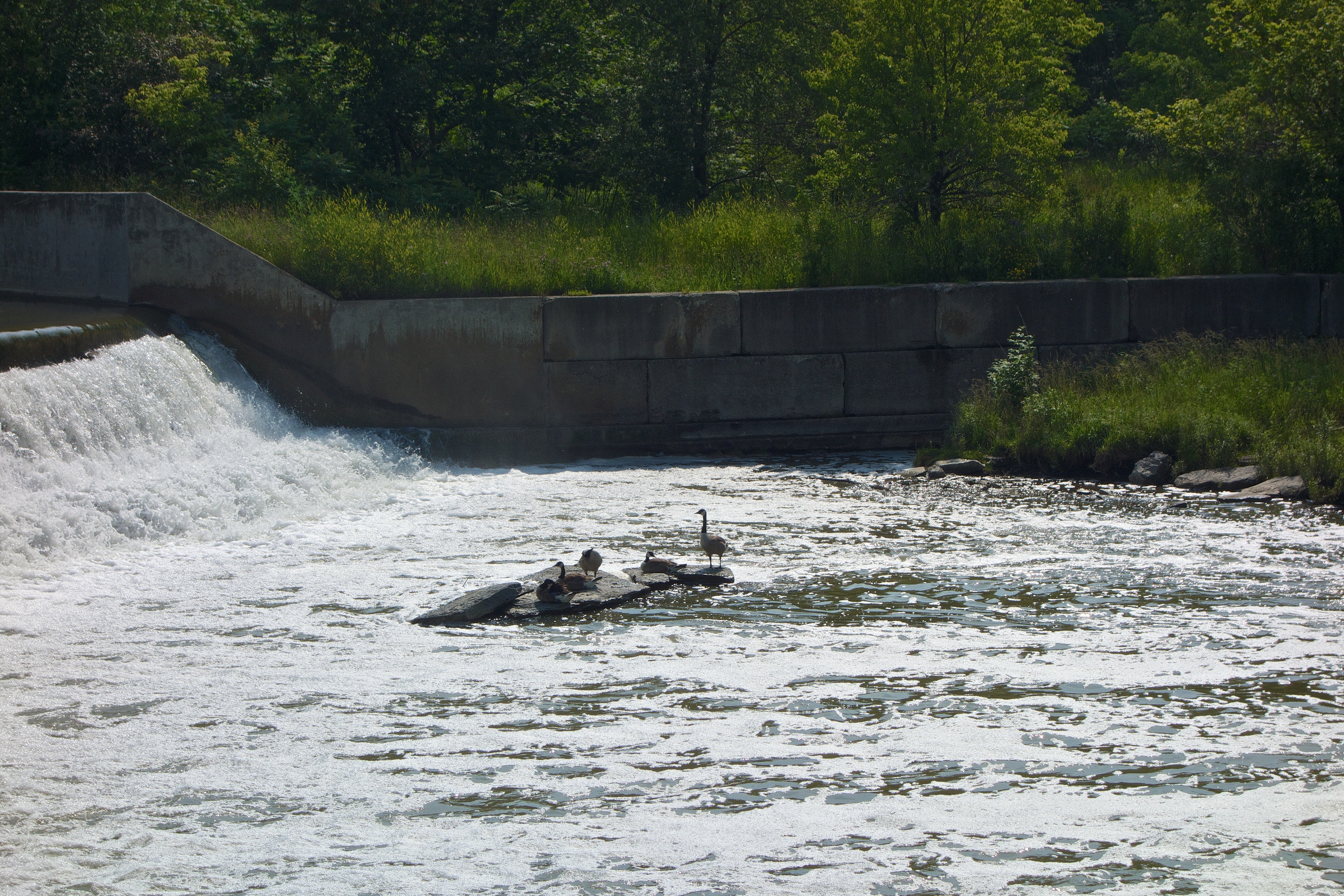
Last winter, huge amounts of ice and water coming over the weir seems to have pushed up some bedrock to form a small island.

These geese have a safe haven below the weir.

These geese have a safe haven below the weir.

It will be interesting to see if this will stay or be swept away next winter. For now, it’s a great spot for Canada Geese.

Another invading wildflower.

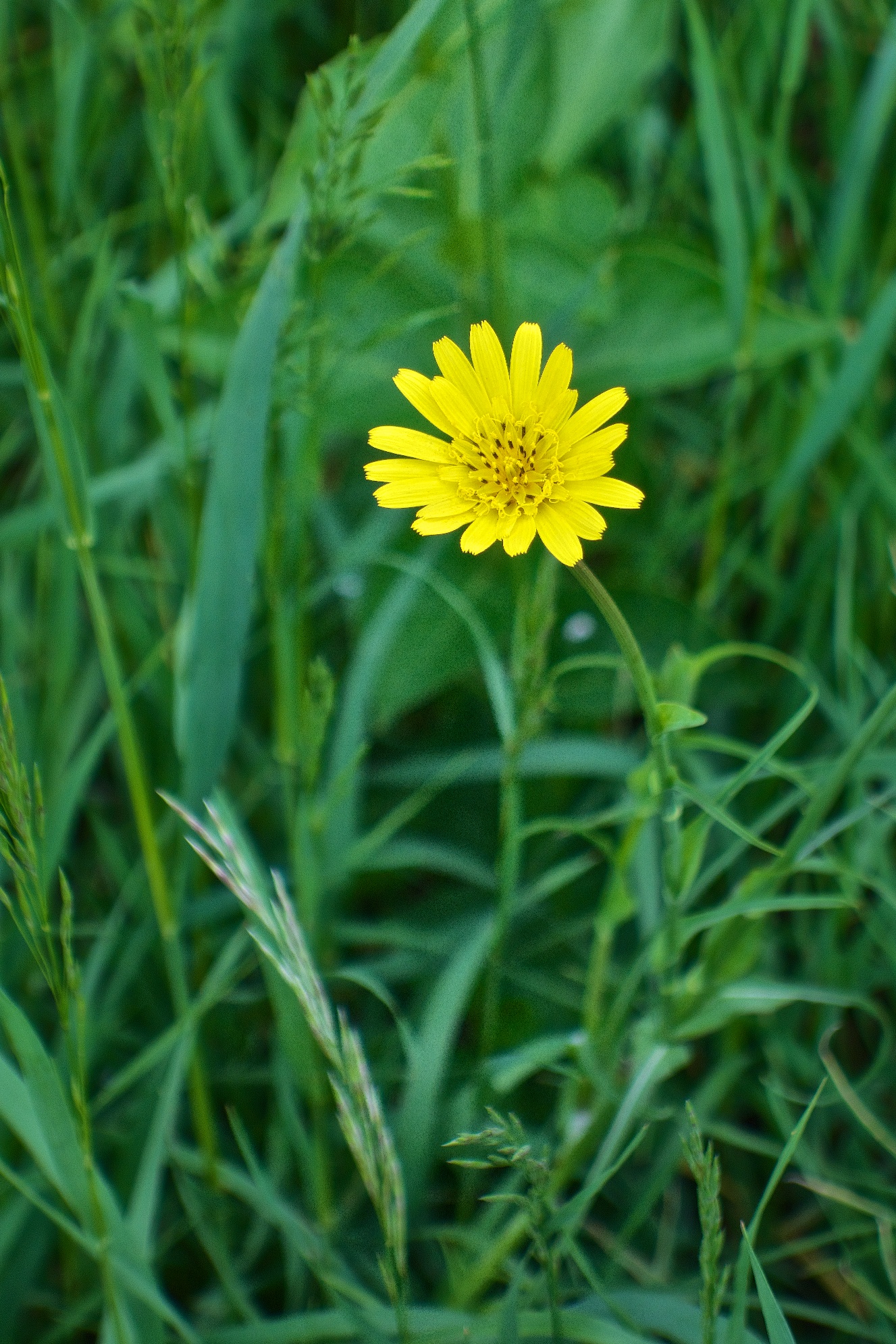
As the season progresses, new plants come to the fore. Western salsify or Goats-Beard, a biennial from the Asteraceae family, has a yellow daisy-like flower but is spread through seeds.
Tragopogon dubius, better known as western salsify or western goat's beard.
Tragopogon dubius, better known as Western salsify or Western goat’s beard.

The flower is quite attractive and doesn’t seem to crowd out others, growing to 30 – 90cm with a single flower per plant. Like many other invaders in Ontario, its origin is Eurasia and it has spread to cover much of North America since escaping from gardens in the early 20th Century. It produces a large, dandelion-like seed head.

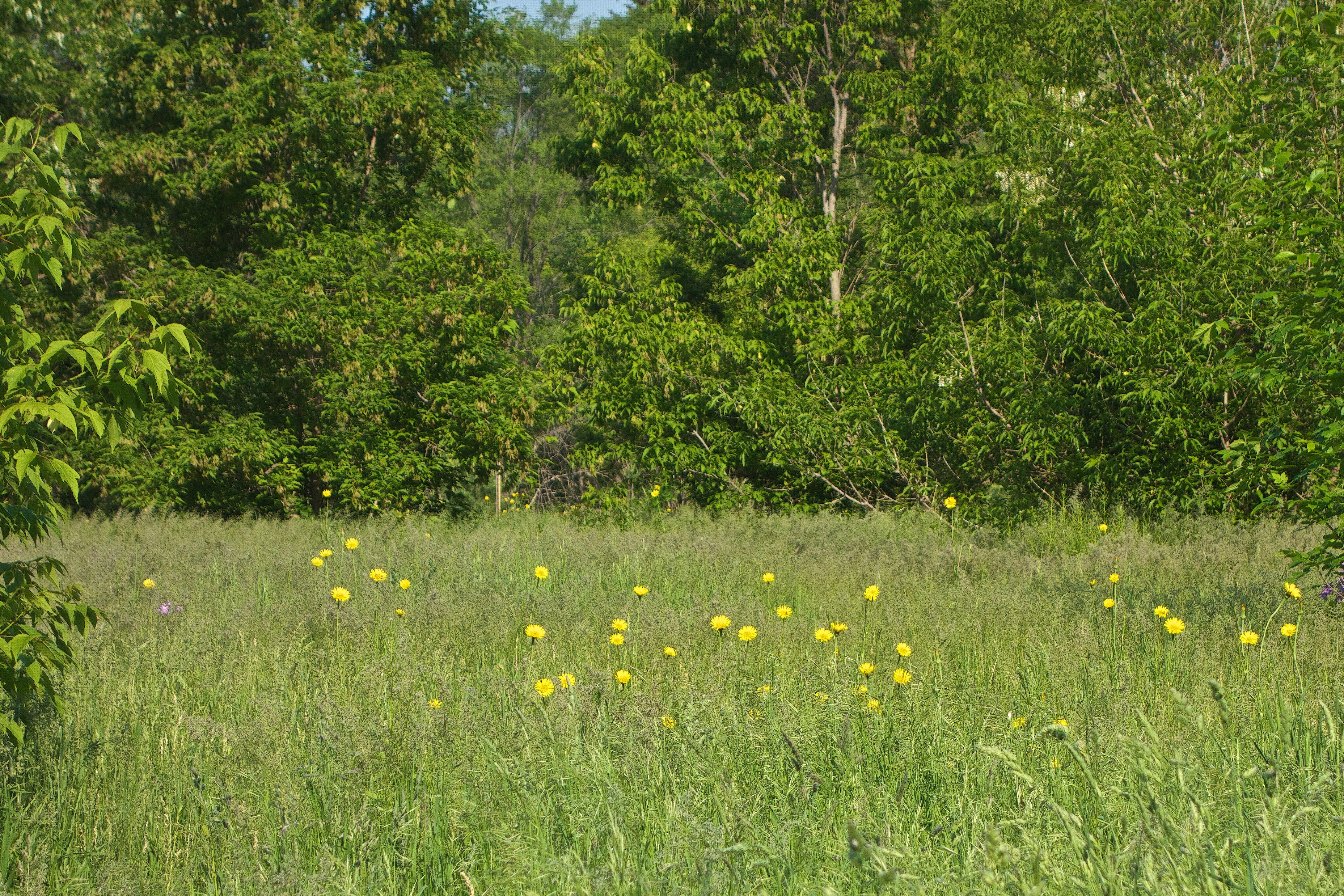
Western salsify in the meadow of the wild area.

Western salsify in the meadow of the wild area.

As the photo shows, Western salsify isn’t aggressive enough to achieve anything close to monoculture status in Raymore Park but it is regarded as invasive in some parts of North America. Each year, it adds attractive flashes of yellow while its roots, leaves and flowers provide food for a wide range of herbivores and insects.

New toad habitat.

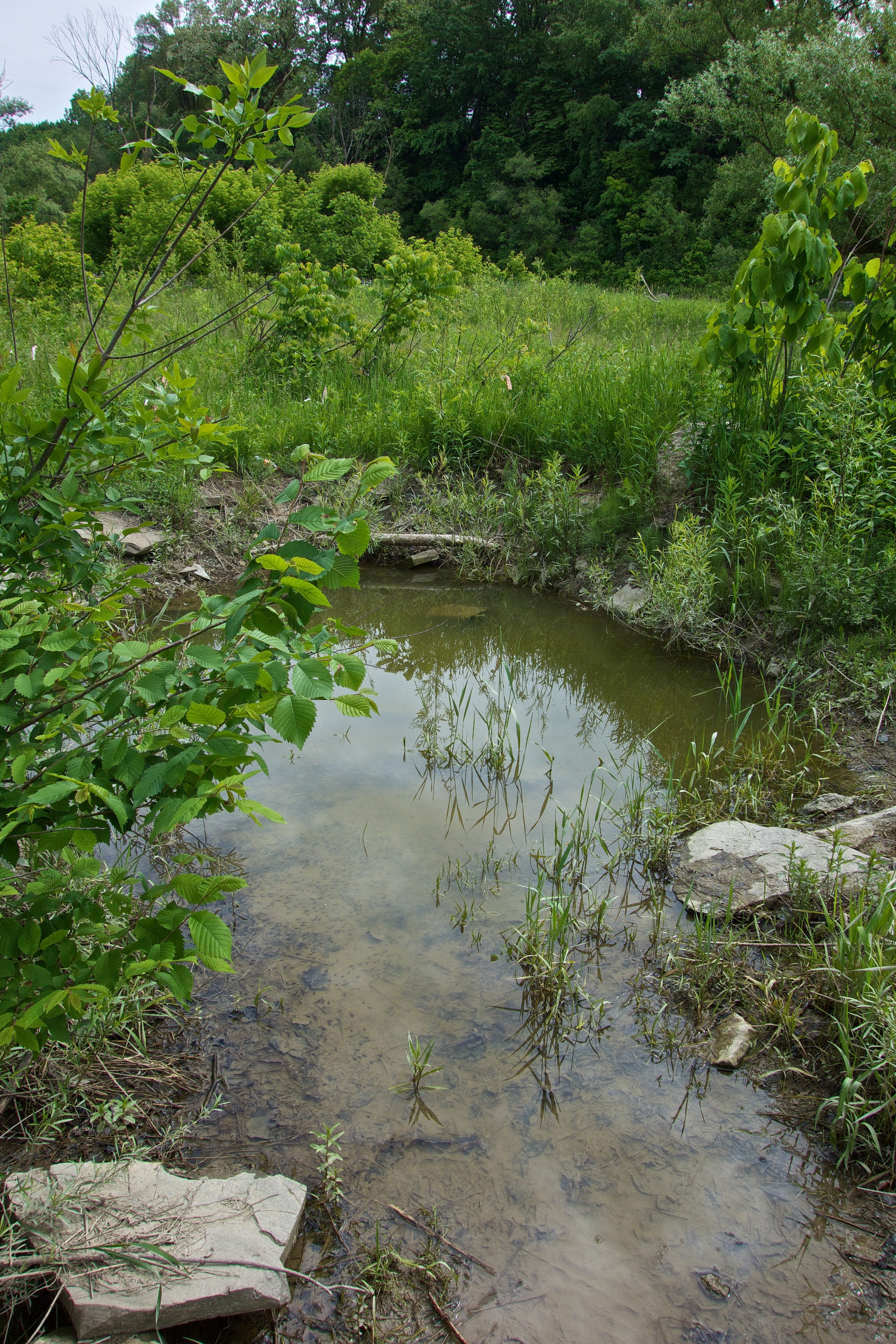
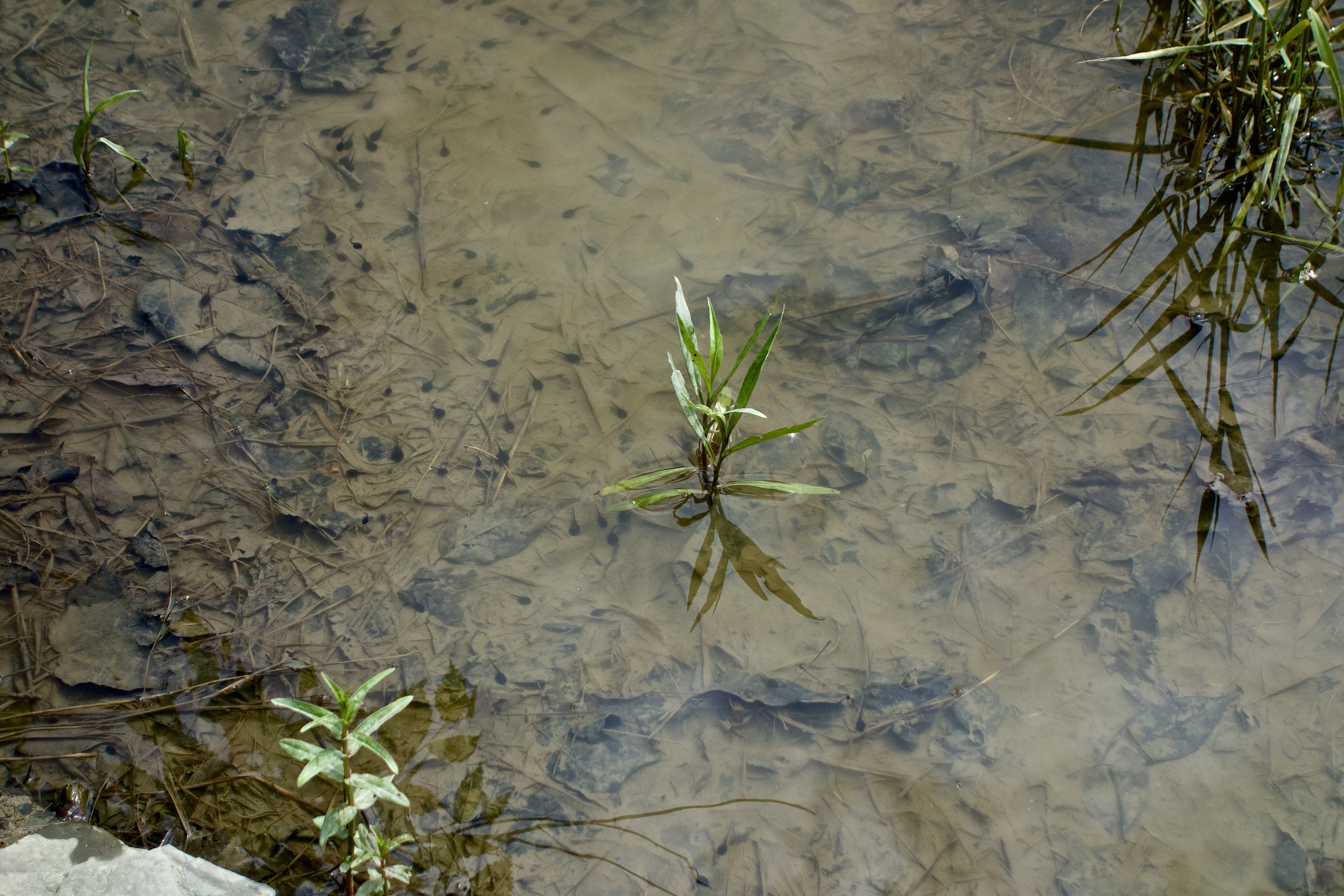
Last winter, an ice jam caused a diversion of the Humber and continued the creation of a channel that will eventually form a new island in the wild area. The force of the Humber moving over land at first strips away the topsoil and then sweeps aside stones and larger rocks. Close to the peninsula, material has been carved out to such a depth that a hollow has formed below the water line and can therefore sustain aquatic life throughout the year.

The newly carved pond.

The newly carved pond.

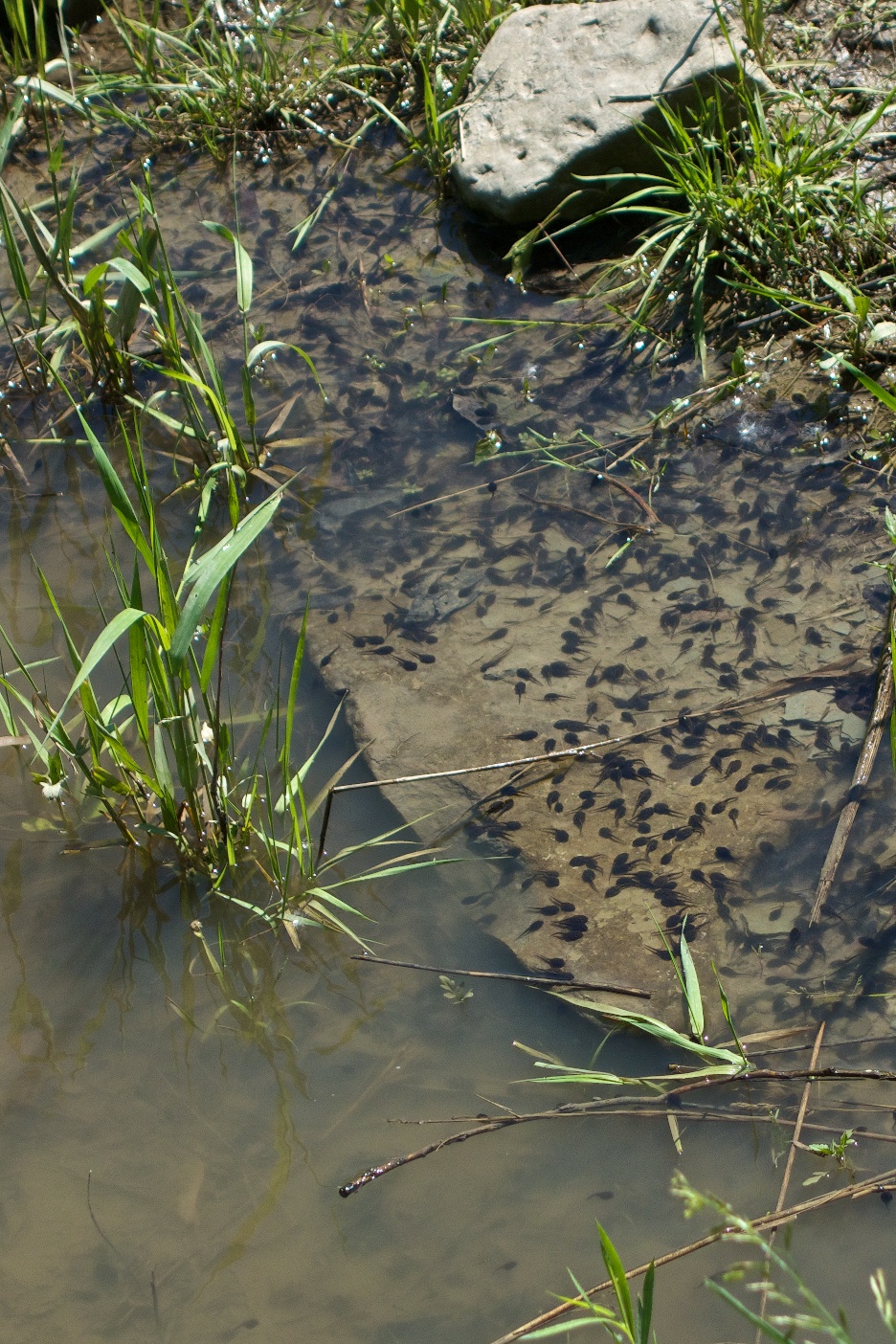
American Toads have exploited this new habitat and there are dozens of tadpoles happily swimming around in a fish-free environment.

American Toad tadpoles are the first generation to use this pond.

American Toad tadpoles are the first generation to use this pond.

This pond is well situated as it is quite small, hard to see from the bike path and difficult to access. With luck, large numbers of toads will start exploiting the food supply that will be available when they grow legs and leave the pond.

An ideal habitat has been created.

An ideal habitat has been created.