Category Archives: Photography

Frost kills but life will go on.

The first frost of the season hit in the early hours of Tuesday morning, killing millions of insects and annual plants in Raymore Park. In the earth’s two temperate zones, this annual tide of warm and then cold toughens every species and may explain the survival of life forms on earth after comet strikes and super volcanoes. Using techniques such as hibernation, dormancy and re-birth, plants and animals have devised amazing ways of ensuring that the next generation survives the ravages of an extended period of cold.
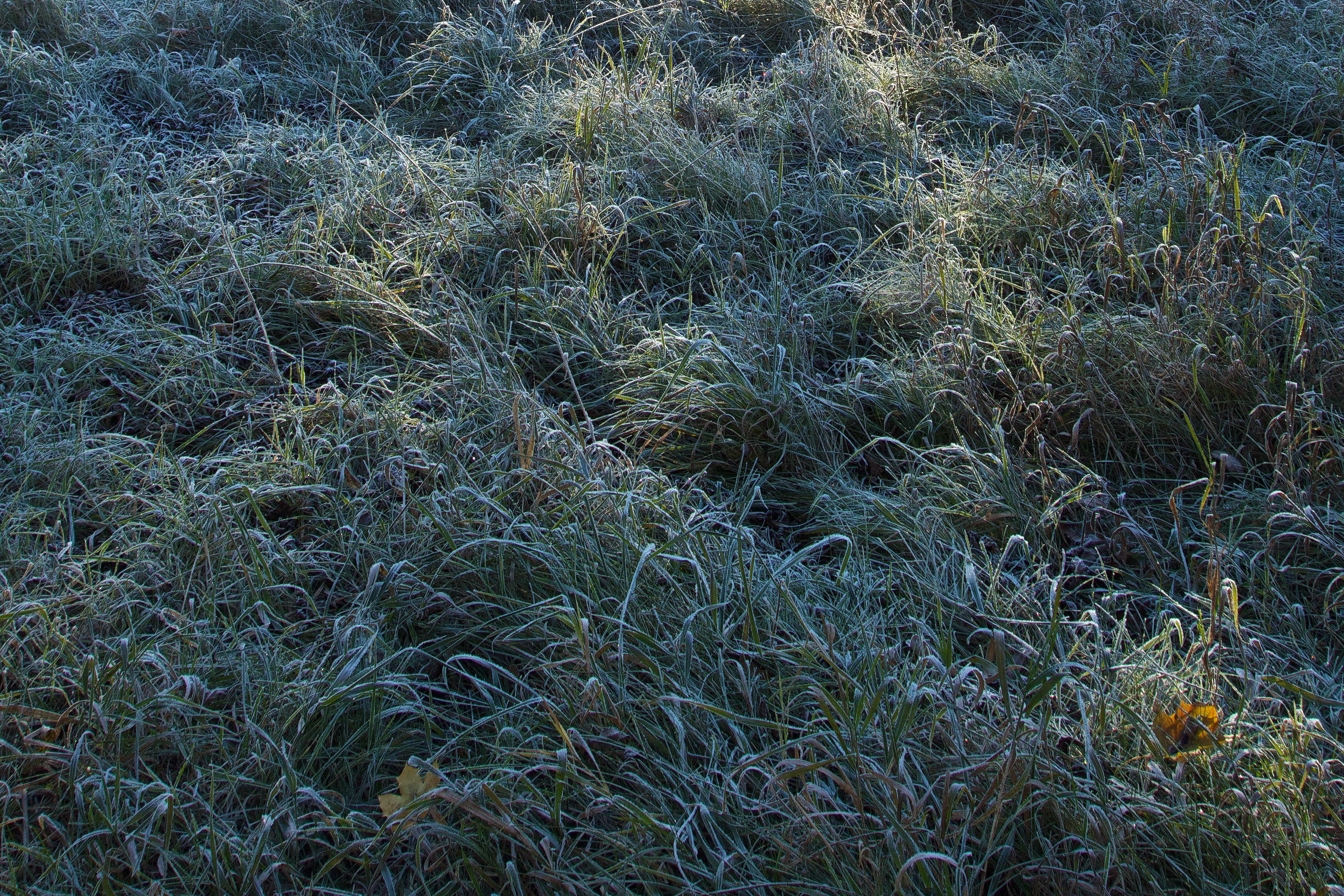
Grass edged with ice crystals.

Grass edged with ice crystals.

This morning’s frost is just the mildest of hints of what is to come but the effect is dramatic. Judging by the silence this morning, crickets in the meadows were almost all wiped out but females have been busy recently, each laying hundreds of eggs which will hatch next spring. Walnut trees simply drop everything after a frost.
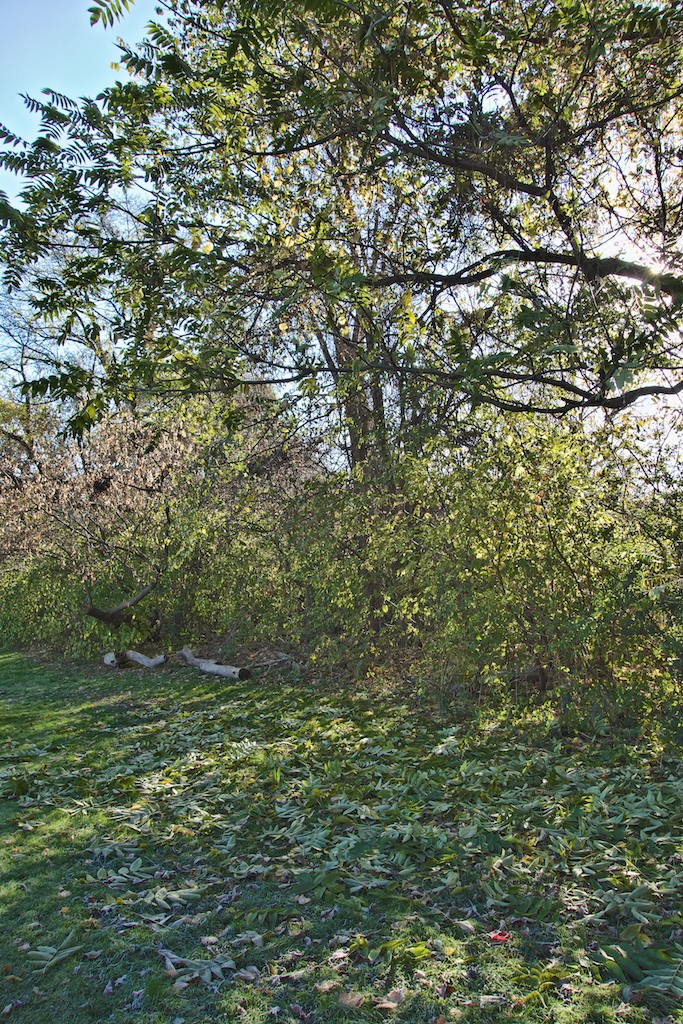
A walnut tree drops everything after a frost.

A pile of walnut leaves begins to form after a frost.

Elsewhere, many seeds are now ready to be carried away from the parent plant by the wind or unsuspecting animals and humans.
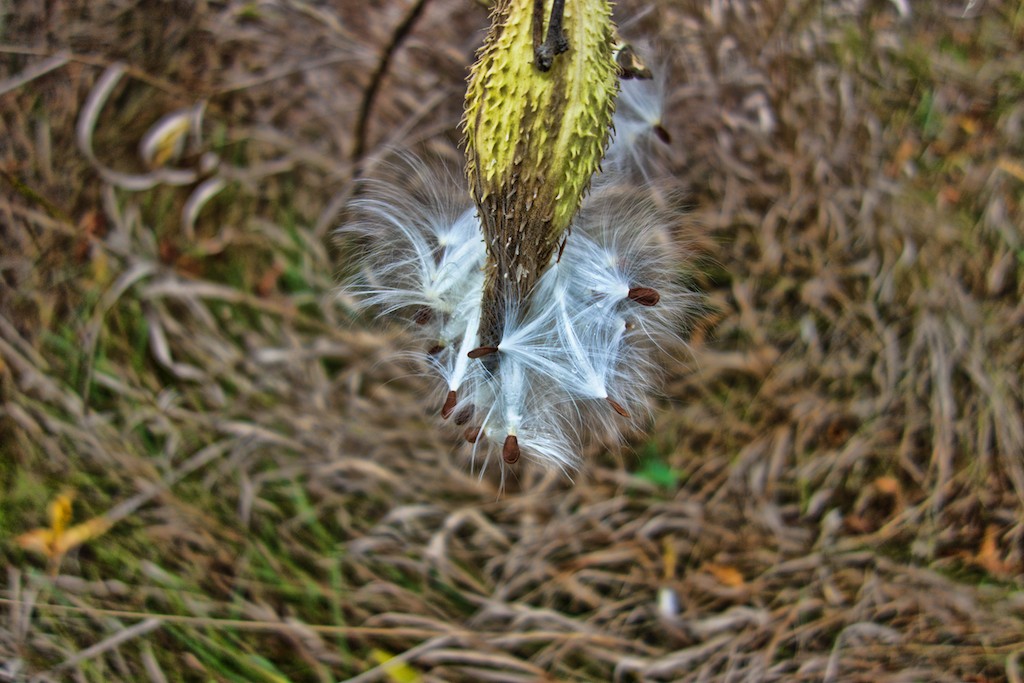
Milkweed seeds wait for a strong wind.

Milkweed seeds wait for a strong wind.

We may share the same latitude as Florence in Italy but our continental winters are considerably harsher and more eventful.

Some would say more interesting too.

The good earth.

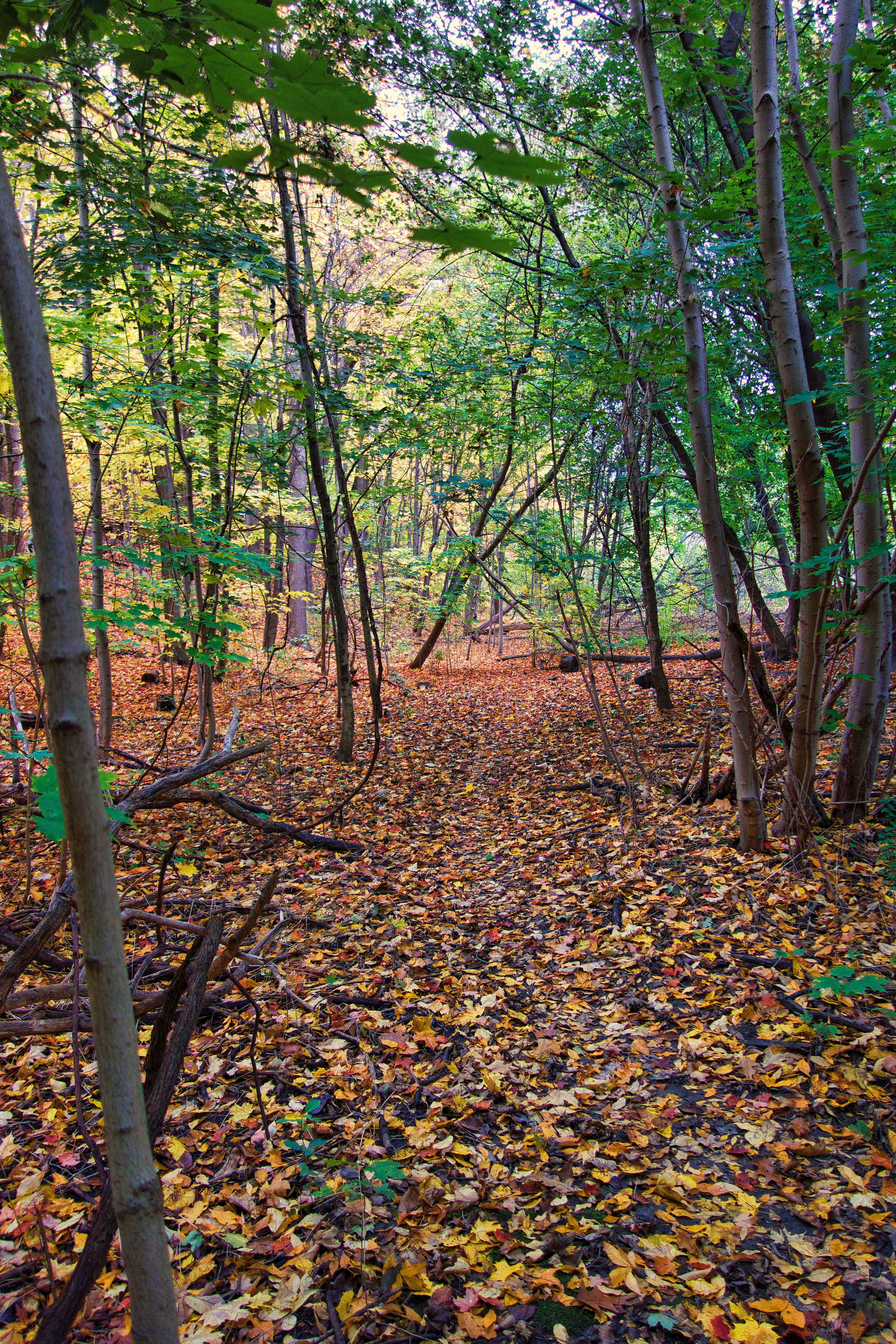
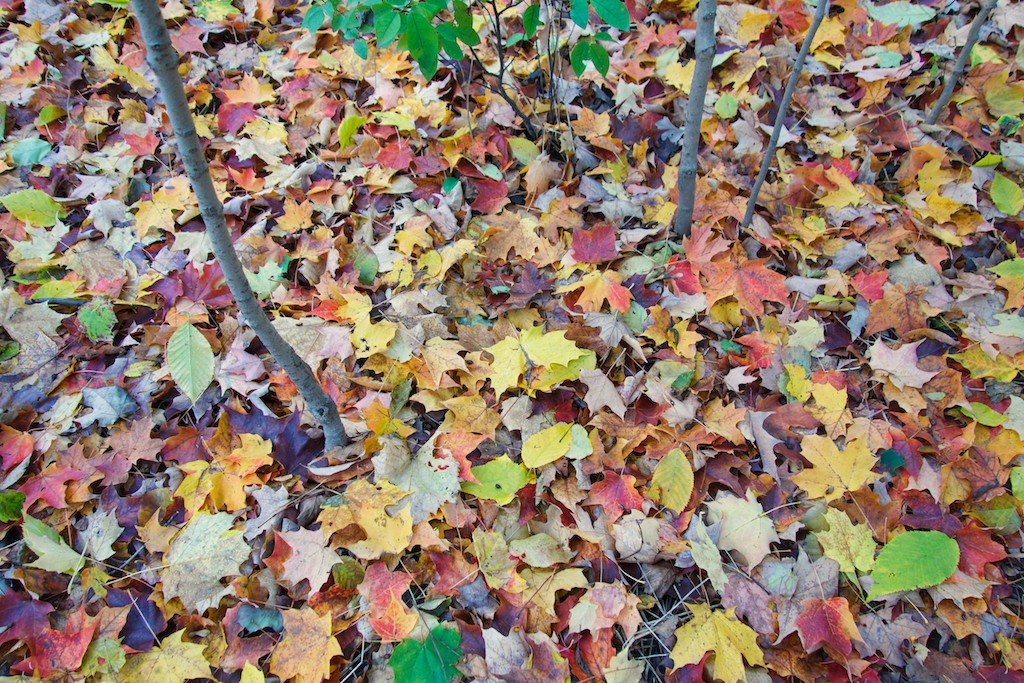
Autumn is well under way and the wooded area at the southern end of the park is undergoing a transformation. Many leaves are off the trees, changing the canopy dramatically and the increased light on the freshly fallen leaves has created a brightly coloured carpet.

A carpet of colour.

A carpet of colour.

This part of the park always reminds me of the nave of a great cathedral. Sadly, many of the trees in the woods are Norway maples which produce little colour and need a frost to dislodge them.

The fresh colours of early autumn.

The fresh colours of early autumn.

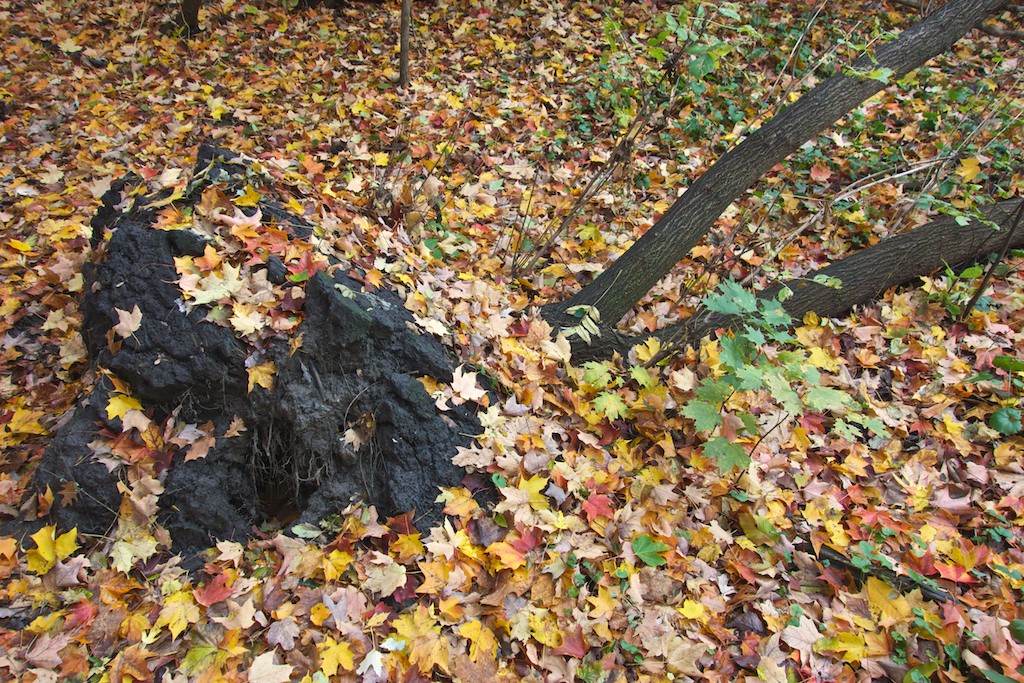
If there was ever any doubt as to the ability of trees in a park to act as a carbon sink, the soil in the woods provides ample evidence. The site was once a rubbish tip but has been wooded for a few decades. In that time, annual cascades of leaves have fallen and decomposed in place, leaving much of their carbon behind to form a deep and rich loam. This summer, a few trees were downed by strong winds and the uprooted trees reveal a soil that is incredibly black and rich in carbon.

Dark black loam, rich in nutrients.

Dark black loam, rich in nutrients and especially carbon.

It is estimated that Canada’s boreal forests (yes, even Raymore Park’s tiny woods) store up to 80% of the carbon they pull out of the air. This is because our cool climate drastically slows carbon’s oxidation back into the atmosphere. On the other hand, a mature tropical forest sequesters very little carbon. But wait, there’s more; boreal forests moderate a region’s climate by warming winter air (more sunlight is absorbed by trees than by snow). In summer, leaf transpiration keeps temperatures down so trees in our part of the world are definitely a great resource.

Toronto has a front yard tree planting program that allows residents to receive a native tree in the city-owned portion of their front yard for free. A selection of species is available and they’ll even do the planting. This is in an effort to raise the canopy cover of our city from around 27% to 40%. A laudable goal that will improve life for all residents and help with reducing flooding and the escalating carbon dioxide levels in the atmosphere.


More signs of fall

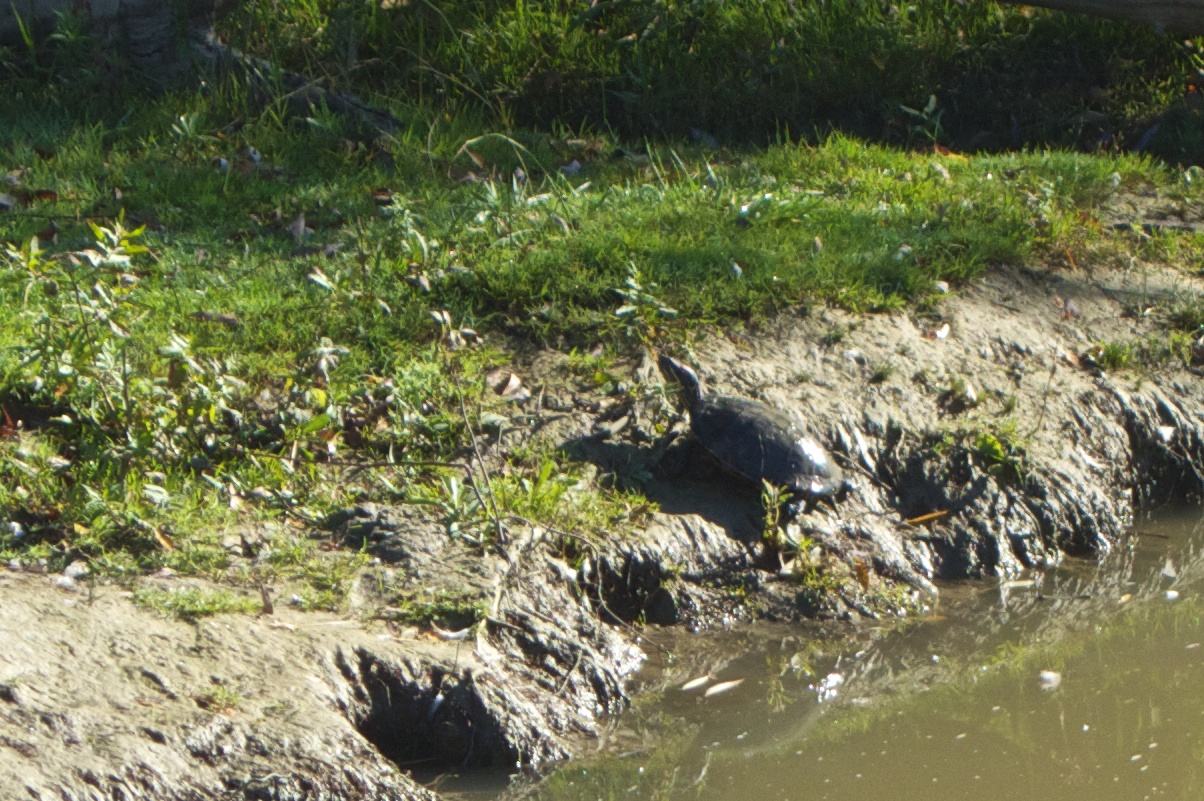
Ever since Codemonkey pointed out a great spot for turtle watching, I’ve noticed a turtle regularly sunbathing in the same spot in the recent warm weather. It seems to be a painted turtle and is very shy, darting into the water if anyone approaches within 20 metres.

A painted turtle enjoys the last of the warmth.

A painted turtle enjoys the last of the warmth.

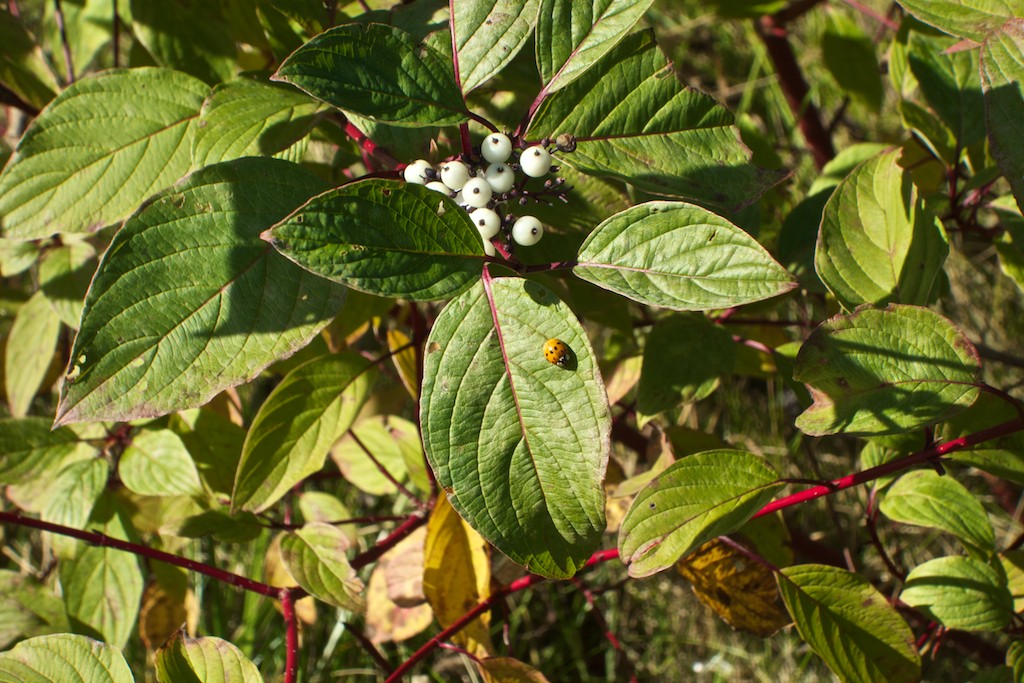
Dogwood is fruiting in many parts of the park and soon its leaves will fall away to reveal its distinctive red branches.

Red Osier Dogwood.

Red Osier Dogwood getting checked over by an Asian lady beetle.

The unusually coloured berries are popular with migrating birds and were once used as a native remedy against colds.

The ladybug, ladybird or Asian lady beetle on the dogwood is a powerful invader that is elbowing native ladybugs aside in many parts of the world. Introduced by greenhouse growers and perhaps the U.S.D.A. the ALB escaped into the wild and there will be no going back. Native ladybugs eating toxic ALB larvae do not survive. Once established in Canada, the ALB tainted many Niagara wines as growers couldn’t separate the bugs from the grapes. Armed with powerful chemicals, it takes only a few of these bugs to taint a whole year’s wine production. Having experienced some Chateau Ladybug (at a winery that was shamelessly trying to offload it) about ten years ago, I can vouch for its unpleasant and unforgettable taste.

Signs of fall: blazing colours

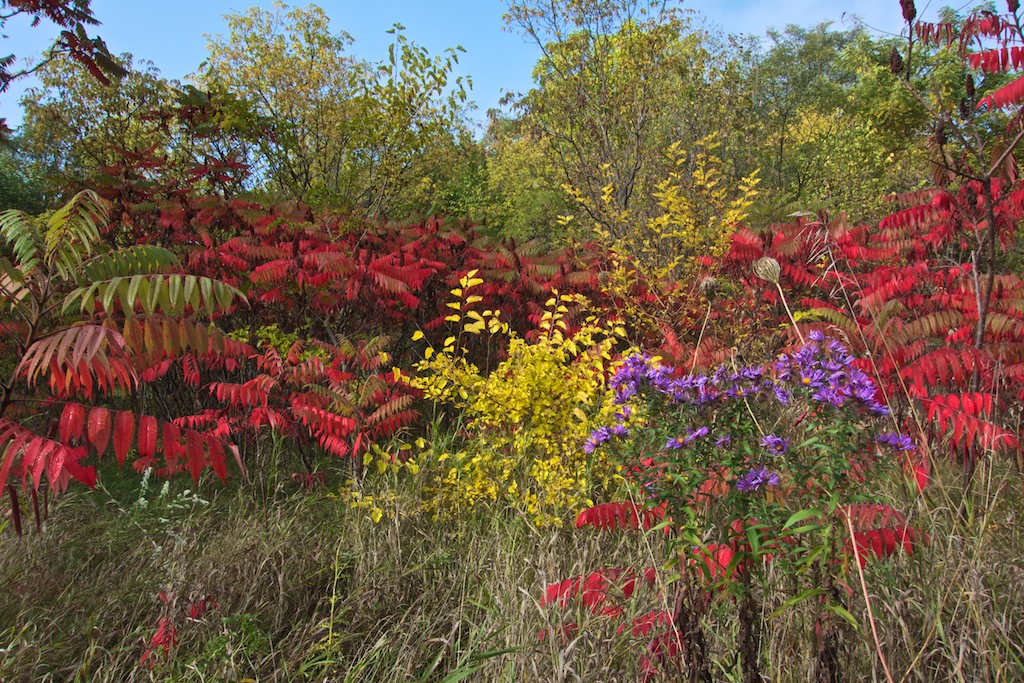
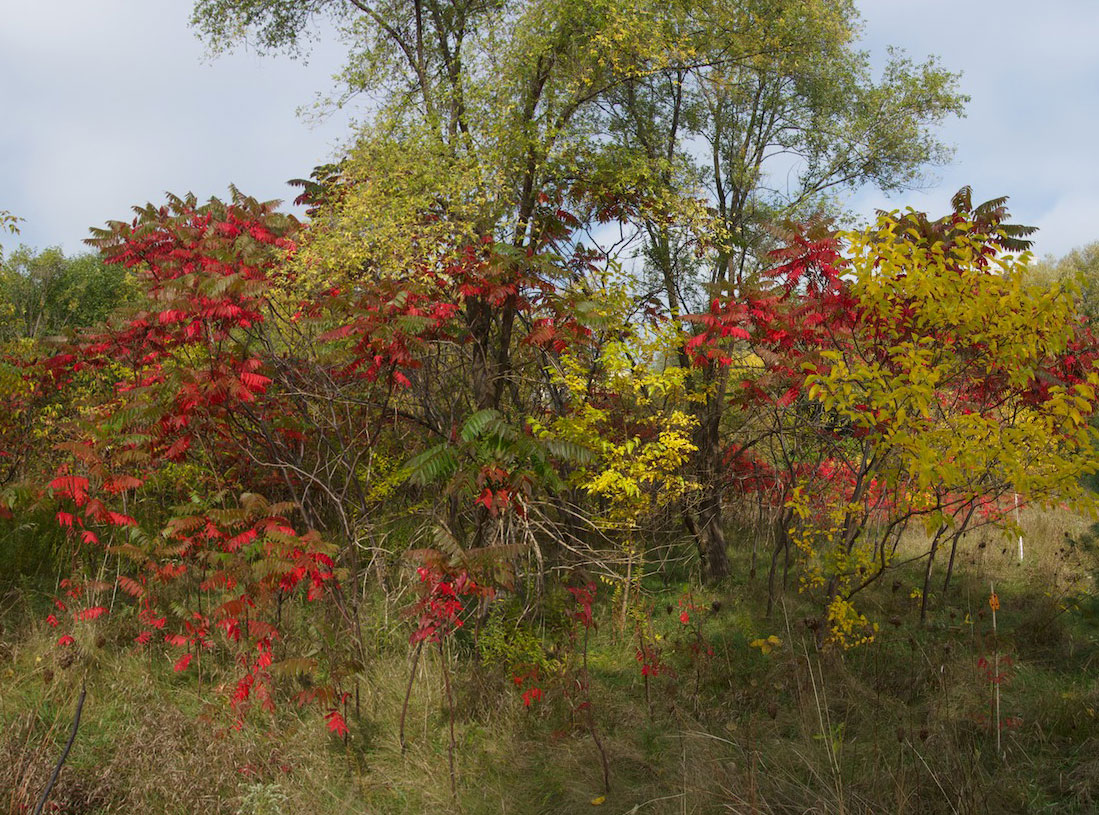
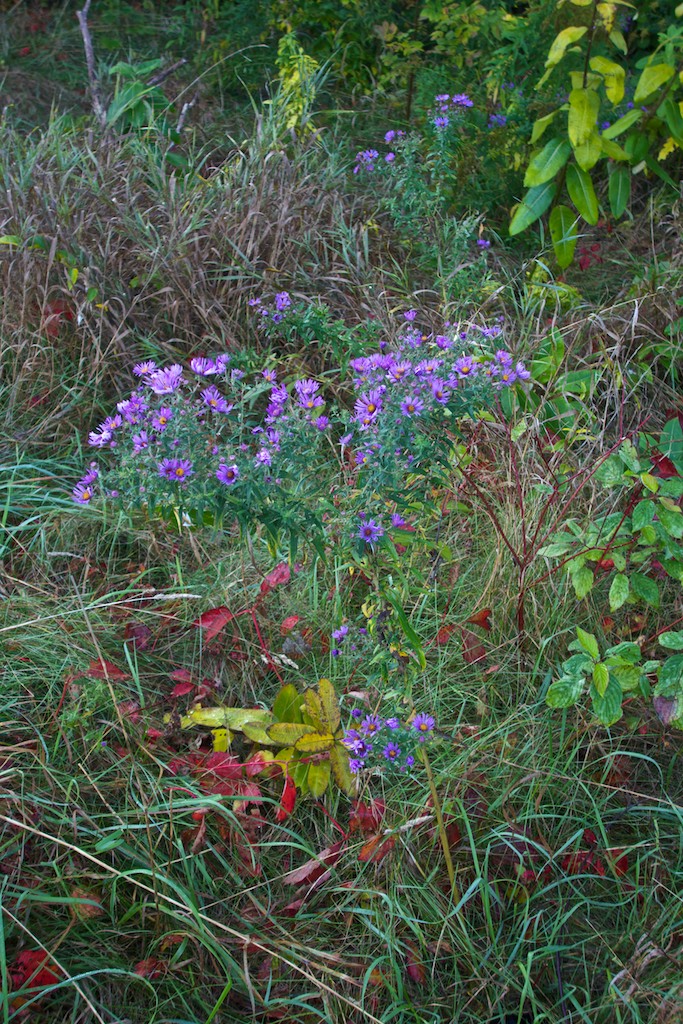
The park is at its peak this week and with several days of sunshine on the way, there will be no better time to grab some stellar photographs. Here are a few taken in the past few days.

Sumac provides the backdrop to some wild asters.

Sumac provides the backdrop to some yellow leaves and wild asters.

A colourful glade (panorama of 3 images).

A colourful glade (panorama of 3 images).

Wild asters.

Wild asters.

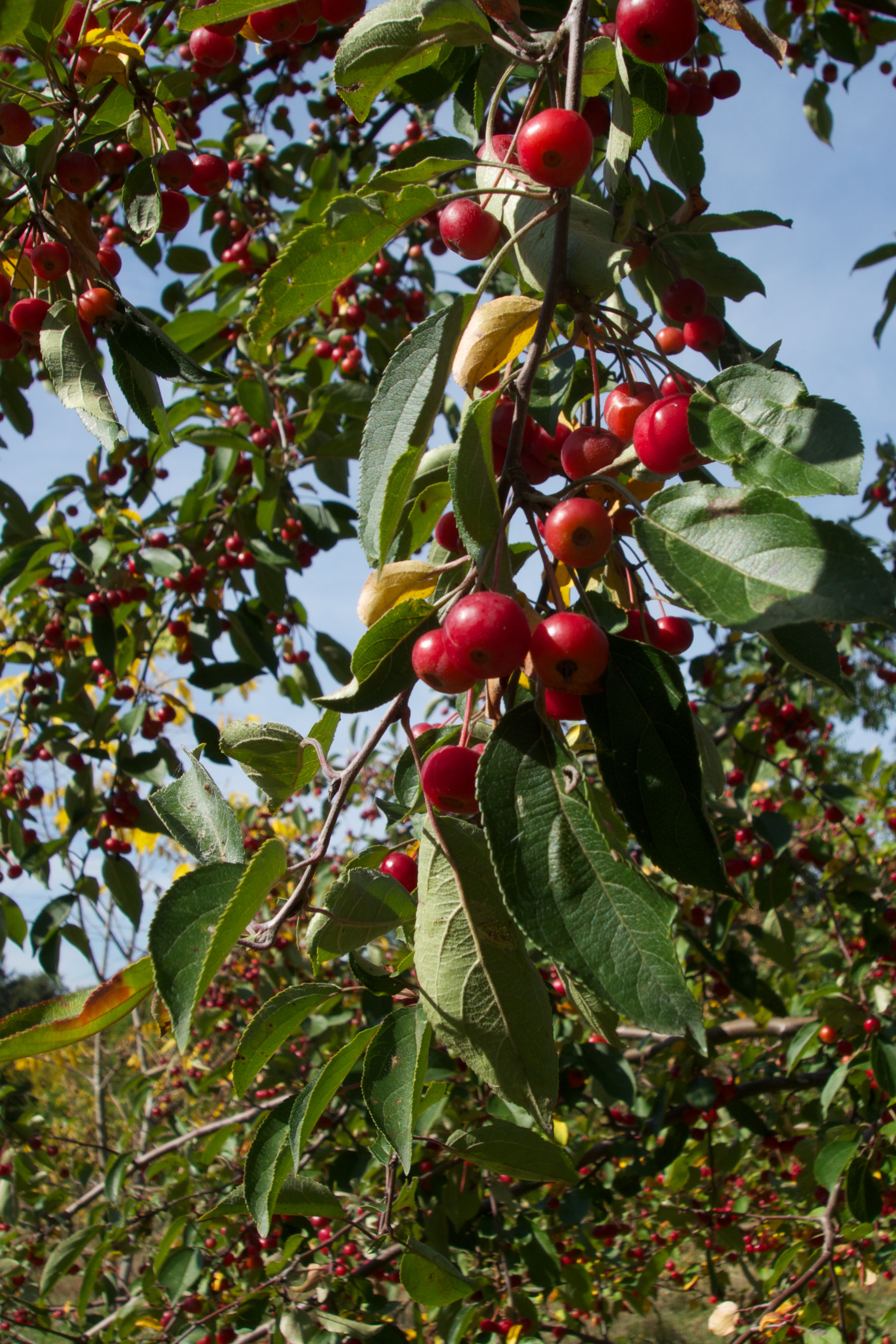
A crab apple tree laden with fruit.

A crab apple tree laden with fruit.

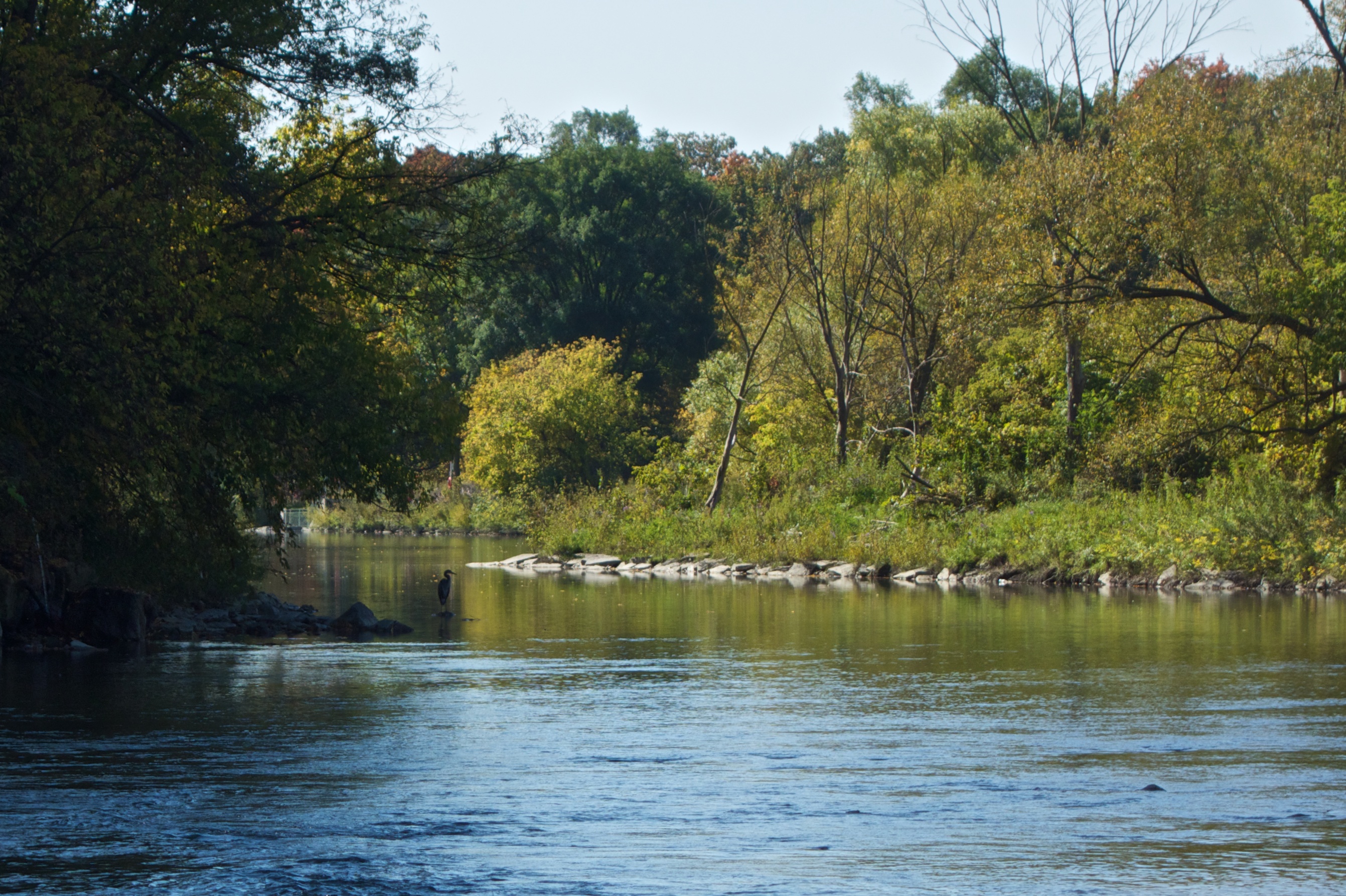
Finally, this one’s not so spectacular but I like the blue heron silhouette.

DSC03474

Signs of Fall: Wooly Bear Caterpillar

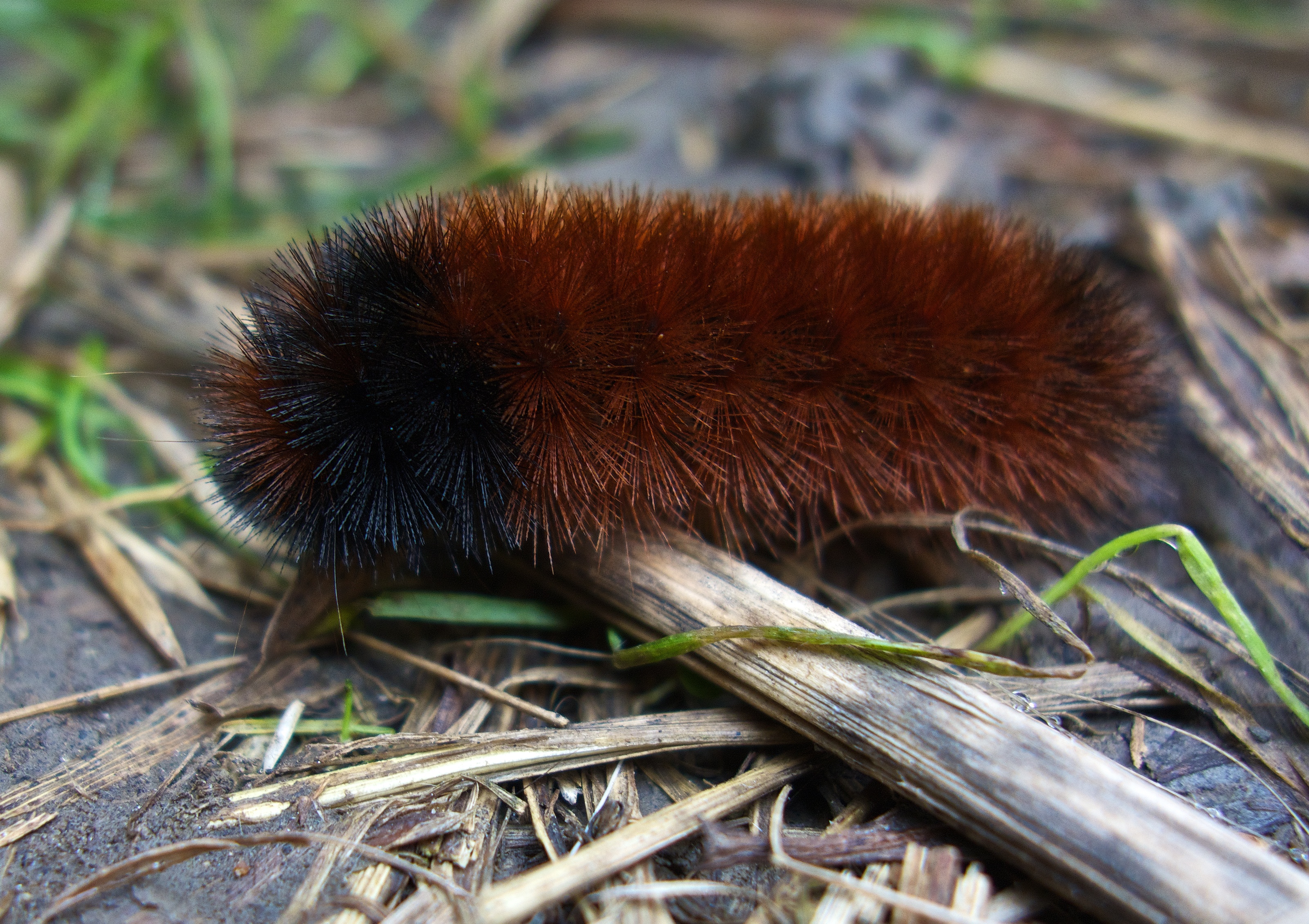
This insect  is a common sight in Raymore Park at this time of year inching its way along pathways and clearings. The freshly hatched wooly bear caterpillar is often seen moving along the ground looking for a hibernation spot. This one will pupate; in spring and its offspring will pupate in summer. Eggs from the summer generation hatch to become the overwintering caterpillar.

Pyrrharctia isabella; the banded wooly bear caterpillar

Pyrrharctia isabella; the banded wooly bear caterpillar trundling to a winter refuge.

These benign caterpillars have 13 segments and feed on plants such as clover and milkweed. Despite a spiky rather than wooly appearance, they contain no poison although handling them may trigger allergies in sensitive folk. If disturbed, they curl into a ball and stay still. Folk legends say that if the brown stripe on the caterpillar is narrow, winter will be cold and long. According to this little guy photographed today, we appear to be in for a mild time of things. The forecast is no doubt as accurate as those provided by Wiarton Willie. Regardless, this creature is able to manufacture its own anti-freeze and stop its heart before freezing solid during the winter. When spring arrives it thaws out and through metamorphosis, becomes a pupa and then a moth. Incredibly the Arctic version of the Wooly Bear Caterpillar needs several seasons to gather the food to become mature enough to pupate.

Beautiful September day

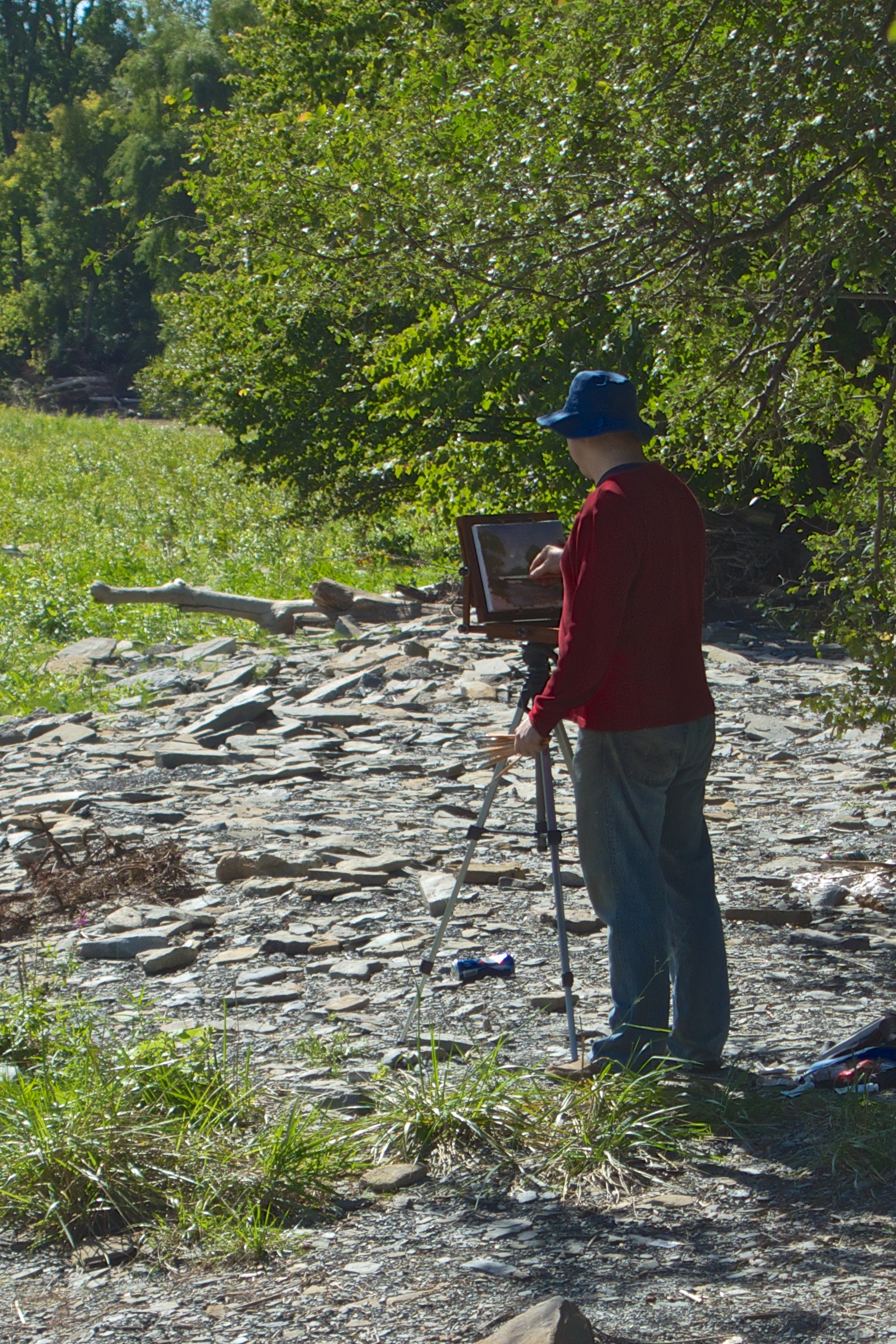
It’s Sunday and after yesterday’s decent rainfall, the park is washed clean and cooler dryer air has pushed its way through. Today, a group of painters scattered themselves throughout the park to various locations and were tackling some landscapes.

This gentleman was just south of the Humber Creek. Hope he takes that can with him!

This gentleman was capturing the view just south of the Humber Creek. Hope he takes that can (near his tripod) with him!

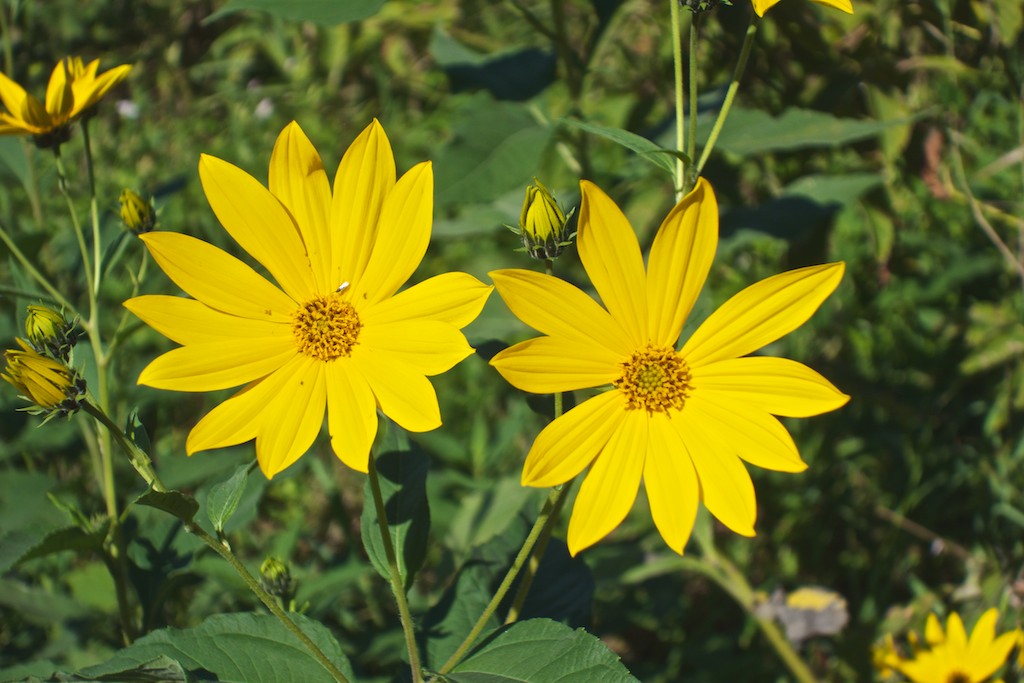
Elsewhere, these tall yellow flowers are hitting their peak.

Ragwort, not to be mistaken for ragweed.

Balsam Ragwort.

Balsam Ragwort is a member of the aster family and may actually be native to the area.

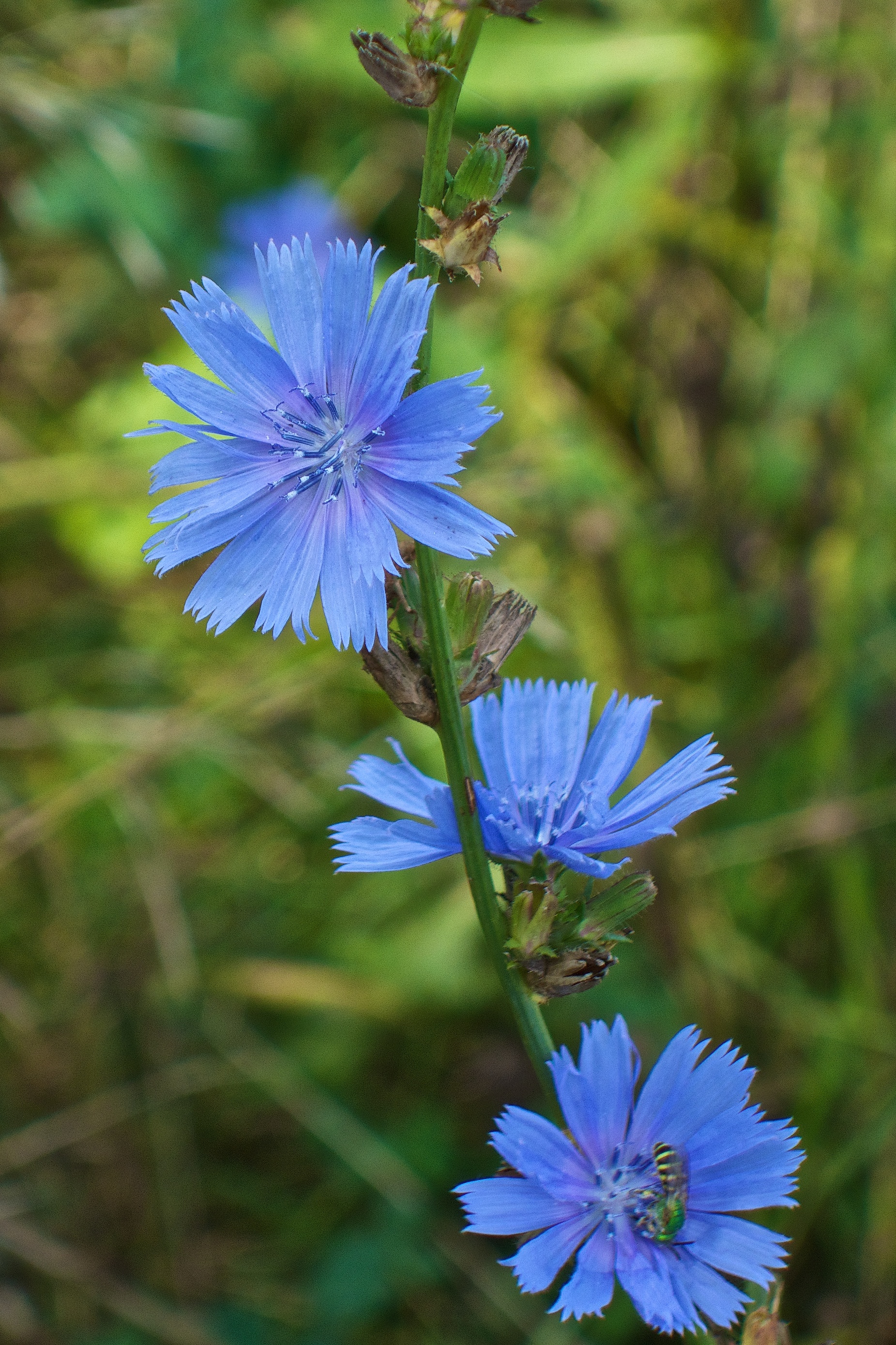
Chicory and its distinctive blue flowers.

Chicory and its distinctive blue flowers by the Humber.

Chicory is an interesting plant. As with many wildflowers in Raymore Park, it is not native. Probably brought over by settlers from Europe, it has a taproot that after baking, can be finely chopped and used as a caffeine-free coffee substitute. Chicory has been substituted for the real  thing whenever coffee supplies have been interrupted such as in wartime. My mother lived through World War II and tolerated the occasional chicory coffee. Many people acquired a taste for chicory and retained the habit but she refused to drink it after the war, regarding it as a bit too much like ‘dishwater’.

Other varieties of chicory have leaves that can be used in salads, some variants being radicchio and Belgian endive.

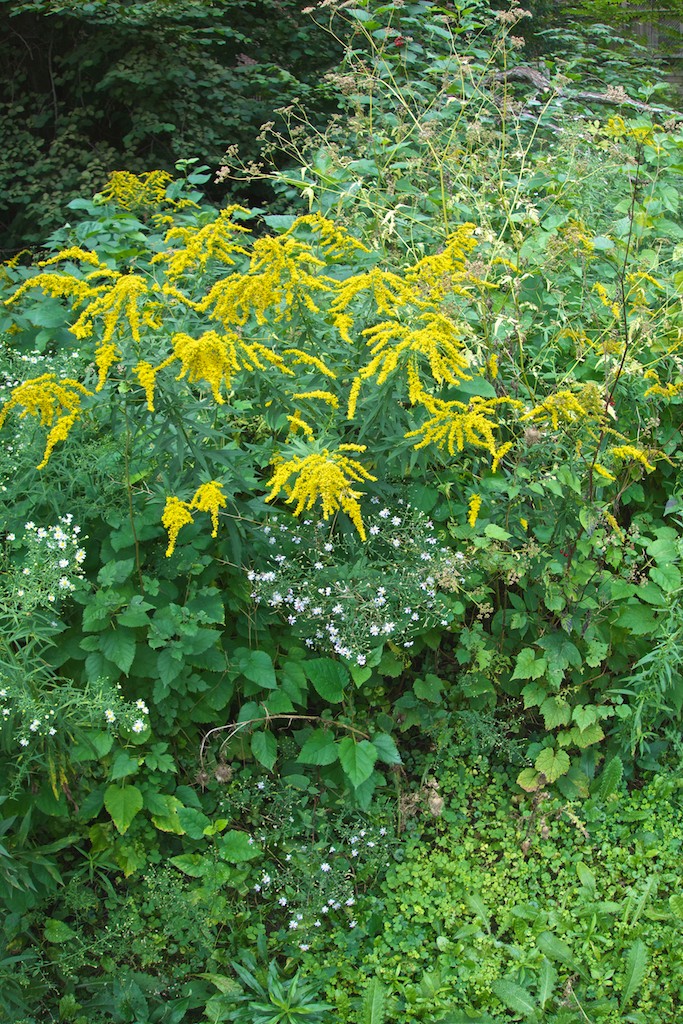
Finally, some goldenrod – a sure sign of the approaching fall season. It looks like an allergy sufferer’s nightmare but in fact releases no pollen.

Goldenrod mixed in with some wild asters.

Goldenrod mixed in with some wild asters.

Raymore Park has a beach

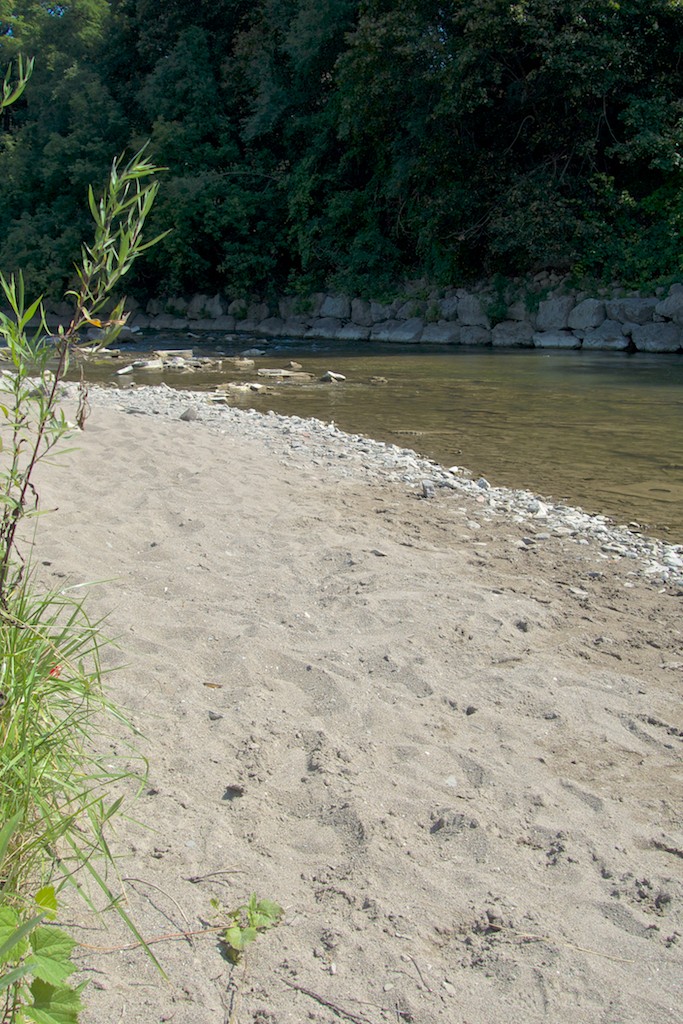
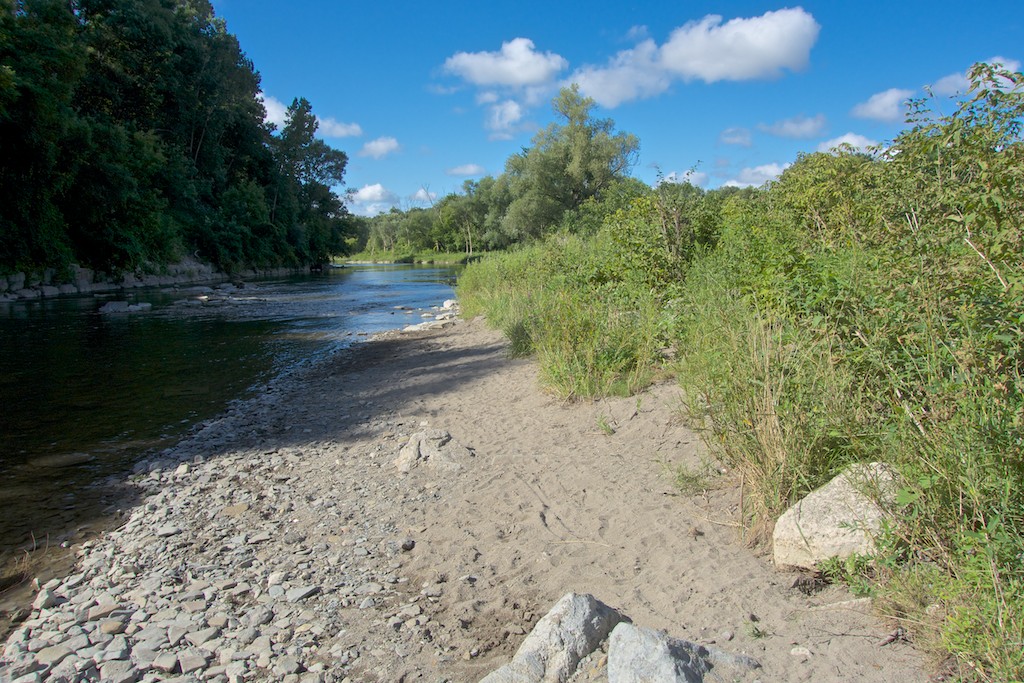
There are over 1400 Toronto parks, some tiny postage stamps just a few square metres while others cover vast ranges. The best known, High Park covers 161 hectares (400 acres) while Mimico Waterfront Park has over a kilometre of shoreline. Raymore Park, while not well known is larger than most, but to me its appeal lies in the sheer variety of features and habitats tucked away in various corners. One such feature is formed just past the inside of a very sharp curve in the Humber. After a rainfall, heavier sediment in the form of sand is carried along until the water slows and the sand is deposited. The beach actually gets built up after each storm and has been there for many years.

Looking north; the curve of the river allows sandy sediments to be deposited here.

Looking north; the curve of the river allows sandy sediments to be deposited here.

So it’s not Bondi or Waikiki. It is however a quiet and scenic place to sit and reflect in the middle of a big city. If you stay quiet for a few minutes, you’ll be amazed at the wildlife that will appear – take your pick from toads, egrets, hawks, blue herons, mallards, mink, beaver, fox, coyote, deer etc.

Before Hurricane Hazel in 1954, the small community living here would use the beach in summer for picnics and as a way for children to cool off.

Looking south along the shoreline.

Looking south along the shoreline.

Cicadas are hatching

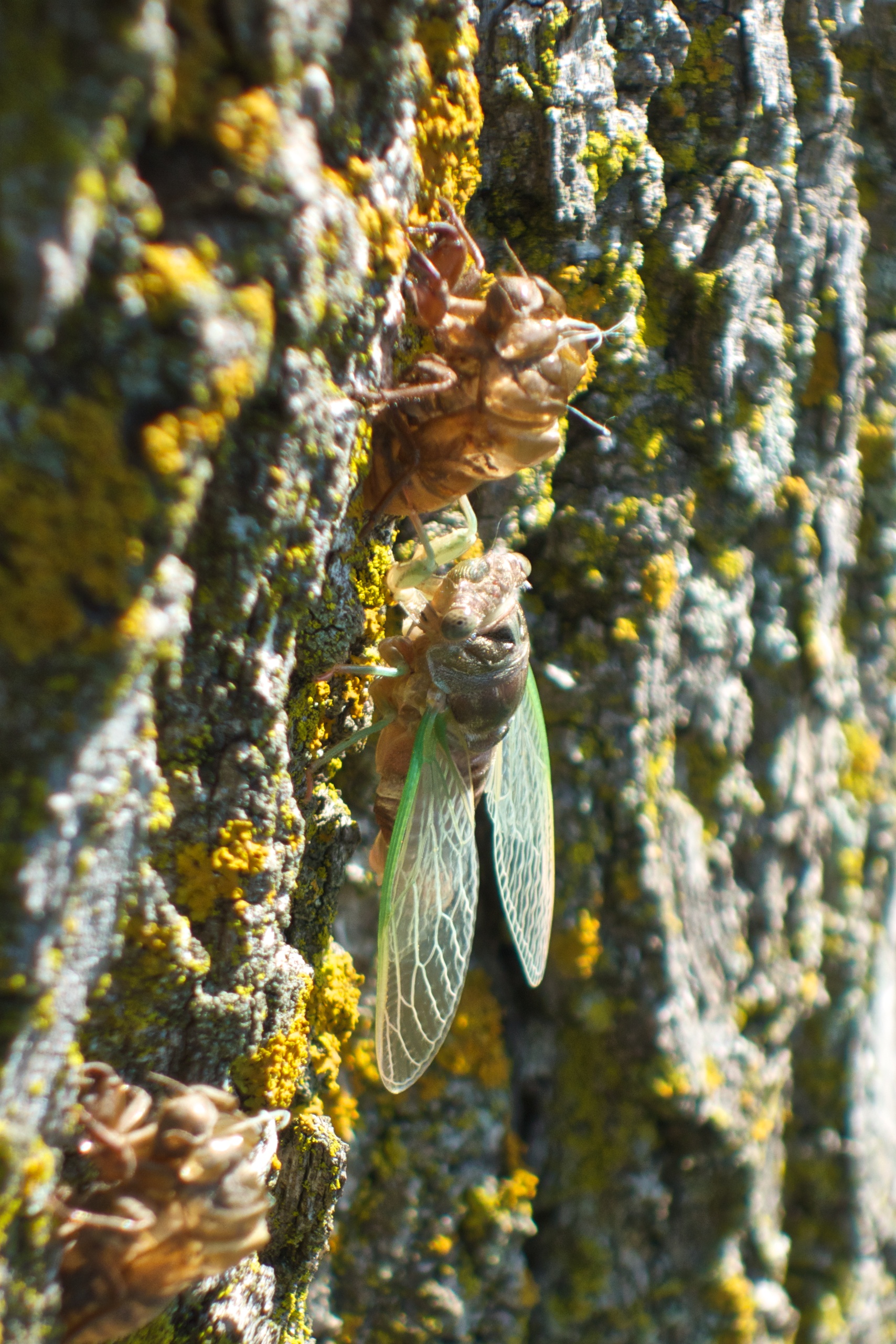
Unless you know what to look for (thanks, Codemonkey), the mysterious life cycle of the cicada happens without most people noticing. We can hear the electrical sounding buzzer noise that cicadas produce in late summer but where they come from is rarely given a second thought. Unlike their better known American cousins with 17-year life cycles, the ones seen in Toronto have 2-5 year cycles of birth and death. Ours are known as Dog-Day Cicadas, Harvestflies or formally, Tibicen Canicularis. The common names refer to the later days of summer in which they appear. Because their life cycles overlap, our cicadas appear every year.

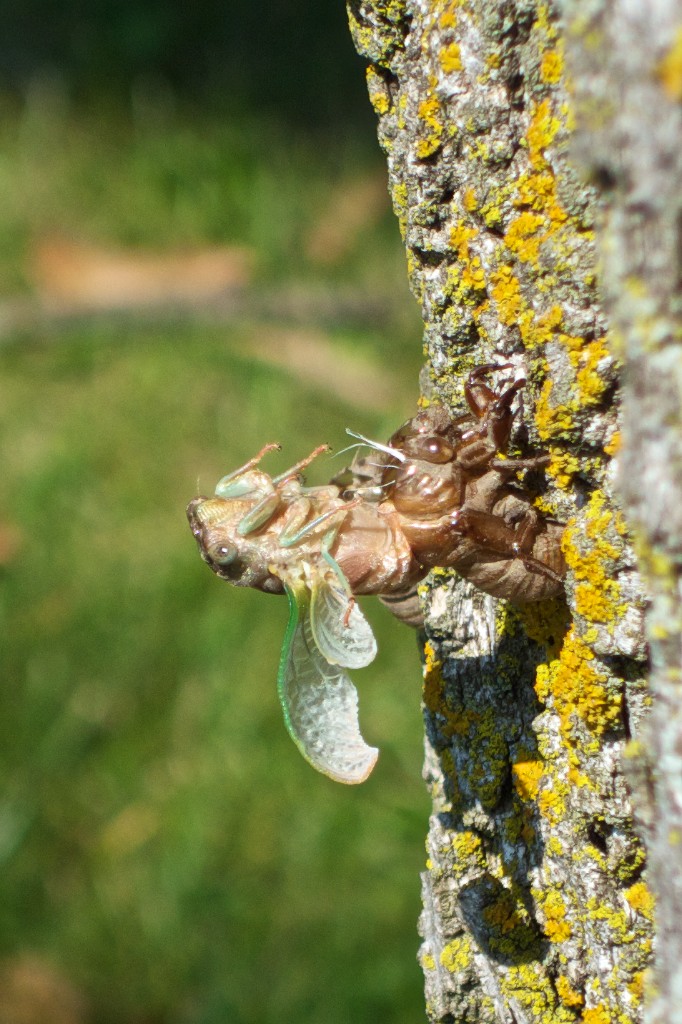
From a human perspective, their life begins when they come up from burrows in the ground and climb a tree. They pump fluid into their abdomens which bursts open the exoskeleton from which they emerge.  At this final life stage, tiny wings are revealed. After a few minutes these wings inflate with blood and unfurl to grow larger than the insect itself. The adult cicada is now ready to fly.

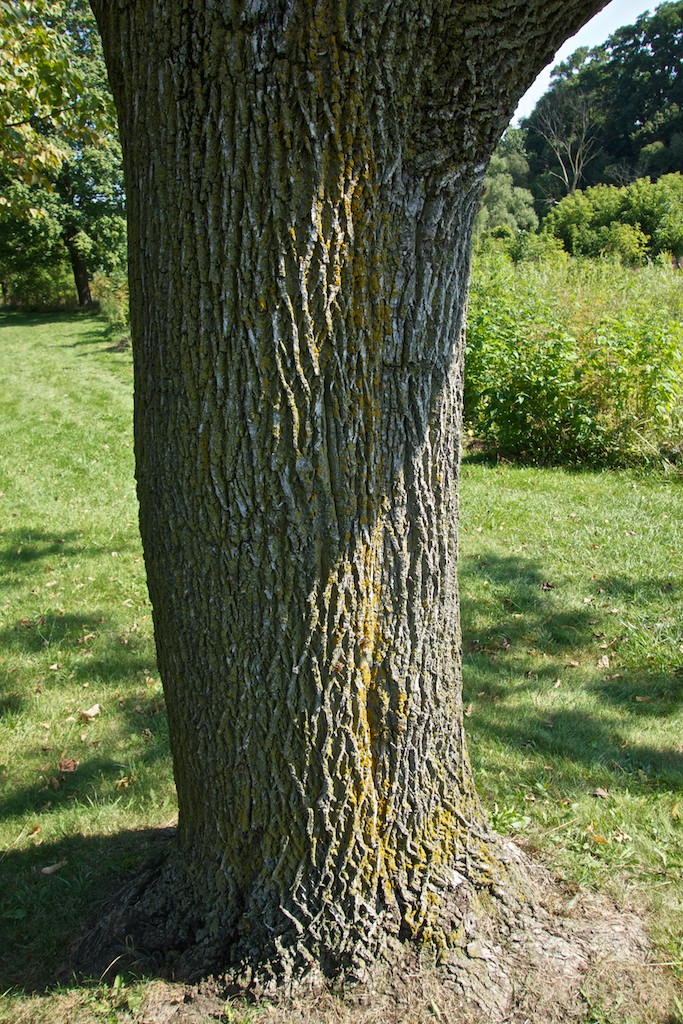
This tree is a cicada adult hatching point.

This tree is a cicada adult hatching point with many exoskeletons visible.

This

A cicada emerging from its exoskeleton. The two sets of wings are unfurling.

This

Green blood can be seen circulating through the wings.

This

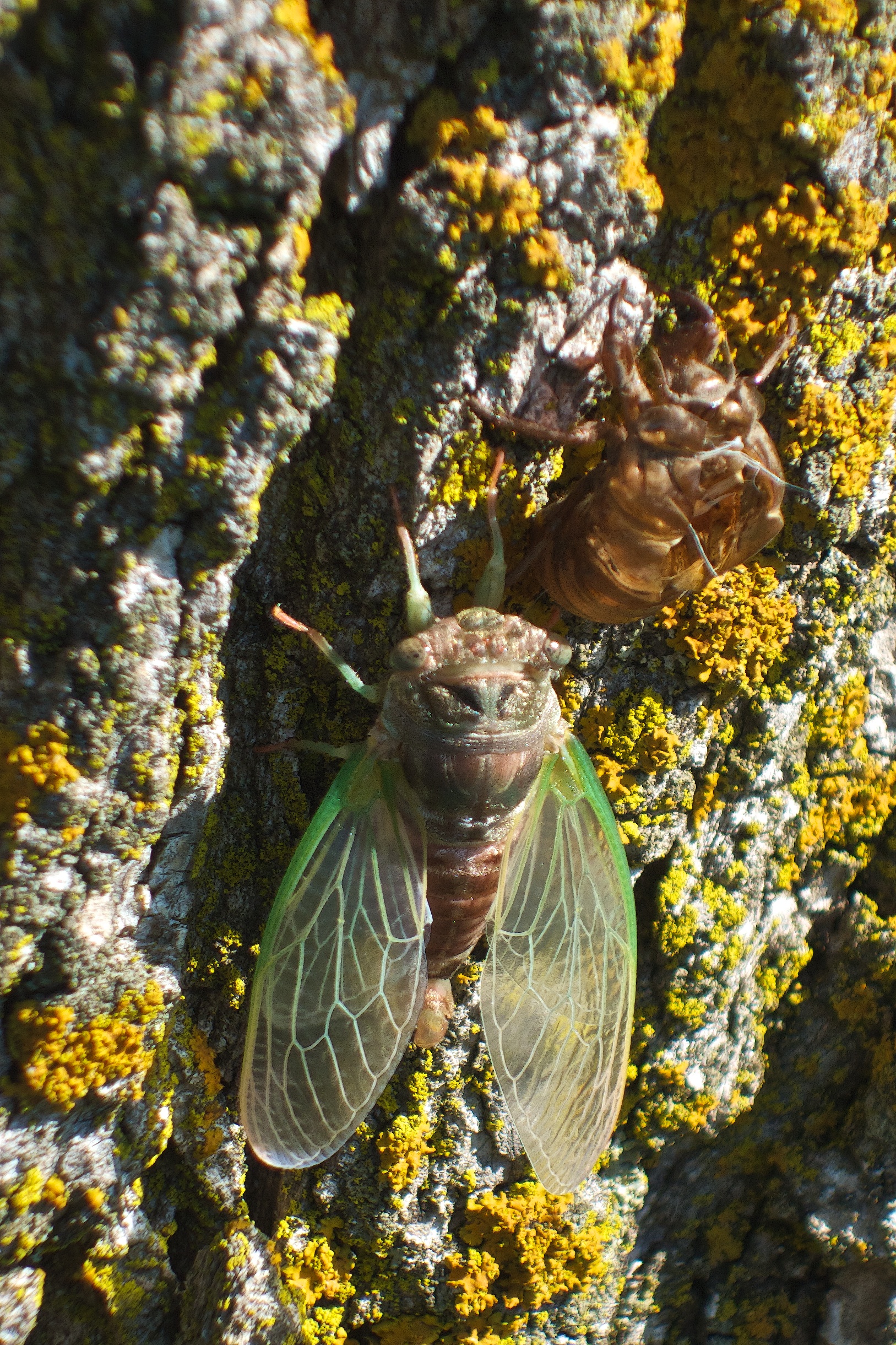
The cicada beside its old exoskeleton.

Adults can live for 5-6 weeks if they’re not picked off by birds and other predators. Most of the time, we can’t see them but we can certainly hear them. Males are the noisemakers and they produce that familiar deafening sound to attract a mate. Female cicadas carve slits in tree branches and lay their eggs. After hatching, nymphs drop to the ground. This first larval stage digs until reaching tree roots from which they feed, moulting several times before that last stage above ground some years later.

There is a folk legend that the first buzz of cicadas in late summer indicates there are only six weeks until frost.

What a depressing thought.

Raymore Park nursery.

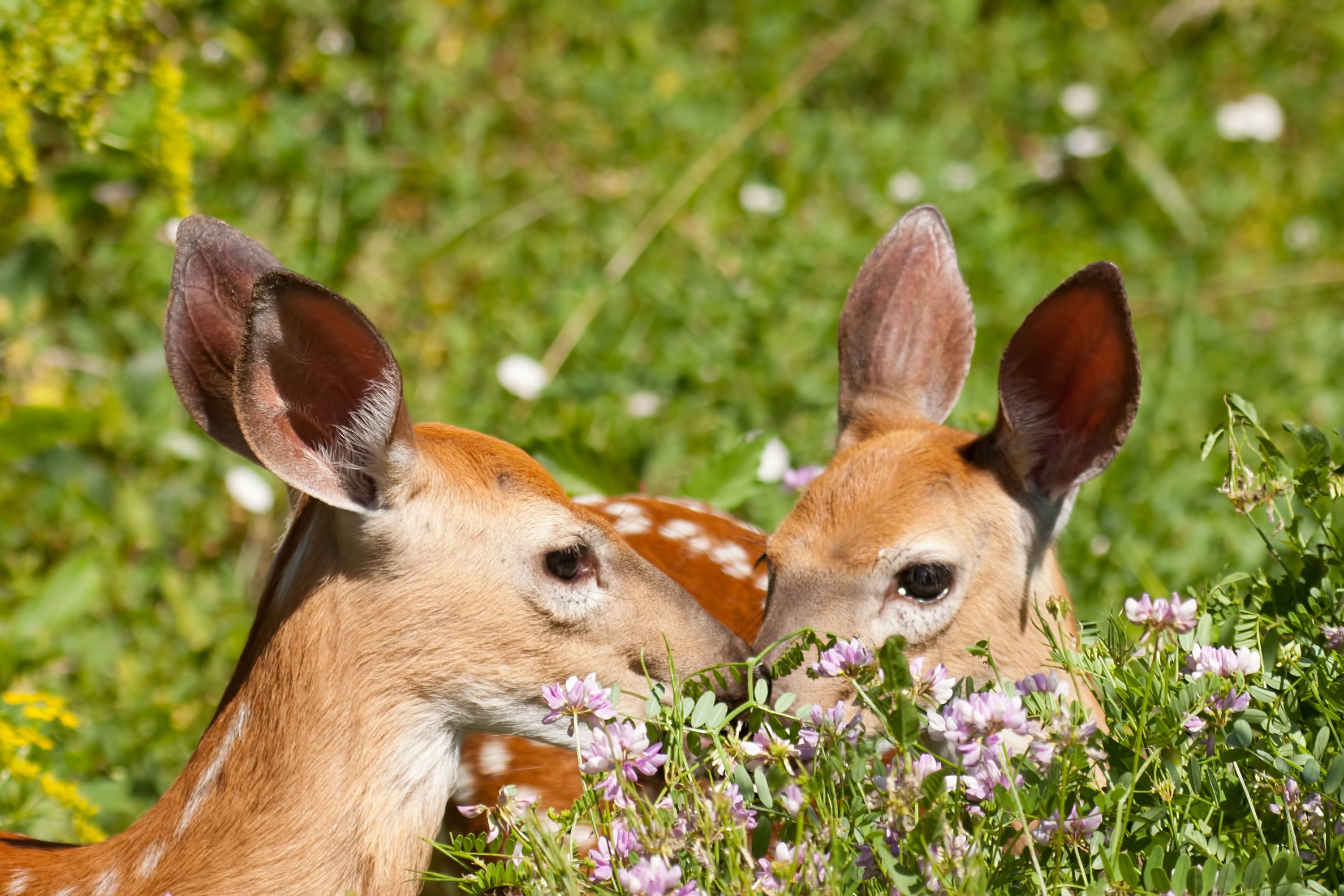
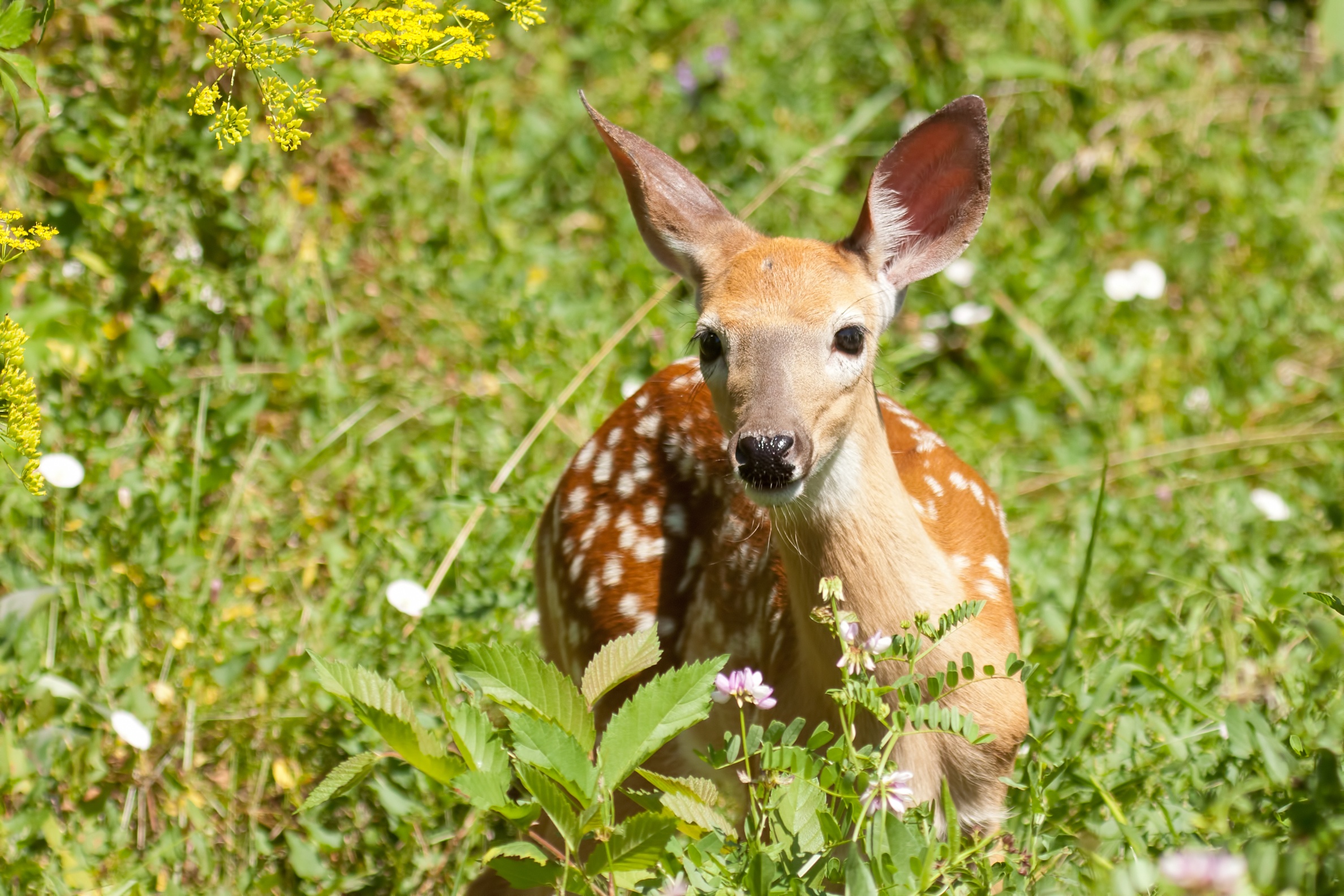
The baby fawn has been joined by an older companion. It’s common for mothers to feed during the day and leave their fawns to wait quietly for them. Codemonkey has snagged a couple of stunning shots of these beautiful creatures.

Two fawns stand still in dense vegetation.

Two fawns stand still in dense vegetation. Image: Codemonkey.

Deer in the headlights/

The elder fawn looks towards the camera. Image: Codemonkey.


A beautiful day in Raymore Park

We’re having a spell of mild weather and a refreshing change from the 27 degrees and humidity that we normally experience.

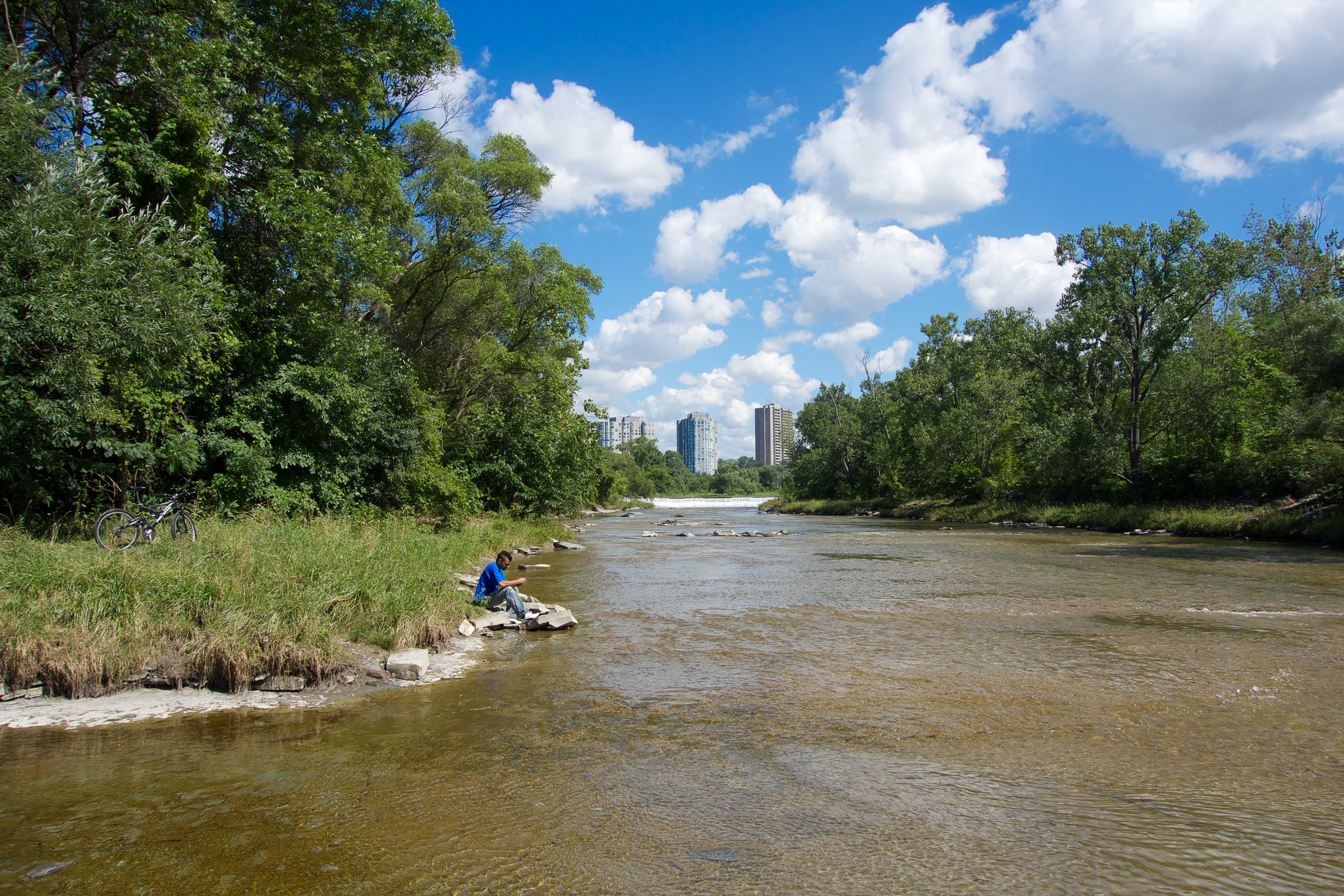
Today, Mugsey and I explored the river and came down to the Humber Creek. This gentleman had parked his bike and was checking his phone and it seemed like a good composition.

Forget about city life and sit by the water for awhile.

Forget about city life and sit by the water for awhile.