Category Archives: Photography

Retaining Wall Update March 16.

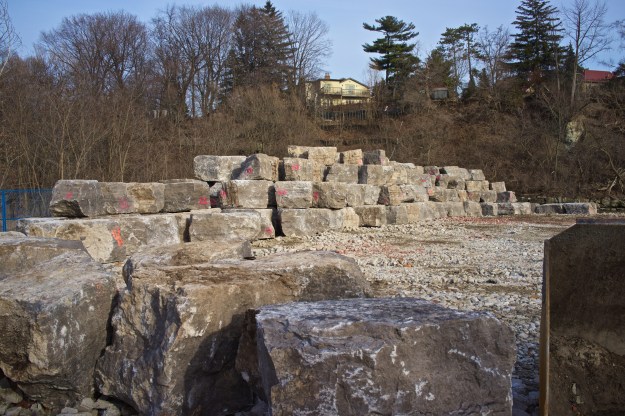
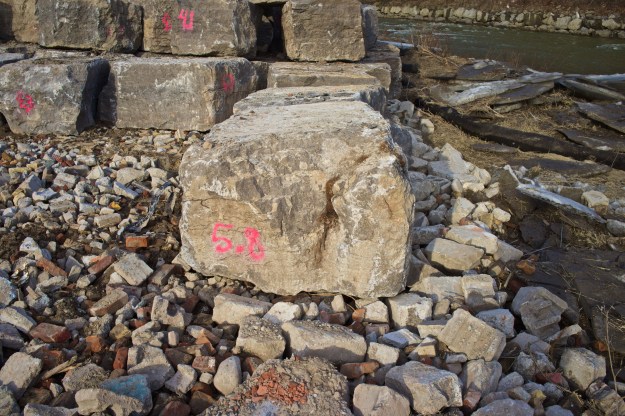
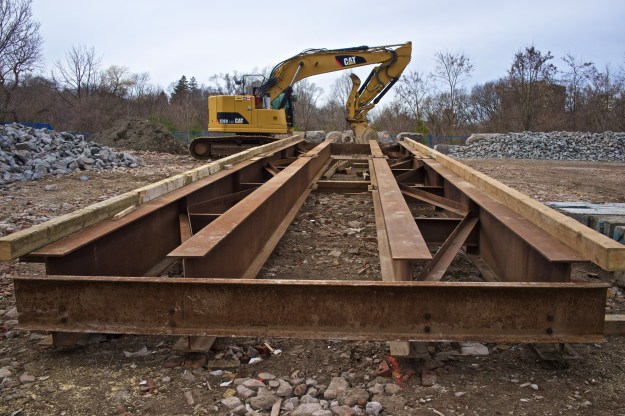
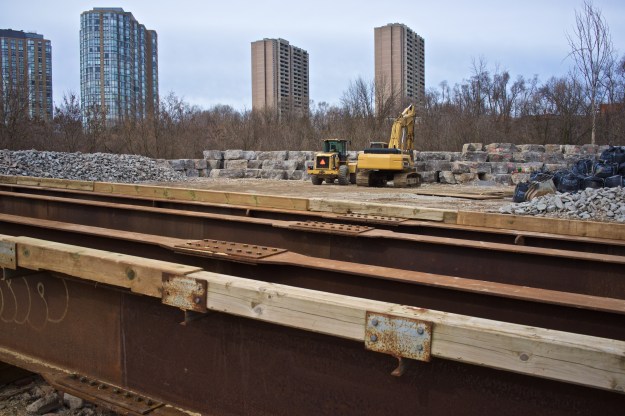
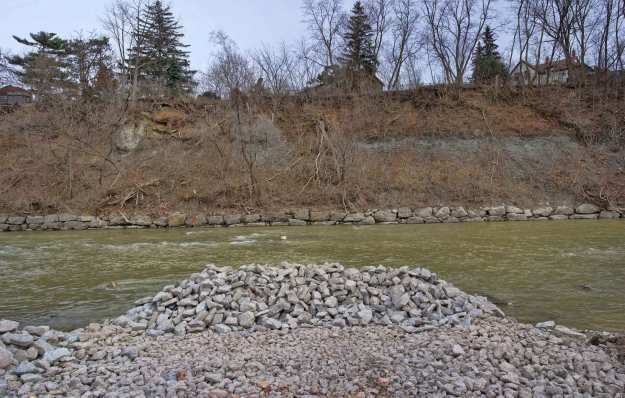
Work continues unabated at the site and the size and scope of the job is becoming apparent. More and more blocks are piling up in the staging area and the components for a temporary bridge that will straddle the river have arrived. The bridge will be placed across the river and support the crane that will build the retaining wall. Each block is labelled with its weight which is vital knowledge for the crane operator. The bridge will be re-positioned along the banks as required.

The project was originally scheduled for completion for the end of March but clearly there is still a massive task ahead.

Interestingly, the second photo was taken on February 29th and in the top right of the image can be seen the very small amount of ice pushed ashore during the thaw. This is the smallest amount of ice I have seen in years and quickly melted.

Blocks are piling up awaiting placement.

Blocks are piled up awaiting placement.


Each block is labelled with its weight.

Each block is labelled with its weight. Notice the small amount of ice freshly deposited as a result of the thaw.


The bridge.

Girders that will be used to make a bridge to straddle the river.


The bridge and blocks in the background.

The bridge girders and limestone blocks in the background.


The bridge platform.

What looks like the beginnings of an abutment on which the bridge will rest.

Humber Bank Stabilization Update

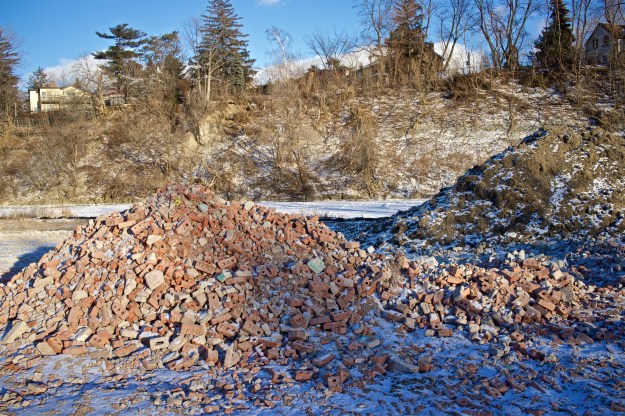
All last week, trucks rumbled into Raymore Park delivering old bricks and concrete blocks (clean fill).

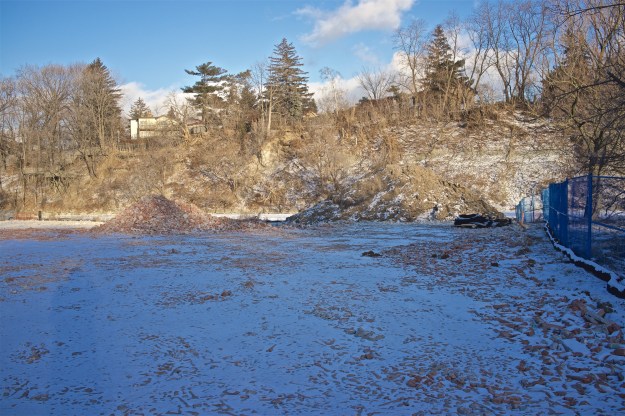
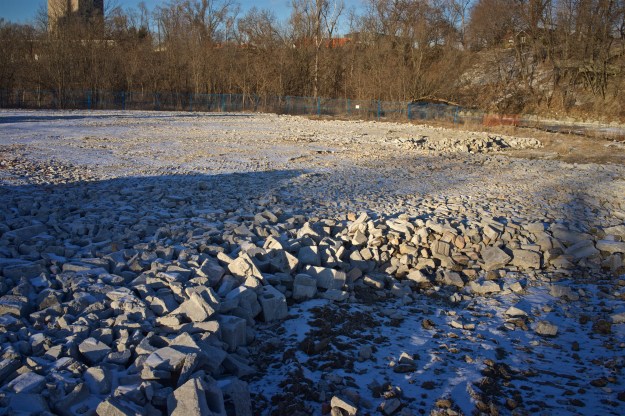
I braved the bitter cold this afternoon to find out what was going on. Rather than building a stable roadway along which trucks can approach the river, the whole of the fenced off land is being laid with about 40cm of clean fill to create a working area that stretches to the river’s edge from which the retaining wall can be constructed.

Topsoil scraped from the area can be seen (right) and brick rubble ready to be spread over the remainder of the land is on the left. To get an idea of the scale of  this endeavour, there’s a person standing by the orange fencing (far left).

The depth and size of the rubble layer can also be seen here.

Apparently the plan is for the rubble to be carted away again and the topsoil replaced after the job is completed.

Bricks waiting to be spread over the park surface.

A closer look at the brick rubble and (eventually) the old topsoil waiting to be spread over the park surface.

One permanent change that may have been made; the old basement depressions from homes swept away during Hurricane Hazel are probably gone.

Where’s Winter?

Warning: heavy geek content.

Meteorological winter is here as of December 1 and the sun has almost reached its lowest point in the sky. Even though we’re nearly 4 million km closer to the sun than we were in June, the low angle in the sky and short daylight hours ensure a limited amount of heat. There is an El Niño event occurring this year; rainfall amounts are down and temperatures have been considerably above average so far. Because the way the earth accelerates at this point on its way around the sun we have reached our earliest sunset time of 4:41pm while mornings will continue to darken until the end of the month.

The sun was 23.9° above the horizon at noon today.

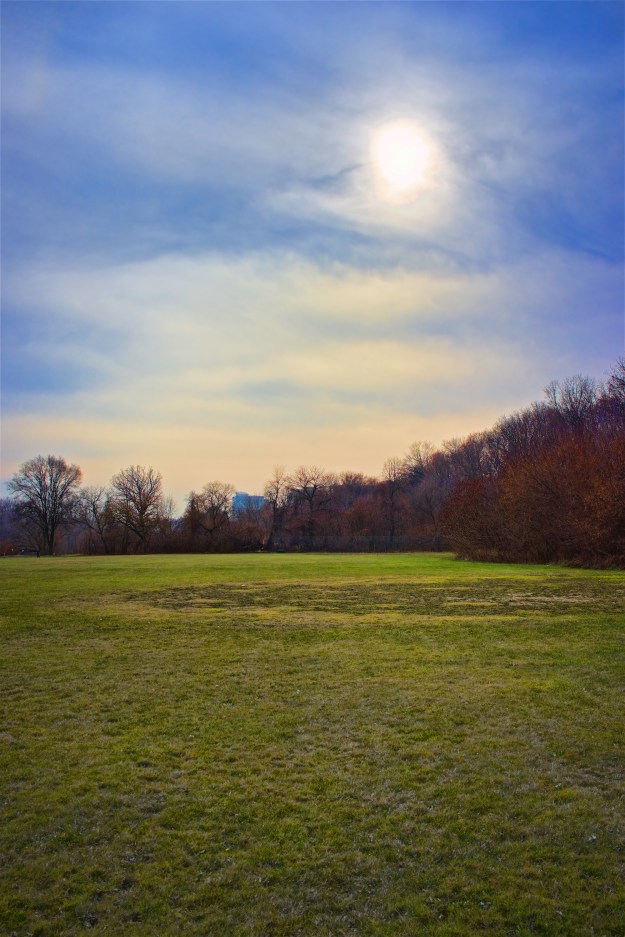
Looking south towards the location of the proposed dog park. At celestial noon (12:09pm), the sun was 23.8° above the horizon. On December 22nd, it will appear to be only 23° above the horizon and then begin to recover until June 21 when it will peak at 69.8°.

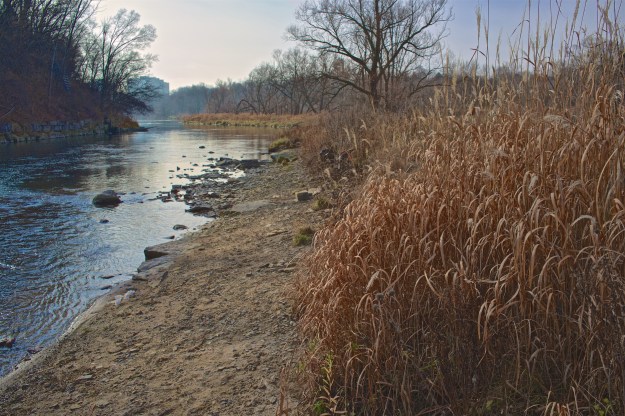
Not a trace of ice by the river.

Not a trace of ice by the river.

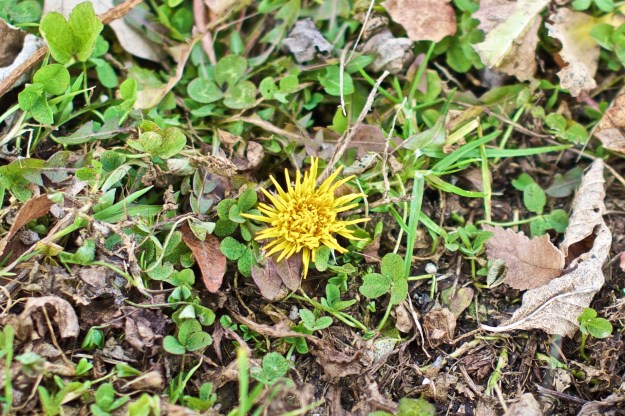
As a result of the mild weather there are some plants that have not yet gone into dormancy and they are a probable indication of what global warming will bring to Toronto’s climate if temperatures continue to rise.

A dandelion in flower.

A dandelion in flower.

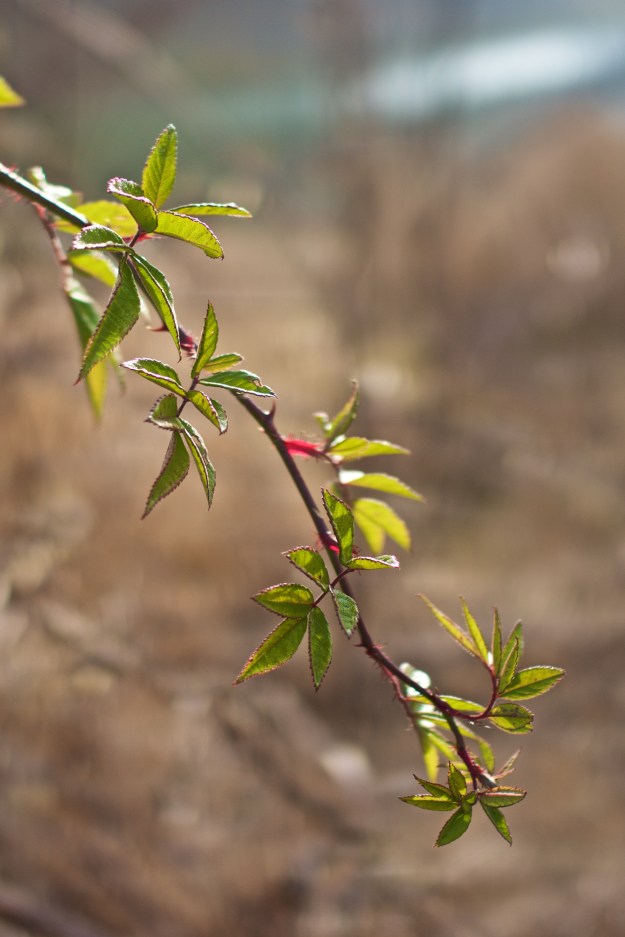
A wild rose has retained its leaves.

A wild rose has retained its leaves.

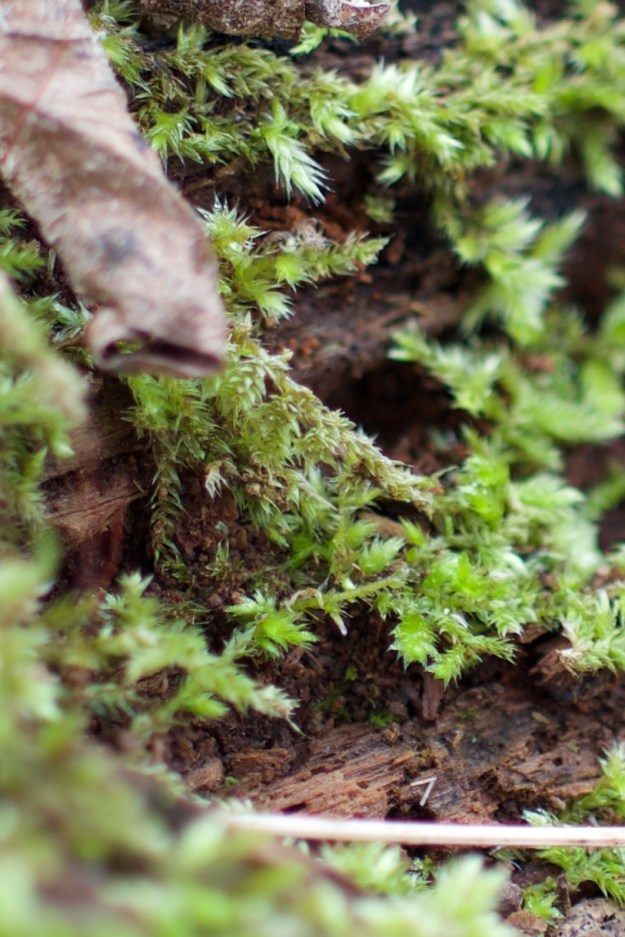
Moss feeds on an old tree stump.

Moss feeds on an old tree stump.

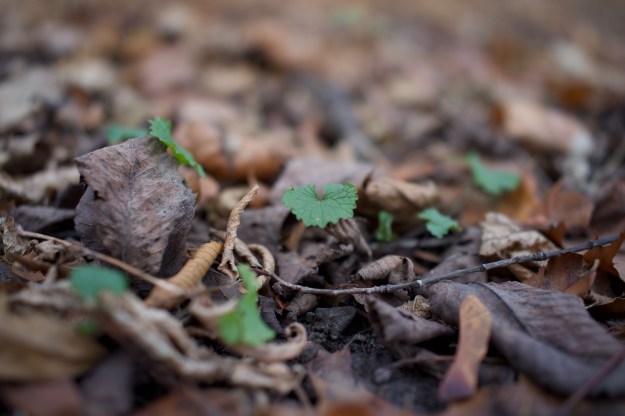
Garlic mustard lurks in the undergrowth.

Garlic mustard lurks in the undergrowth.

The downside of such mild weather is that in wooded areas, and especially if warming affects Canada’s boreal forest, leaves on the ground slowly decompose when in a normal winter they would be compressed by snow and their carbon content preserved. This decomposition releases carbon dioxide, reducing the natural carbon sink effect of the boreal forest.

On a lighter note, although it’s quite common in Toronto for winter to begin in earnest after Christmas, this winter there is a feeling that we may be getting off lightly.

After the last two winters, let’s hope so.

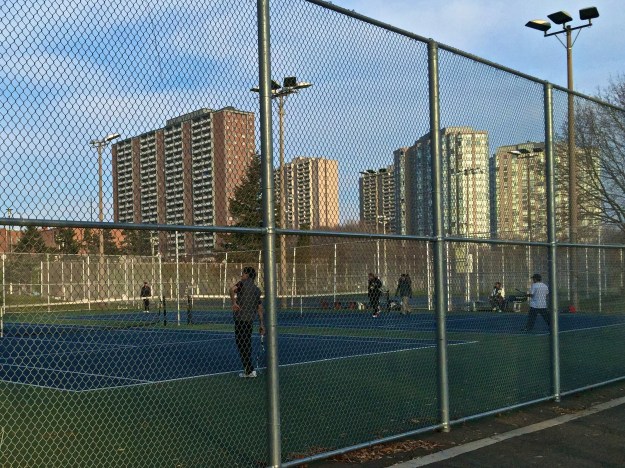
Tennis players enjoying a mild December in Lions Park.

Tennis players enjoying a mild December in neighbouring Lions Park.


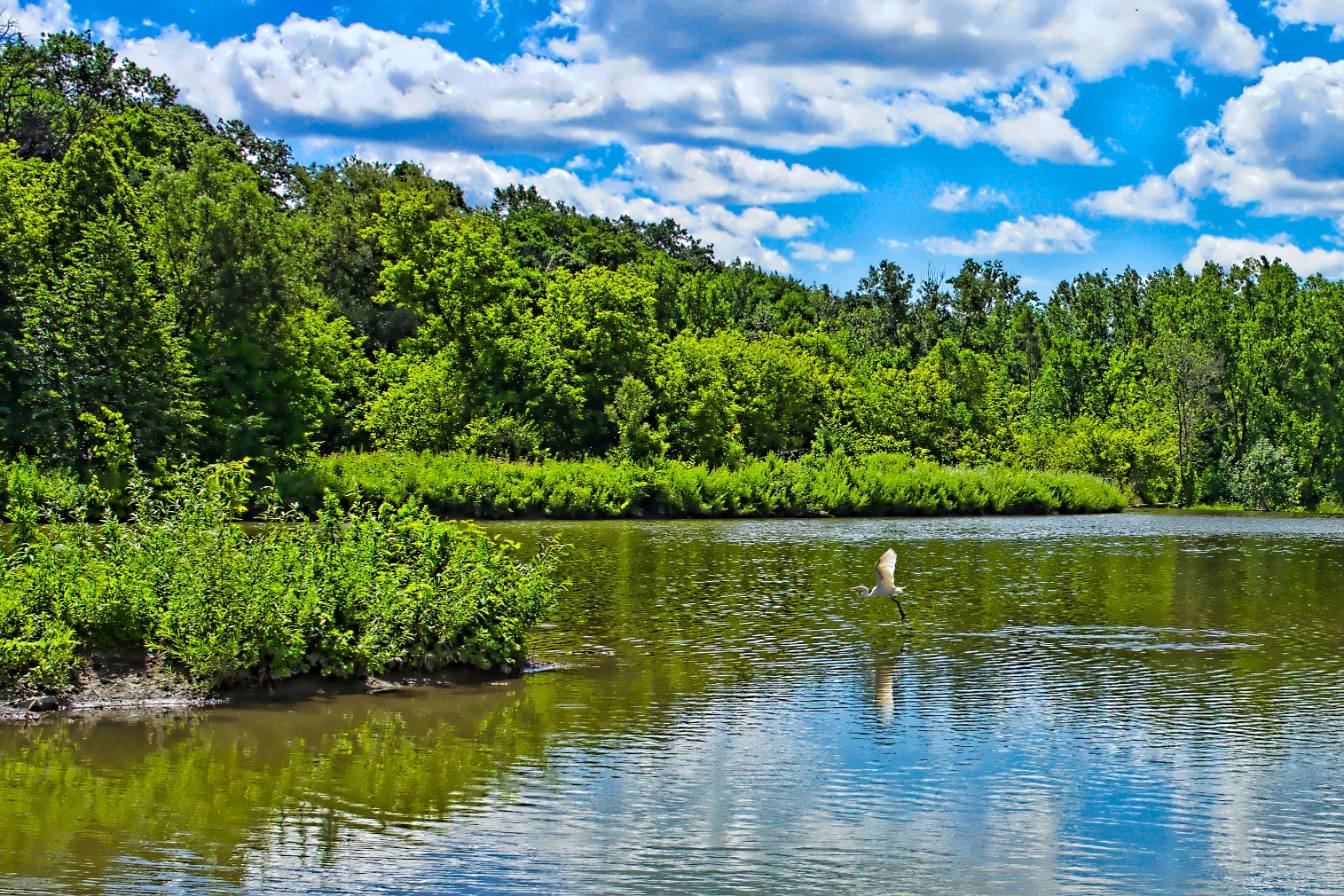
Great Egret takes flight.

Raymore Park has an astonishing variety of wildlife. Great Egrets are occasionally seen in the park and this one was seen taking off last month after wading through shallow waters ahead of the weir. They were nearly hunted to extinction in the 19th Century for their plumage which was used to decorate ladies’ hats. Once a purely migratory bird in southern Ontario, It is estimated that as many as a thousand breeding pairs make their home in Canada. Great Egrets are related to herons and have a similar profile. The first time I saw one in Raymore Park I thought it was an Ibis as they look so similar. The Ibis has a range much further south and is also a relative.

DSC01461

Click for larger image.

Hurricane Hazel Series- 1: The deadly knock

A knock on a door sealed the fate of two families on the rainy night of October 15, 1954. They lived on Raymore Drive in an idyllic neighbourhood by the shore of the Humber River. That night, radio stations had warned of a dangerous hurricane making its way north that would dump more heavy rain onto an already saturated ground.

Autumn in Ontario is a time of transition. The province occasionally finds itself in the path of extra-tropical hurricanes that are usually shadows of their former selves by the time their energy supply of tropical air has been cut off. This hurricane, named Hazel, was different. It had wreaked havoc in many areas of the United States. Instead of becoming a rain event, Hazel managed to re-energize itself by finding and merging with a cold low pressure area and using that to squeeze out more wind and moisture.

As the evening progressed, the storm parked itself over the city and the already swollen Humber River began to rise higher than residents had ever seen it. In wintertime, ice jams would bring water and inconvenience to the doorsteps of a few homes at the lower end of Raymore Drive but this time was different as the higher water level ceased to be an annoyance and started to become a threat. The roaring water surged wildly with no sign of levelling off.

As water lapped over thresholds into homes near by the river, one family thought it wise to ask neighbours on higher ground if they could bring over furniture threatened by the rising waters. This was the fatal knock. While the two families focussed on moving furniture to the higher house, their single-minded dedication to the task may have prevented them from acting quickly when events took a sudden turn for the worse.

What neither family could see and what would end up costing the lives of 35 residents of the neighbourhood was an unpredictable turn of events. Straddling the river was a footbridge. It was then, as its replacement is today, a convenient short cut from Raymore Drive to the bustling town of Weston, a centre of commerce for miles around.

As the water continued to rise, the western abutment of the footbridge was dragged off its perch into the river a few metres downstream where it anchored itself in the position it occupies today. The structure of the bridge held and in effect, re-positioned itself diagonally across the river forming a barrier which, thanks to the debris washing downstream quickly became a diversionary dam. Suddenly and without warning, the river was steered directly into the path of the homes at the end of Raymore Drive engulfing our two families and taking a total of 35 lives at this location.

To this day, the western abutment remains in the river, standing as a grim witness to that terrible night. The eastern end of the bridge is also in place and as mentioned previously, was decorated with a (now badly peeled) commemorative mural in 2002. Raymore Park itself contains no memorial to the people who lost their lives that day. Perhaps this would be a worthy project.
Looking upstream, the western abutment is still in the Humber.

Looking upstream, the western abutment can be seen below and to the left of the bridge.

Readers are invited to add their own memories or anecdotes of Hurricane Hazel.

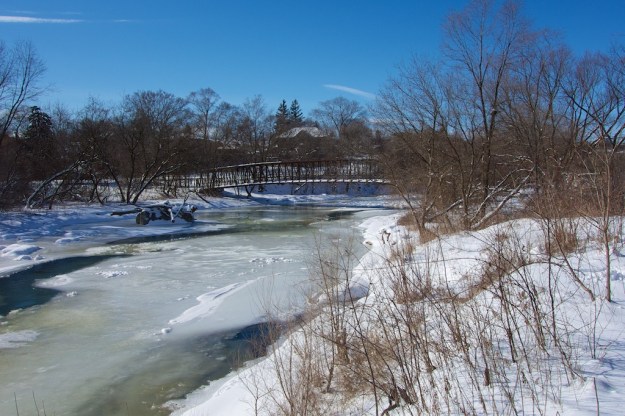
River ice restrained this year.

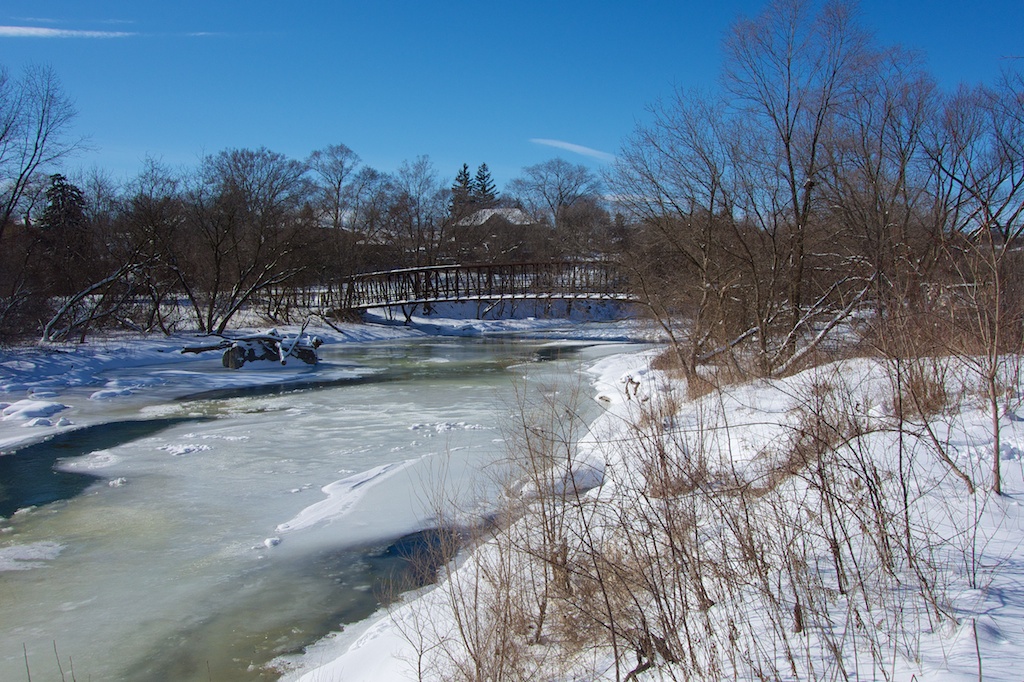
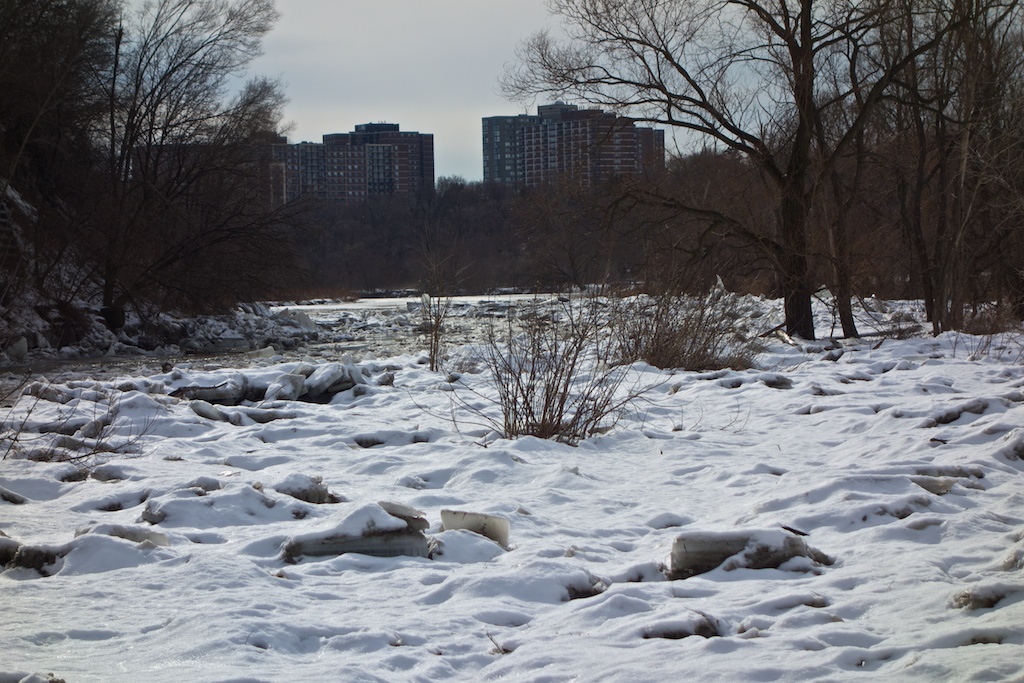
During most recent winters, there has been a battle between heat and cold, freeze and thaw. One of the features of a Raymore Park winter thaw is the flooding of the wild area across from the parking lot. An increased river flow usually caused by rain, raises river levels and cracks the ice cover. The ice then progressively forms a moving dam and flood which moves gently downstream. In a couple of decades of observing the before and after, I have never seen the process in motion. This January, after the recent thaw, the ice stalled before the river widens above the weir and no doubt will produce some spectacular flooding and subsequent erosion when the next strong rain event occurs.

Ice littering the banks of the Humber, January 2014.

Ice littering the banks of the Humber, January 2014.

Considering the cold weather prior to the thaw, the ice is surprisingly thin. The approaching ‘PolarVortex II’ will no doubt consolidate the present ice dam.

Hollywood snow.

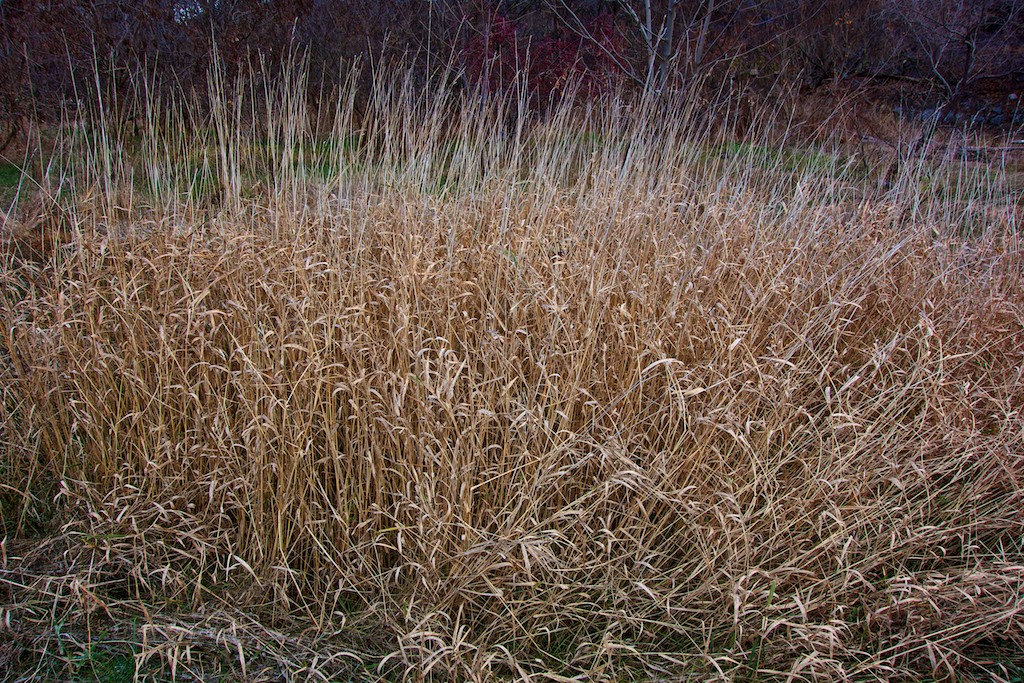
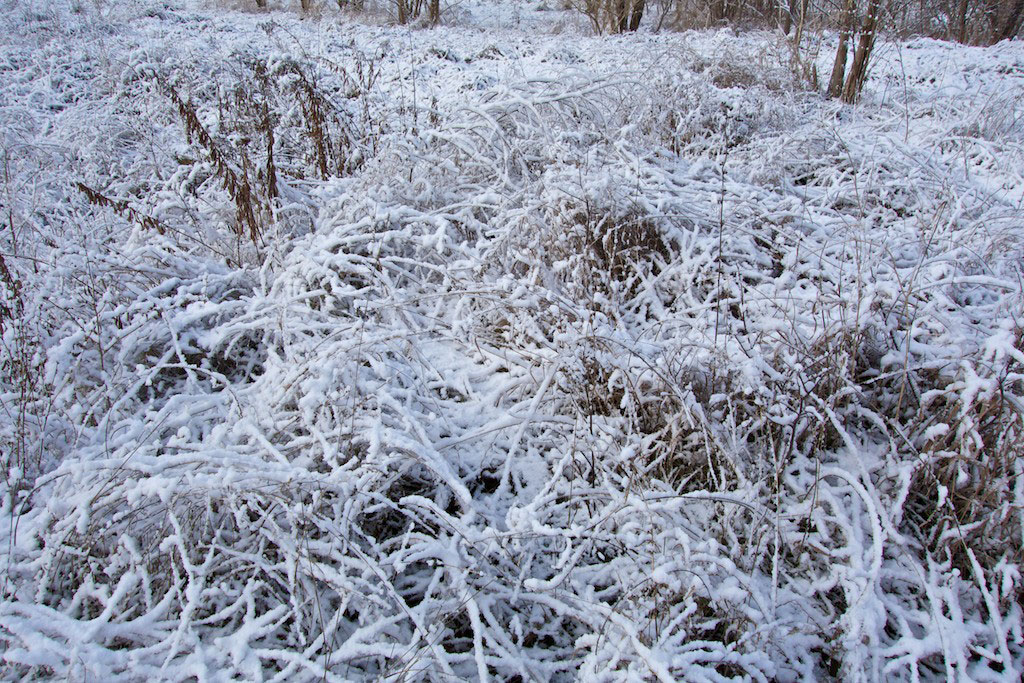
The first real snow of the season transformed the park into a movie set. The snow began as rain, and once everything was soaked, the air turned colder and helped by a stiff breeze, snow snow attached itself as if it had come from a machine. Here’s a couple of before pictures:

Beautiful browns.

Beautiful browns.

Standing grasses.

Standing grasses.

With wet snow clinging to the grass, it bends and flattens to begin the mulching and seeding process.

Hollywood snow machine.

Hollywood snow machine.

Snow can be a heavy blanket. While this snow will not last, the next snowfalls will continue the flattening process so that by springtime, there will be little trace of the previous year’s plants.

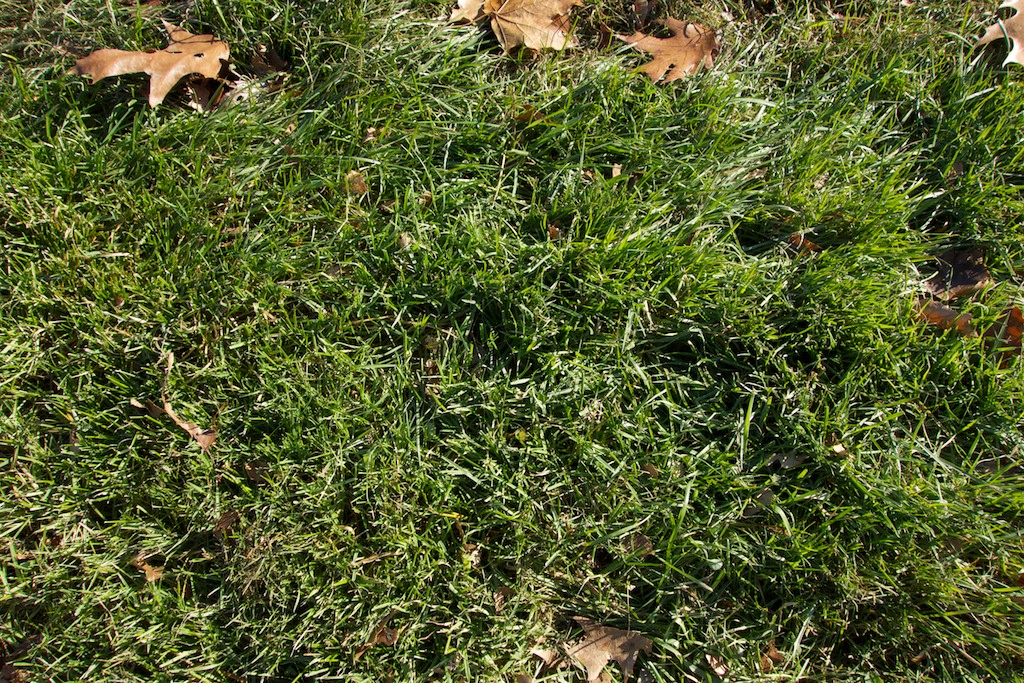
Lawn gods don’t ask for much.

Who knew that all you have to do to maintain a spectacular lawn is cut and aerate it. The occasional re-seeding helps too.

DSC03787

This grass in Raymore Park hasn’t been treated with weed killer or insecticides in this century and is cut relatively infrequently (with a mulching mower) and aerated annually. In spite of that (or perhaps because of it) there are no bare patches, few weeds and no animal diggings for grubs. When a weed killer ban was proposed around 1999, there was a huge outcry from those who thought that weeds would replace grass in Toronto’s parks. Somehow, the chemical lawn brigade’s fears were as justified as those around computers and the Millennium.

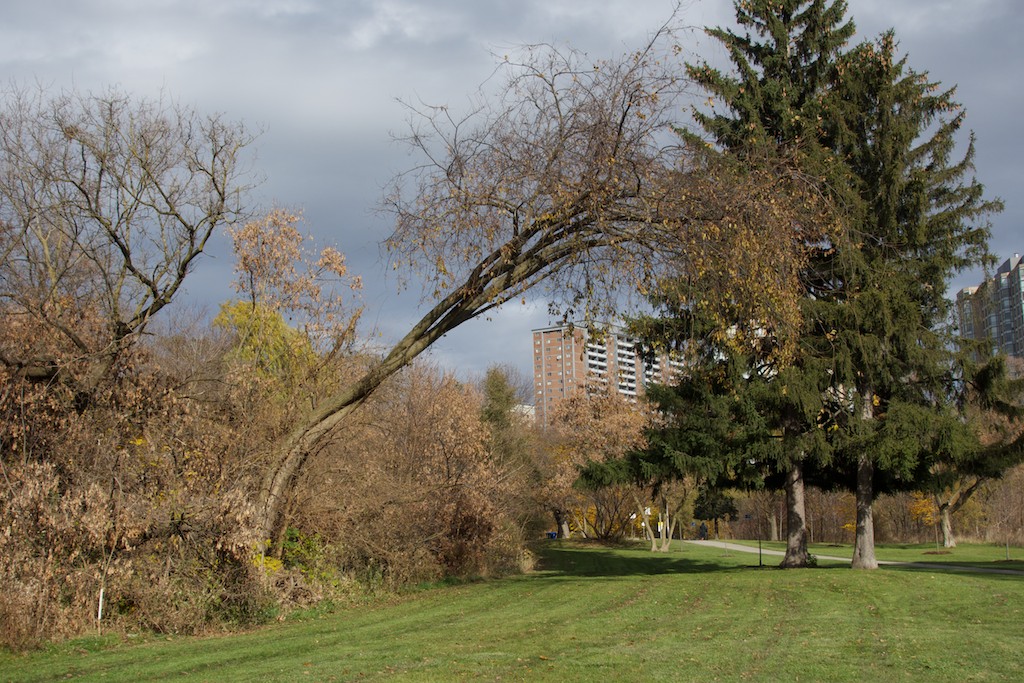
There is a tree that leans at a jaunty angle and I confess to walking at a brisker pace when underneath it. I have the impression that the lean is increasing so perhaps this winter will be its last.

DSC03748


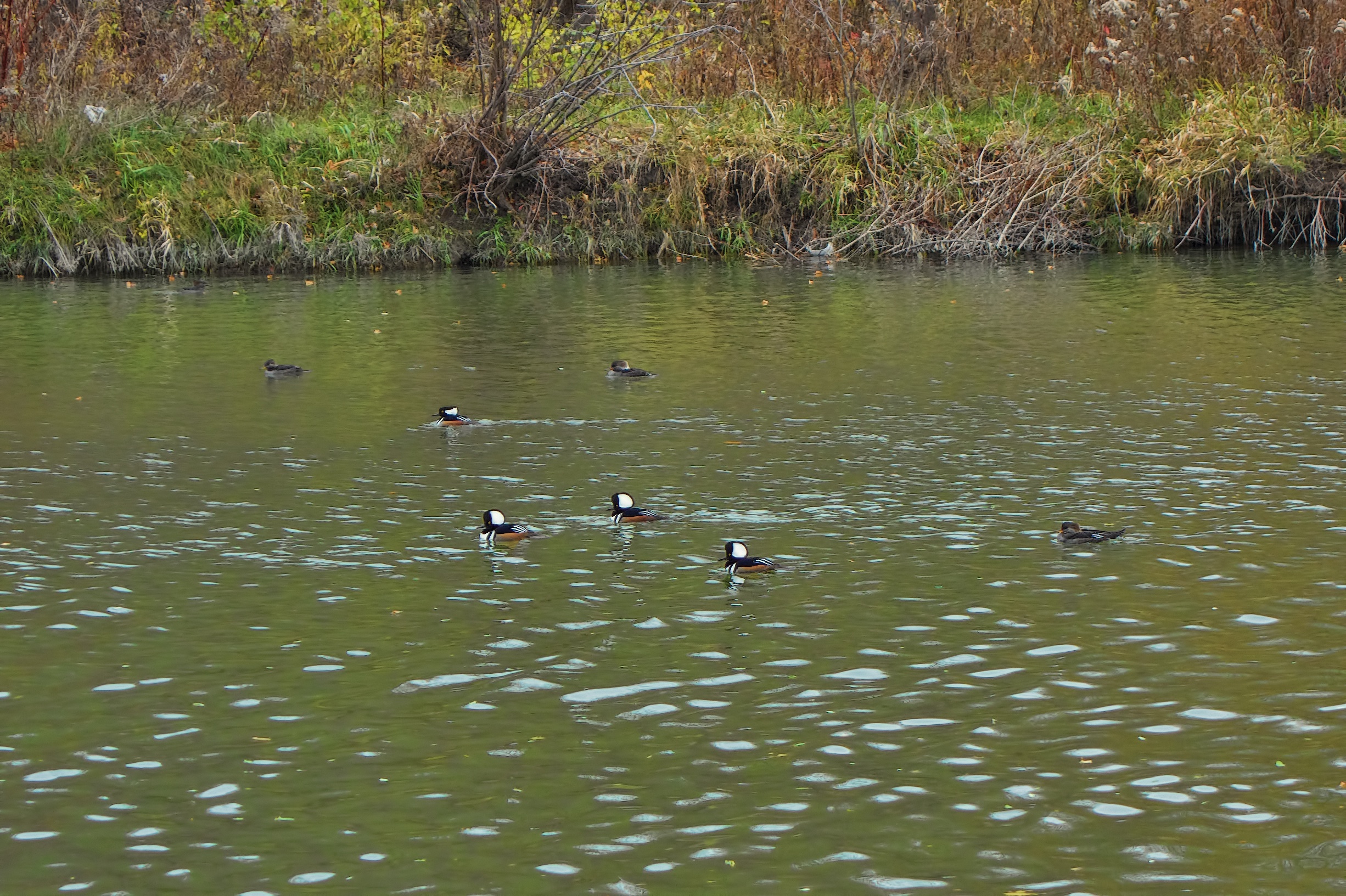
Lastly this group of Hooded Mergansers have returned to the Humber to add an exotic air. They are quite shy but don’t seem to mind hanging around with the resident mallards.

DSC03765

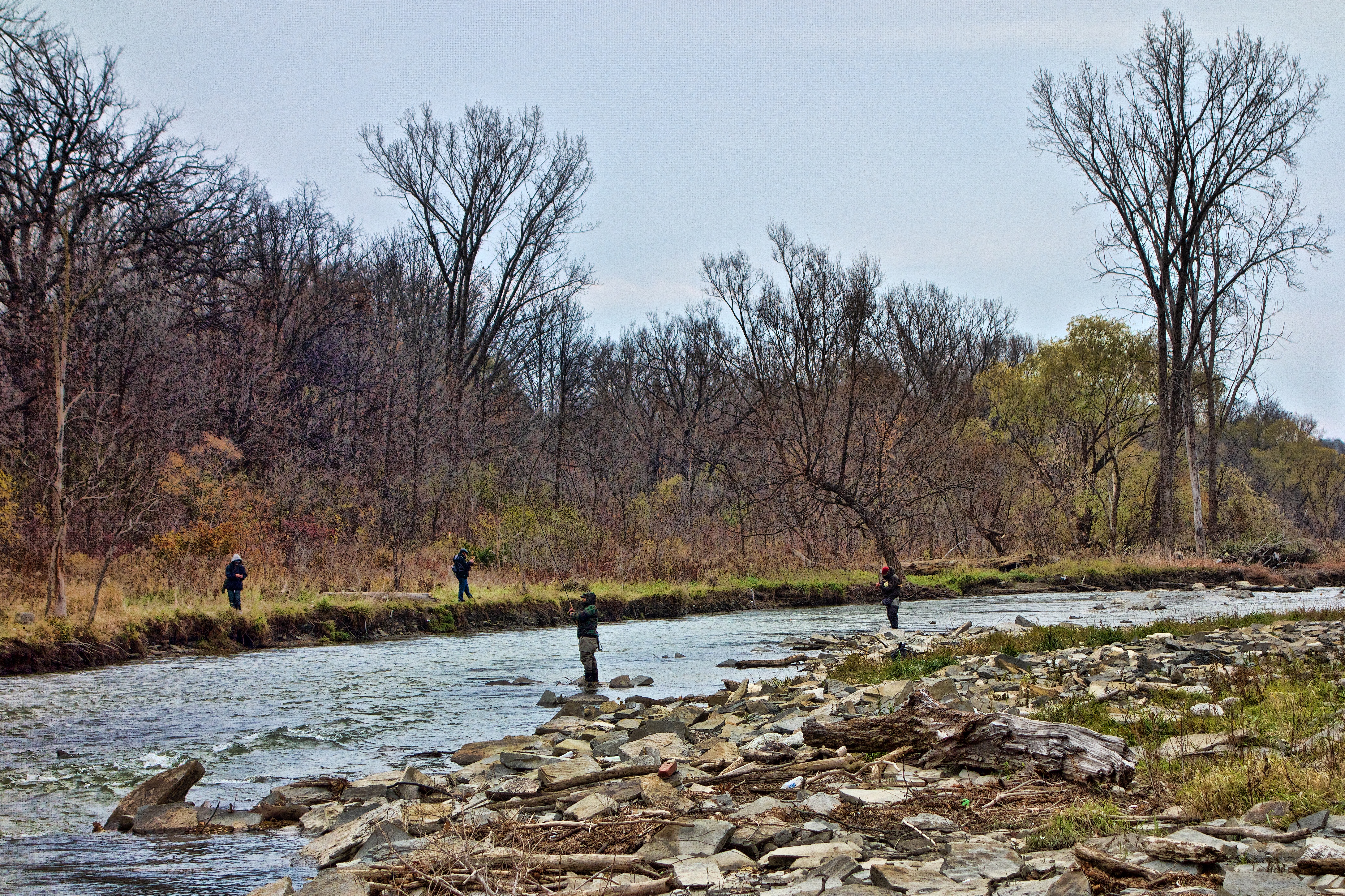
Fishing on the Humber

These fishermen formed a group along the Humber this weekend.

DSC03766

Click for closer view.

Contrary to common belief, migratory fish caught in the Humber are edible with no health concerns.

I was talking to a fisherman the other day and apparently the Ministry of Natural Resources is quite active along the Humber. Ministry officials go so far as to lurk in the bushes in camouflage gear waiting to charge people who fish too close to dams or use other illegal methods such as snagging or netting. Personally, it just seems like hard work for little reward, plus I’m not so keen on ending the life of such an amazing creature. There are others who catch and release but to me that’s pointless and cruel.

It’s that time…

Let it snow.

Let it snow.

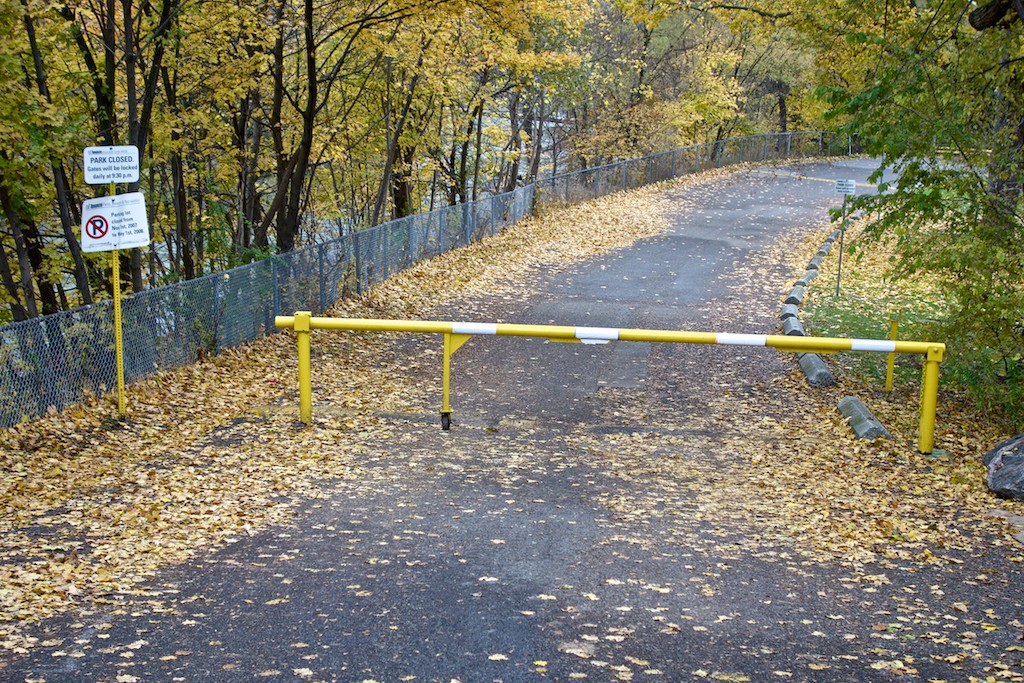
For the past few years, Raymore Park has closed its gate at the beginning of November and it stays that way until the end of March. This is because snow can occur at any time between these dates and many people are unable to drive back up a steep snowy hill to exit the park. This cuts down on quite a large number of visitors as the effort to park on Tilden Crescent and walk down to the park seems to deter most people.

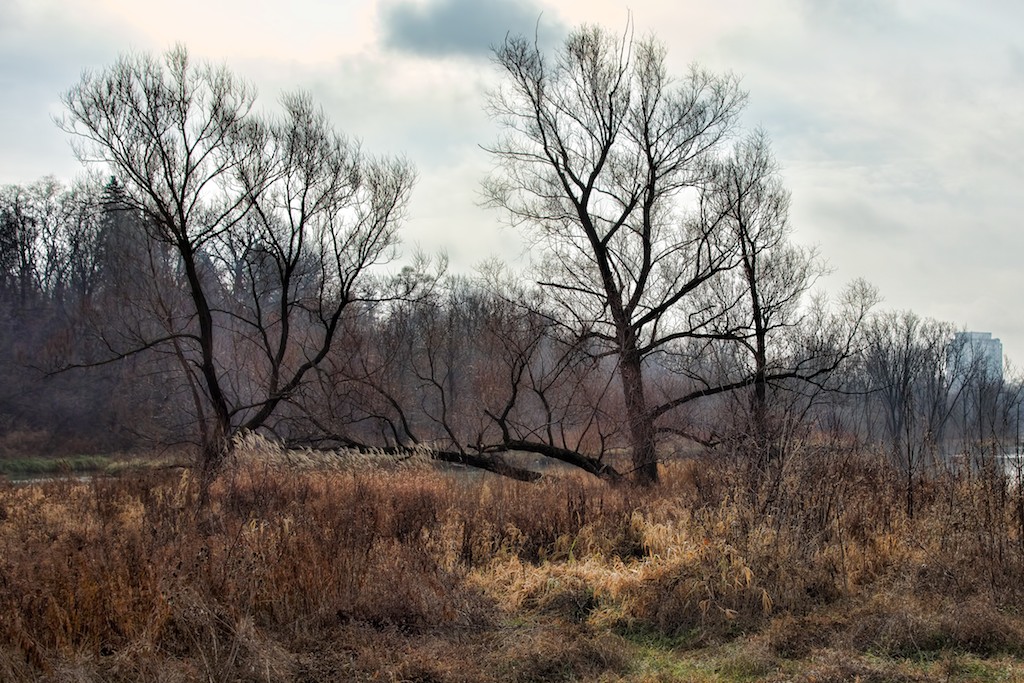
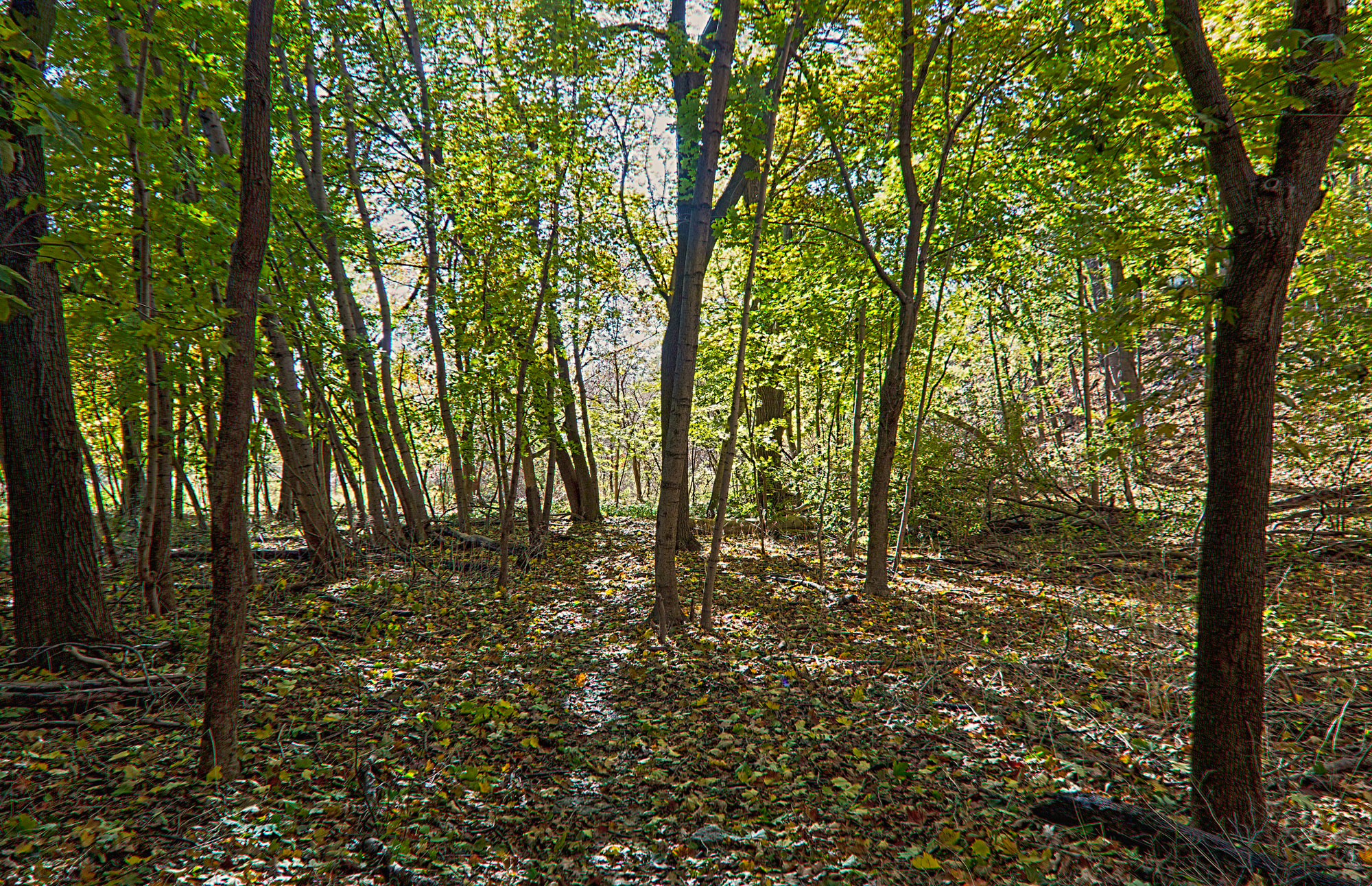
Light still is creating fascinating scenes in the woods. Here’s an attempt to capture what the eye sees using an HDR shot based on two images, one capturing highlights, the other, shadows then merged in Photoshop.

Woods-HDR