Category Archives: Photography

A Powerful Force

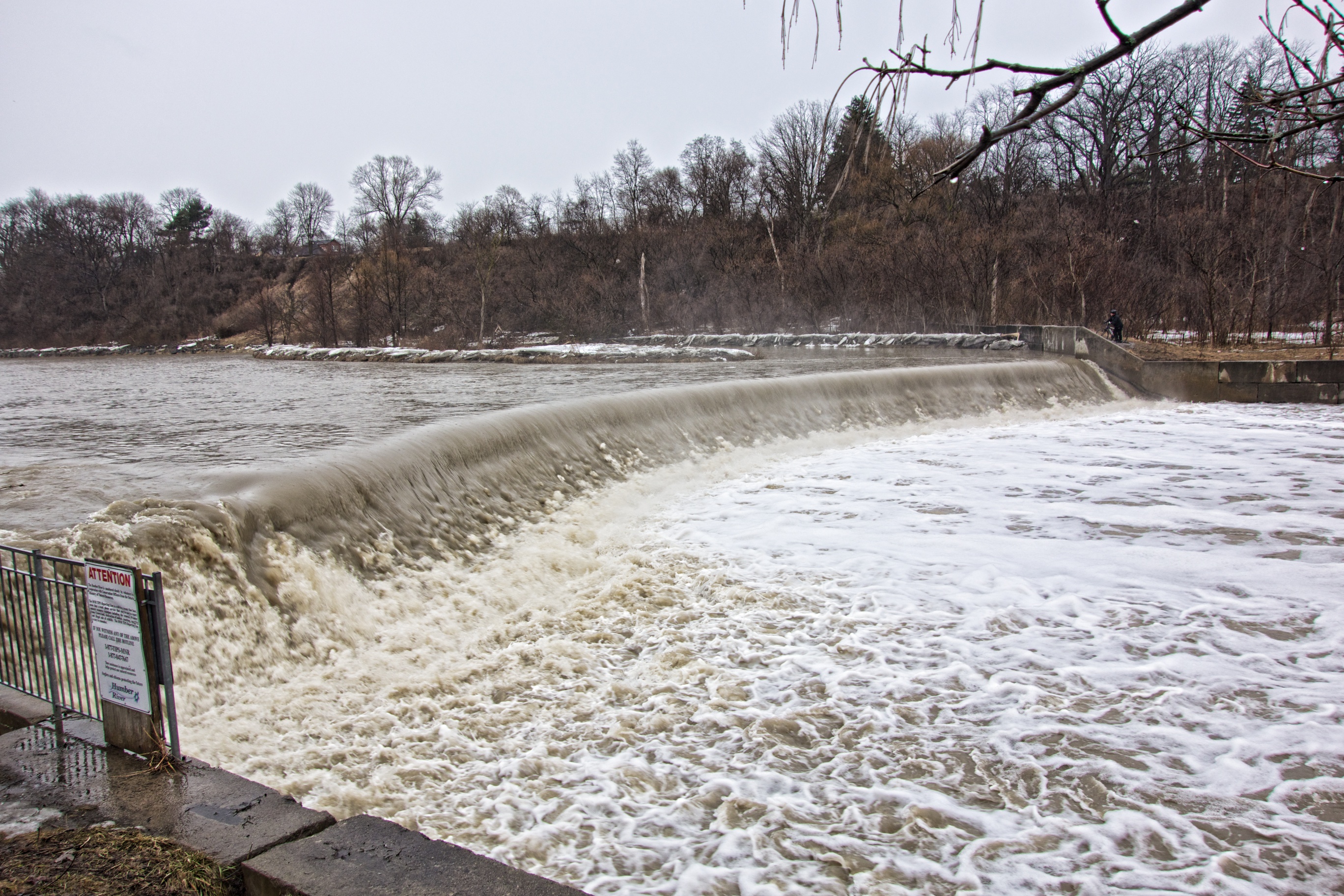
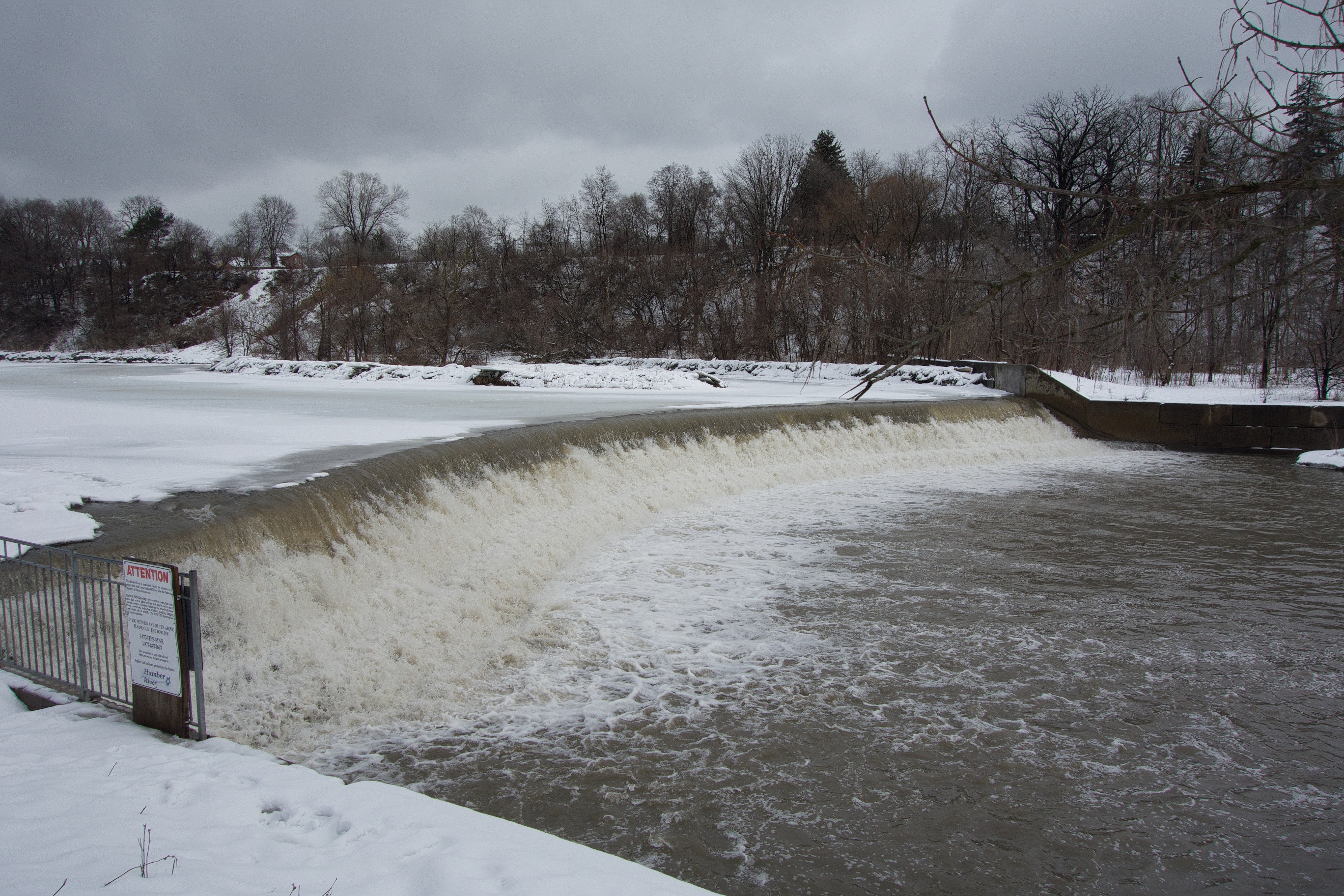
Flood waters are peaking and the Humber is sending billions of litres along with much flotsam and jetsam to Lake Ontario. Today’s photographs don’t do the event justice so here is a short movie together with some views of the raging torrent.

Let’s start with some wildlife – these ducks (in the centre of the image) are conserving energy by resting in a quiet eddy away from the maelstrom.
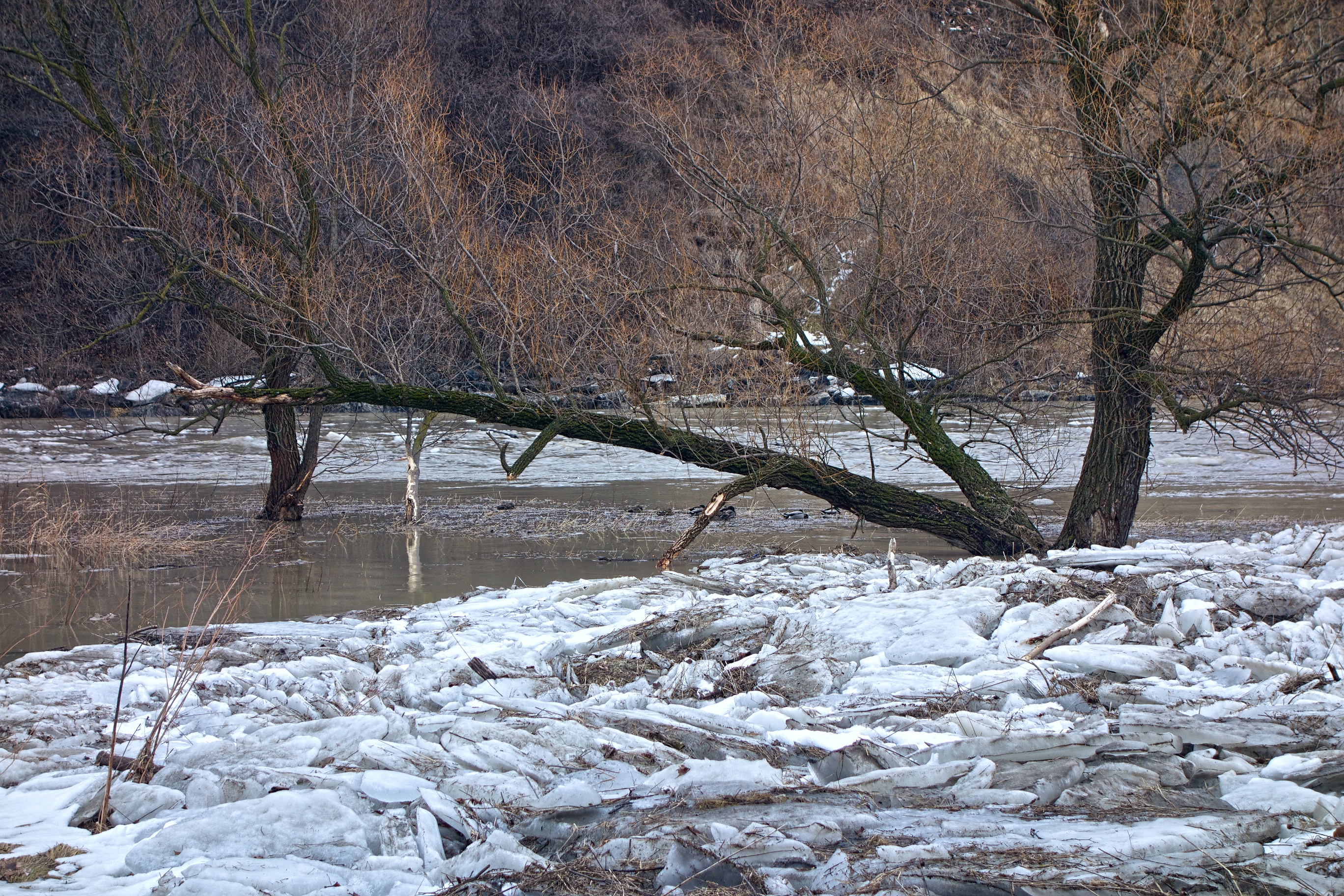
Ducks find refuge in calm waters.

Ducks find refuge in calm waters.

The amount of lumber going downriver is quite remarkable.
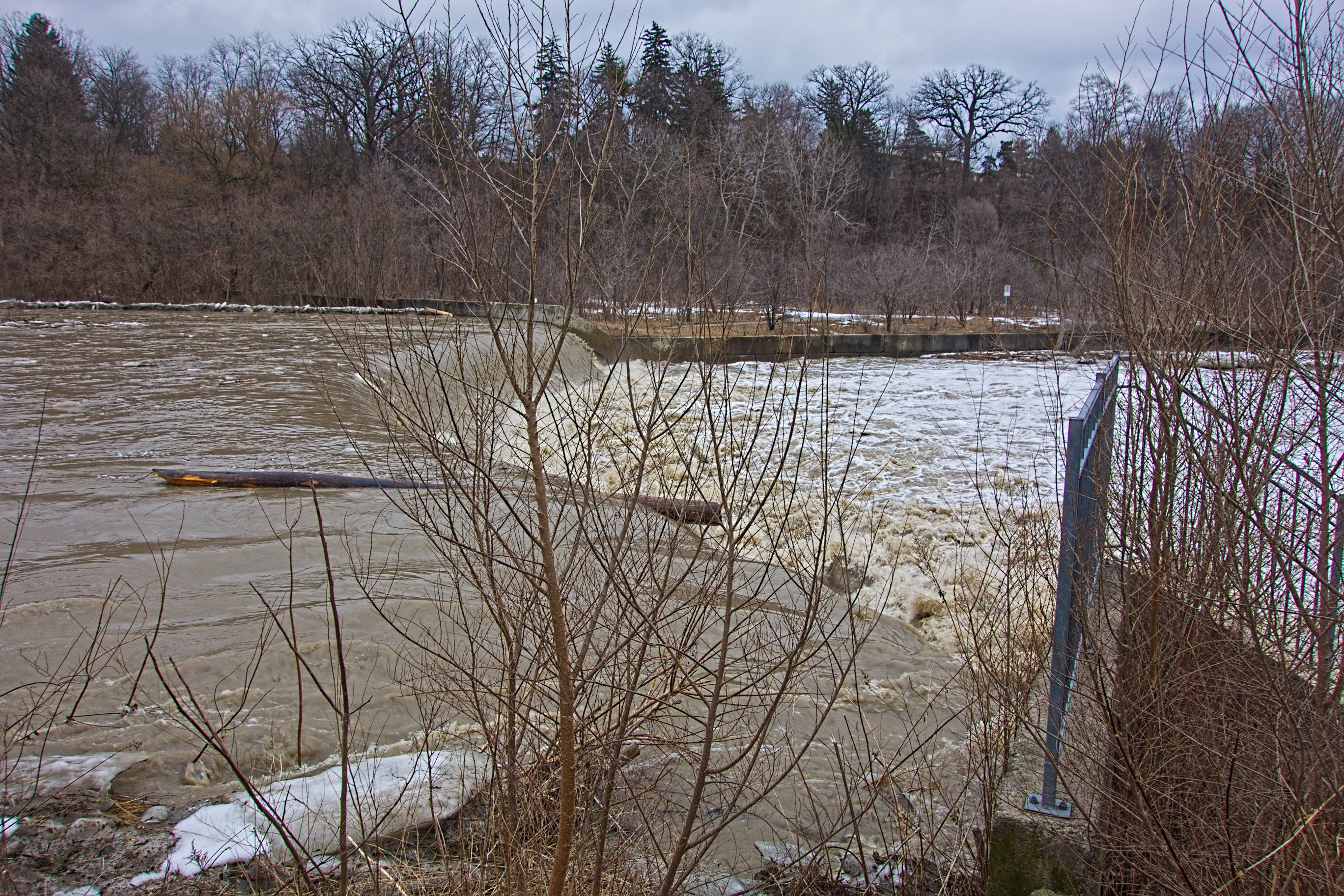
Huge amounts of lumber are being transported - a log is just about to go over the weir.

Huge amounts of lumber are being transported – a log is just about to go over the weir.

Standing close to the weir is quite the sensory experience with the thundering of the water (now much closer to bystanders) punctuated by the thumping of logs and ice blocks.
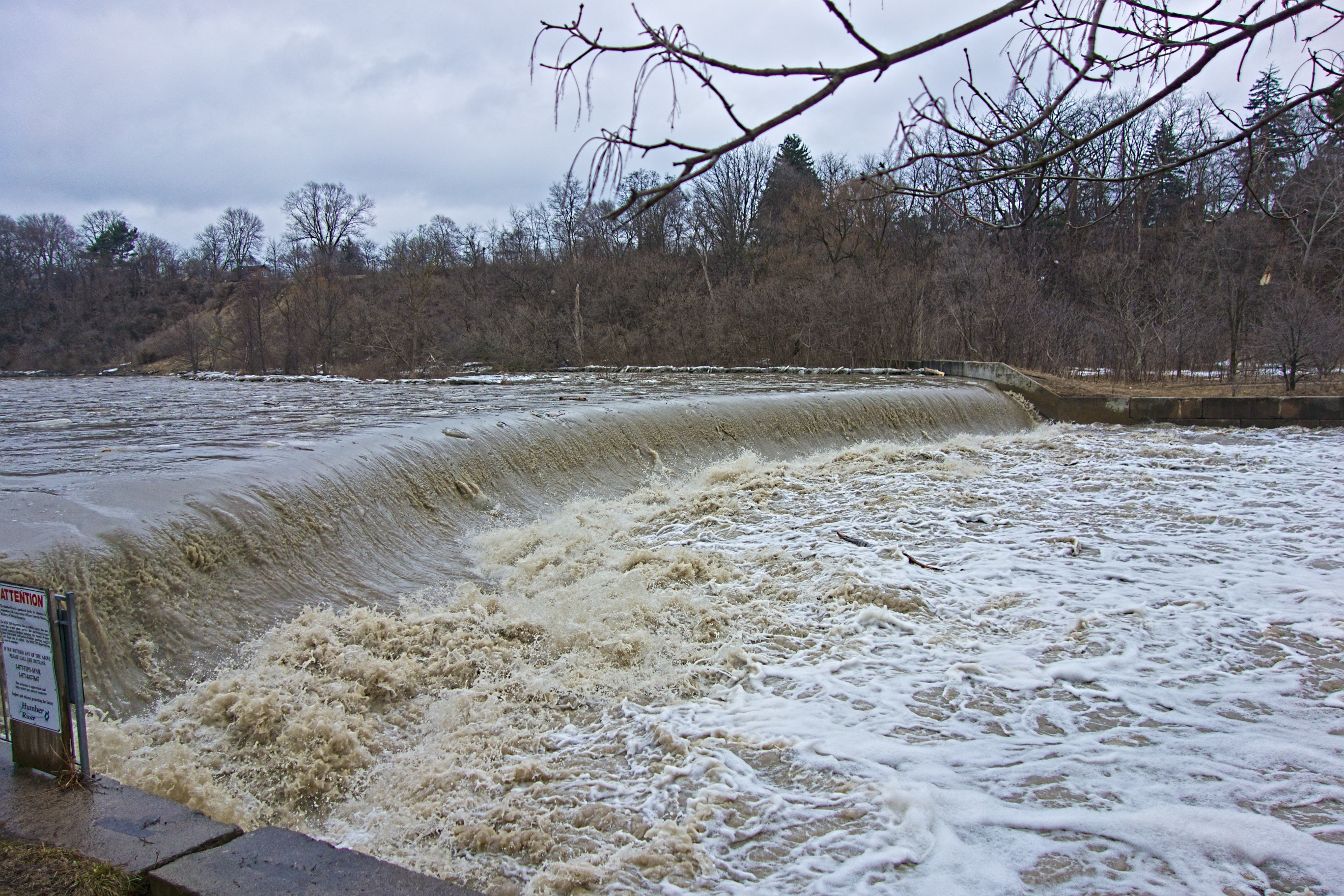
It's a very intense experience to stand close to the water.
It’s a very intense experience to stand close to the water.

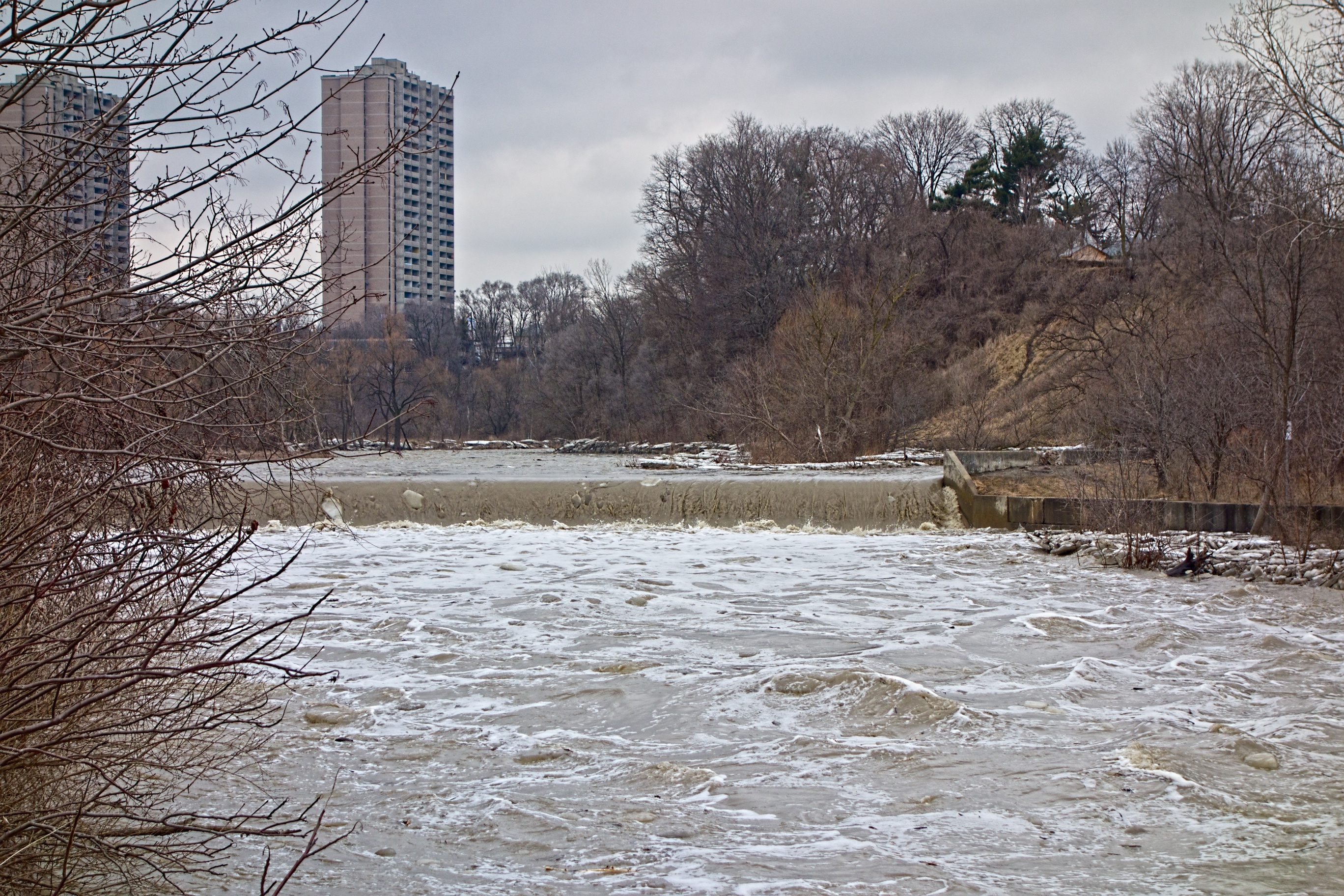
Chunks of ice are carried over the weir.

The twin carbuncles bear witness as chunks of ice and other debris are carried over the weir.

In a few days, water levels will be back to normal but for now, the power of nature is a reminder of how puny we are.

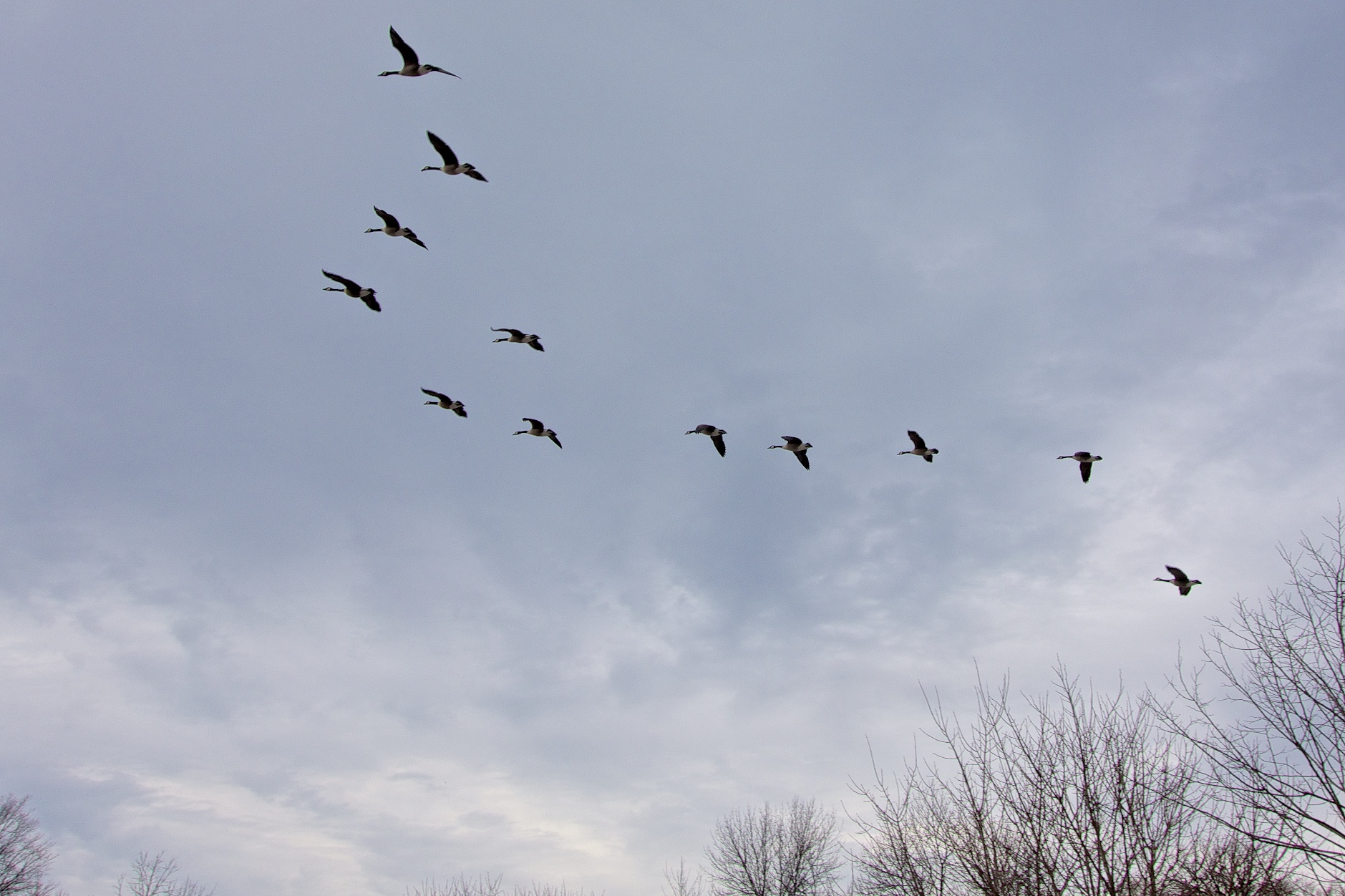
Transition time.

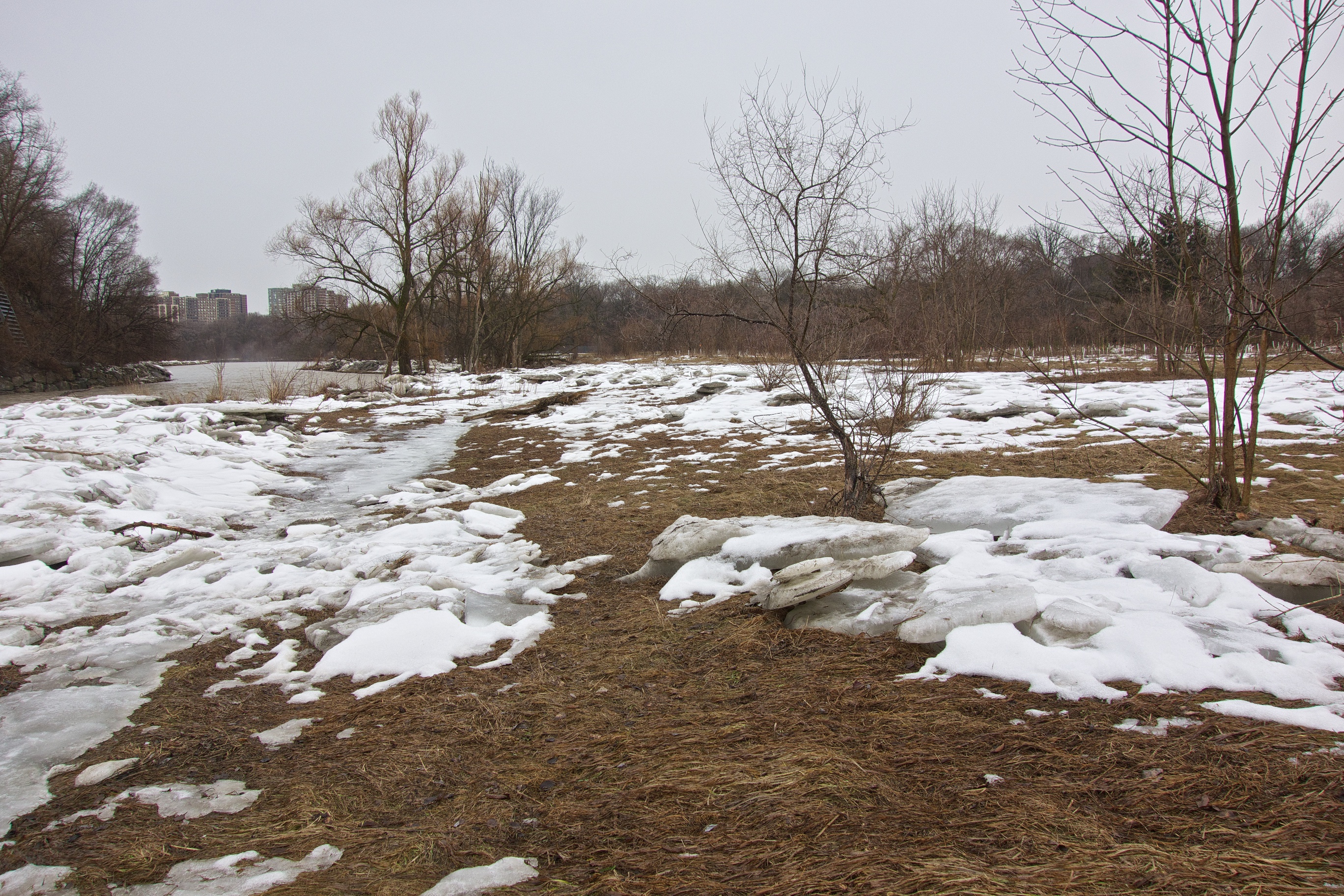
Raymore Park is at the exact latitude of Florence in Italy. Despite this, our climate is about 12°C (22°F) colder in winter because Florence has the Alps blocking the path of arctic weather. Our closest mountains of influence (the Rockies) usually block mild westerlies from the Pacific, leaving us vulnerable to cold northerly winds in winter. Although the Great Lakes provide a moderating influence, ours is a continental climate with short transitions between seasons. Land warms and cools quickly and seasons tend to advance (and retreat) without too much fanfare.

Wildlife is poised to return in force. Many animals are already on their way through migration. Monarch butterflies for example have already begun the trek from Mexico, each generation moving north as conditions permit. Billions of creatures in the park will spring to life from the seeds and eggs left behind by their ancestors, killed in the mass extinction that occurs every Fall. Atlantic salmon are preparing to spawn, triggered by rising water temperatures. Geese and other water birds are pairing up and aimlessly mooching around the river like teenagers in a shopping mall while plants are awaiting the signal that tells them it’s safe to emerge.

Mooching geese.

Mooching geese under a leaden sky.

Huge amounts of sediment laden water are draining off the land from tributaries all along the Humber. The ground is fully saturated ready to nourish plants when they start growing.

Huge amounts of water drain into the Lower Humber.

Huge amounts of water are draining into the Lower Humber.

The land is saturated.

The land is saturated as snow and ice melt.

For now though, it’s quiet.

In praise of Staghorn Sumac

Staghorn sumac is a wonderful plant and there is lots of it in Raymore Park. What’s so wonderful?

For starters, it’s native and seems to be resistant to pests.

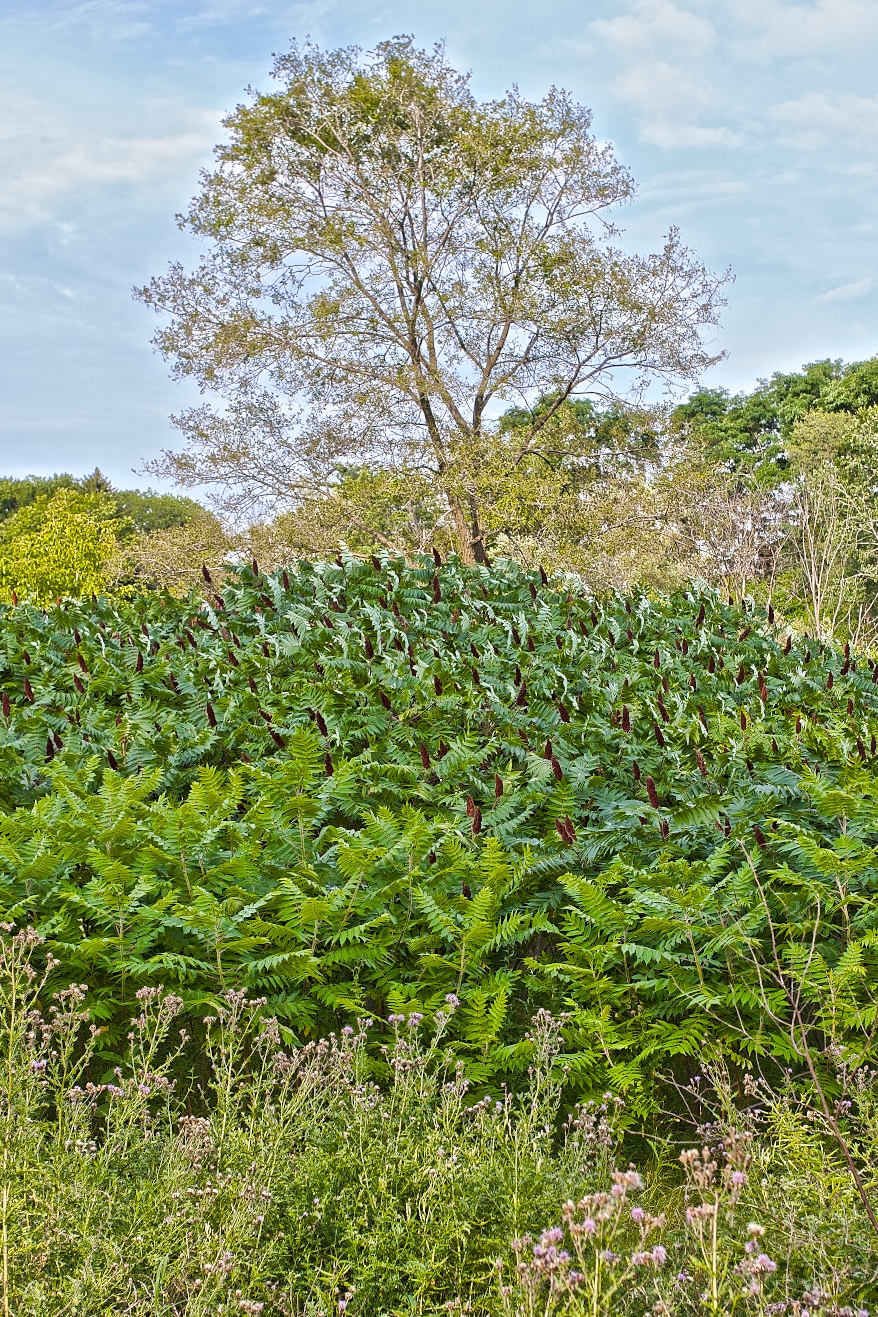
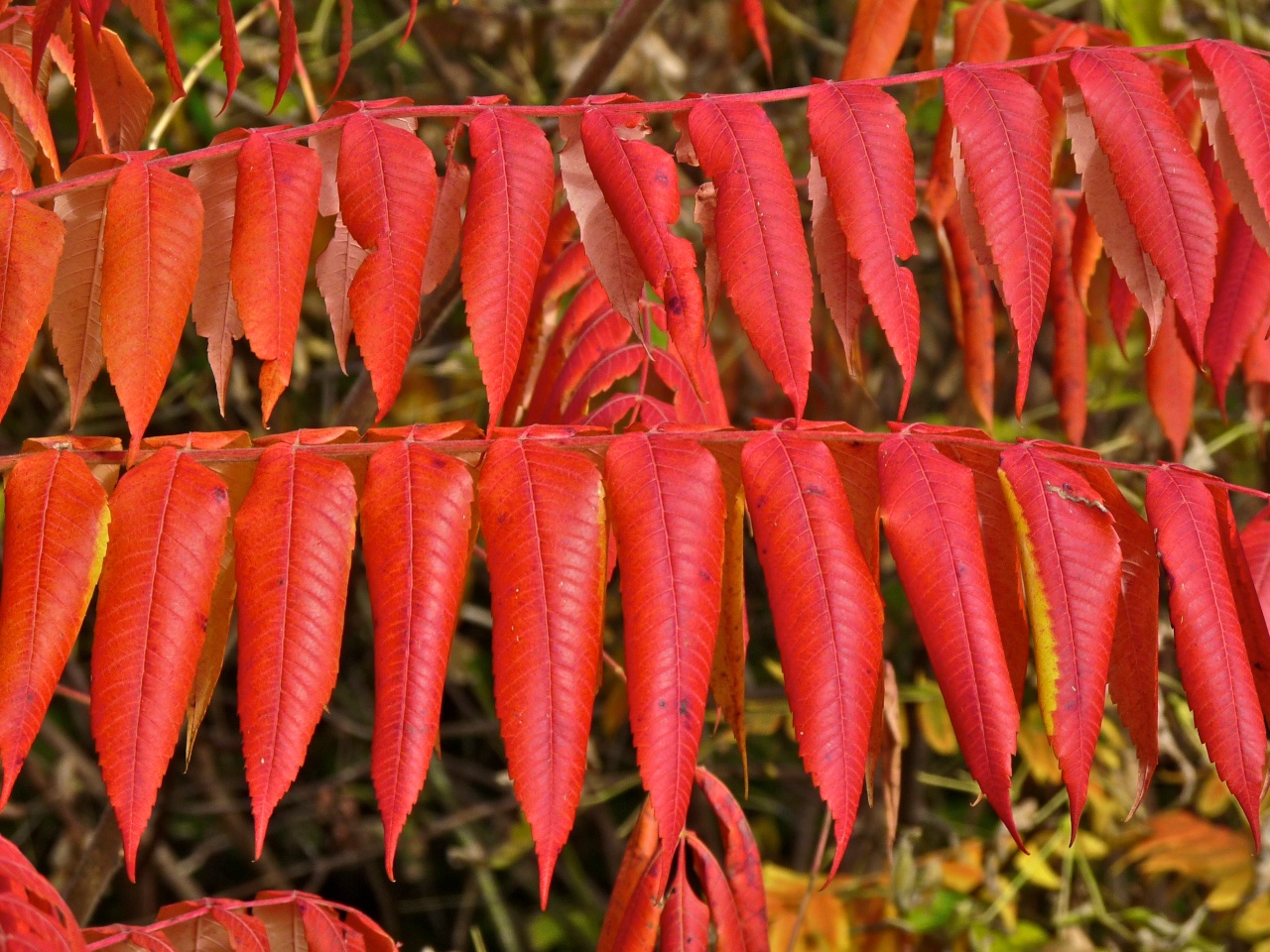
Second, it’s attractive with a kind of tropical look to it in the summer and a vivid red colouring in the fall. Its red flowers stay on the plant all winter.

A stand of sumac in summer.

A stand of sumac in the wild area in August.

Sumac in mid-October.

Sumac, brilliant in mid-October.

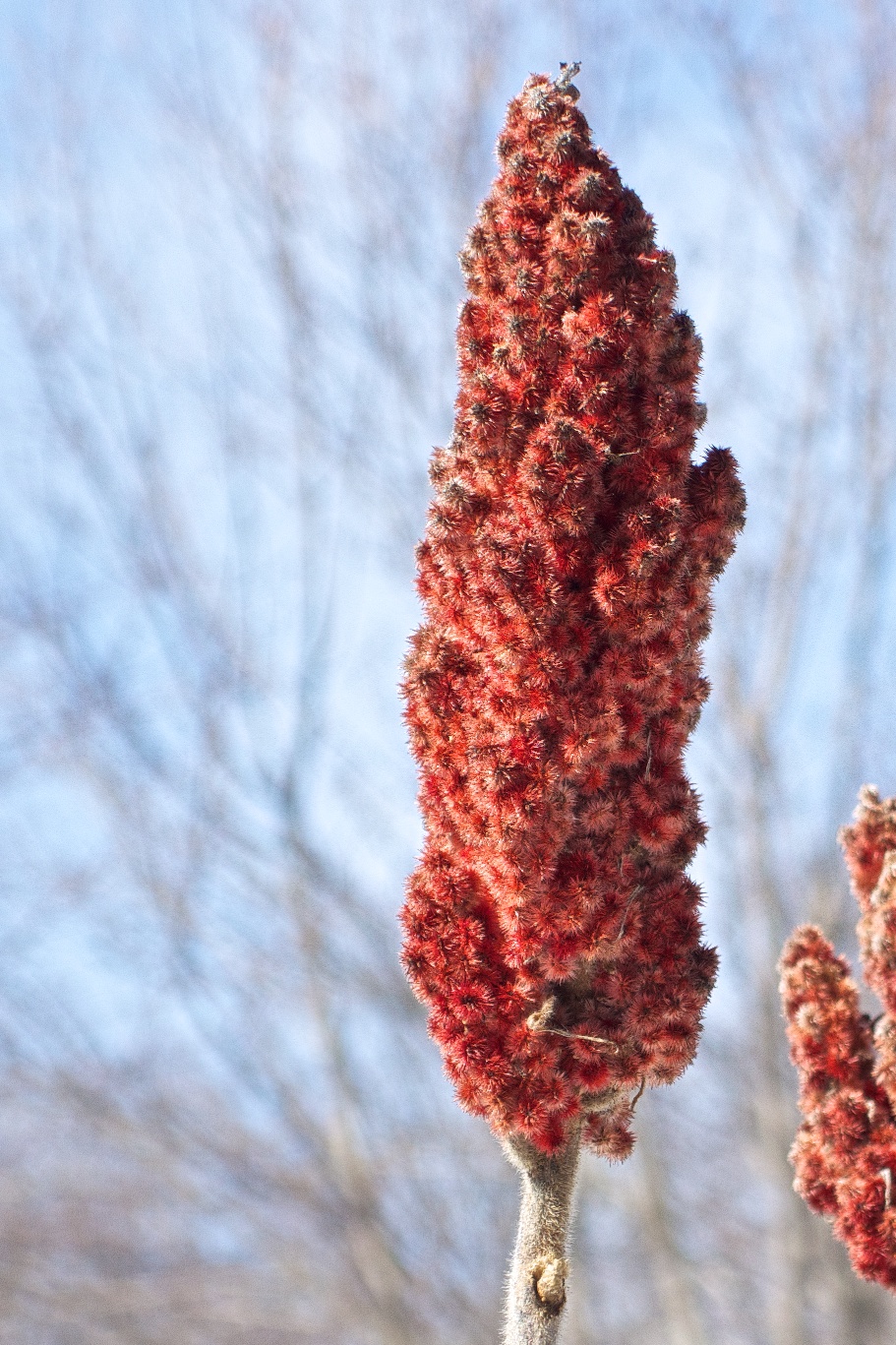
A sumac flower (March 9, 2013).

A sumac flower – note the velvet on the stem that gives the ‘staghorn’ name (March 9, 2013).

Third, it benefits wildlife by encroaching, in spite of human efforts to control it. Mowers have to give encroaching sumac an ever-wider berth as sumac leans out as it grows, allowing the roots to put out new shoots. Its deep shade starves less worthy plants of sunshine.

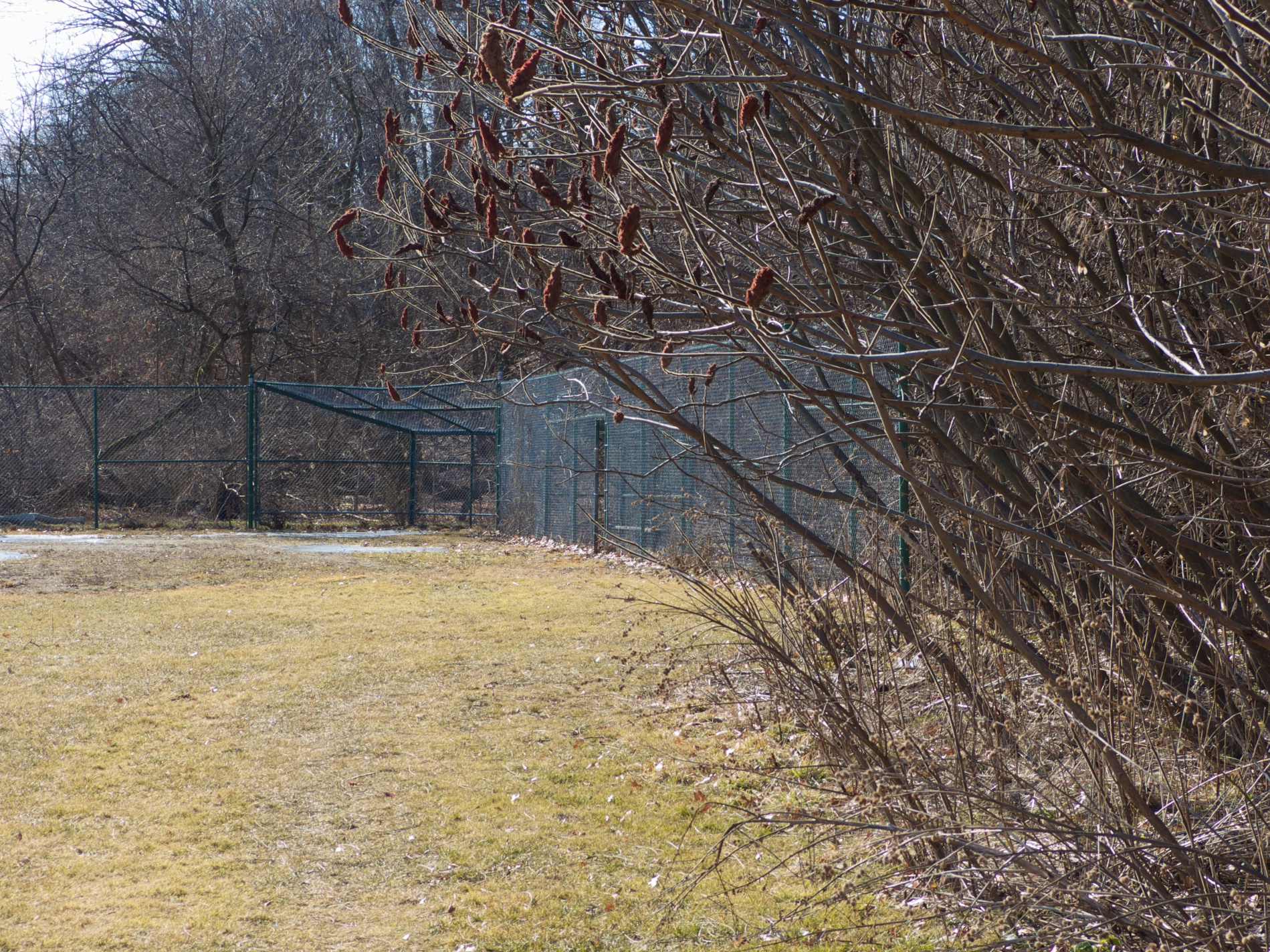
This disused baseball diamond is turning into woodland (slowly).

This disused baseball diamond is turning into woodland (slowly).

Fourth, it supports a variety of native wildlife from the insects that feed on its nectar to birds feeding on the flowers that stay throughout the winter. Deer along with other mammals eat the foliage and branches.

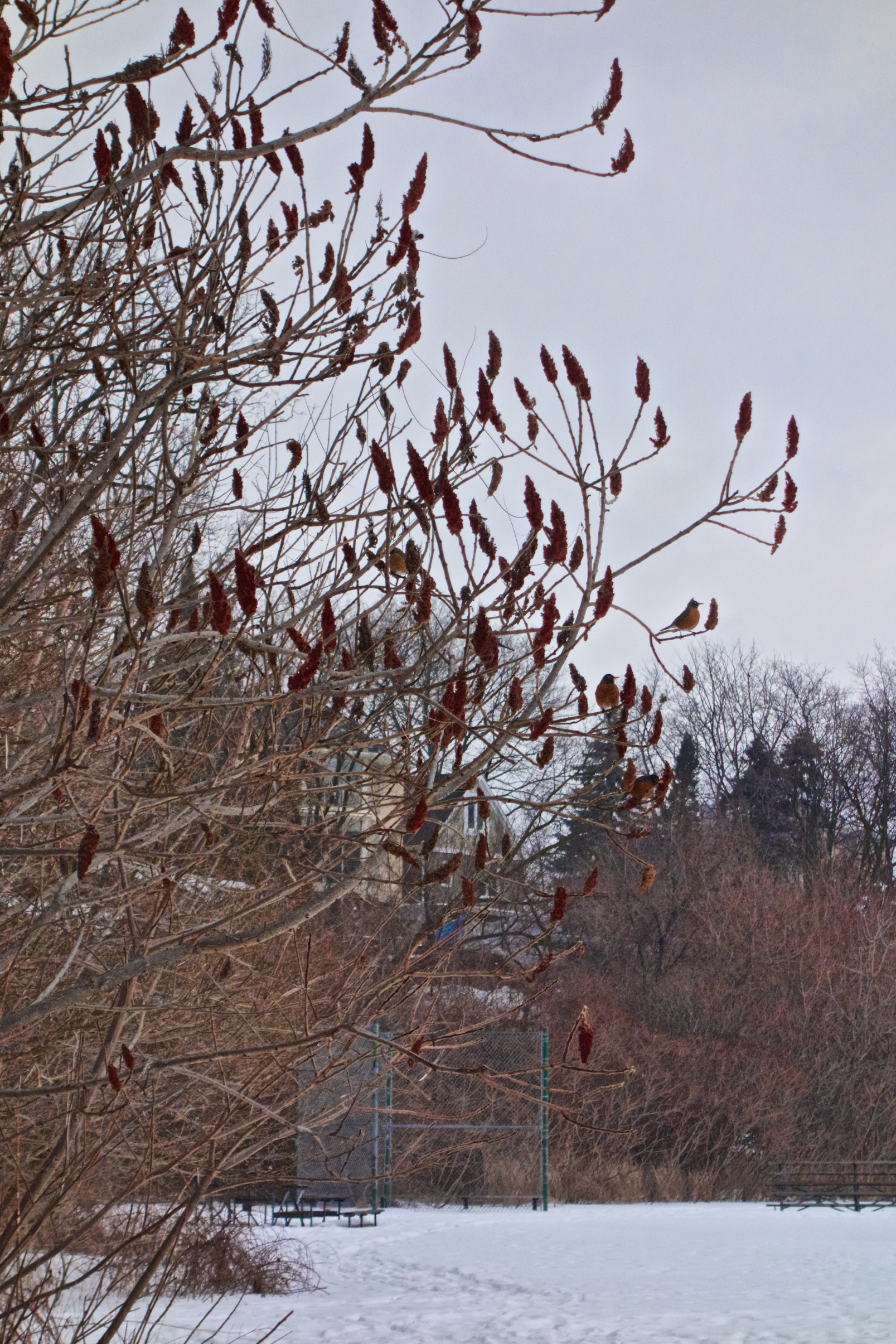
Count the robins enjoying a winter meal.

Count the overwintering robins enjoying a meal.

Humber footbridge – alternate view

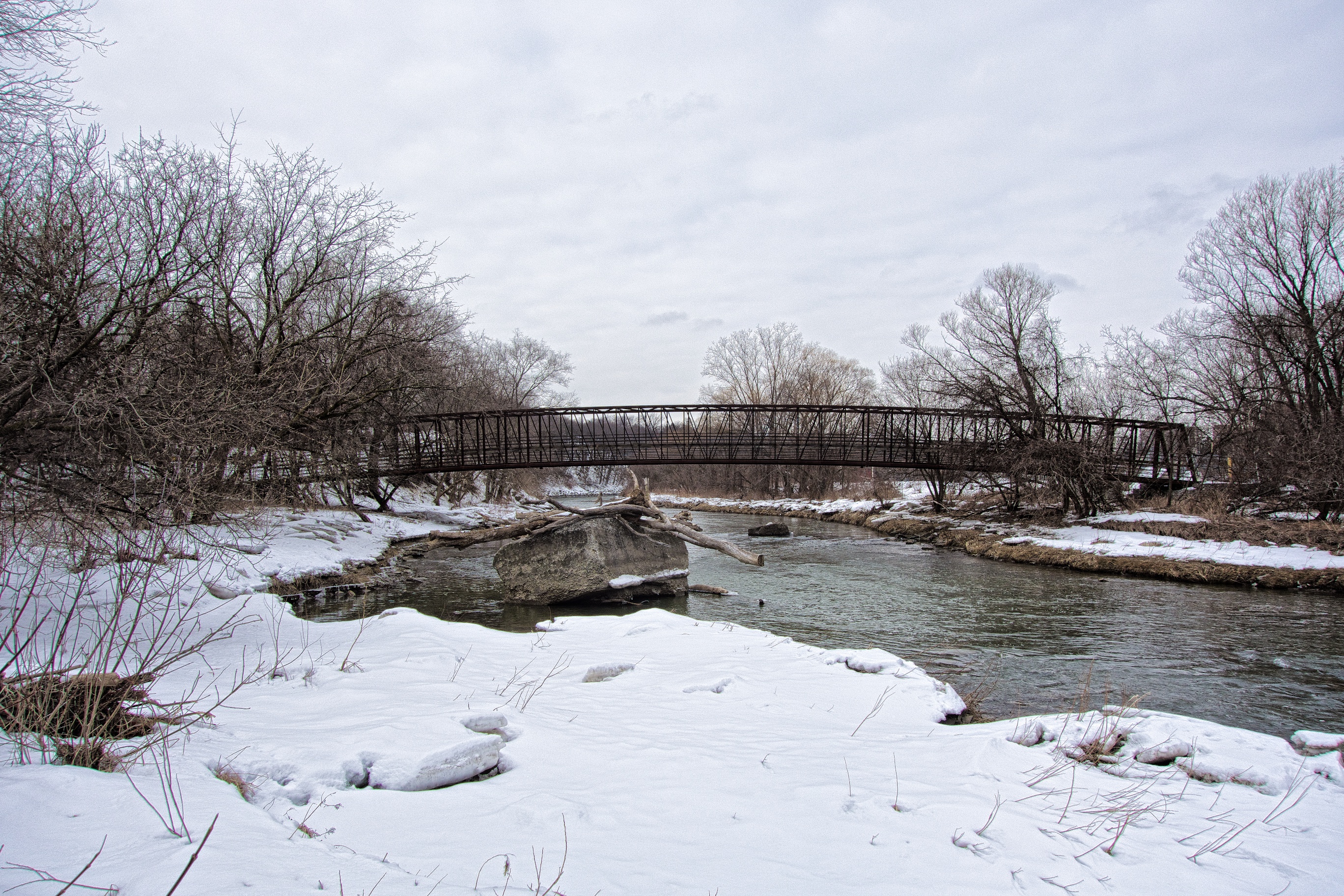
The Humber footbridge looks good from just about any direction but this view looking north features the old suspension footbridge abutment in the foreground.

The old abutment captures driftwood from upriver.

The Humber footbridge and the old bridge abutment on a late winter’s day.

The footbridge was installed in 1995 (after an absence of 41 years) with provincial help, as part of the goal to have a waters’ edge trail from Lake Ontario right up to the Humber’s source on the Oak Ridges Moraine. As part of this goal, this summer, a 600m extension will move the end of the trail from its current location in Cruickshank Park to a set of steps by Weston and St Philips Roads. At the moment there are negotiations around land ownership issues further along the riverbank – hopefully these will be resolved soon.

Beauty in a mass extinction.

Coming to an ash tree near you.

The terrible beauty in an insect’s destruction.

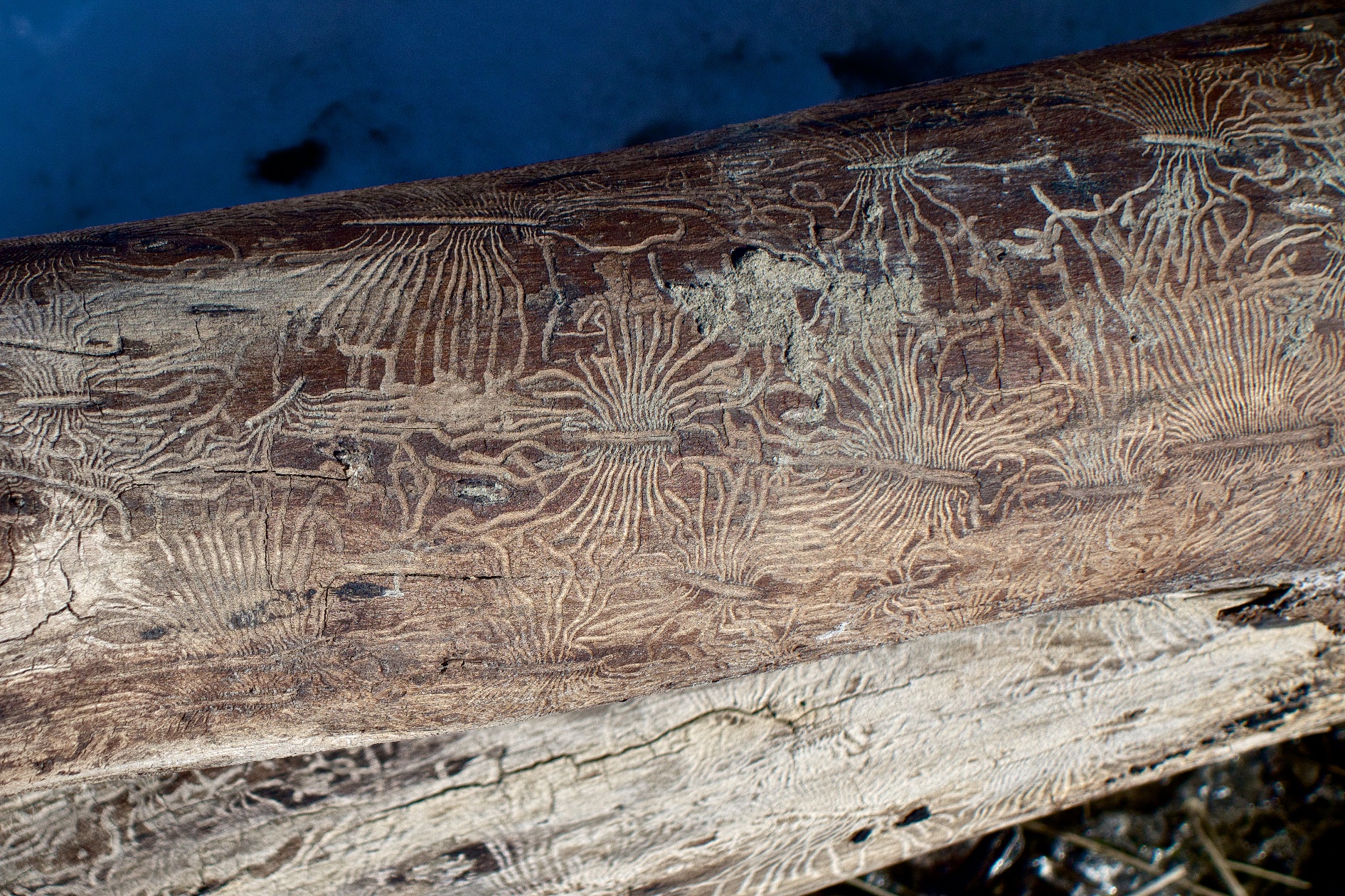
I found this piece of wood a couple of days ago and photographed it again today. The patterns carved into the wood are beautiful and resemble Australian aboriginal art but their origin is quite sinister. This wood has been infested by a creature known as the Smaller European elm bark beetle. Although this beetle (like many other bark beetles) doesn’t kill the trees it infests, it is the invasive species that carried and spread Dutch Elm Disease throughout North America, destroying billions of elm trees throughout the continent.

An equally dangerous tree pest which has established itself is the emerald ash borer, an invasive species brought to North America in the 1990s probably in wooden pallets. This insect kills the trees it infests directly. At first there was a desperate attempt to contain the pests but the battle is lost with every ash tree on the continent now in jeopardy. Imagine the effect on the environment if you could plant 50 to 100 million trees over a few years. Now imagine the reverse because that’s the number of trees that this creature has killed so far with the rest of the continent’s 7.5 billion ash trees firmly in its sights.

Thanks to increasing levels of world trade, North America is under siege from non-native plants and animals. The St Lawrence Seaway opening in 1959 brought the Lamprey eel, a parasite that feeds on fish. The weir in the park was constructed to act as a barrier to the lamprey. Asian carp are thought to have recently established themselves in the Great Lakes and could devastate fishing stocks here as they have no natural predators and thus there is no defence against them.

Unfortunately, government agencies on both sides of the border are slow to react to such invasions and by the time we take preventative or remedial action, the battle is lost.

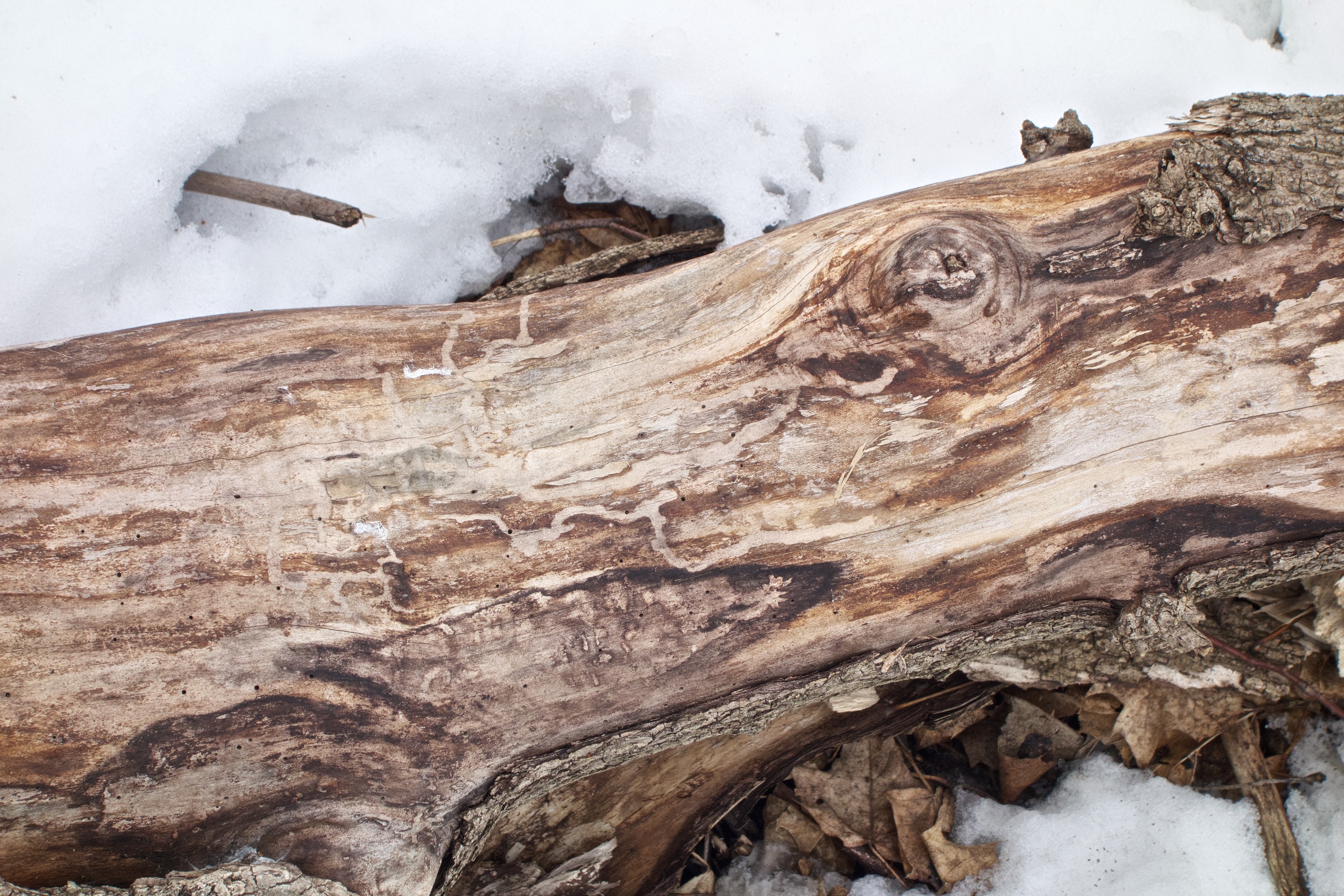
Traces of pine bark beetles.

More evidence of bark beetles, probably pine bark beetles.

Ducks have returned

Shy ducks enjoy open water.

Shy ducks enjoy open water.

The river has cleared itself of ice and spring is around the corner. Ducks are now in evidence dodging chunks of ice as they look for food.

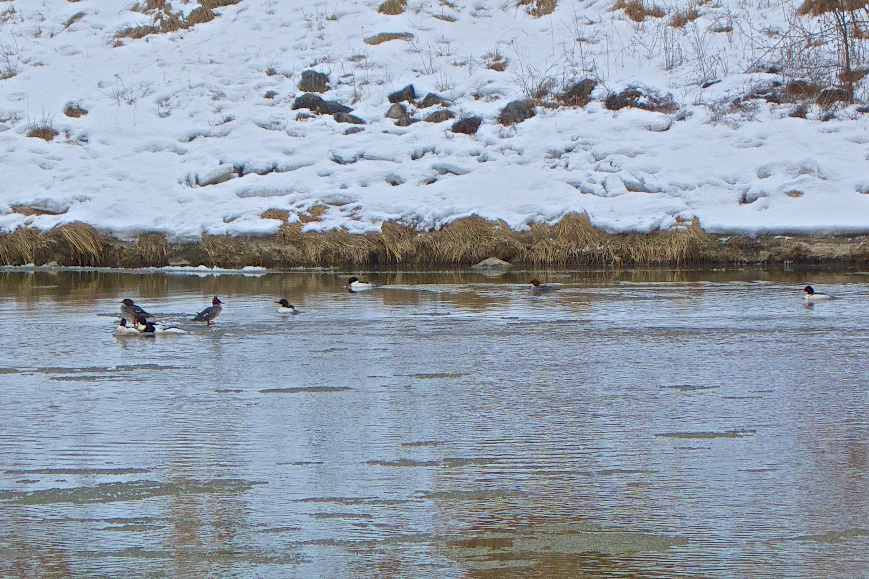
In addition to the many mallard ducks that can be seen in Raymore Park, there are some that are elusive and defy identification (at least by me). The mallards have unfortunately been trained to come for food while other breeds wisely stay well clear of humans.

Can anyone identify these ducks? This was as close as I could get with my puny 3.6x zoom.

A movie shoot and a coyote

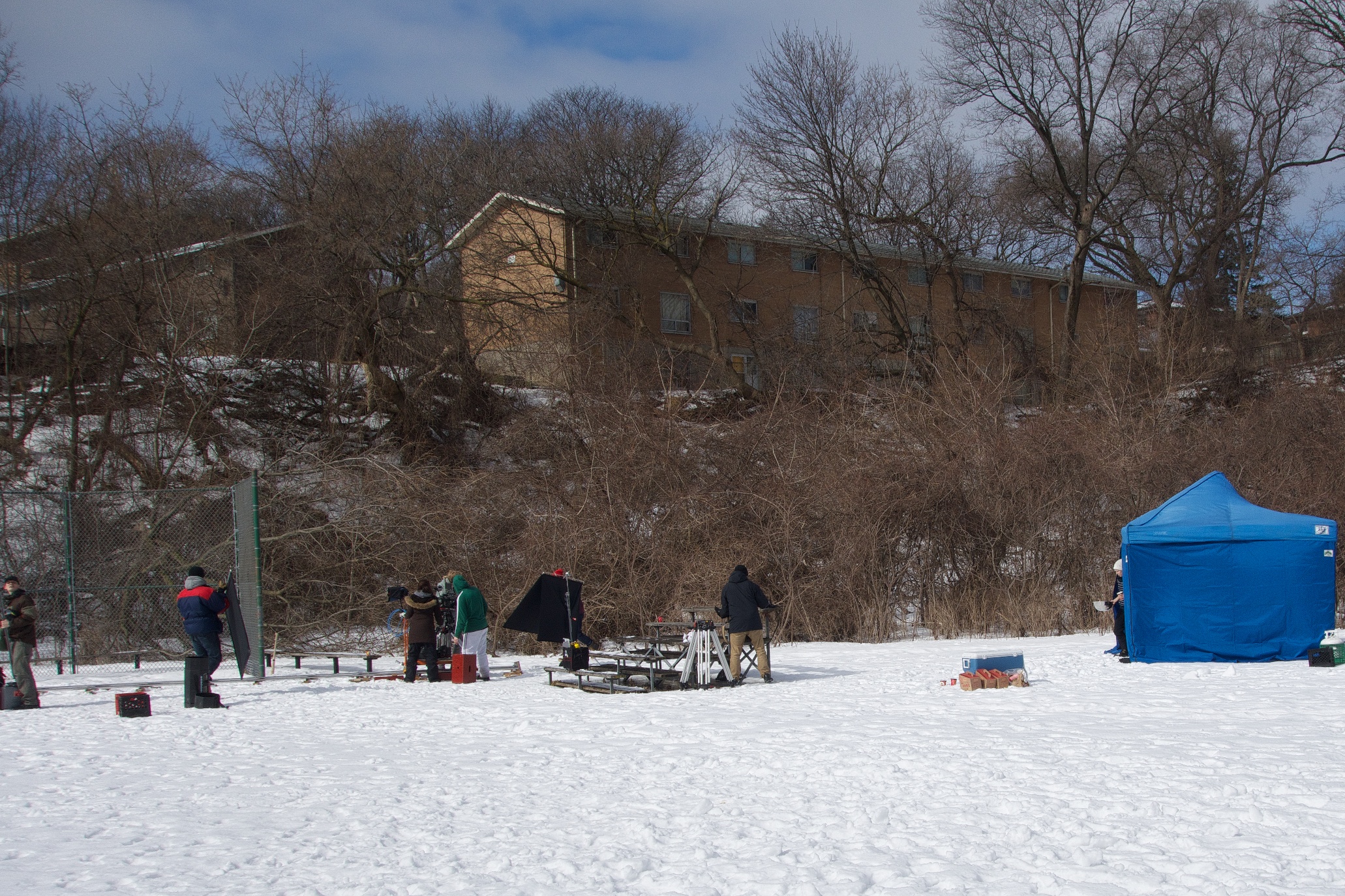
Lots of fancy equipment here!

Lots of fancy equipment here!

Students from York University are occupying one of the baseball diamonds today for a movie shoot. They seem a little cavalier with their garbage. Hopefully they will perform a site clean-up.

DSC01101

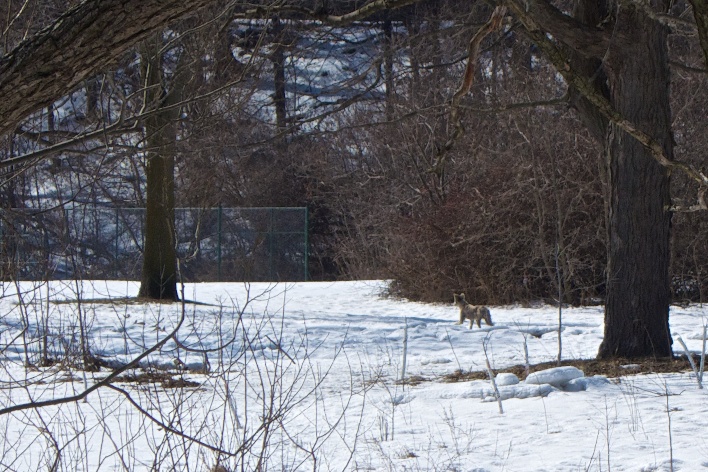
A coyote calmly making its way through the park today. I was quite a distance away and had to squeeze as much magnification as possible from this shot.

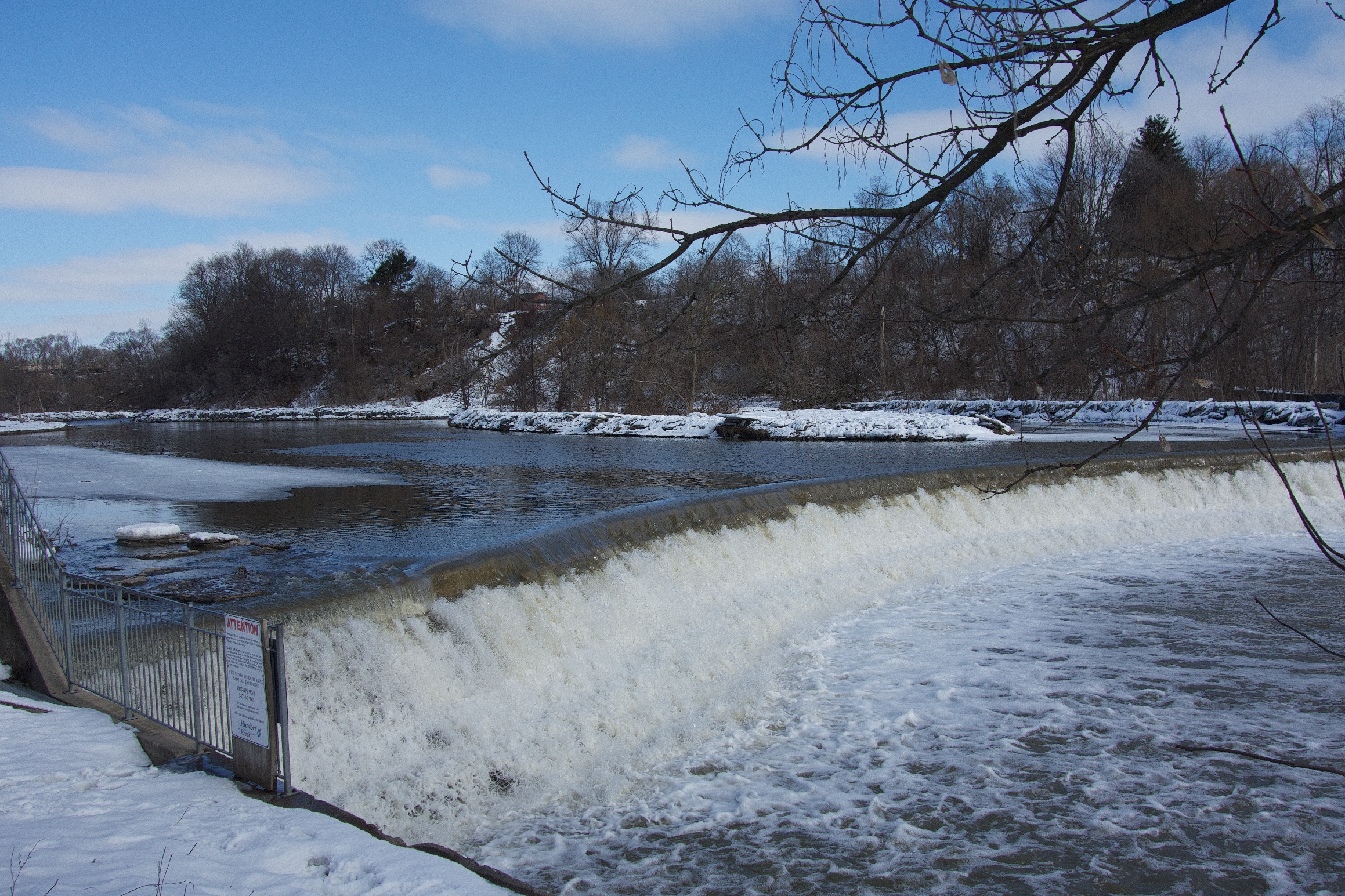
Lastly, what a difference a day makes. Suddenly the river has lost much of its ice. The ducks are happy.

Thursday 28th February

Thursday 28th February

Friday 1st March.

Friday 1st March.

Moss and Lichen

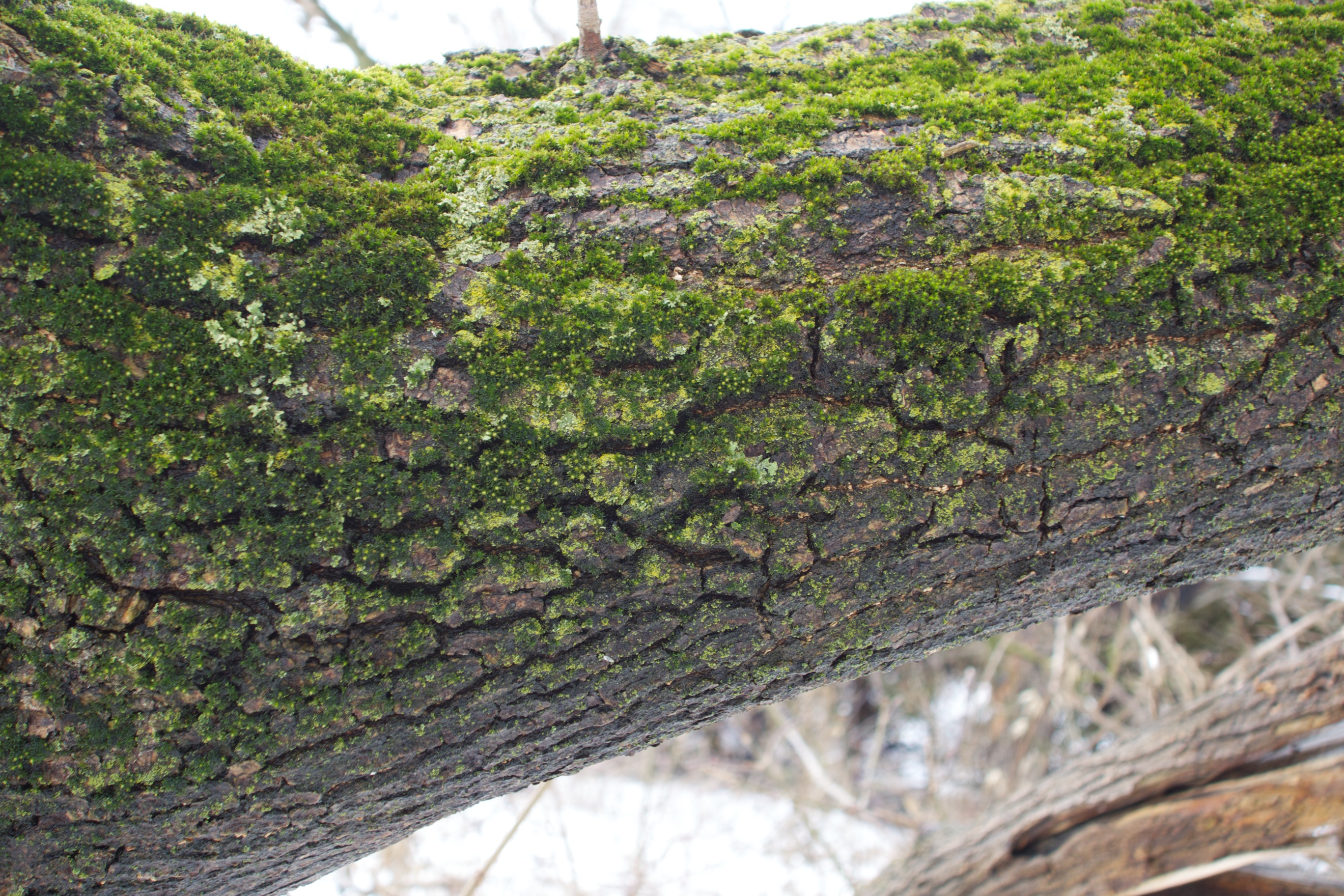
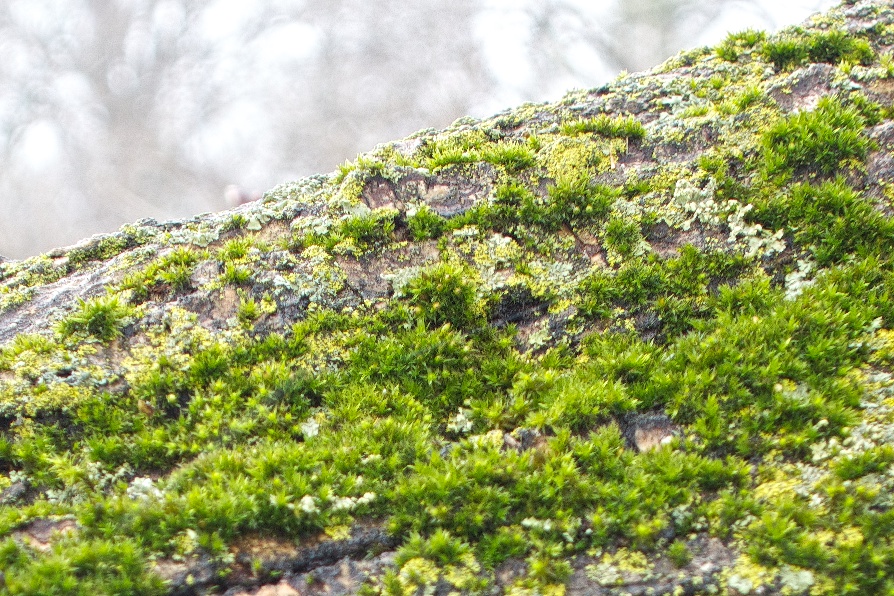
At this time of year, the grass is brown and usually buried. Moss however continues to be visible and can be seen on trees throughout the park. Here are a few examples:

Generally seen on the north side of tree branches.

Moss, usually on the north side of tree branches.

It's a miniature world.

It’s a miniature world of moss.


yadda

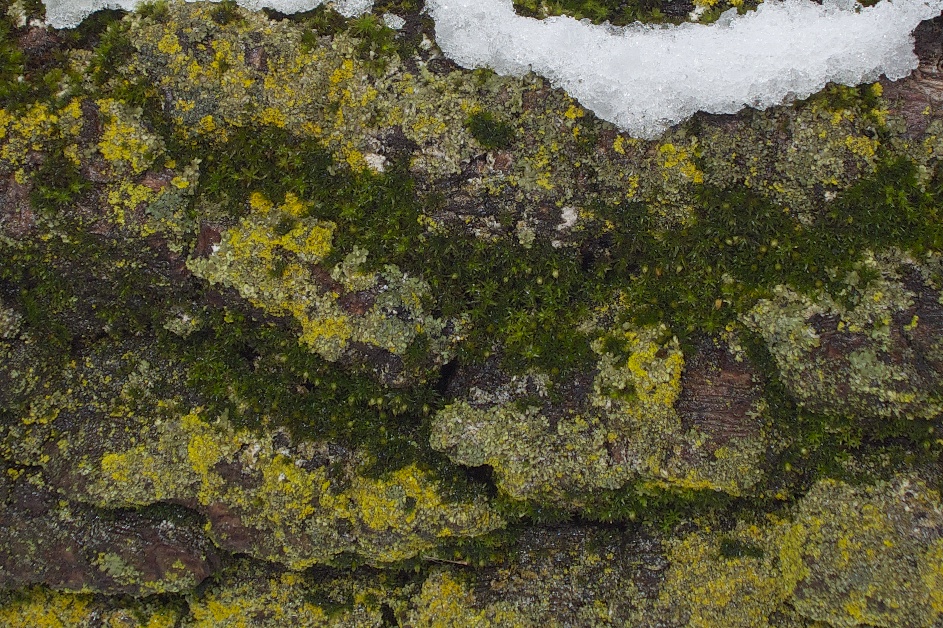
Moss and lichen together. Lichen prefers the north side too and they are often seen together.

Moss is a plant with the characteristics that you expect – it’s usually green and has leaves. Moss doesn’t have roots and can’t send moisture through branches like other plants. For this reason, mosses prefer damp locations. Lichen on the other hand is a partnership between fungus and algae or bacteria structured in layers and is found on every continent.


Impressions

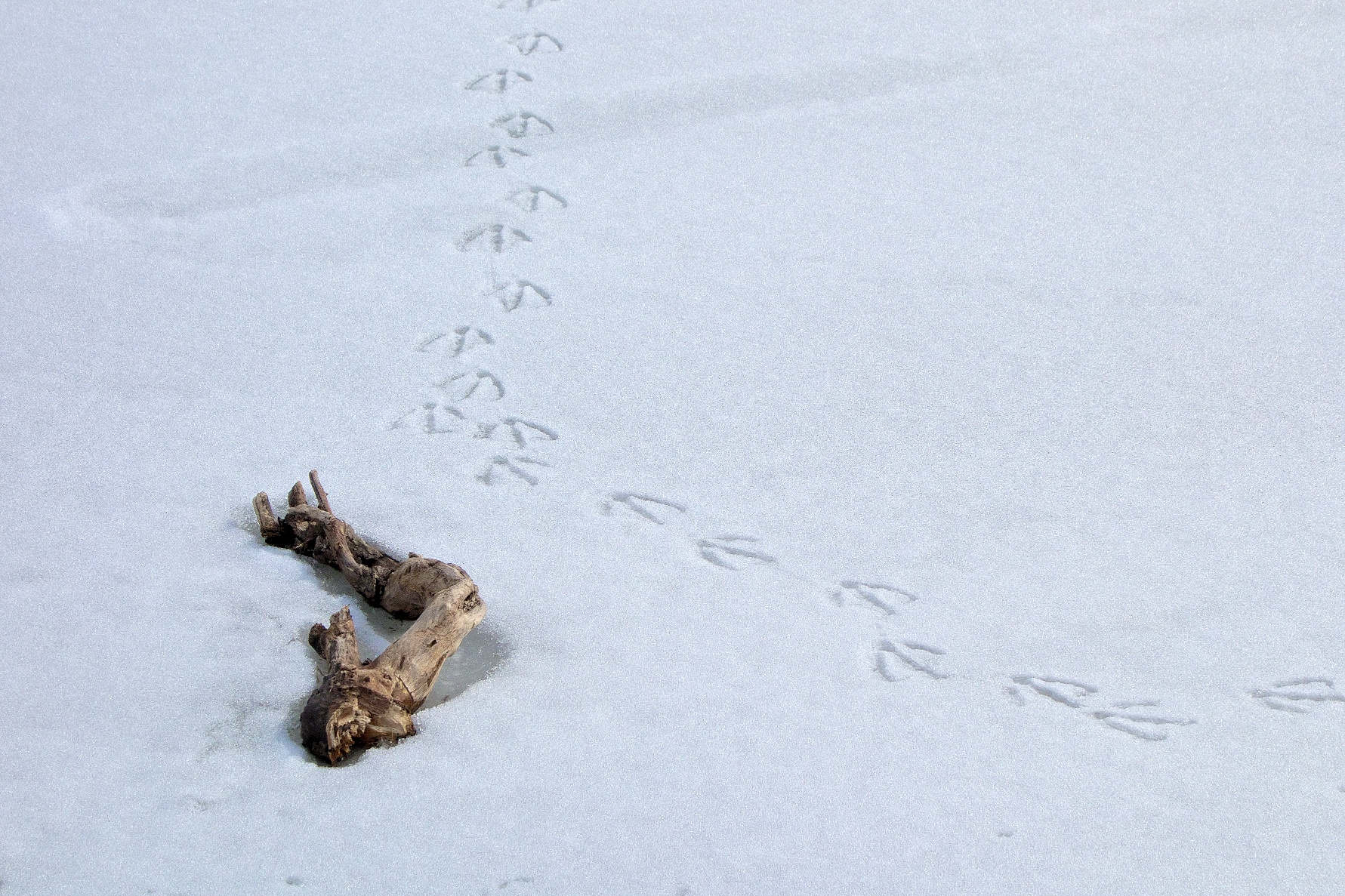
Snow is a wonderful medium for creating impressions through the tracks of animals or humans or the melting that happens around objects as the sun shines on them.

Goose tracks beside part of a tree branch.

Goose tracks beside part of a tree branch.

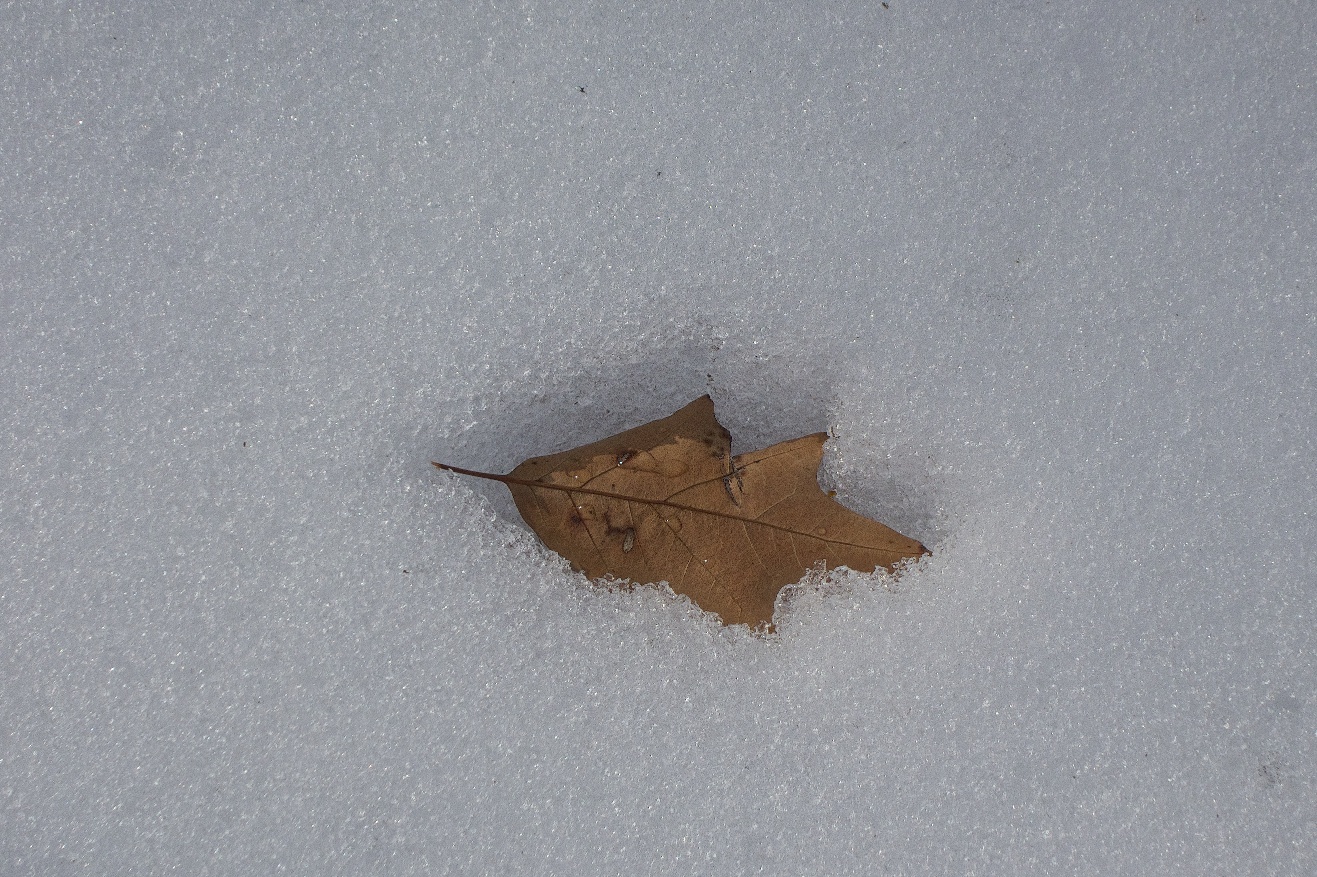
A recently fallen oak leaf 'burns' its way into the snow.

A recently fallen oak leaf ‘burns’ its way into the snow.

At this time of year the sun is much stronger and anything that falls onto the snow reflects less of the sun’s infra-red radiation and so will melt the snow underneath it while the surrounding snow stays frozen.

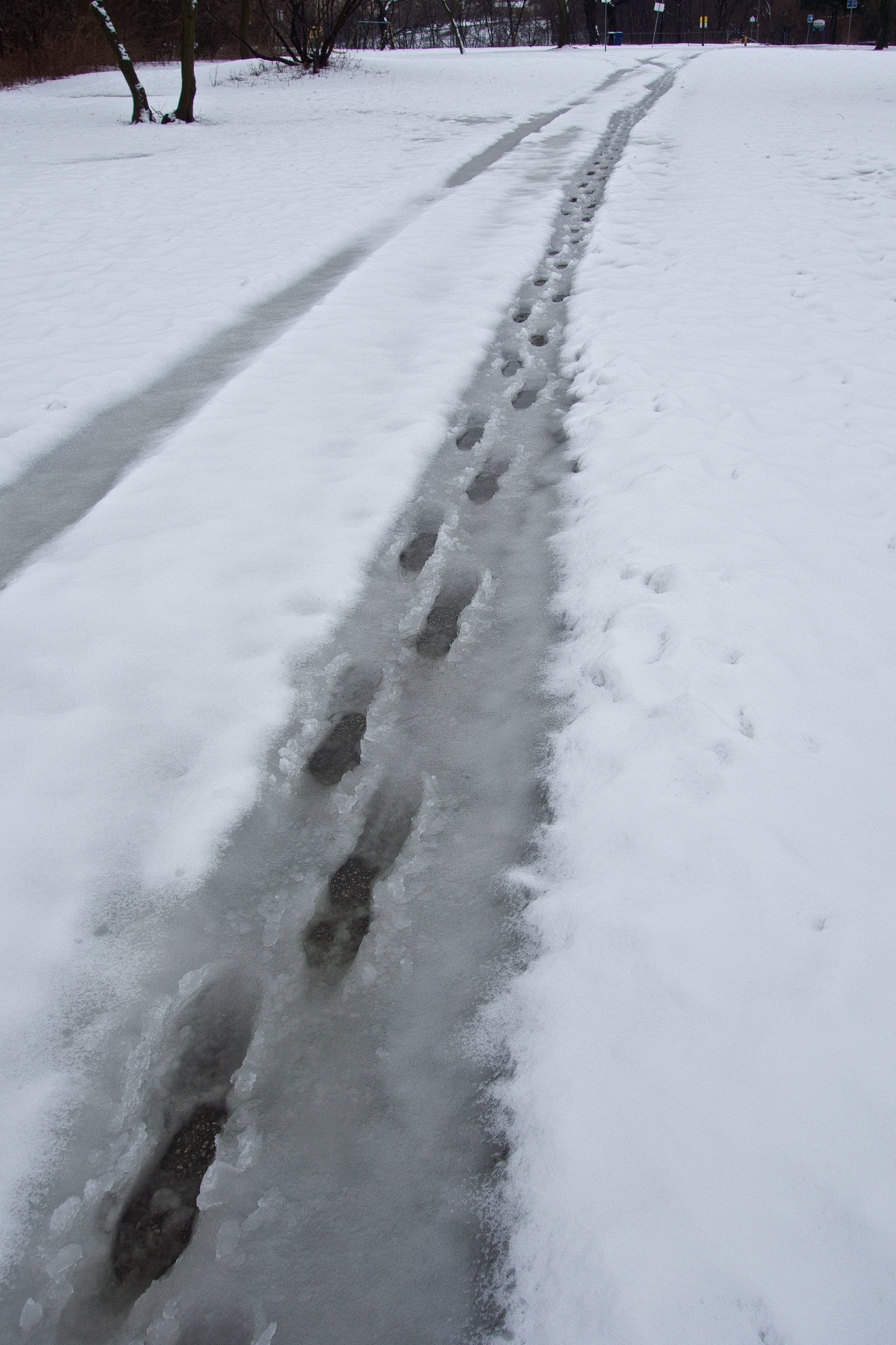
A human has walked on tire tracks.

A human has walked in slushy tire tracks.


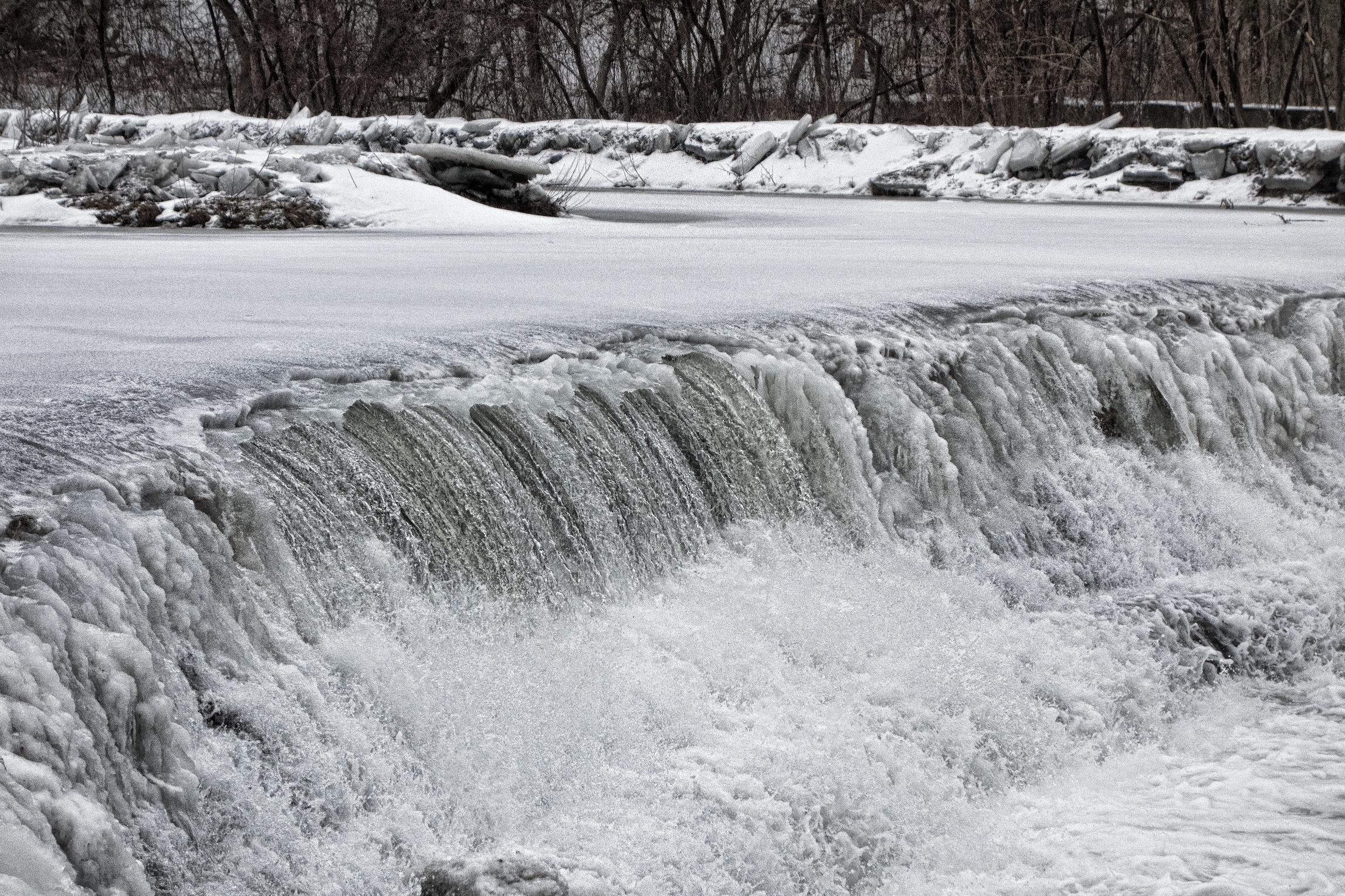
Weir curtain

On some days, there’s a combination of ice and water that creates a curtain effect by the weir. The curtain is framed by spray and ice and calls out to the camera because it is so well defined. To make sure the curtain was photographed as it appeared, the camera was set to shutter priority and captured at 1/1600 second. I’m not a fan of those dreamy waterfall shots taken at a slow shutter speed but prefer a more realistic look.DSC00998