Category Archives: Trees

Hollywood snow.

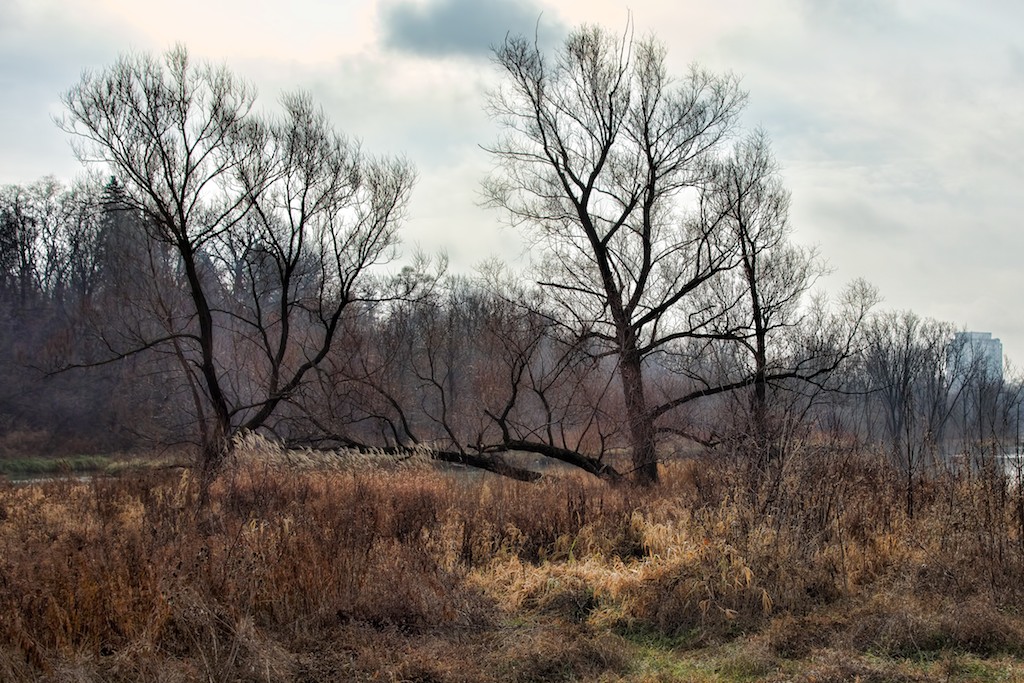
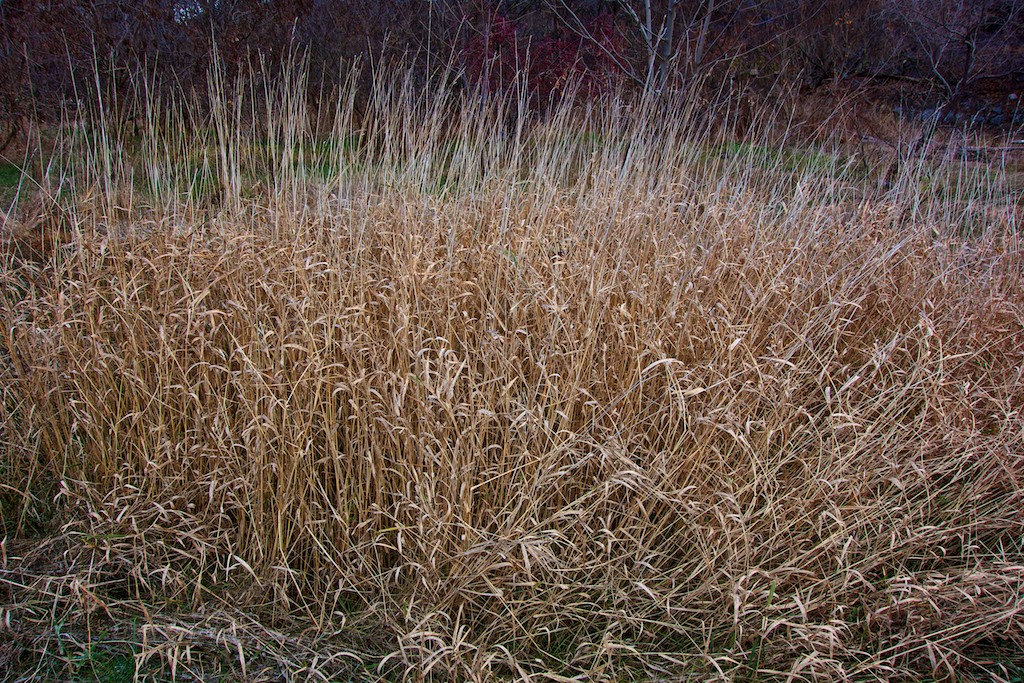
The first real snow of the season transformed the park into a movie set. The snow began as rain, and once everything was soaked, the air turned colder and helped by a stiff breeze, snow snow attached itself as if it had come from a machine. Here’s a couple of before pictures:

Beautiful browns.

Beautiful browns.

Standing grasses.

Standing grasses.

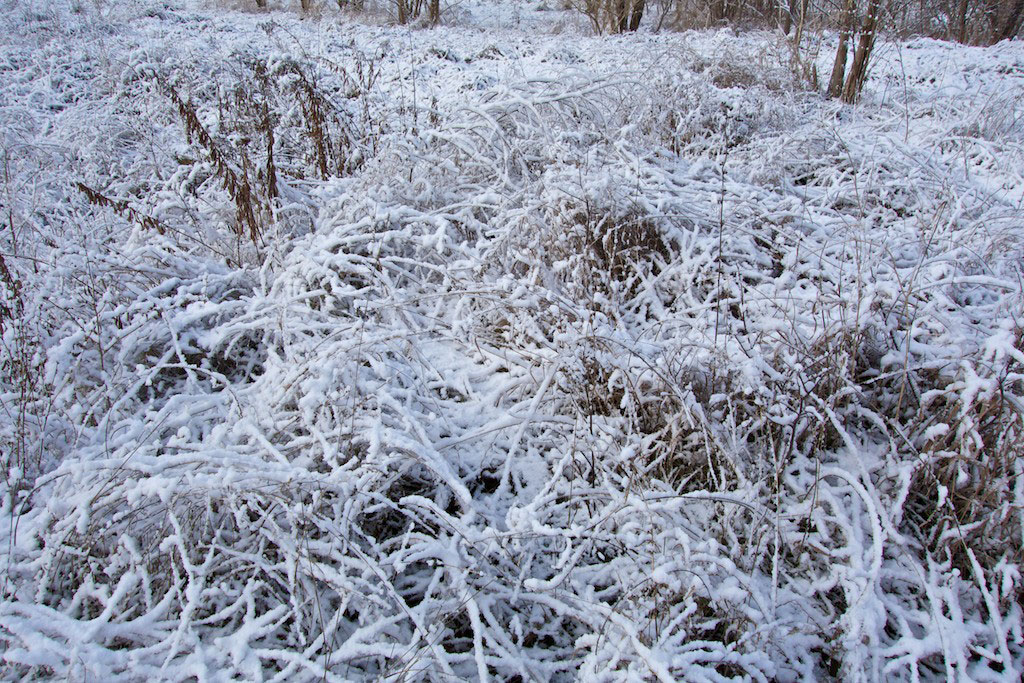
With wet snow clinging to the grass, it bends and flattens to begin the mulching and seeding process.

Hollywood snow machine.

Hollywood snow machine.

Snow can be a heavy blanket. While this snow will not last, the next snowfalls will continue the flattening process so that by springtime, there will be little trace of the previous year’s plants.

Lawn gods don’t ask for much.

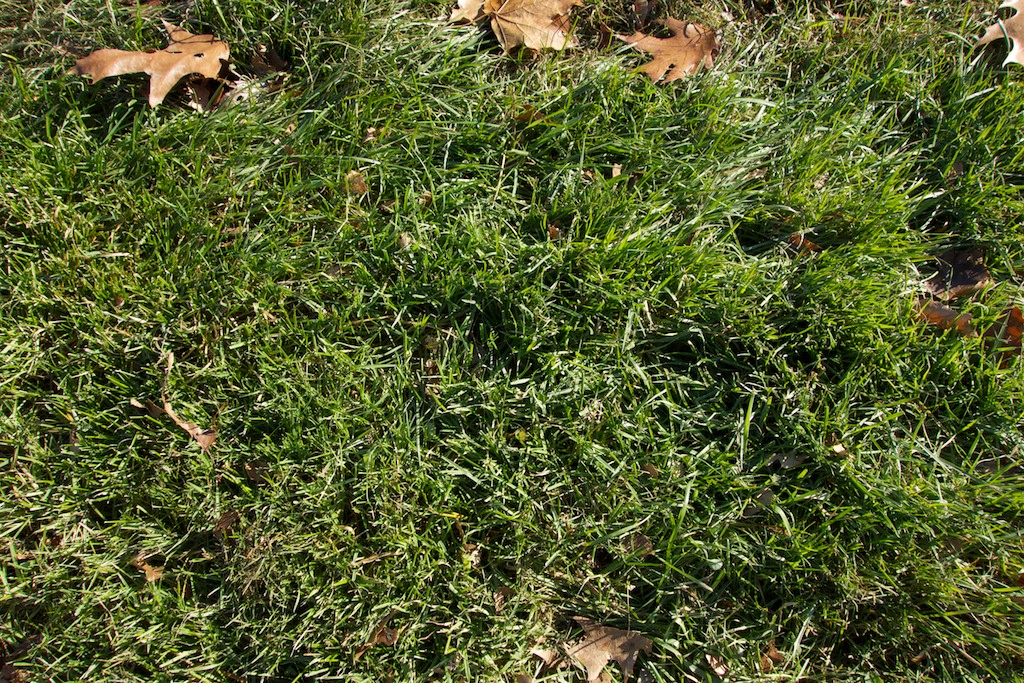
Who knew that all you have to do to maintain a spectacular lawn is cut and aerate it. The occasional re-seeding helps too.

DSC03787

This grass in Raymore Park hasn’t been treated with weed killer or insecticides in this century and is cut relatively infrequently (with a mulching mower) and aerated annually. In spite of that (or perhaps because of it) there are no bare patches, few weeds and no animal diggings for grubs. When a weed killer ban was proposed around 1999, there was a huge outcry from those who thought that weeds would replace grass in Toronto’s parks. Somehow, the chemical lawn brigade’s fears were as justified as those around computers and the Millennium.

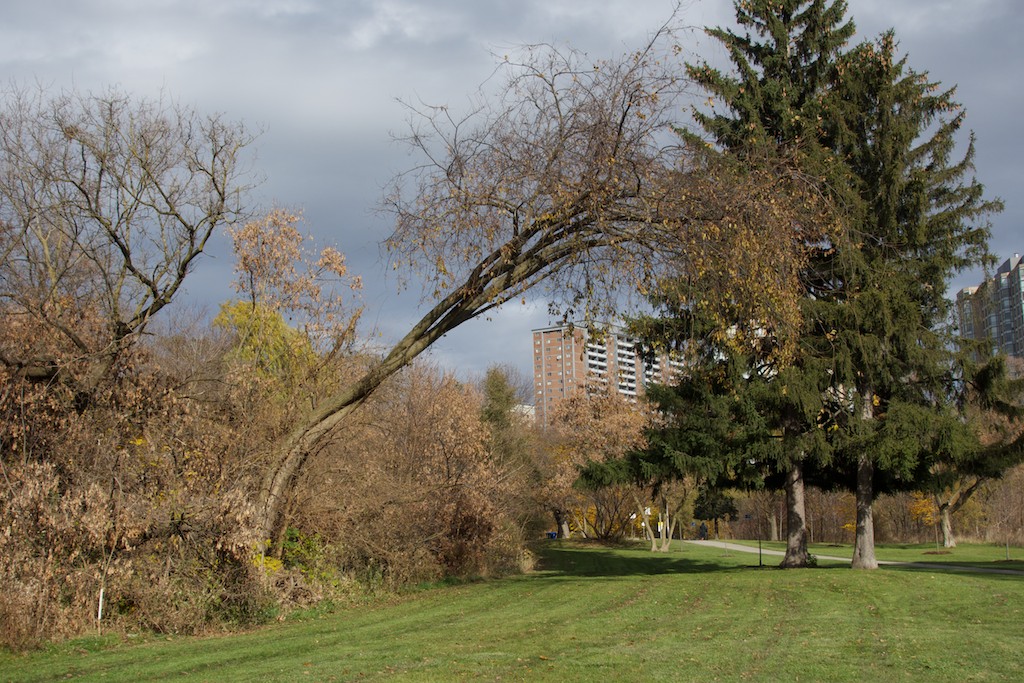
There is a tree that leans at a jaunty angle and I confess to walking at a brisker pace when underneath it. I have the impression that the lean is increasing so perhaps this winter will be its last.

DSC03748


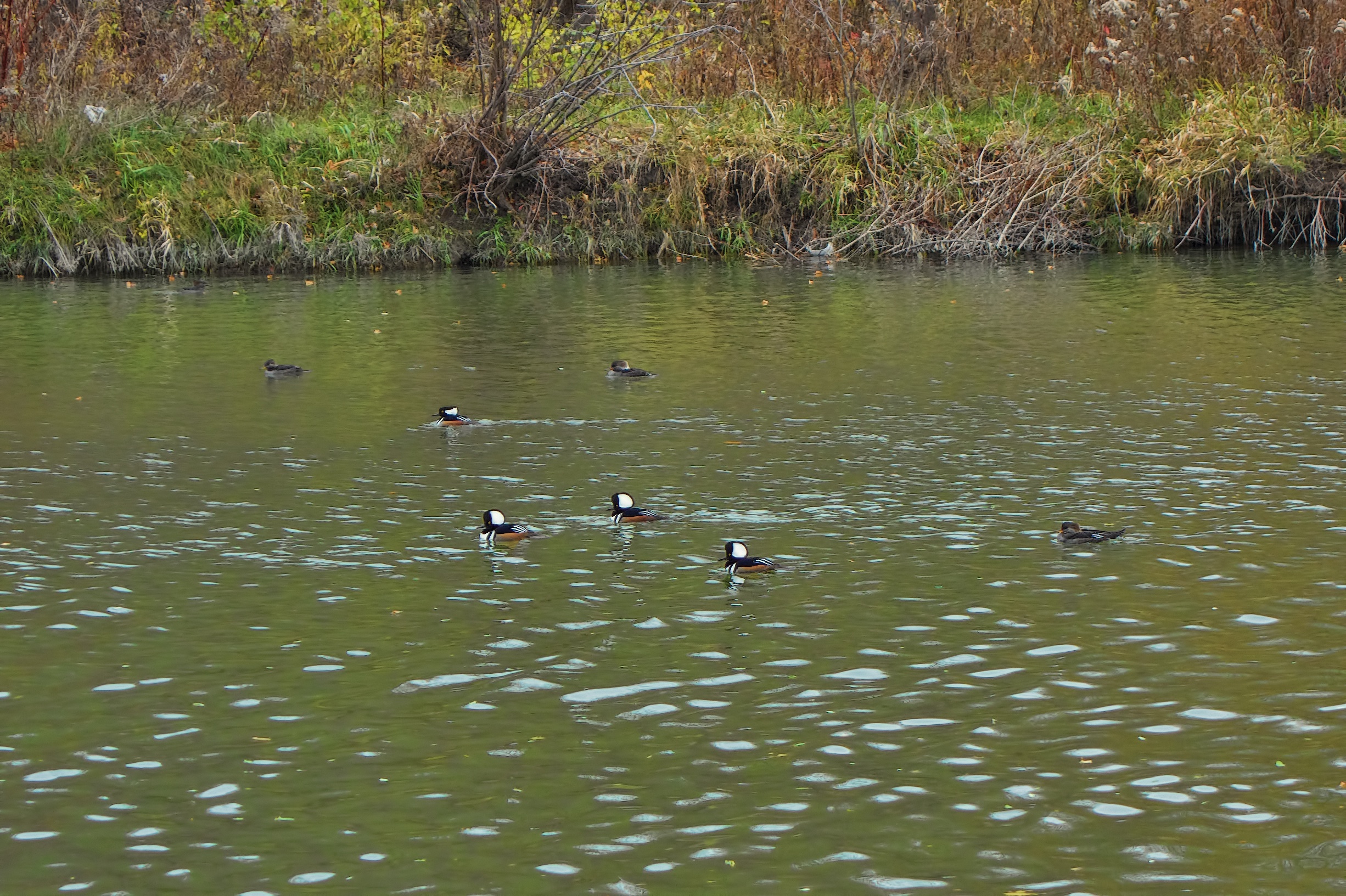
Lastly this group of Hooded Mergansers have returned to the Humber to add an exotic air. They are quite shy but don’t seem to mind hanging around with the resident mallards.

DSC03765

It’s that time…

Let it snow.

Let it snow.

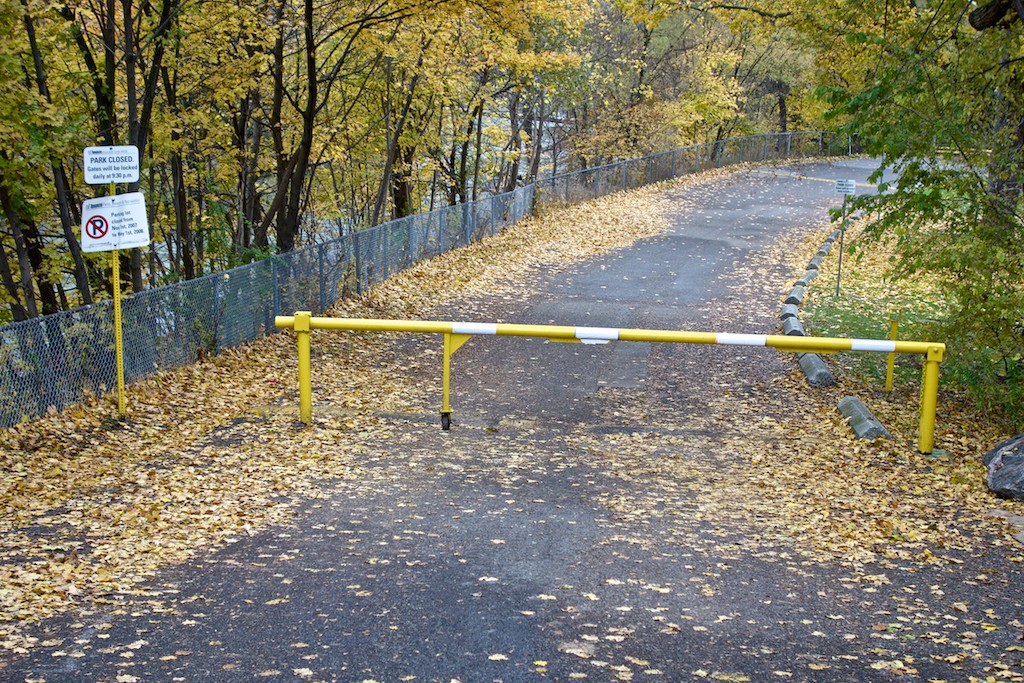
For the past few years, Raymore Park has closed its gate at the beginning of November and it stays that way until the end of March. This is because snow can occur at any time between these dates and many people are unable to drive back up a steep snowy hill to exit the park. This cuts down on quite a large number of visitors as the effort to park on Tilden Crescent and walk down to the park seems to deter most people.

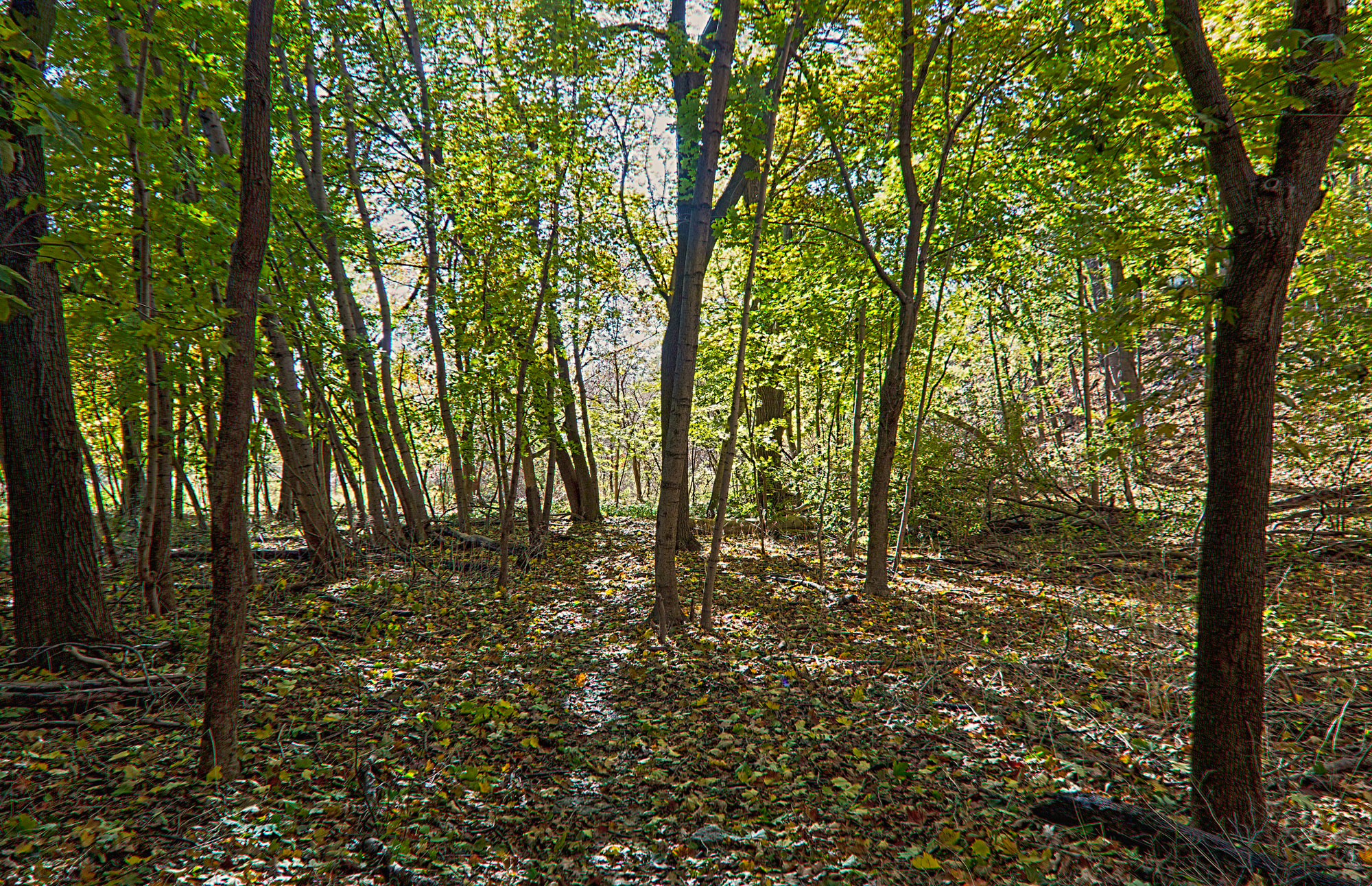
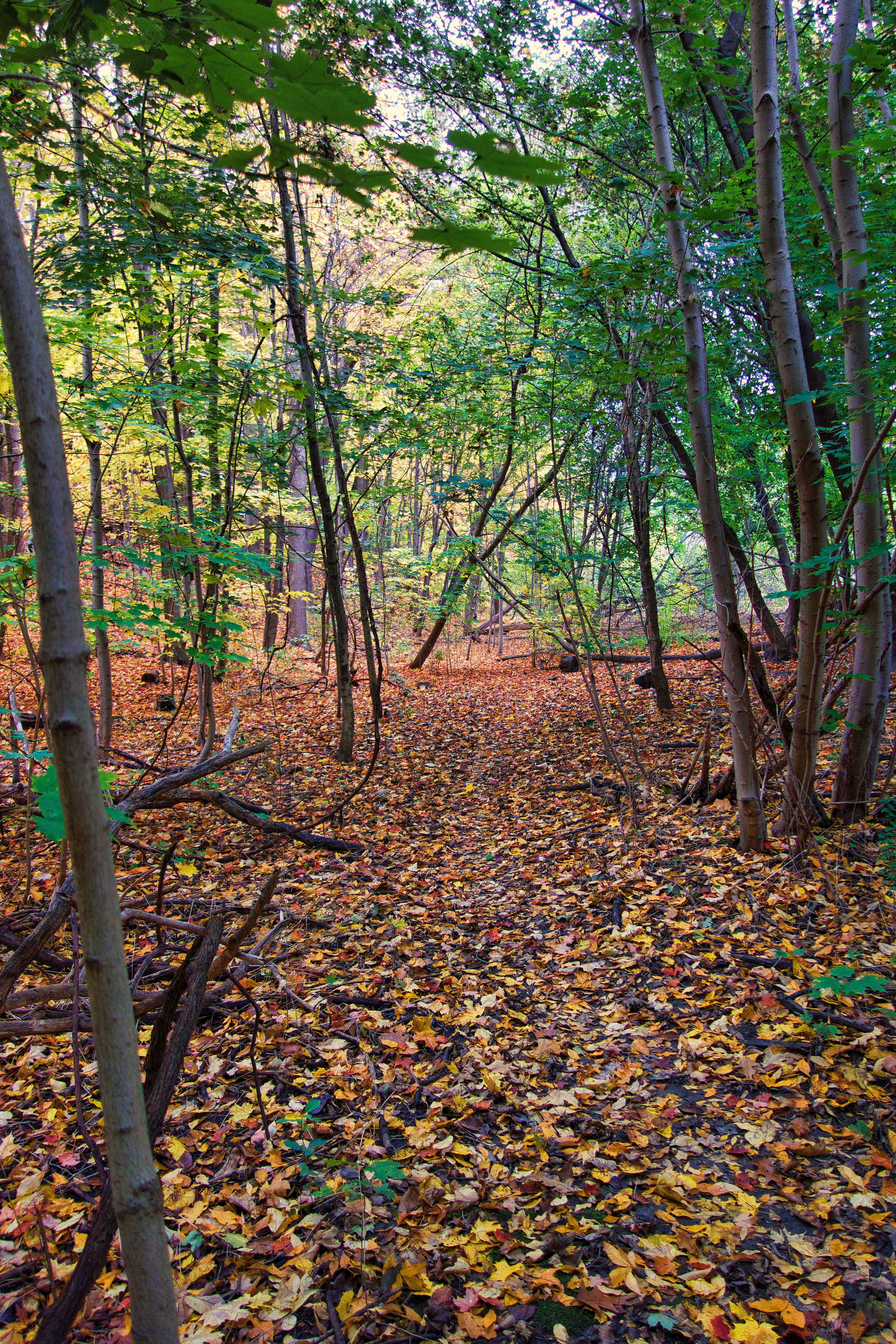
Light still is creating fascinating scenes in the woods. Here’s an attempt to capture what the eye sees using an HDR shot based on two images, one capturing highlights, the other, shadows then merged in Photoshop.

Woods-HDR

The good earth.

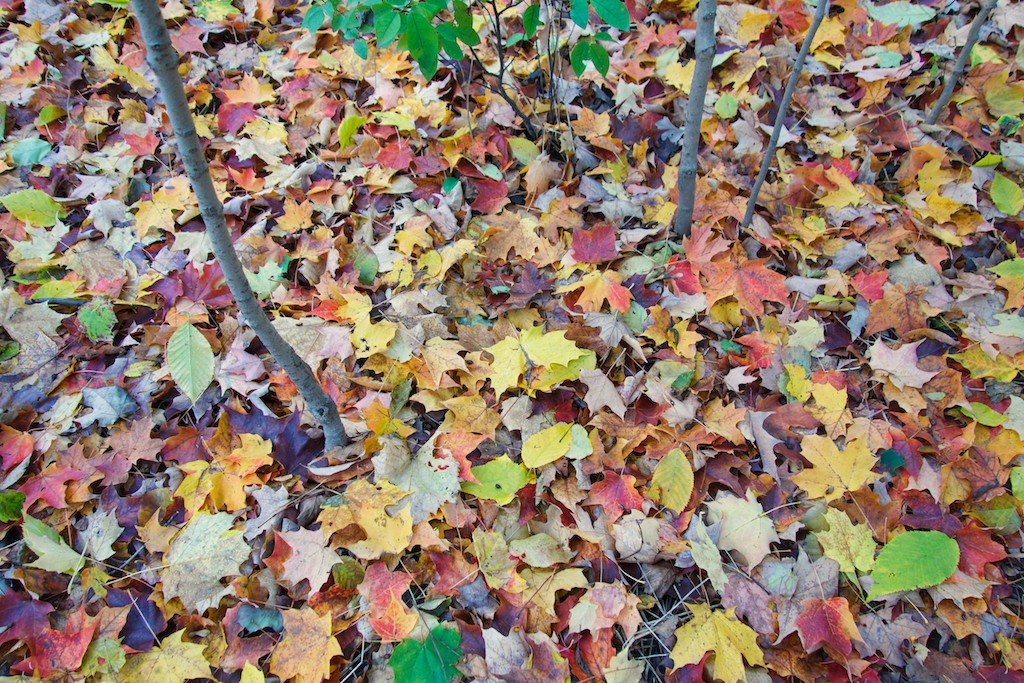
Autumn is well under way and the wooded area at the southern end of the park is undergoing a transformation. Many leaves are off the trees, changing the canopy dramatically and the increased light on the freshly fallen leaves has created a brightly coloured carpet.

A carpet of colour.

A carpet of colour.

This part of the park always reminds me of the nave of a great cathedral. Sadly, many of the trees in the woods are Norway maples which produce little colour and need a frost to dislodge them.

The fresh colours of early autumn.

The fresh colours of early autumn.

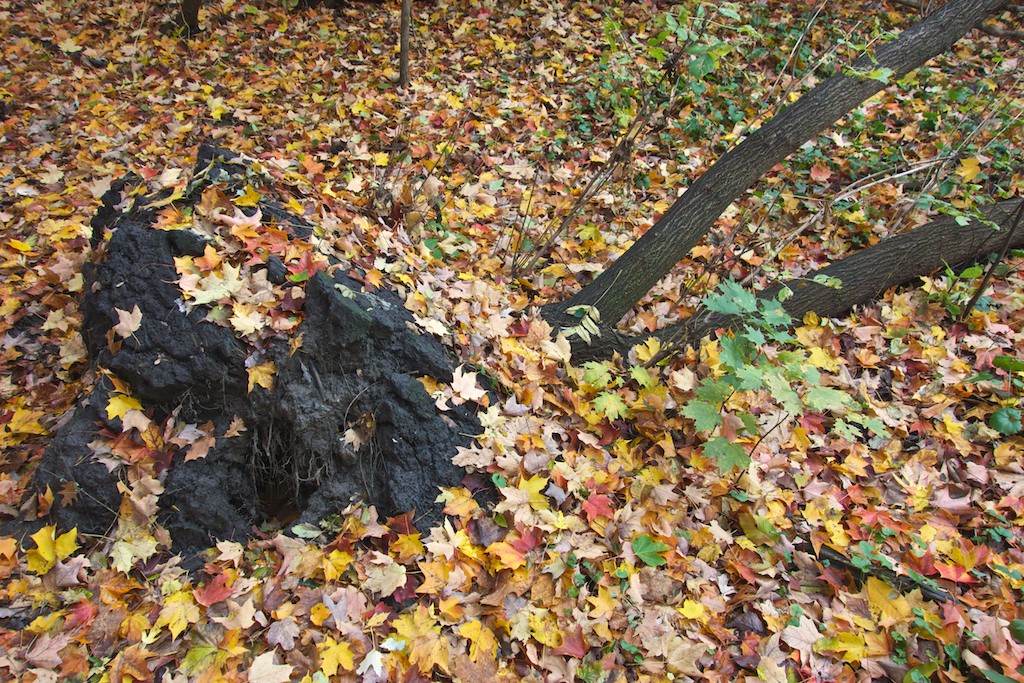
If there was ever any doubt as to the ability of trees in a park to act as a carbon sink, the soil in the woods provides ample evidence. The site was once a rubbish tip but has been wooded for a few decades. In that time, annual cascades of leaves have fallen and decomposed in place, leaving much of their carbon behind to form a deep and rich loam. This summer, a few trees were downed by strong winds and the uprooted trees reveal a soil that is incredibly black and rich in carbon.

Dark black loam, rich in nutrients.

Dark black loam, rich in nutrients and especially carbon.

It is estimated that Canada’s boreal forests (yes, even Raymore Park’s tiny woods) store up to 80% of the carbon they pull out of the air. This is because our cool climate drastically slows carbon’s oxidation back into the atmosphere. On the other hand, a mature tropical forest sequesters very little carbon. But wait, there’s more; boreal forests moderate a region’s climate by warming winter air (more sunlight is absorbed by trees than by snow). In summer, leaf transpiration keeps temperatures down so trees in our part of the world are definitely a great resource.

Toronto has a front yard tree planting program that allows residents to receive a native tree in the city-owned portion of their front yard for free. A selection of species is available and they’ll even do the planting. This is in an effort to raise the canopy cover of our city from around 27% to 40%. A laudable goal that will improve life for all residents and help with reducing flooding and the escalating carbon dioxide levels in the atmosphere.


Signs of Fall: tree planting

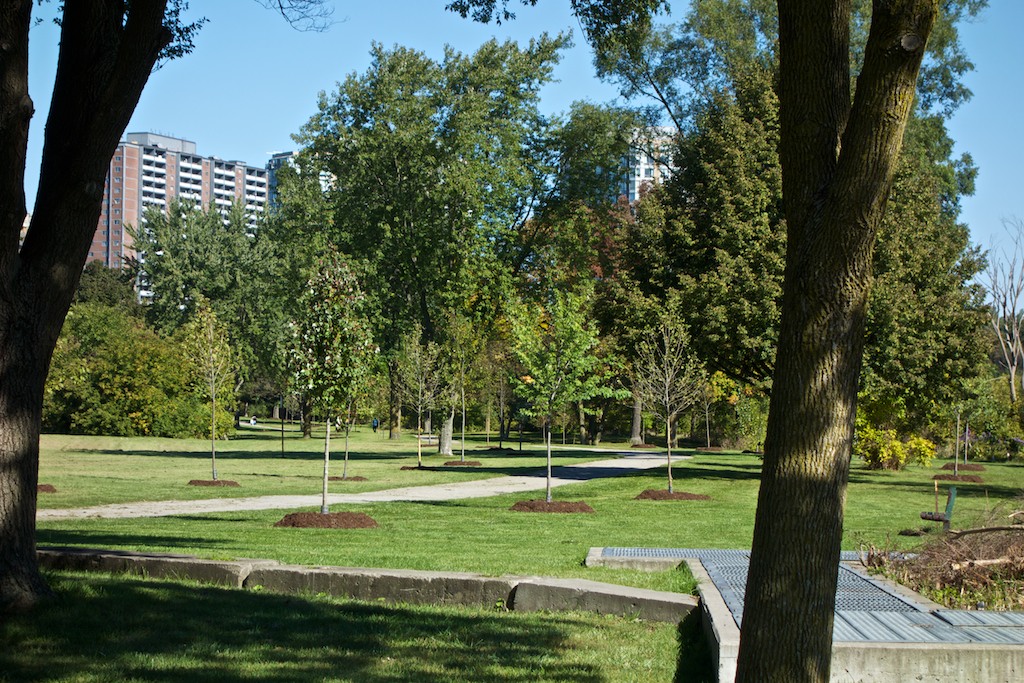
In the last 20 years, thanks to old age and disease, there has been a steady reduction in the number of mature trees in Raymore Park. Quite a number of these trees are invasive non-natives such as Siberian elm and Norway maple. While many hundreds of native saplings have been mass planted in the wild areas, no mature boulevard trees have been planted to line the pathway.

On Monday September 23rd, 43 trees were planted along the entrance and pathway as far down as the weir. This will make a big difference in years to come as the path is quite exposed in both winter and summer. I only have one slight quibble with the choice of trees; quite a number are black walnut and the park has no shortage of those already. There are quite a few water-loving weeping willows where the path comes near the river and some maples too.

A couple of Toronto Forestry workers were inspecting the trees yesterday and they told me that for the most part the trees were planted to the correct specifications by the contractor. A few have been planted too high and will need to  be adjusted and some look a little straggly, but for the most part it has been a successful planting.

This is the perfect time of year to plant trees as the ground is still warm and autumn rains will ensure lots of moisture for roots to grow.

Count 'em - it's 43!

Count ’em – 43 new trees!

Signs of Fall: Black walnuts

Last night the first ground frost hit Raymore Park. This occurs when the temperature doesn’t go below zero but there is a touch of white on the grass. Hopefully the first air frost is some time away but there are unmistakeable signs of fall, even though most leaves are still green. One sign that is hard to miss is the fruit that seems to be everywhere. From crab apples to acorns, seeds for the next generation are ready to be distributed.

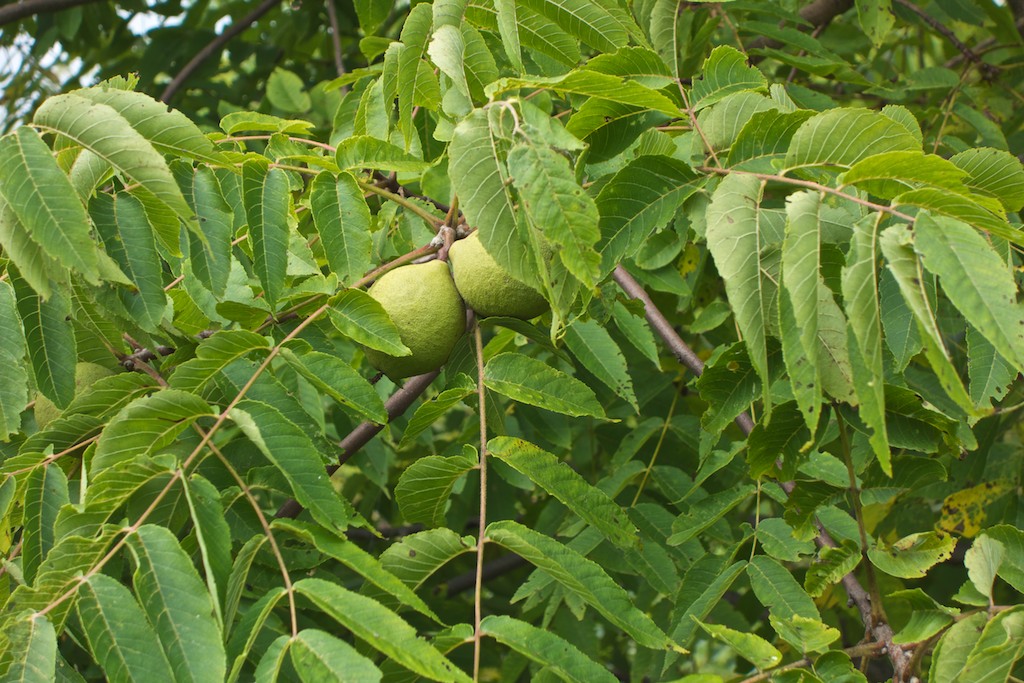
These exotic looking fruit are black walnuts.

These exotic looking fruit are black walnuts.

Black walnut trees are very common in Toronto and provide food for squirrels and the occasional curious human. They are native to Toronto but thrive in cold spots such as Quebec City because they avoid frost damage by leafing late in spring.  The walnuts themselves are surrounded by a fleshy outer skin and then an incredibly hard shell.

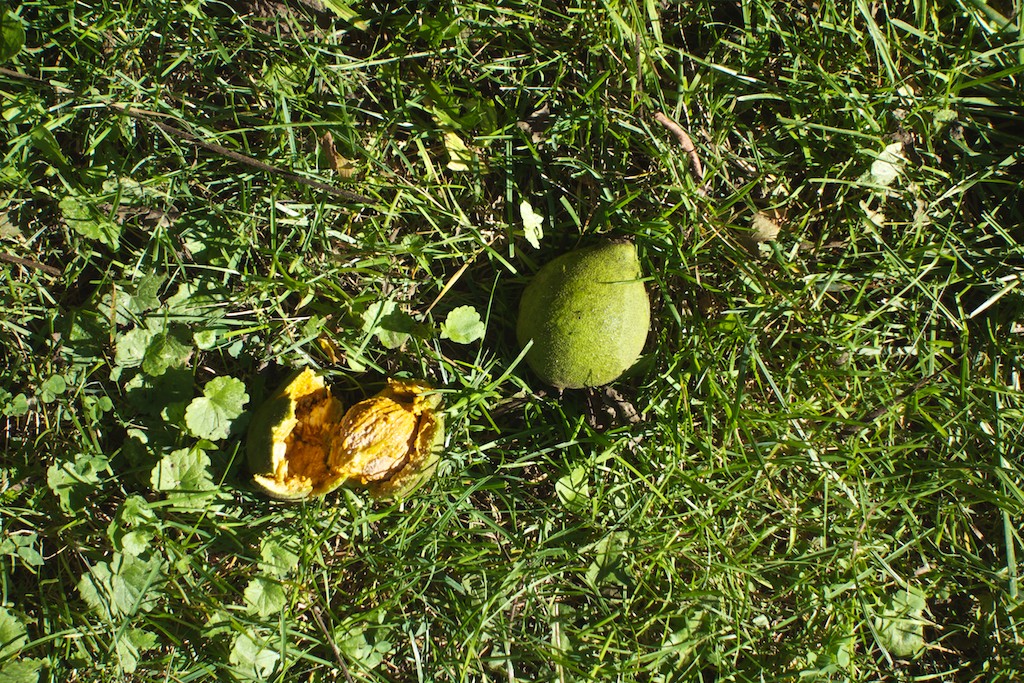
This walnut was run over by a car revealing the unbroken inner shell.

The walnut on the left was run over by a car revealing the unbroken inner shell.

Unlike Persian (aka English) walnuts that have been cultivated for millennia, black walnuts are pretty much as nature designed them and as a result are smaller and incrementally more difficult to harvest. Anyone who has attempted to extract a black walnut can only appreciate the skill and determination of squirrels. The trees dispense a natural herbicide called juglone which kills competing plants unlucky enough to be nearby. The toxicity is not isolated to plants; horses should be kept well away from black walnuts. Attempting to extract the nut from the flesh will leave hands turned dark orange by the chemical. The wood is much prized as a veneer.

Thanks to absent-minded squirrels, Raymore Park is a black walnut nursery with more and more planted every year. They grow quickly and can live on average 200 years. As time goes on, walnut trees will increasingly influence the variety of flora and fauna in the park.

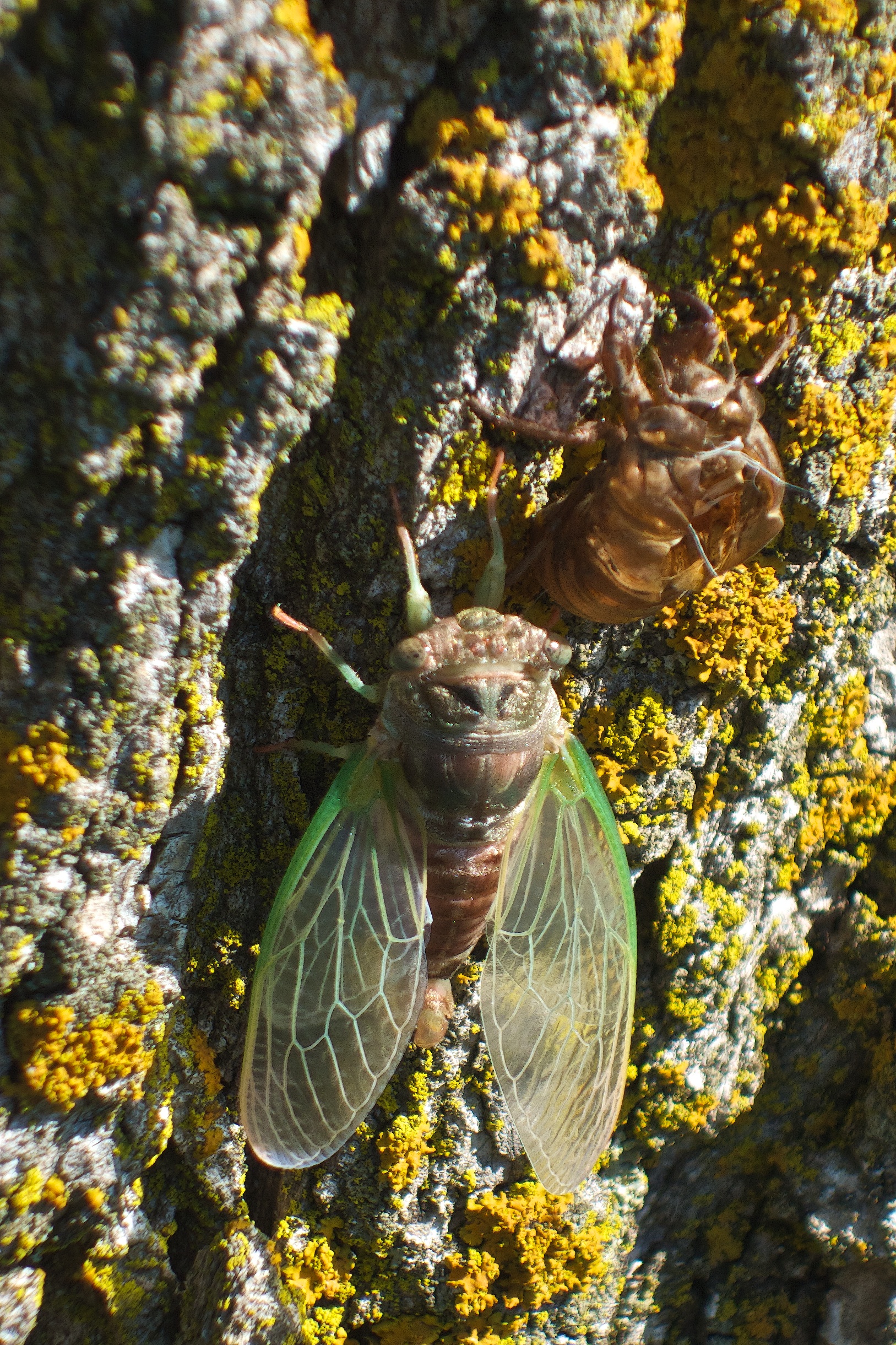
Cicadas are hatching

Unless you know what to look for (thanks, Codemonkey), the mysterious life cycle of the cicada happens without most people noticing. We can hear the electrical sounding buzzer noise that cicadas produce in late summer but where they come from is rarely given a second thought. Unlike their better known American cousins with 17-year life cycles, the ones seen in Toronto have 2-5 year cycles of birth and death. Ours are known as Dog-Day Cicadas, Harvestflies or formally, Tibicen Canicularis. The common names refer to the later days of summer in which they appear. Because their life cycles overlap, our cicadas appear every year.

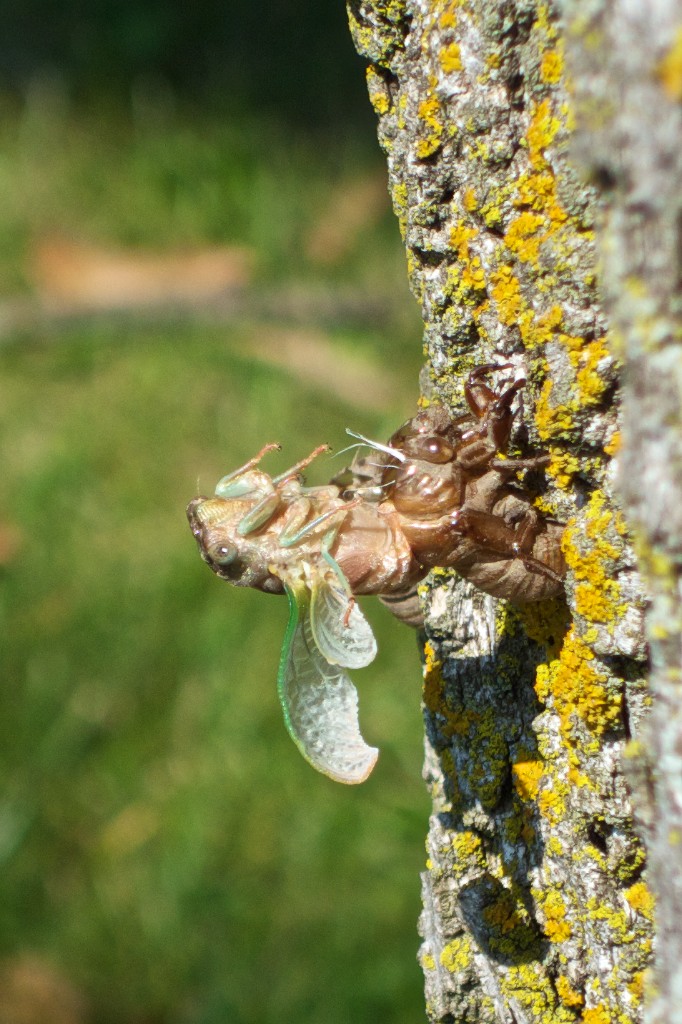
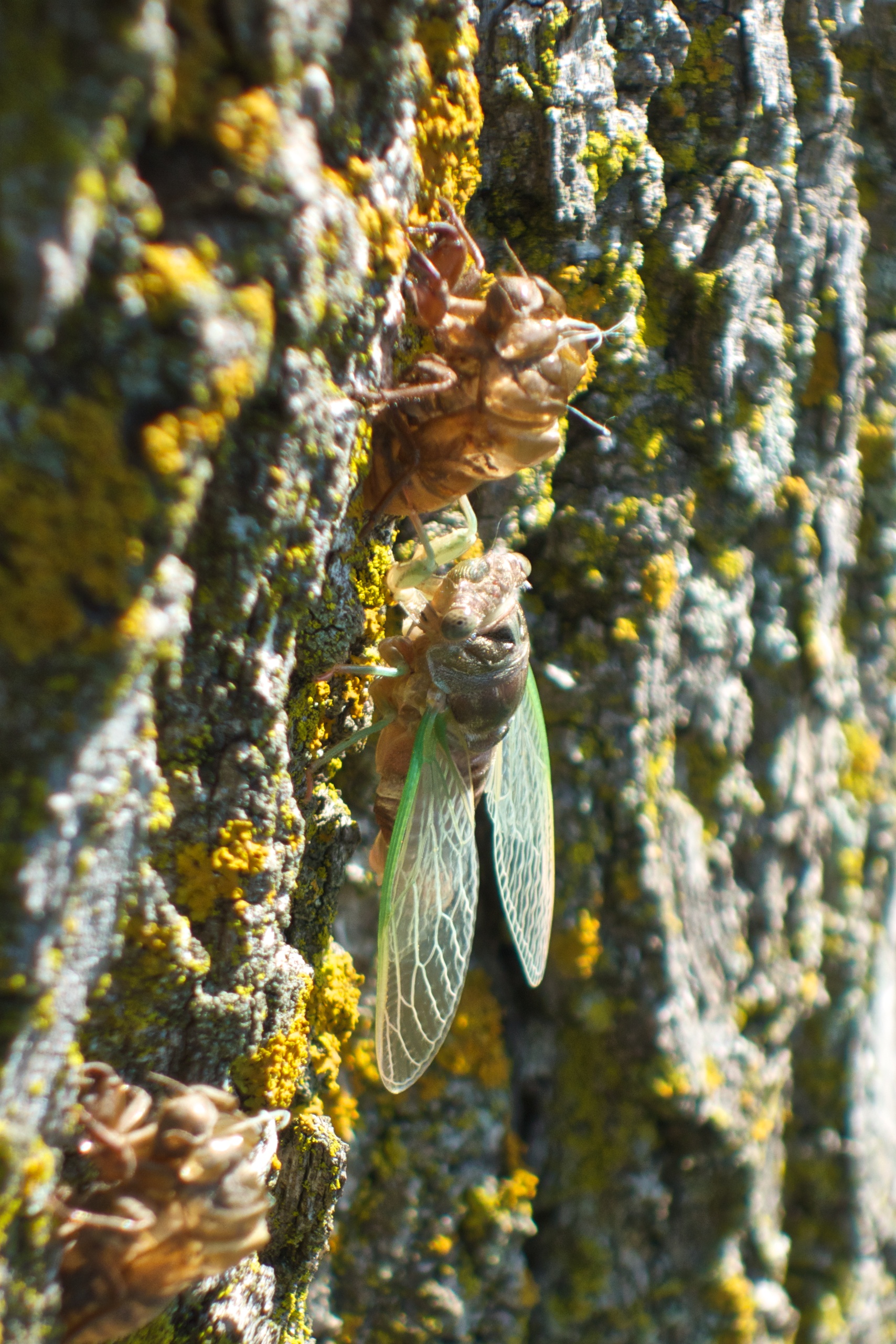
From a human perspective, their life begins when they come up from burrows in the ground and climb a tree. They pump fluid into their abdomens which bursts open the exoskeleton from which they emerge.  At this final life stage, tiny wings are revealed. After a few minutes these wings inflate with blood and unfurl to grow larger than the insect itself. The adult cicada is now ready to fly.
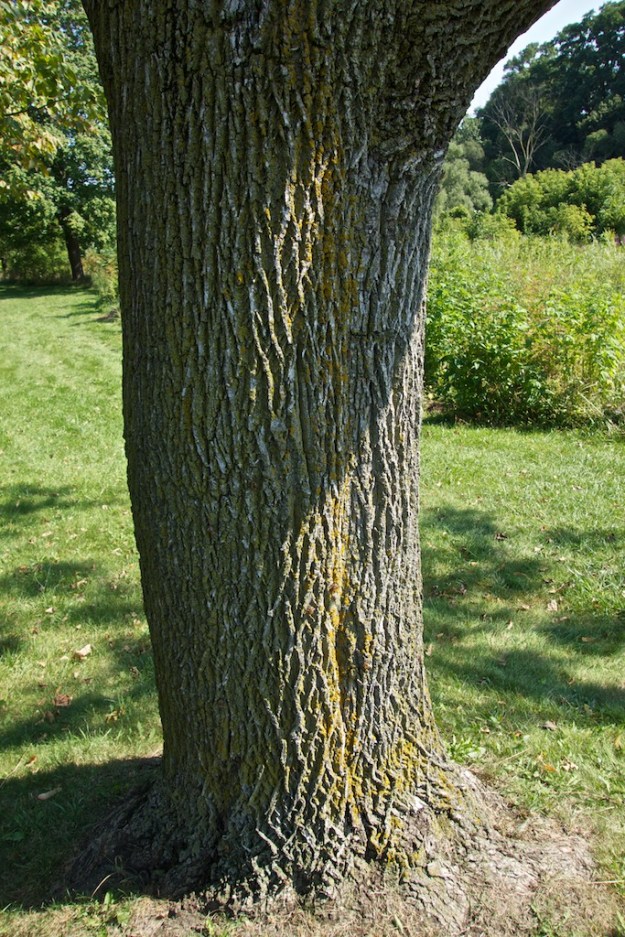
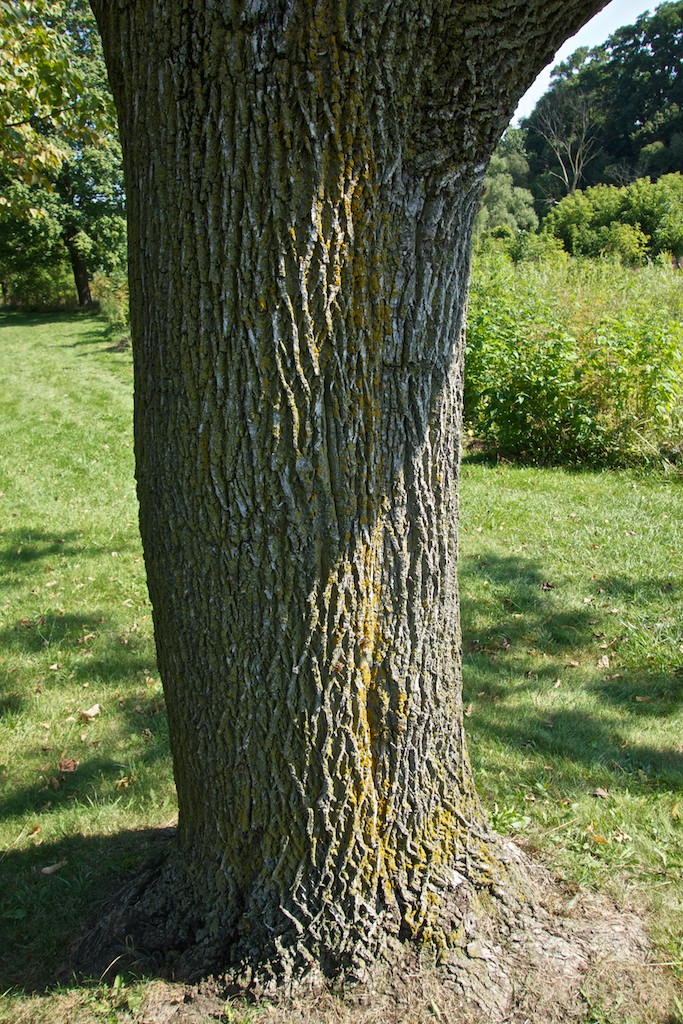
This tree is a cicada adult hatching point.

This tree is a cicada adult hatching point with many exoskeletons visible.
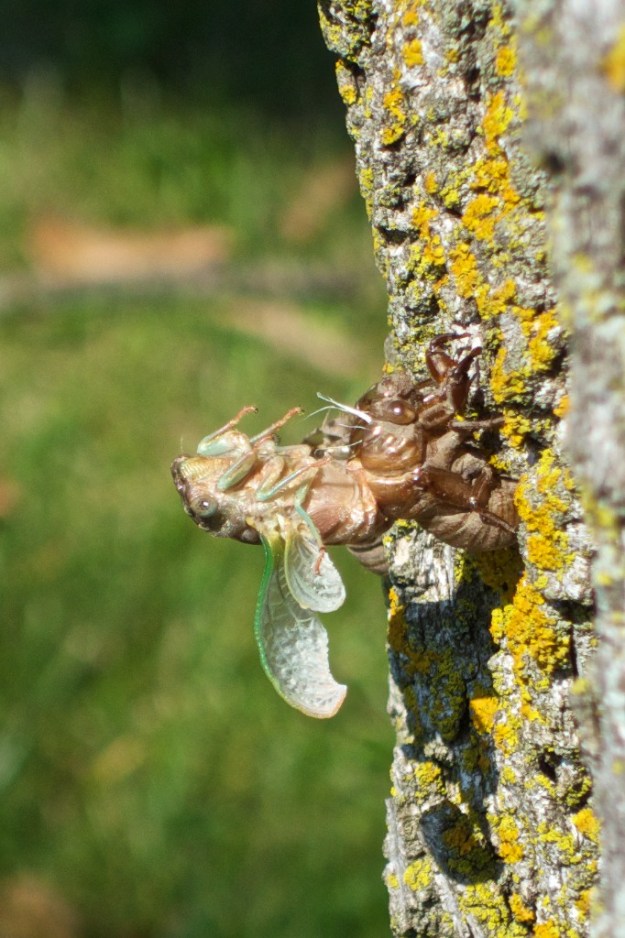
This

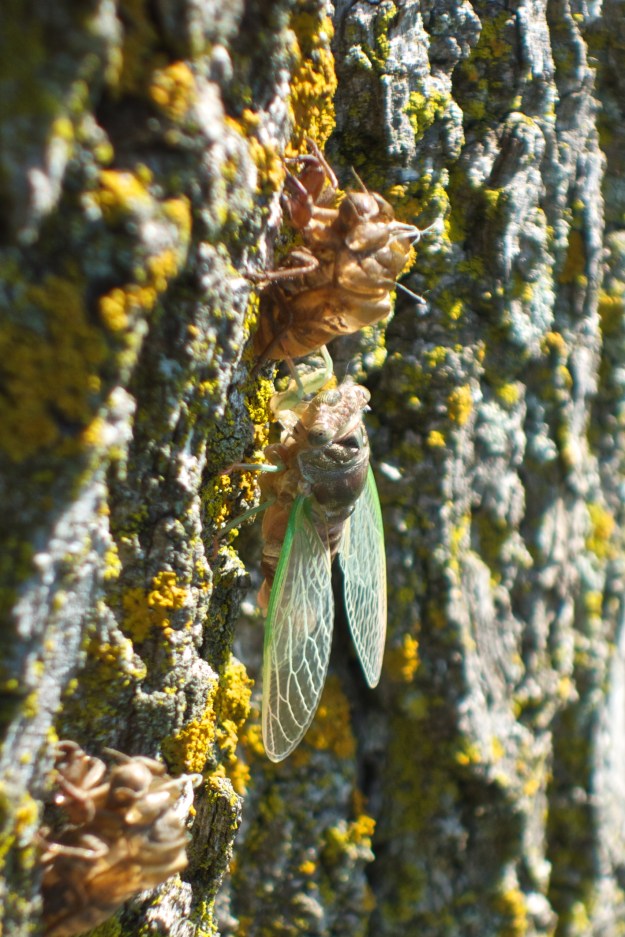
A cicada emerging from its exoskeleton. The two sets of wings are unfurling.
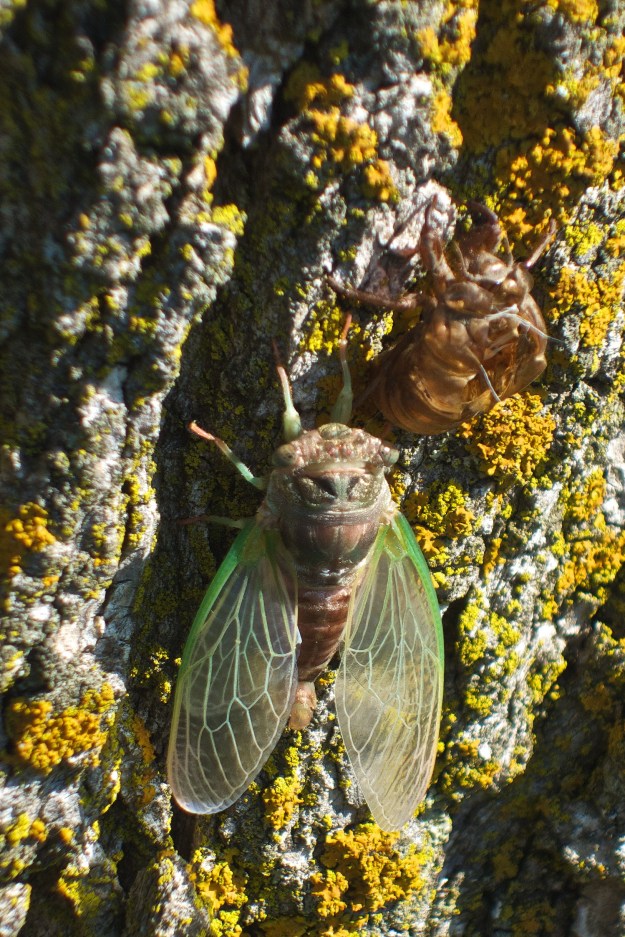
This

Green blood can be seen circulating through the wings.
This

The cicada beside its old exoskeleton.

Adults can live for 5-6 weeks if they’re not picked off by birds and other predators. Most of the time, we can’t see them but we can certainly hear them. Males are the noisemakers and they produce that familiar deafening sound to attract a mate. Female cicadas carve slits in tree branches and lay their eggs. After hatching, nymphs drop to the ground. This first larval stage digs until reaching tree roots from which they feed, moulting several times before that last stage above ground some years later.

There is a folk legend that the first buzz of cicadas in late summer indicates there are only six weeks until frost.

What a depressing thought.
Season 4…

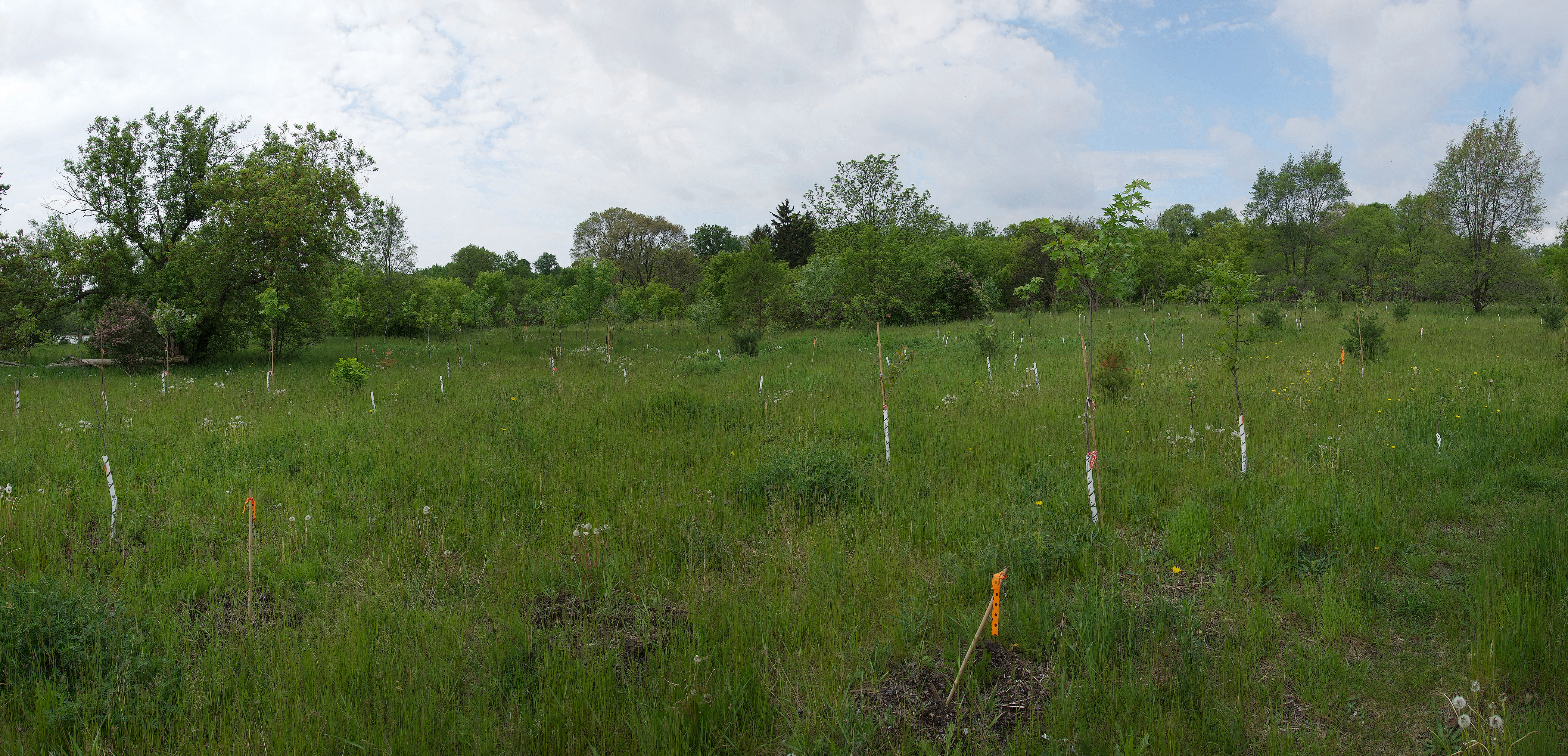
In October 2008, as part of the City of Toronto’s Urban Forestry program, part of ‘the wild area’ (the area behind the park sign) was cleared of weed trees such as Siberian Elm and Manitoba Maple. The following July(!), dozens of native saplings were staked and planted. Since that time they have grown slowly and more than a few have fallen by the wayside of hard frosts and summer droughts. Here is a 6-image panorama of a large group of the trees now in their fifth growing season in this location. The trees seem to be Carolinian Forest native varieties of poplar, maple, oak, cedar and spruce.

Wild-area-new-treesPanorama

Click on the image for a closer look.

One day, this area will be transformed into a wooded area and hopefully be a source of native seeds that will plant themselves and spread (assuming that garlic mustard doesn’t take over completely).

Interestingly, today, someone asked if the grass around the trees would be cut this year (as it has in the past) as apparently the absence of dog-strangling vine, lawn-like finish and screening from the rest of the park provided a private off-leash zone for a few people and their dogs!

This ‘n that…

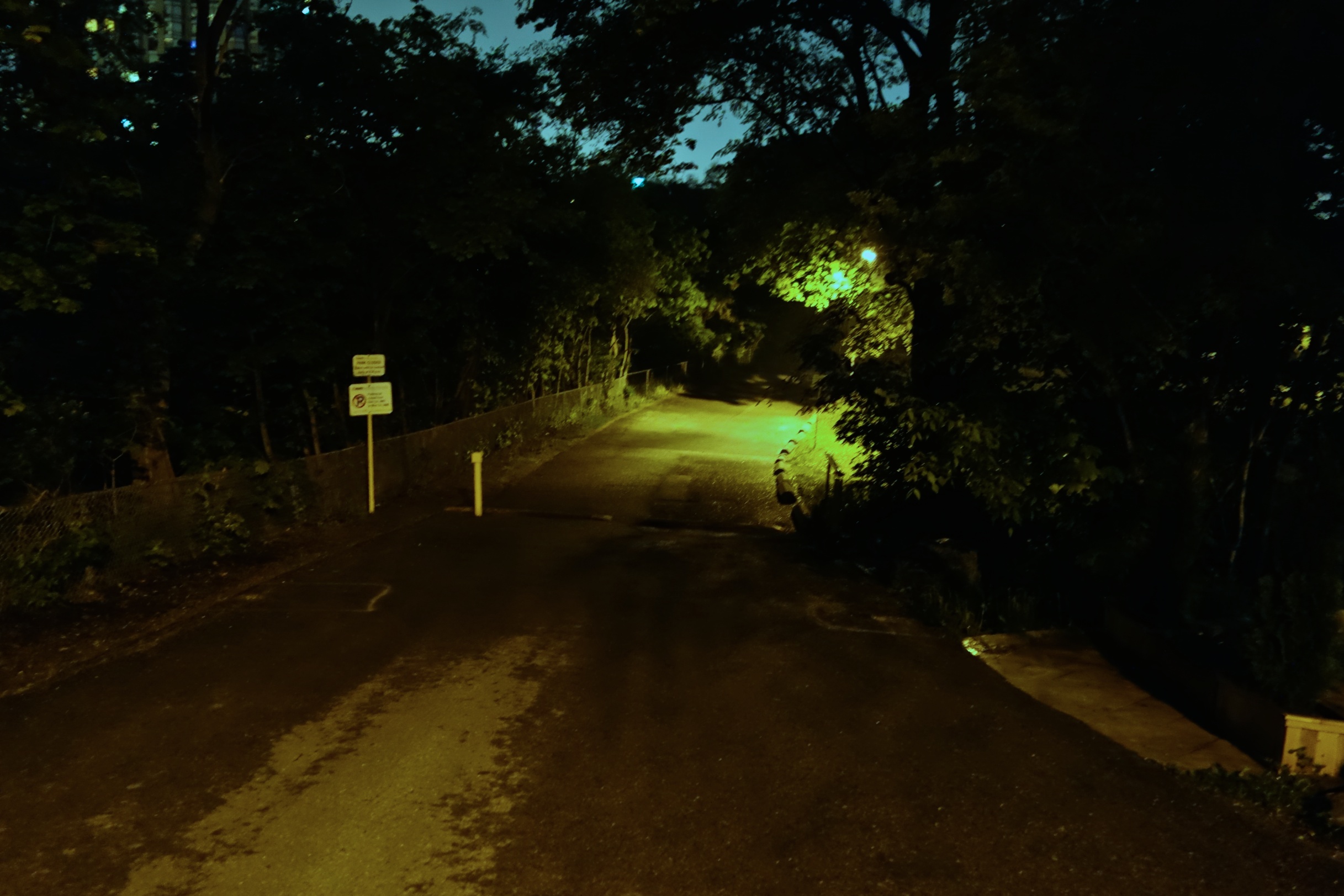
It’s already May 22nd and yet the gates to Raymore Park are left wide open every night. This despite a call to 311 last week.

Park gates open at 11:00 pm May 21st.

Park gates open at 11:00 pm May 21st.

May 20th was the Victoria Day holiday. Because the gates were left open, a group of people held a fireworks party on the grass by the parking lot.

Every year it’s the same. Surely the date cannot come by surprise? Gimme the friggin’ key and I’ll lock it up.

Postscript: As of early June, the park is being locked up regularly but interestingly it re-opens between 3 and 4 a.m.

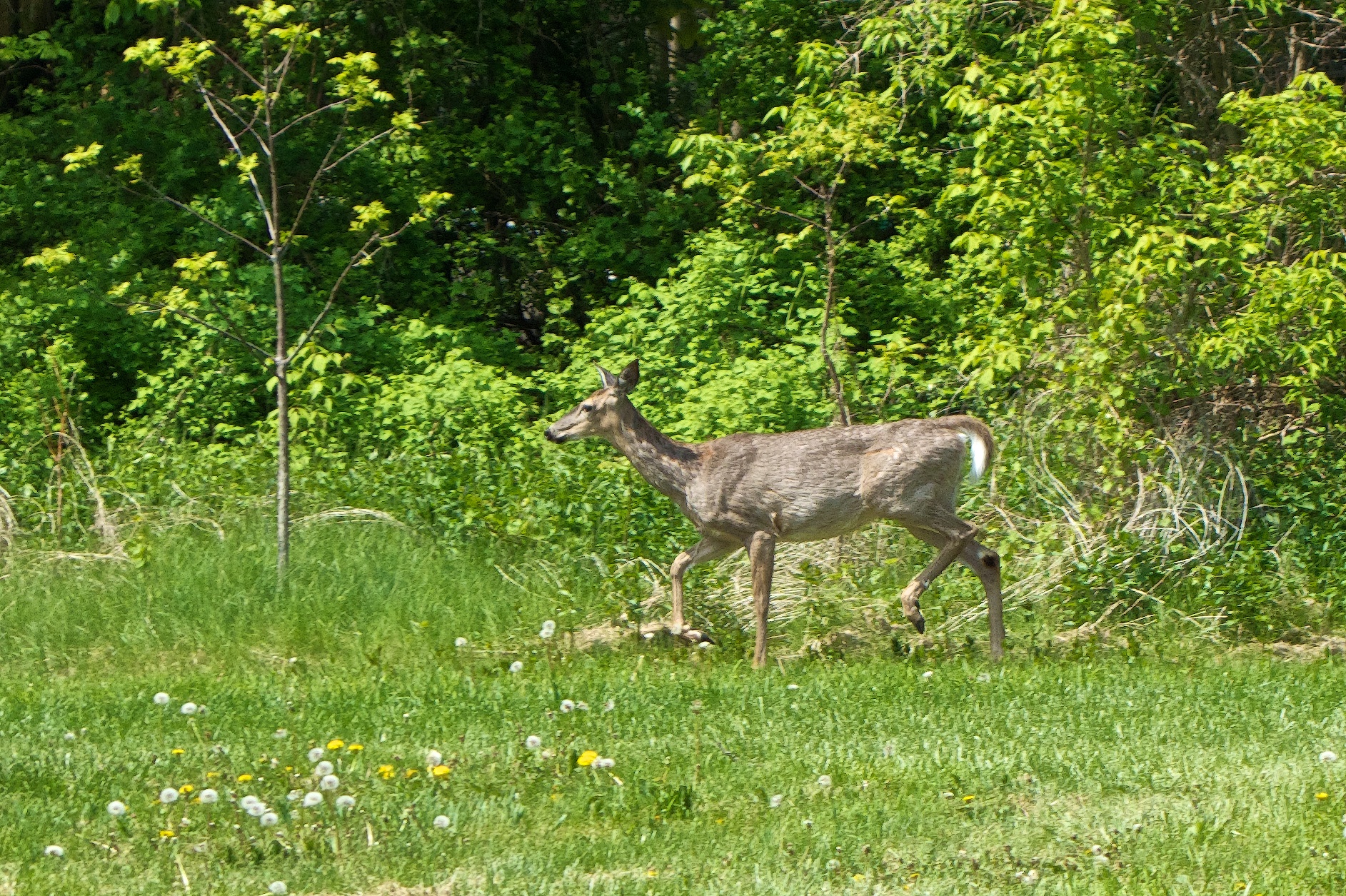
Earlier on the 20th, a young deer ambled down through the park quite unconcerned with the large numbers of people. A few people stopped to watch before it disappeared into the sumac behind the unused ball diamonds.

DSC02015

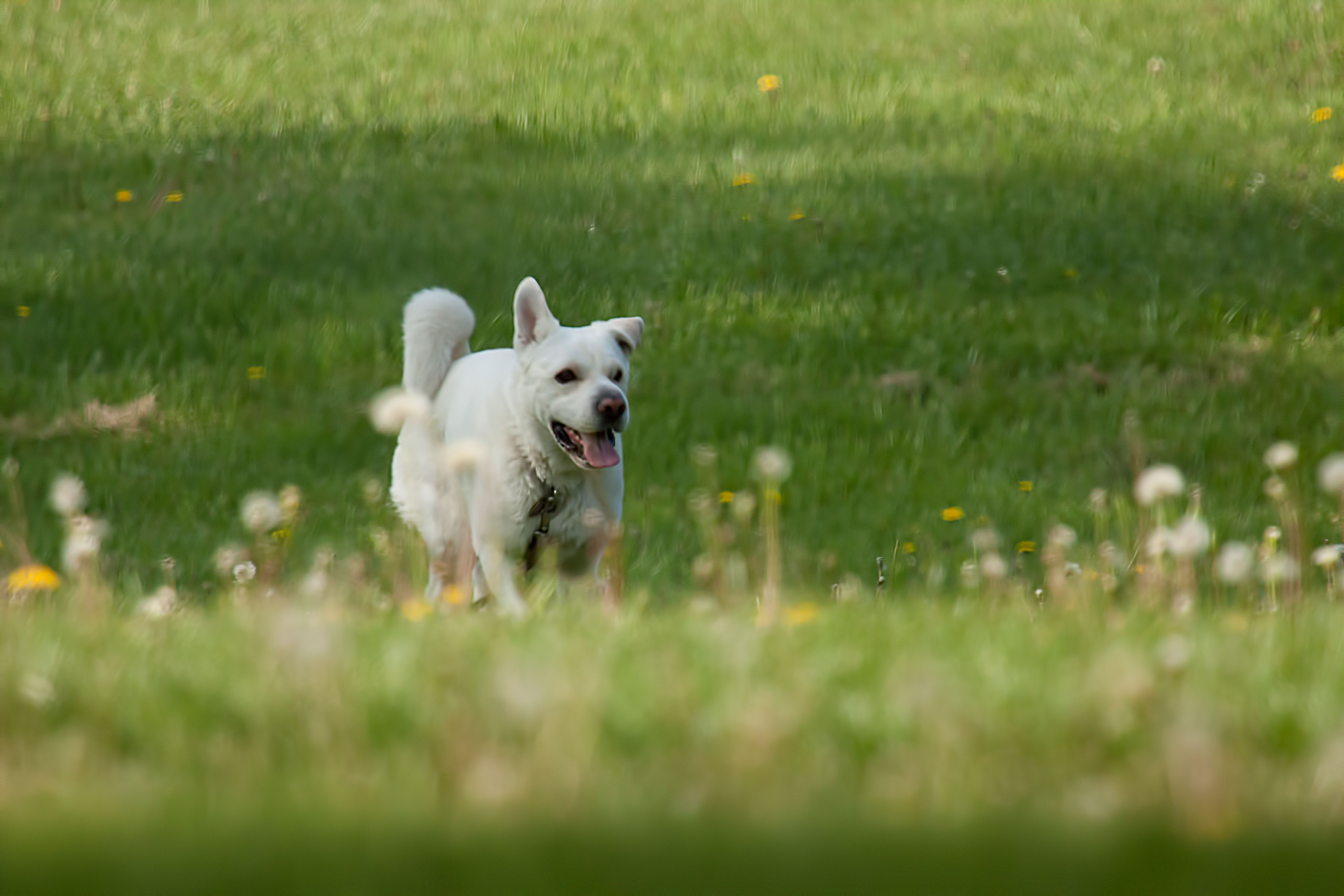
Fortunately there were no dogs on the loose – like this one that is allowed to chase park wildlife.

diablo

Image courtesy of Code Monkey.

On a further seasonal note, mosquitoes are back. The woods at the bottom of the park are home to some of the most aggressive bugs known to humanity. They managed to give me a matching welt on each arm.

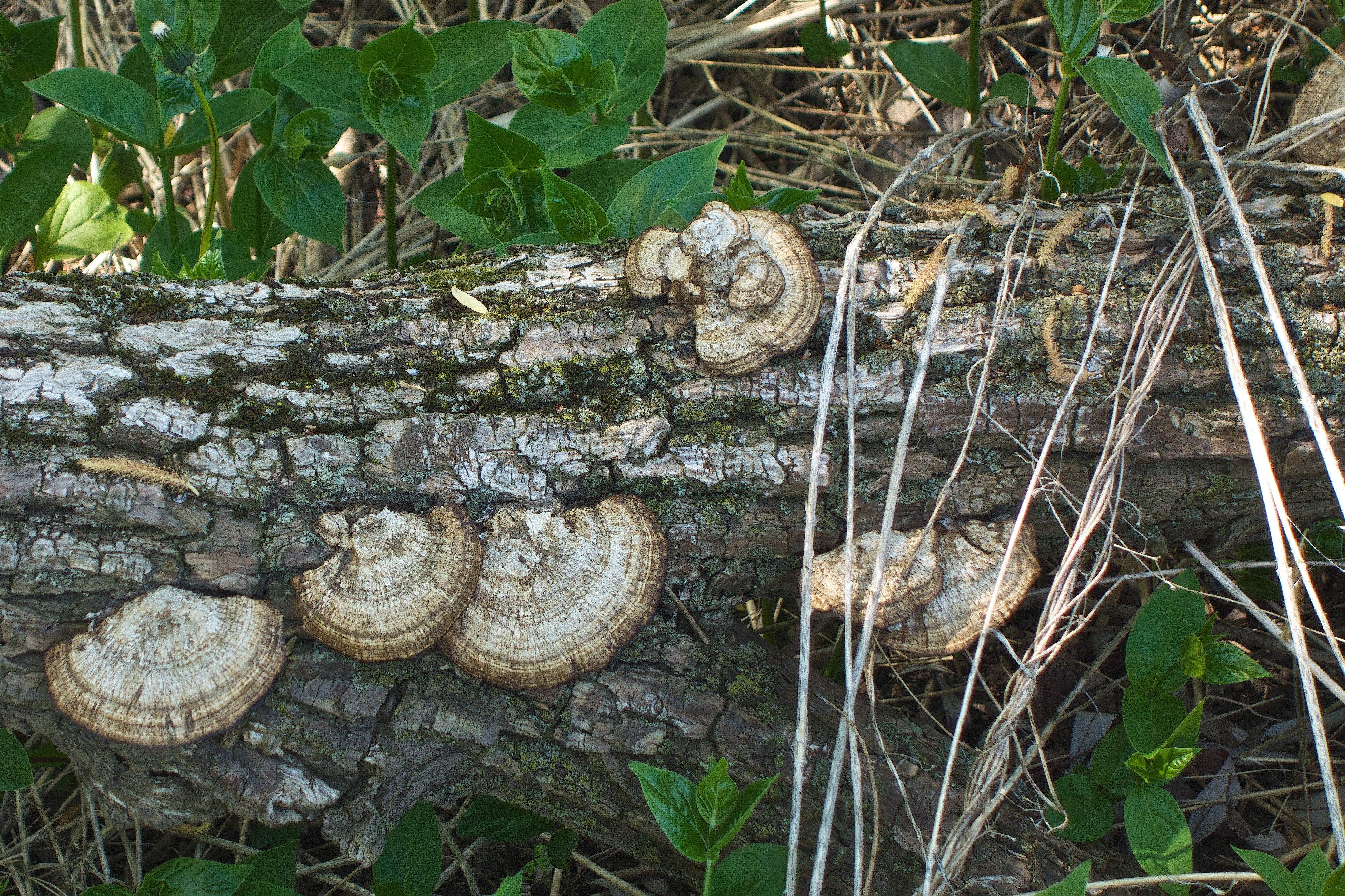
Lastly, some fungus caught my eye. It’s a type of bracket fungus commonly named Turkey Tail. It breaks down dead and diseased wood.

Trametes versicolor - Turkey Tail Fungus.

Trametes versicolor – Turkey Tail Fungus.

Mass planting in the park

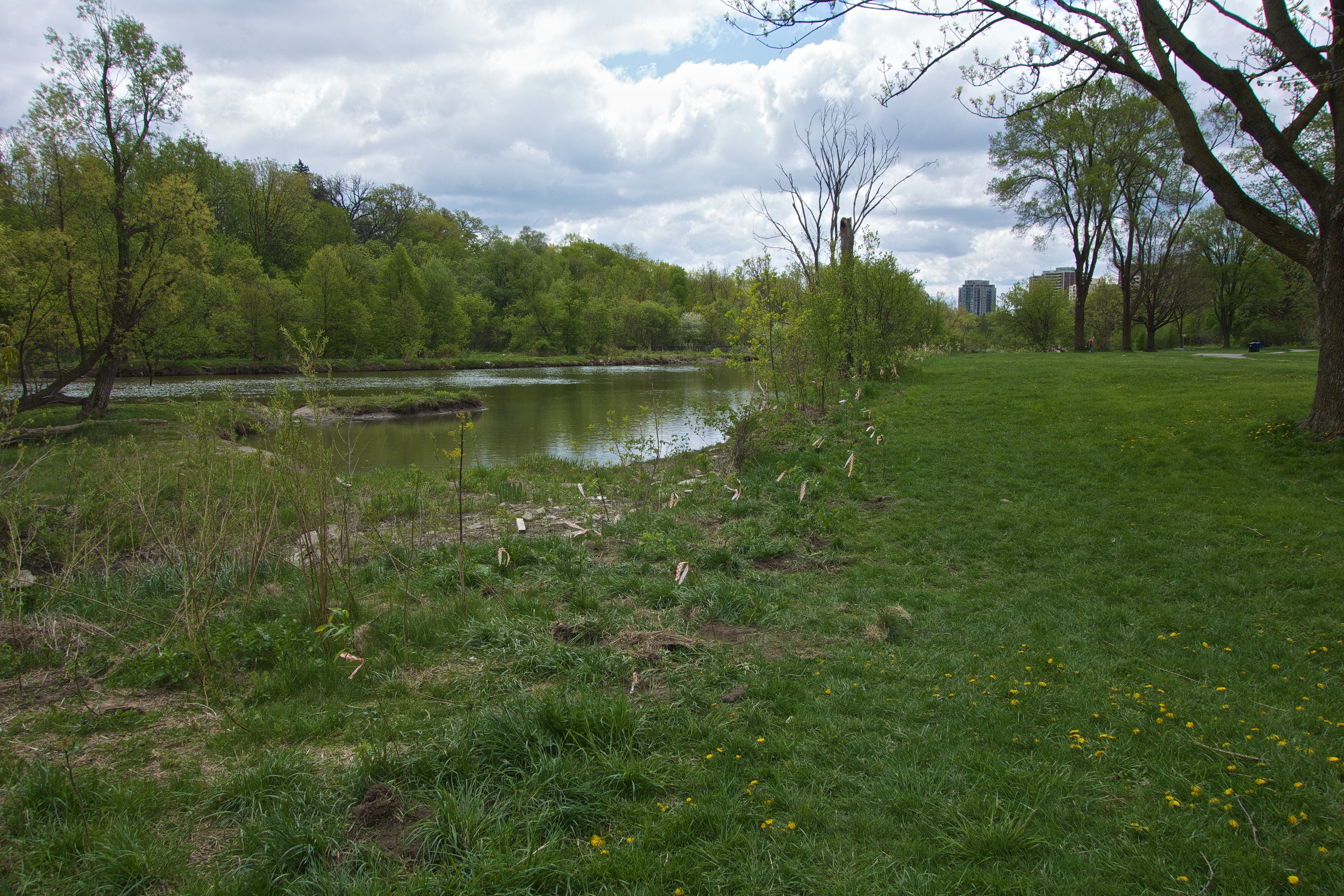
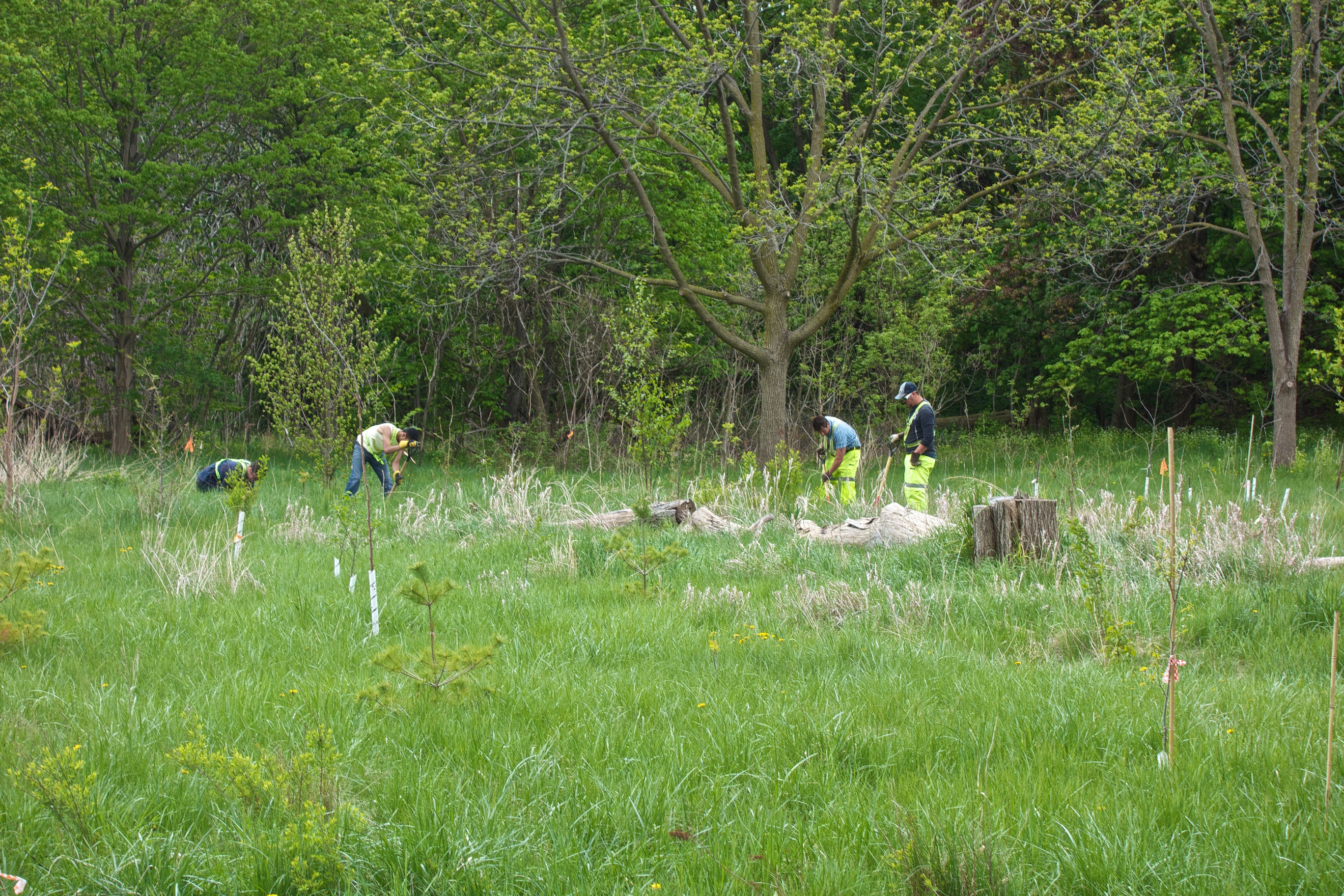
Hundreds of saplings were planted in the park yesterday. Beginning where the river comes close to the trail and continuing to the bottom of the hill towards Scarlett, lots of willow, red hawthorn, elm, and oak have been planted. This is a good time to plant – last year, a planting was done in July and most of the saplings were dead on arrival after having endured a hot day in a plastic bag in the sun.

Lots of willow by the riverbank.

Looking south, lots of willow by the riverbank.

The field past the weir was planted and will be a veritable forest in a few years.

Workers planting hundreds of saplings.

Workers planting hundreds of saplings in the field past the weir.

Today a tanker truck was watering them in thoroughly. Let’s hope for a wet spring so they can establish themselves.