School visit and beavers.

Students led by their teacher return to school after crossing the Humber.

Students led by their teacher return to school after crossing the Humber.

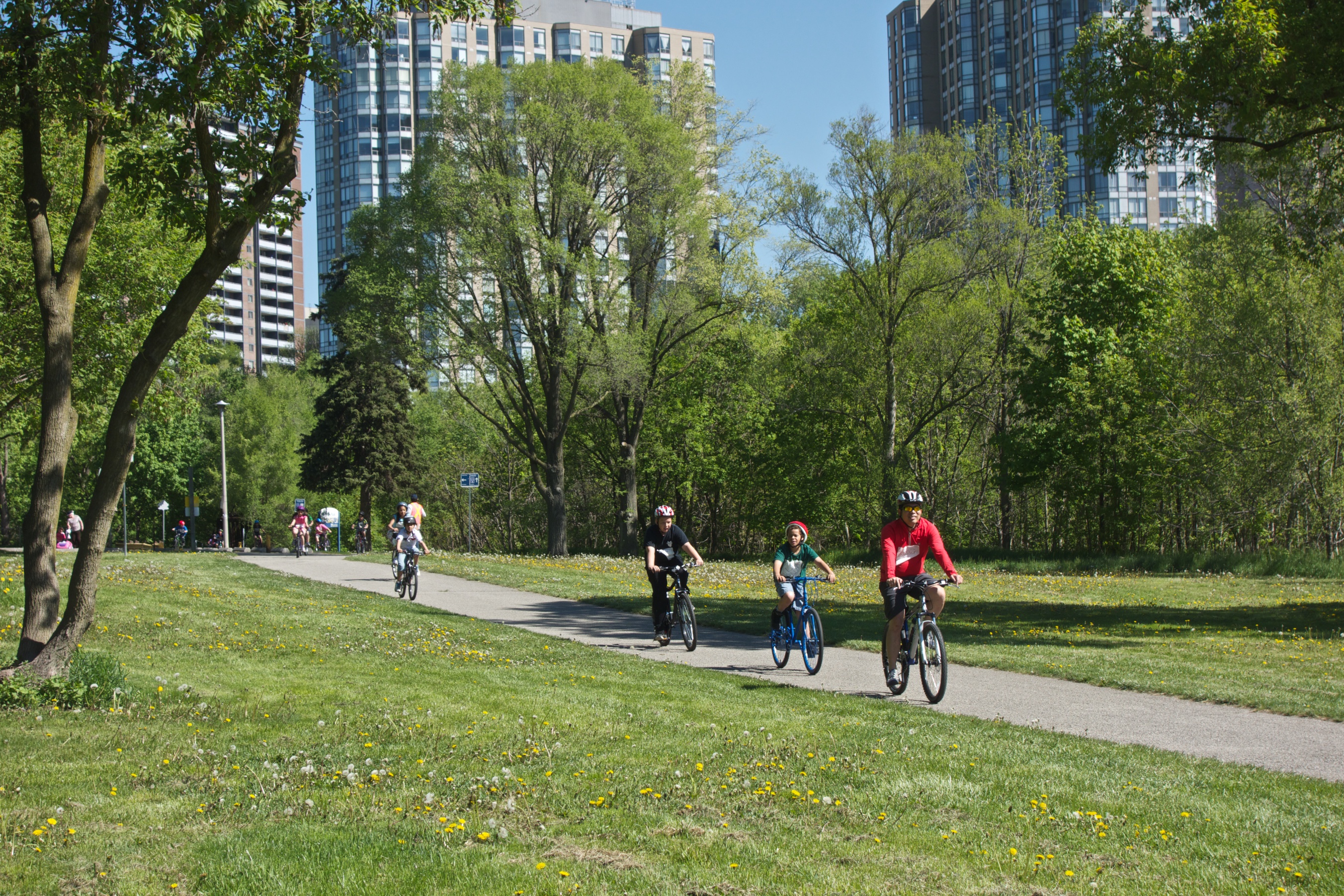
Students from a local school were out today cycling through the park. A great way to introduce kids to the park system as many would be unaware of it without a school visit. The first portent of the students’ impending arrival was a group of about half a dozen supervisors decked out in yellow and orange safety jackets walking towards the bridge. The students then came by complete with bikes and helmets – a teacher at the front to lead and one at the rear to hurry along the slow ones.

Seeing the number of supervisors, I understand why so few trips end up in the park. Nowadays, safety trumps everything and nothing can be left to chance. The logistics of obtaining parental permission, organizing and paying for supervision would sadly mean that this is a very special and rare occasion.

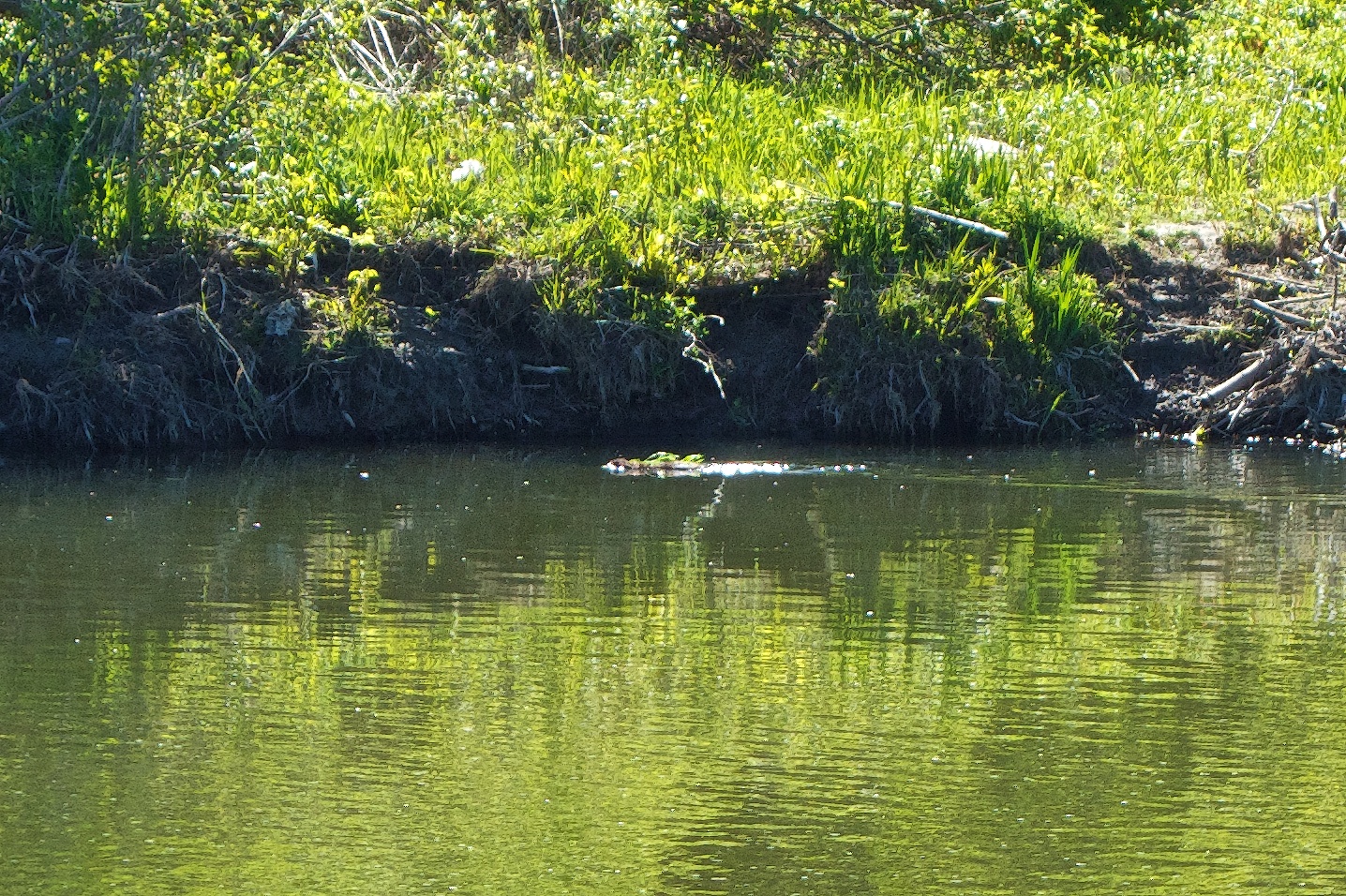
On another topic, beavers have come and gone in the park in recent years. It’s hard for them to find a suitable and private enough location away from off-leash dogs and other menaces. Happily, today a beaver was bringing food to its lodge in the park so a family must have taken up residence.

A beaver swims upstream with food.

A beaver swims towards its lodge carrying food in the form of leaves and twigs.

It’s not a very detailed photograph as at that distance the Sony’s 3.6x zoom doesn’t go far. No doubt the kits will be emerging in the next few weeks and will live with their parents for almost two years. Beavers mate for life after their third year and only breed once a year. By the early 20th Century, these animals had been trapped, poisoned and shot to near extinction here in North America but have recovered somewhat to about 5% of where they were before European settlement.

Mass planting in the park

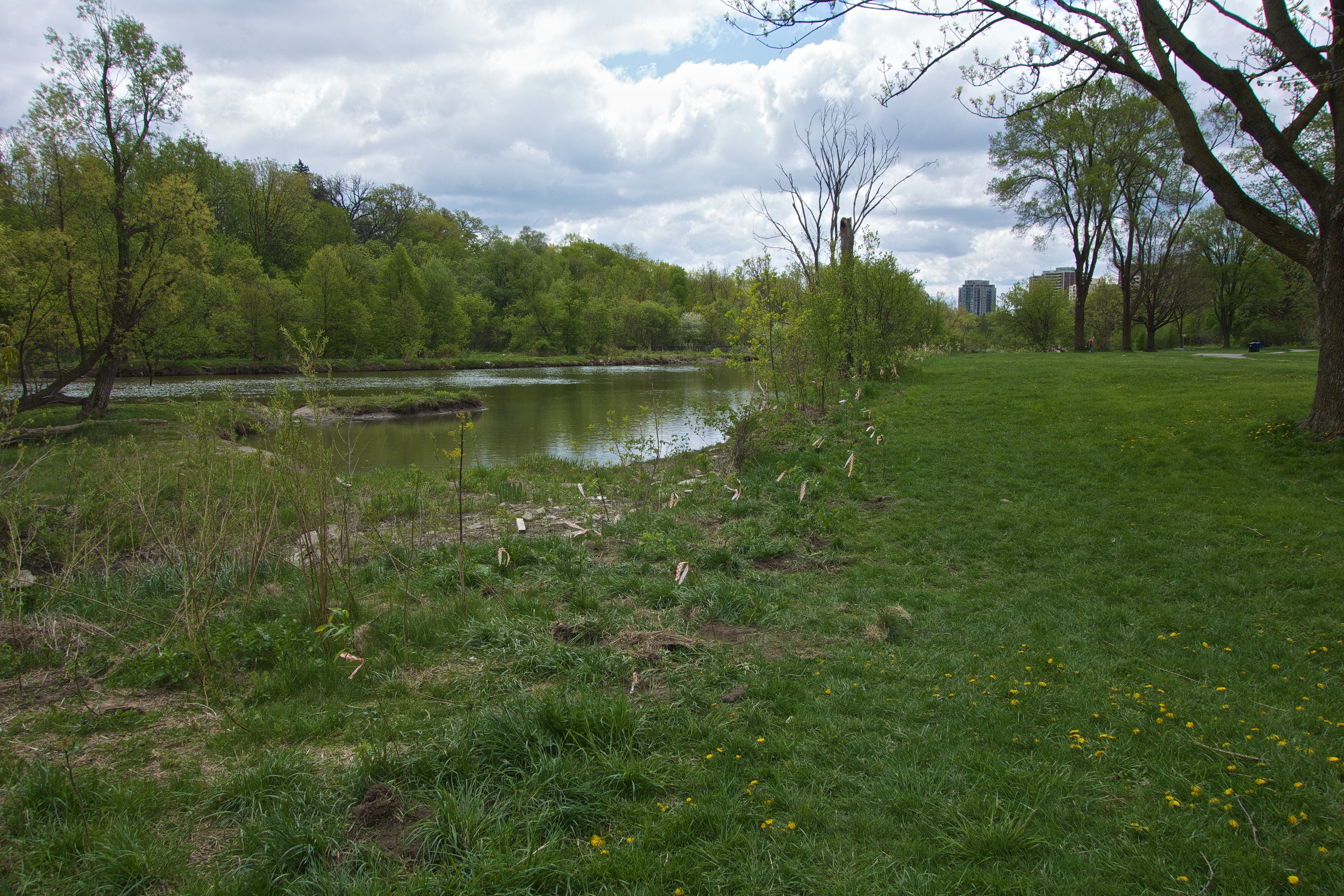
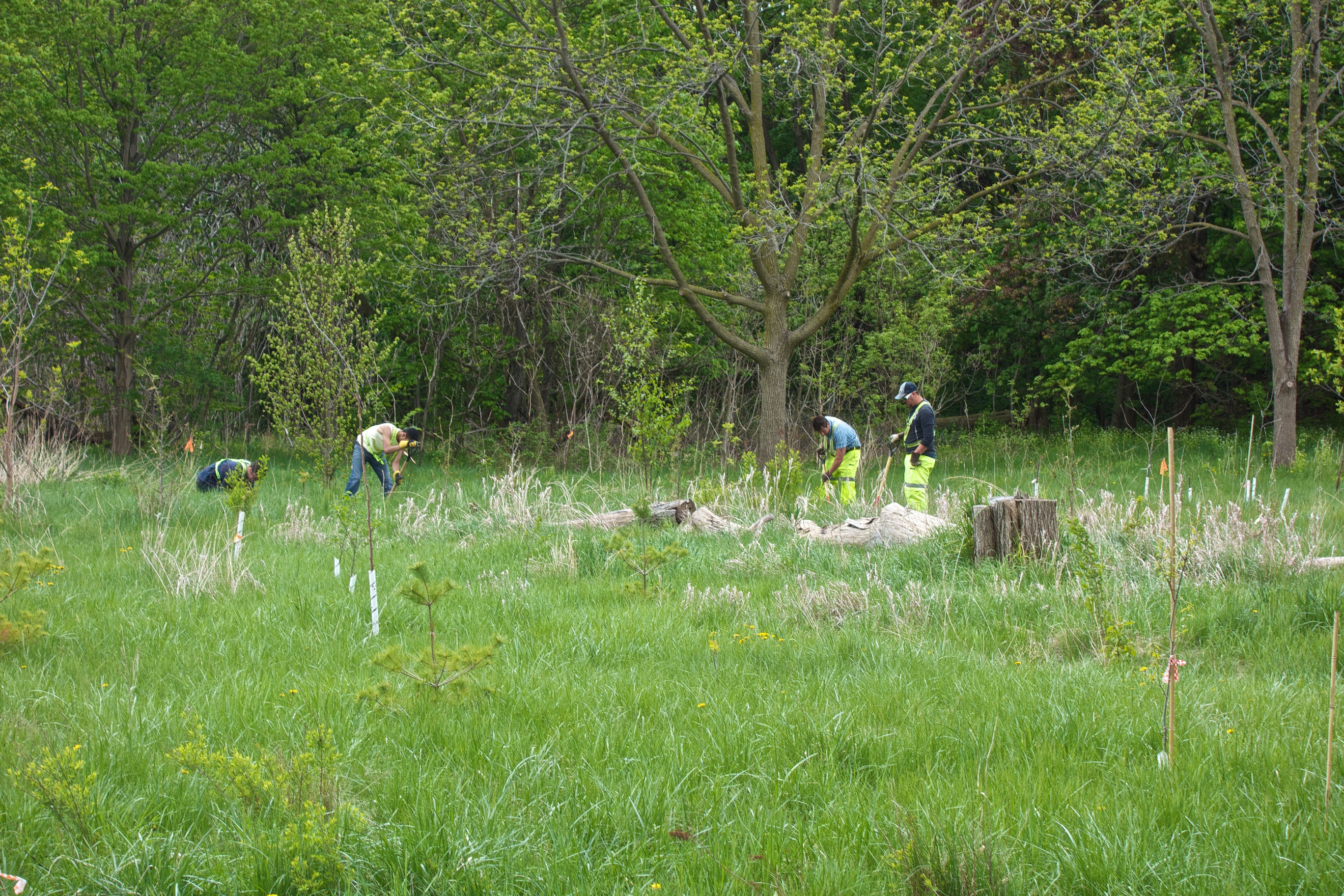
Hundreds of saplings were planted in the park yesterday. Beginning where the river comes close to the trail and continuing to the bottom of the hill towards Scarlett, lots of willow, red hawthorn, elm, and oak have been planted. This is a good time to plant – last year, a planting was done in July and most of the saplings were dead on arrival after having endured a hot day in a plastic bag in the sun.

Lots of willow by the riverbank.

Looking south, lots of willow by the riverbank.

The field past the weir was planted and will be a veritable forest in a few years.

Workers planting hundreds of saplings.

Workers planting hundreds of saplings in the field past the weir.

Today a tanker truck was watering them in thoroughly. Let’s hope for a wet spring so they can establish themselves.


More hints of the past

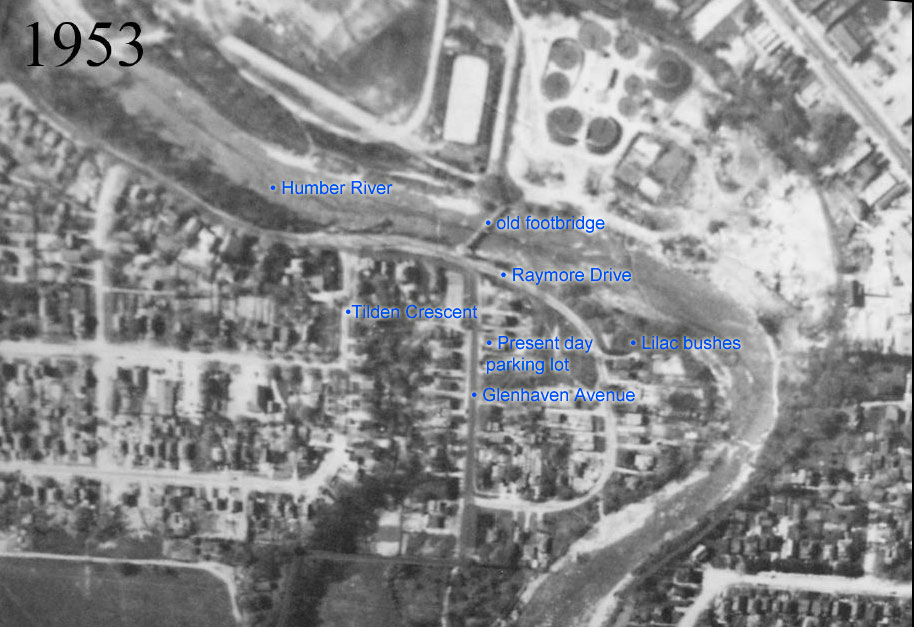
Housing was once scattered along the length of the Humber. Quite a few were built on the valley floor in present day Raymore Park. Raymore Drive used to stretch down into the present-day parking lot and Gilhaven Avenue. It must have been an idyllic location with nature close at hand, rich flood plain soil and an easy walk to the shops and transportation links in Weston. Interestingly, I was talking to long time Weston resident Douglas Tucker and he mentioned that until the mid-1960s, Weston was a shopping destination for people from as far away as Palgrave and Bolton thanks to a regular train service.

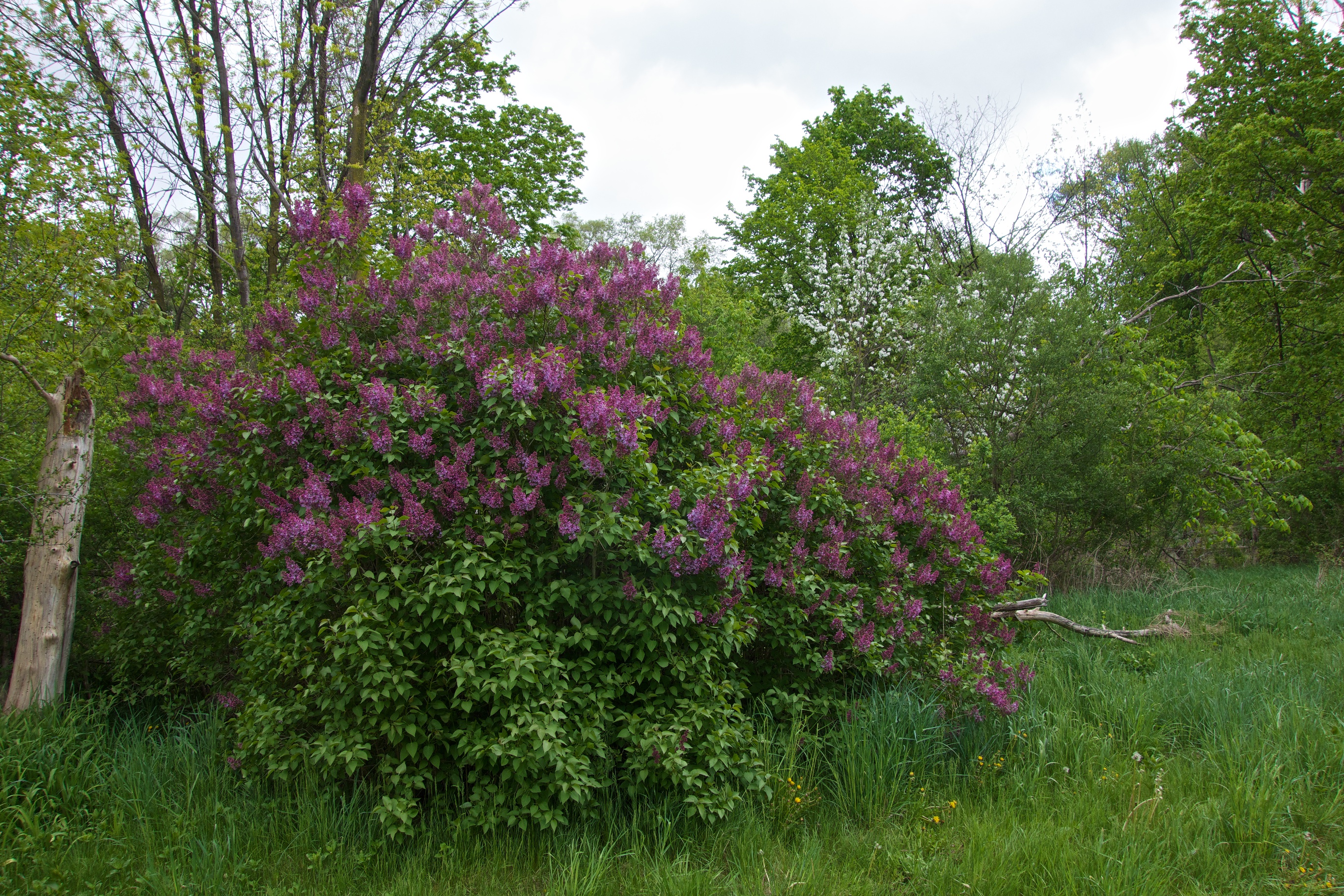
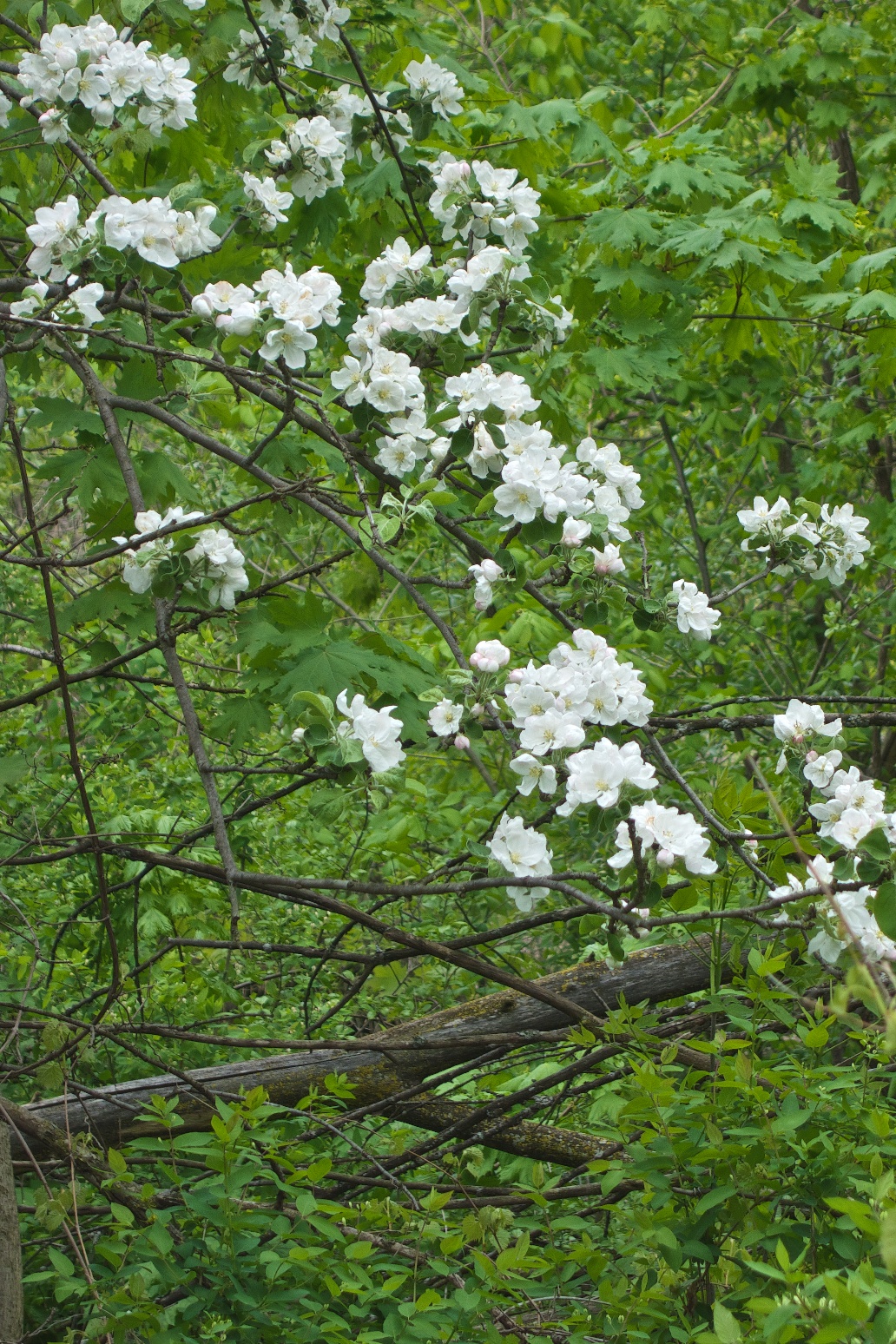
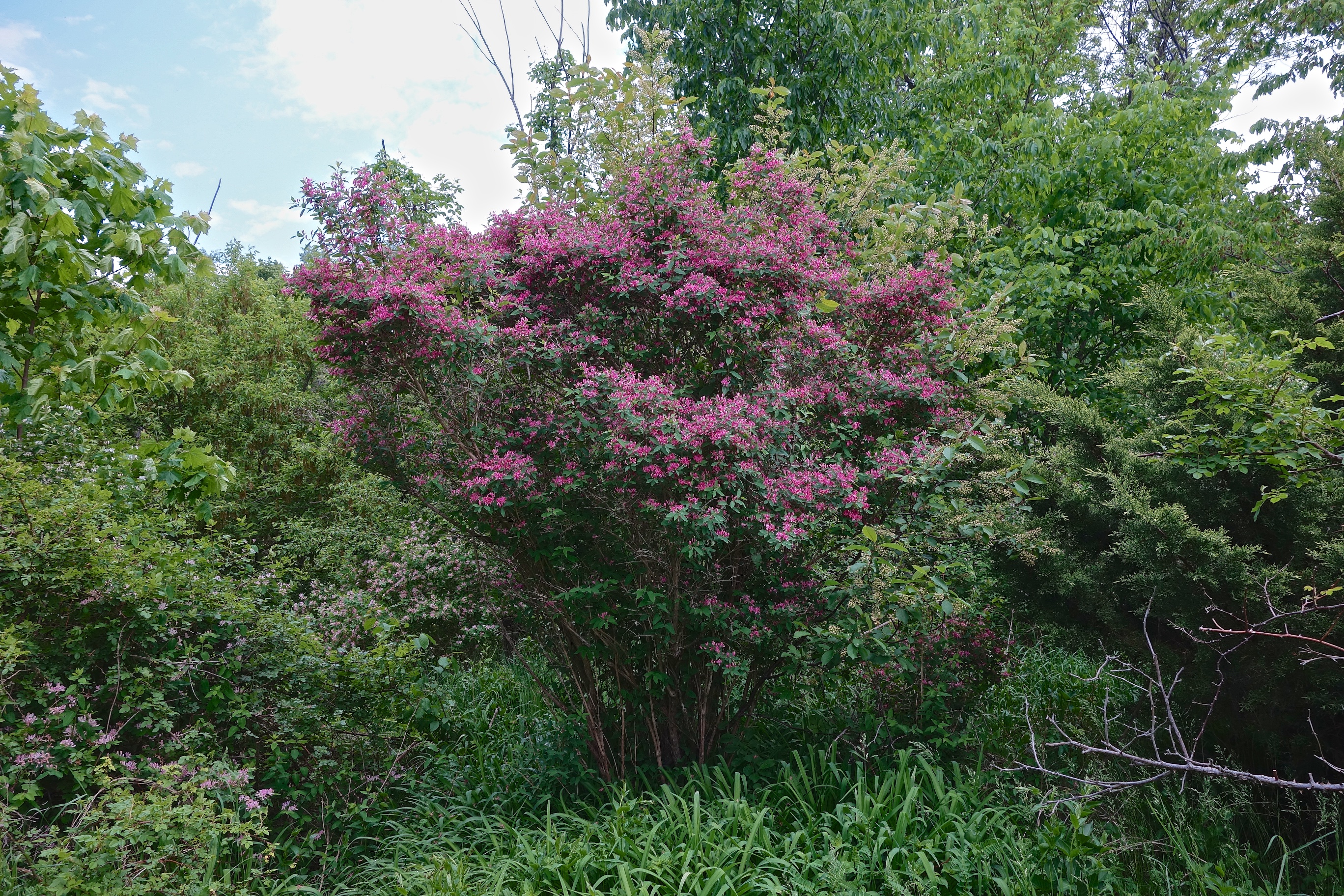
In Raymore Park, few traces remain of the houses once located here before they were either swept away during Hurricane Hazel or demolished by authorities in the aftermath. Every spring however, flowering shrubs are living reminders of the families who cultivated gardens here more than fifty years ago.

This beautiful lilac blooms faithfully every year.

This is one of two beautiful lilacs that bloom faithfully every year.

Apple blossom pokes its way through the surrounding trees.

Apple blossom pokes its way through the surrounding trees.

A beautiful American Honeysuckle towers over day lilies.

Along with the day lilies in front of it, I don’t know if this beautiful honeysuckle is a remnant or not.

This City of Toronto Archive aerial view has been labelled to show the location of some of the streets including Gilhaven Avenue which no longer exists. The present-day lilac bush and parking lot locations are marked. The Humber still follows the same approximate course.

Aerial view of Raymore and Glenhaven in 1953.

Aerial view of Raymore and Gilhaven in 1953.

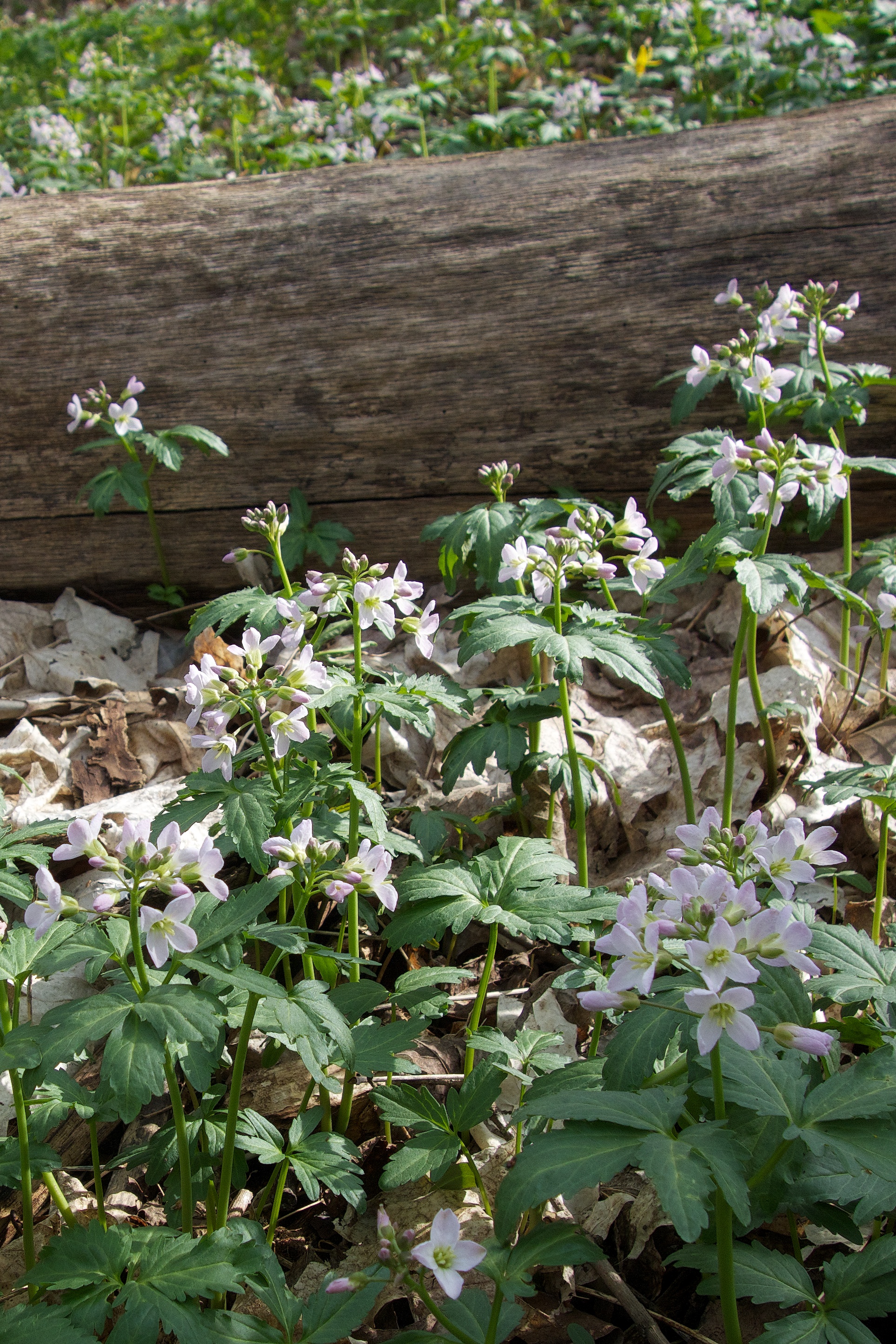
Wildflower of the day: Broadleaf Toothwort.

Cardamine diphylla; Broadleaf Toothwart

Cardamine diphylla; Broadleaf Toothwart

This native wildflower is found over a huge area of North American woodlands from Georgia to Ontario and from the east coast to Wisconsin. Wort is used to denote an edible plant and/or one with medicinal properties while the tooth part of the name refers to toothlike formations on the roots. It produces white, lightly pink or purple flowers in spring. A member of the mustard family, it was and still is used as a food as well as a medicine by many native tribes. Garlic mustard is a major threat to the broadleaf toothwort.

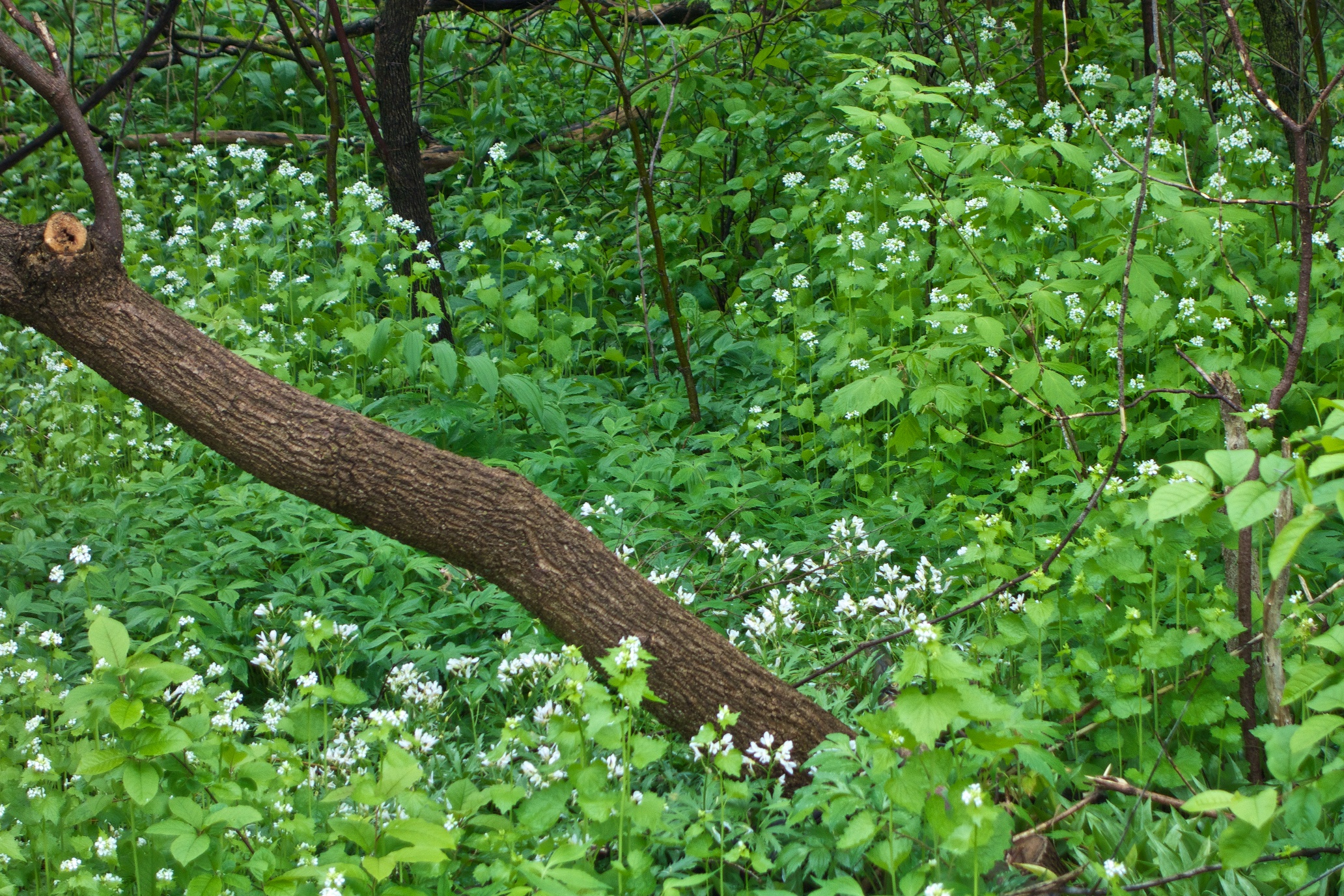
A patch of Broadleaf toothwort threatened by garlic mustard.

A patch of broadleaf toothwort surrounded by garlic mustard.

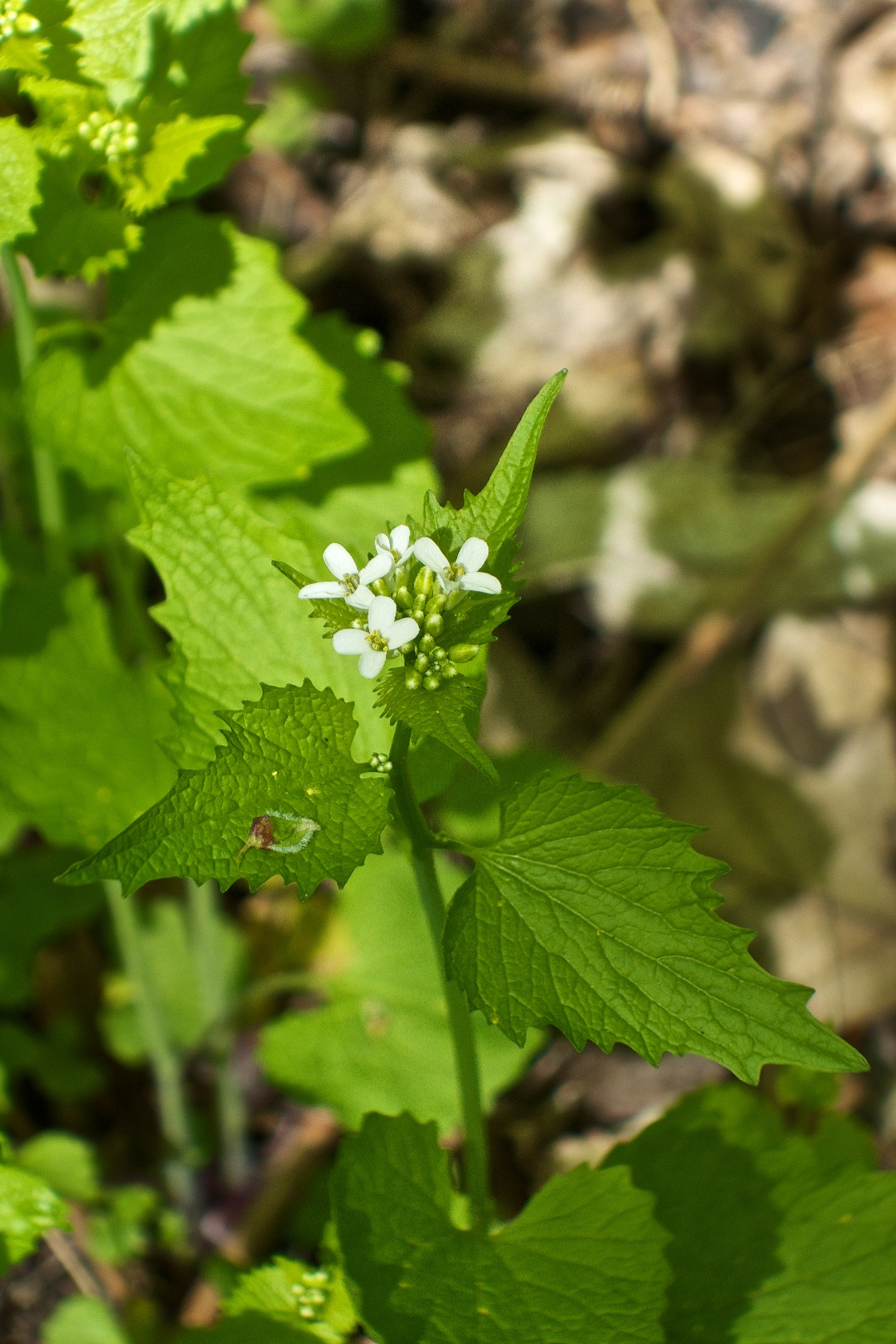
Invasive weed of the day; Garlic Mustard.

Imagine, a nutritious salad ingredient just for the picking.

Ontario is filled with invasive species that have been released accidentally or deliberately. Alliaria petiolata, a native European plant was brought to North America in the 19th Century by settlers who liked its garlic taste and medicinal properties. It’s an evergreen that grows quite tall and since its natural enemies didn’t come along for the ride, Alliaria petiolata, positively thrives. It is better known as garlic mustard, poor man’s mustard or in the U.K., as Jack-by-the-hedge.

Tiny white flowers produce black seeds.

Tiny white flowers produce black seeds.

It can be used as a salad ingredient and is high in vitamins A and C. As the name suggests, it has a garlic flavour and apparently the small black seeds it produces are sprinkled on foods as a flavouring in France.

A patch of Broadleaf toothwort threatened by garlic mustard.

A patch of Broadleaf toothwort threatened by garlic mustard.

Like most invasive species, it looks as if we are stuck with this one and it’s not shy. It produces huge numbers of seeds and aggressively crowds out other plants; the lack of natural predators giving it an unfair advantage. To add insult to injury, deer avoid it, preferring native plants. It is therefore a real threat to native plants throughout Raymore Park and has spread rapidly in the park in the past few years. Eradicating it would require large numbers of people to cut it back regularly so that seeds cannot form and spread. A mammoth and probably futile task.

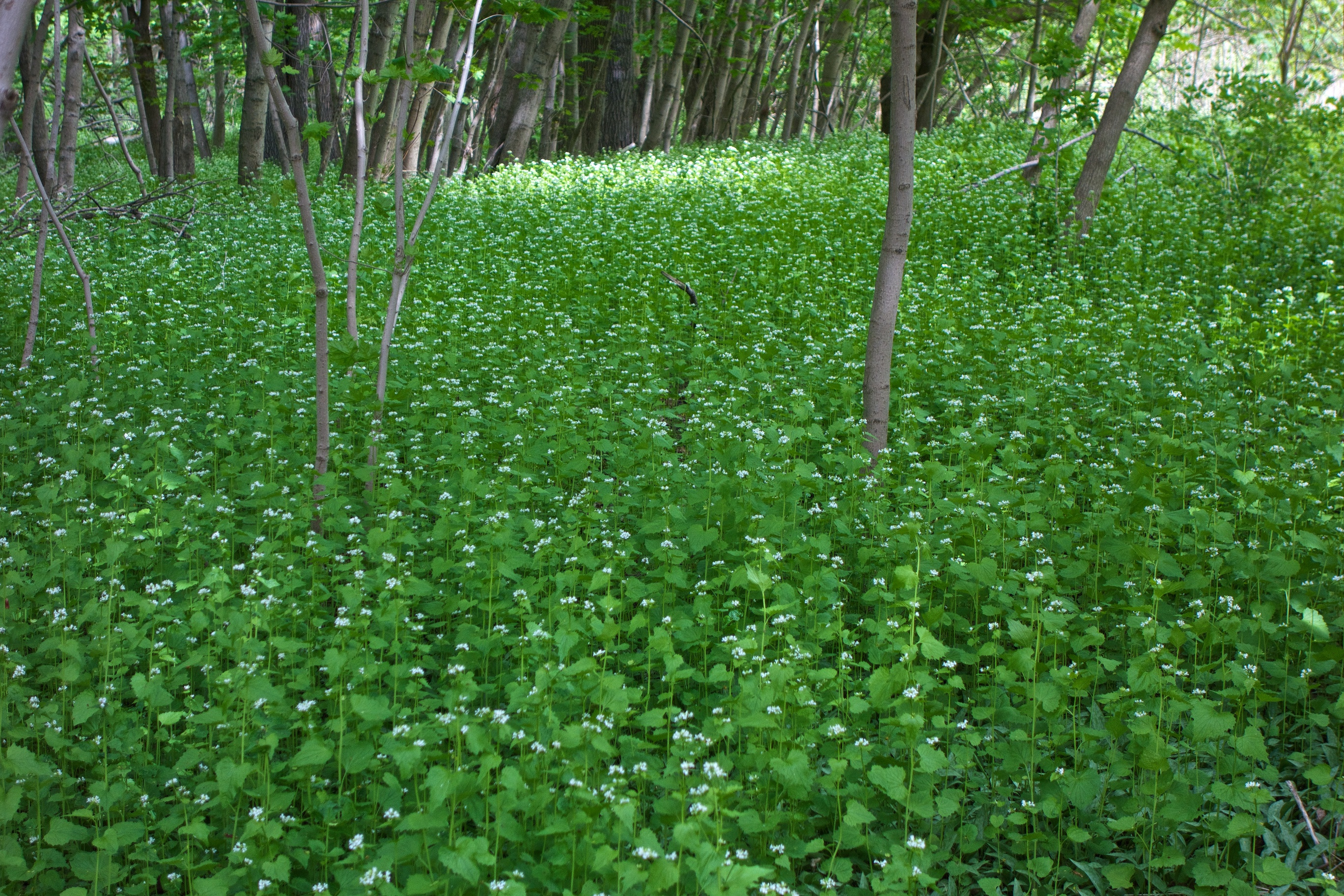
Garlic mustard is well on its way to monoculture status in this area.

Garlic mustard is well on its way to monoculture status in this area.

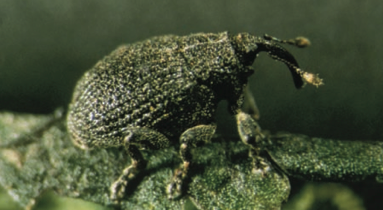
There is a glimmer of hope. U.S. scientists are looking to Europe where garlic mustard has several predators that keep it in check. The hope is that through painstaking research, they can find one or more that will not threaten other flora and fauna once introduced. The prime candidate is a weevil, Ceutorhynchus scrobicollis, that feeds exclusively on GM and therefore will not be a threat to anything else.

Could this tiny insect be the answer?

Could this tiny insect be the answer?

In the meantime, salad anyone?

Update: Dr. Frank S. Gilliam wrote asking for permission to use one of the photos in this article for his commentary on invasive species in The New Phytologist, a plant science publication. The article can be accessed here. The gist of it seems to be that invasive plants like garlic mustard create an advantage for themselves by releasing compounds that inhibit the growth of (often native) competitors.

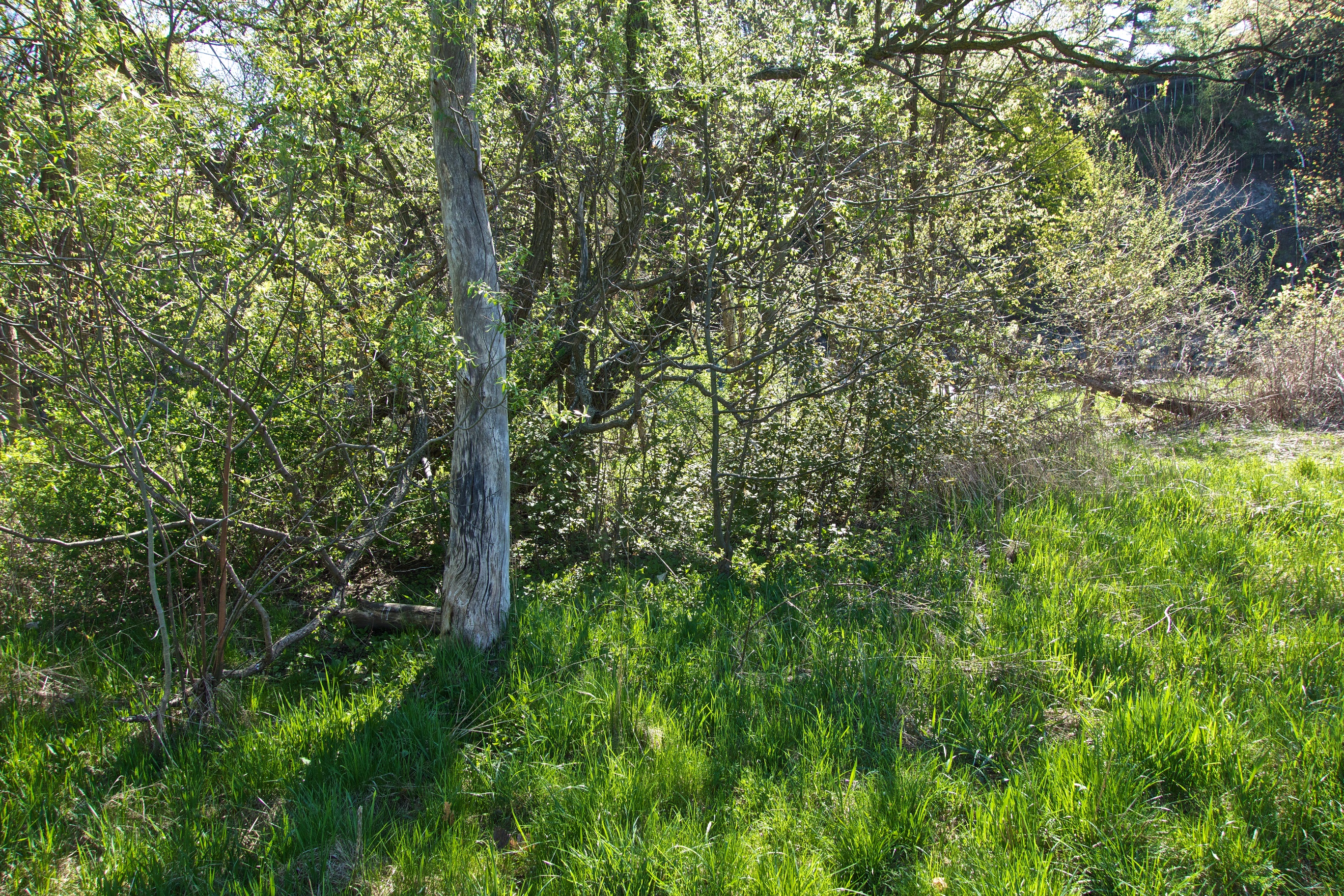
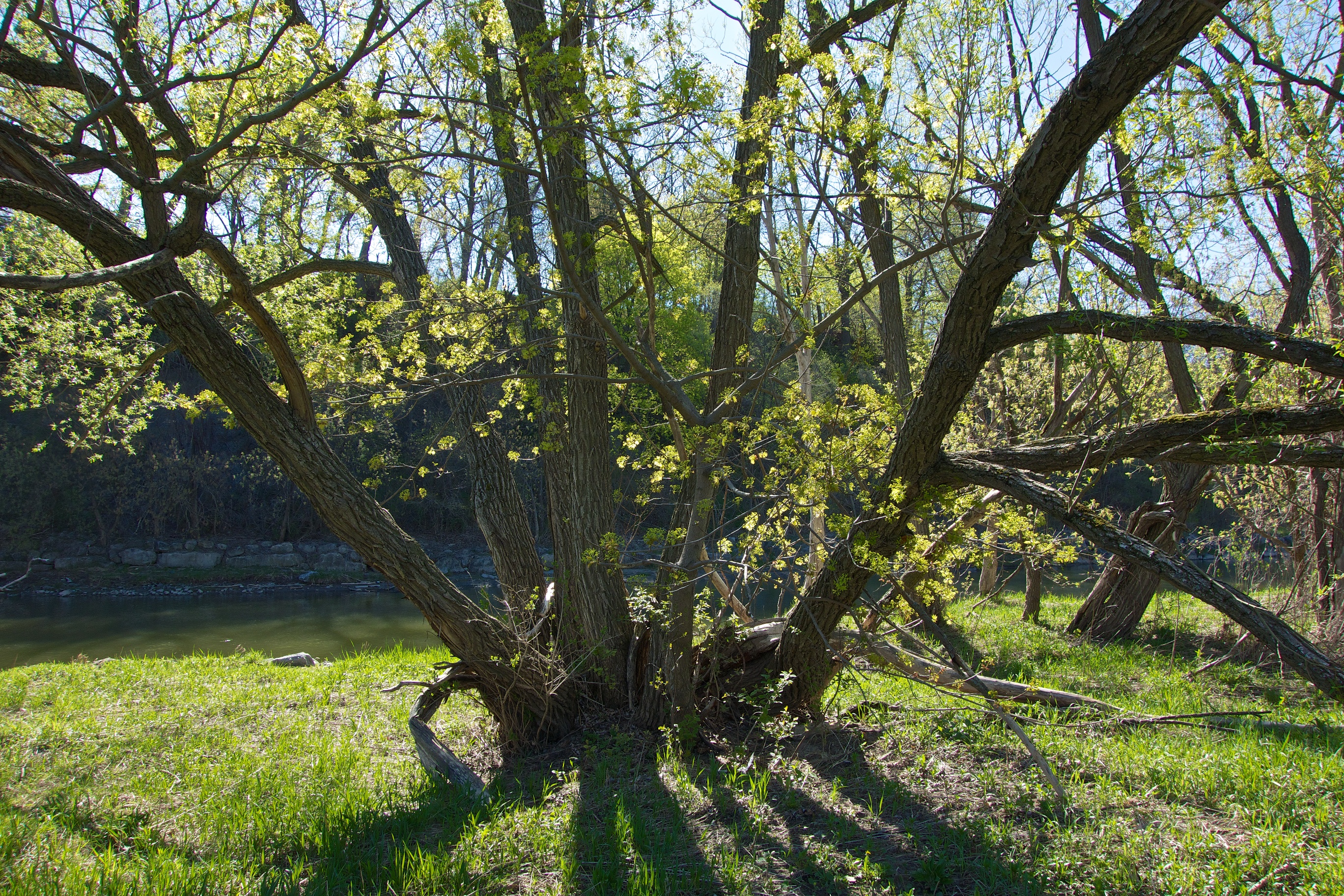
Against the light.

I love taking shots against the light. It can be a challenge to avoid glare and burnouts but the rewards are worth the effort in terms of contrast and vivid colour. Today was a continuation of several days of sun , mild temperatures and low humidity which lends even more clarity to such images.

DSC01794

Fresh blades of grass are backlit and the air is clear on this day of low humidity.

DSC01800

The texture of the tree trunks makes a nice contrast with the blades of grass while the shadows continue the tree lines.

DSC01807

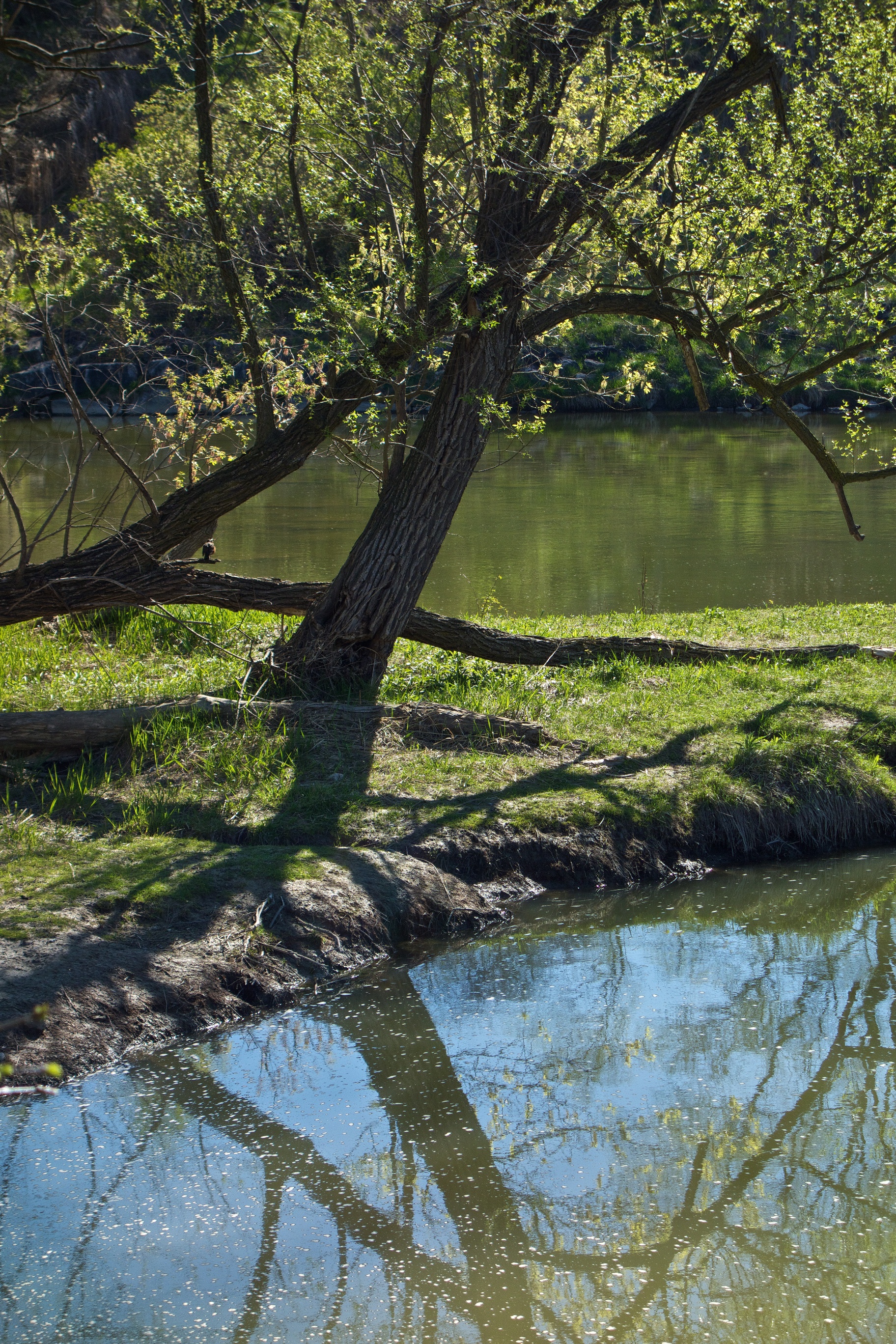
Flowers from the trees dot the water by the peninsula. Lots of green shades contrast nicely with the sky reflection.

Humber River Watershed Report Card

Screen Shot 2013-04-25 at 5.05.34 PMAfter much study and gathering of data, the Toronto Region Conservation Authority (TRCA) has released its 2013 report card on each of the rivers in the Toronto watershed. Raymore Park is classified as being in the Lower Humber and understandably, nature along this most urban part of the river is under considerable pressure.

Four categories in each watershed are graded A-F.

Groundwater Quality……. Insufficient data.

Groundwater, especially in the Humber’s upper reaches can be contaminated by nitrates and nitrites from farm animals, septic systems and fertilizers while the more urbanized stretches can contain high chloride levels from winter road salt. TRCA needs to add more monitoring stations before a comprehensive grade can be given.

Surface Water Quality…..C

48 monitoring sites check for only three indicators of surface water quality; phosphorous, E.coli bacteria and Benthic Macroinvertebrates (BMI) (invertebrates that can be seen with the naked eye) The higher the BMI score the better. While the Humber as a whole gets an overall grade of C, as can be imagined, the lower down in the river, the poorer the results. On this basis, Black Creek and the Lower Humber are probably in the F range.

Forest Conditions………D

In the lower Humber, only 7% of the land is covered by trees. Nowhere in the Humber Watershed is the desired minimum of 30% achieved. Trees help with air quality, provide homes for many animals and protect and shade aquatic habitats.

Stormwater Management…..F

This category is directly related to Surface Water Quality and refers to the ability of municipalities to prevent rainwater emptying into the sanitary sewer system. Older municipalities (such as Toronto) operate combined storm and sanitary sewers and when rain falls, the system can overload, dumping raw sewage into the river. To combat this surge of water during rainstorms, municipalities are encouraging homeowners to disconnect their downspouts from storm sewers into rain barrels or onto land where it can be absorbed harmlessly. There are other ways to reduce this load; driveways made from interlocking brick absorb rain whereas sealed driveways (concrete, tarmac) add to the storm sewer load. Flat roofs can be made to absorb water using a membrane, then adding a soil equivalent and plants.
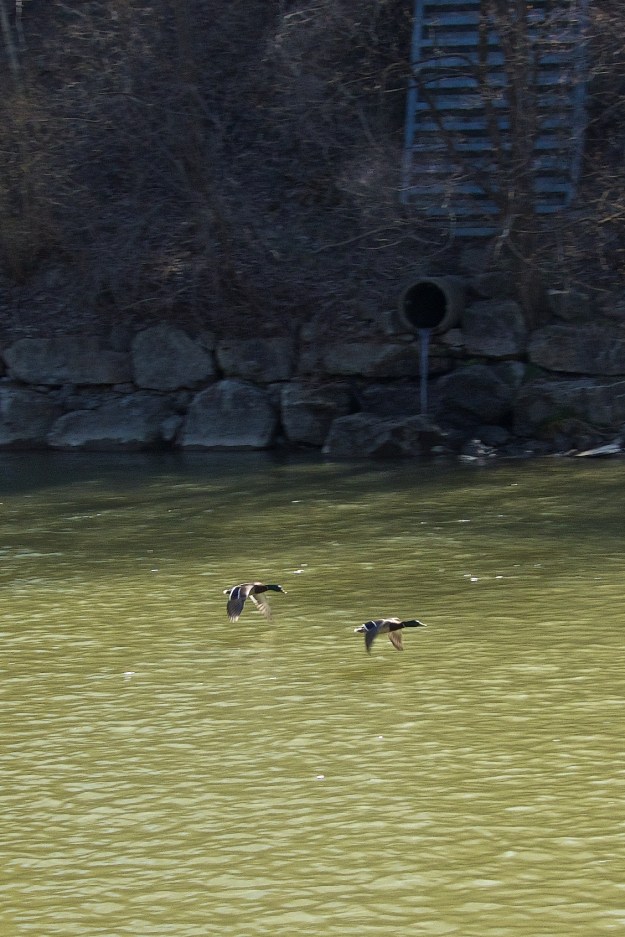
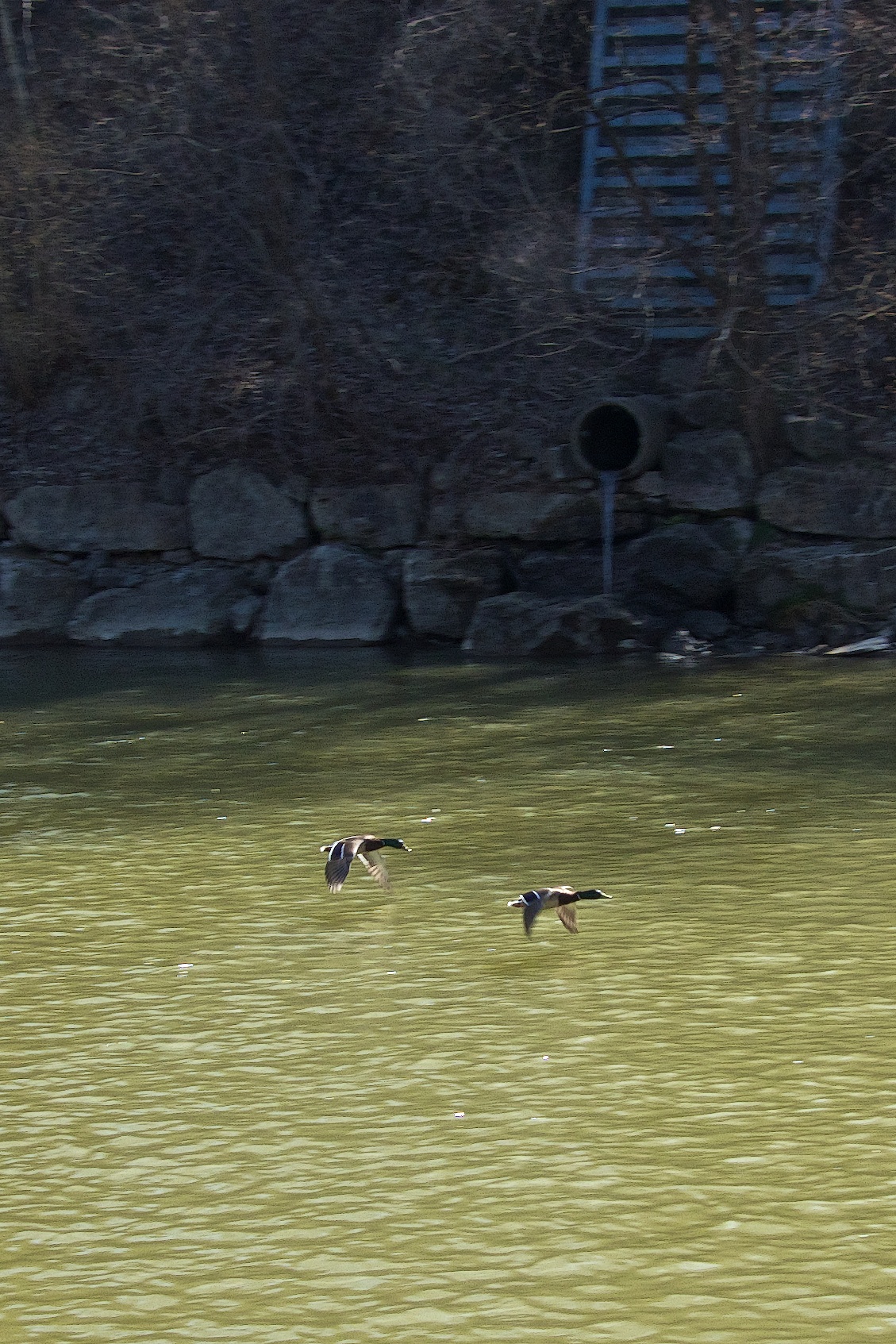
A pair of mallards passing a storm sewer outlet.

A pair of mallards pass in front of a mystery liquid gushing from a storm sewer outlet in Raymore Park.

This particular outlet spews forth its unknown liquid in both dry and wet weather seemingly with no particular reason.

Here’s what I think needs to happen in order to improve these scores and how residents can help.

TRCA needs to:

  • provide more opportunities for staff at all levels to observe, monitor and supervise what is happening in the watershed
  • set up more monitoring stations to detect sources of pollution
  • actively go after polluters and sources of pollution
  • plant more trees
  • acquire land in critical areas
  • educate people on the need to reduce pollution levels in rivers and streams

Municipalities need to:

  • find more efficient ways of using salt so that less ends up in rivers and streams
  • actively go after polluters and sources of pollution
  • plant more trees
  • continue downspout programs
  • encourage green roofs and permeable paving

Homeowners can:

  • avoid washing cars etc. on sealed driveways
  • take unwanted liquids and chemicals to a recycling depot
  • disconnect downspouts from sewers
  • buy low-flush toilets
  • plant trees
  • reduce or eliminate the use of weed killers, salt and pesticides

It’s easy to forget that Toronto’s drinking water comes entirely from Lake Ontario. It just makes sense to ensure that water entering the lake is pristine.
Warm weather brings problems

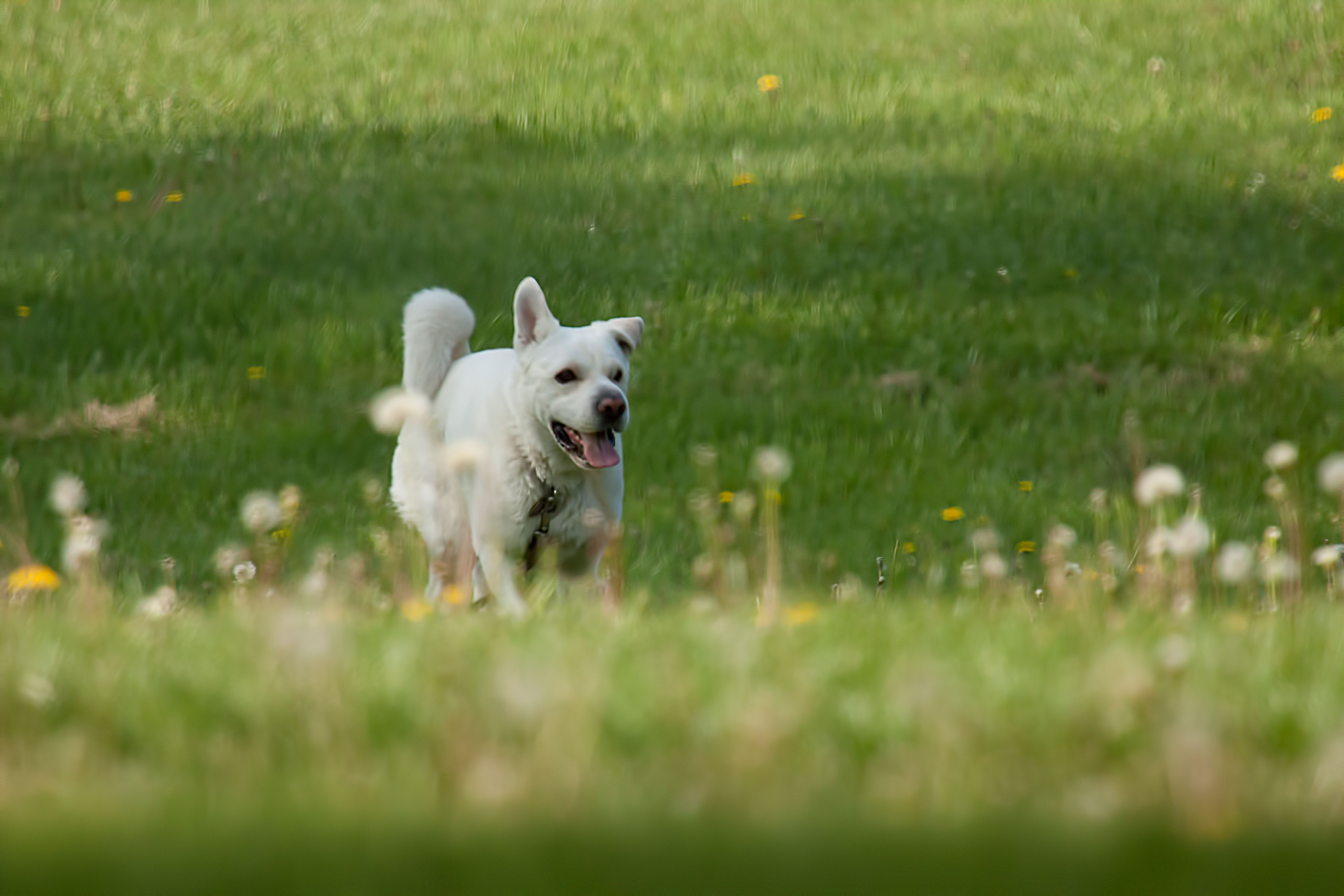
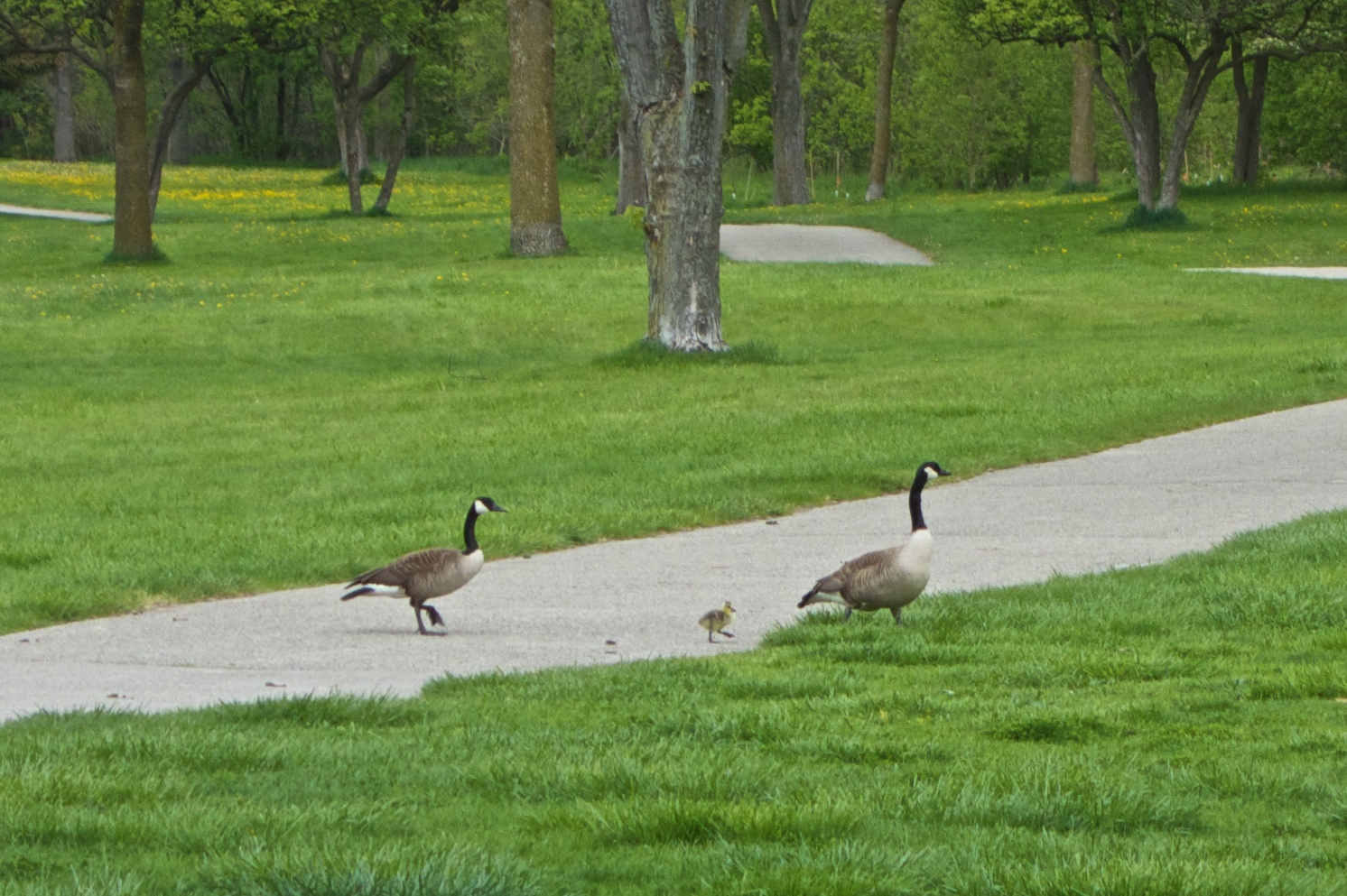
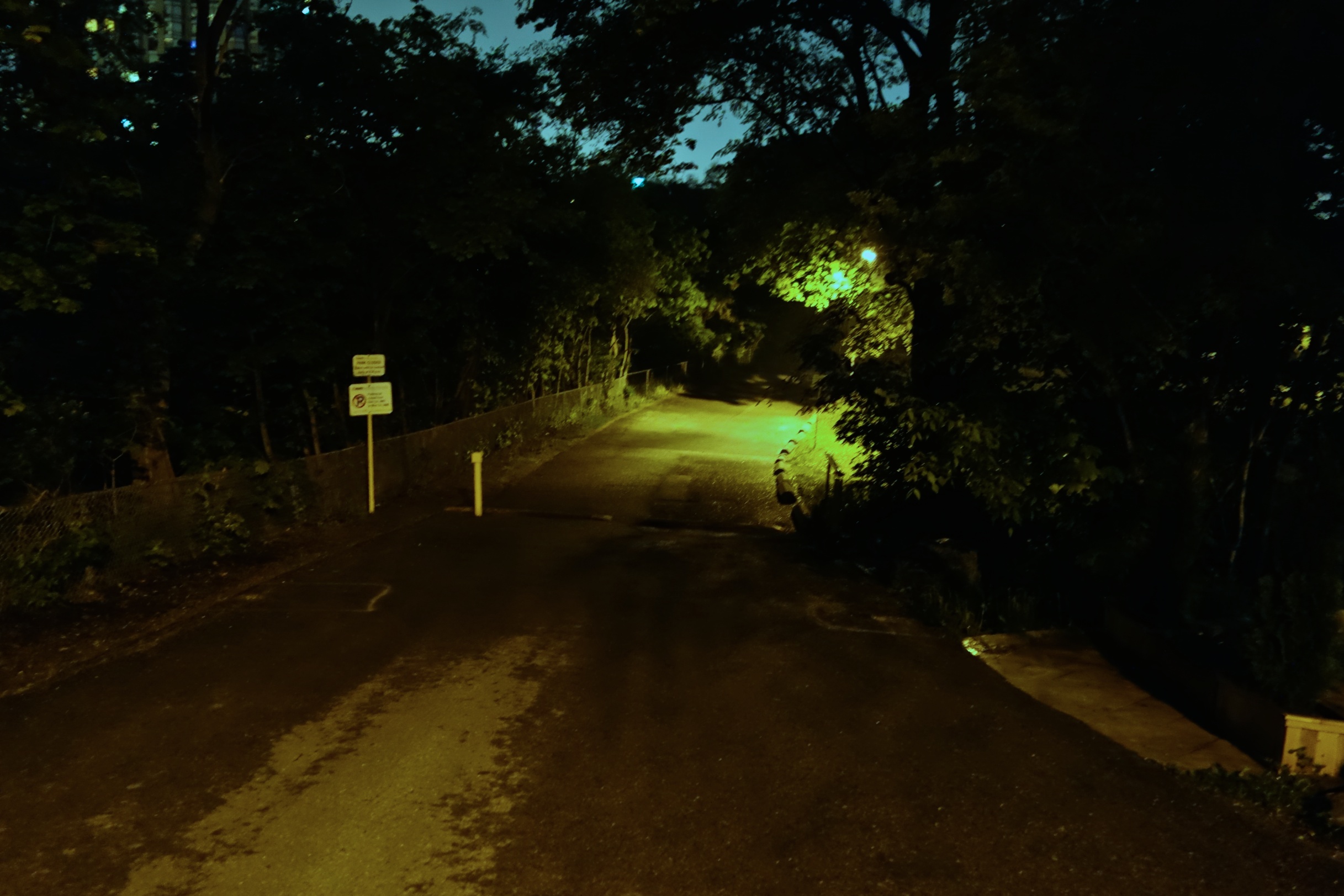
The onset of  warmer weather is the worst possible time for wildlife in the park. Many animals are in the most crucial part of their reproductive cycle and increased numbers of people add a considerable burden to their lives. Fortunately, numbers decrease as the season progresses and the novelty wears off. Today, this gentleman let his very active dog off leash at the entrance of the park and it ran to the footbridge flushing out wildlife as it went, causing considerable distress to wildlife, pedestrians and cyclists. Many people seem to regard the park as a leash free zone.

DSC01641

Face obscured.

This lady decided that the zoom on her camera was insufficient so she had to impose herself on these poor geese, giving them no option but to leave their peninsula. The small island in the distance is about the only safe place for nesting birds and other animals.

DSC01649

On a happier note a pair of American Black Ducks were waddling in a corner of the park this morning, snacking on new growth and happily out of sight of unleashed dogs. It’s possible that they are in the process of migrating from the southern U.S. to summer grounds further north although some stay here year-round.

DSC01632