Category Archives: Wildlife

Spring advances slowly.

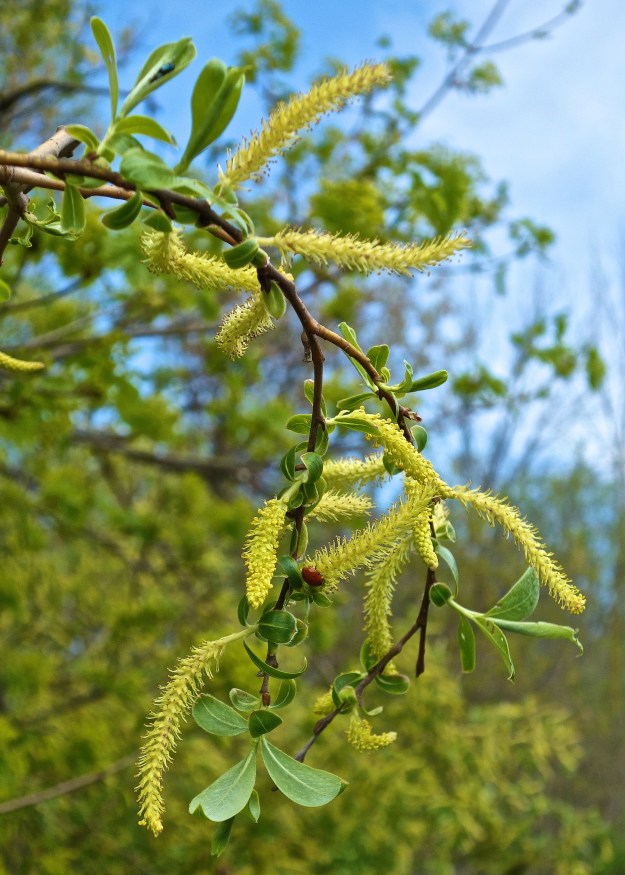
An Asian ladybug checks out some fragrant Willow blossoms.

An Asian ladybug clambers over some fragrant willow flowers by the Humber in Raymore Park.

Cool weather continues to make spring a long season this year. The upside to this is the ability to watch plants come to life in slow motion.

Willow trees (Latin name, Salix) are common in Raymore Park and they are native to Canada. They love watery environments and are easily propagated. They can be seen planted throughout the park, although, like walnuts, they don’t need much encouragement. Their flowers are particularly fragrant and have a lilac type smell.

The ancient Greeks knew about the medicinal abilities of willow bark extract to cut pain and reduce a fever. Native Canadians also used it in the same way. Scientists in the 19th Century extracted a chemical, which they named salicin, from the bark and converted it to salicylic acid and later still, to acetylsalicylic acid. The drug in this form is still in wide use today and more commonly known as ASA or aspirin.

As for the Asian ladybug, this was introduced by farmers in the U.S. to fight aphids and they do that job very well. Unfortunately they are not as benign as our native ladybugs and tend to find crevices in homes as well as contaminate grapes used in wines. They have to a large extent displaced our native bug. One year at a Niagara winery I drank some red wine which was ‘flavour enhanced’ with large numbers of the creatures accidentally harvested with the grapes. They have an unforgettable and bitter taste! It didn’t seem to bother anyone else so I let it go. Canadians can be very polite and forgiving.

Wineries now take precautions not to harvest ladybugs along with their grapes.

Chapman Road Sewers set to carve up Raymore Park

Once upon a time, when infrastructure repairs were carried out in a natural setting, not much thought was given to vegetation. It was assumed that plants would take care of themselves once land was allowed to return to a natural state post-construction. Today, we are far more thoughtful and city contracts are written to specifically protect vegetation when possible and restore it if destruction is necessary.

DSC03067

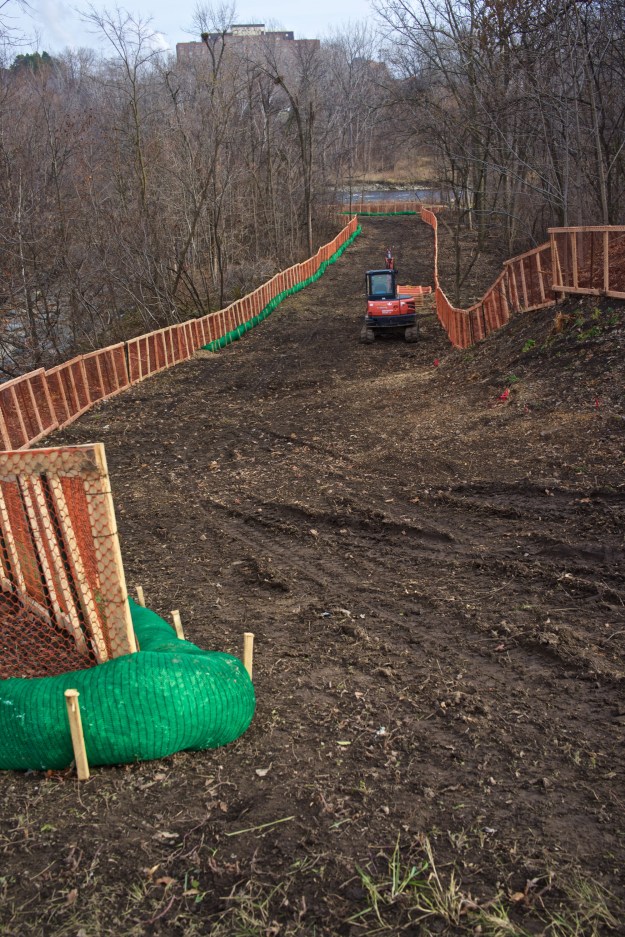
The sewer that runs along the Humber Creek has reached capacity and must be upgraded or ‘rehabilitated’. A stretch of vegetation has been cleared in preparation for the installation of a higher capacity sewer network that will serve residents of the area. The Chapman sanitary sewer as it is known runs from Royal York Road, roughly following the Humber Creek and crosses under Scarlett Road into Raymore Park before joining up with main sewer that runs alongside the Humber.

Amazingly, as part of the $9 million contract, every one of the hundreds of trees removed on public or private property for the project was catalogued and while only the native ones will be replaced, thousands of other native trees and shrubs will be planted. To get an idea of the modern-day eye for detail and care that will be taken, a set of plans for a small segment of the sewer can be found here.

The swath of land cleared and ready for installation of new sewer pipe and pumping station.

A swath of land between Scarlett Road and the Humber River being prepared for installation of new sewer pipe and a pumping station. Notice how rich the soil is.

The work and re-planting should be completed by next fall and the replacement native trees and vegetation will eventually make the affected land better than before it was cleared (because non-natives will not be replaced). Of course the whole point of the work will be the prevention of sewage back-up into residents’ homes as happened in July 2013. Hopefully this will allow many decades of trouble free use.


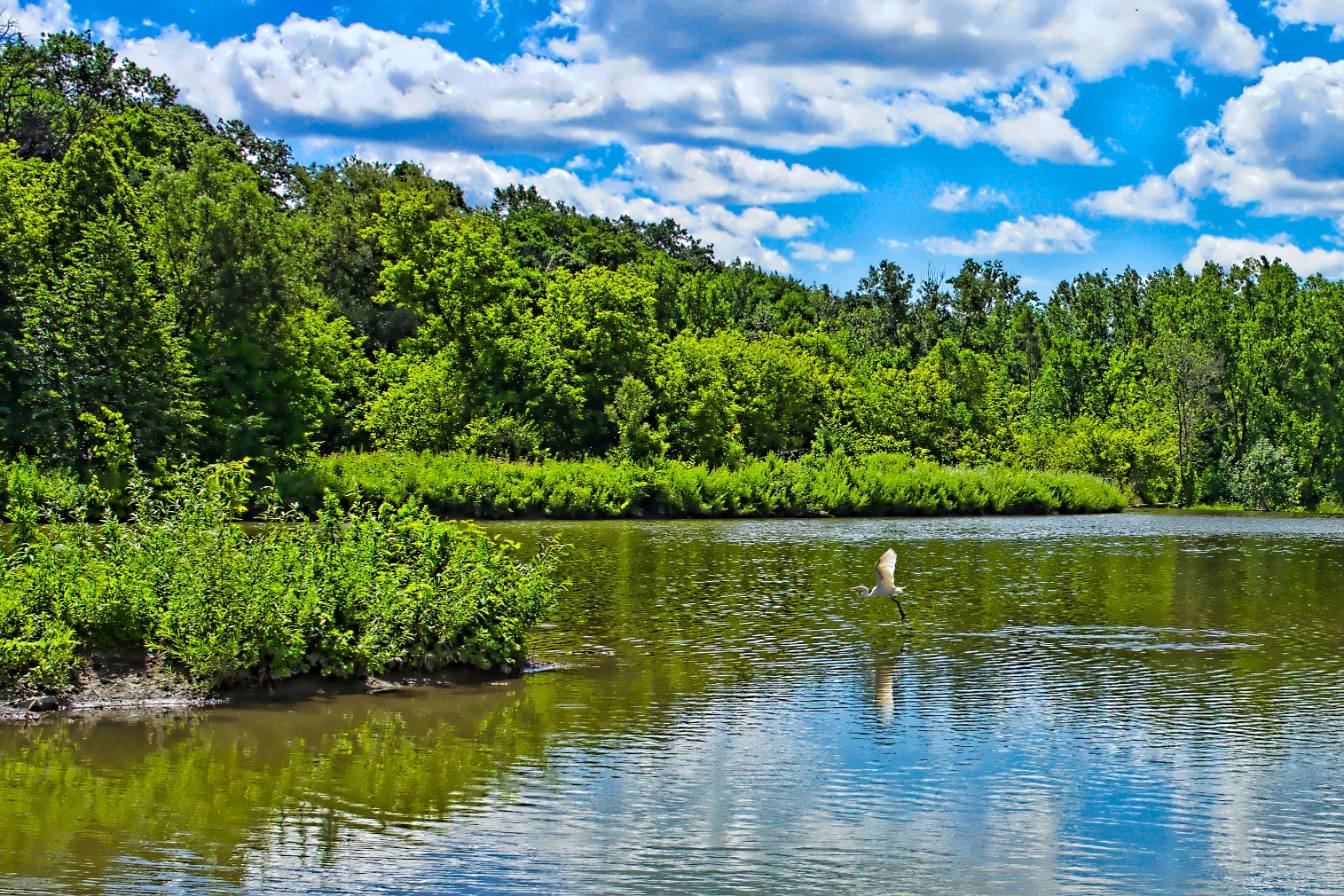
Great Egret takes flight.

Raymore Park has an astonishing variety of wildlife. Great Egrets are occasionally seen in the park and this one was seen taking off last month after wading through shallow waters ahead of the weir. They were nearly hunted to extinction in the 19th Century for their plumage which was used to decorate ladies’ hats. Once a purely migratory bird in southern Ontario, It is estimated that as many as a thousand breeding pairs make their home in Canada. Great Egrets are related to herons and have a similar profile. The first time I saw one in Raymore Park I thought it was an Ibis as they look so similar. The Ibis has a range much further south and is also a relative.

DSC01461

Click for larger image.

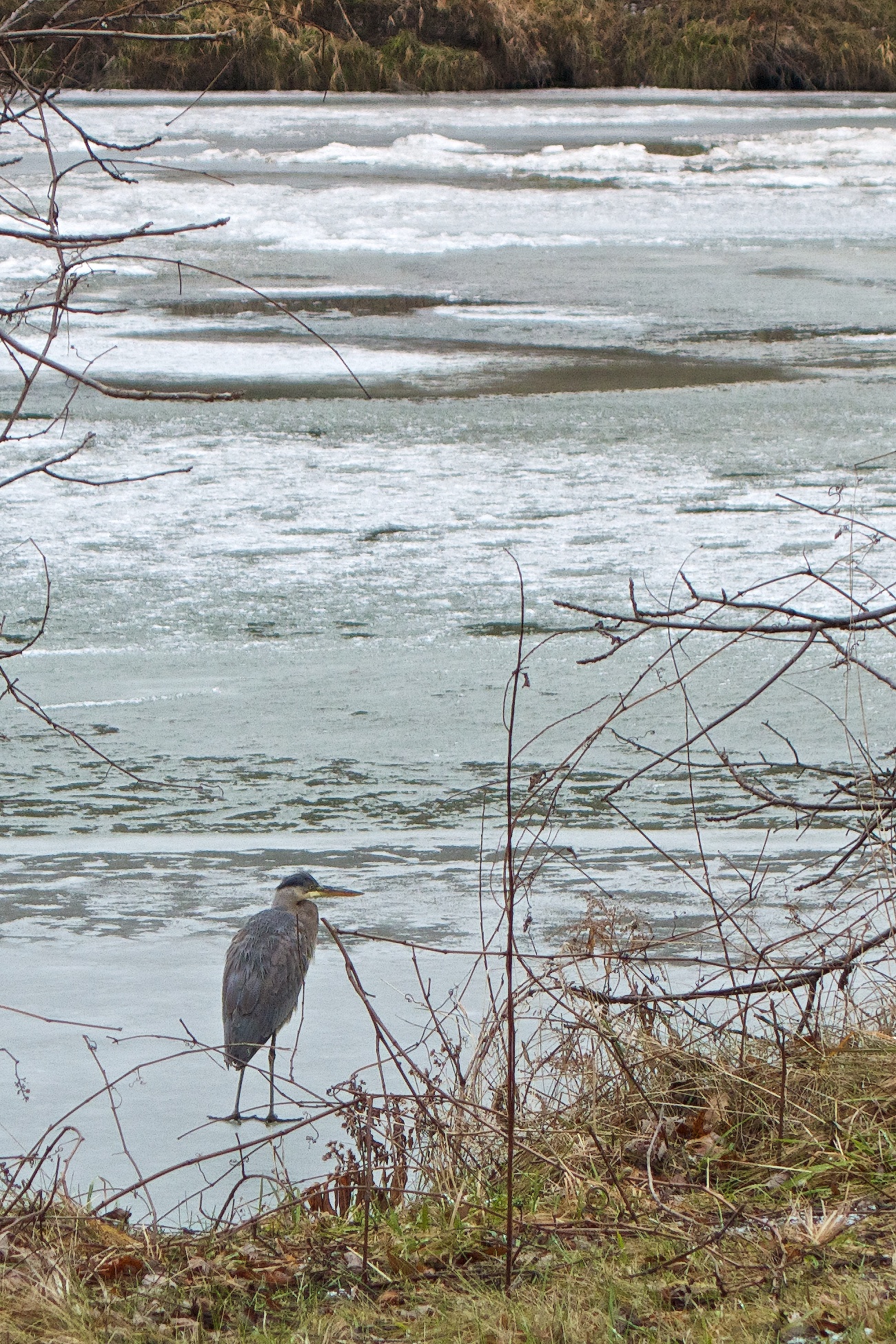
Great Blue Heron sticks around.

This Great Blue Heron surely only has a few more days left in Canada as the weather gets progressively colder. The Humber is frozen in calmer spots which must make for poor fishing yet this bird didn’t want to leave the lagoon. This is the latest I have seen a Heron on the Humber.

DSC03908

Slim pickings.

Lawn gods don’t ask for much.

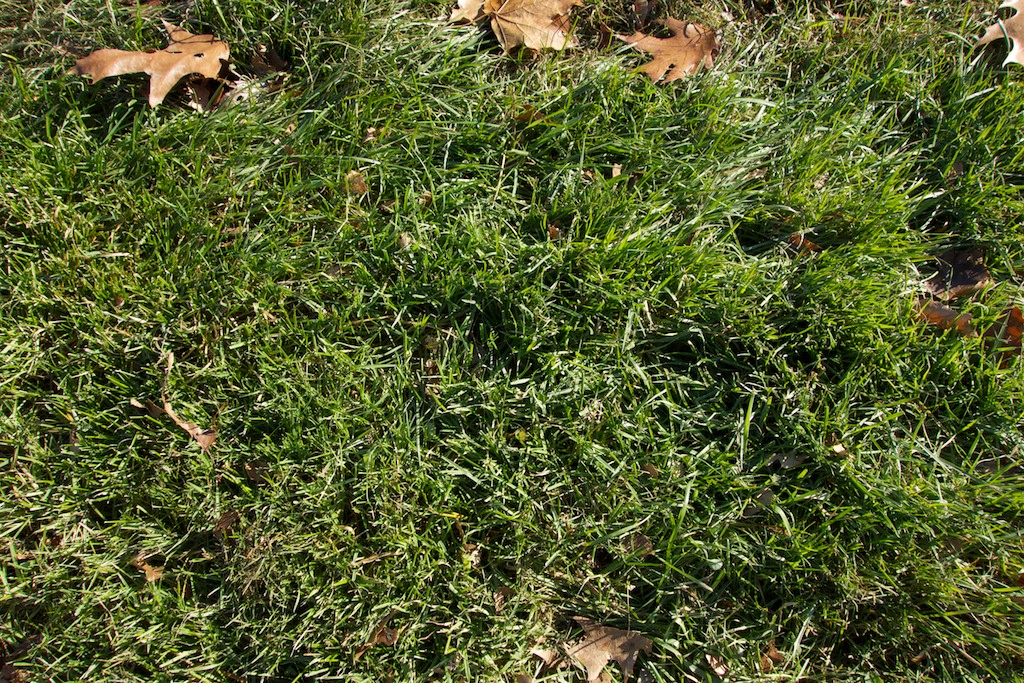
Who knew that all you have to do to maintain a spectacular lawn is cut and aerate it. The occasional re-seeding helps too.

DSC03787

This grass in Raymore Park hasn’t been treated with weed killer or insecticides in this century and is cut relatively infrequently (with a mulching mower) and aerated annually. In spite of that (or perhaps because of it) there are no bare patches, few weeds and no animal diggings for grubs. When a weed killer ban was proposed around 1999, there was a huge outcry from those who thought that weeds would replace grass in Toronto’s parks. Somehow, the chemical lawn brigade’s fears were as justified as those around computers and the Millennium.

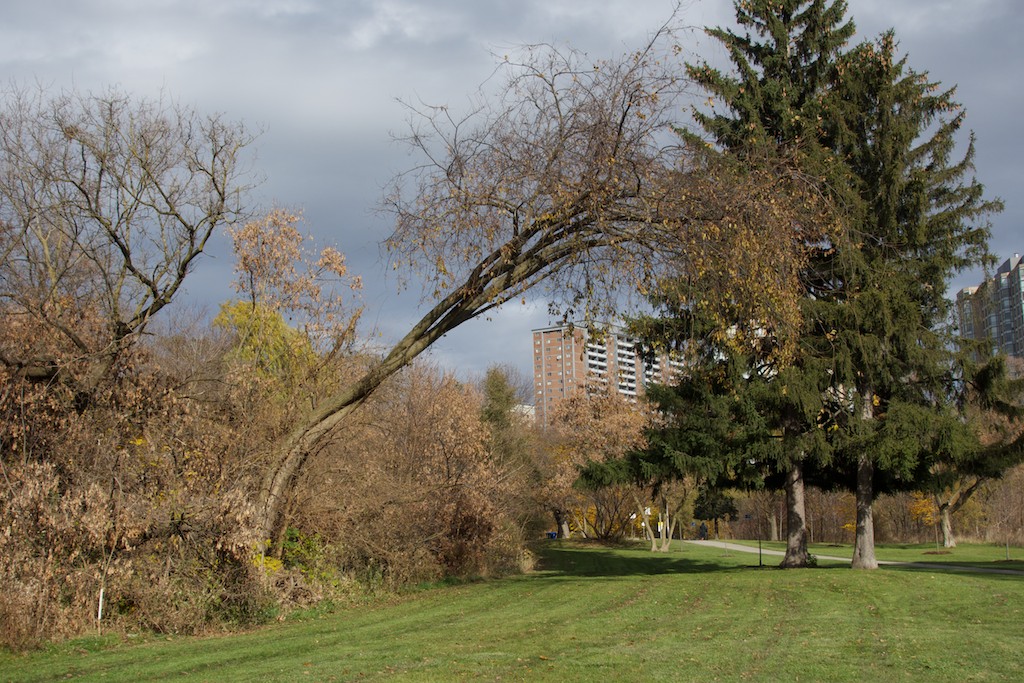
There is a tree that leans at a jaunty angle and I confess to walking at a brisker pace when underneath it. I have the impression that the lean is increasing so perhaps this winter will be its last.

DSC03748


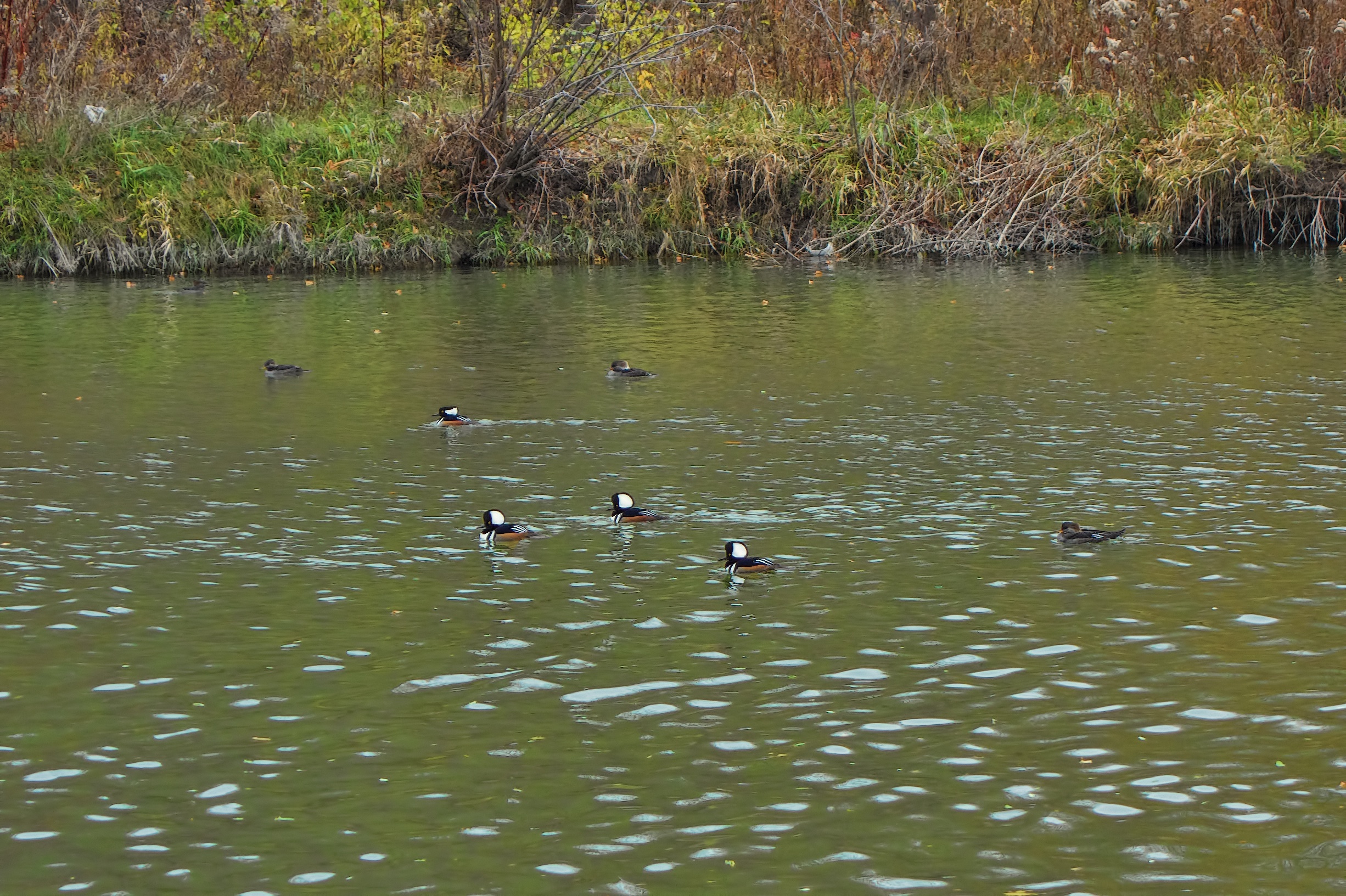
Lastly this group of Hooded Mergansers have returned to the Humber to add an exotic air. They are quite shy but don’t seem to mind hanging around with the resident mallards.

DSC03765

Fishing on the Humber

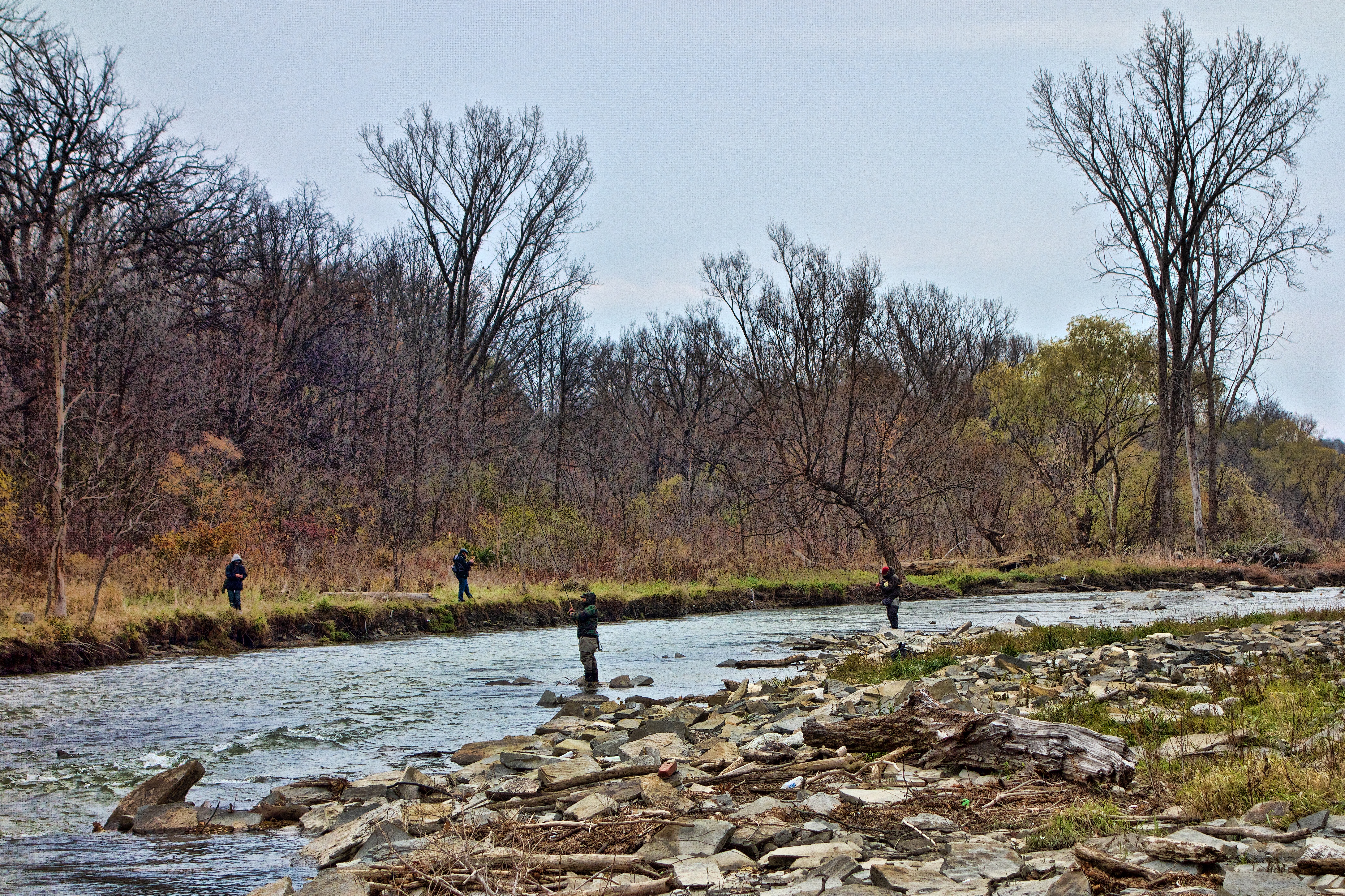
These fishermen formed a group along the Humber this weekend.

DSC03766

Click for closer view.

Contrary to common belief, migratory fish caught in the Humber are edible with no health concerns.

I was talking to a fisherman the other day and apparently the Ministry of Natural Resources is quite active along the Humber. Ministry officials go so far as to lurk in the bushes in camouflage gear waiting to charge people who fish too close to dams or use other illegal methods such as snagging or netting. Personally, it just seems like hard work for little reward, plus I’m not so keen on ending the life of such an amazing creature. There are others who catch and release but to me that’s pointless and cruel.

Frost kills but life will go on.

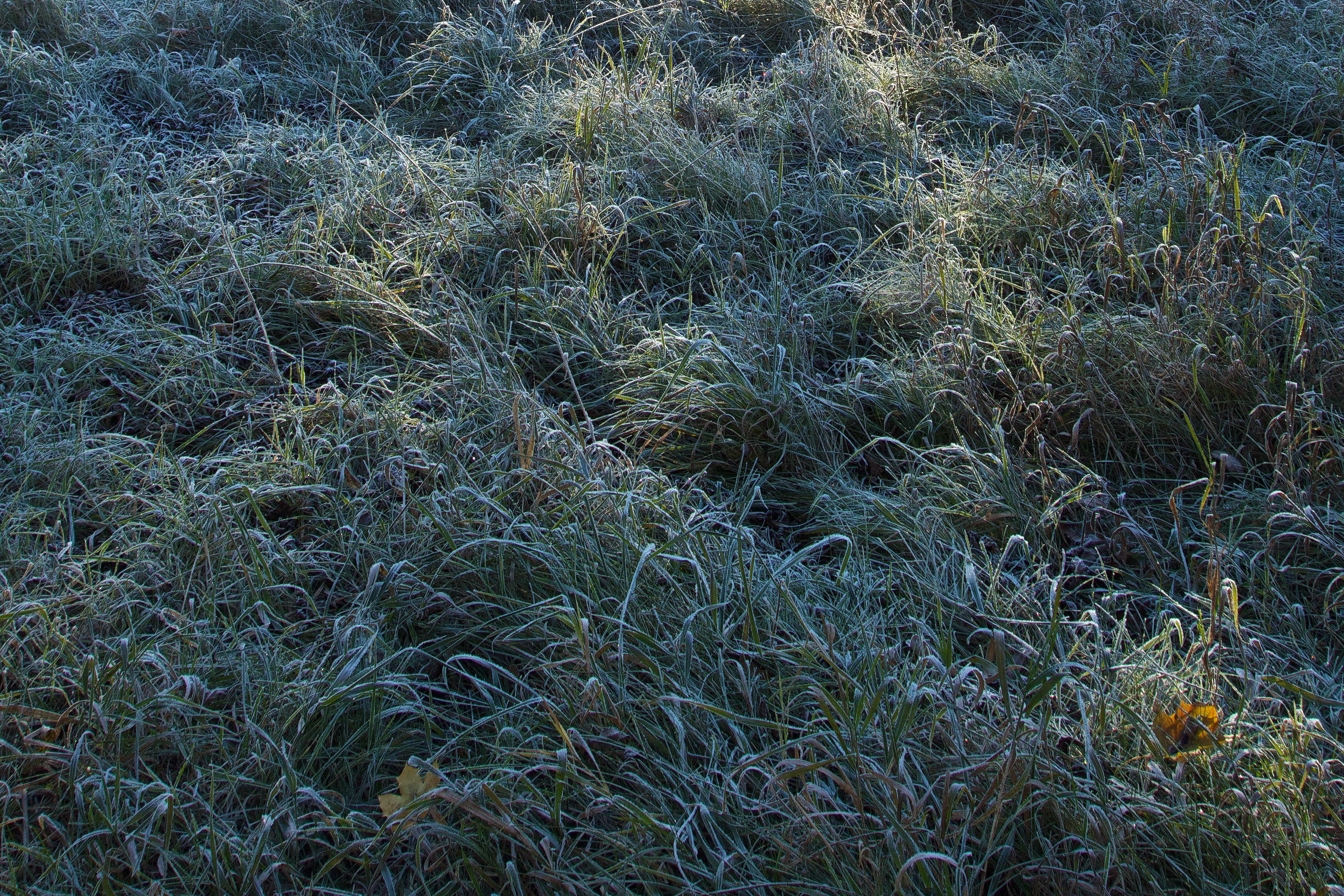
The first frost of the season hit in the early hours of Tuesday morning, killing millions of insects and annual plants in Raymore Park. In the earth’s two temperate zones, this annual tide of warm and then cold toughens every species and may explain the survival of life forms on earth after comet strikes and super volcanoes. Using techniques such as hibernation, dormancy and re-birth, plants and animals have devised amazing ways of ensuring that the next generation survives the ravages of an extended period of cold.

Grass edged with ice crystals.

Grass edged with ice crystals.

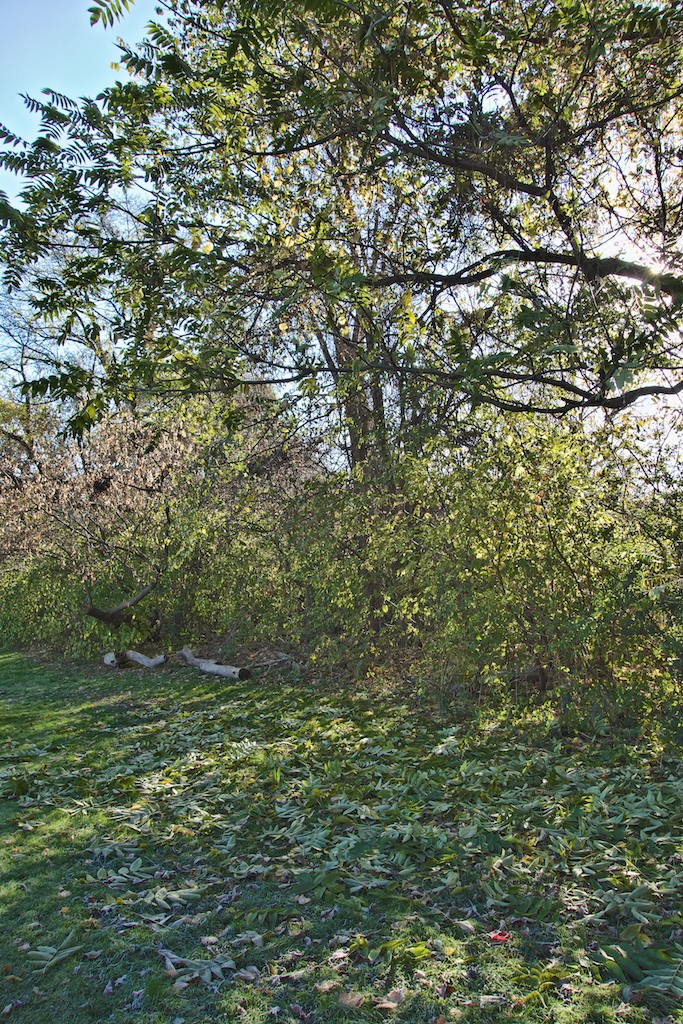
This morning’s frost is just the mildest of hints of what is to come but the effect is dramatic. Judging by the silence this morning, crickets in the meadows were almost all wiped out but females have been busy recently, each laying hundreds of eggs which will hatch next spring. Walnut trees simply drop everything after a frost.

A walnut tree drops everything after a frost.

A pile of walnut leaves begins to form after a frost.

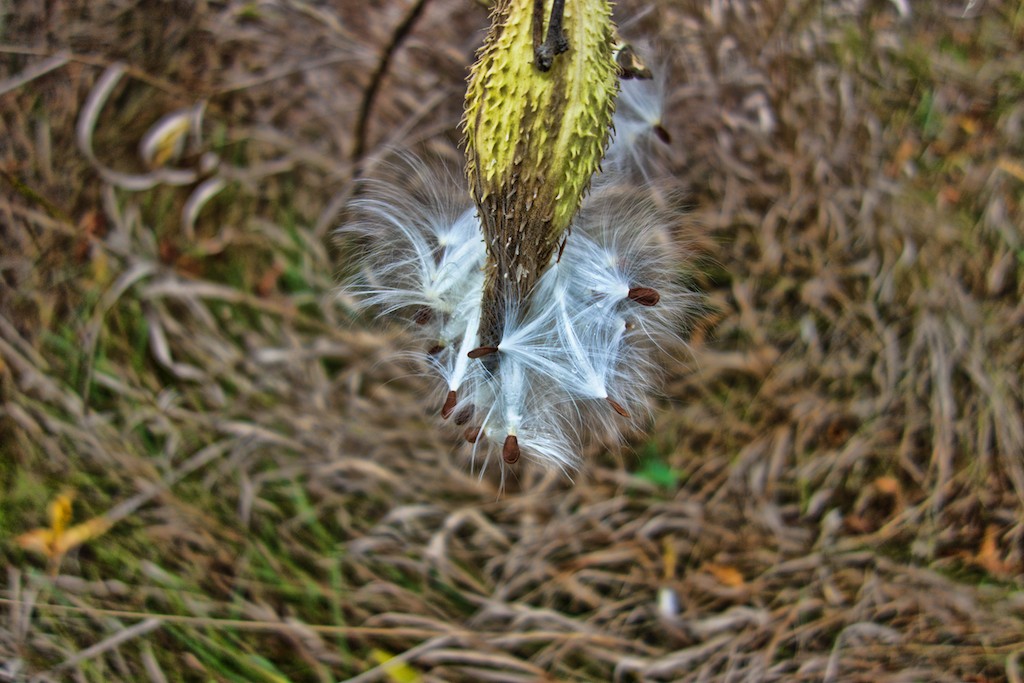
Elsewhere, many seeds are now ready to be carried away from the parent plant by the wind or unsuspecting animals and humans.

Milkweed seeds wait for a strong wind.

Milkweed seeds wait for a strong wind.

We may share the same latitude as Florence in Italy but our continental winters are considerably harsher and more eventful.

Some would say more interesting too.

More signs of fall

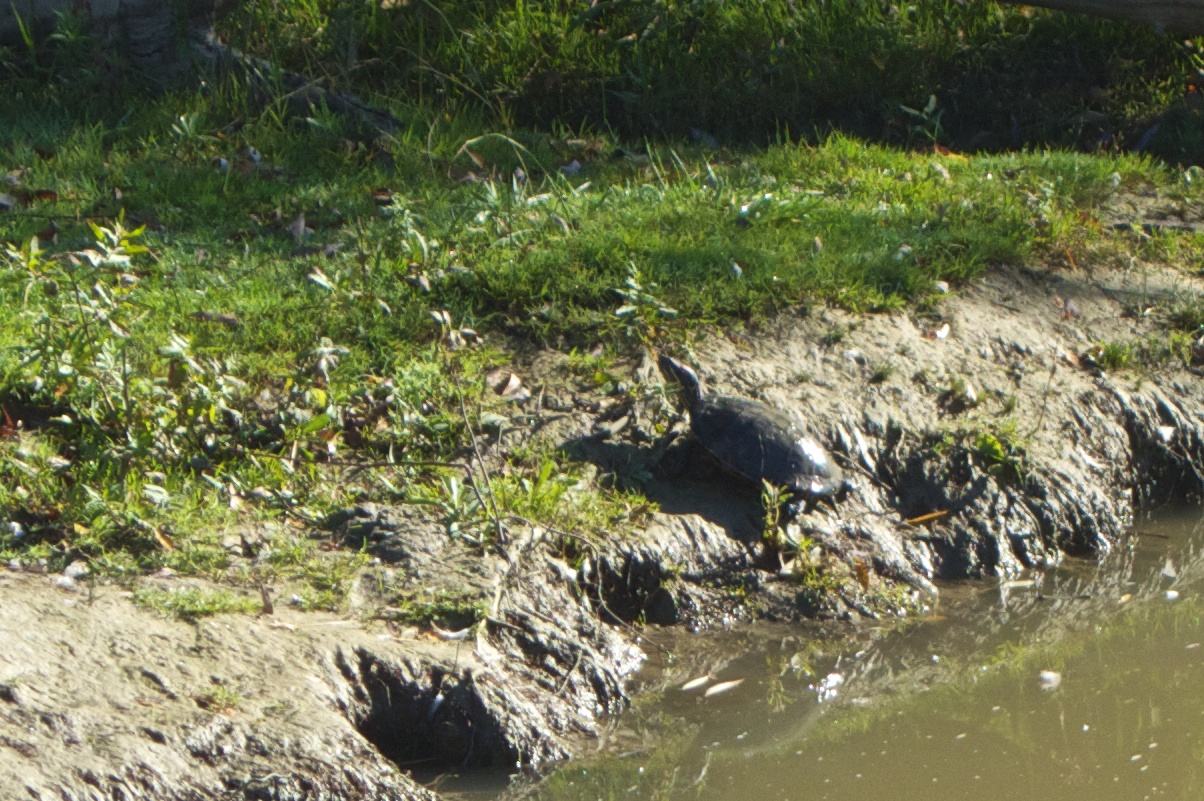
Ever since Codemonkey pointed out a great spot for turtle watching, I’ve noticed a turtle regularly sunbathing in the same spot in the recent warm weather. It seems to be a painted turtle and is very shy, darting into the water if anyone approaches within 20 metres.

A painted turtle enjoys the last of the warmth.

A painted turtle enjoys the last of the warmth.

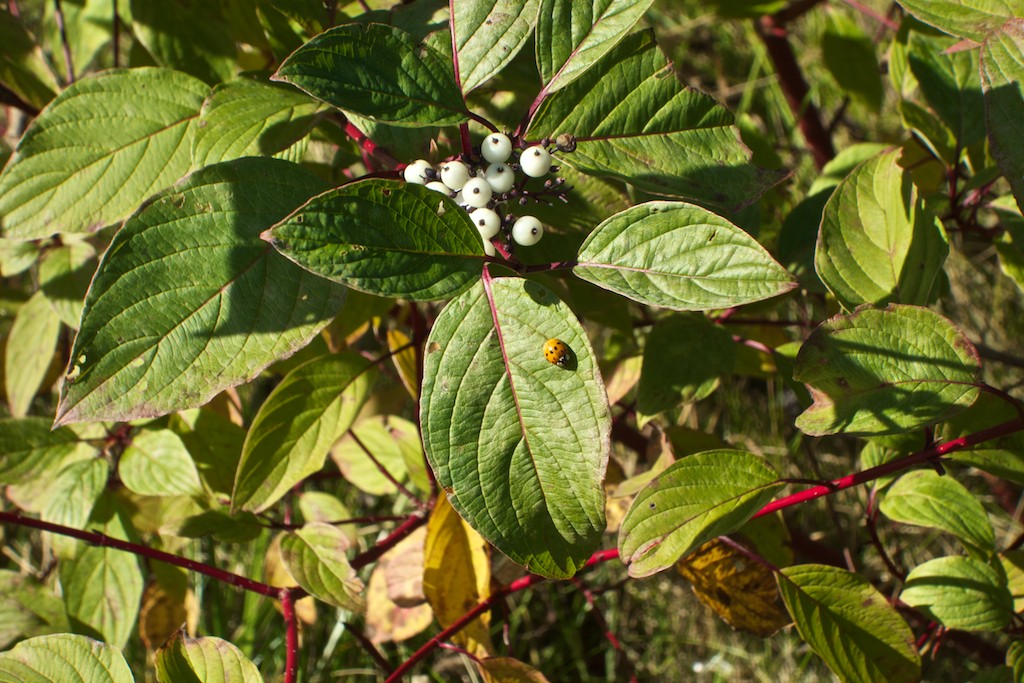
Dogwood is fruiting in many parts of the park and soon its leaves will fall away to reveal its distinctive red branches.

Red Osier Dogwood.

Red Osier Dogwood getting checked over by an Asian lady beetle.

The unusually coloured berries are popular with migrating birds and were once used as a native remedy against colds.

The ladybug, ladybird or Asian lady beetle on the dogwood is a powerful invader that is elbowing native ladybugs aside in many parts of the world. Introduced by greenhouse growers and perhaps the U.S.D.A. the ALB escaped into the wild and there will be no going back. Native ladybugs eating toxic ALB larvae do not survive. Once established in Canada, the ALB tainted many Niagara wines as growers couldn’t separate the bugs from the grapes. Armed with powerful chemicals, it takes only a few of these bugs to taint a whole year’s wine production. Having experienced some Chateau Ladybug (at a winery that was shamelessly trying to offload it) about ten years ago, I can vouch for its unpleasant and unforgettable taste.

Leeching the value from Raymore Park.

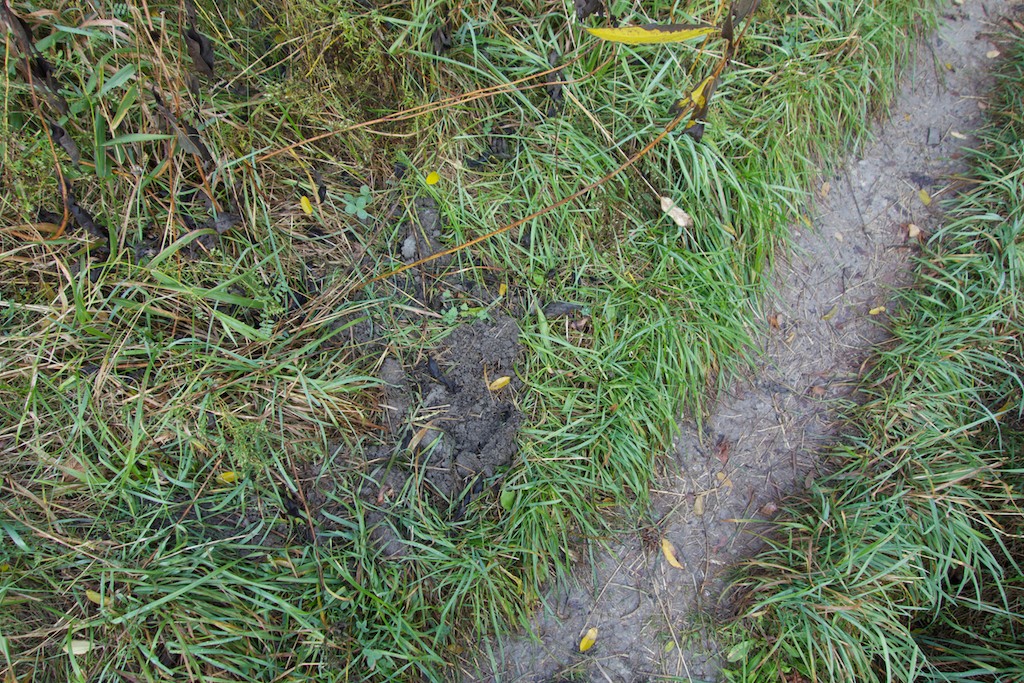
I was heading through the wild area on Monday (Thanksgiving Day). I could hear a strange sound, not an animal noise but a squeaking; like a chew toy. As I approached the sound increased in intensity and there were small mounds of earth along the dirt path in the wild area.

Curious piles of soil.

Curious piles of soil.

As I drew closer the answer was revealed. A treasure hunter, wife and chihuahua in tow, was looking for valuables left behind by Hurricane Hazel victims. Not wishing to be confrontational, I adopted a friendly approach and asked the man if he was aware of the history of the site. His apprehension dissolved and he soon became keen to tell me all about his hobby. ‘Oh yes, there’s lots of good stuff buried. Last time I was here, I found a silver jewel case’. All the while, with his wife nodding approval, the man continued, using a smaller squeaky probe and shovel to ferret out anything metallic. Instead of removing this debris, he tossed it aside, not even adding a gram of benefit from his odious activity.

It’s hard to know how to defend historic sites against such predators. The provenance of items found is probably lost without a trace once they have been removed and sold.

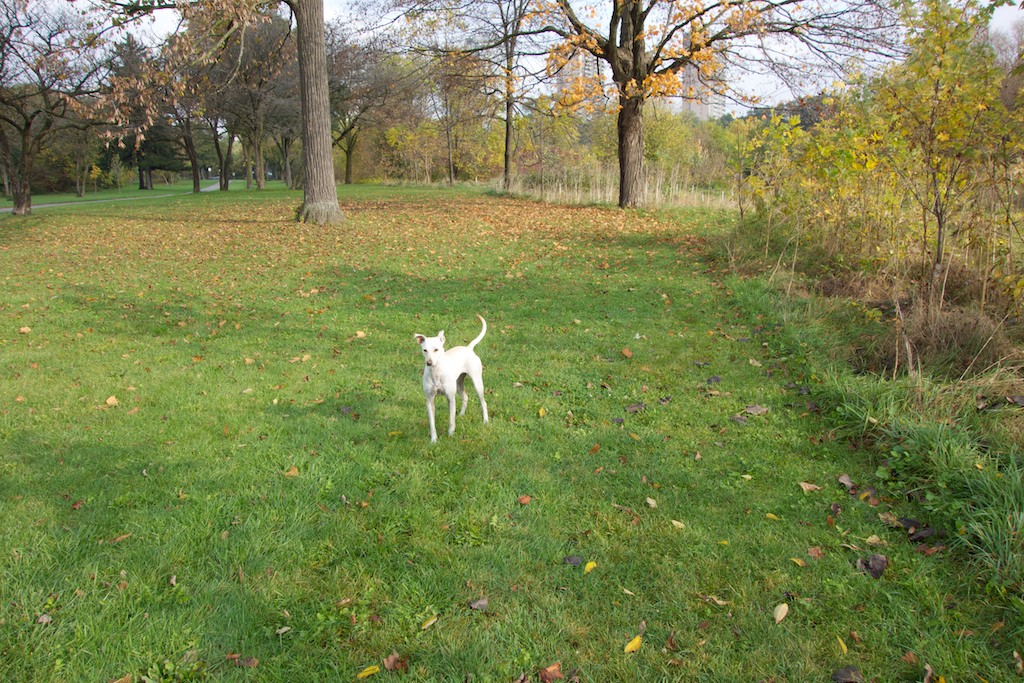
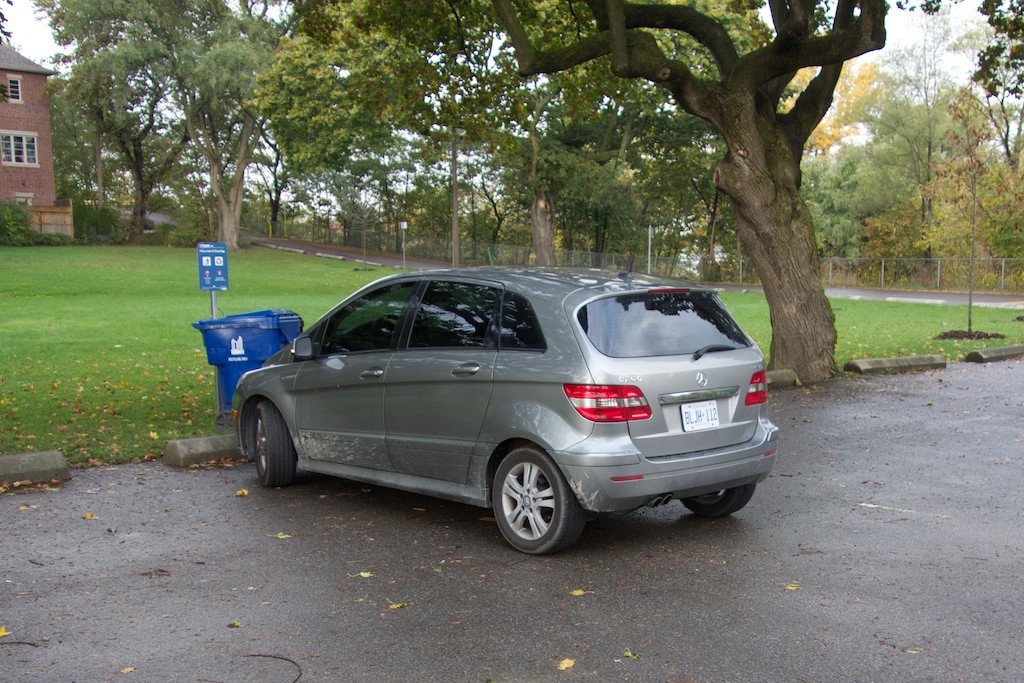
Another worrying development recently has been a group of people who act as if the park is their own personal off-leash zone. They seem to be led by a lady who drives to the park and releases her three very active dogs (without collars) into the wild area. The dogs are constantly being yelled commands so she’s an obvious presence. She meets up with a couple of local residents and their five dogs are set loose to harass whatever wildlife they come across.

These people give responsible dog owners a bad name.

One of the offending dogs.

One of the offending dogs. The owner is nowhere to be seen.

The dogs arrive in this vehicle.

Three of the dogs arrive in this vehicle.

It saddens me to think of the wildlife that struggles to survive in an urban environment. Now they have to deal with this added burden. It’s inconsiderate and unfair. After all, there are lots of off leash parks in Toronto. Once people see this open flouting of park rules, others will surely follow.

These two sets of people are like leeches because they take from the park and add nothing. The park is diminished by their presence. Their selfish behaviour presents a massive middle finger to those who appreciate the history and the wildlife of Raymore Park.

Signs of fall: blazing colours

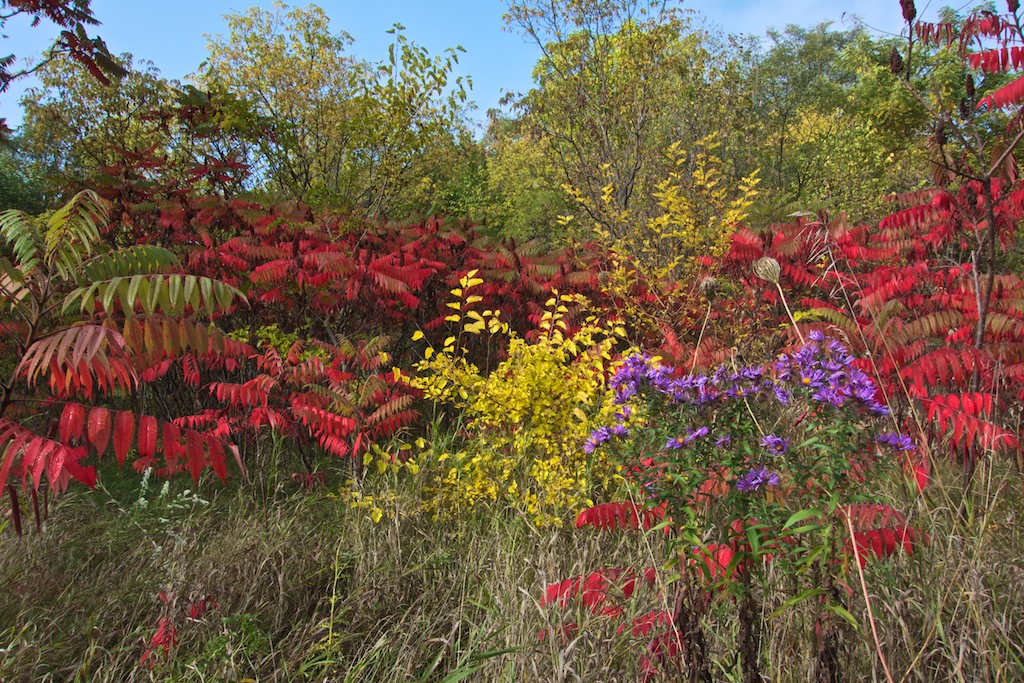
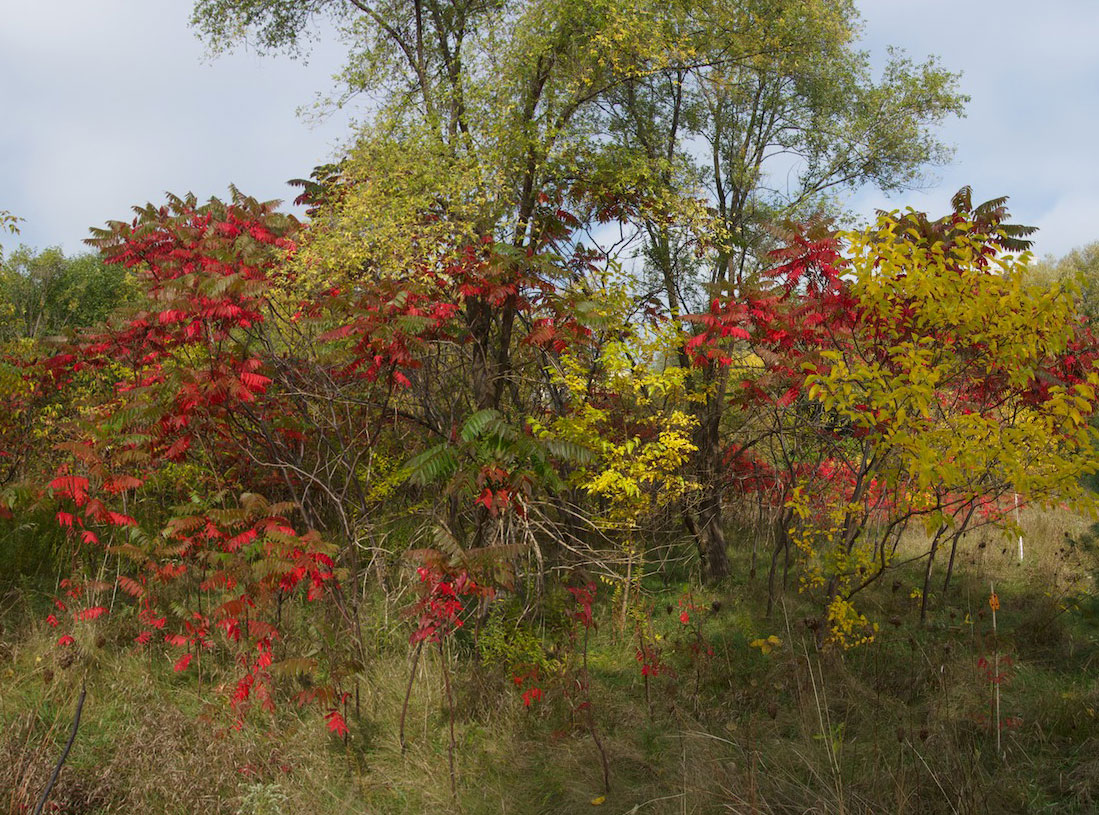
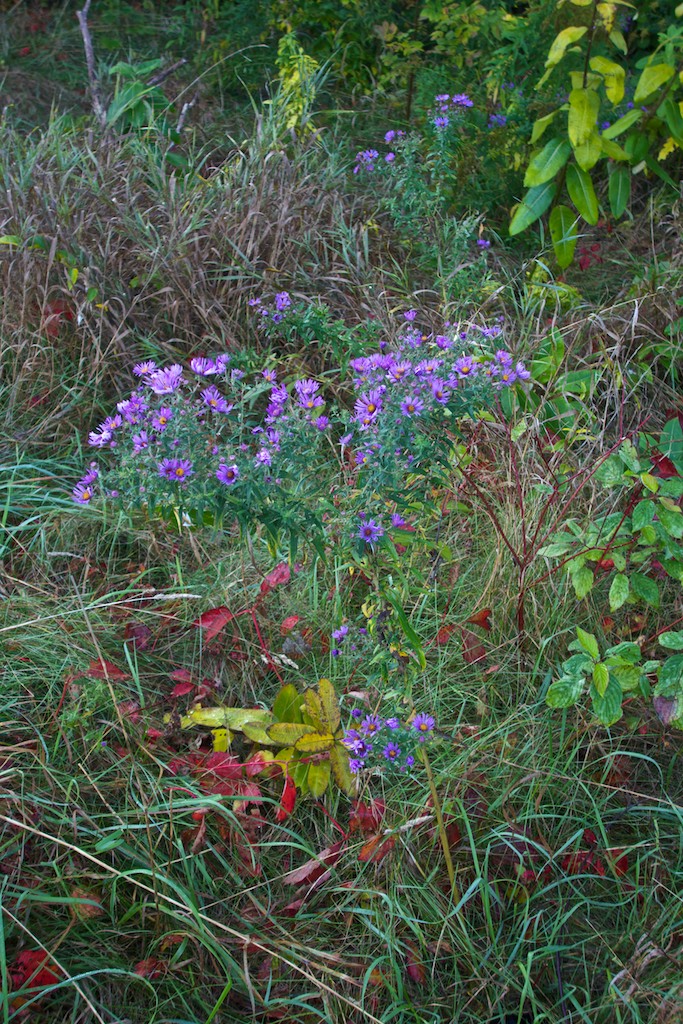
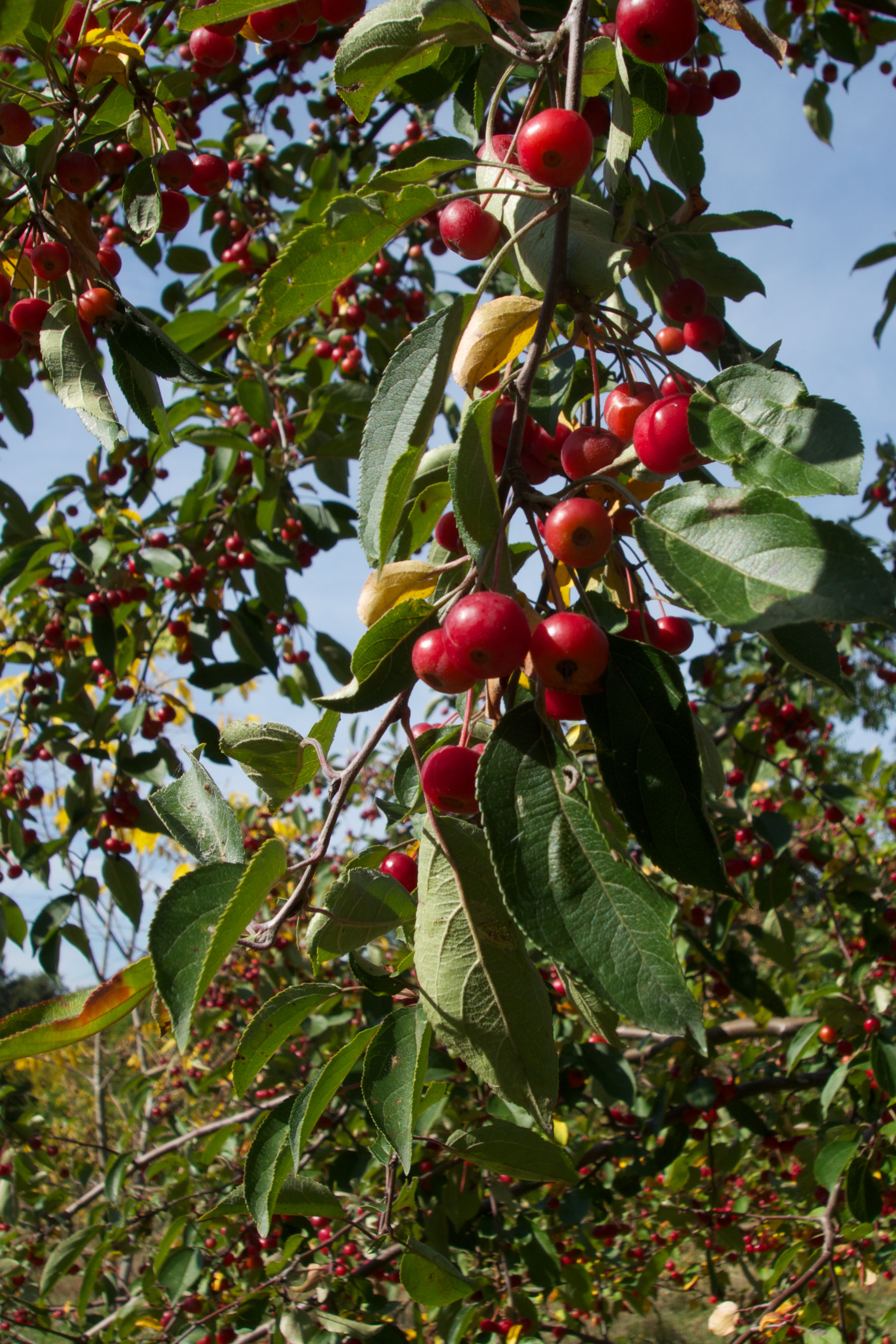
The park is at its peak this week and with several days of sunshine on the way, there will be no better time to grab some stellar photographs. Here are a few taken in the past few days.

Sumac provides the backdrop to some wild asters.

Sumac provides the backdrop to some yellow leaves and wild asters.

A colourful glade (panorama of 3 images).

A colourful glade (panorama of 3 images).

Wild asters.

Wild asters.

A crab apple tree laden with fruit.

A crab apple tree laden with fruit.

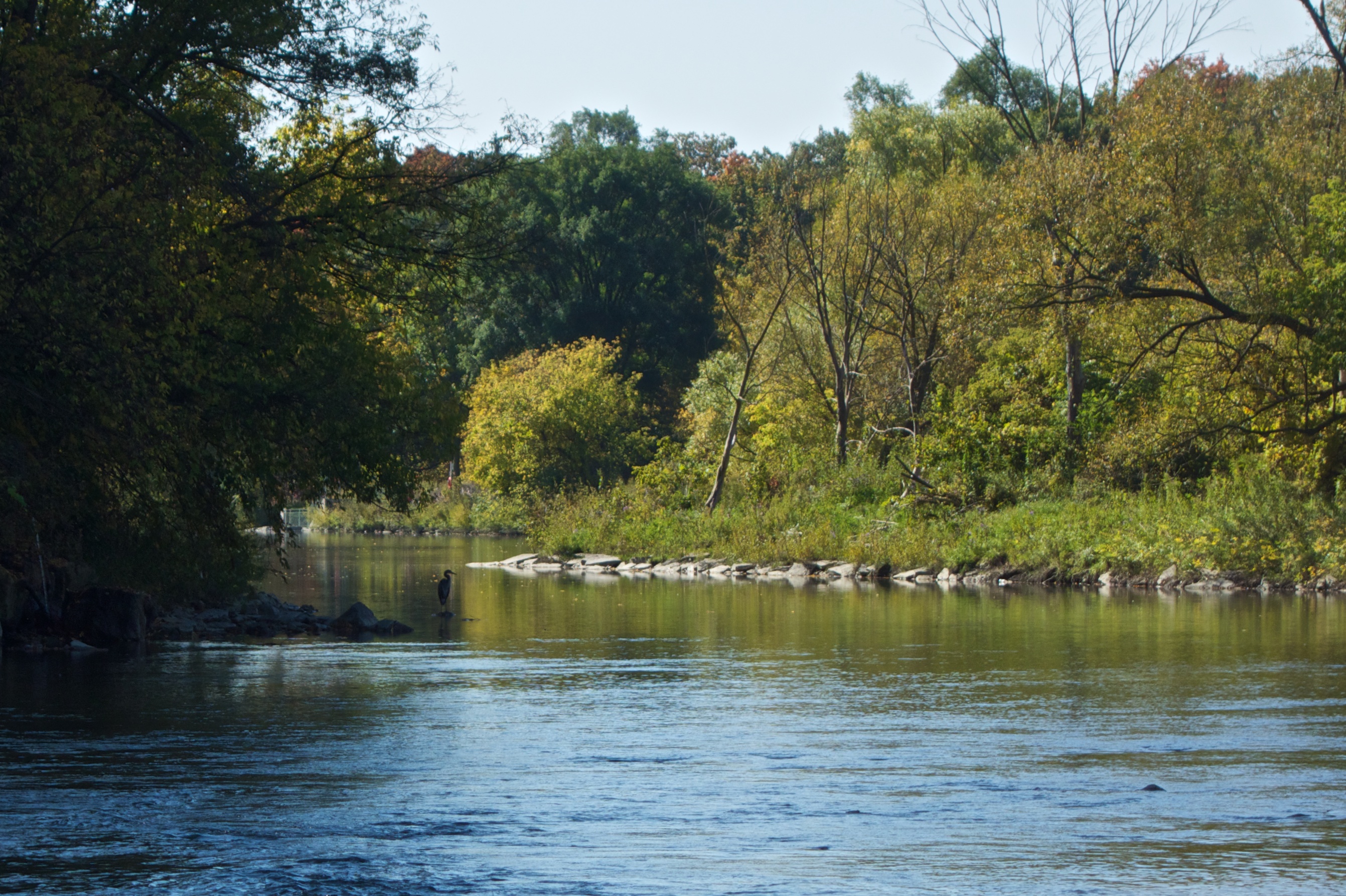
Finally, this one’s not so spectacular but I like the blue heron silhouette.

DSC03474