Category Archives: Wildlife

Signs of fall: American Oil Beetles

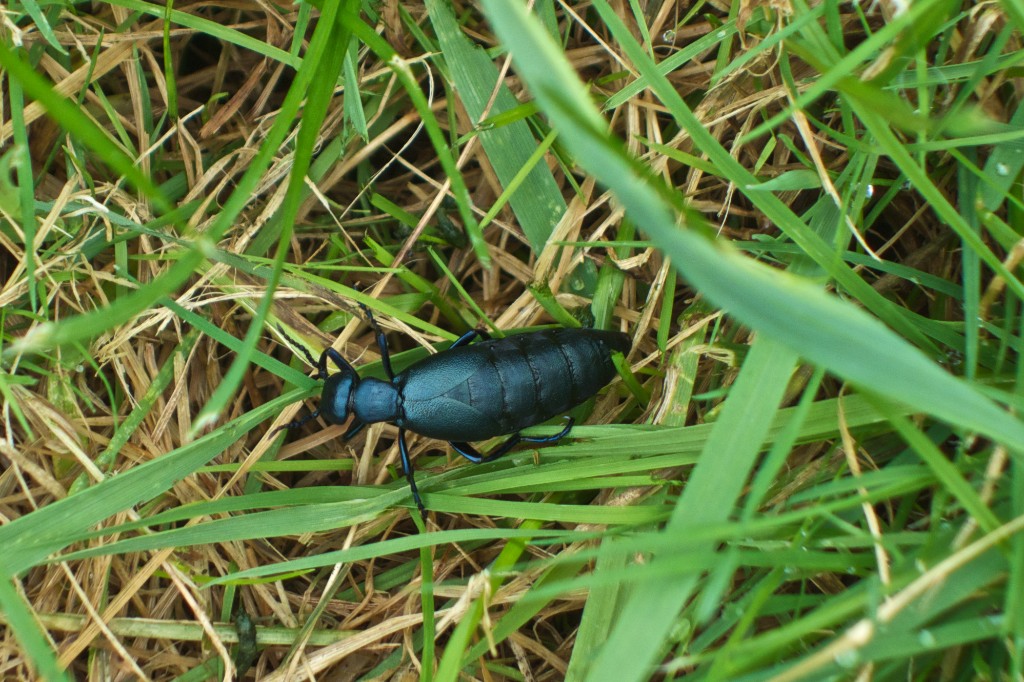
I saw several of these beetles marching through cut grass in the park. They seem to be a regular sight in the fall.

An American oil beetle marching grimly along.

An American oil beetle marching grimly along.

They are known as American oil beetles or blister beetles because of an oil secreted from their legs when disturbed. This oil is a skin irritant and soon teaches victims to leave the beetles alone. This isn’t the only example of an ability to use chemicals to their advantage. In fact the life cycle of blister beetles stretches all credulity in addition to illustrating an amazing balance between parasite and host.

This BBC short tells the story of these amazing creatures (in this case in the Mojave Desert) better than I can.

Signs of Fall: Atlantic Salmon are climbing the ladder.

Two hundred years ago, Atlantic salmon along with many other varieties of fish were plentiful in the Humber. Gradually, settlers built dams and toxic waste from sewers, factories and pulp mills was dumped into the river. The combination killed just about everything in the water and Atlantic salmon were extirpated from the Humber as a result. In 1959, the opening of the St Lawrence Seaway saw the accidental introduction of the parasitic sea lamprey which killed the rest. An ambitious program lasting several years aims to restore a self-sustaining wild Atlantic salmon population to the Humber. Each spring until 2015, salmon fry are being released all along the Humber. Most weirs along the river have been adjusted to be too high for lamprey but low enough for migrating fish.

In Raymore Park, the 3 metre weir remains an insurmountable barrier to all aquatic life and to work around that, a denil fishway, (better known as a fish ladder) was built around 13 years ago.

The fish ladder entrance is on the left just below the weir.

The fish ladder entrance is on the left just below the weir.

The fishway provides a gentler current and slope so that large fish can make their way up the ‘ladder’ with rest stops along the way. Unfortunately, beavers stuff the fishway with wooden debris in the hopes of creating a dam. Needless to say, the blockages need to be cleared several times a year so that fish can migrate to their spawning grounds.

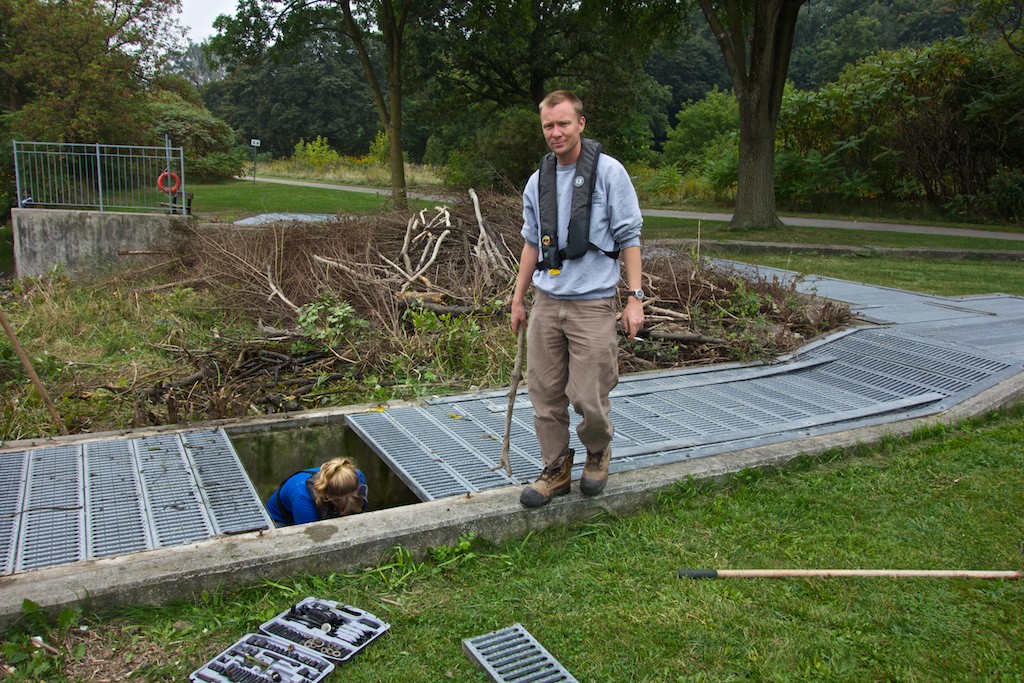
On Friday, two workers were clearing the way for the salmon and told me that when water levels rise (as they did on Saturday), these large Lake Ontario fish will be able to access and use the ladder. From there they will swim upstream to their birthplace, spawn and return to the lake – assuming they can run the gauntlet of people out to get them.
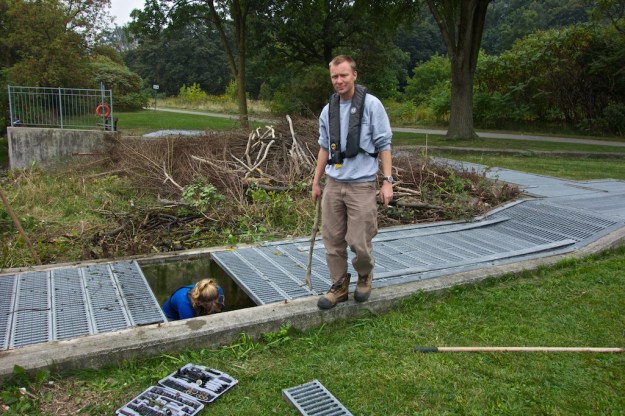
TRCA workers clear the top of the fishway.

Toronto and Region Conservation Authority workers clear the top of the fishway.

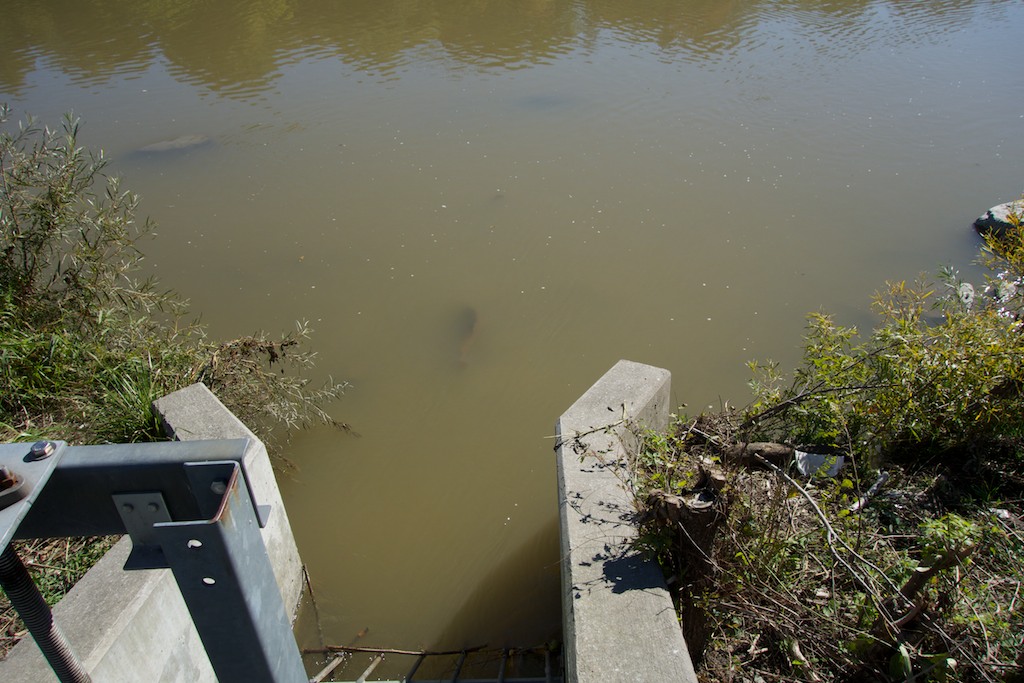
Since the ladder was built I have watched in vain for a fish to appear at the exit. Today, (Tuesday September 24th) I had a premonition and with the camera ready, just like that, a fish emerged. The water was a little murky and I was a little late but here’s the evidence; the ladder works.
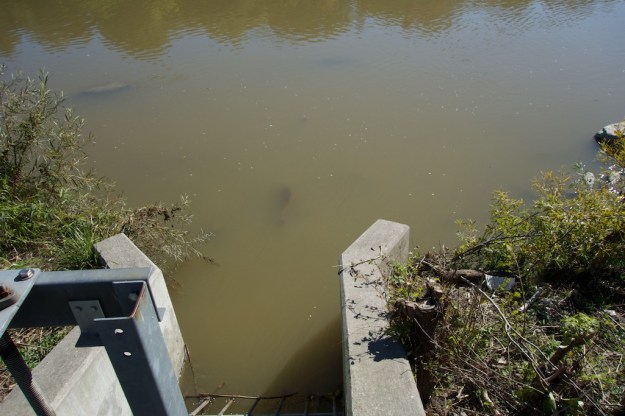
The salmon continues its journey up the river.

The salmon (middle top of photo) continues its journey up the river.

In spite of their impressive size, salmon will soon be seen along the Humber as far upstream as Bolton and Palgrave.

For its part, the TRCA is studying the further removal of obstacles to fish migration along the Humber and the weir in Raymore Park is the highest. Lowering and notching of the weir will allow the fish to leap upstream the old-fashioned and low-tech way. This will end the high maintenance costs of the fishway and finally allow the beavers to block it to their hearts’ content.
Signs of Fall: Wooly Bear Caterpillar

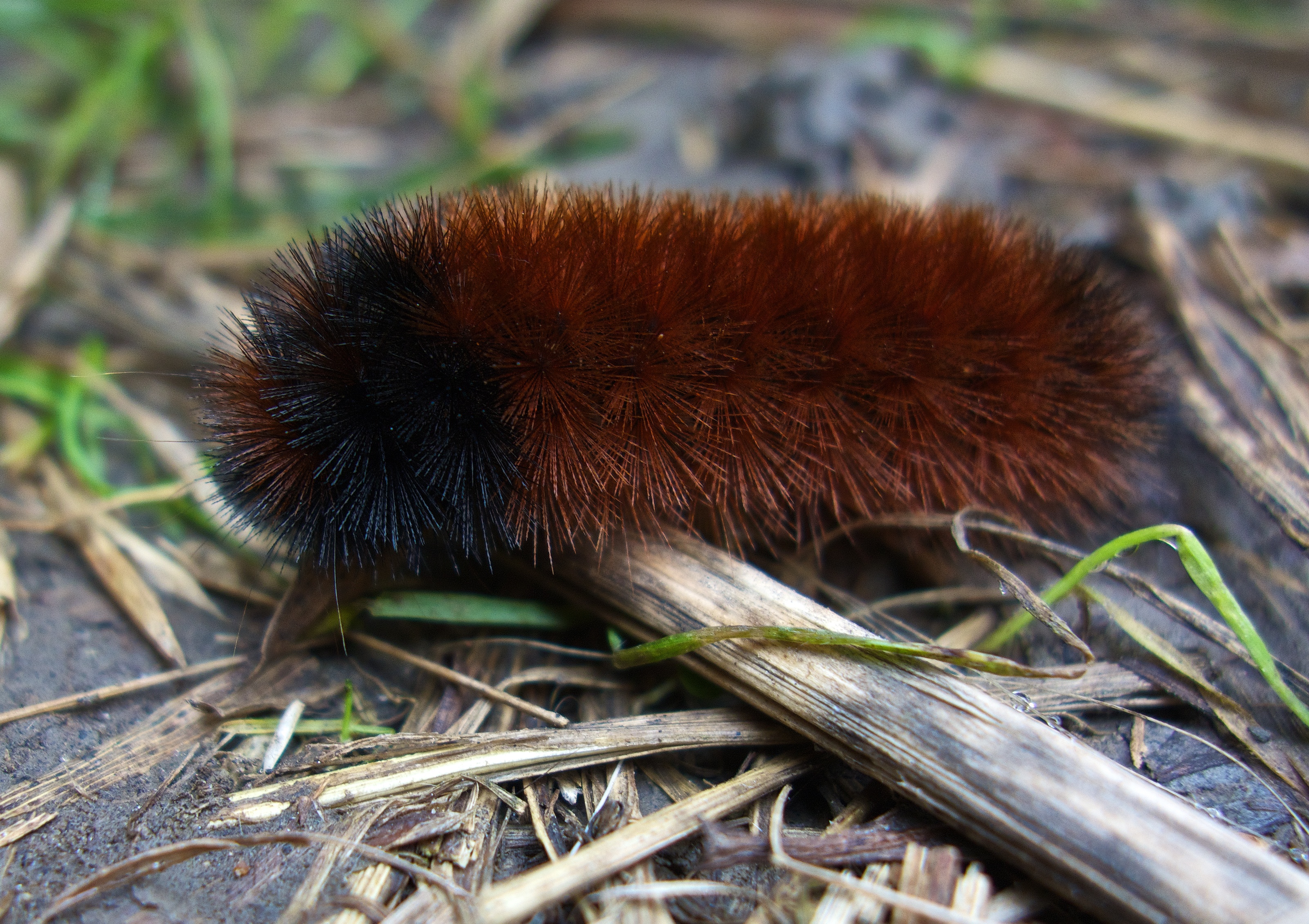
This insect  is a common sight in Raymore Park at this time of year inching its way along pathways and clearings. The freshly hatched wooly bear caterpillar is often seen moving along the ground looking for a hibernation spot. This one will pupate; in spring and its offspring will pupate in summer. Eggs from the summer generation hatch to become the overwintering caterpillar.

Pyrrharctia isabella; the banded wooly bear caterpillar

Pyrrharctia isabella; the banded wooly bear caterpillar trundling to a winter refuge.

These benign caterpillars have 13 segments and feed on plants such as clover and milkweed. Despite a spiky rather than wooly appearance, they contain no poison although handling them may trigger allergies in sensitive folk. If disturbed, they curl into a ball and stay still. Folk legends say that if the brown stripe on the caterpillar is narrow, winter will be cold and long. According to this little guy photographed today, we appear to be in for a mild time of things. The forecast is no doubt as accurate as those provided by Wiarton Willie. Regardless, this creature is able to manufacture its own anti-freeze and stop its heart before freezing solid during the winter. When spring arrives it thaws out and through metamorphosis, becomes a pupa and then a moth. Incredibly the Arctic version of the Wooly Bear Caterpillar needs several seasons to gather the food to become mature enough to pupate.

Beautiful September day

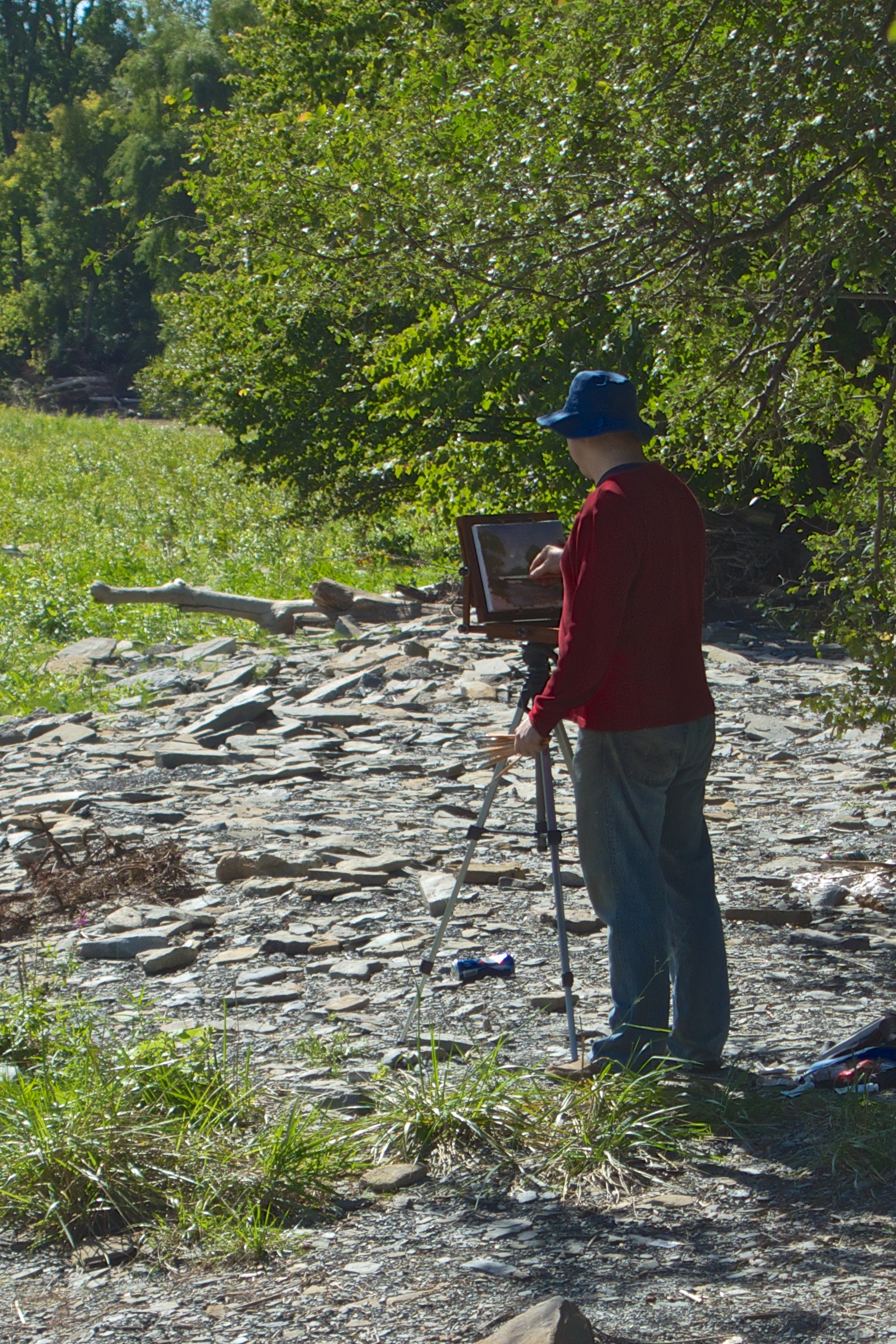
It’s Sunday and after yesterday’s decent rainfall, the park is washed clean and cooler dryer air has pushed its way through. Today, a group of painters scattered themselves throughout the park to various locations and were tackling some landscapes.

This gentleman was just south of the Humber Creek. Hope he takes that can with him!

This gentleman was capturing the view just south of the Humber Creek. Hope he takes that can (near his tripod) with him!

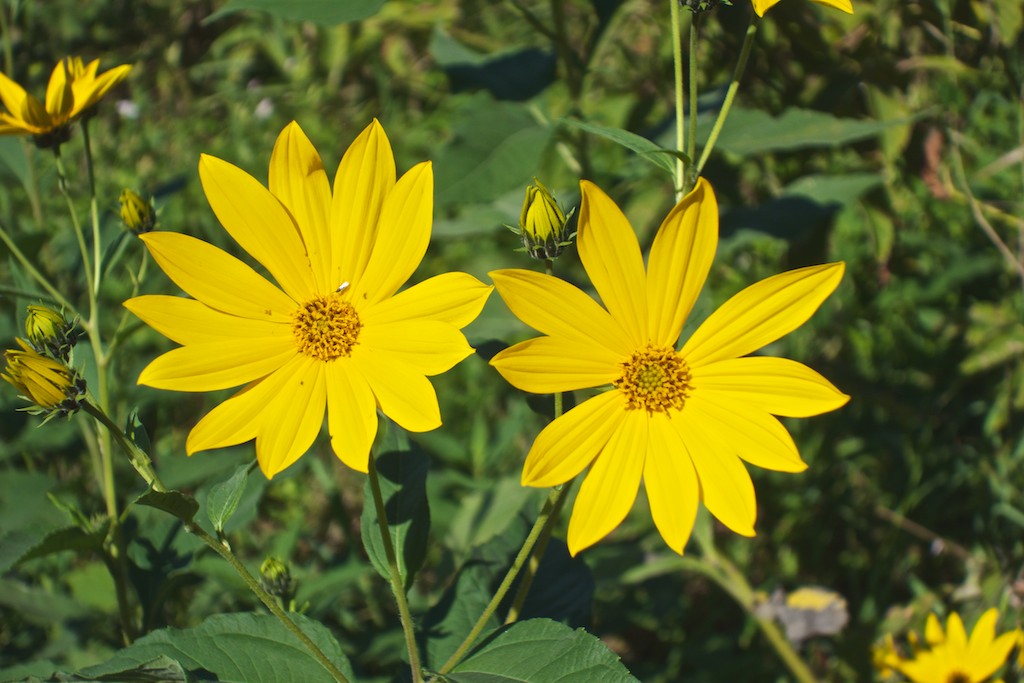
Elsewhere, these tall yellow flowers are hitting their peak.

Ragwort, not to be mistaken for ragweed.

Balsam Ragwort.

Balsam Ragwort is a member of the aster family and may actually be native to the area.

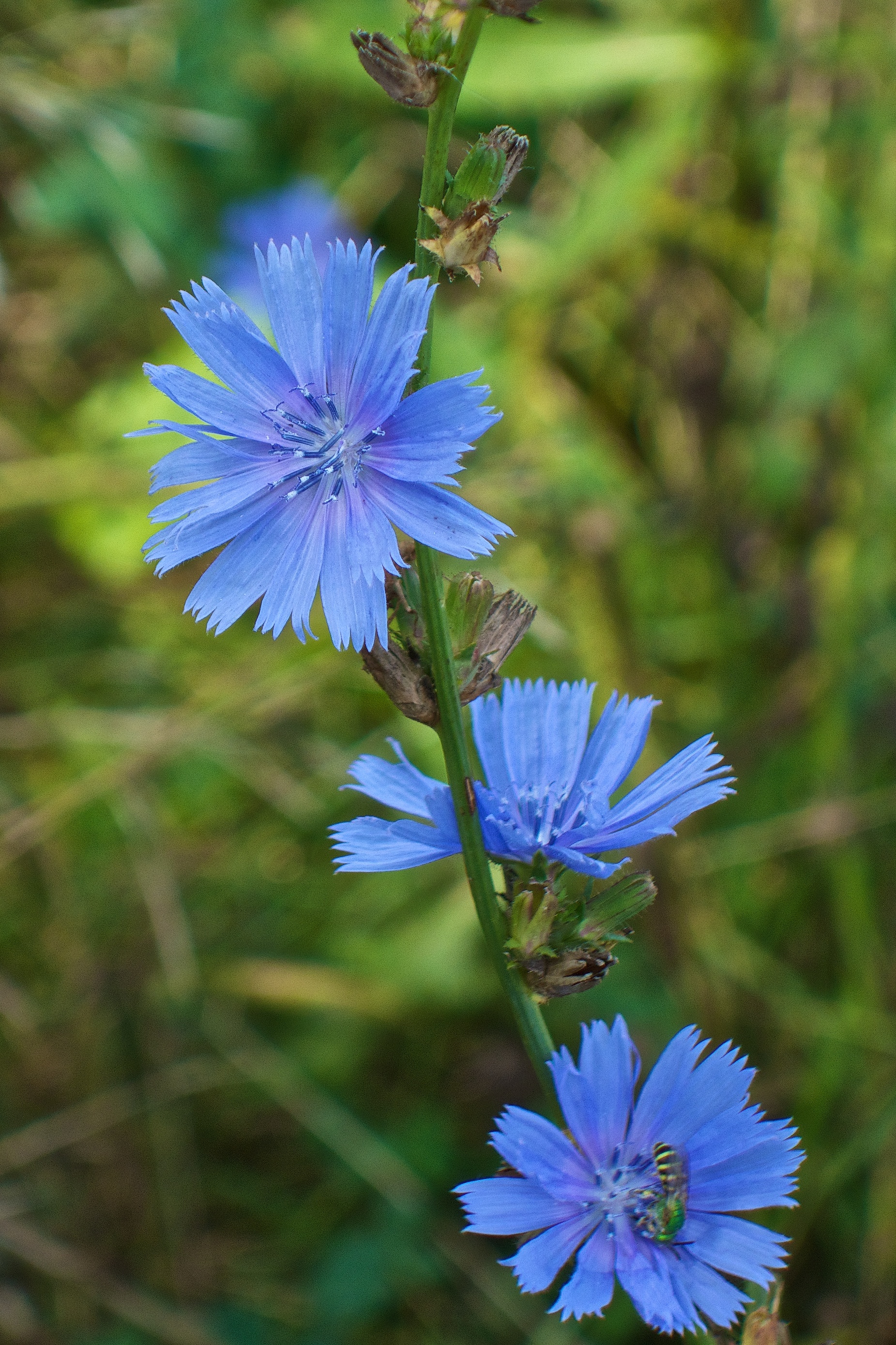
Chicory and its distinctive blue flowers.

Chicory and its distinctive blue flowers by the Humber.

Chicory is an interesting plant. As with many wildflowers in Raymore Park, it is not native. Probably brought over by settlers from Europe, it has a taproot that after baking, can be finely chopped and used as a caffeine-free coffee substitute. Chicory has been substituted for the real  thing whenever coffee supplies have been interrupted such as in wartime. My mother lived through World War II and tolerated the occasional chicory coffee. Many people acquired a taste for chicory and retained the habit but she refused to drink it after the war, regarding it as a bit too much like ‘dishwater’.

Other varieties of chicory have leaves that can be used in salads, some variants being radicchio and Belgian endive.

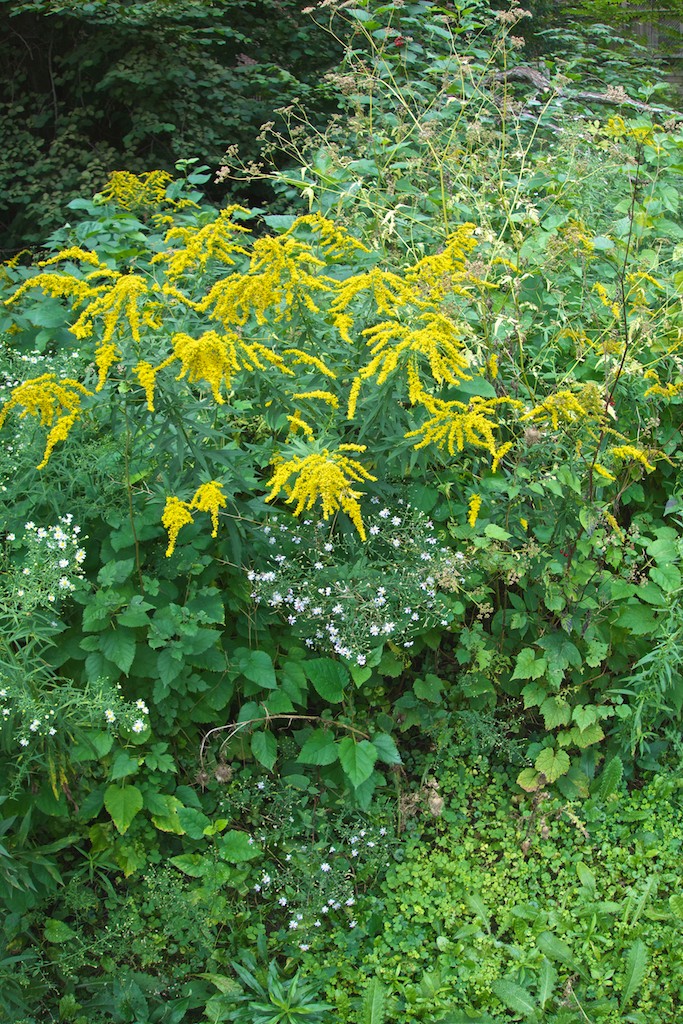
Finally, some goldenrod – a sure sign of the approaching fall season. It looks like an allergy sufferer’s nightmare but in fact releases no pollen.

Goldenrod mixed in with some wild asters.

Goldenrod mixed in with some wild asters.

Cicadas are hatching

Unless you know what to look for (thanks, Codemonkey), the mysterious life cycle of the cicada happens without most people noticing. We can hear the electrical sounding buzzer noise that cicadas produce in late summer but where they come from is rarely given a second thought. Unlike their better known American cousins with 17-year life cycles, the ones seen in Toronto have 2-5 year cycles of birth and death. Ours are known as Dog-Day Cicadas, Harvestflies or formally, Tibicen Canicularis. The common names refer to the later days of summer in which they appear. Because their life cycles overlap, our cicadas appear every year.

From a human perspective, their life begins when they come up from burrows in the ground and climb a tree. They pump fluid into their abdomens which bursts open the exoskeleton from which they emerge.  At this final life stage, tiny wings are revealed. After a few minutes these wings inflate with blood and unfurl to grow larger than the insect itself. The adult cicada is now ready to fly.

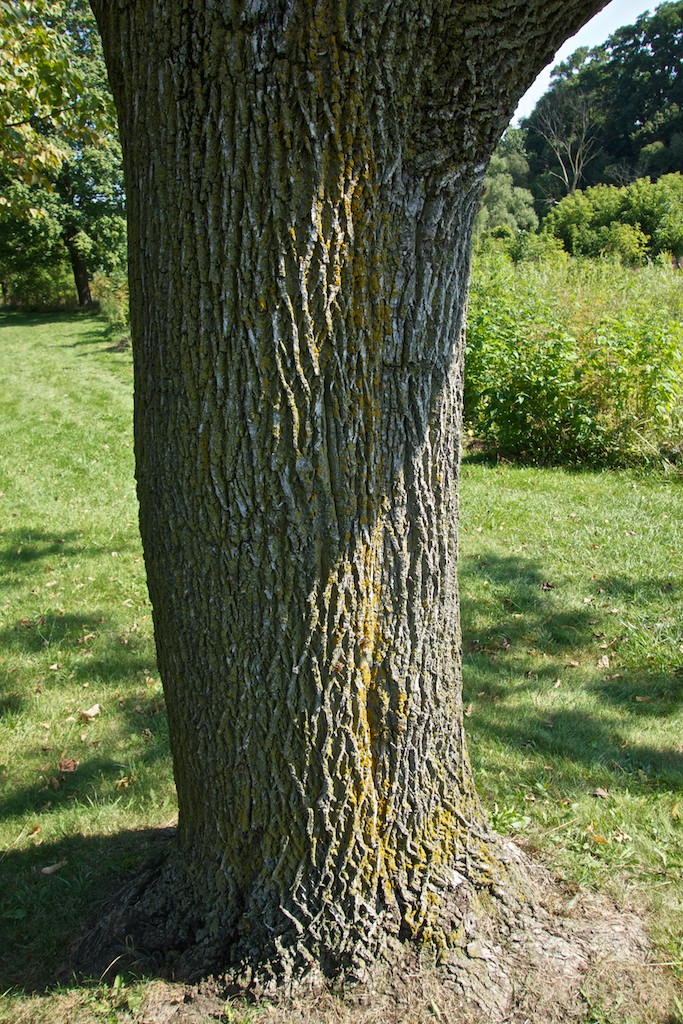
This tree is a cicada adult hatching point.

This tree is a cicada adult hatching point with many exoskeletons visible.

This

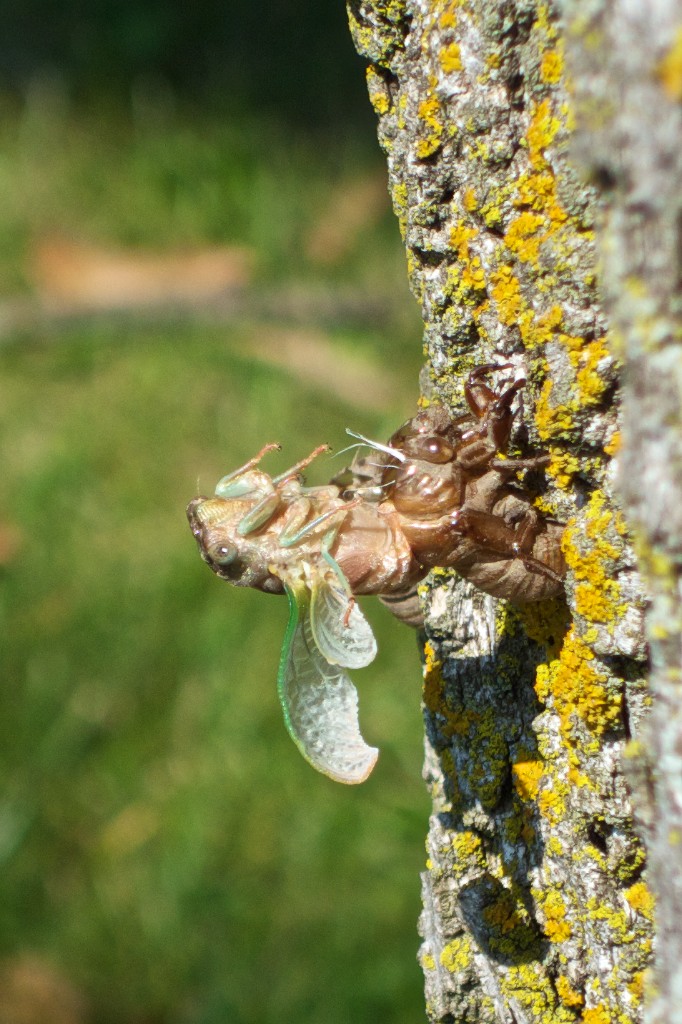
A cicada emerging from its exoskeleton. The two sets of wings are unfurling.

This

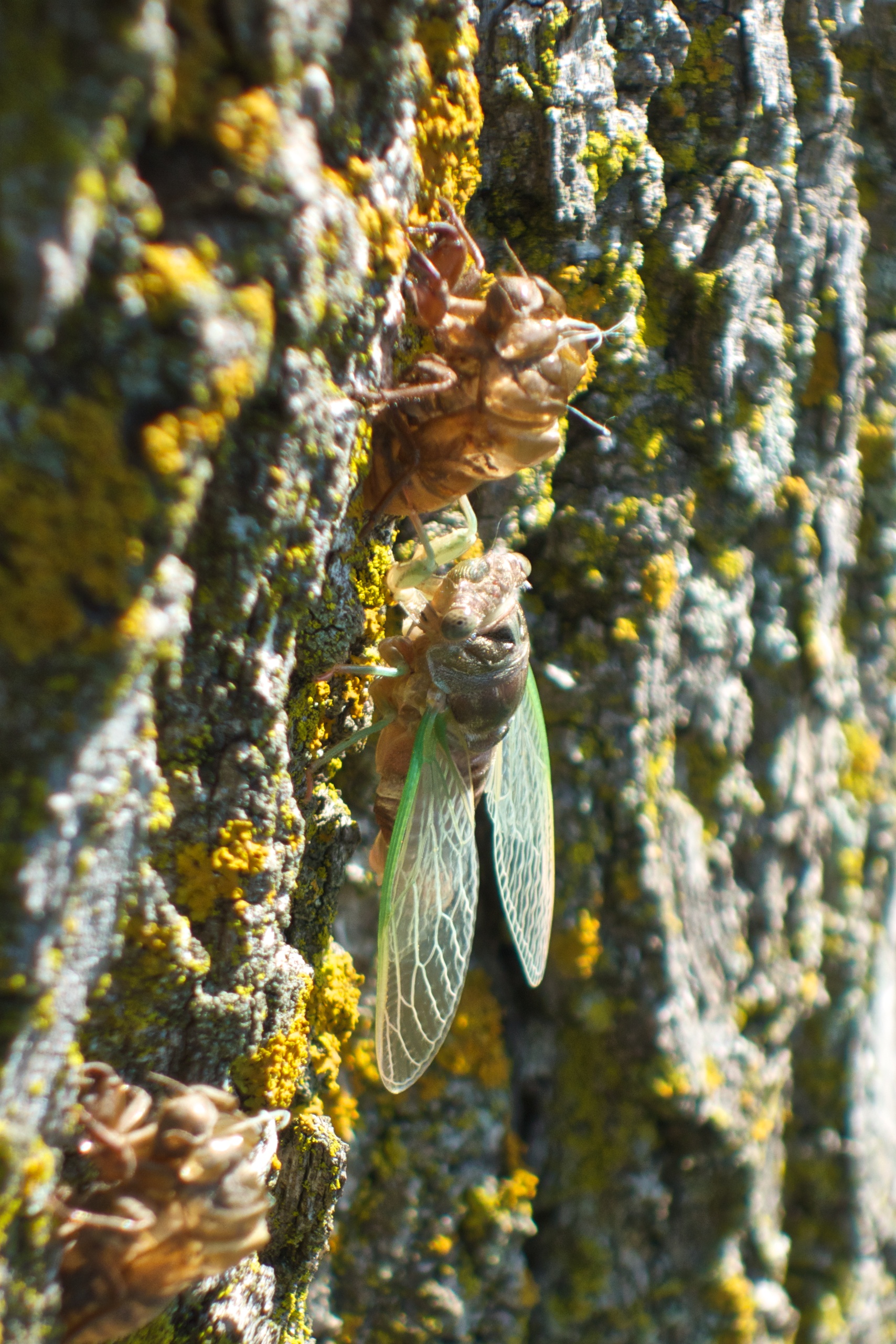
Green blood can be seen circulating through the wings.

This

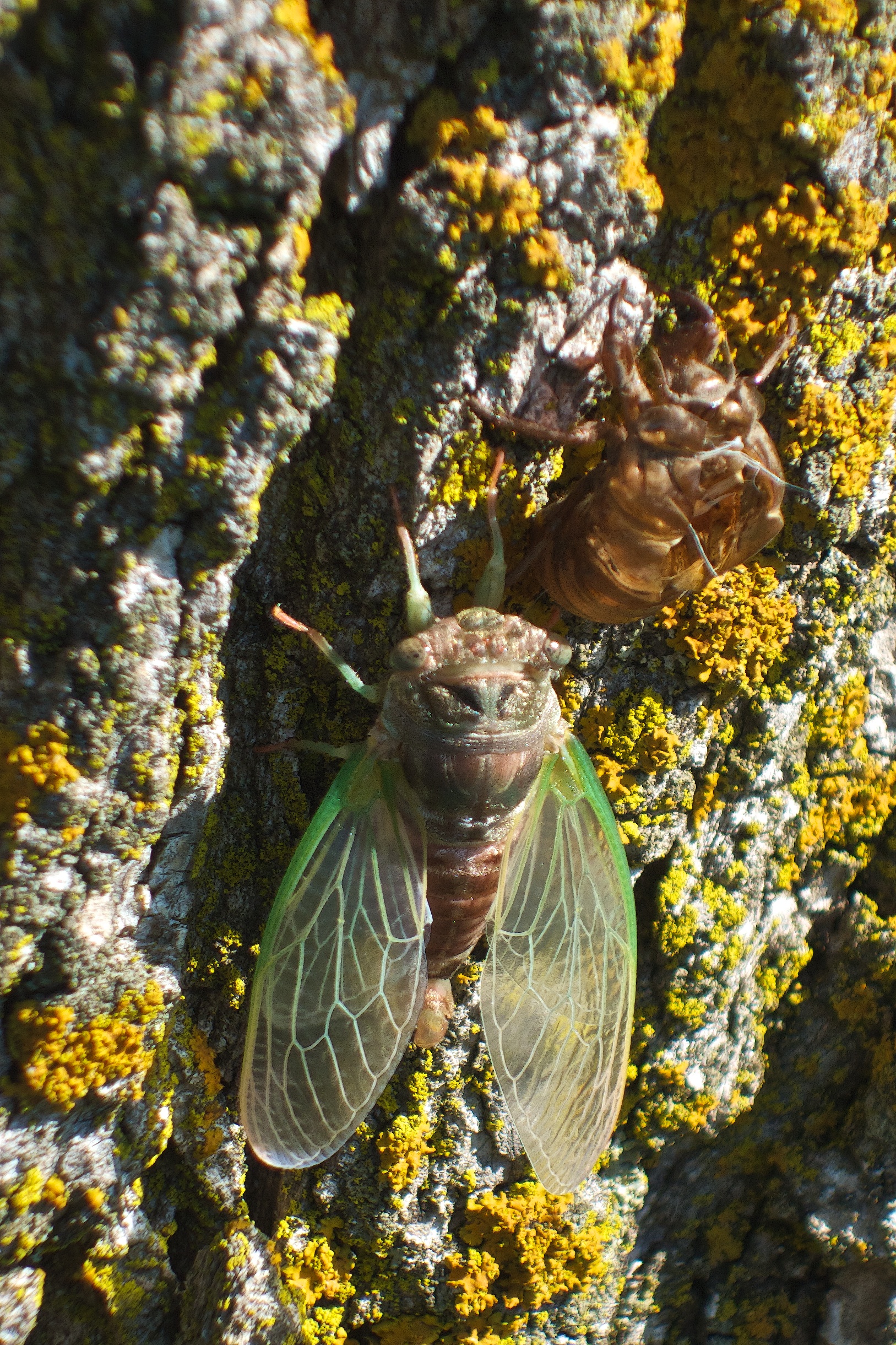
The cicada beside its old exoskeleton.

Adults can live for 5-6 weeks if they’re not picked off by birds and other predators. Most of the time, we can’t see them but we can certainly hear them. Males are the noisemakers and they produce that familiar deafening sound to attract a mate. Female cicadas carve slits in tree branches and lay their eggs. After hatching, nymphs drop to the ground. This first larval stage digs until reaching tree roots from which they feed, moulting several times before that last stage above ground some years later.

There is a folk legend that the first buzz of cicadas in late summer indicates there are only six weeks until frost.

What a depressing thought.

Anomalies

A couple of shots illustrate one of the habitats in Raymore Park.

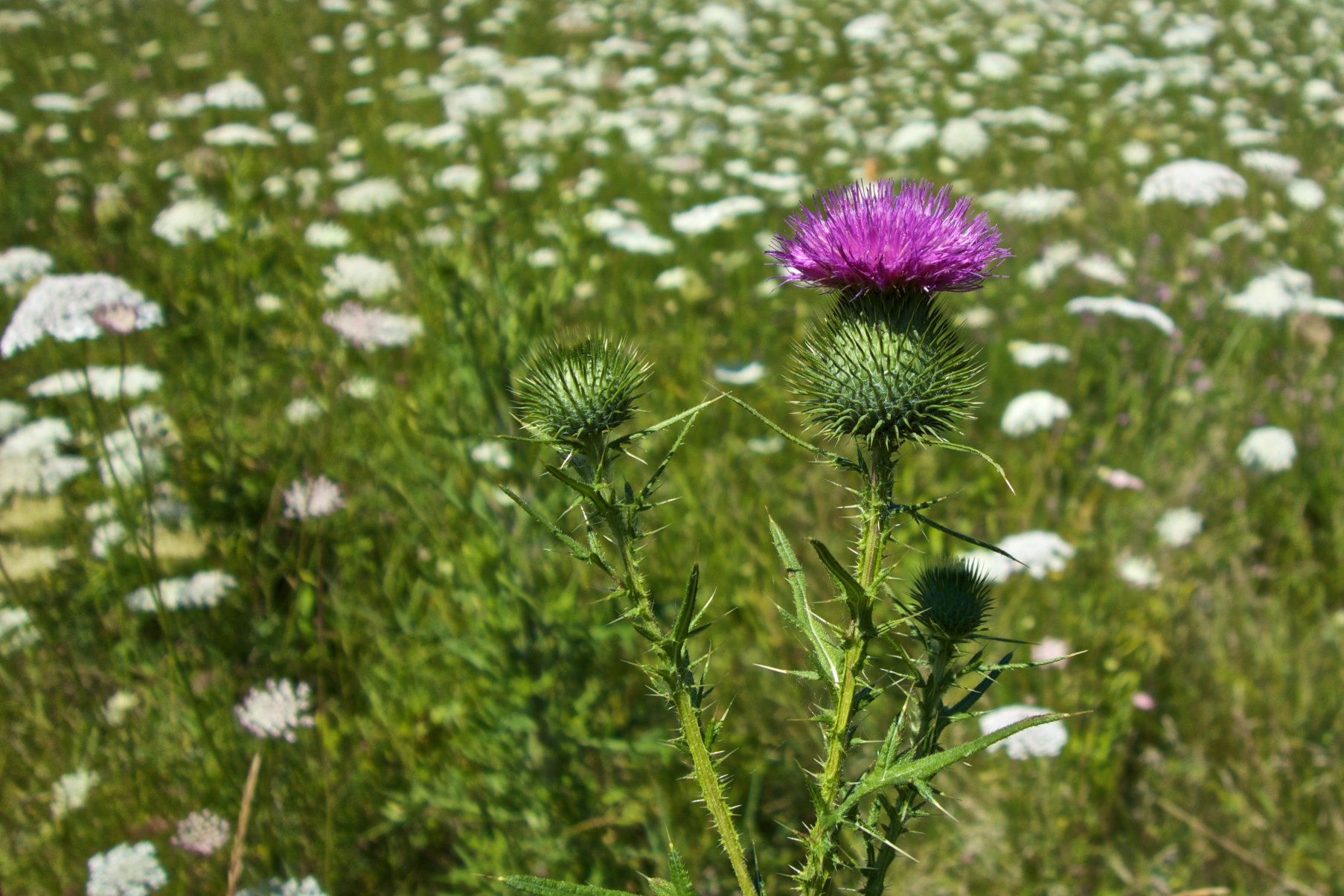
A bull thistle stands guard over a field of queen anne's lace.

A bull thistle stands guard over a field of Queen Anne’s lace.

The field in question will be a small wood in a few years thanks to native saplings in place for several years. For now, weeds and wildflowers are enjoying the space. Bull thistles are not native but seem to be the most common thistle in Raymore Park. Members of the aster family they propagate by seeds alone. The roots and leaves are edible with some preparation.

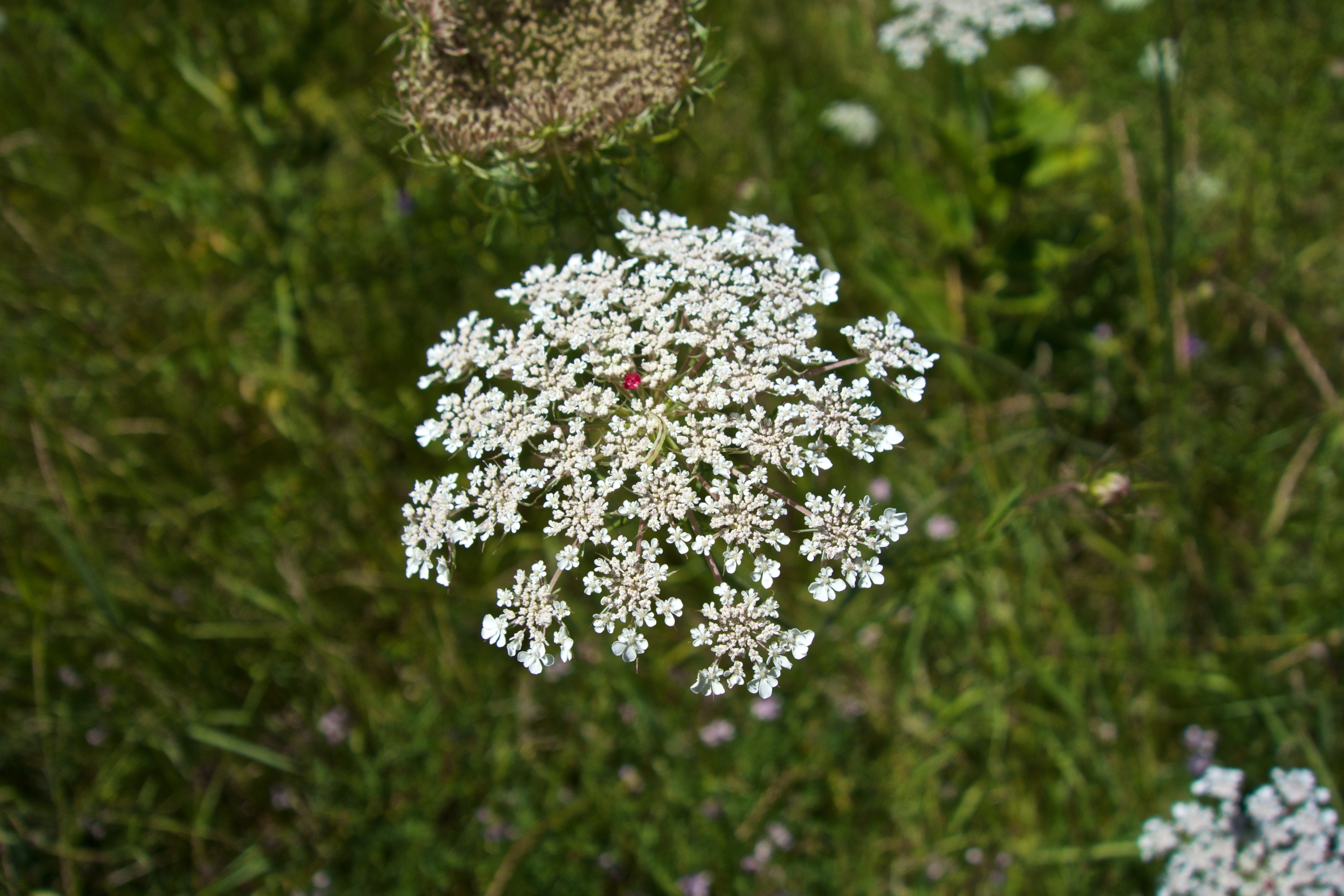
Queen Anne's lace

This Queen Anne’s lace has a tiny red flower.

Another foreign invader (from Europe), Queen Anne’s lace is a member of the carrot family and the root is edible. Being a biennial plant, it flowers and dies in its second year. Insects love QAL and so it can’t be all bad.

Raymore Park nursery.

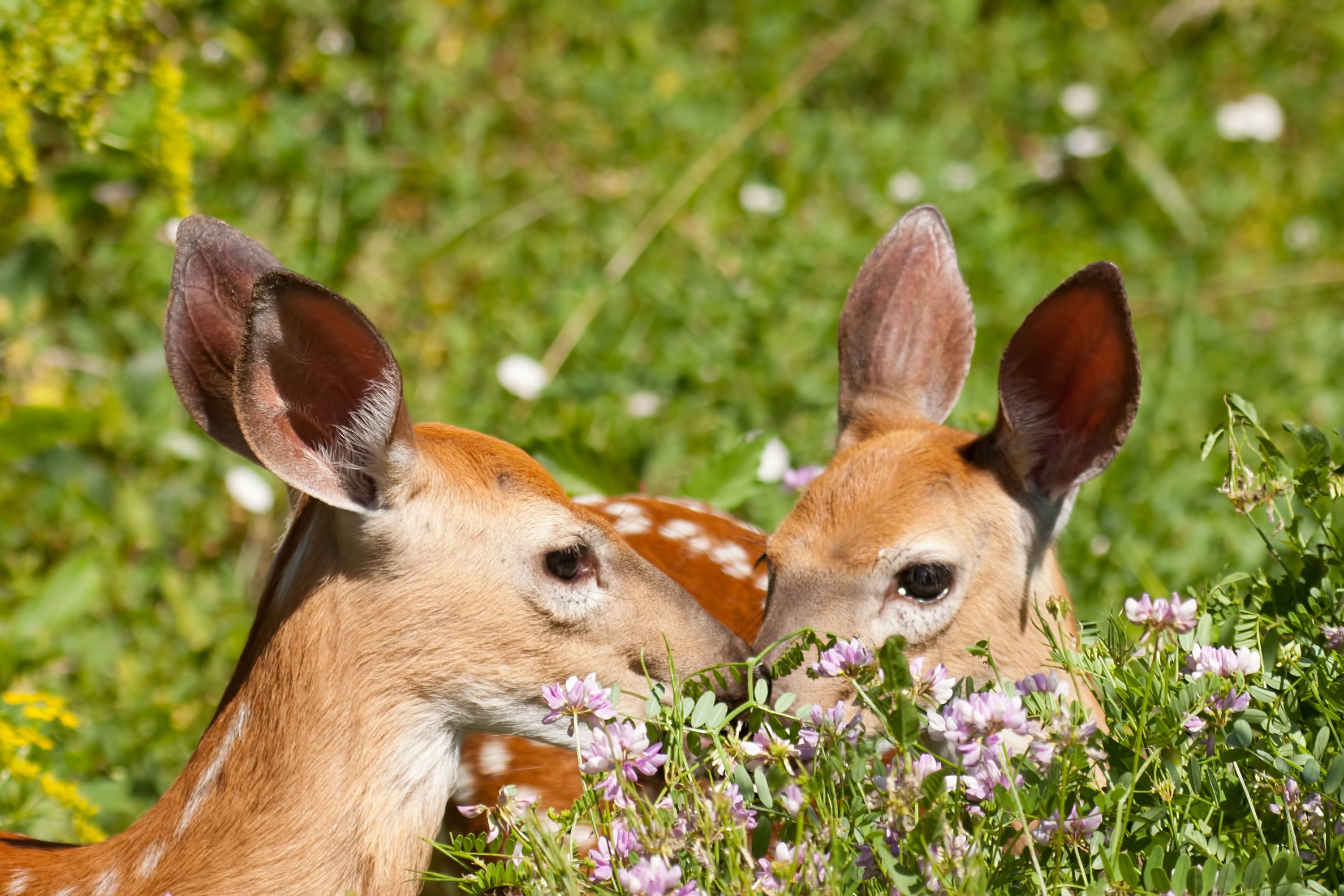
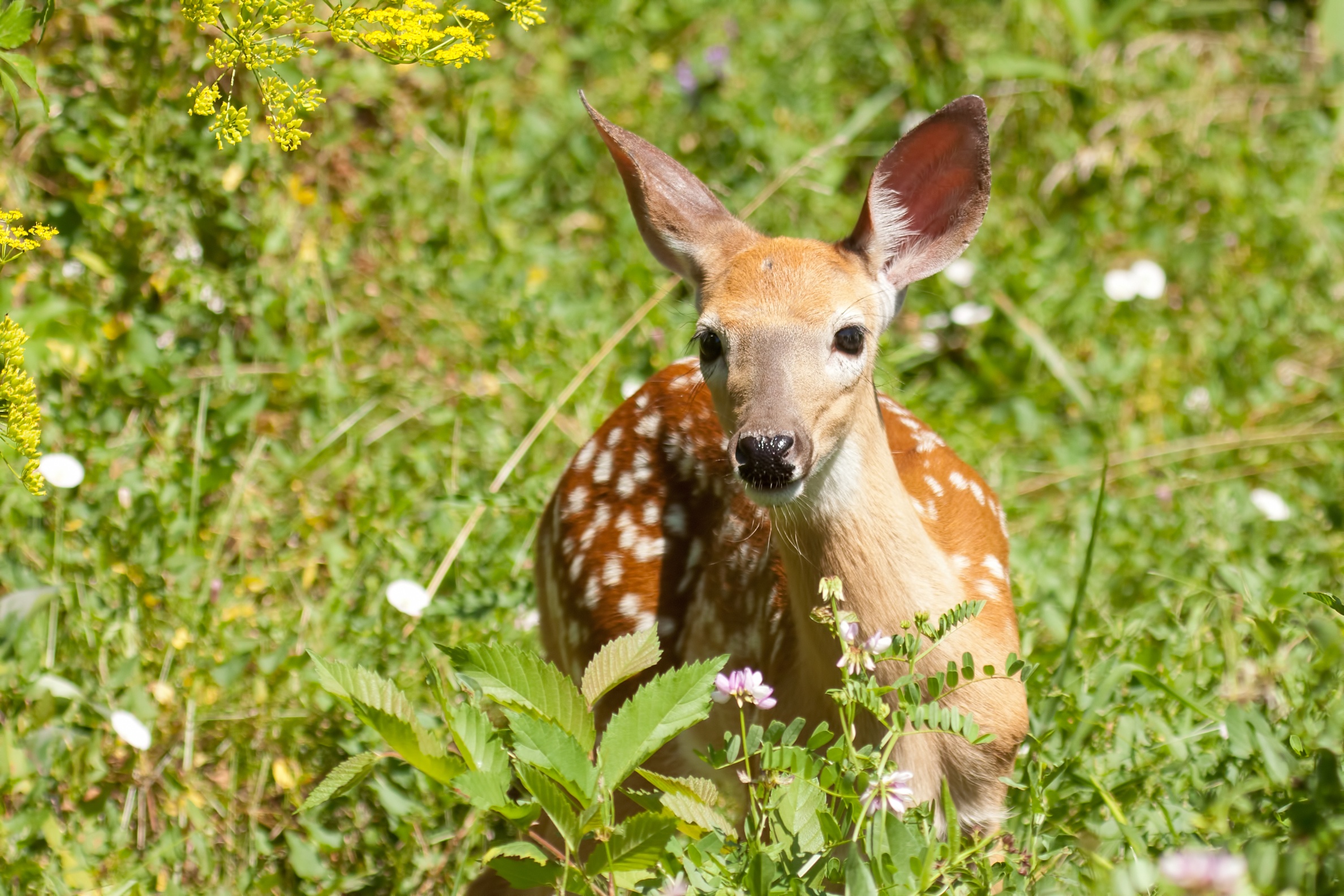
The baby fawn has been joined by an older companion. It’s common for mothers to feed during the day and leave their fawns to wait quietly for them. Codemonkey has snagged a couple of stunning shots of these beautiful creatures.

Two fawns stand still in dense vegetation.

Two fawns stand still in dense vegetation. Image: Codemonkey.

Deer in the headlights/

The elder fawn looks towards the camera. Image: Codemonkey.


Apologies

It’s been a while but a flood in the park was matched by a flood in my basement July 8th.

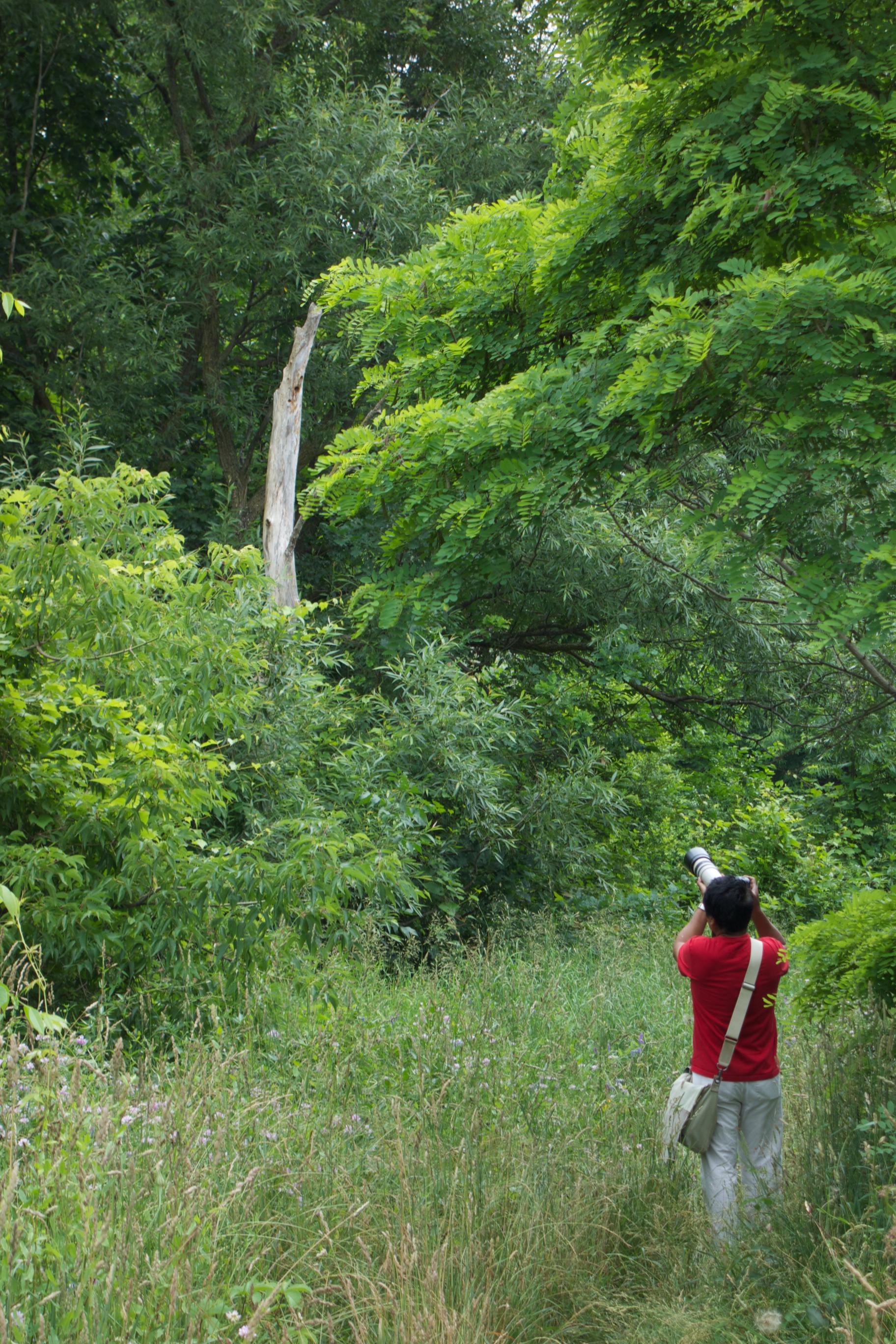
Codemonkey to  the rescue. This gentleman is often seen in Raymore Park going after anything that flies, usually birds and insects but knows a good shot when he sees one. He is a true photographer, spending hours stalking his ‘prey’ and patiently waiting for the right photo to present itself. He has honed his skills over the years and where I take ‘snaps’, Codemonkey takes photographs.

Codemonkey at work after a downy woodpecker.

Codemonkey at work going after a downy woodpecker on the tree stump.

Here are some examples of his work (posted with permission).

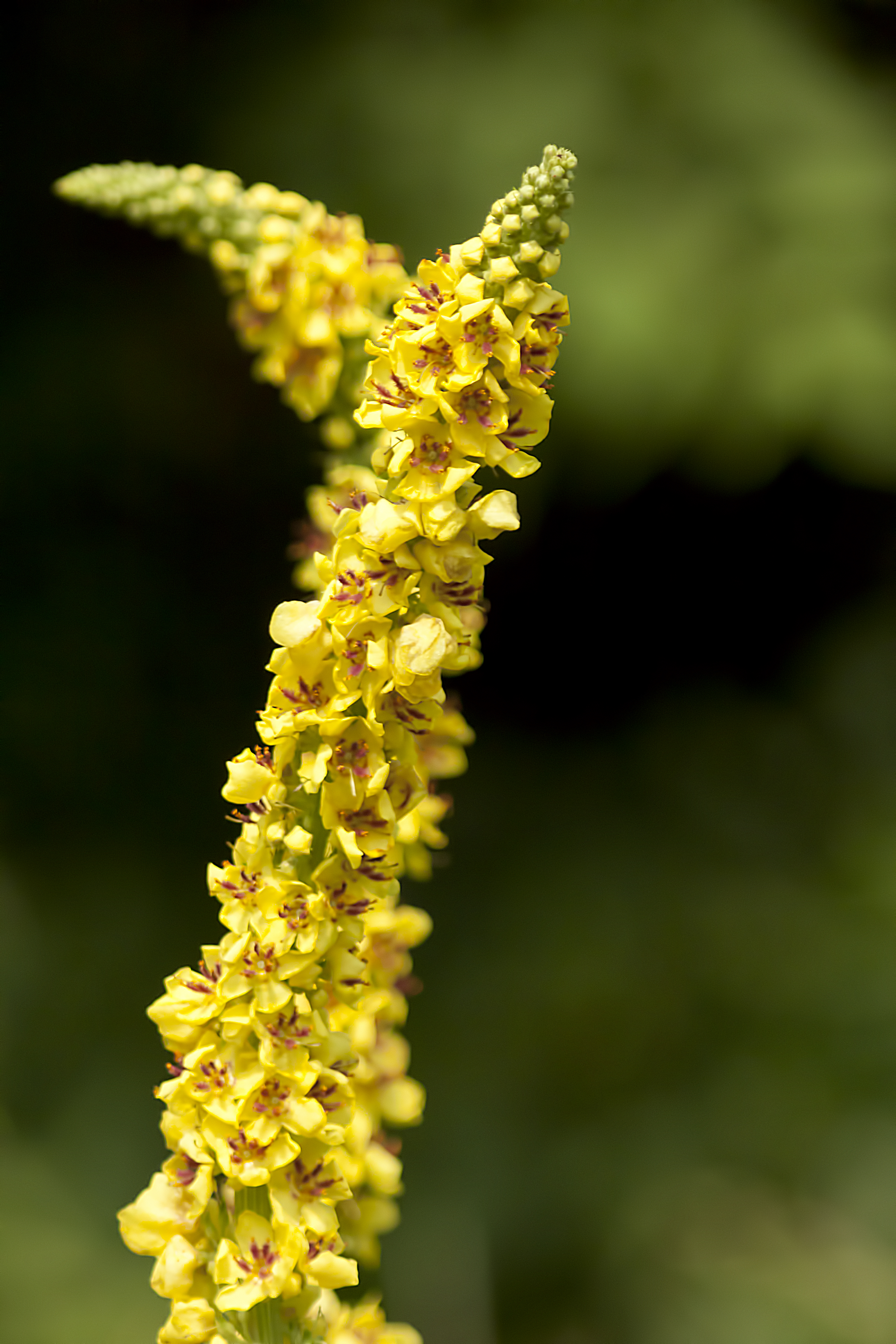
A beautiful yellow flower in Raymore Park.

A beautiful yellow flower in Raymore Park.

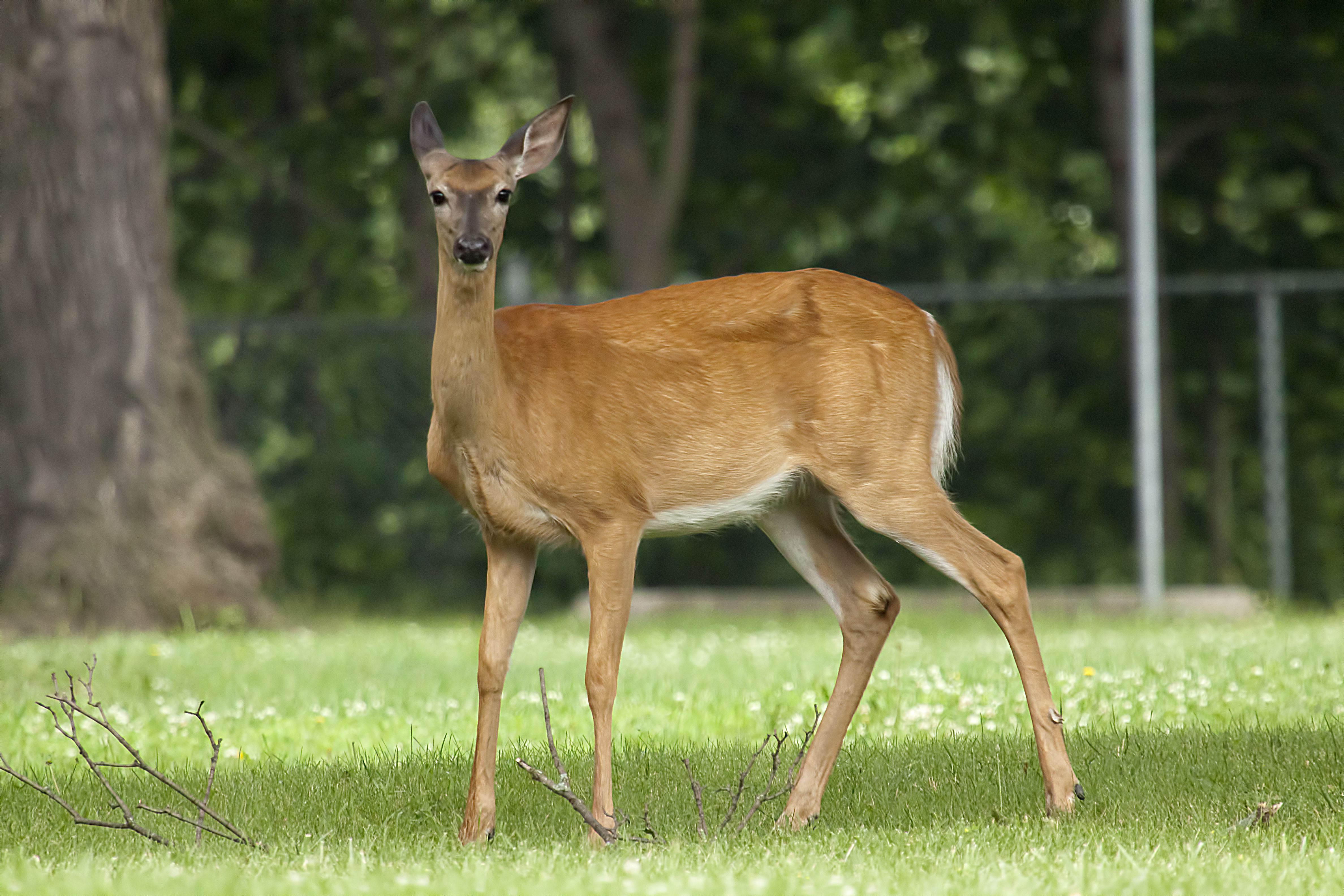
The mother deer often seen in Raymore Park.

The mother deer often seen in Raymore Park.

Codemonkey sent these exquisite rare sightings of wildlife that he managed to get on the same day (July 13).

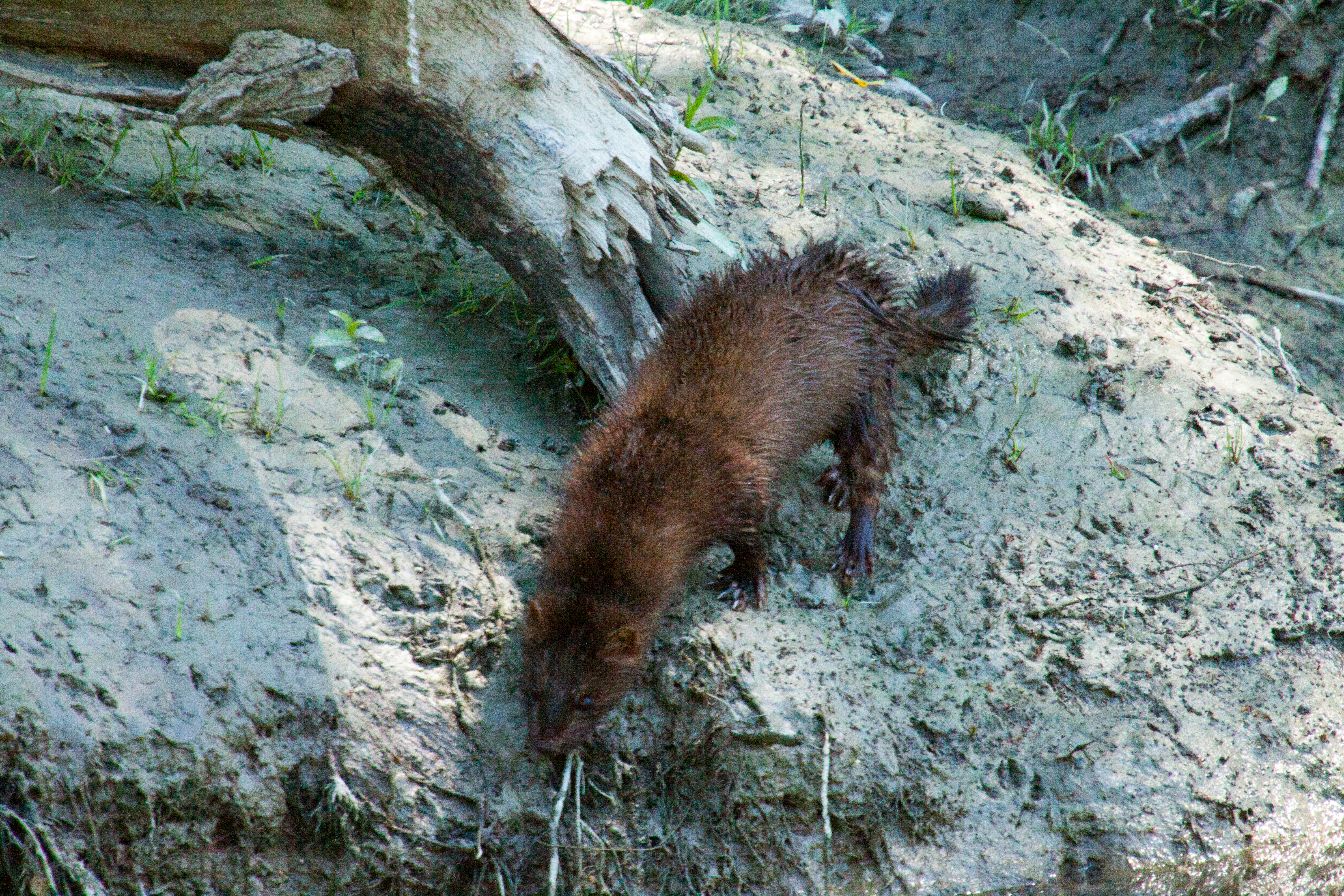
An American mink.

An American mink.

If that’s not incredible, here’s another rare sight that I’ve seen in Raymore once in 20 years (and that was without my camera!).

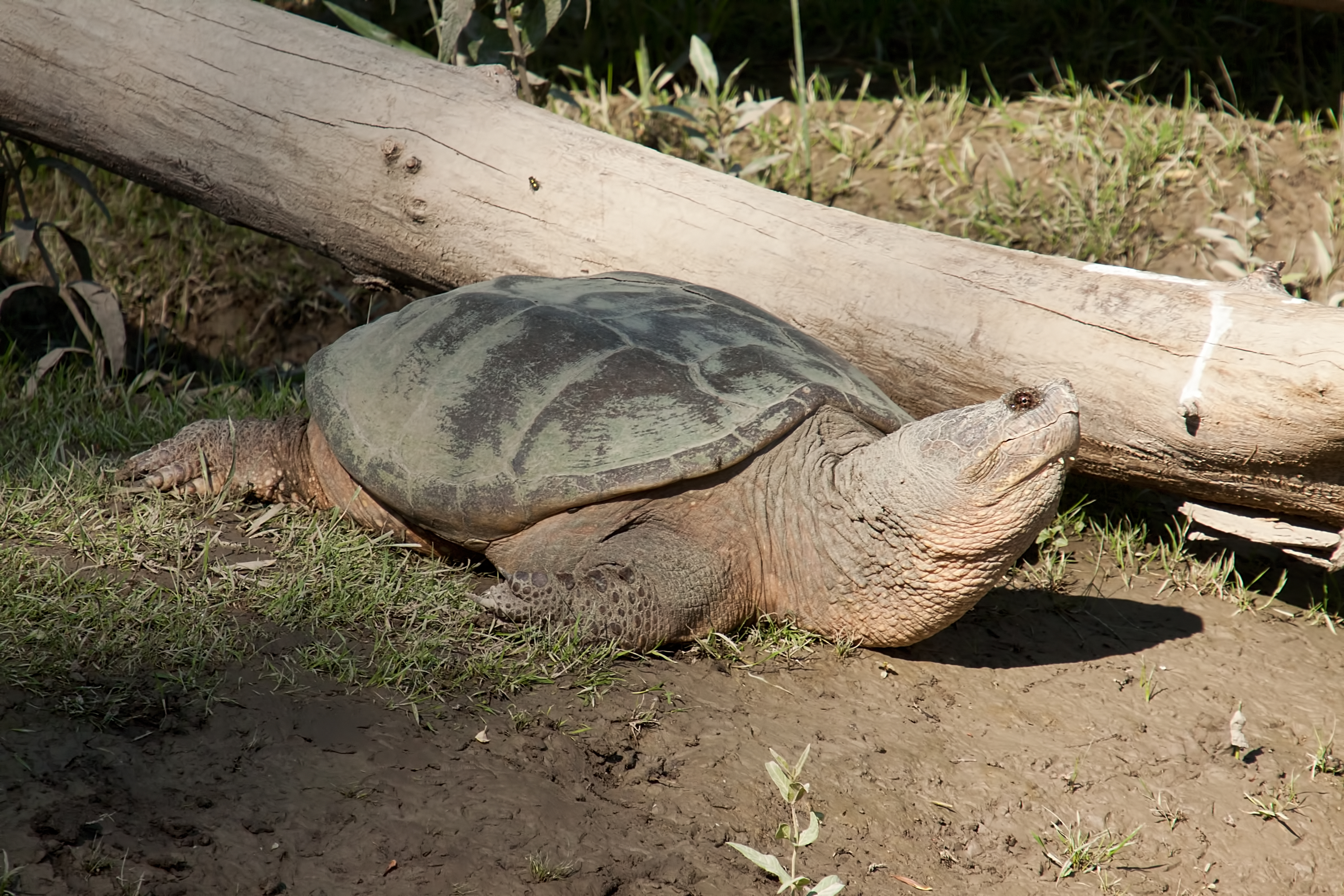
A snapping turtle suns itself after the storm.

A huge snapping turtle suns itself after the storm.

Thanks Codemonkey, you’re a lifesaver.

I did get out after the flood to take some pictures and will post these in the coming days.

Pond update.

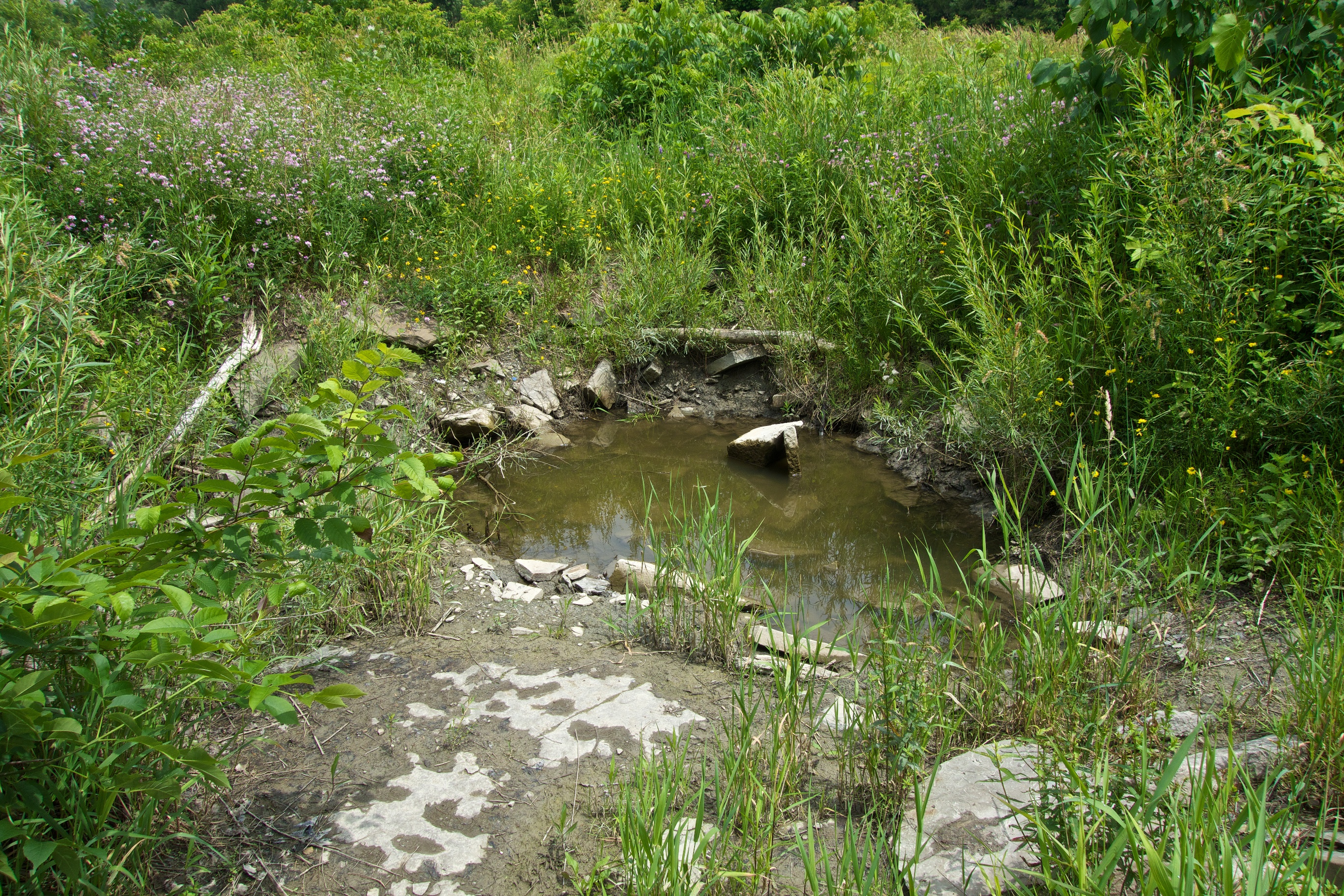
Now that high summer is upon us, here’s an update on the pond that was created during the winter as a result of an ice jam. Thanks to recent dry weather, the water level is down substantially and the large number of tadpoles seen in the spring are no longer in evidence (hopefully they have graduated to better things).

A much reduced pond but still teeming with life.

A much reduced pond but still teeming with life.

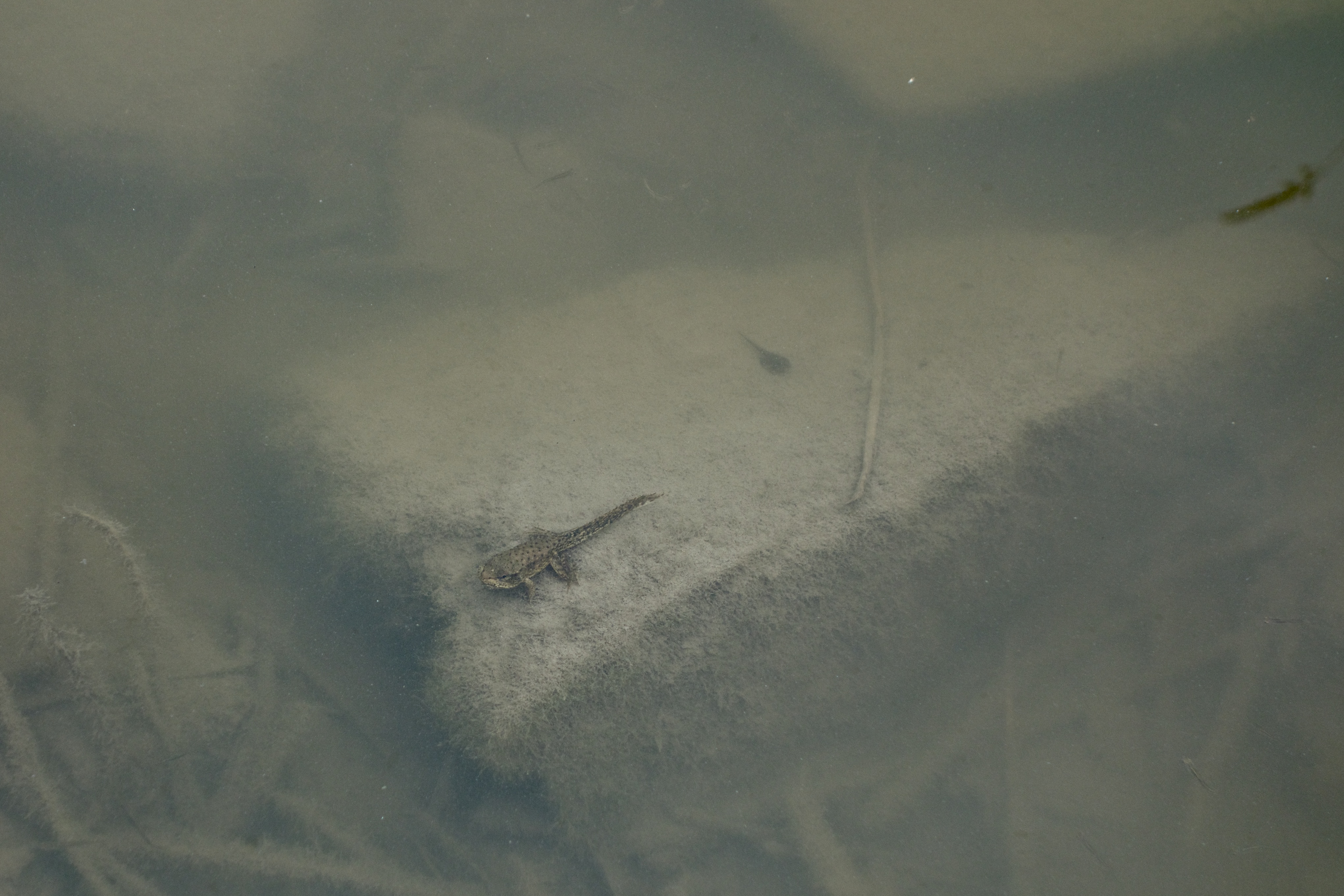
Although the pond is much diminished in area and depth, there are still lots of minnows and pond-skaters and what I believe to be an American Toad tadpole, almost ready to leave.

Toadzilla -there's a much smaller tadpole to the right.

Tadzilla on the left – there’s a much smaller tadpole to the right.

As the toad grows, it will emerge from the water with only a small tail and look more toad-like. The tail will eventually disappear. American toads thrive in dense vegetation where they can feed on insects and small invertebrates like slugs so the new pond is perfectly located for that. In the late fall, they bury themselves in soil or mud near their hunting grounds.

There’s been quite a bit of rain today so this should improve water and oxygen levels.

Mother and baby are based in Raymore Park

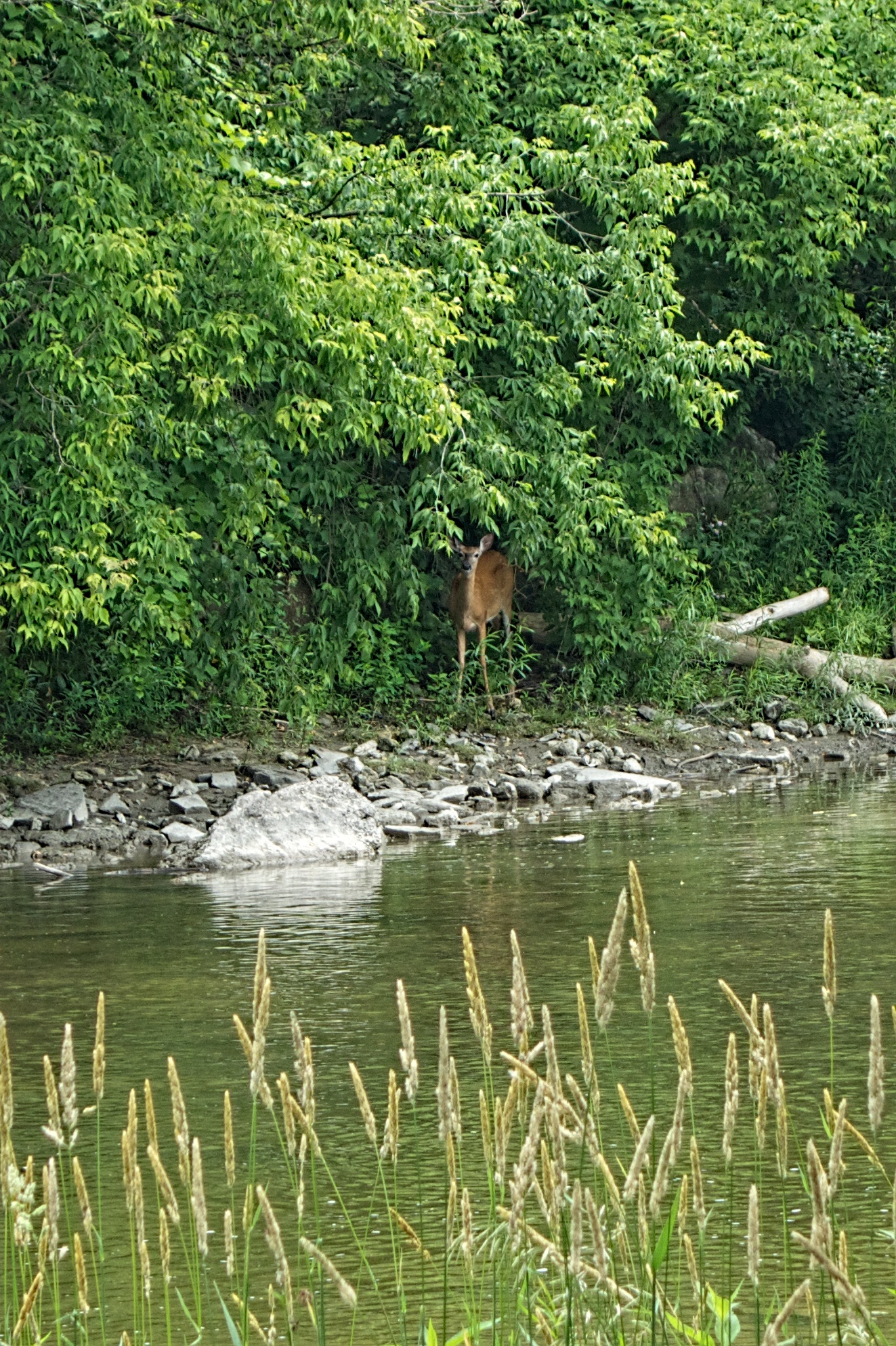
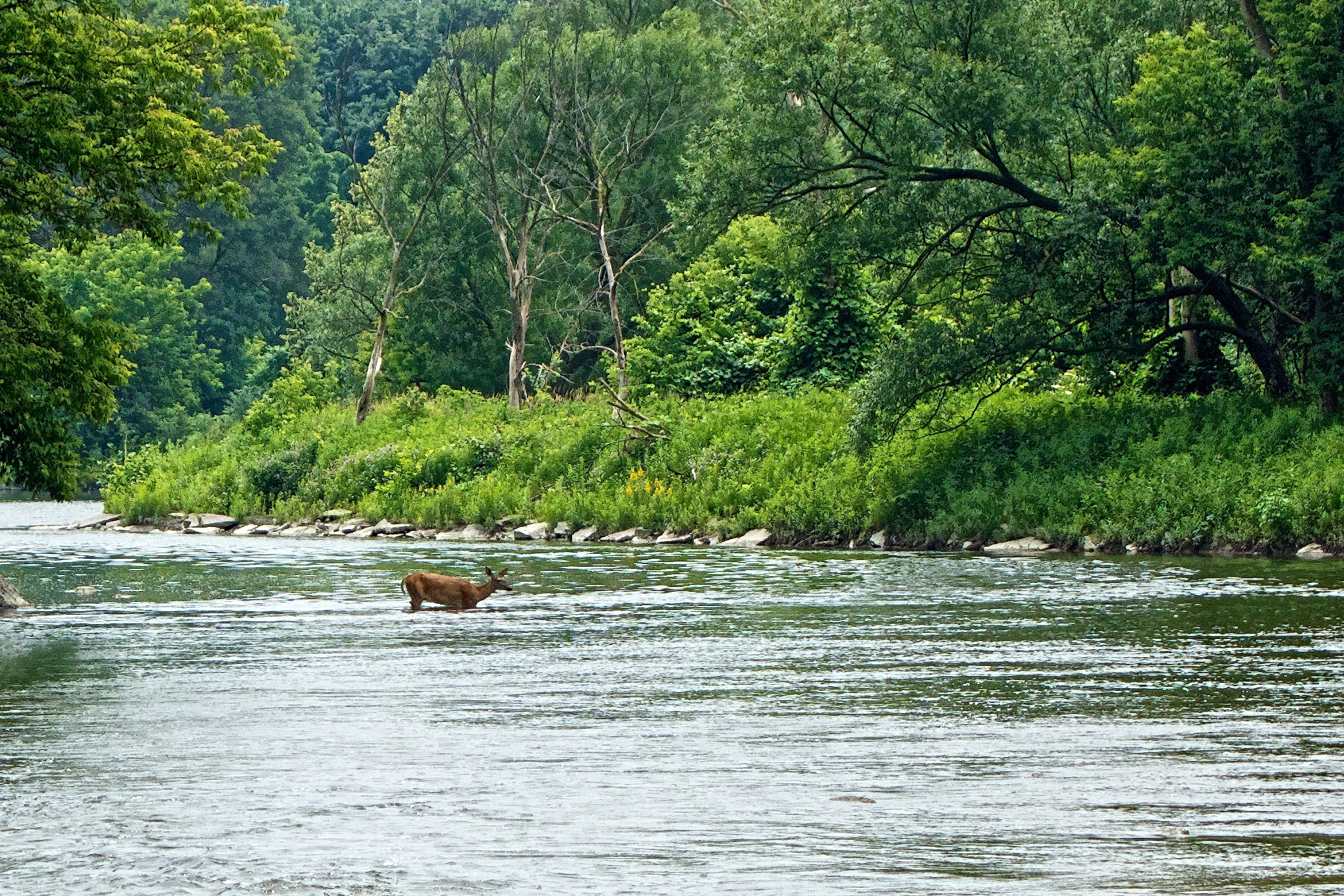
Yesterday, I saw the mother deer on her own in Raymore Park. She moved across the width of the park and moved slowly into the wild area right in front of my wife and I as we stood watching breathlessly.

White-tailed deer leave their young for hours on end while foraging and return to them to provide milk. Today the mother was on the Weston side of the river and waited until I moved upstream. The fawn will be safer on the far side as access is limited so hopefully, that’s where it is.

...standing motionless, waiting in the shadows.

…standing motionless, waiting in the shadows.

She crossed the river slowly and disappeared into the vegetation which, thanks to the rain is very tall this year.

DSC02401

As I was leaving the wild area, I encountered a lady with four very active, off-leash border collies. On mentioning my deer sighting, she seemed to believe her dogs wouldn’t bother the deer and its fawn. In fact, she went told me that ungulates (yes, she used the word ungulates) are a leading cause of death to other animals and humans thanks to their hooves! She mentioned that one of her dogs had had an encounter with a deer recently and that the deer chased her dog and threatened it (with its hooves).

It’s not hard to imagine what would happen if any dog happened across the fawn while it was on its own and defenceless. In fact, any kind of encounter between wild and domestic animals should be avoided. To me, it seems irresponsible to invite such an encounter on a daily basis.