Category Archives: Wildlife

Mother and baby doing well.

DSC02327

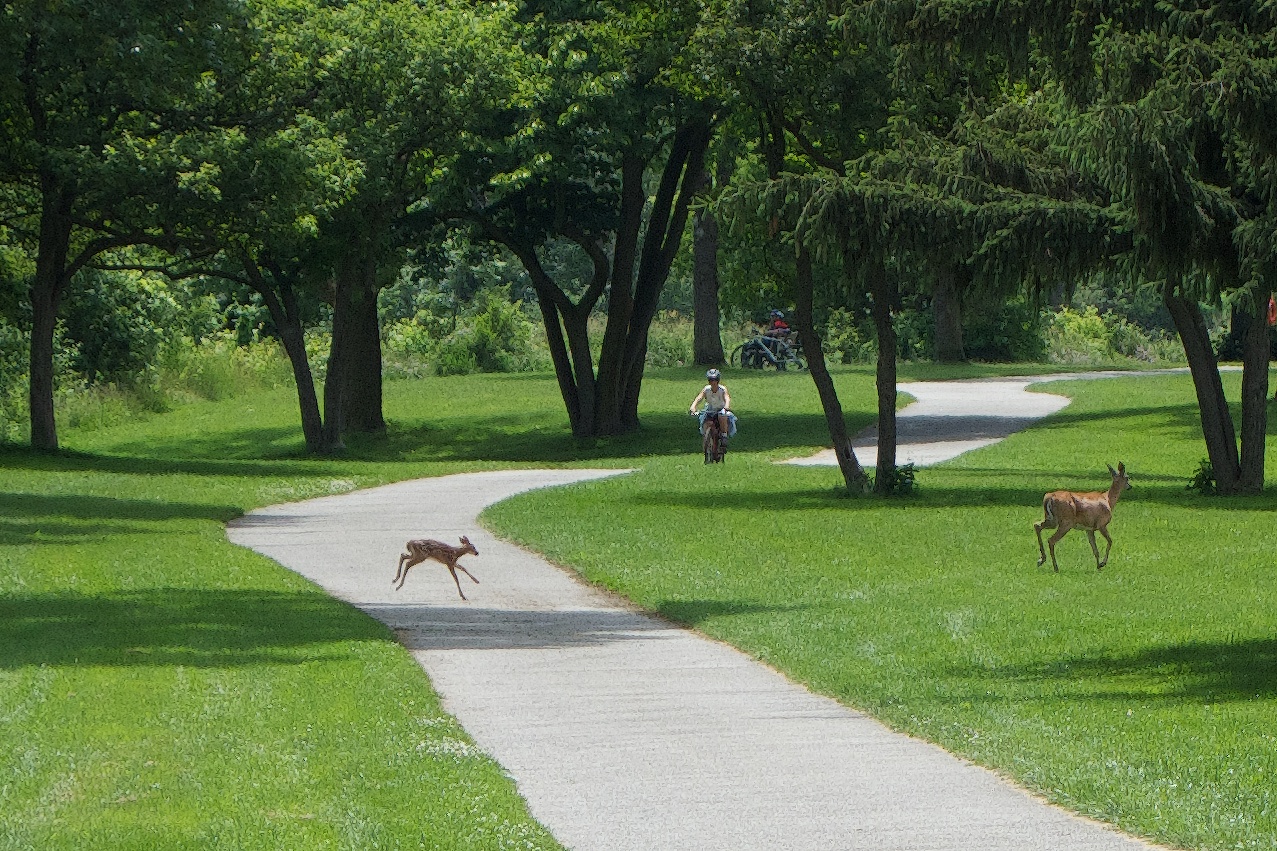
On Sunday, right in the middle of a (relatively) busy park, a white-tailed deer was shepherding her frisky fawn through the park. The fawn was darting all over the place and seemed to be excited by the open space having just emerged from the wild area. The mother soon corralled it behind her and the two of them moved into the bush by the weir. The mother did not feel threatened as her tail was down. Several people in the park were quite delighted by the sight. One gentleman with his large active dog off-leash put his dog under control after I pointed out the pair.

A new island.

Last winter, huge amounts of ice and water coming over the weir seems to have pushed up some bedrock to form a small island.

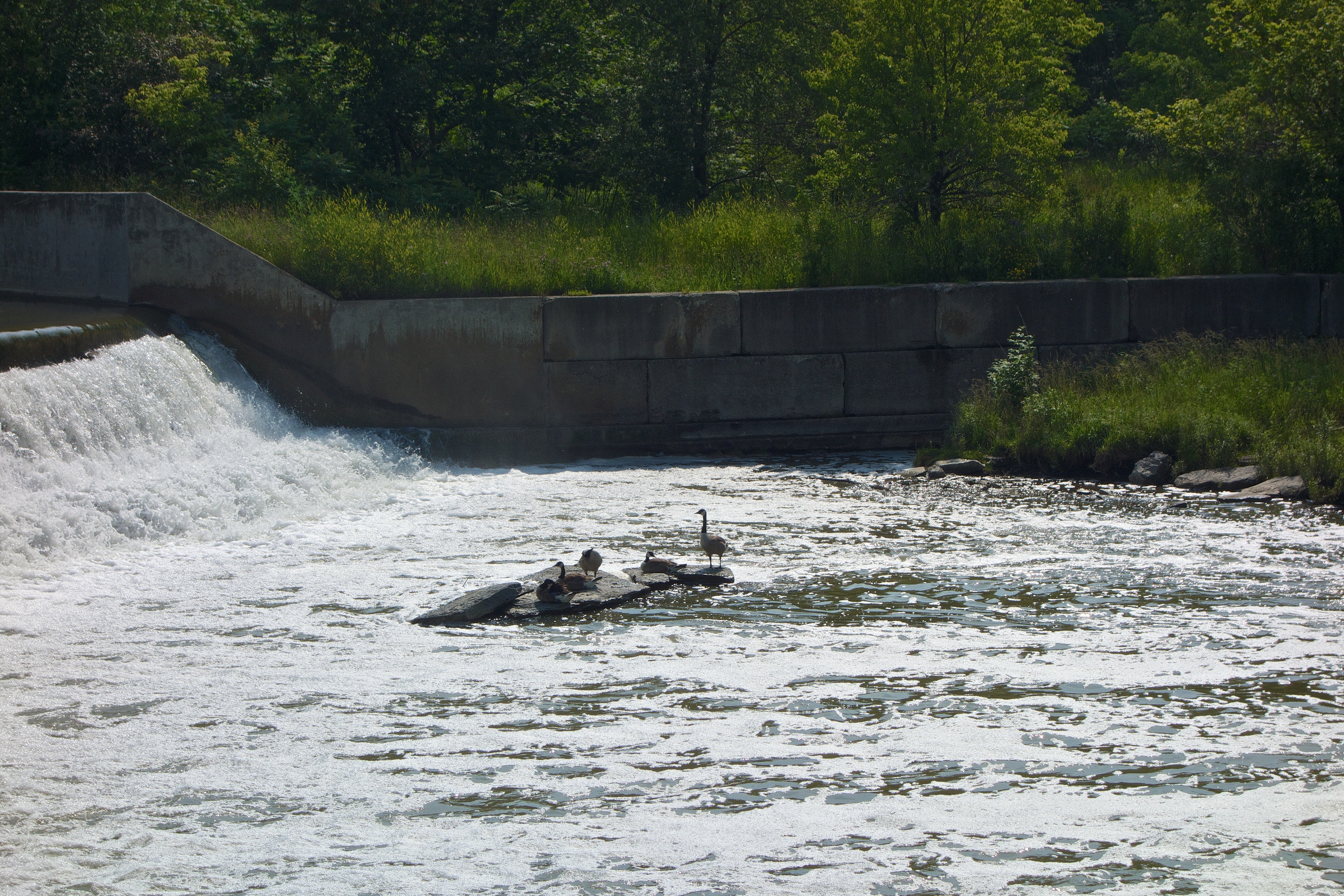
These geese have a safe haven below the weir.

These geese have a safe haven below the weir.

It will be interesting to see if this will stay or be swept away next winter. For now, it’s a great spot for Canada Geese.

And then there were eight…

This morning, a beautiful moment on the water by the peninsula  was shattered by the harsh reality of life in the wild.

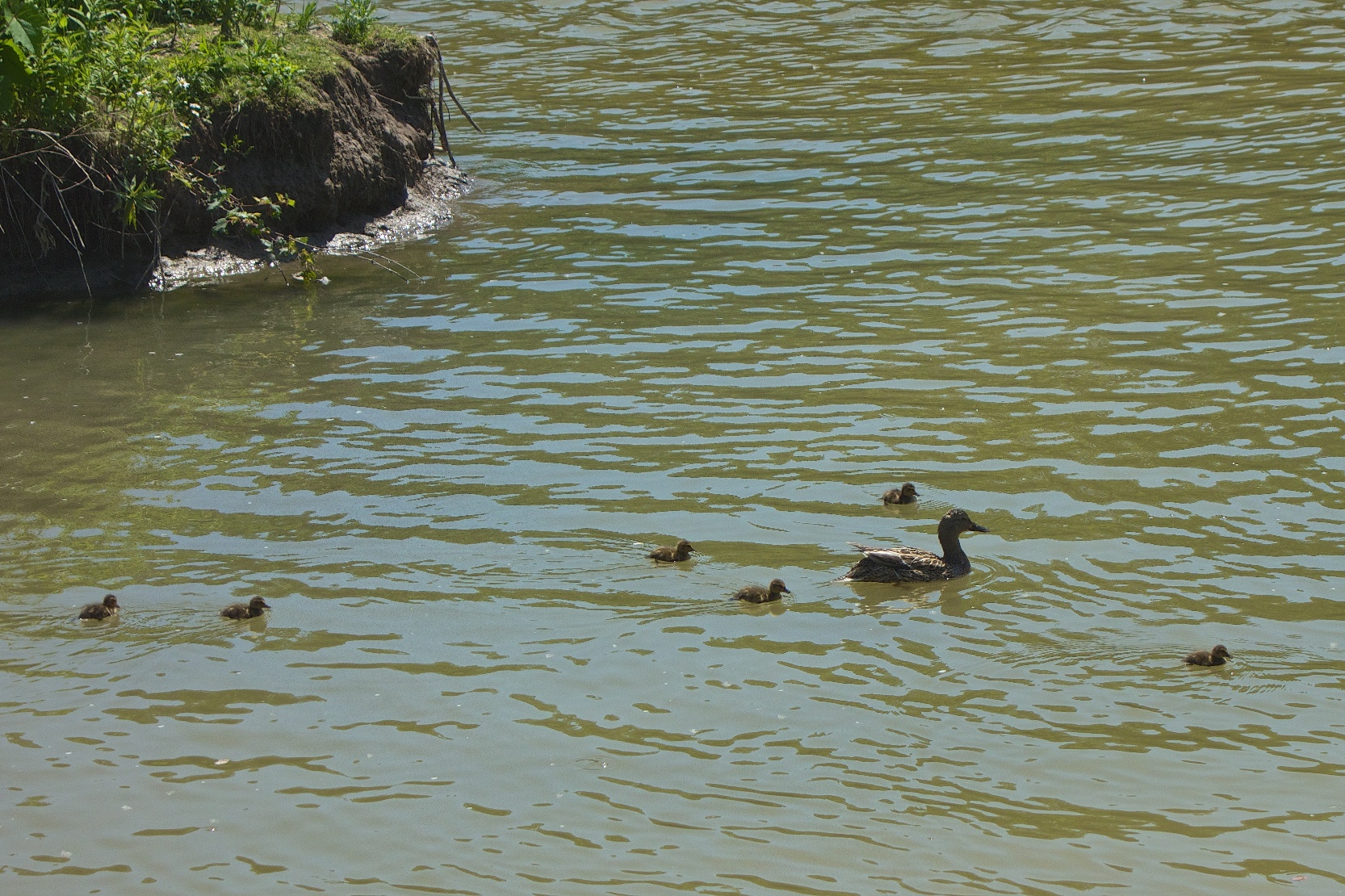
The mallard with six of her ducklings.

A mallard with six of her ducklings.

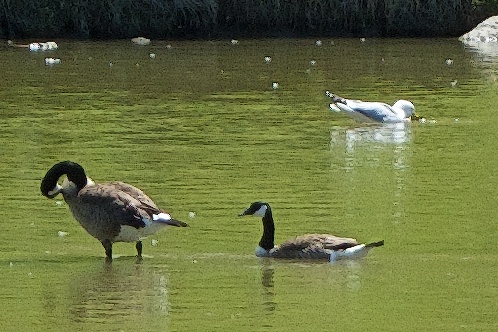
A mallard and her nine hatchlings were out on the water in an idyllic scene. I watched and took a number of shots until a large carp in the water distracted me. Out of nowhere, a gull swooped down, snatched one of the chicks and dispatched it very quickly. The duck gave chase as the gull flew off with its prize but quickly returned to the rest of her brood and gathered them close for safety. The gull seemed satisfied with just the one.

The guilty party.

The guilty party – with nearby witnesses pretending they haven’t seen a thing.

I had a feeling that the chicks were vulnerable as they seemed to stray quite far from the mother but didn’t expect to witness such a quick end for one of them. I guess that’s why they breed in such large numbers. On the other side of the coin, the gulls have an interest in ducks breeding and providing the occasional tasty snack so a feeding frenzy is not in their best interest either.


Another invading wildflower.

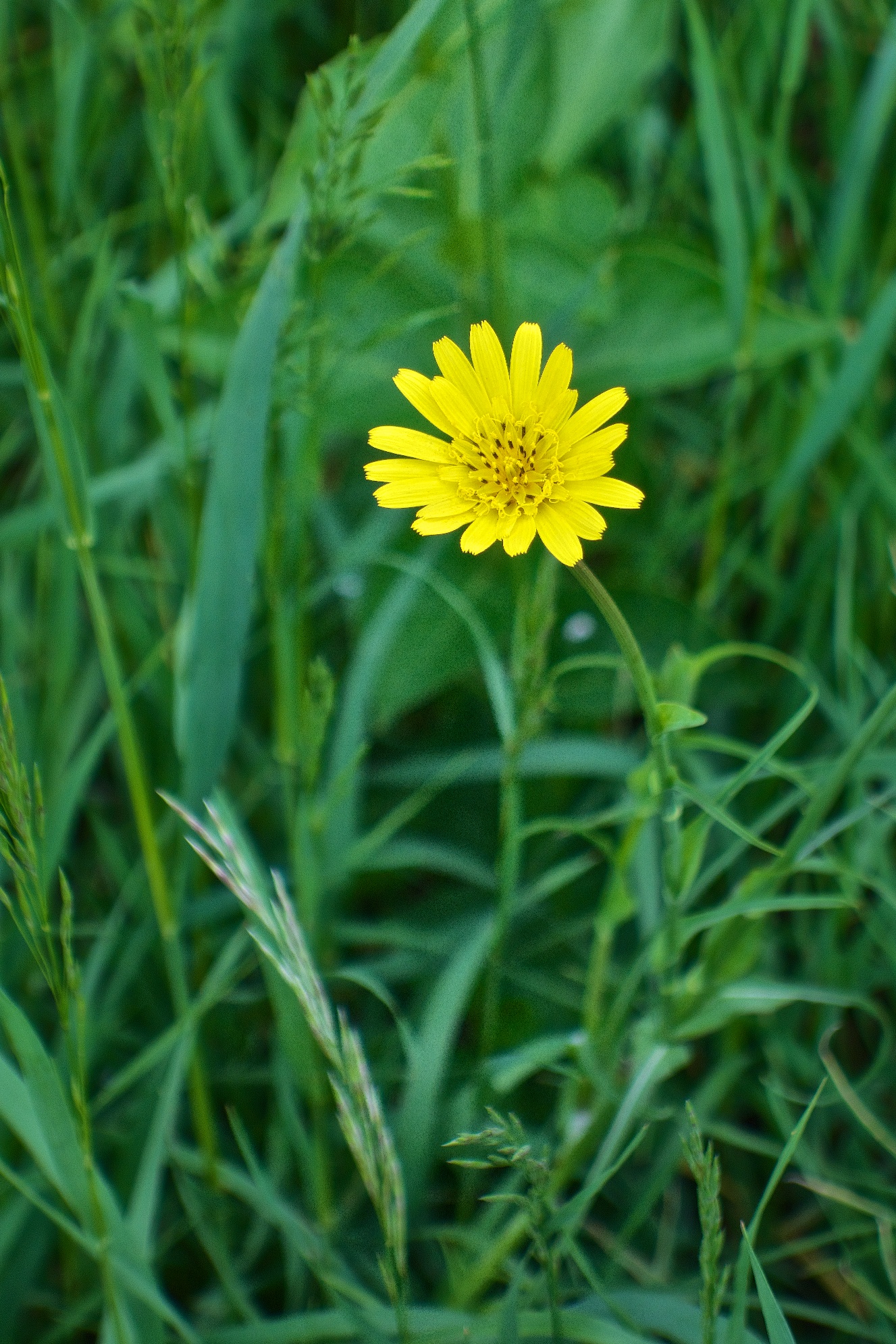
As the season progresses, new plants come to the fore. Western salsify or Goats-Beard, a biennial from the Asteraceae family, has a yellow daisy-like flower but is spread through seeds.

Tragopogon dubius, better known as western salsify or western goat's beard.

Tragopogon dubius, better known as Western salsify or Western goat’s beard.

The flower is quite attractive and doesn’t seem to crowd out others, growing to 30 – 90cm with a single flower per plant. Like many other invaders in Ontario, its origin is Eurasia and it has spread to cover much of North America since escaping from gardens in the early 20th Century. It produces a large, dandelion-like seed head.

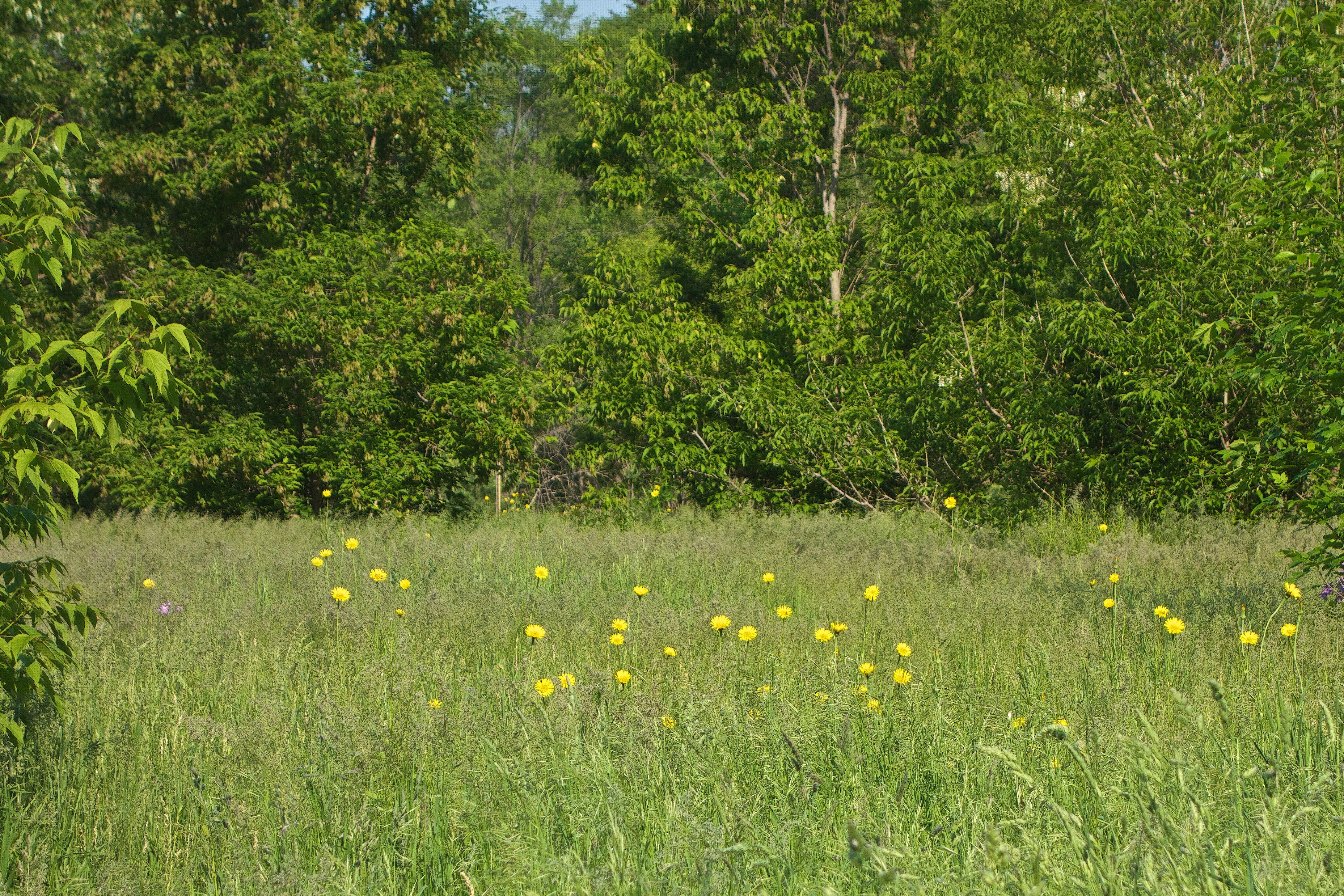
Western salsify in the meadow of the wild area.

Western salsify in the meadow of the wild area.

As the photo shows, Western salsify isn’t aggressive enough to achieve anything close to monoculture status in Raymore Park but it is regarded as invasive in some parts of North America. Each year, it adds attractive flashes of yellow while its roots, leaves and flowers provide food for a wide range of herbivores and insects.

New toad habitat.

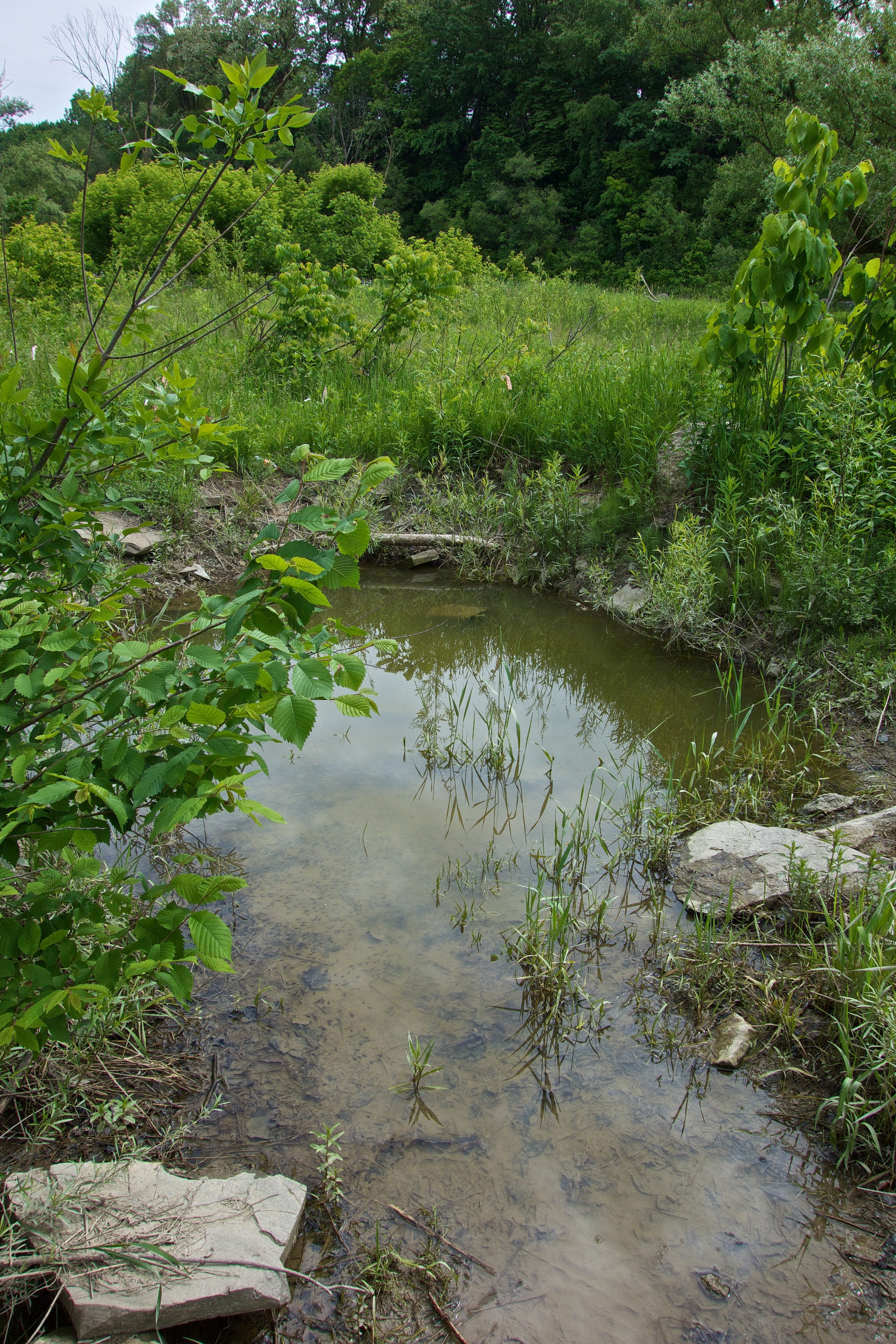
Last winter, an ice jam caused a diversion of the Humber and continued the creation of a channel that will eventually form a new island in the wild area. The force of the Humber moving over land at first strips away the topsoil and then sweeps aside stones and larger rocks. Close to the peninsula, material has been carved out to such a depth that a hollow has formed below the water line and can therefore sustain aquatic life throughout the year.

The newly carved pond.

The newly carved pond.

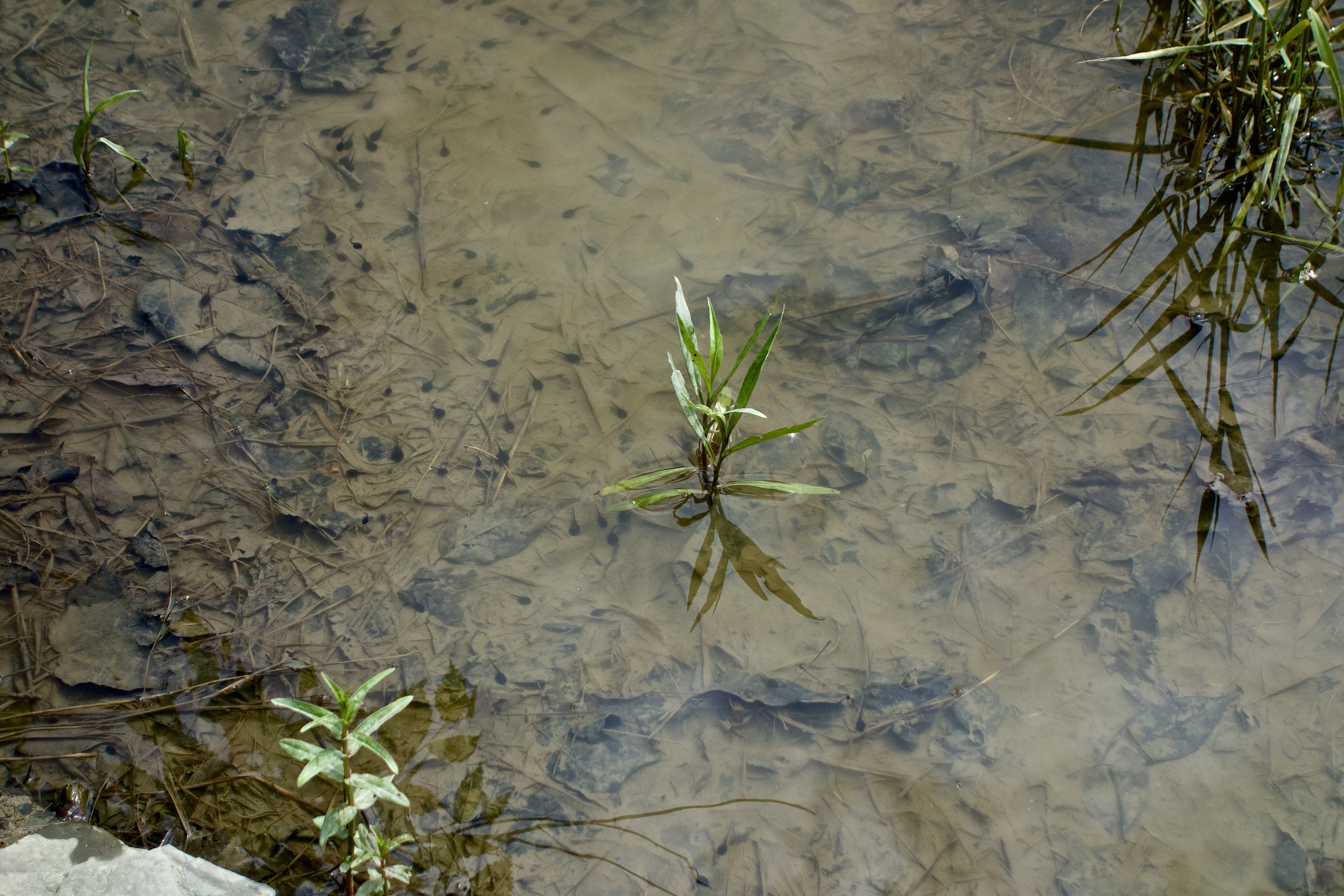
American Toads have exploited this new habitat and there are dozens of tadpoles happily swimming around in a fish-free environment.

American Toad tadpoles are the first generation to use this pond.

American Toad tadpoles are the first generation to use this pond.

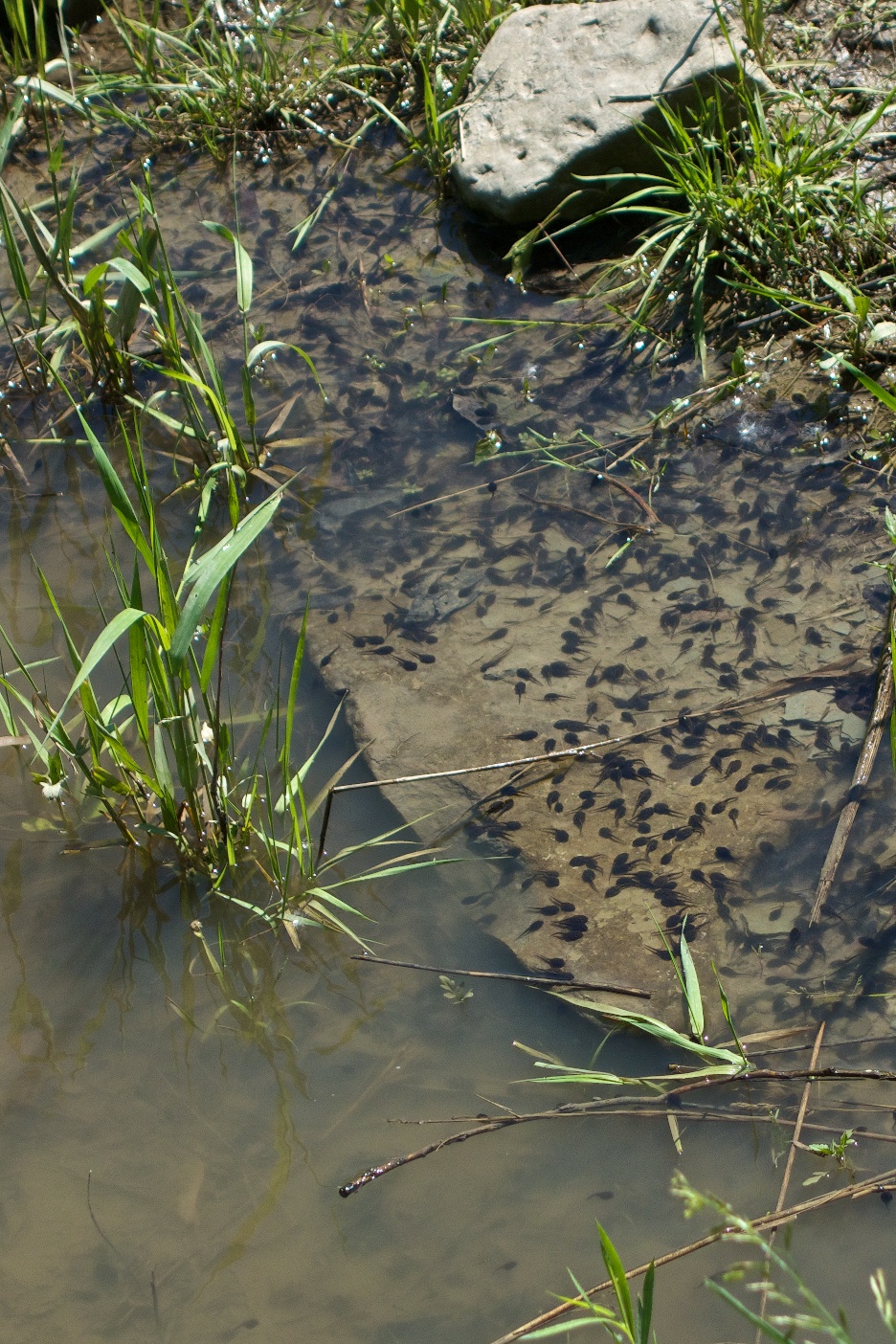
This pond is well situated as it is quite small, hard to see from the bike path and difficult to access. With luck, large numbers of toads will start exploiting the food supply that will be available when they grow legs and leave the pond.

An ideal habitat has been created.

An ideal habitat has been created.

Foreign invader: Dame’s Rocket

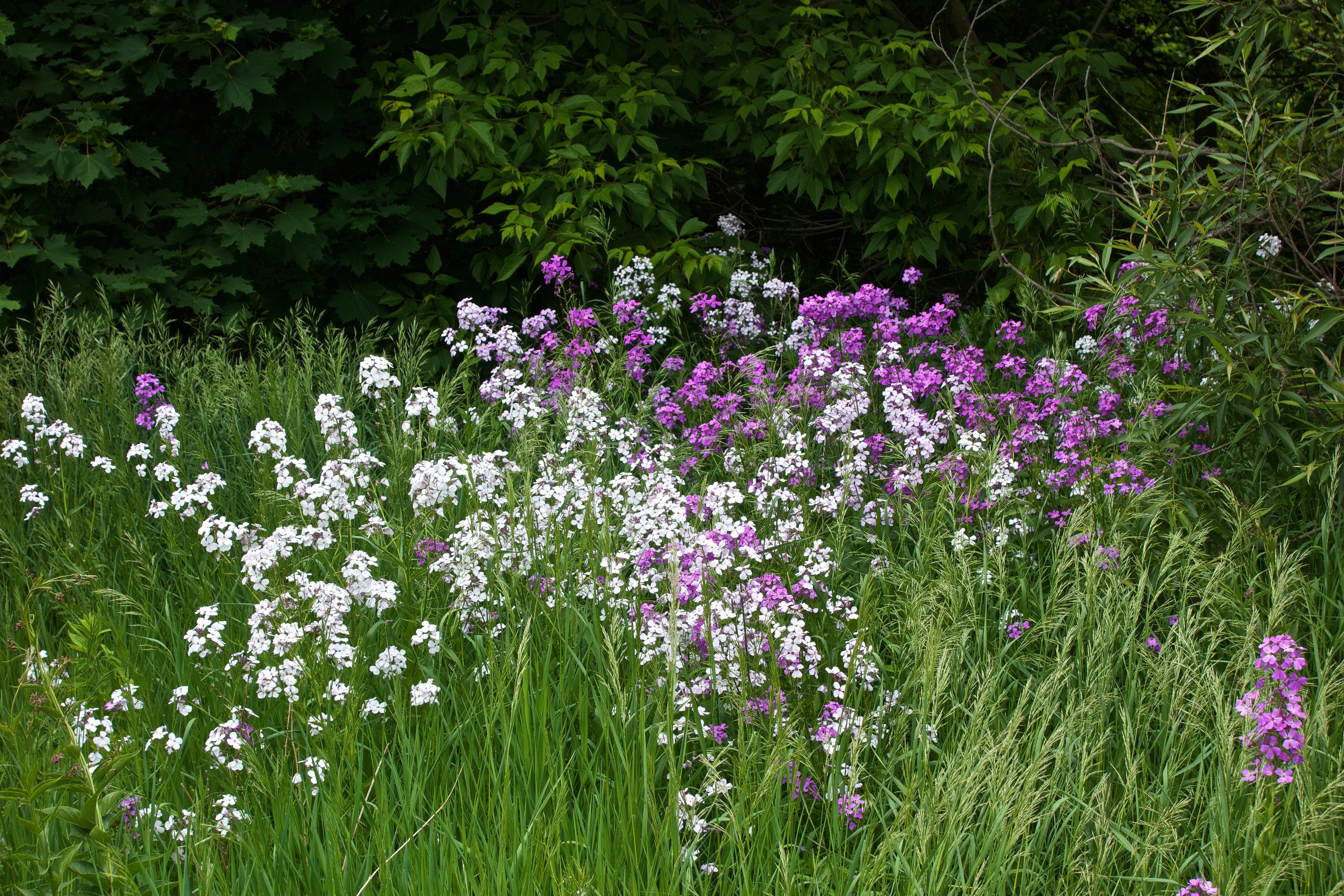
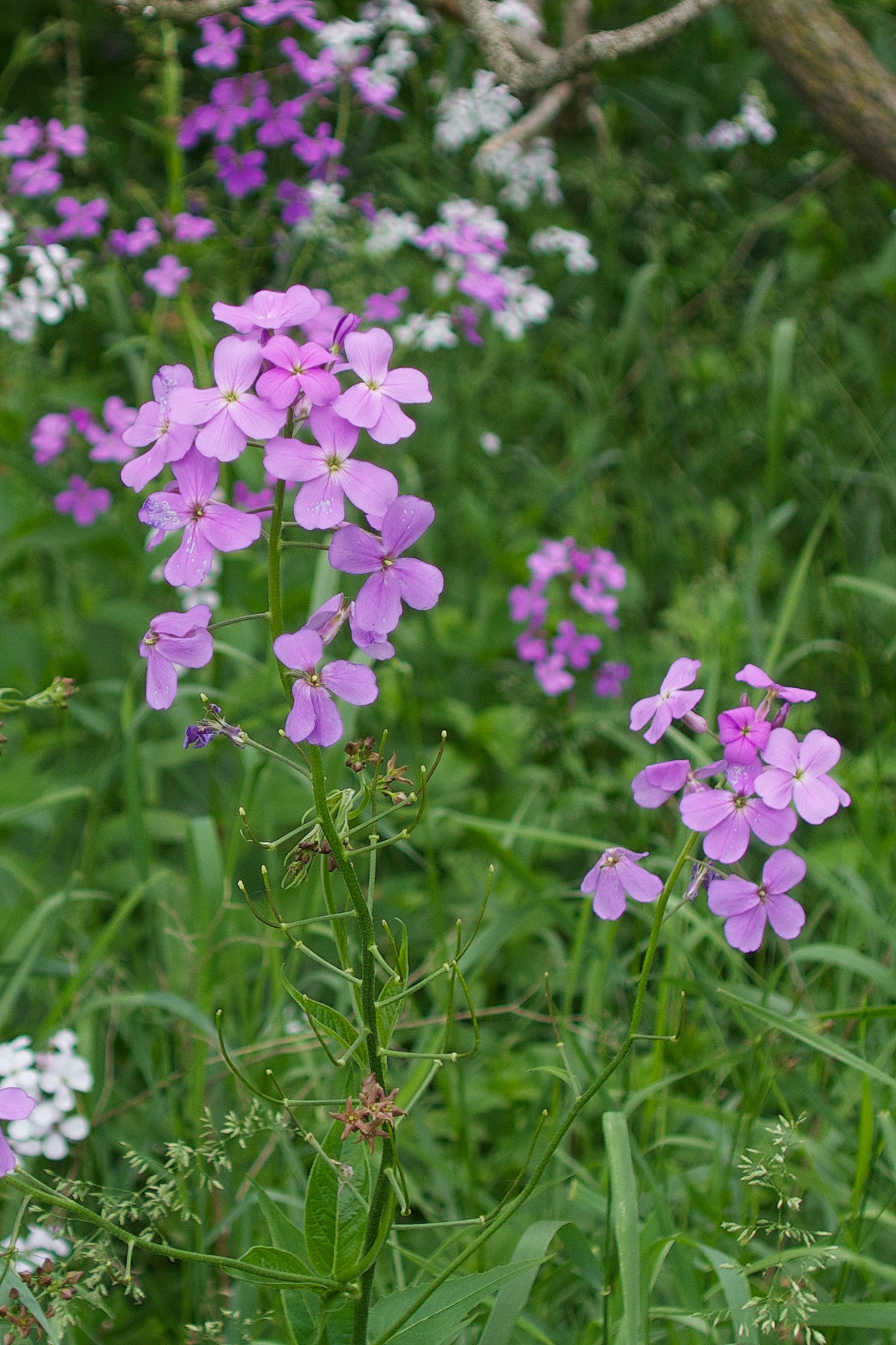
In early summer, the meadow areas of Raymore Park burst with a colourful display of a tall wildflower that seems to behave itself fairly well (in other words hasn’t crowded everything else out to become a monoculture). It looks a bit like a wild phlox but has four petals per flower compared to five for the real thing. It’s a photographer’s dream flower as it seems to line wooded areas with bursts of purple and white.

This Eurasian invader has enjoyed life in North America since the 17th Century and is a member of the mustard family. It is cultivated as a flower by gardeners and probably escaped into the wild from settlers’ gardens.

A cluster of Hesperis matronalis in the wild area.

A beautiful cluster of Hesperis matronalis in the wild area.

A close-up view.

A close-up view.

Attractive to butterflies, it is currently competing with large numbers of locust trees to produce a heady jasmine scent in the park.


School visit and beavers.

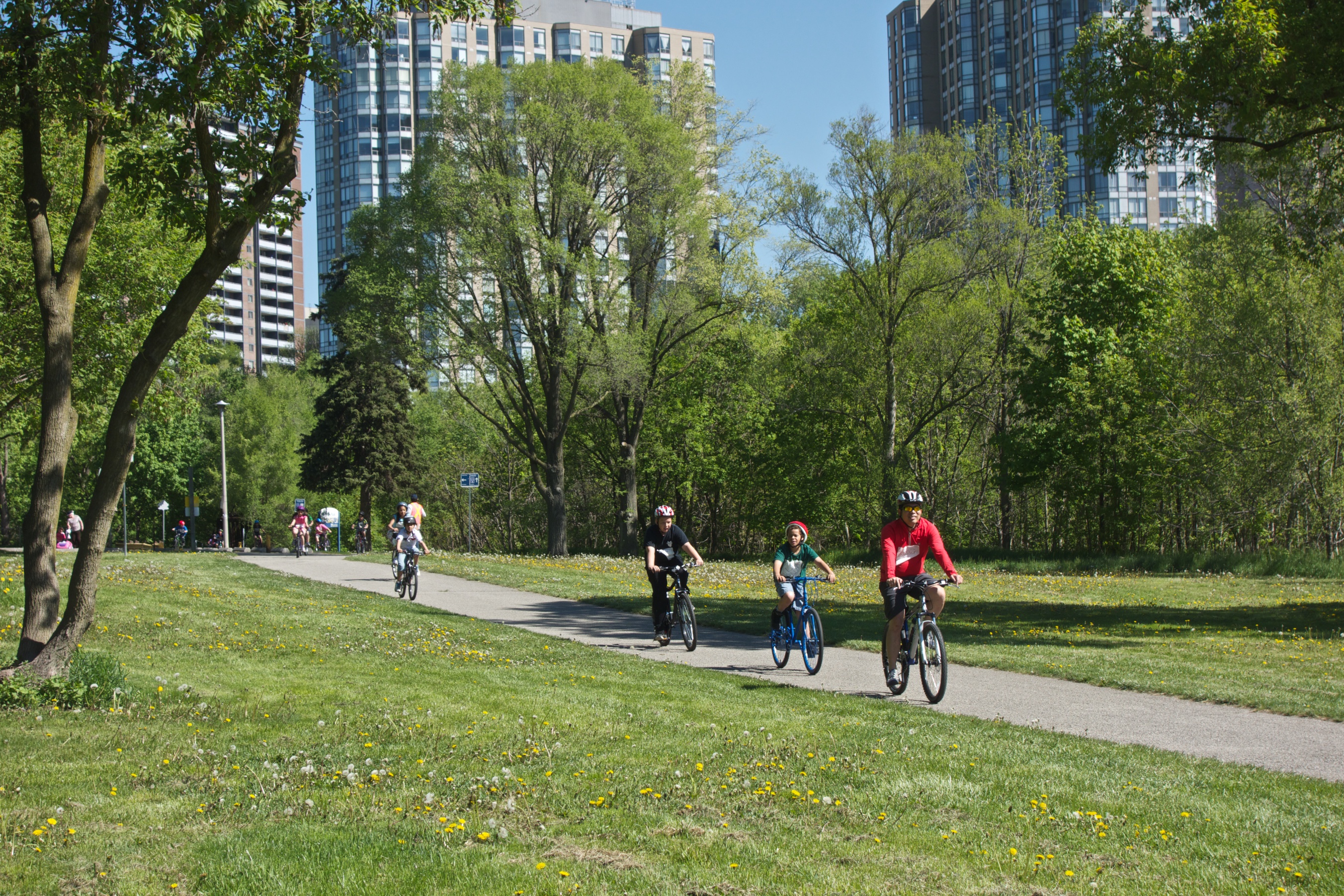
Students led by their teacher return to school after crossing the Humber.

Students led by their teacher return to school after crossing the Humber.

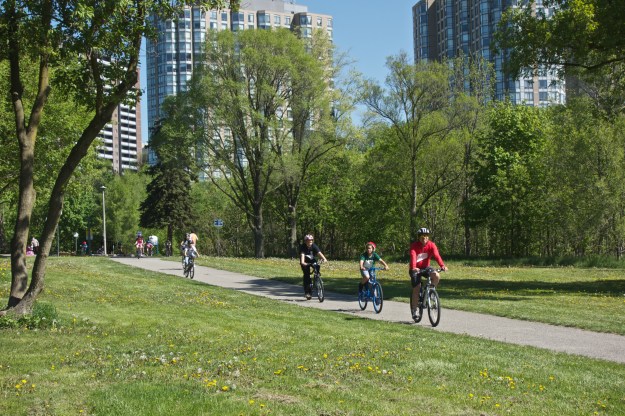
Students from a local school were out today cycling through the park. A great way to introduce kids to the park system as many would be unaware of it without a school visit. The first portent of the students’ impending arrival was a group of about half a dozen supervisors decked out in yellow and orange safety jackets walking towards the bridge. The students then came by complete with bikes and helmets – a teacher at the front to lead and one at the rear to hurry along the slow ones.

Seeing the number of supervisors, I understand why so few trips end up in the park. Nowadays, safety trumps everything and nothing can be left to chance. The logistics of obtaining parental permission, organizing and paying for supervision would sadly mean that this is a very special and rare occasion.

On another topic, beavers have come and gone in the park in recent years. It’s hard for them to find a suitable and private enough location away from off-leash dogs and other menaces. Happily, today a beaver was bringing food to its lodge in the park so a family must have taken up residence.
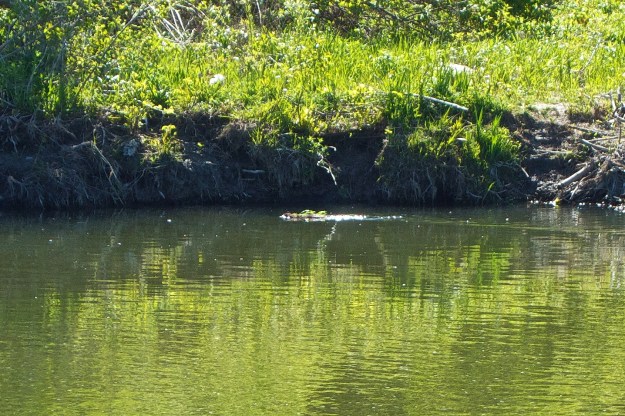
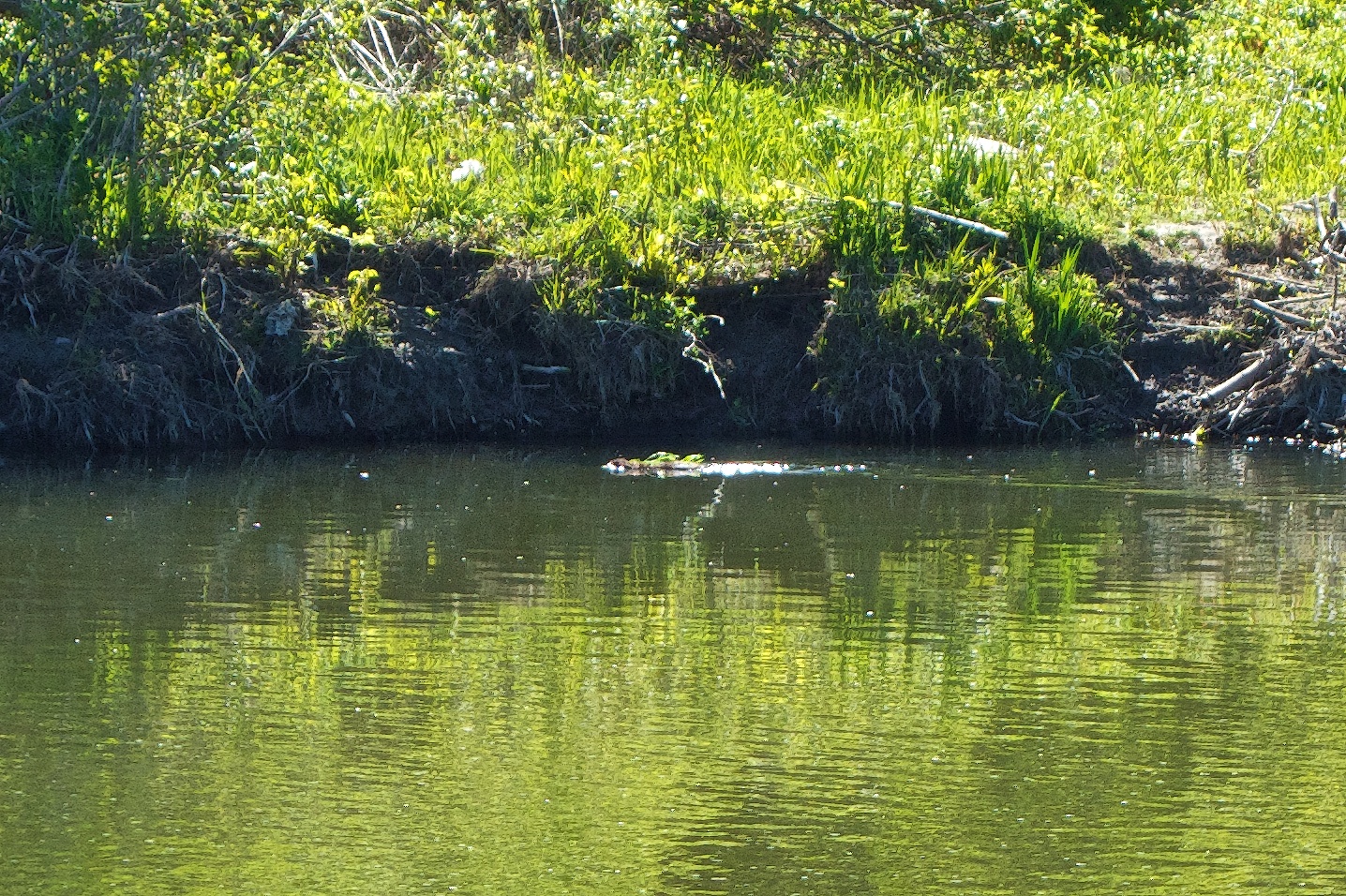
A beaver swims upstream with food.

A beaver swims towards its lodge carrying food in the form of leaves and twigs.

It’s not a very detailed photograph as at that distance the Sony’s 3.6x zoom doesn’t go far. No doubt the kits will be emerging in the next few weeks and will live with their parents for almost two years. Beavers mate for life after their third year and only breed once a year. By the early 20th Century, these animals had been trapped, poisoned and shot to near extinction here in North America but have recovered somewhat to about 5% of where they were before European settlement.
More hints of the past

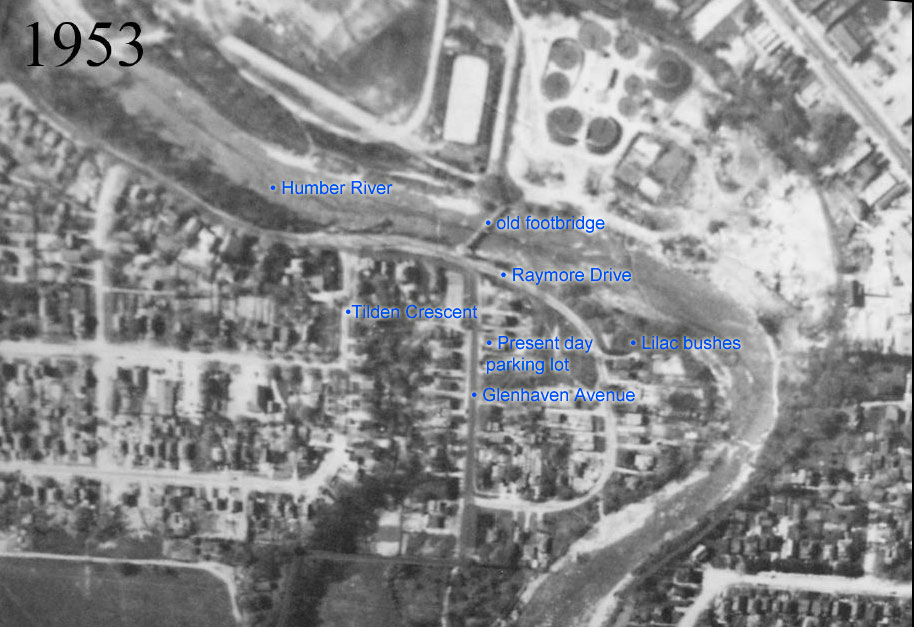
Housing was once scattered along the length of the Humber. Quite a few were built on the valley floor in present day Raymore Park. Raymore Drive used to stretch down into the present-day parking lot and Gilhaven Avenue. It must have been an idyllic location with nature close at hand, rich flood plain soil and an easy walk to the shops and transportation links in Weston. Interestingly, I was talking to long time Weston resident Douglas Tucker and he mentioned that until the mid-1960s, Weston was a shopping destination for people from as far away as Palgrave and Bolton thanks to a regular train service.

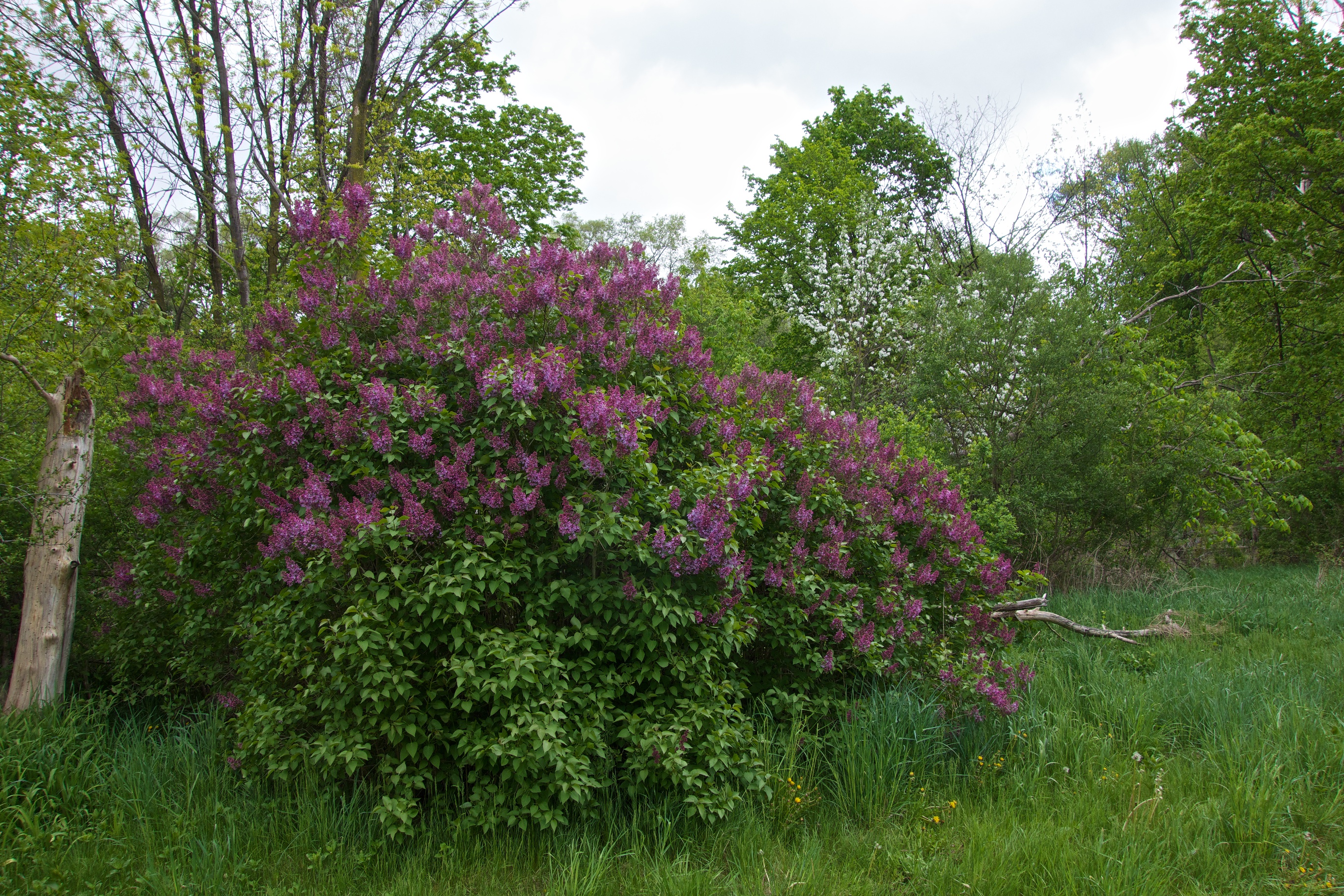
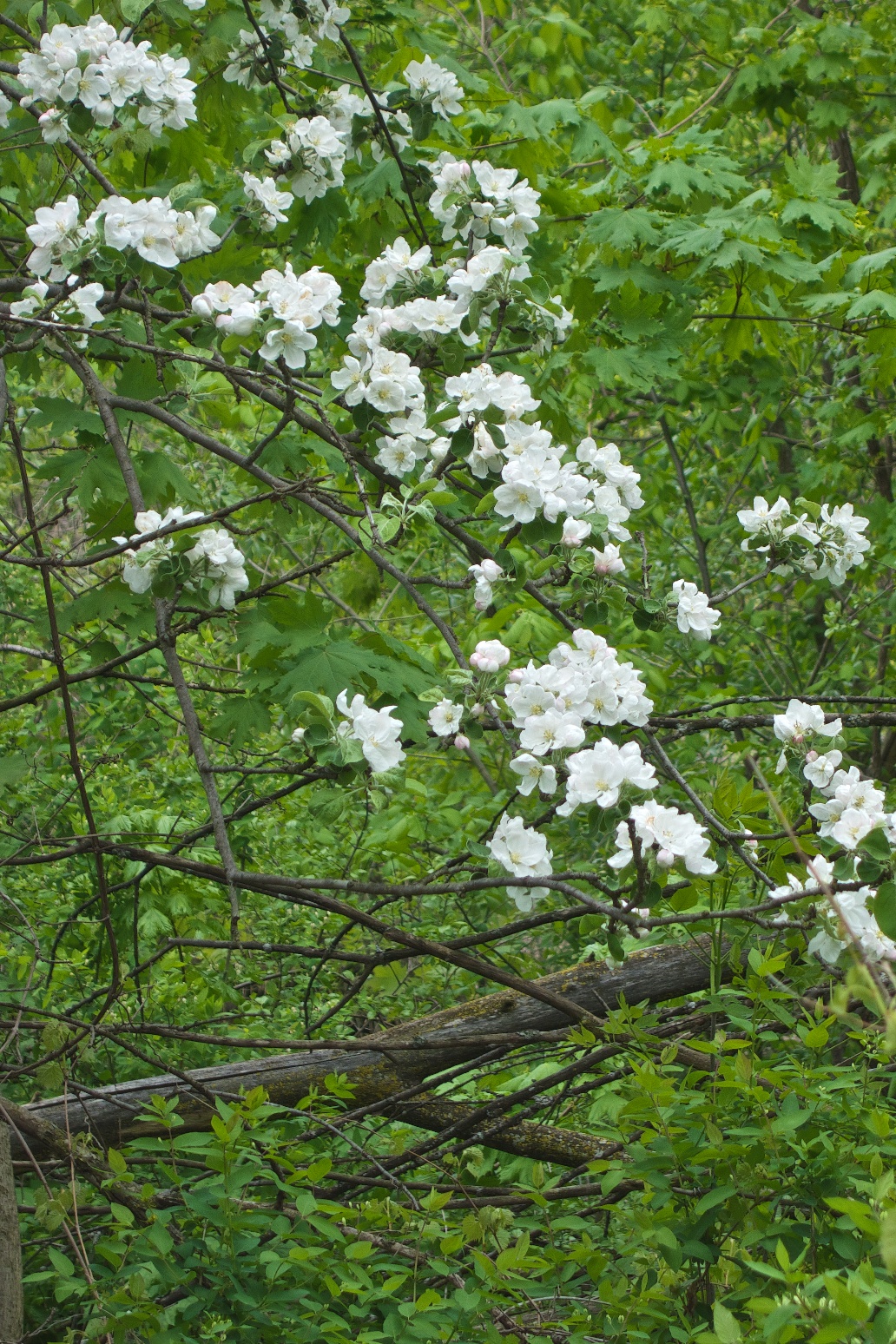
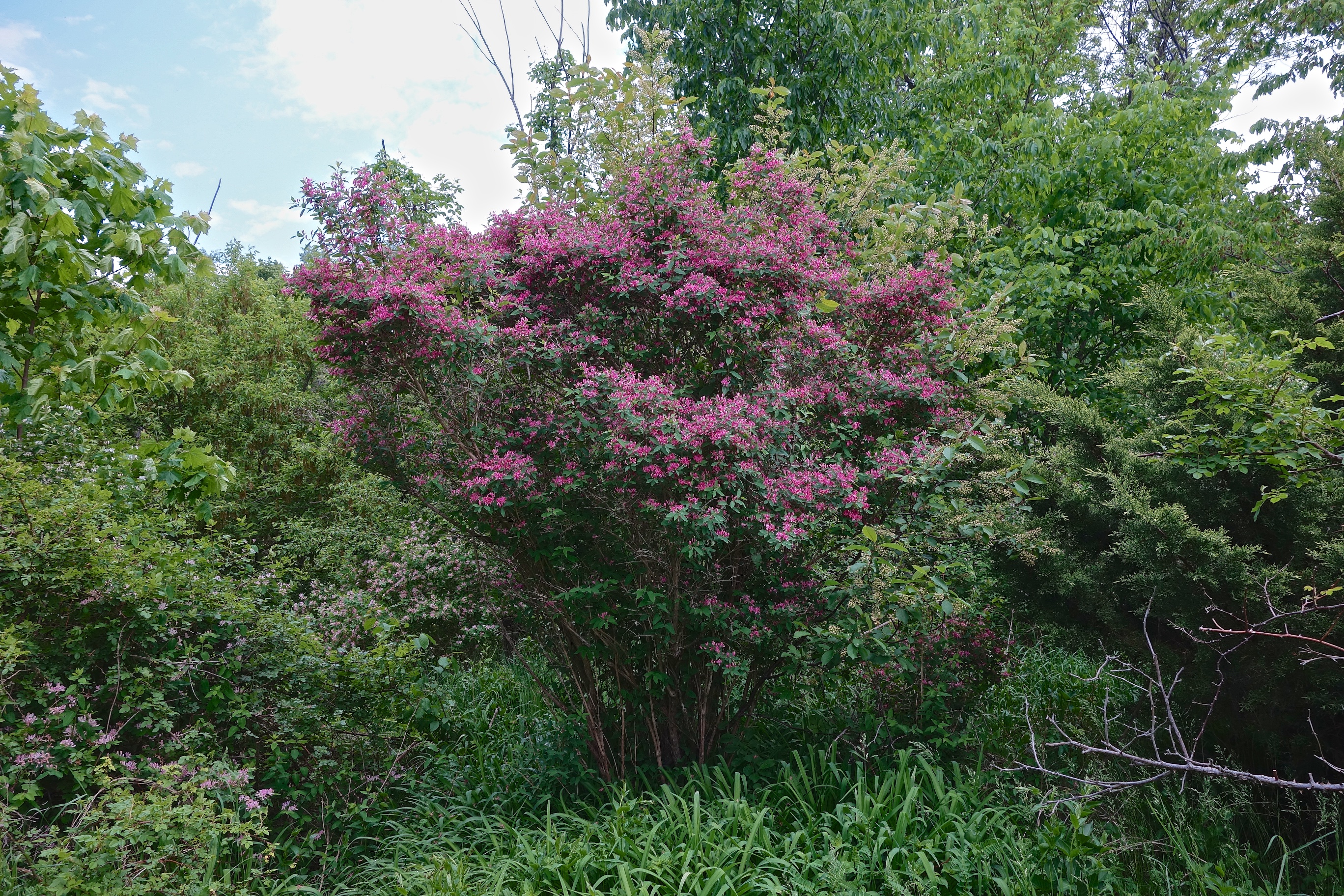
In Raymore Park, few traces remain of the houses once located here before they were either swept away during Hurricane Hazel or demolished by authorities in the aftermath. Every spring however, flowering shrubs are living reminders of the families who cultivated gardens here more than fifty years ago.

This beautiful lilac blooms faithfully every year.

This is one of two beautiful lilacs that bloom faithfully every year.

Apple blossom pokes its way through the surrounding trees.

Apple blossom pokes its way through the surrounding trees.

A beautiful American Honeysuckle towers over day lilies.

Along with the day lilies in front of it, I don’t know if this beautiful honeysuckle is a remnant or not.

This City of Toronto Archive aerial view has been labelled to show the location of some of the streets including Gilhaven Avenue which no longer exists. The present-day lilac bush and parking lot locations are marked. The Humber still follows the same approximate course.

Aerial view of Raymore and Glenhaven in 1953.

Aerial view of Raymore and Gilhaven in 1953.

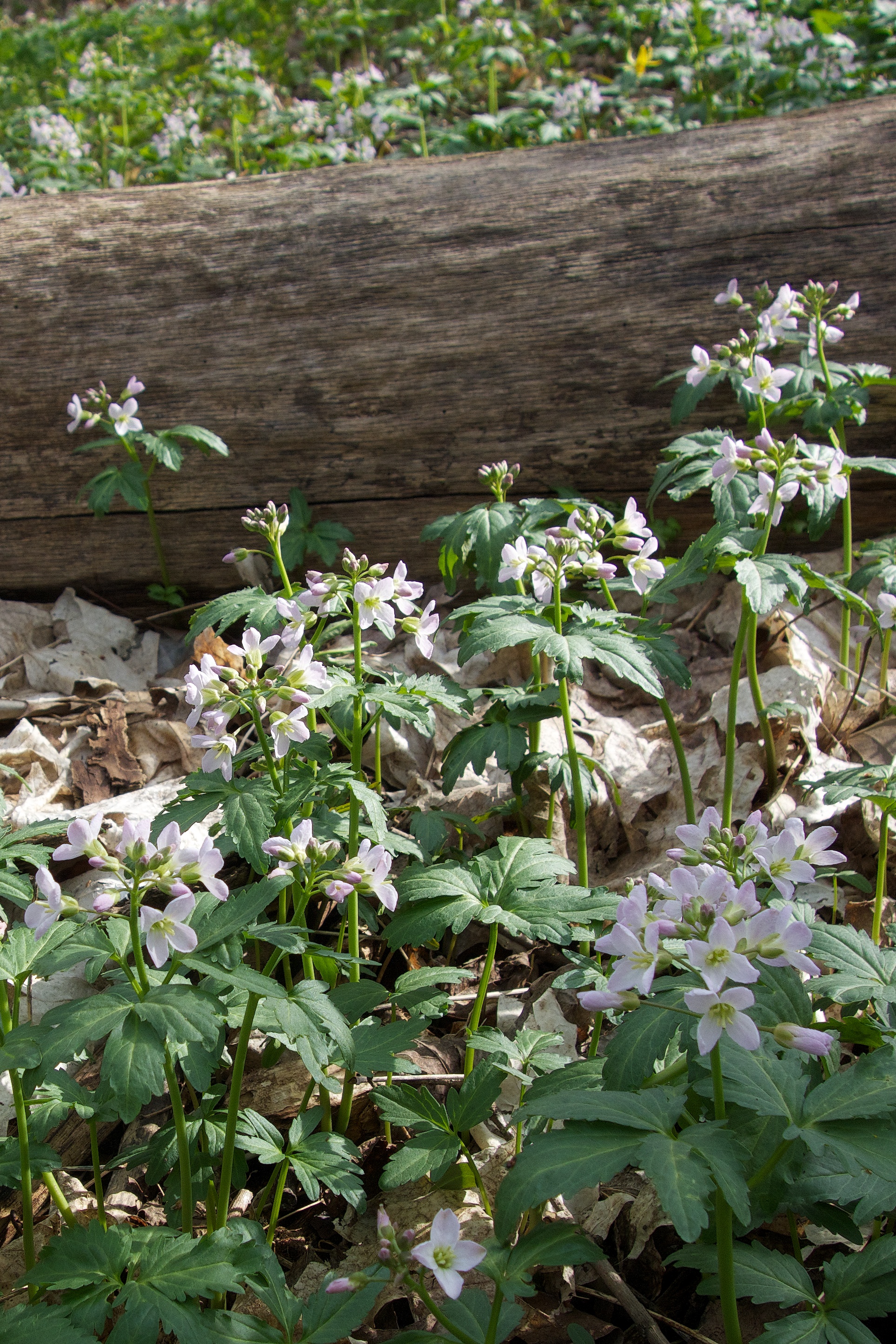
Wildflower of the day: Broadleaf Toothwort.

Cardamine diphylla; Broadleaf Toothwart

Cardamine diphylla; Broadleaf Toothwart

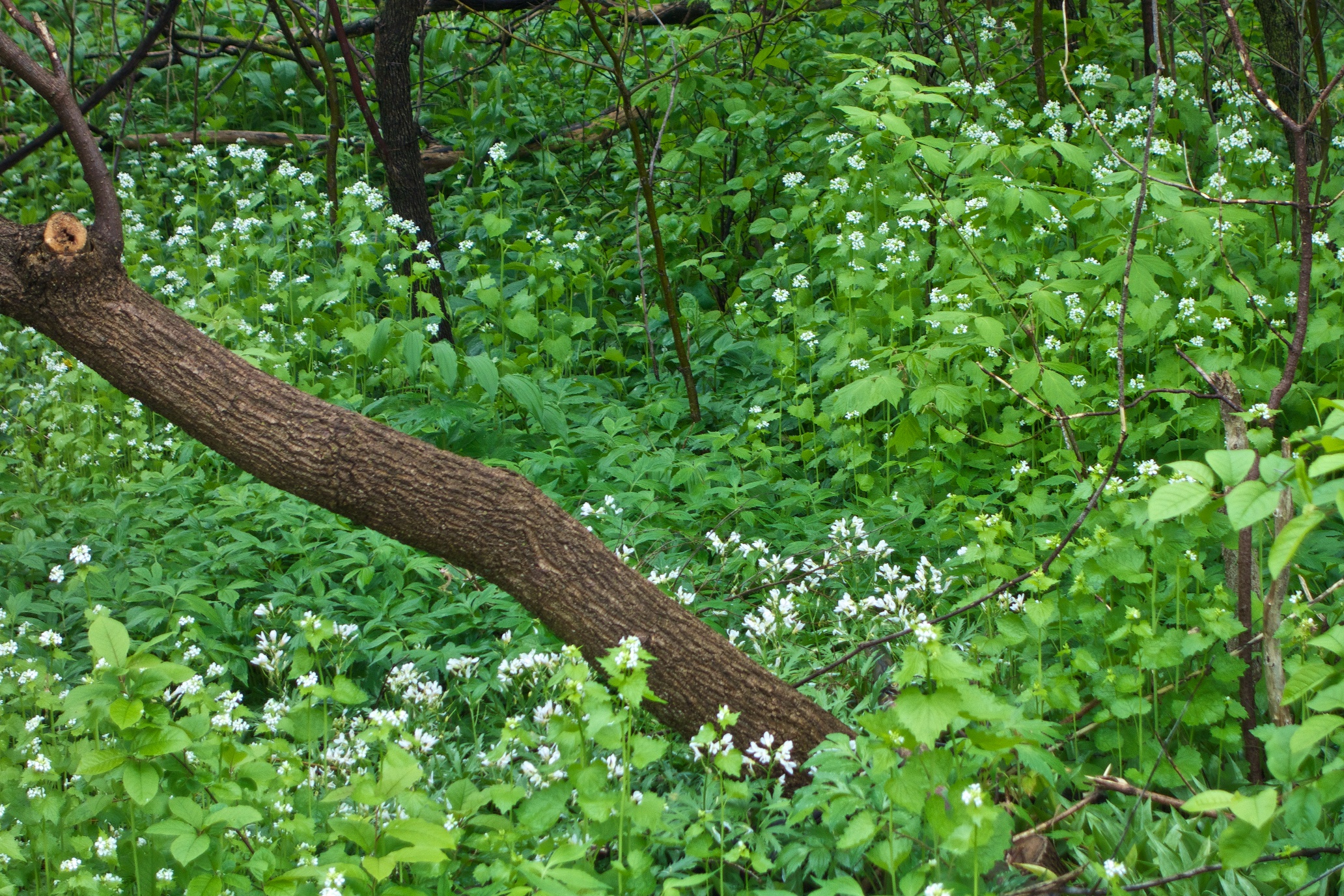
This native wildflower is found over a huge area of North American woodlands from Georgia to Ontario and from the east coast to Wisconsin. Wort is used to denote an edible plant and/or one with medicinal properties while the tooth part of the name refers to toothlike formations on the roots. It produces white, lightly pink or purple flowers in spring. A member of the mustard family, it was and still is used as a food as well as a medicine by many native tribes. Garlic mustard is a major threat to the broadleaf toothwort.

A patch of Broadleaf toothwort threatened by garlic mustard.

A patch of broadleaf toothwort surrounded by garlic mustard.