Tag Archives: Humber River

Retaining Wall Update March 23

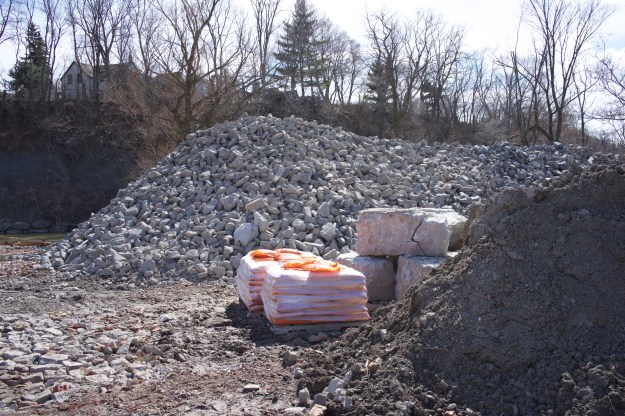
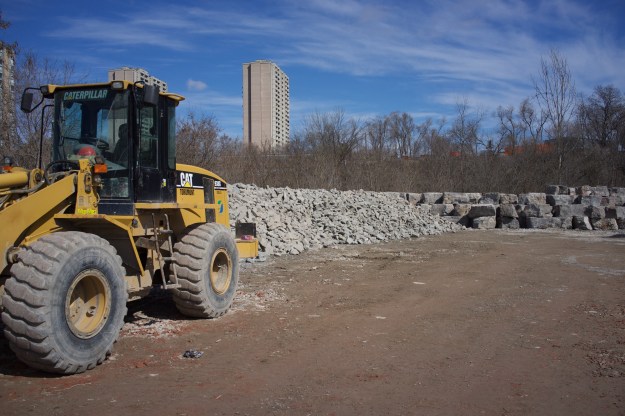
Materials are still being amassed on the staging area and while it looks as if the blocks are all set to go, the bridge decking has arrived along with large amounts of limestone rubble and bagged gravel. Actual construction shouldn’t be long in coming.

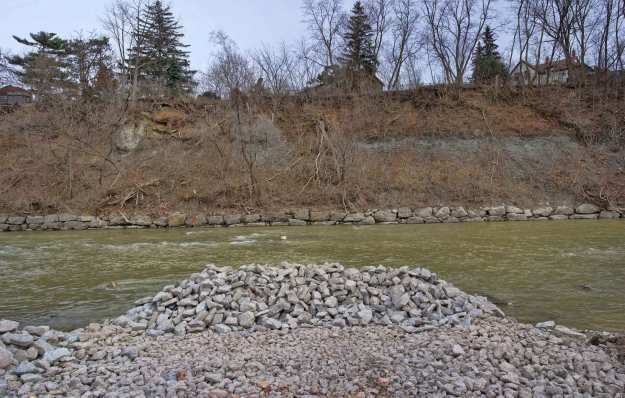
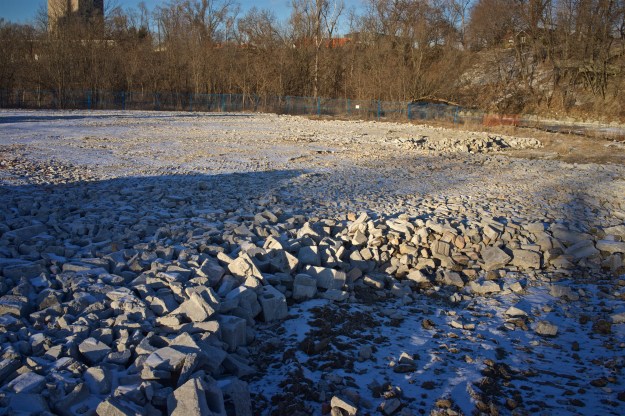
Limestone rubble at the south end of the site.

Limestone rubble at the south end of the site.


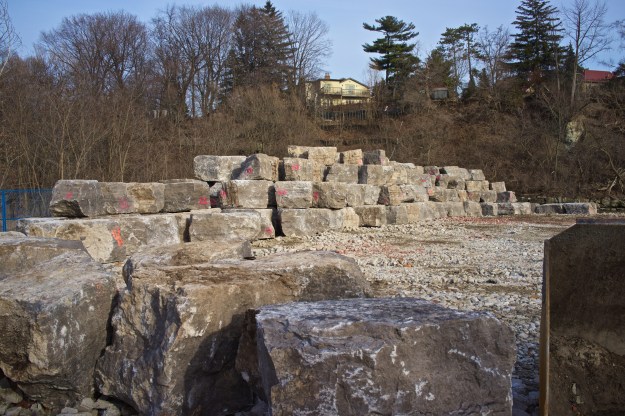
Limestone rubble stored by the blocks at the north end of the site.

Limestone rubble stored by the blocks at the north end of the site.


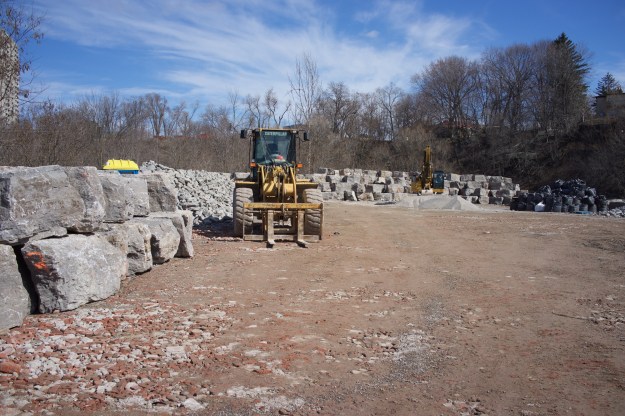
Blocks with limestone rubble.

Blocks with limestone rubble behind the forklift.


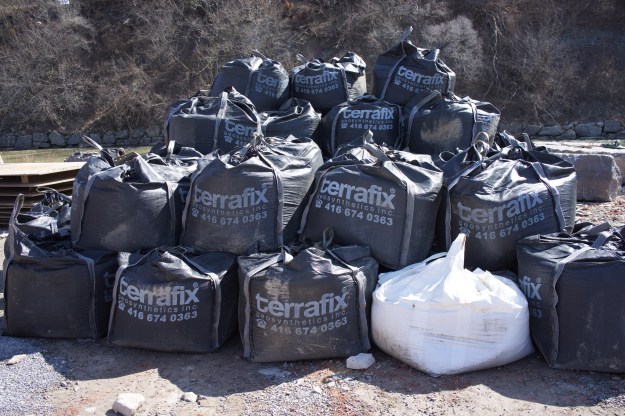
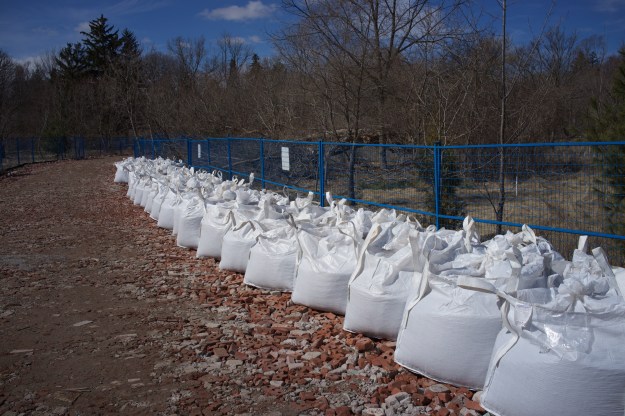
Bags of gravel.

Bags of gravel.


Bags of gravel stored by the staging area entrance.

More bags of gravel stored by the staging area entrance.


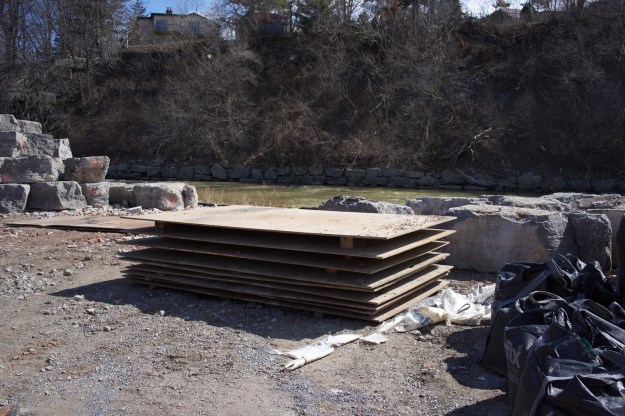
Steel plates that will form the decking of the bridge.

Steel plates that will form the decking of the bridge.


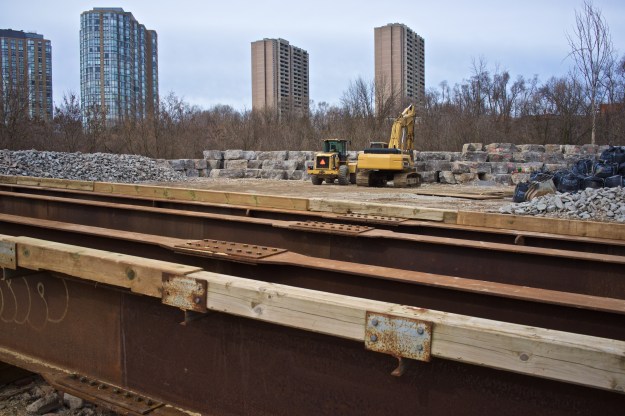
Another view with the bridge decking in the foreground.

Another view of the site with the bridge decking in the foreground.

Retaining Wall Update March 16.

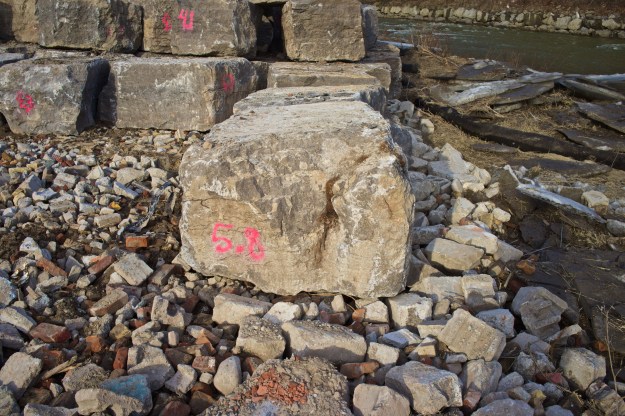
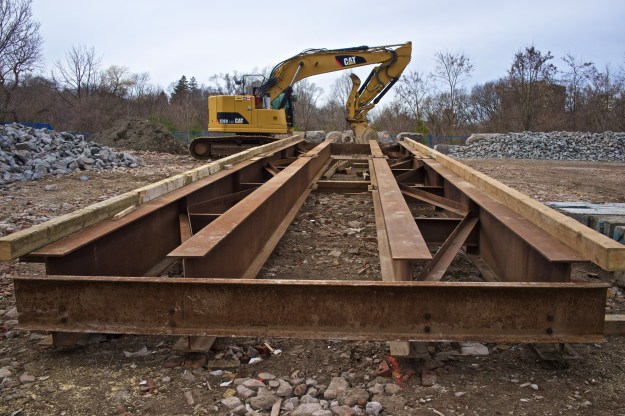
Work continues unabated at the site and the size and scope of the job is becoming apparent. More and more blocks are piling up in the staging area and the components for a temporary bridge that will straddle the river have arrived. The bridge will be placed across the river and support the crane that will build the retaining wall. Each block is labelled with its weight which is vital knowledge for the crane operator. The bridge will be re-positioned along the banks as required.

The project was originally scheduled for completion for the end of March but clearly there is still a massive task ahead.

Interestingly, the second photo was taken on February 29th and in the top right of the image can be seen the very small amount of ice pushed ashore during the thaw. This is the smallest amount of ice I have seen in years and quickly melted.

Blocks are piling up awaiting placement.

Blocks are piled up awaiting placement.


Each block is labelled with its weight.

Each block is labelled with its weight. Notice the small amount of ice freshly deposited as a result of the thaw.


The bridge.

Girders that will be used to make a bridge to straddle the river.


The bridge and blocks in the background.

The bridge girders and limestone blocks in the background.


The bridge platform.

What looks like the beginnings of an abutment on which the bridge will rest.

Off-Leash Area Update

Raymore-Proposed-Leash-Free-Zone

The proposed area may have grown (probably northwards) by a small amount because of the addition of a separate small dog section. There was some discussion as to the nature of the surface of the area which apparently will be 4-6″ of pea gravel on top of a mesh filter which will help with drainage. As mentioned, plans are to divide the area into two parts for small and large dogs so there will be two gates and two paved pathways from the Pan-Am Trail for access. The small dog area would be for dogs 20 lbs and under. Regardless, all dogs should be under the owner’s control at all times. Dangerous dogs should not use the area. See Code of Conduct below.*

Fencing will be post and paddle, 1.5 m tall and made of northern pine. It will be reinforced with wire mesh 4-6″ deep to deter dogs that dig. Benches will be installed for owners.

There will be a delay in the opening of the area because of work currently ongoing on the retaining wall. This is taking longer than expected. There is only one entrance to the park and so the retaining wall and another job – an upgrade to the path will be done first; after that, sewer work will be ongoing. The reckoning is that the area will take about a month to set up and will be open by ‘Thanksgiving at the latest’.

One piece of good news is that TRCA has plans to plant trees along the north end of the area and between the area and the ravine slope. This will provide storm runoff relief and shade for the area (and perhaps some sound mitigation for nearby homes).

Hours of operation: 7 am – 9 pm but locals will be able to access the area at any time. The parking lot will continue to be locked at 9:30pm daily and re-open at 8:00am and will be closed for the Winter between November 1st and April 30.

There was a reminder to residents that the area will be self-policing and that they should supervise and pick up after their pets. There was confusion as to where to put dog waste – in the garbage or the recycling. This will be cleared up later (the location not the waste).

Sadly there is still no link on the City website to the plans or even the current state of off-leash parks.

*Code of Conduct for Off Leash Area

Municipal Code Chapter #608

  1. Comply with all signs and boundaries.
  2. Dog(s) must be on leash at all times except when in the designated off-leash area.
  3. All dog(s) must have a visible municipal license affixed to the dog(s).
  4. Dog(s) must remain in off-leash area so as not to trample or endanger plant material and other park resources.
  5. Dog(s) excluded from off-leash areas include:
    1. Pit Bulls or other dangerous animal
    2. Female dogs in heat
    3. Any dog(s) that has been issued a muzzle order by the Medical Officer of Health.
  6. Dogs shall not chase wildlife.
  7. Pick up after your dog(s) and place waste in receptacle or take home for disposal.
  8. Keep dogs in sight and under control at all times.
  9. Do not leave dog(s) unattended while in off-leash area.
  10. Repair holes dug by the dog(s) under your control.

Violation of Bylaws are punishable by fines.

Retaining Wall Update: Blocks Arrive

Screen Shot 2016-02-22 at 9.48.53 AM

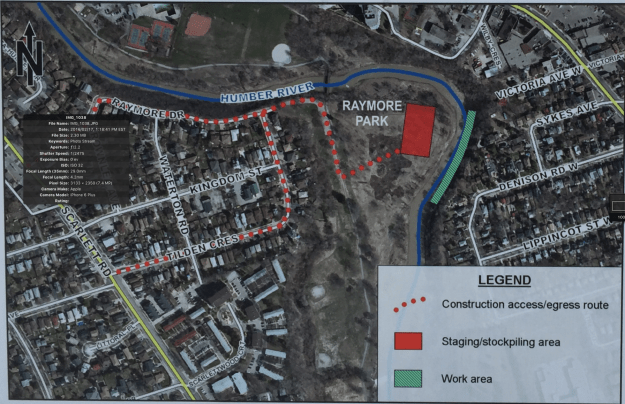
The official diagram showing the working area of the project.

Truck after truck of old brick rubble came trundling into the park last week to consolidate the staging / stockpiling area. All of this material will eventually have to be scraped up and carted off again; probably late next month. No doubt this will have added substantially to the cost. Meanwhile, big blocks that will form the new retaining wall have arrived.

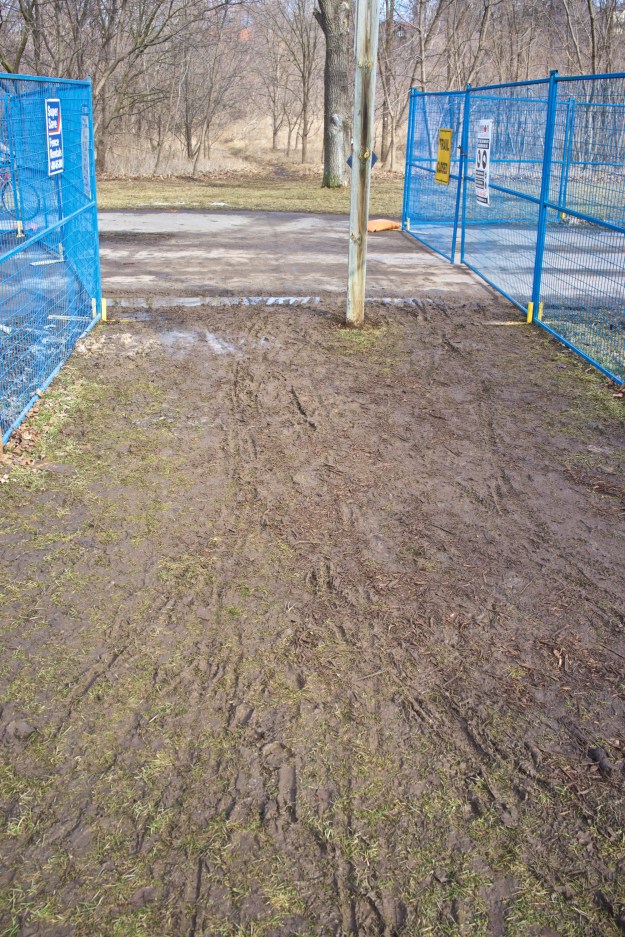
Mild weather has brought new problems, this time for pedestrians and cyclists; mud. This mud is unavoidable for anyone wishing to travel past the construction. It might be helpful if the construction crew – ever vigilant for pedestrians (wishing to stay clean) straying through the paved area – could spread some wood chips to make life easier and cleaner for people.

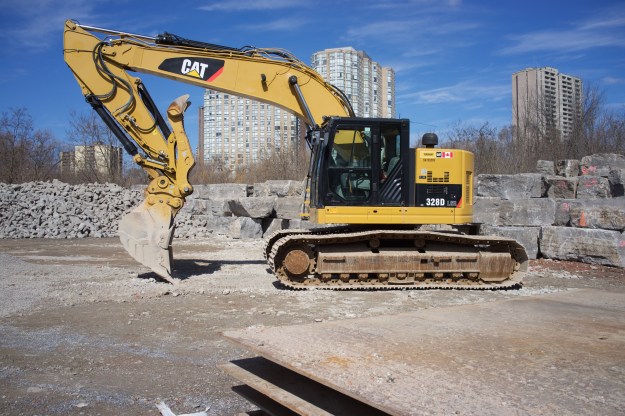
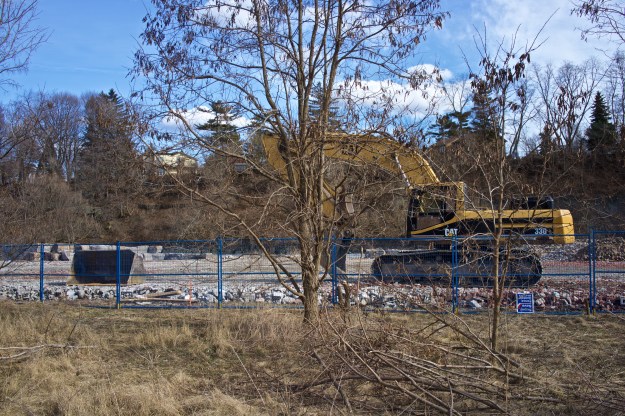
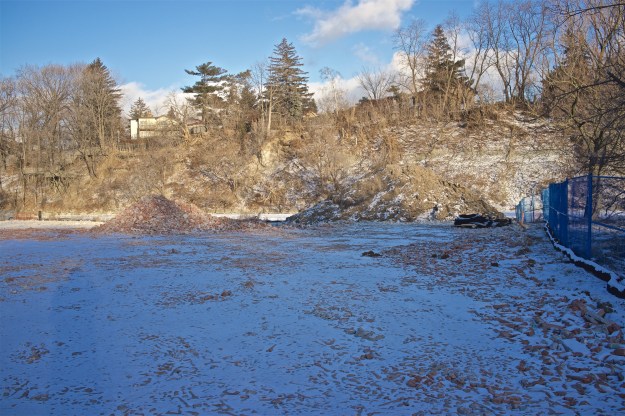
Large machinery resting on the base.

Large machinery resting on the base.


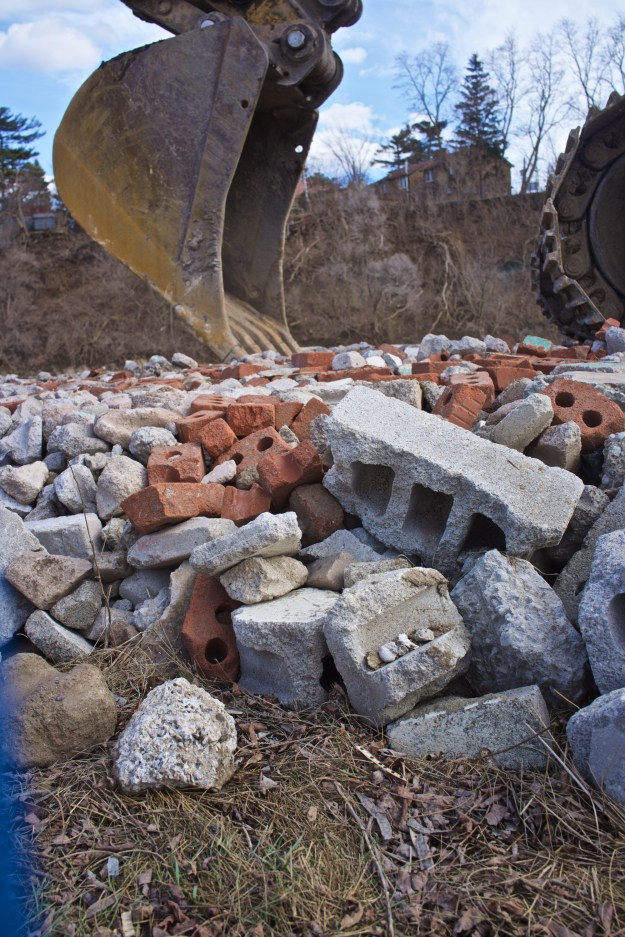
A close-up of the base.

A close-up of the base.


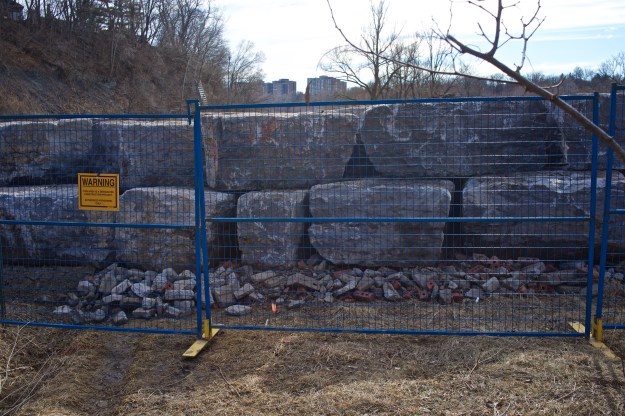
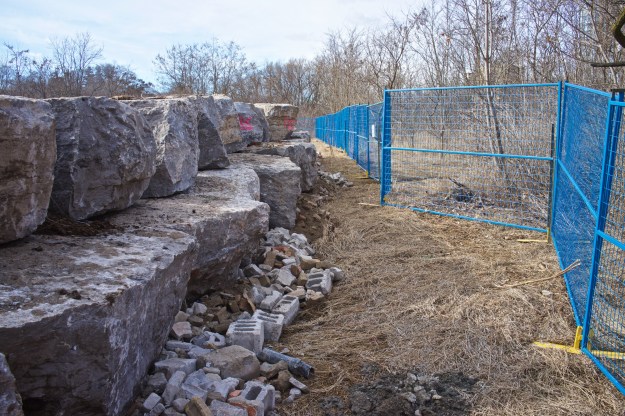
Blocks for the retaining wall are waiting to be installed. The fence is about 6' high.

Blocks for the retaining wall are ready to be installed. The fence is about 6′ high.


The blocks are natural stone.

The blocks are natural stone and should last a few years!


This is the treacherous route for people moving past the construction.

This is the slippery quagmire for pedestrians and cyclists. Wood chips will help greatly here.


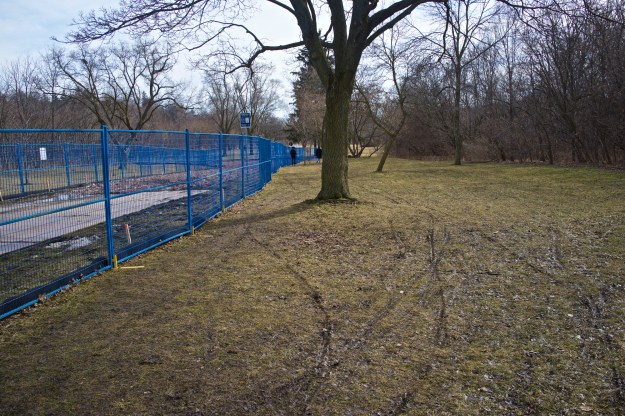
Cyclists have obviously made their mark.

Cyclists are making their mark.

Update: Wood chips were quickly applied to the quagmire making things easier for the pedestrians who must pass through.

Humber Bank Stabilization Update

All last week, trucks rumbled into Raymore Park delivering old bricks and concrete blocks (clean fill).

I braved the bitter cold this afternoon to find out what was going on. Rather than building a stable roadway along which trucks can approach the river, the whole of the fenced off land is being laid with about 40cm of clean fill to create a working area that stretches to the river’s edge from which the retaining wall can be constructed.

Topsoil scraped from the area can be seen (right) and brick rubble ready to be spread over the remainder of the land is on the left. To get an idea of the scale of  this endeavour, there’s a person standing by the orange fencing (far left).

The depth and size of the rubble layer can also be seen here.

Apparently the plan is for the rubble to be carted away again and the topsoil replaced after the job is completed.

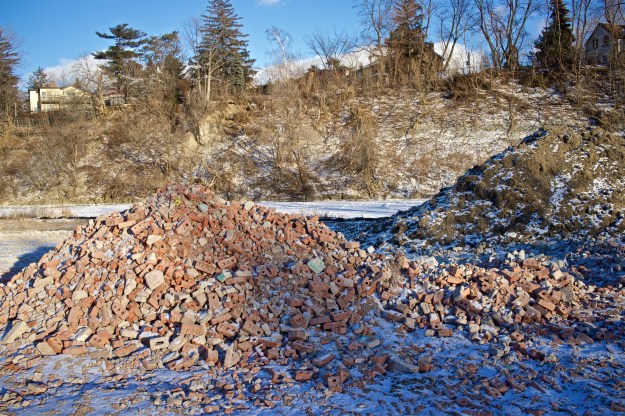
Bricks waiting to be spread over the park surface.

A closer look at the brick rubble and (eventually) the old topsoil waiting to be spread over the park surface.

One permanent change that may have been made; the old basement depressions from homes swept away during Hurricane Hazel are probably gone.

Where’s Winter?

Warning: heavy geek content.

Meteorological winter is here as of December 1 and the sun has almost reached its lowest point in the sky. Even though we’re nearly 4 million km closer to the sun than we were in June, the low angle in the sky and short daylight hours ensure a limited amount of heat. There is an El Niño event occurring this year; rainfall amounts are down and temperatures have been considerably above average so far. Because the way the earth accelerates at this point on its way around the sun we have reached our earliest sunset time of 4:41pm while mornings will continue to darken until the end of the month.

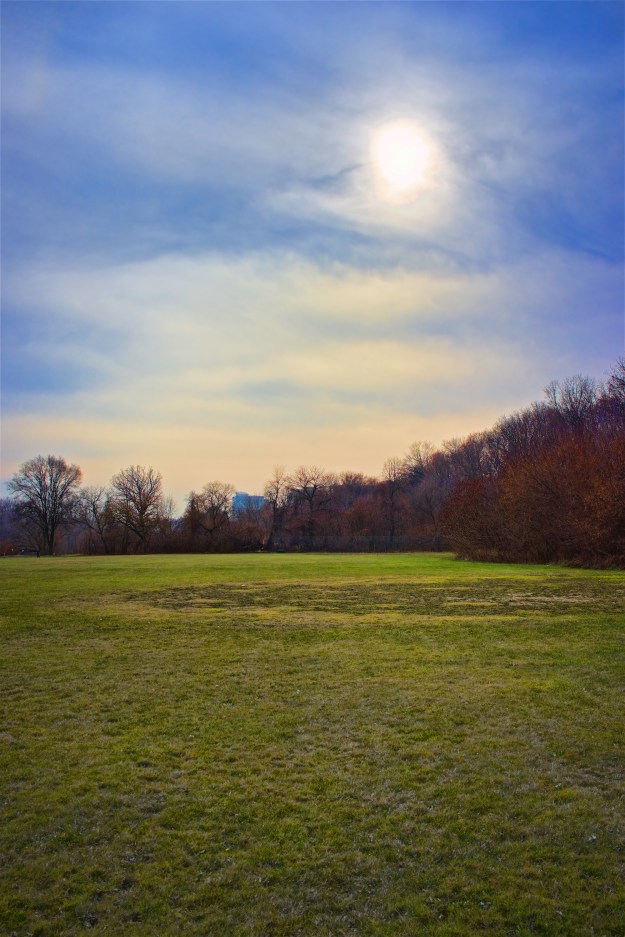
The sun was 23.9° above the horizon at noon today.

Looking south towards the location of the proposed dog park. At celestial noon (12:09pm), the sun was 23.8° above the horizon. On December 22nd, it will appear to be only 23° above the horizon and then begin to recover until June 21 when it will peak at 69.8°.

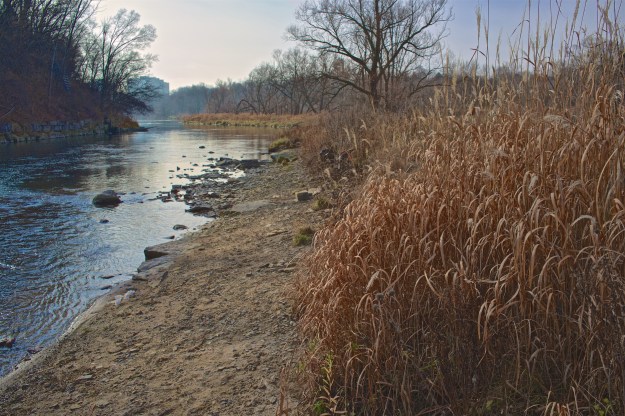
Not a trace of ice by the river.

Not a trace of ice by the river.

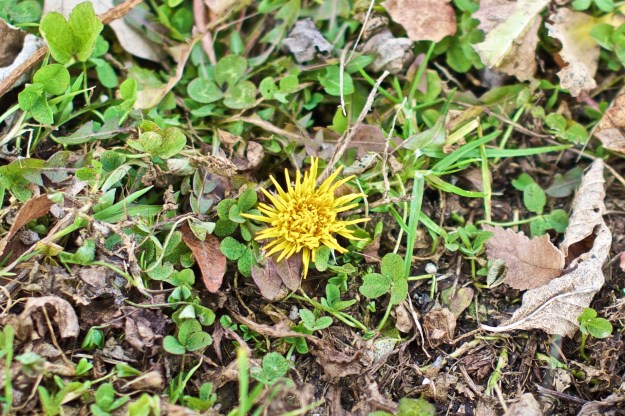
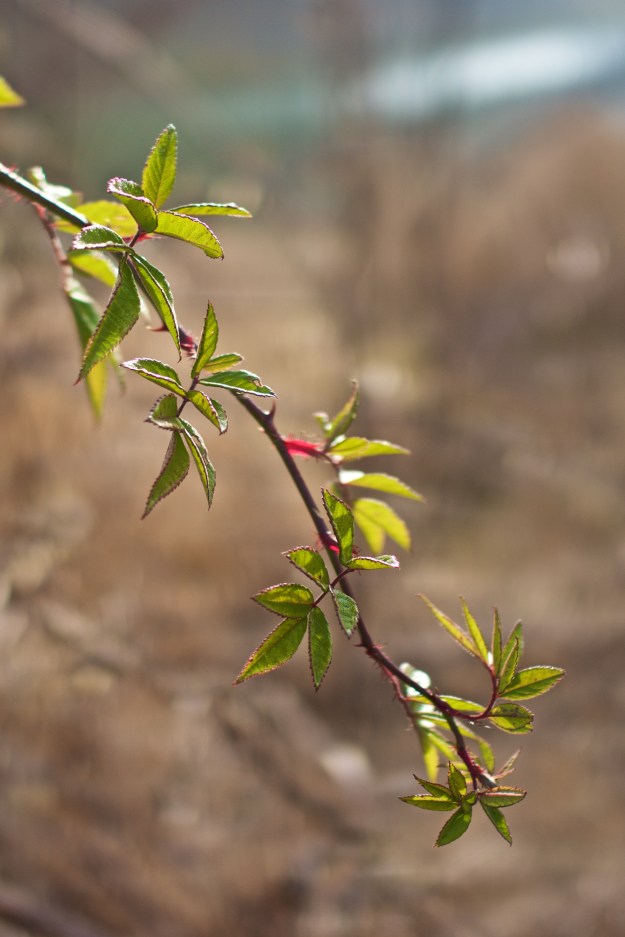
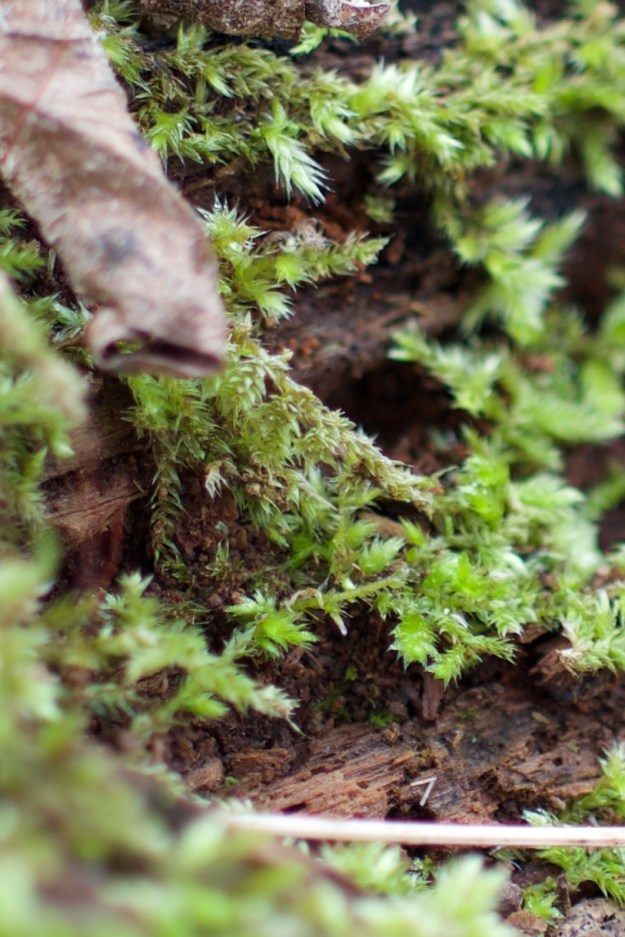
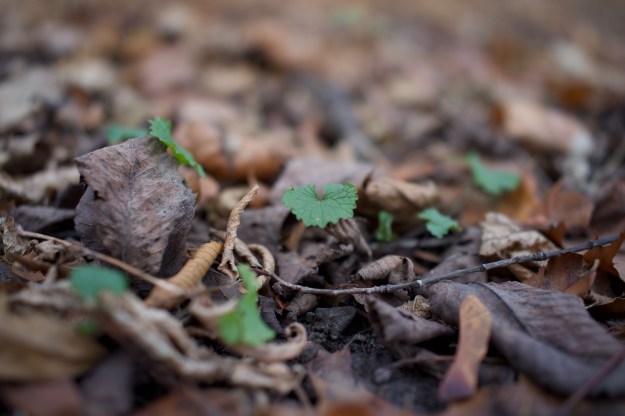
As a result of the mild weather there are some plants that have not yet gone into dormancy and they are a probable indication of what global warming will bring to Toronto’s climate if temperatures continue to rise.

A dandelion in flower.

A dandelion in flower.

A wild rose has retained its leaves.

A wild rose has retained its leaves.

Moss feeds on an old tree stump.

Moss feeds on an old tree stump.

Garlic mustard lurks in the undergrowth.

Garlic mustard lurks in the undergrowth.

The downside of such mild weather is that in wooded areas, and especially if warming affects Canada’s boreal forest, leaves on the ground slowly decompose when in a normal winter they would be compressed by snow and their carbon content preserved. This decomposition releases carbon dioxide, reducing the natural carbon sink effect of the boreal forest.

On a lighter note, although it’s quite common in Toronto for winter to begin in earnest after Christmas, this winter there is a feeling that we may be getting off lightly.

After the last two winters, let’s hope so.

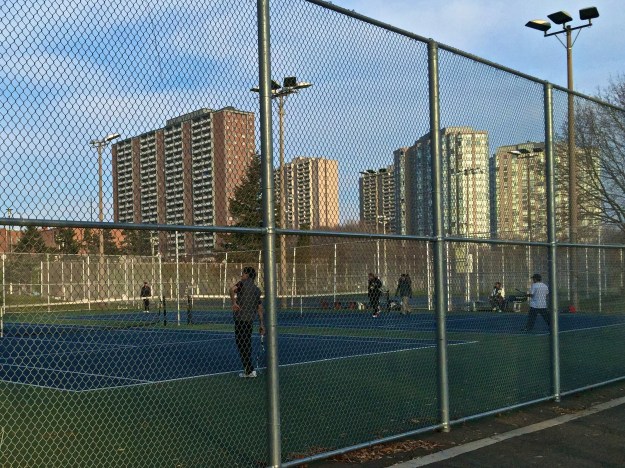
Tennis players enjoying a mild December in Lions Park.

Tennis players enjoying a mild December in neighbouring Lions Park.


Raymore Park Leash Free Zone Likely

In spite of the fact that Raymore Park was rejected as a candidate for leash free zone consideration as recently as June 2014, organizers of the recently held residents’ meeting seemed to confirm that the zone is a done deal. Apparently ‘someone’ applied last June, and the City must consider the site. Oddly the city’s reasons against a leash free zone in Raymore were the same as those for rejecting adjacent Lions Park, namely, ‘TRCA, ravine,  natural heritage’. The document may be accessed here.

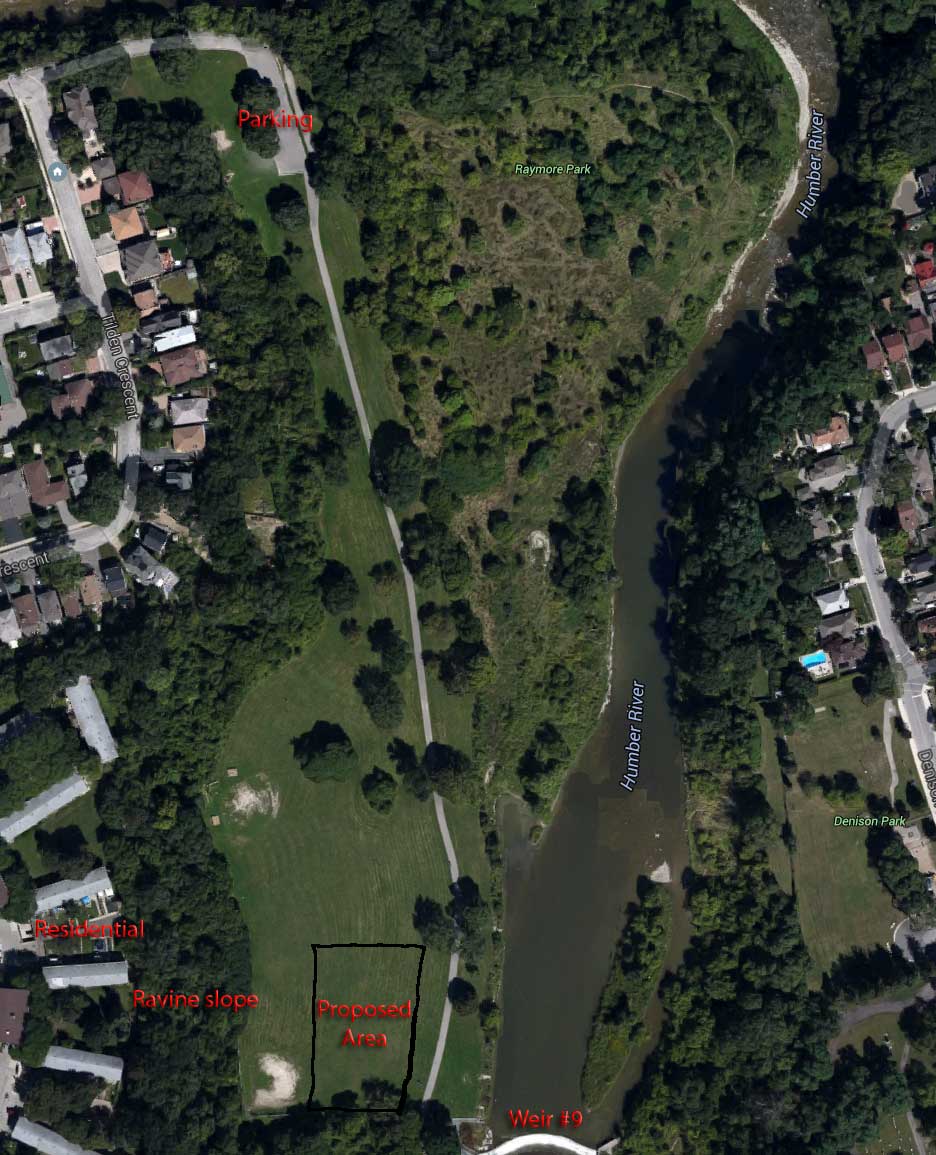
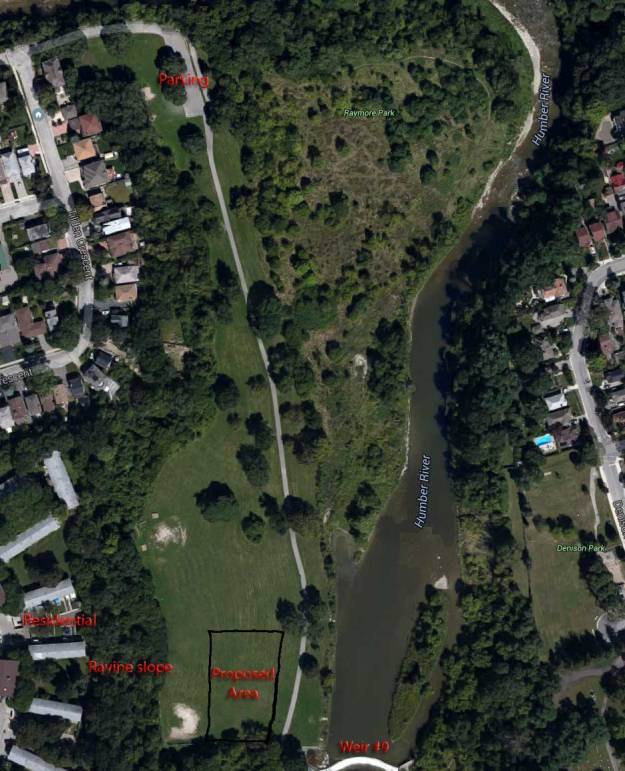
The meeting was attended by about 25 people and the proposed zone was illustrated – I have outlined an approximation as the organizers distributed no hard copy:
Raymore-Proposed-Leash-Free-Zone

Raymore Park showing the proposed off-leash zone. Google Earth.
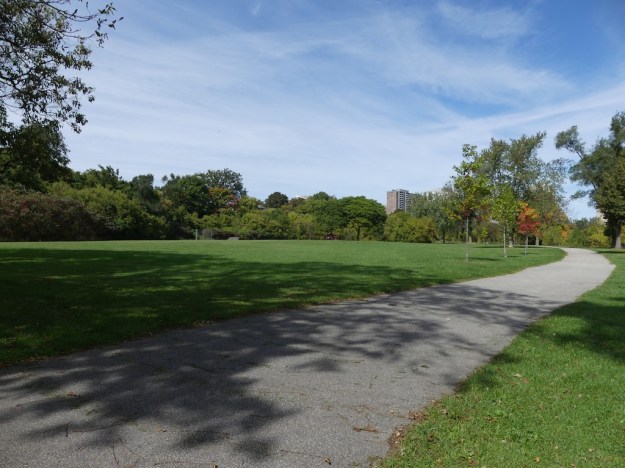
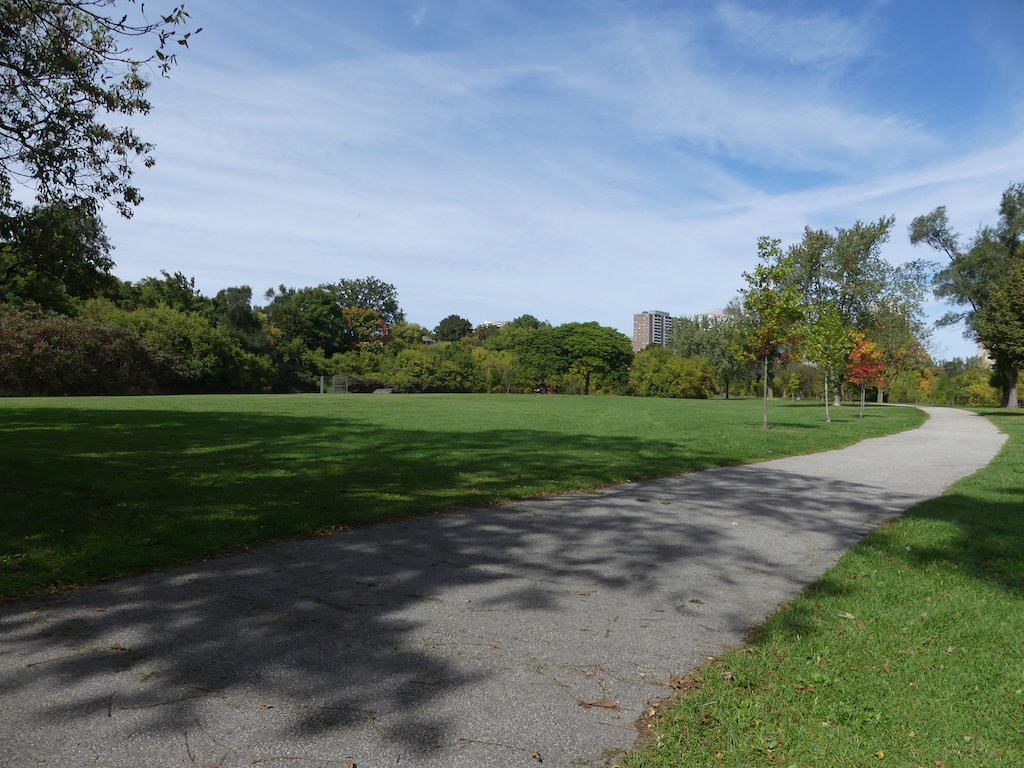
The site as it looks now (September 2015)

The site as it looks now (September 2015).

The zone will be about 450 metres from the parking lot yet only about 100 m from nearby residences (the fact they are TCH homes may have eased concerns). The baseball diamonds will remain in place as removing them would involve park owners, TRCA and it’s ‘too much hassle’ according to the meeting organizer. The zone will occupy ¾ of an acre down at the southern baseball diamond in a rectangle following the river about 15 feet from the far side of the path. It will be fenced with pine wood rail fences so at least it won’t look too bad. Its northernmost tip will be about half-way up the open field (perhaps a little further than what I have drawn). I did suggest planting trees to the north of the zone which would hopefully dampen the sound somewhat. The organizers’  positive response to this suggestion may have been a way of easing my concerns; we’ll see. Trees to the south will provide shade. Water and lighting will not be supplied as the location is too remote and the budget small. Supervision by city staff will be minimal thanks to budget restraints and may I cynically suggest, the long walk from the parking lot.

When I suggested that the majority of people using the zone will be with unlicensed dogs, the response was a bit of a metaphorical shrug. From what I gather, nobody will be checking for dog licenses – even in the early days of this thing. Professional dog walkers will be allowed to use the zone.

The proposed opening hours are 7:00 a.m. to 9:00 p.m. year-round (even though the park gates are locked from November until April). This will create parking issues along Raymore Drive and Tilden Crescent. Organizers then talked about keeping the gates open year-round which some in the crowd thought was unlikely as even the ploughs get stuck occasionally.

The zone will be installed by spring of next year.

The organizers claim that traffic and noise levels won’t increase by much but they don’t like getting complaints about the zones it will be up to residents to phone 311 if people are abusing the area or being noisy.

There will be one more meeting to discuss the plans based on community input.
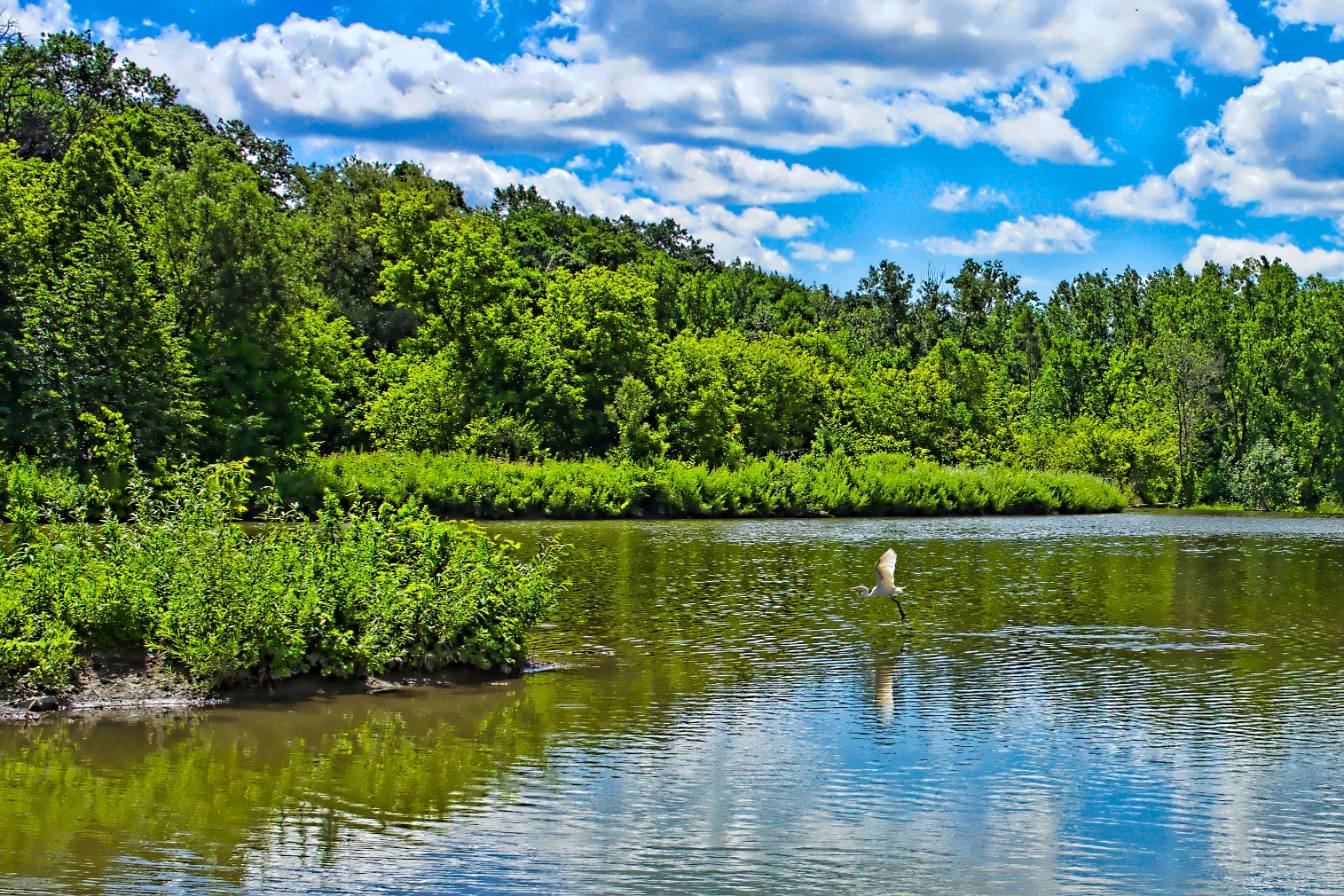
Great Egret takes flight.
Raymore Park has an astonishing variety of wildlife. Great Egrets are occasionally seen in the park and this one was seen taking off last month after wading through shallow waters ahead of the weir. They were nearly hunted to extinction in the 19th Century for their plumage which was used to decorate ladies’ hats. Once a purely migratory bird in southern Ontario, It is estimated that as many as a thousand breeding pairs make their home in Canada. Great Egrets are related to herons and have a similar profile. The first time I saw one in Raymore Park I thought it was an Ibis as they look so similar. The Ibis has a range much further south and is also a relative.

DSC01461

Click for larger image.

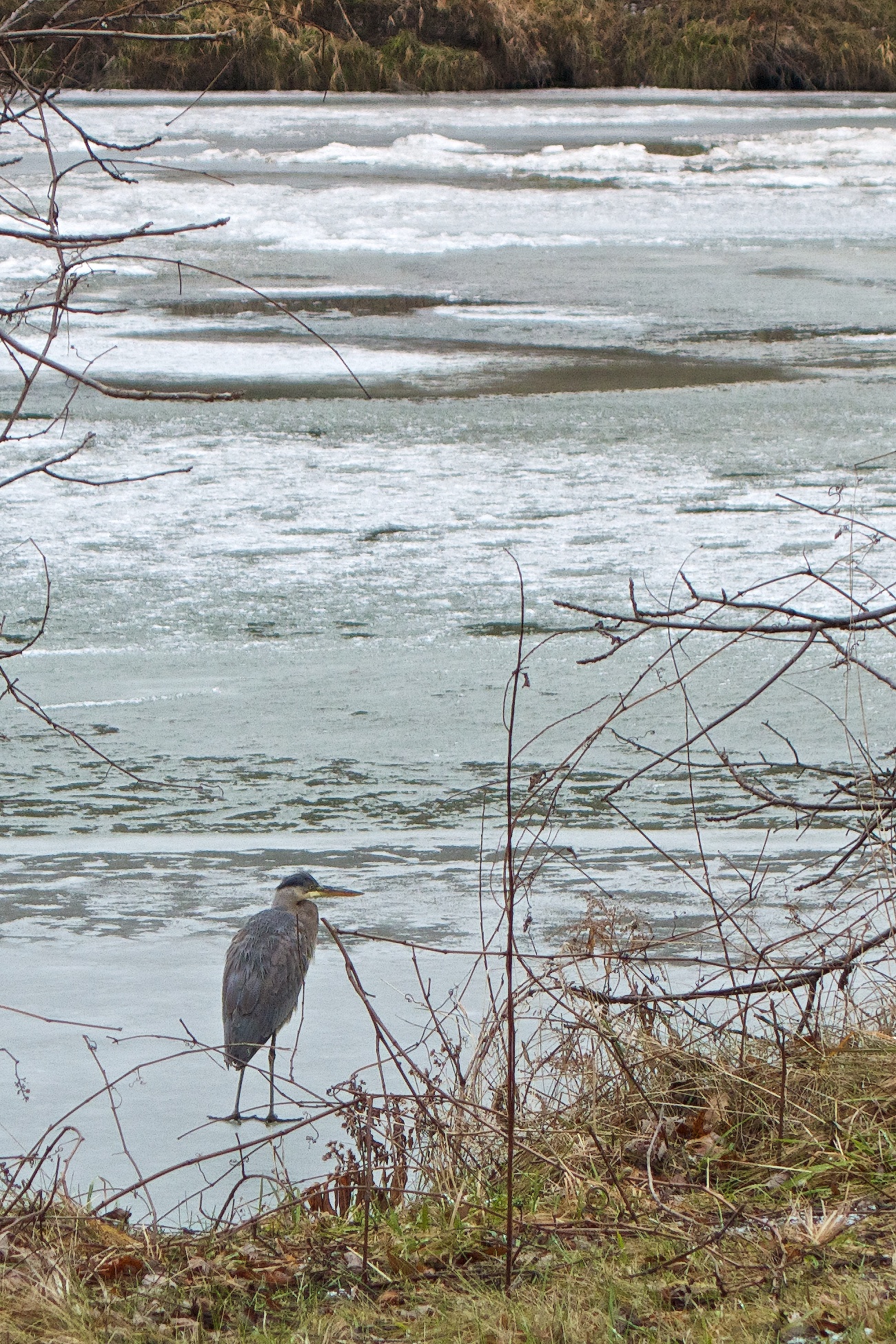
Great Blue Heron sticks around.

This Great Blue Heron surely only has a few more days left in Canada as the weather gets progressively colder. The Humber is frozen in calmer spots which must make for poor fishing yet this bird didn’t want to leave the lagoon. This is the latest I have seen a Heron on the Humber.

DSC03908

Slim pickings.

Lawn gods don’t ask for much.

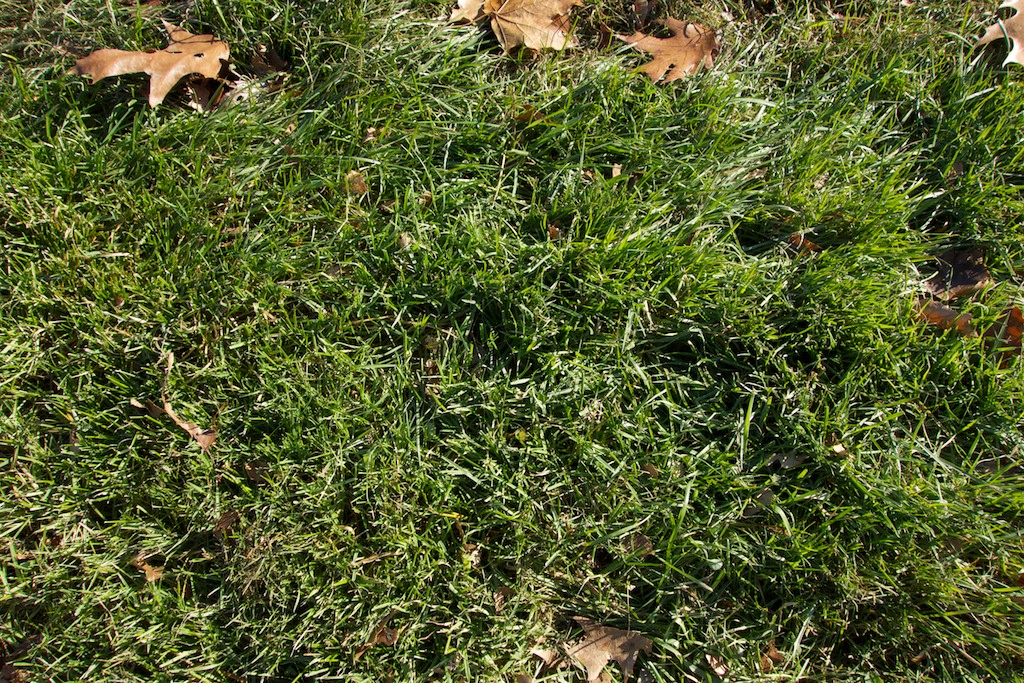
Who knew that all you have to do to maintain a spectacular lawn is cut and aerate it. The occasional re-seeding helps too.

DSC03787

This grass in Raymore Park hasn’t been treated with weed killer or insecticides in this century and is cut relatively infrequently (with a mulching mower) and aerated annually. In spite of that (or perhaps because of it) there are no bare patches, few weeds and no animal diggings for grubs. When a weed killer ban was proposed around 1999, there was a huge outcry from those who thought that weeds would replace grass in Toronto’s parks. Somehow, the chemical lawn brigade’s fears were as justified as those around computers and the Millennium.

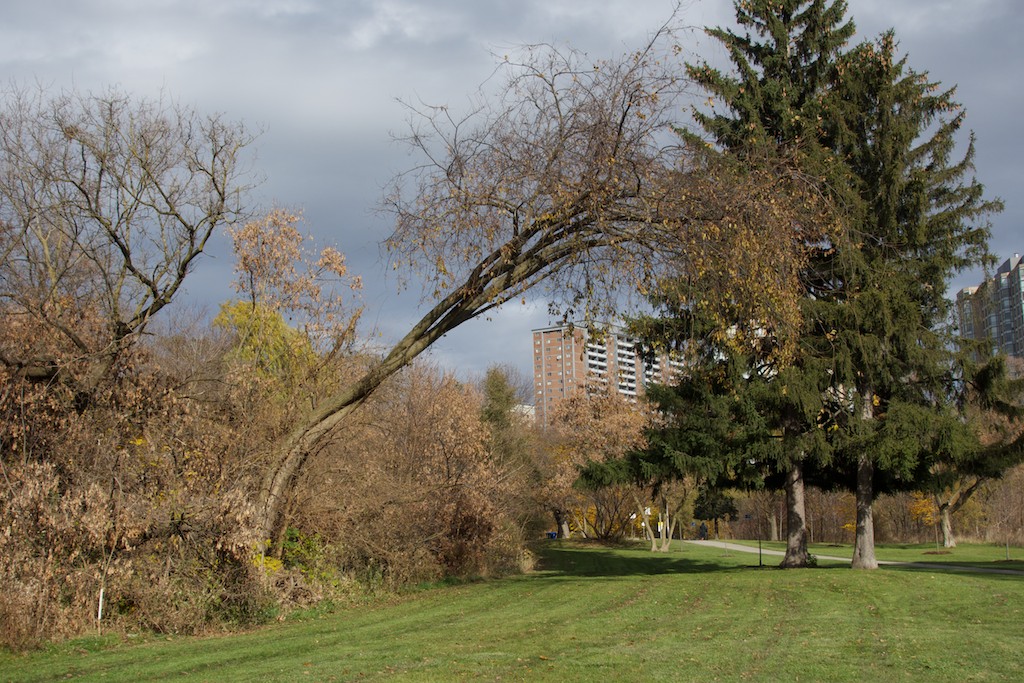
There is a tree that leans at a jaunty angle and I confess to walking at a brisker pace when underneath it. I have the impression that the lean is increasing so perhaps this winter will be its last.

DSC03748


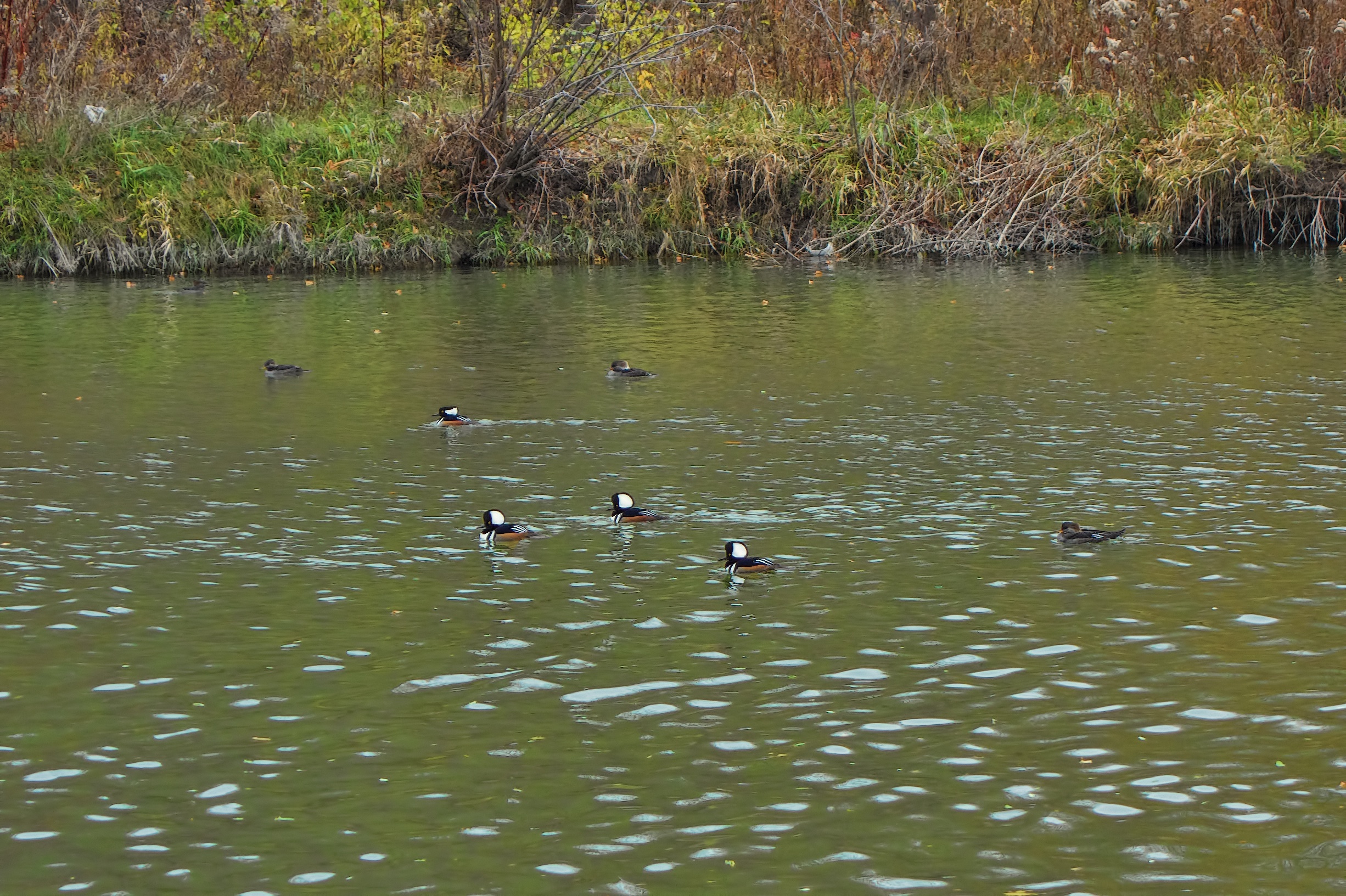
Lastly this group of Hooded Mergansers have returned to the Humber to add an exotic air. They are quite shy but don’t seem to mind hanging around with the resident mallards.

DSC03765