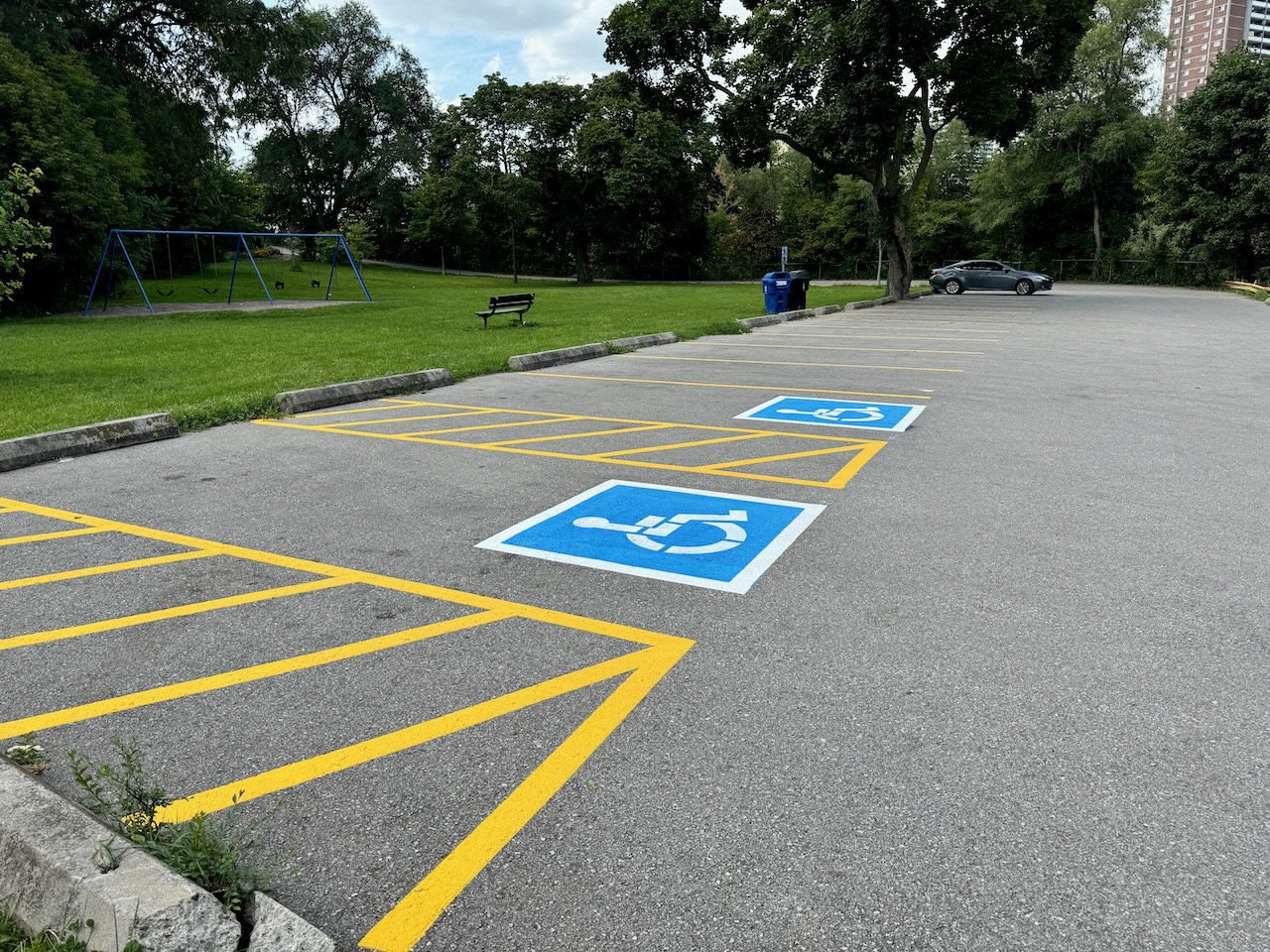
For years there were no clearly delineated parking spaces in Raymore Park’s parking lot. People just parked, sometimes on the far side of the lot facing the path. The parking lot was repaved in 2019 and voila, a mere five years later, lines have been drawn to mark out two handicapped spaces along with about 14 other designated spots.
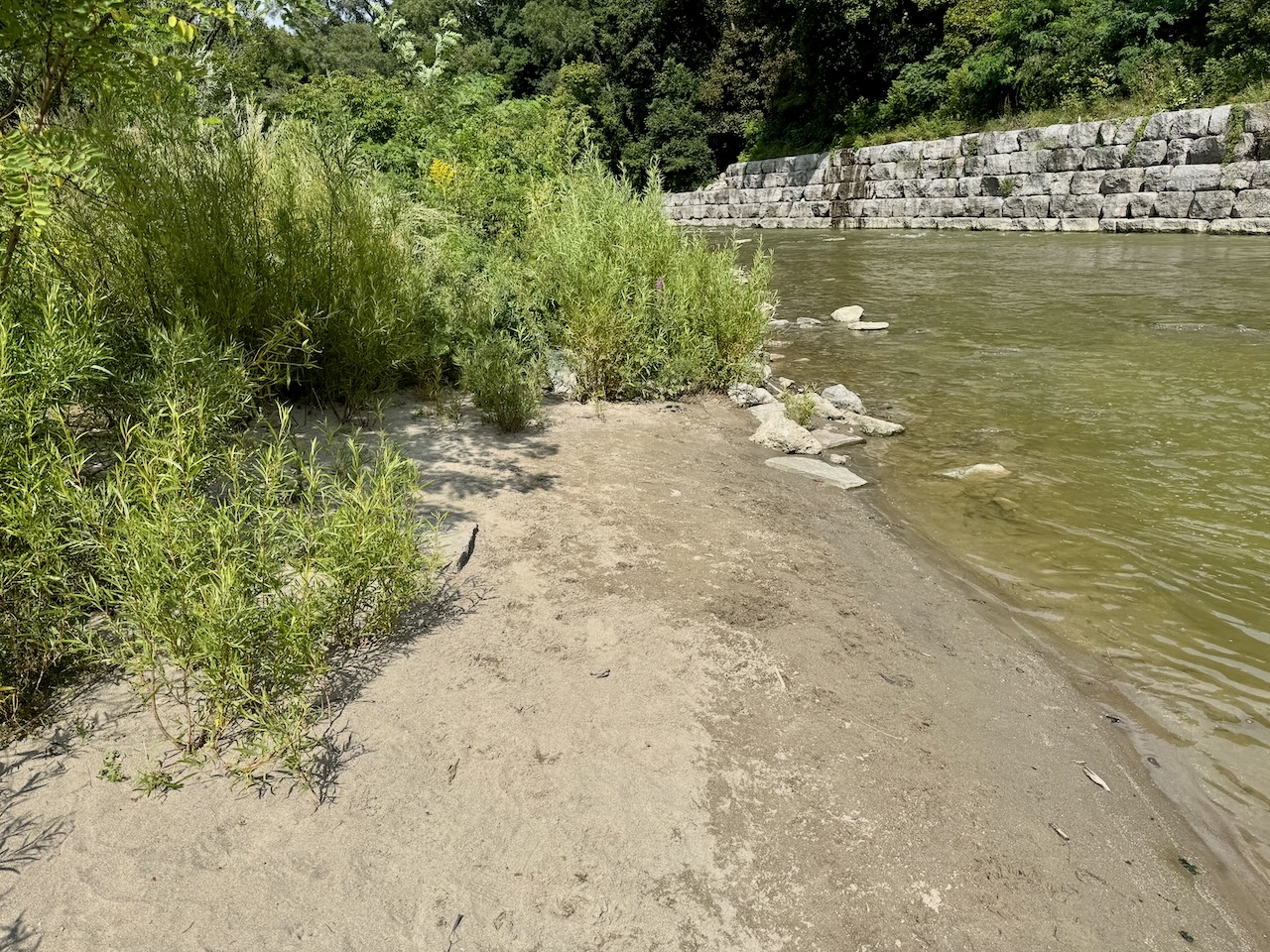
The Humber makes an almost 90° turn inside Raymore Park and as the current slows down on the inside of the curve, sand is gently deposited on the western bank. When the river level is high, the sand is flushed downstream towards the lake. The sand comes from the Oak Ridges Moraine where it was dumped by glaciers that melted over 12,000 years ago.
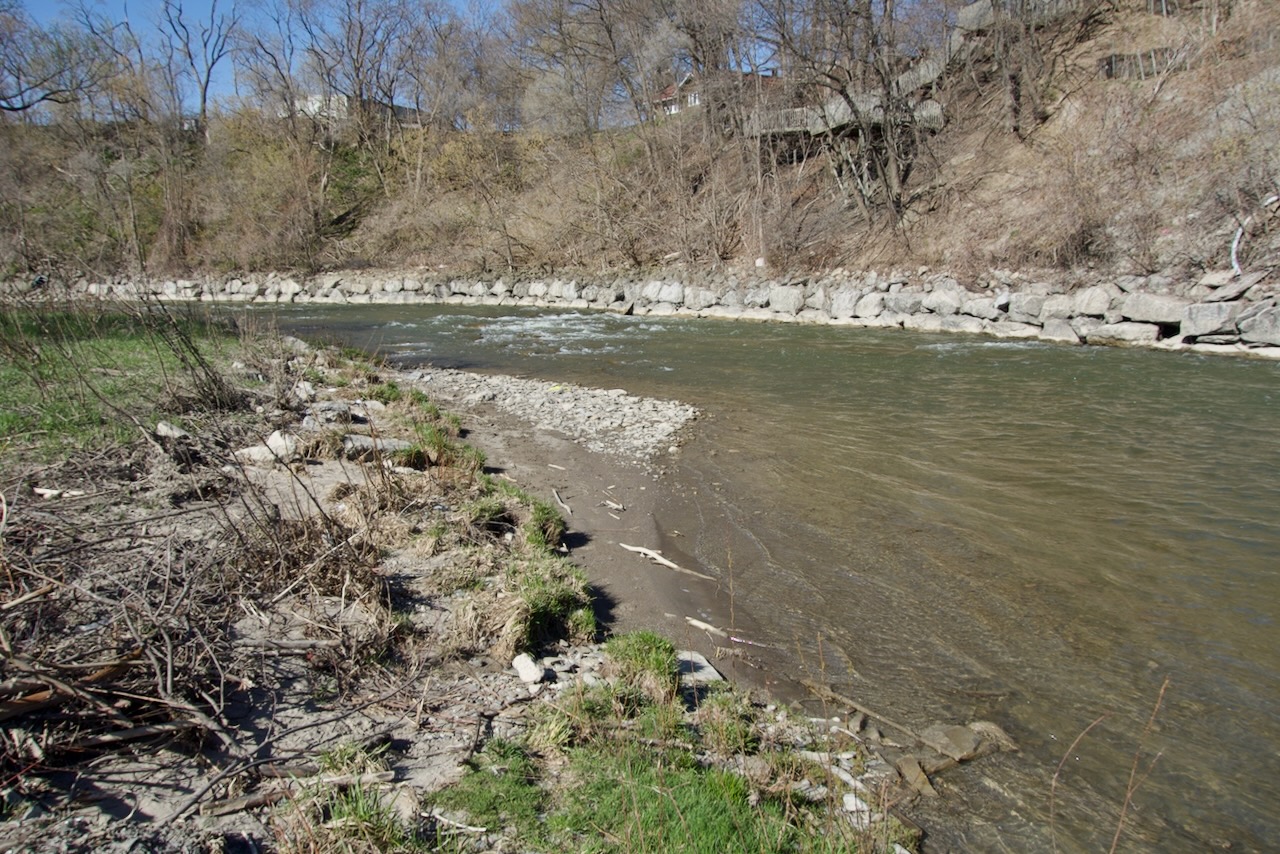
The beach in May 2014 from about the same spot showing the old retaining wall.
This is the beach that was used by children from the subdivision destroyed by Hurricane Hazel in October 1954. The beach is a dynamic thing; some years it isn’t much at all; sometimes expanding and sometimes shrinking but the sand will continue to be be deposited for the next several thousand years until there’s none left upstream.
Read more about the beach here and about what washes ashore here.
Looking north towards the weir along the Humber Trail in Raymore Park. August 2024.
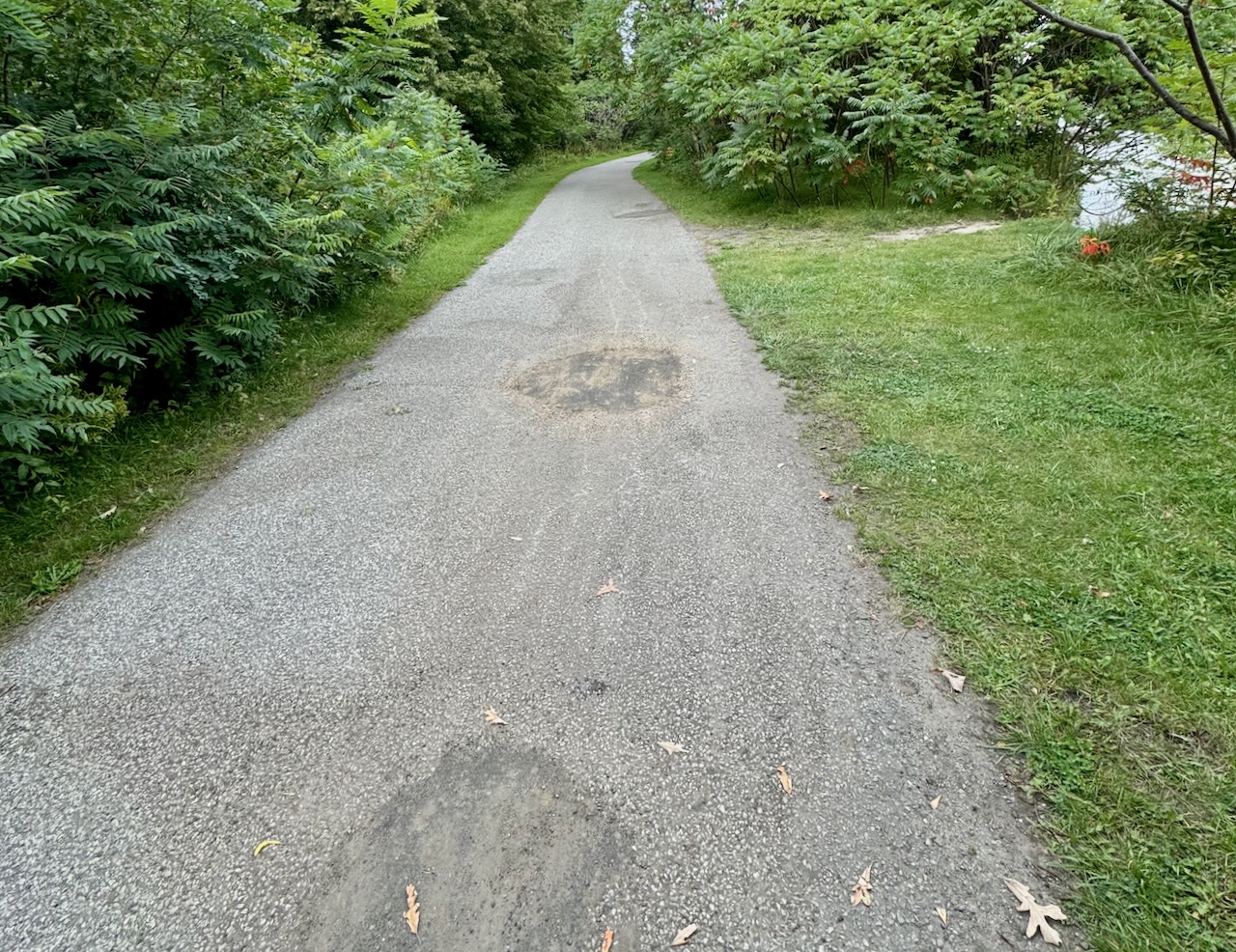
Crews have finally repaired sinkholes in the bike path south of the Weir. Some of these were decades old, quite deep and particularly dangerous to inattentive cyclists. Often they would fill with water, freeze and a layer of snow would hide the slip hazard.
This section of the trail was newly paved at least 30 years ago.
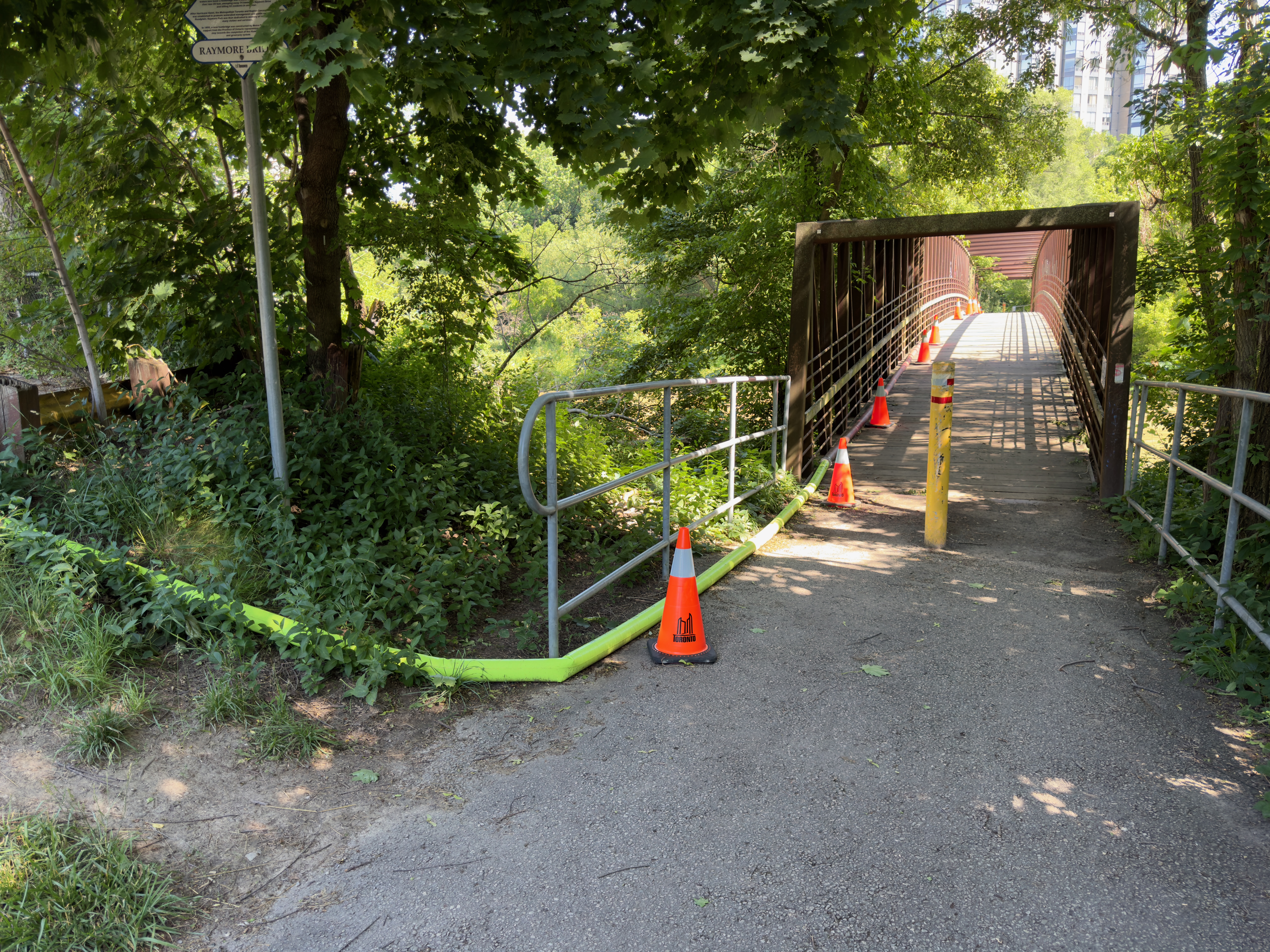
Visitors to Raymore Park may have noticed loud diesel pumps at the entrance and a rubberized pipe crossing the footbridge onto the Weston side.
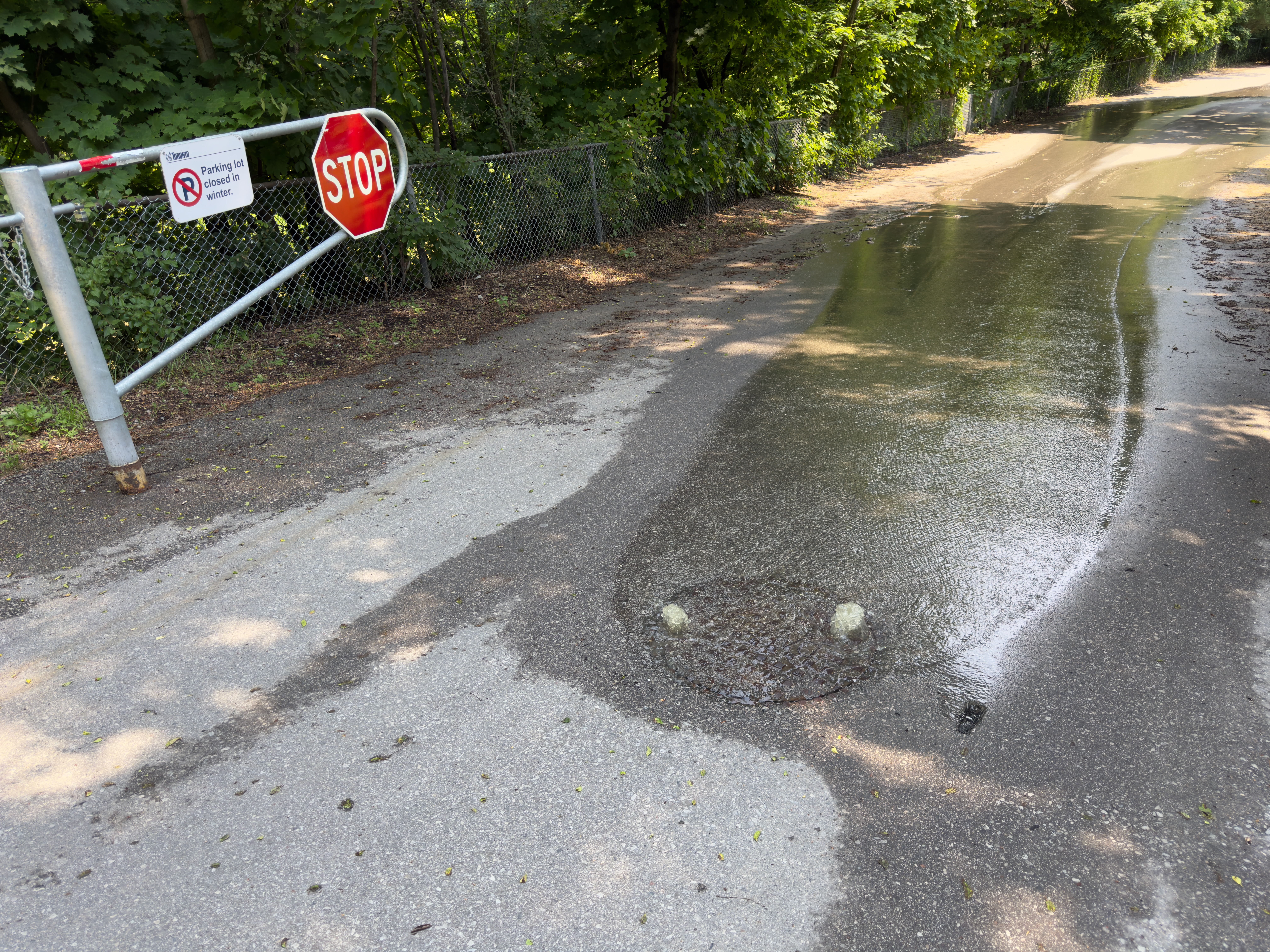
The neighbourhood around Raymore Park has been experiencing sewage backups thanks to a blocked sanitary sewer at the park entrance. Last month sewage was seen spilling out of a manhole cover and making its way into the Humber before crews could get on the job. This sewer has been blocked before, causing sewage to enter neighbourhood basements.
Raw sewage spilling from a manhole cover and making its way into the Humber. June 18, 2024.
A City work crew came out and discovered that the sewer was blocked on both sides of the river by tree roots and was crushed on the Weston side. After realizing that it was a big job, workers installed a temporary by-pass powered by a diesel pump. Sewage is now being piped over the pedestrian footbridge and into the sewage system.
Sewage piped over the bridge towards the main sewer on the Weston side. June 24, 2024.
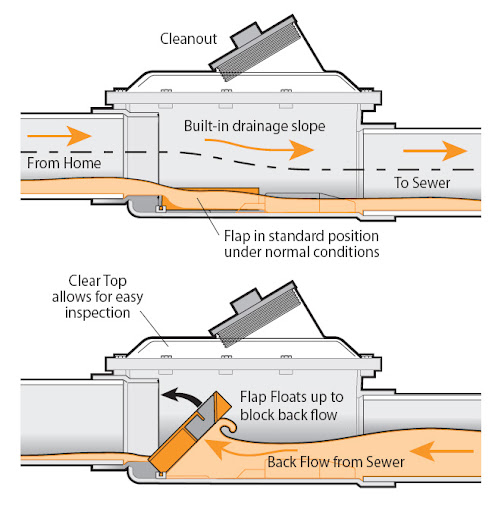
The job of clearing, repairing and relining the underground sewers is being put out to tender – a process that will take weeks if not months. Unfortunately, diesel pumps sometimes fail (twice in the last month) and these breakdowns have led to basement back-flow valves activating and in some cases, flooded basements – this is especially true during rain.
Until the sewer is cleared, repaired and relined, the bypass will carry neighbourhood sewage over to Weston. Let’s hope that the diesel pump will be carefully monitored so that local residents don’t have to deal with further sewage back ups and flooded basements.
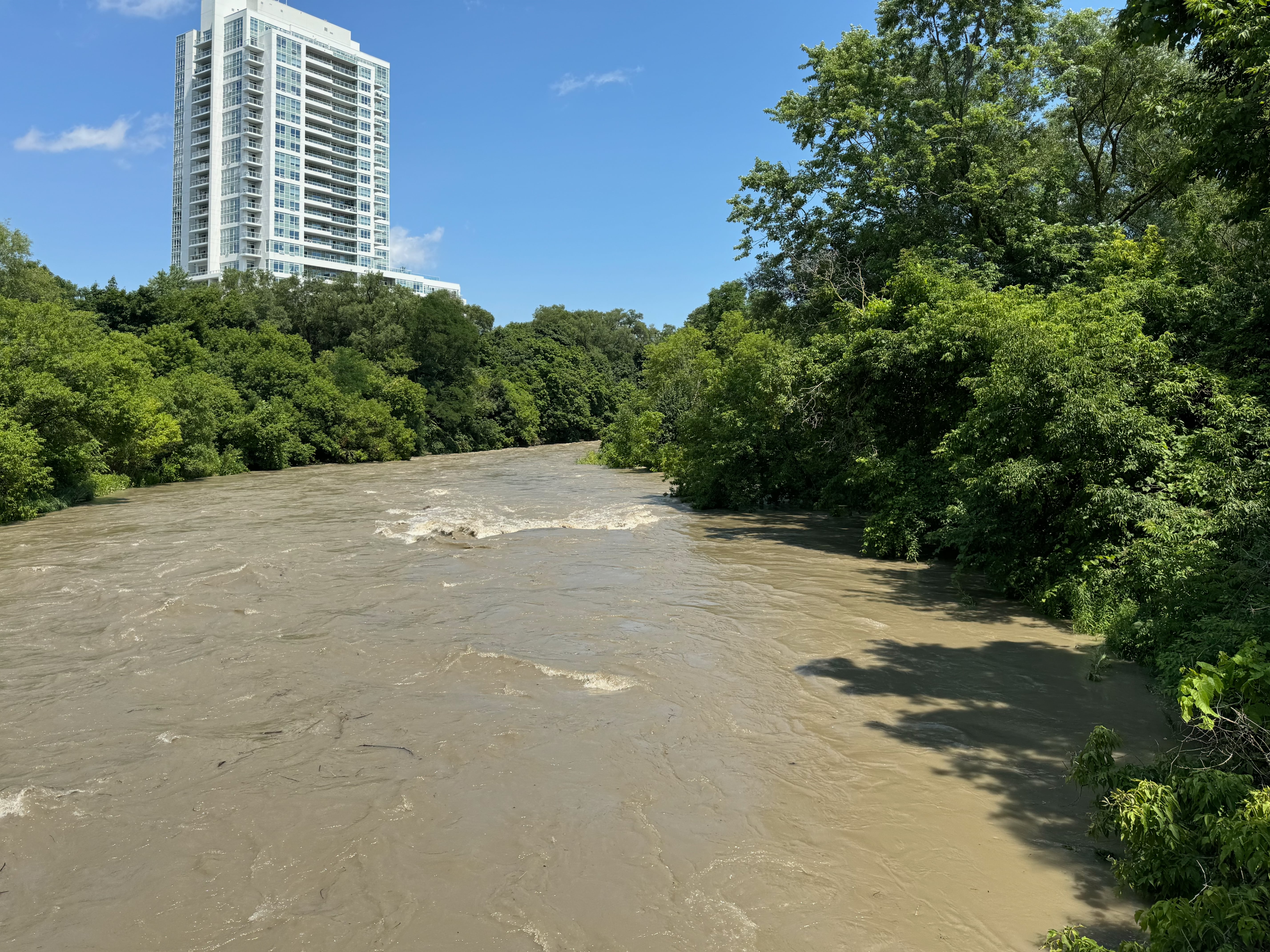
July 16, 2024 was a rare but not unexpectedly rainy day. July often sees huge dumps of rain and Toronto received around 10cm in quite a short time. The Humber has a tell-tale depth gauge in the form of the old footbridge abutment which yesterday completely disappeared.
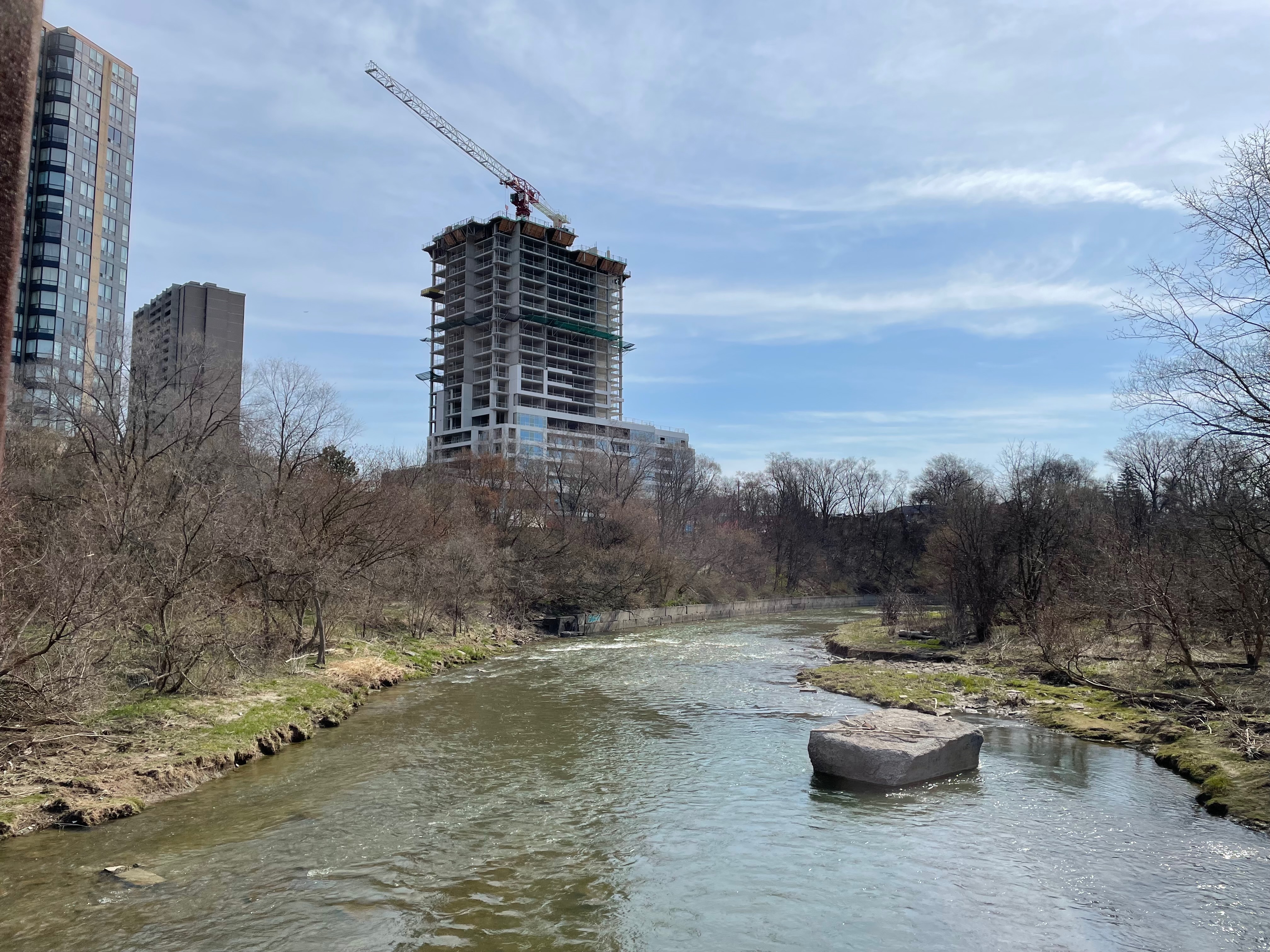
By way of comparison, here’s how it looked in April 2022.
The old footbridge abutment is clearly visible on most days. April 24, 2022.
As the city grows and more land is paved over, the ability of the river to hold huge volumes of runoff will be tested. Without green spaces and parkland to absorb runoff, the Humber would be much more of a threat during heavy rain or spring thaws.
Fall looks as if it’s here to stay as temperatures are set to lower sharply next week. The first dip below zero of the season is forecast for October 30 which is slightly earlier than Toronto’s average of November 1-10.
Here are some recent images of the park as it eases into the approaching winter.
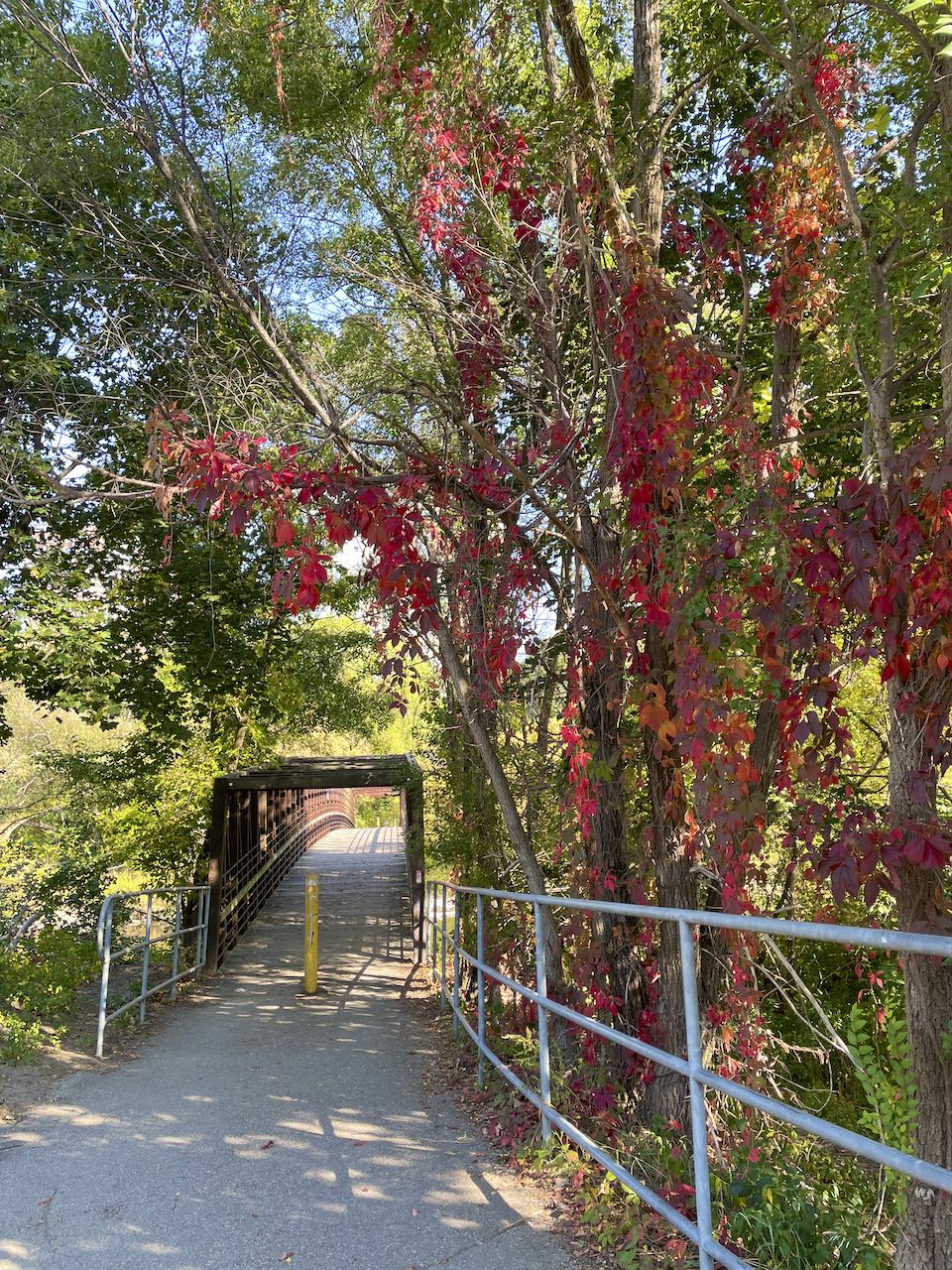
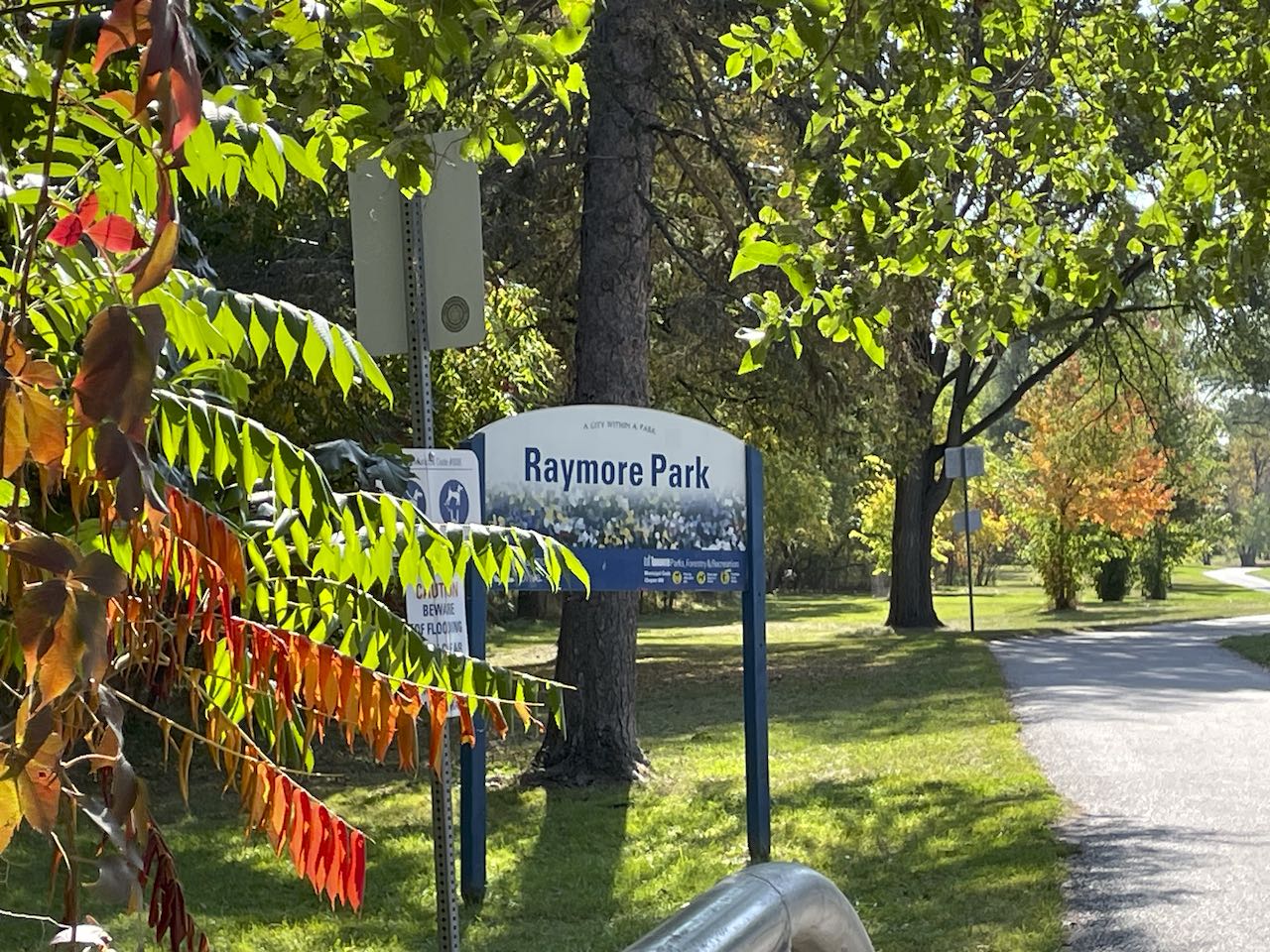
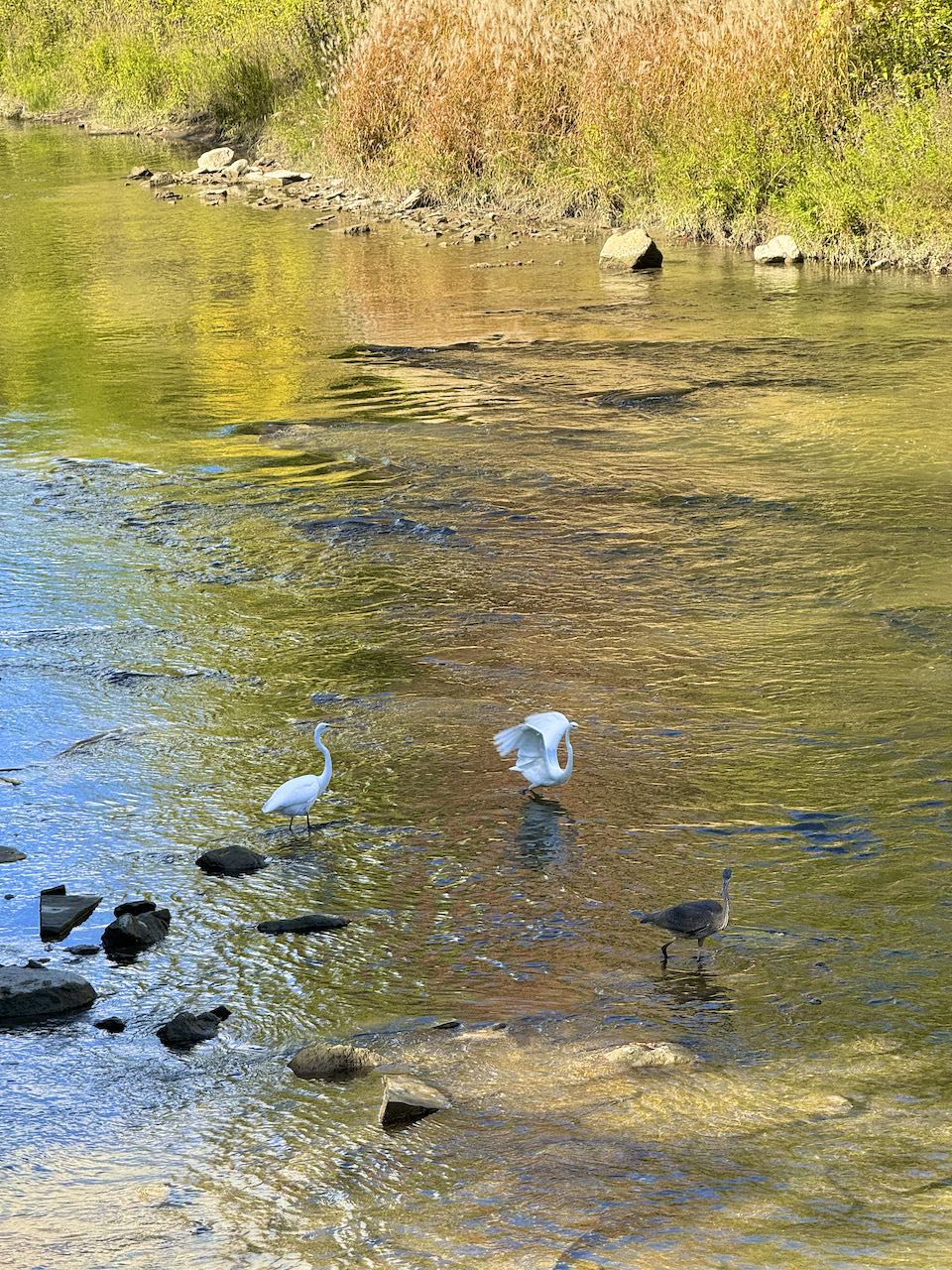
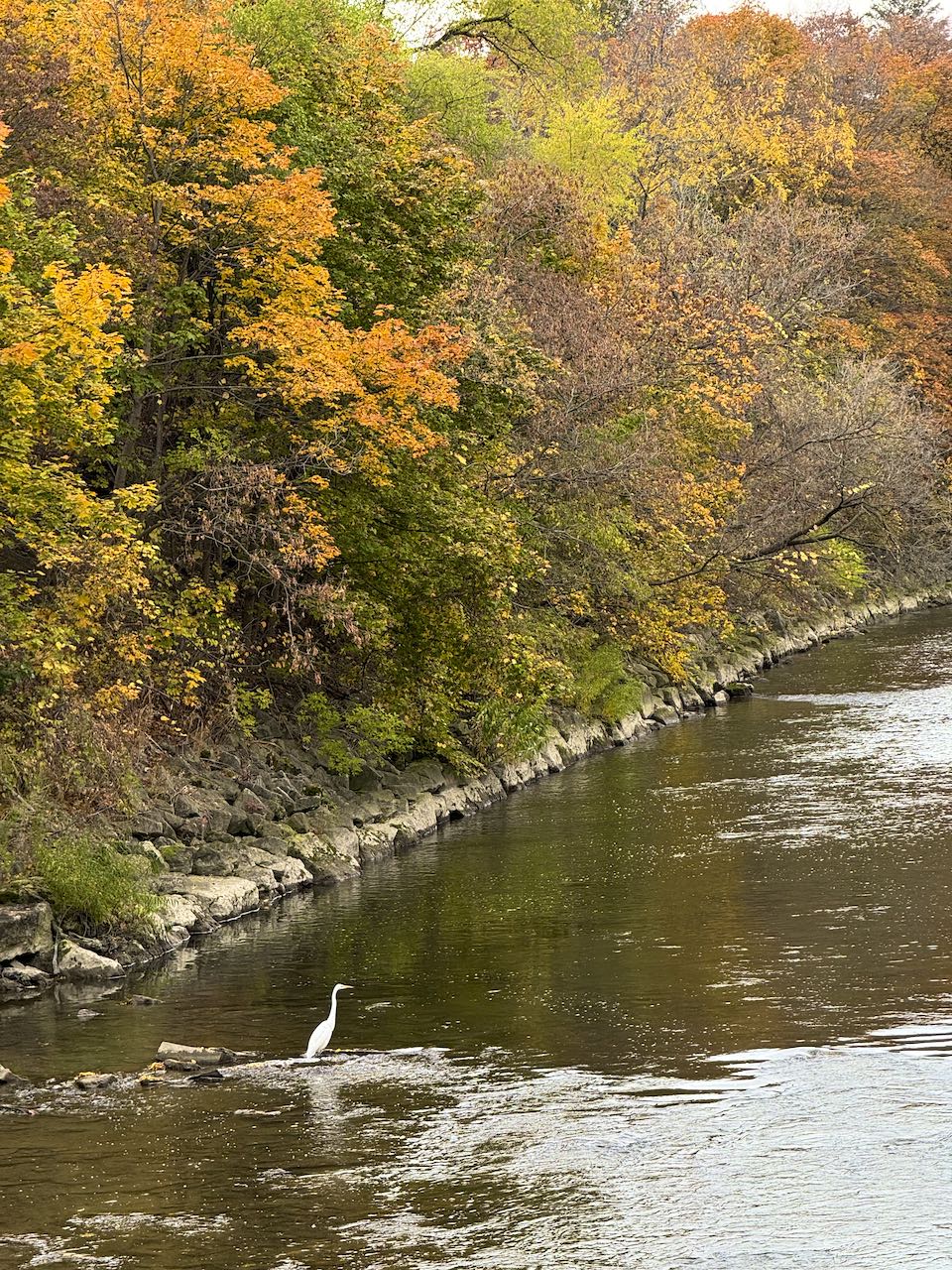
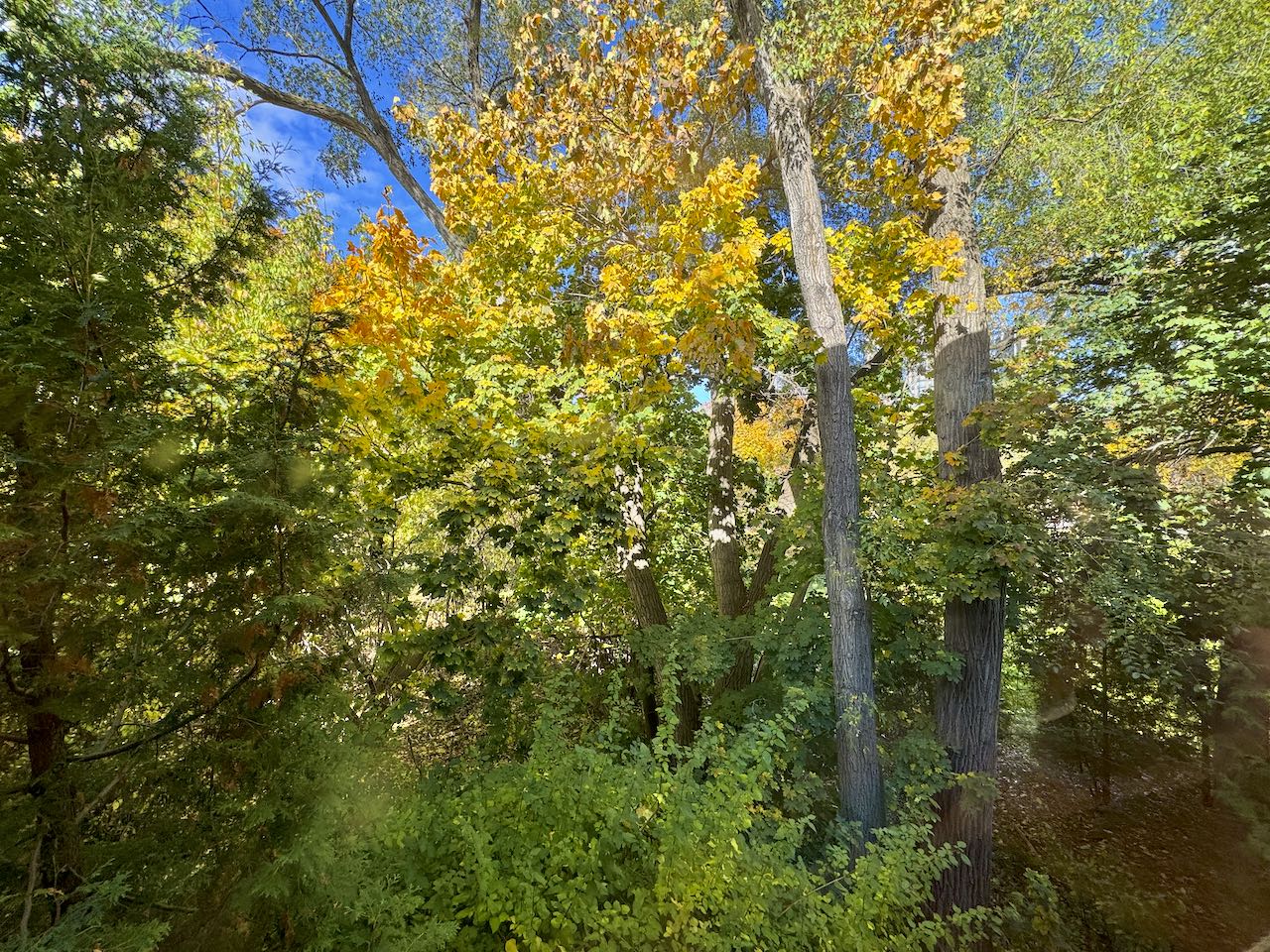
Colourful Boston ivy decorates the Humber footbridge entrance. October 2.Sumac beginning to turn colour by the park entrance. October 2.Two egrets and a blue heron. The egret (centre) was just about to chase the heron away. (October 12)A lone egret with fall colours in the background. (October 24)Norway Maple foliage is more colourful this year. October 28.
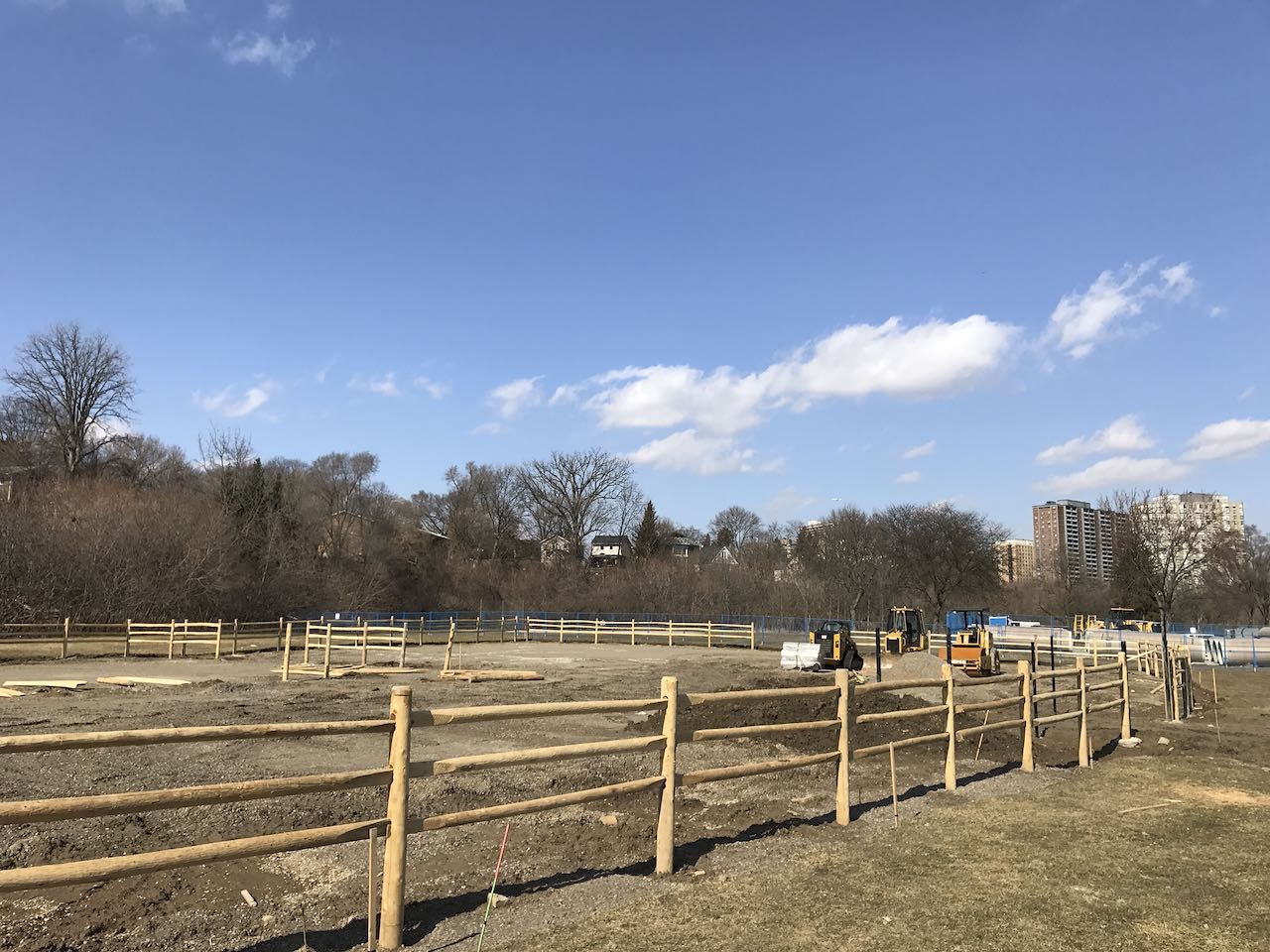
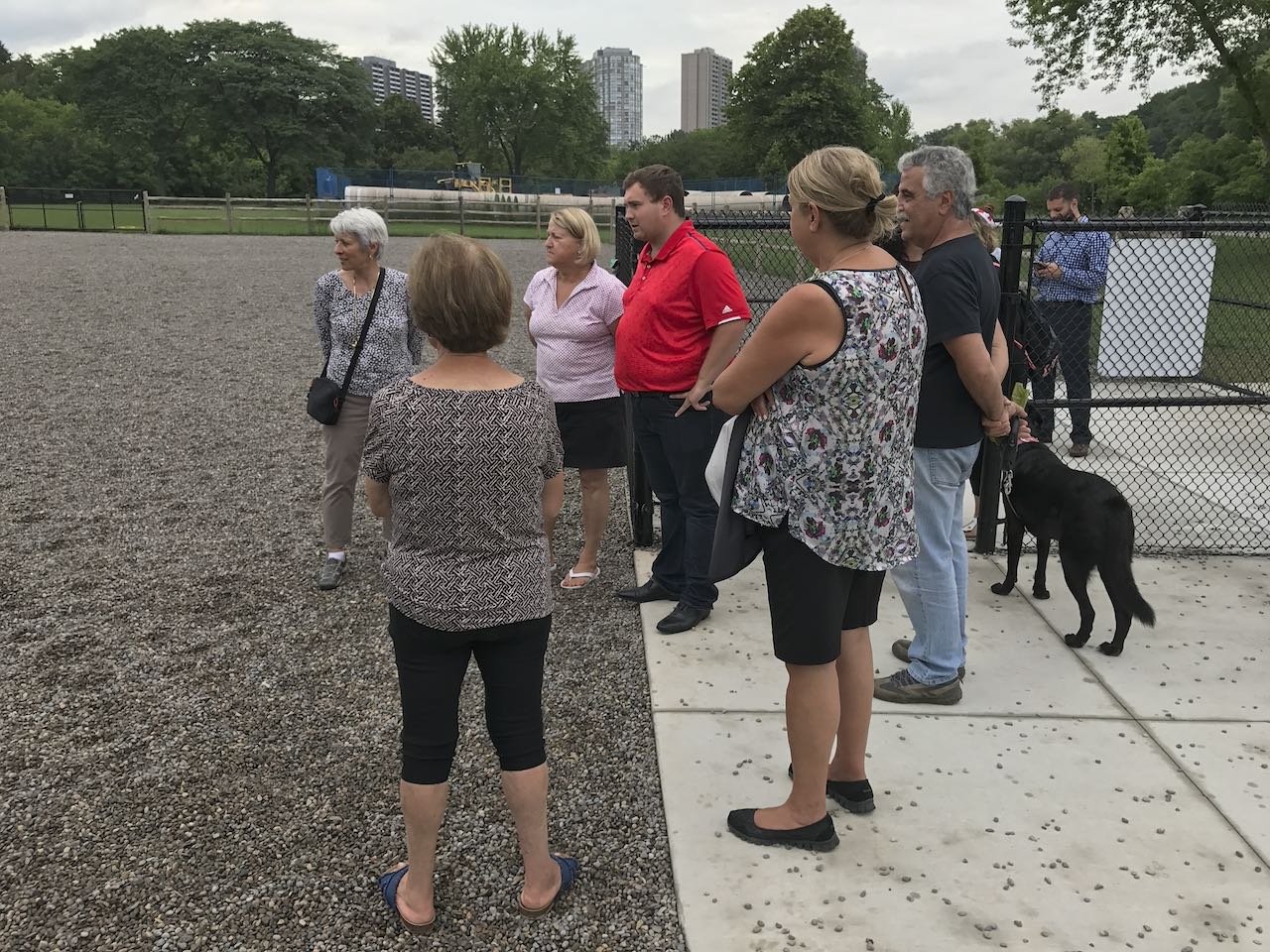
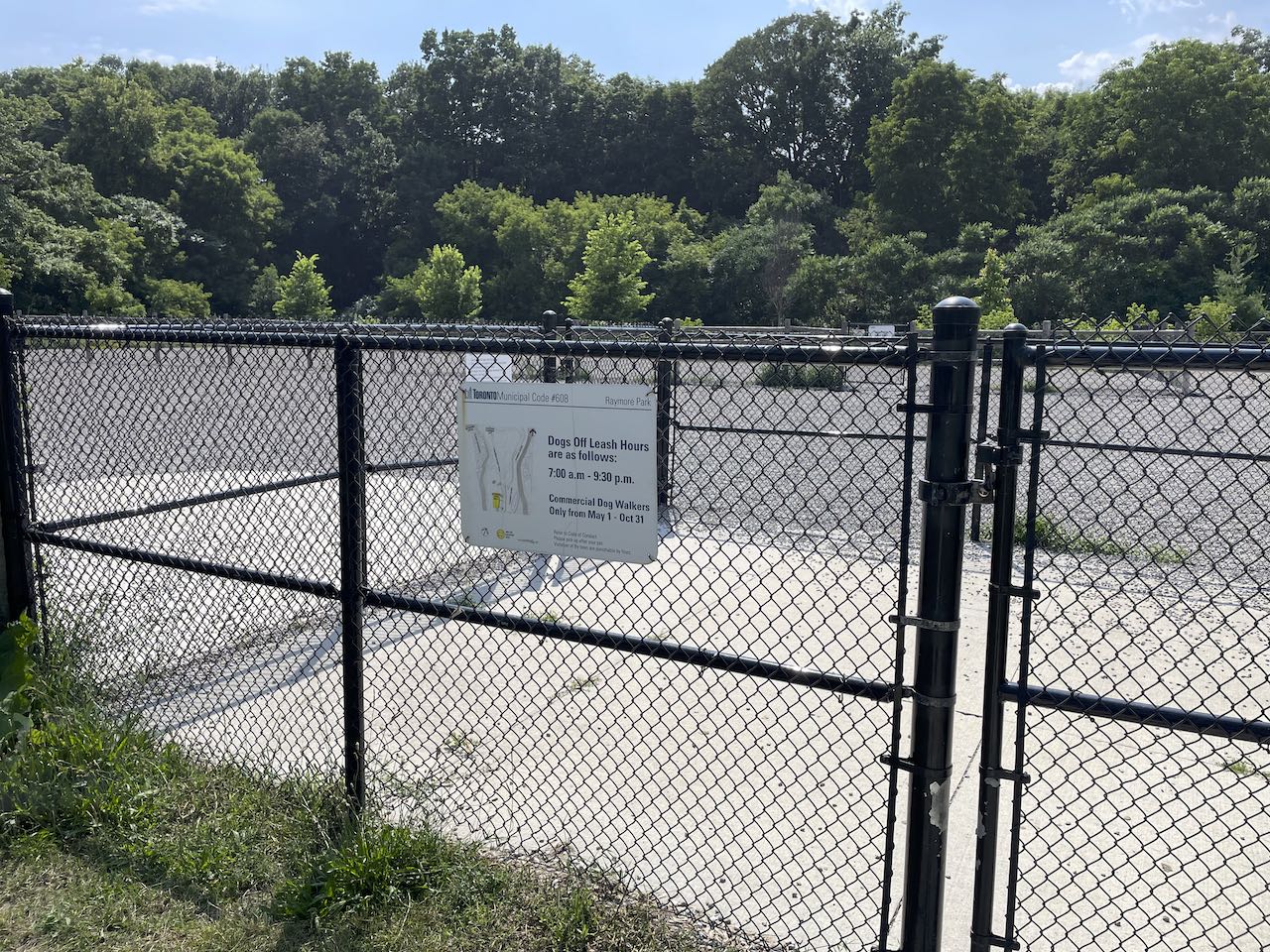
The Raymore Park dog off-leash area (DOLA) was opened with some fanfare by Premier Doug Ford’s nephew six years ago. Its design followed standard Toronto Parks and Forestry protocols, namely removal of vegetation and topsoil then replacement with pea-gravel and fenced with rustic poles and rails backed up by a wire containment fence. The aim was to provide an off-leash area where dogs could exercise and socialize safely. The idea, sold at a community presentation was that the DOLA would be used mainly by local residents and that any extra traffic would be minimal.
The site of the present-day DOLA back in October 2008 looking south-west..The DOLA under construction in February 2017 looking north-west.Then councillor (red top) Mike Ford at the opening ceremony on July 10, 2017.
The DOLA was built with several design flaws.
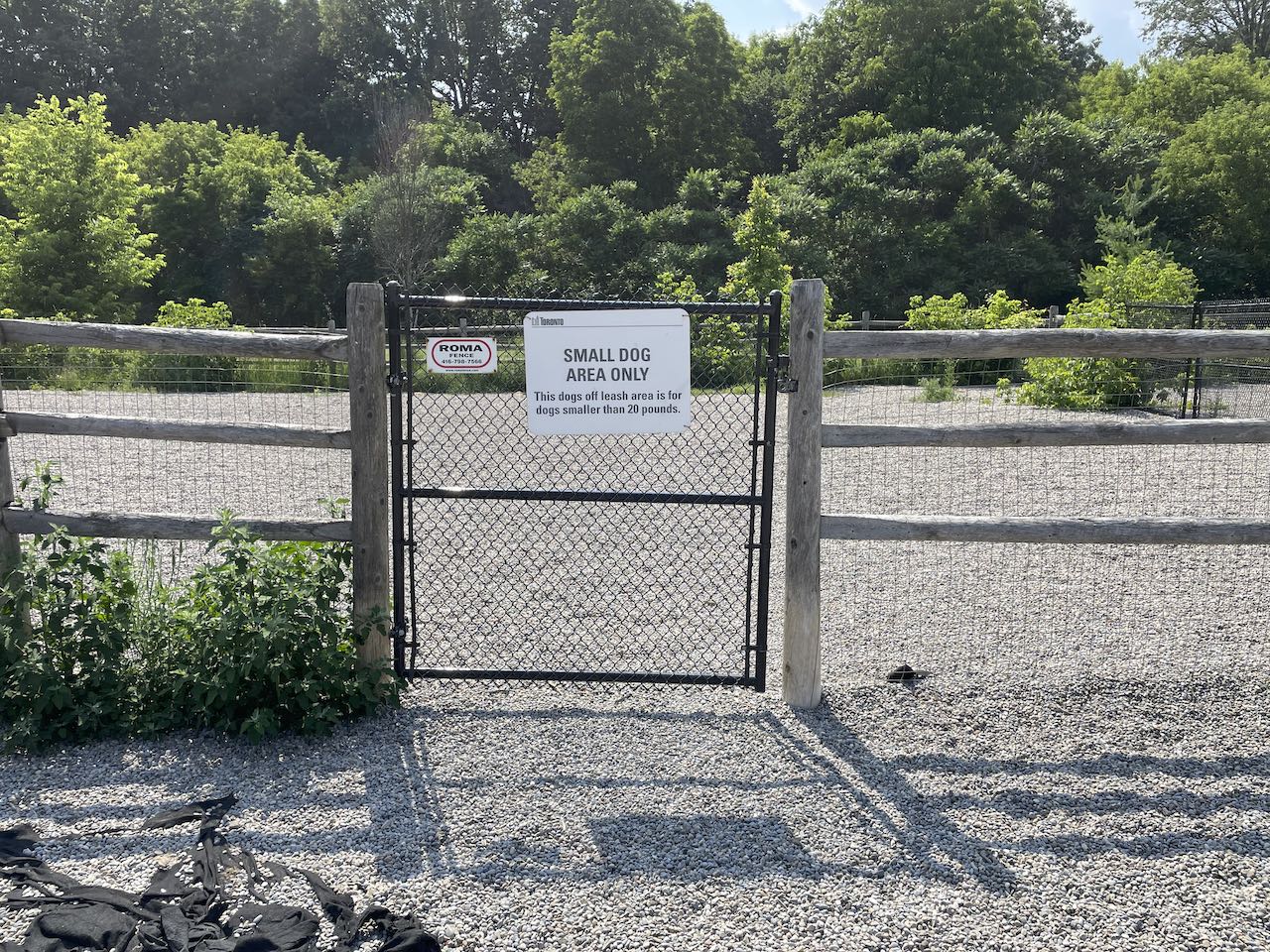
1. The small dog enclosure is only accessible by passing through the large dog enclosure.
Small dogs must run the gauntlet to get to their enclosure. July 2017.The small dog area with landscape fabric in the foreground. July 2023.
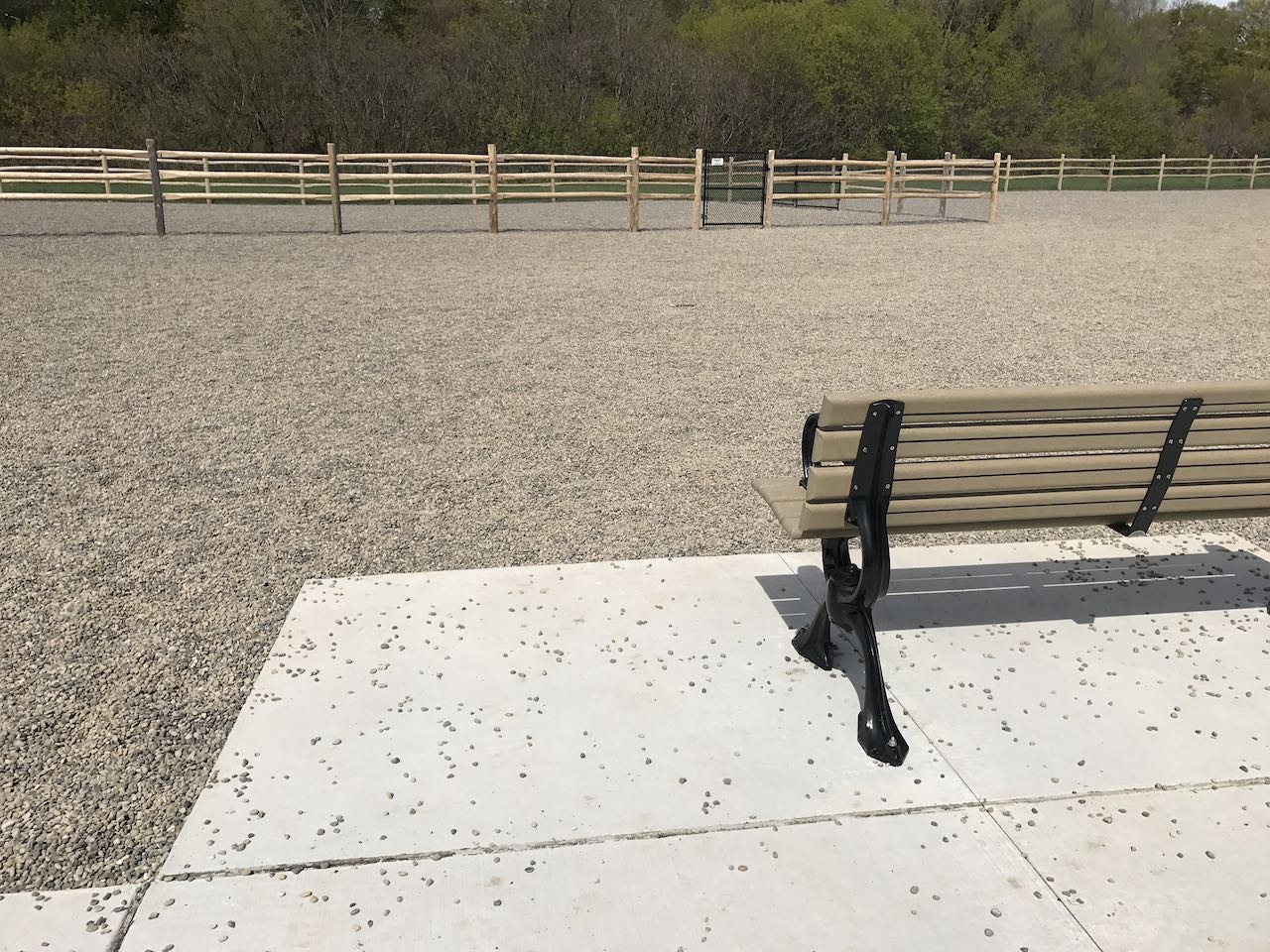
2. The pea gravel surface irritates dog paws making exercise out of the question for most.
3. No shade for dogs and owners. A few trees have been planted but these will take many years to mature.
Some trees have been planted but no shade – and harsh pea gravel. July 2023.
4. The space is totally alienated from nature and looks more like a cattle feedlot.
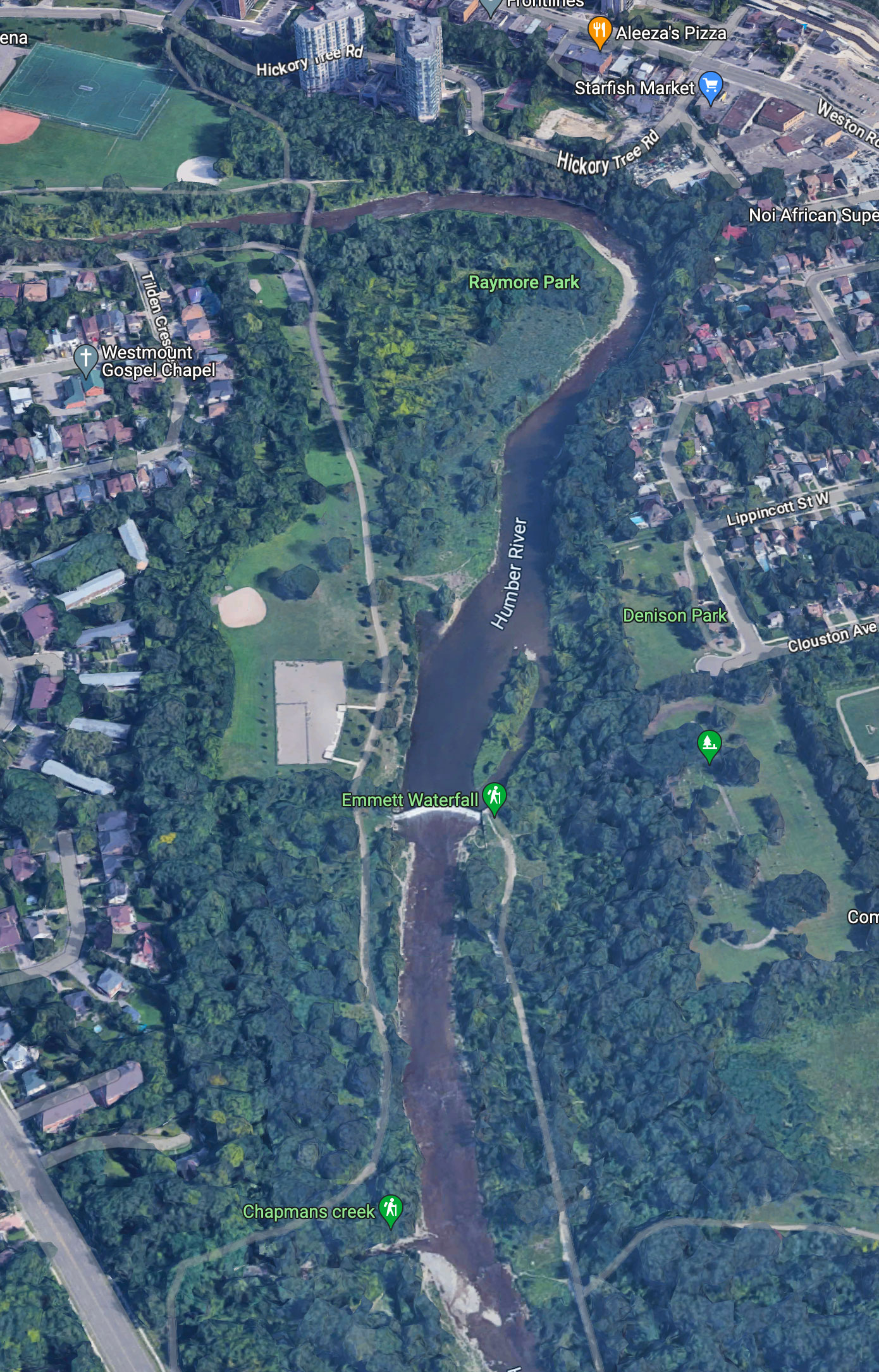
The DOLA and remaining (unused) baseball diamond just north of Emmet Waterfall. Google Maps.
A few observations:
The DOLA is empty most of the day.
The DOLA is popular with commercial dog walkers but a majority of individual owners seem to prefer other parts of Raymore park.
Commercial dog walkers are banned from November through May but many of them use the park year-round.
Compared to the rest of the park, the off-leash section is a barren wasteland.
Thanks to pea gravel making running uncomfortable, dogs get little exercise.
Many people ignore leash by-laws in the park.
The DOLA has done little to protect park wildlife from off-leash dogs.
By-law enforcement seems to have disappeared since Covid.
The DOLA seems to have been a huge waste of money and resources.
Overall Grade: D-
Public Consultation:
A Toronto-wide consultation process was begun in June 2019 to gather feedback on how to improve DOLA design with stakeholder meetings and public surveys. The effort seems to have ground to a halt during Covid as there are no updates beyond this one in 2020.
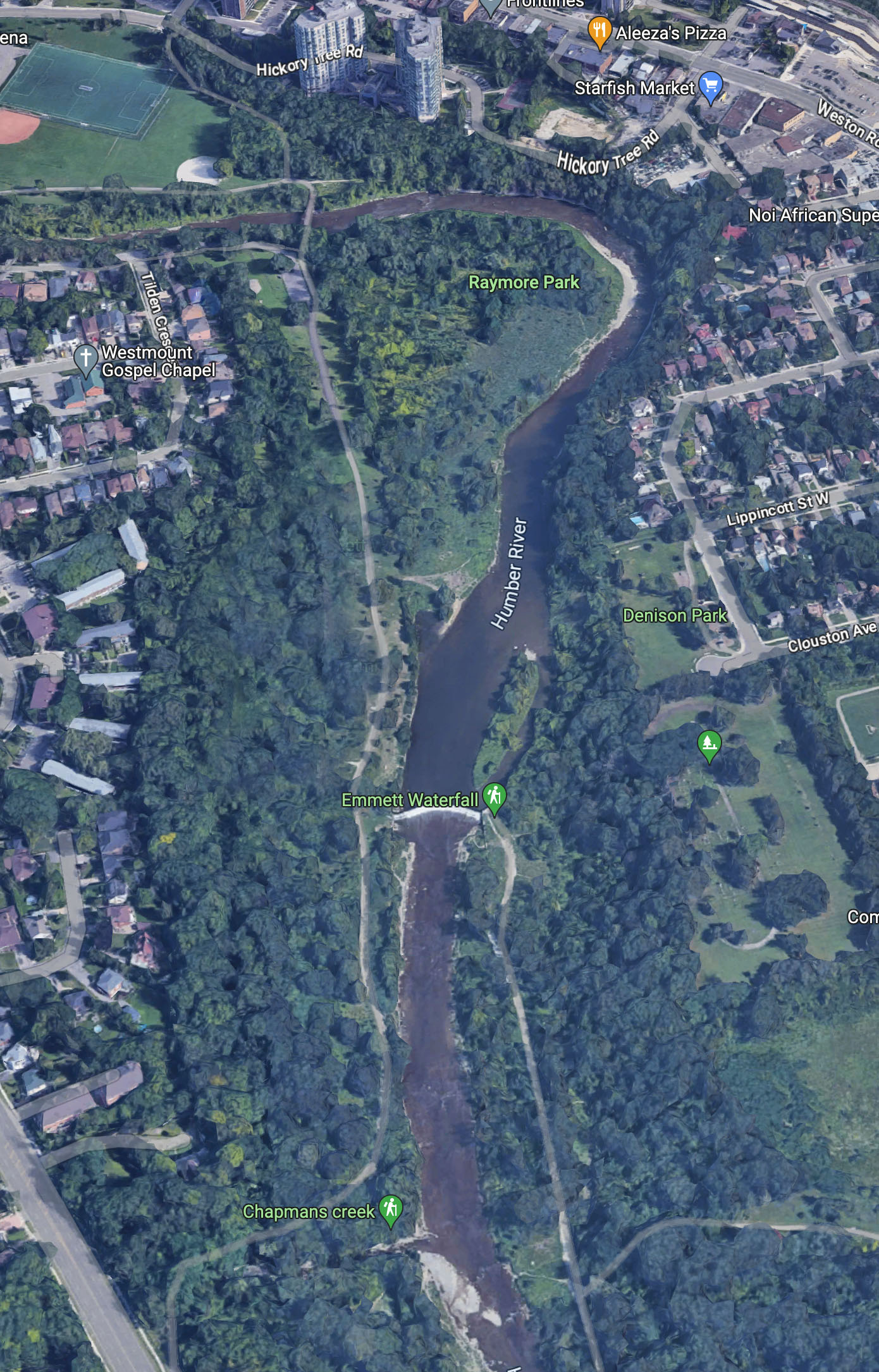
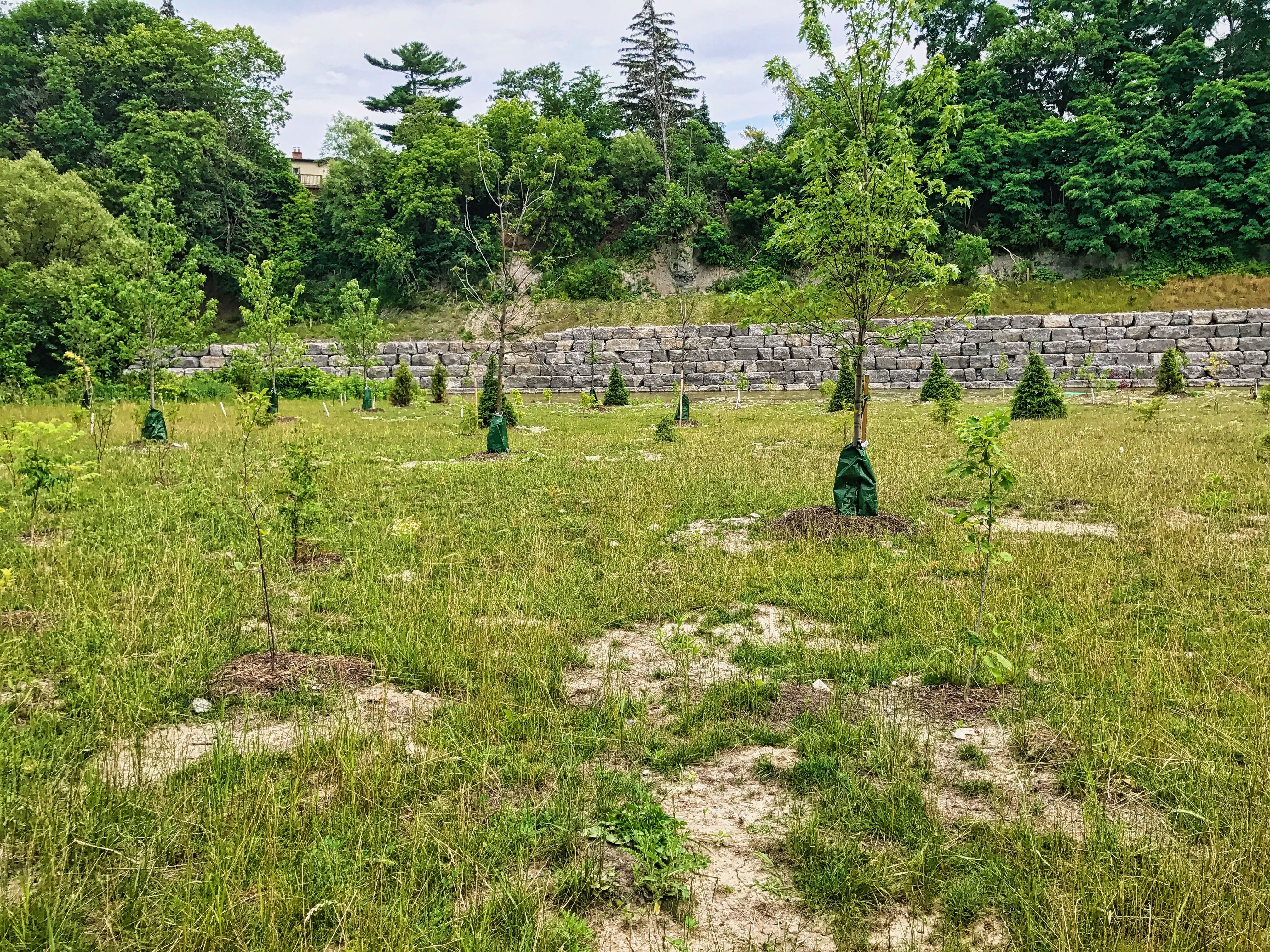
My two cents: The DOLA should never have been built as there was no demand for it – especially for one so flawed. Far better, cheaper and less disruptive, to have allowed the huge open space between the two unused baseball diamonds to be planted with native trees and create a woodland / wildlife corridor that would join with the one south of the weir.
What might have been – extending the woods north beyond the falls to form a wildlife corridor. Google Maps.
Extra Credit: Read Maria Kwok’s thorough review of Raymore Park’s DOLA here.
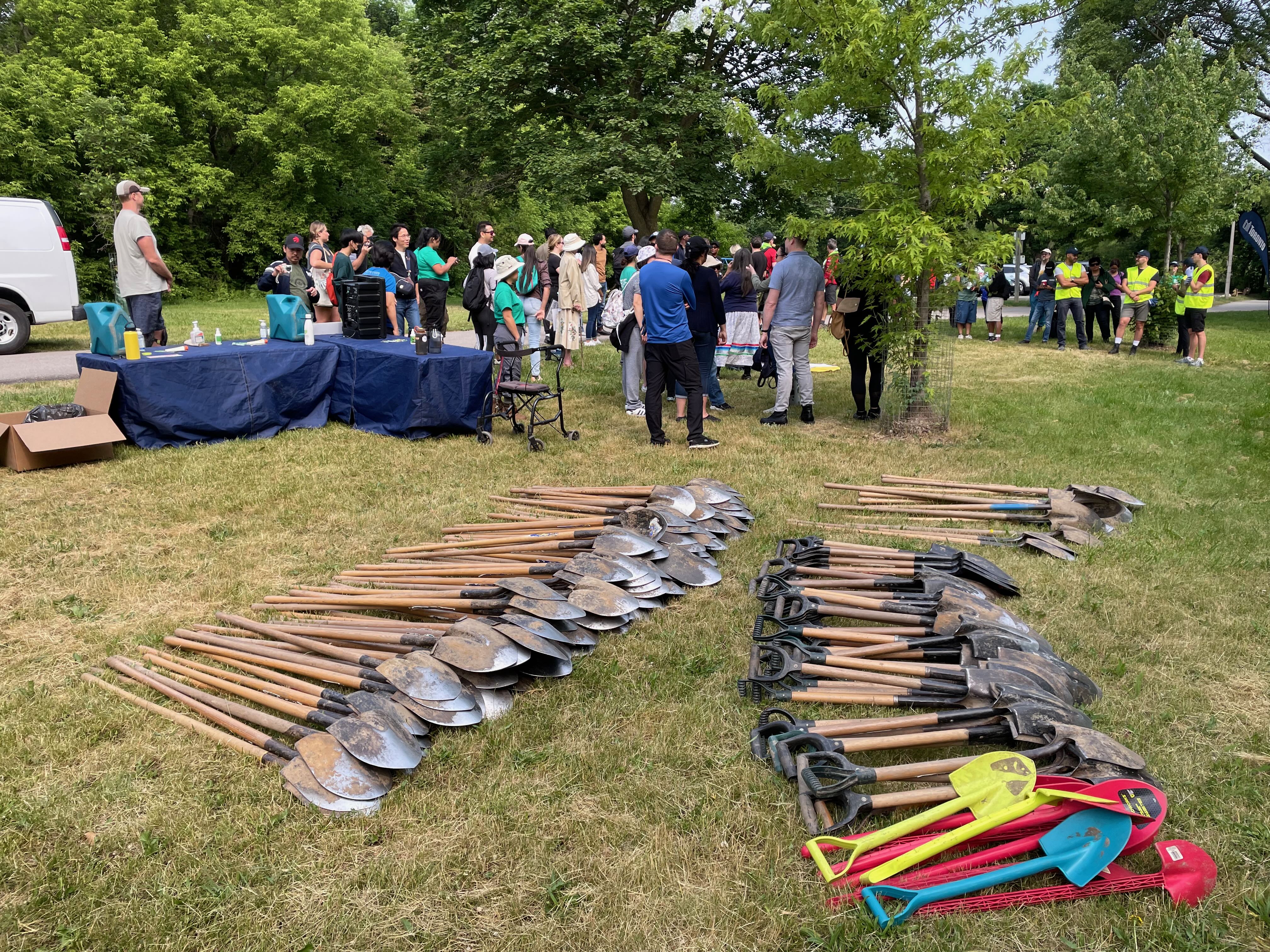
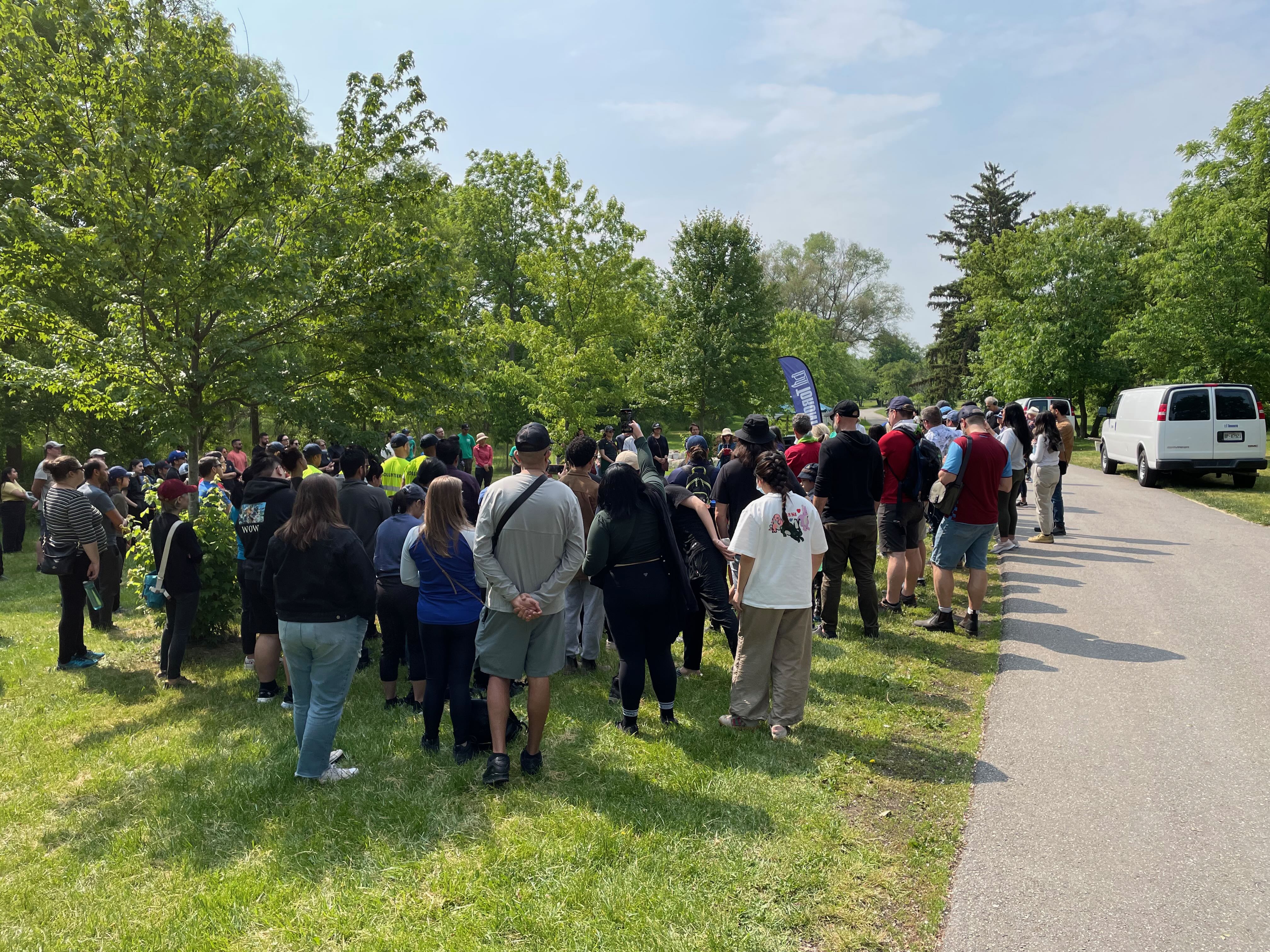
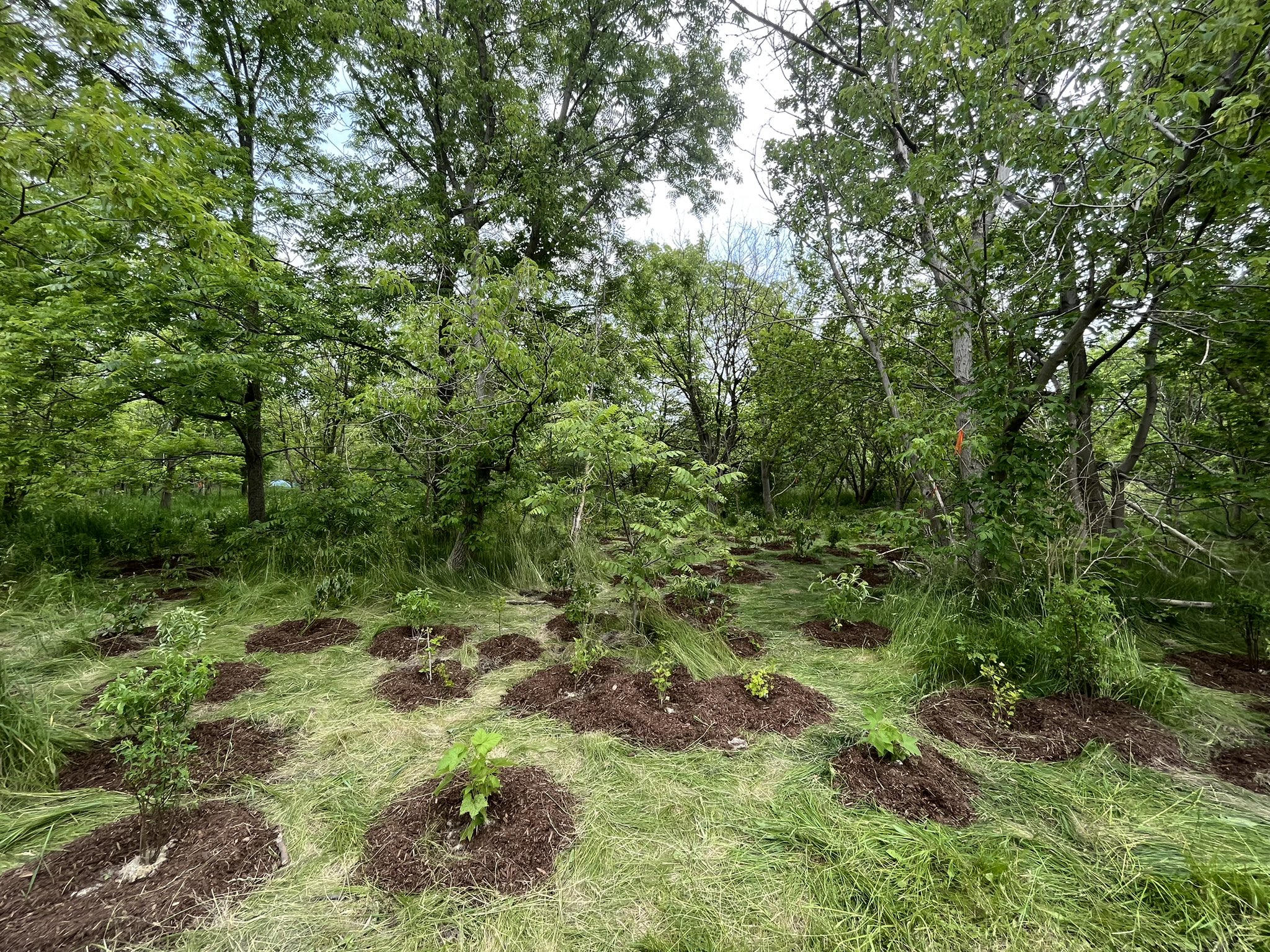
A large number of people gathered on the morning of Saturday June 10 to plant 325 native trees and shrubs in the wild area just south of the parking lot.
Shovels of all sizes at the ready.An impressively large crowd attended.
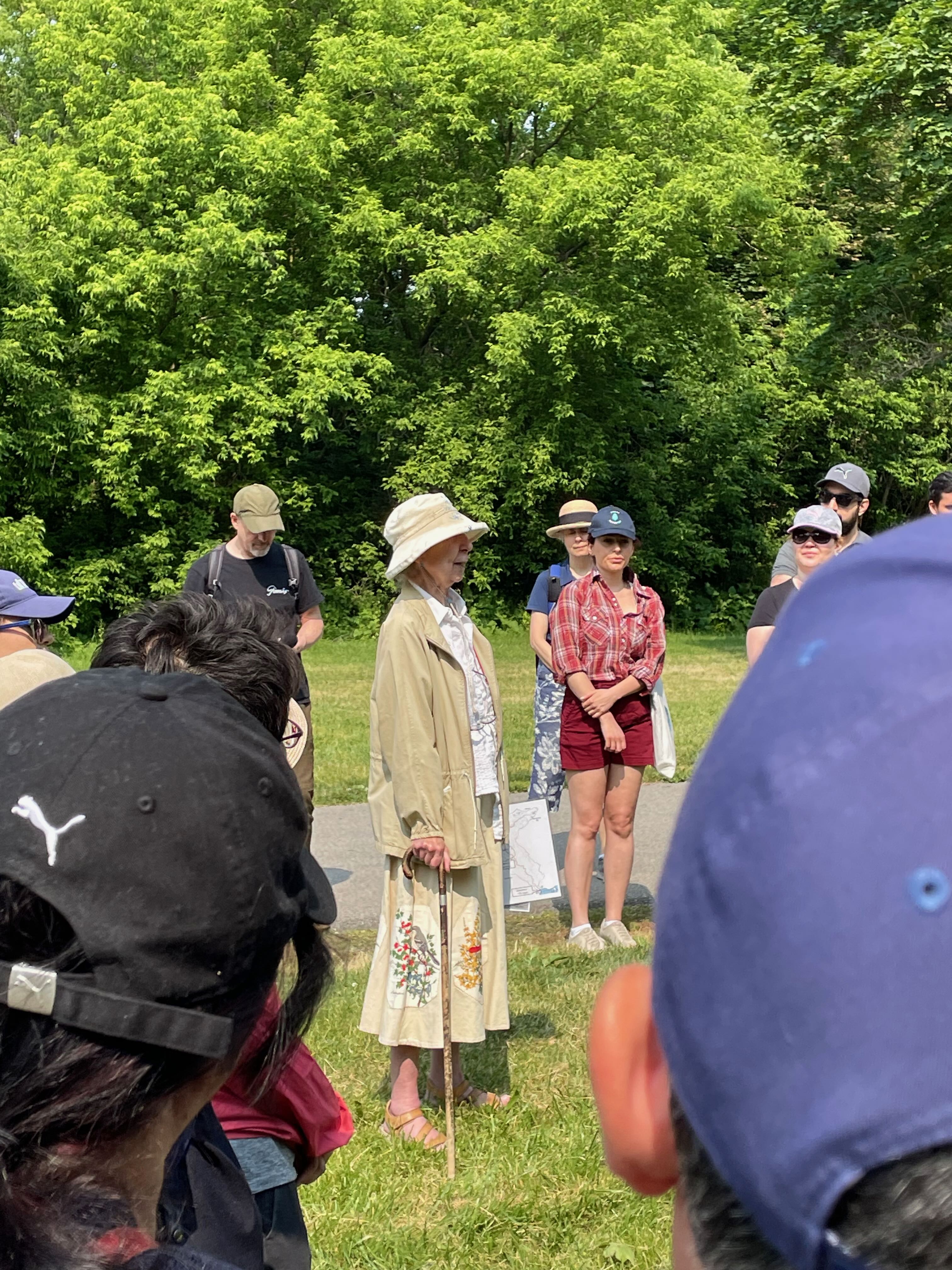
The event organized by The Humber River Citizens’ Alliance and the City of Toronto was begun by a talk from Toronto historian Madeleine McDowell who gave an outline of the events of Hurricane Hazel which eventually prompted the establishment of conservation areas throughout the GTA.
Madeleine McDowell outlines the story of Hurricane Hazel and Raymore Park.
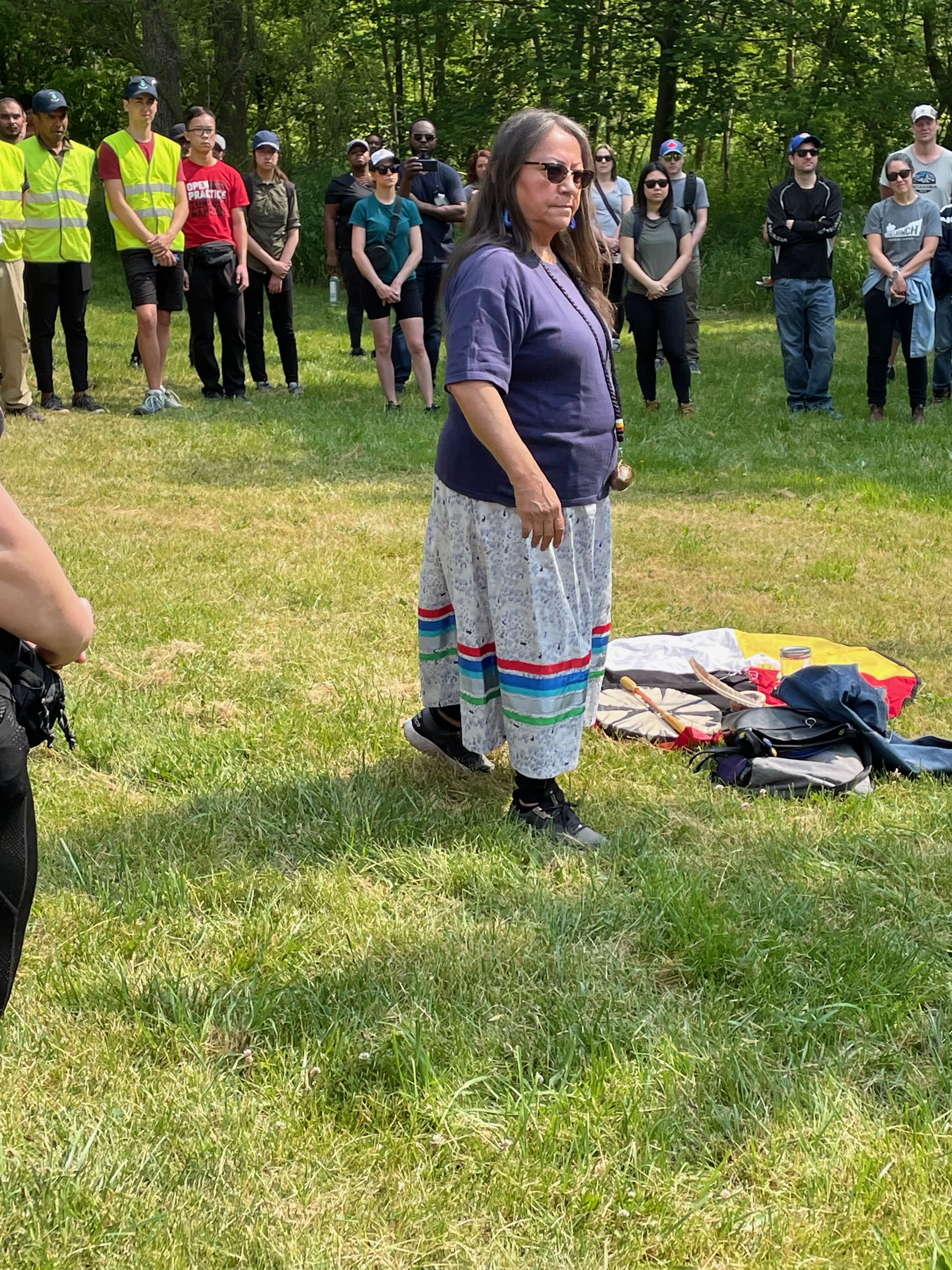
Anishnaabe Grandmother Waterkeeper Vivian Recollet spoke of the value of nature and the need to respect growing things.
Vivian Recollet talks about native traditions and respect for the land.
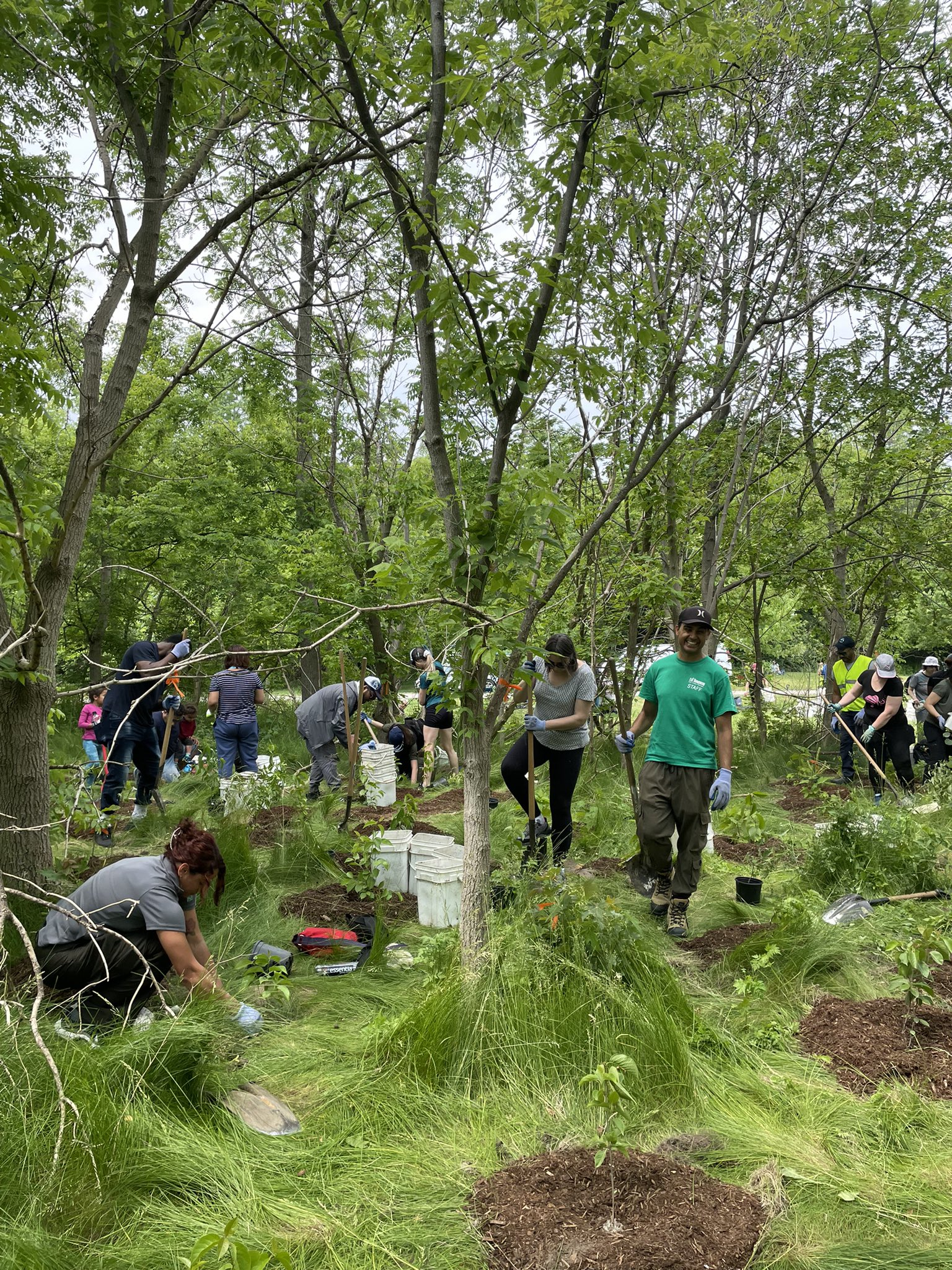
The event was well organized and the work went quickly.
Volunteers hard at work. From Toronto Forestry Twitter account.
As mentioned, a total of 325 trees and shrubs were planted and the recent rain will no doubt help considerably with their establishment.
Trees and shrubs in their new home along with lots of mulch. From Toronto Forestry Twitter account.
Commemorate the lives lost to Hurricane Hazel and enhance the natural habitat. This event will feature a short talk by historian Madeleine McDowell and a ceremonial tree planting with Vivian Recollet, an Anishinaabe Grandmother Waterkeeper. Meet south of Raymore Bridge, on the east side of the Humber River Recreational Trail (by the old bridge abutment).
When: June 10, 2023
Event Time(s): 10:00 am – 12:00 pm
Where: Raymore Park
93 Raymore Drive, Etobicoke, ON M9P 2S4, Canada
Cost: Free
Individuals and small groups do not need to register and are welcome to attend. Registration for groups of five or more people has reached maximum capacity and is now closed. Email us to add your group to the waitlist.
The earliest parks were created by Persian kings who used them as private hunting areas. The practice of game parks was carried on in medieval England and as in Persia, the public was excluded. The industrial revolution created large polluted cities and parks were seen as an escape from industrial grime. In modern times, parks have evolved to serve many purposes and city parks like Raymore preserve native flora and fauna while providing a place to relax, exercise and take in the beauty of nature. Raymore sits on a flood plain and so floods can occur relatively harmlessly.
Who are parks for?
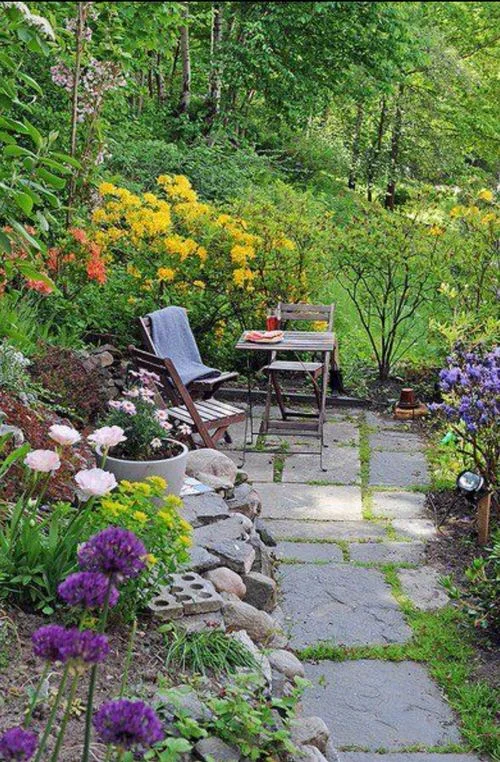
There are many neighbourhoods in Toronto where detached homes are the norm. These homes are often surrounded by beautiful gardens with a back yard and tranquil space. Unfortunately, at a price of $1.27 million, for an average detached home and $1 million for a semi, homes with gardens are beyond the reach of most Toronto residents. Only about one in three people are able to enjoy a garden.
For most people in Toronto, parks are the only form of green space available to them and the best way to escape from stale indoor air. This is why adequate and varied parkland is a vital component of life in a city.
Carbon dioxide (CO2) is a natural product of breathing but is toxic at high levels. Fresh air contains around 420 parts per million of CO2. Without adequate ventilation (which is quite common in heated and air conditioned environments, levels of CO2 can build up. When carbon dioxide exceeds 1000 ppm, problems can arise such as headaches, nausea and dizziness.
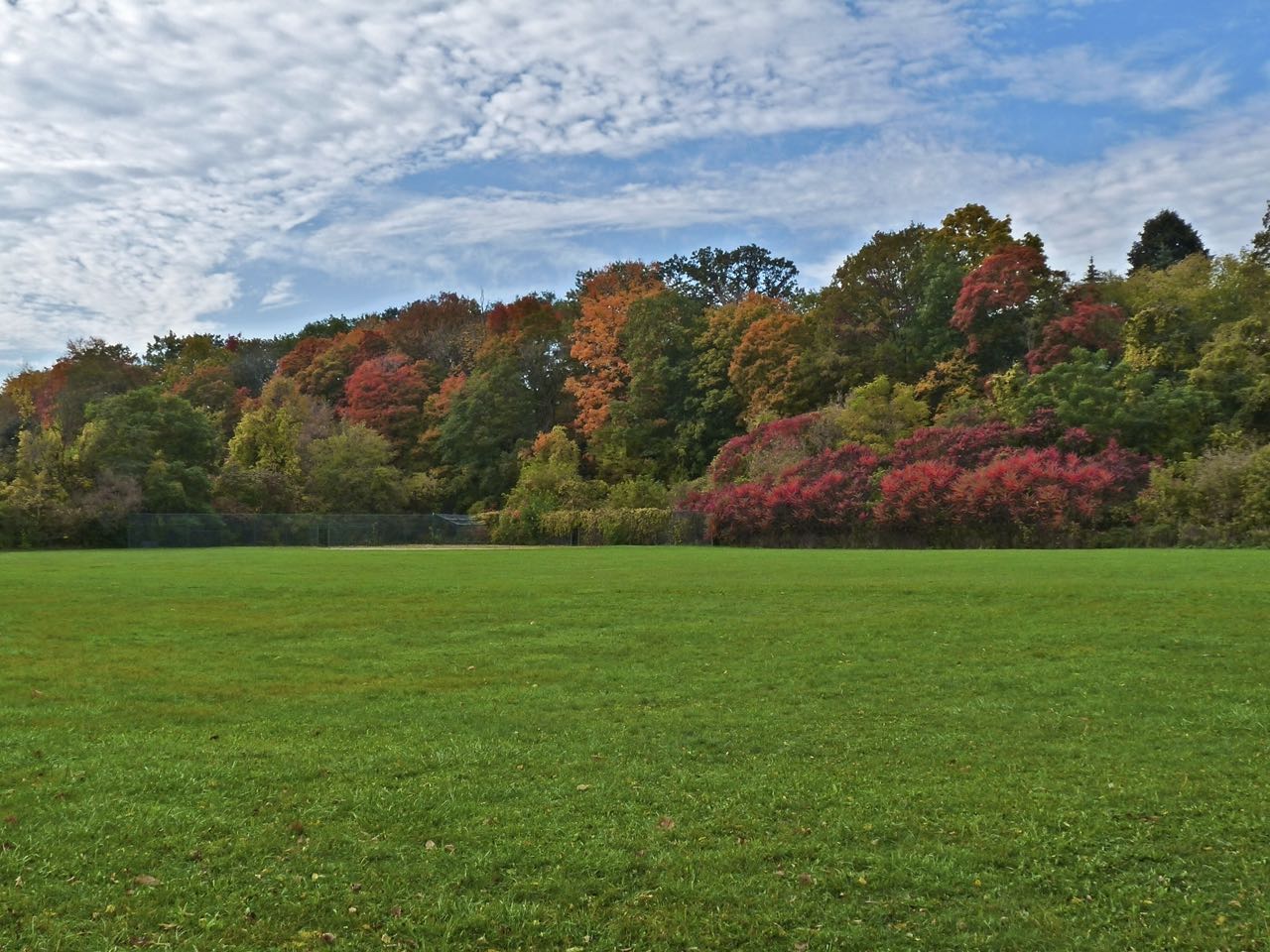
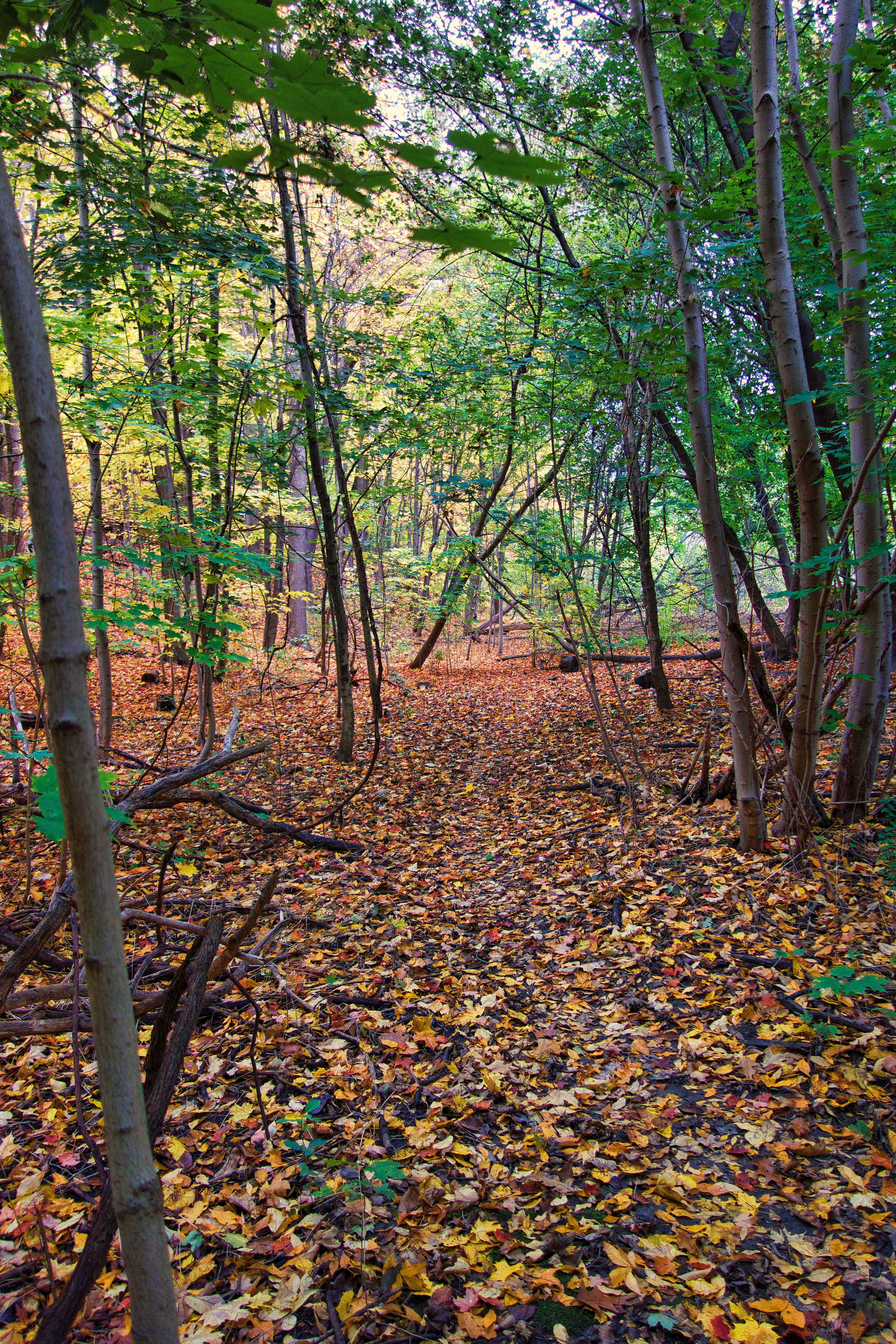
A carpet of fall colour in Raymore Park.
Park air is probably healthier than indoor air because it is likely cleaner and has lower CO2. In summer, parks turn carbon dioxide into oxygen. That’s not all. Being among trees reduces stress. A walk on a treadmill cannot duplicate the relaxation that comes from a walk in the woods. Sunshine can brighten a mood and in summer months, provide essential vitamin D.
In Canada, our cities are becoming more crowded and parks are a way for people to enjoy nature. People without gardens of their own depend on parks and open spaces as an escape from indoor air. This is why parkland in cities is precious and must be protected at all costs. Providing access to nature is more important than ever and should be considered a human right. Parks are not a frill; they’re an essential component of a healthy life.










 Friends of Raymore Park